
12 Dreamy Towns In Colorado That Are Straight Out Of A Hallmark Movie
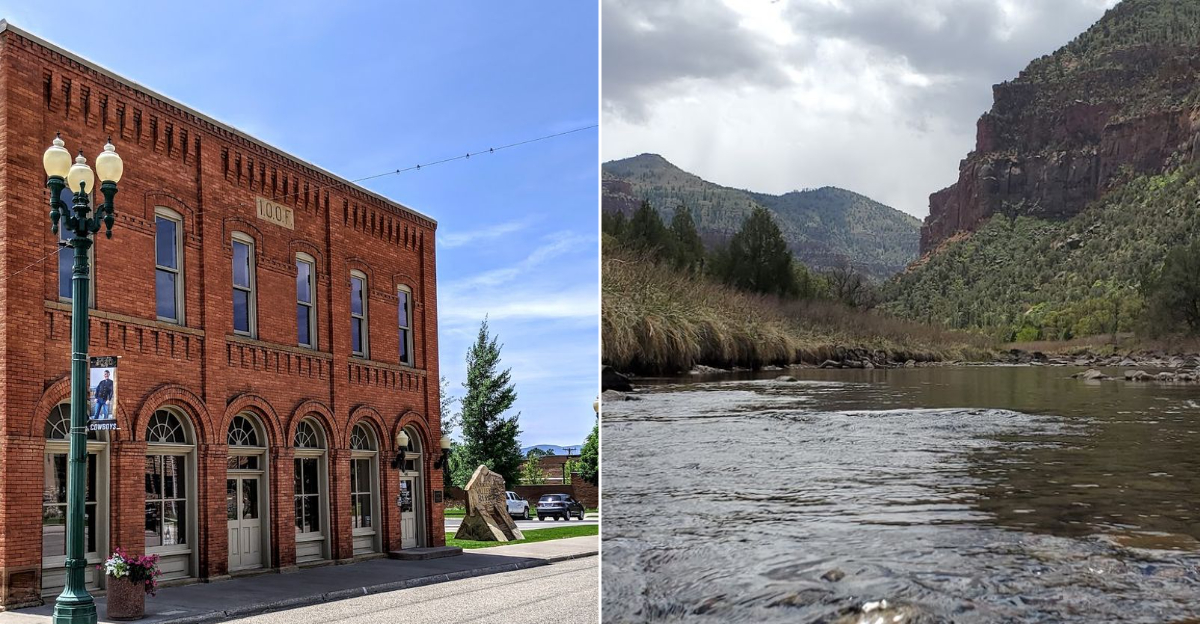
Colorado is full of surprises, but its tiniest towns often steal the whole spotlight before you even finish parking nearby. Tucked between rugged peaks, river bends, golden meadows, and skies so wide they make your camera panic, these little communities feel like storybook pages with hiking boots.
One minute you are passing a weathered porch or a cheerful main street, and the next you are wondering whether you should cancel your return plans.
They are perfect for hand-holding weekends, snack-packed family drives, lazy window shopping, and those random roadside stops that become the best part of the trip.
Colorado’s small-town magic is never loud or flashy, which is exactly why it sneaks up on you. Bring layers, a full battery, and a little extra curiosity, because every turn might reveal a mountain view, a friendly smile, or the kind of peaceful moment you keep talking about long after home.
1. Creede
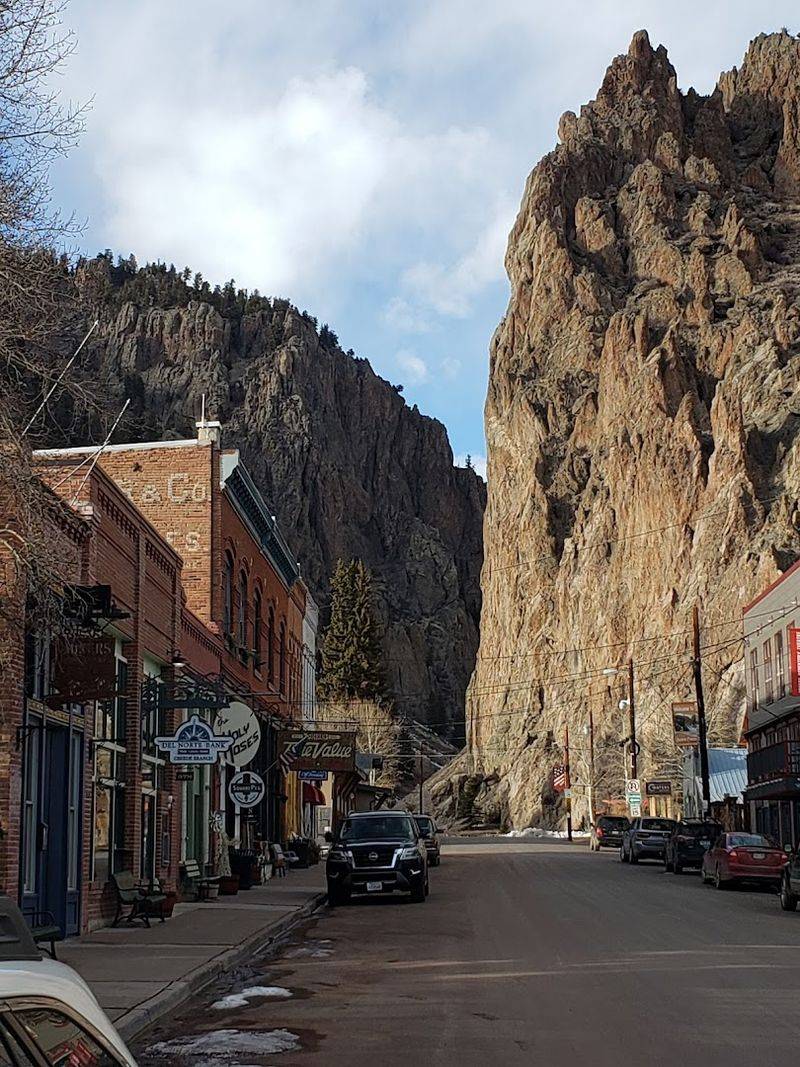
Creede is the kind of town that makes you stop the car before you even find a parking spot. The canyon walls rise so close on either side of Main Street that the whole place feels like a scene someone framed on purpose.
It is dramatic without being overdone, which is a surprisingly rare combination.
Founded during a silver mining boom in the 1890s, Creede has held onto its character the way small towns rarely manage to do. The galleries, the old storefronts, and the Creede Repertory Theatre give it a cultural pulse that catches first-time visitors off guard.
You come expecting a ghost town and leave with a theater program tucked in your back pocket.
The surrounding Mineral County landscape is pure Rocky Mountain cinema. Rio Grande headwaters, Wheeler Geologic Area day trips, and those jaw-dropping canyon walls make every hour here feel like a plot twist worth sticking around for.
My honest take: Creede rewards slow travelers. Do not rush through it.
Grab a coffee, walk the street end to end, and let the cliffs do what they do best, make everything feel a little bigger than ordinary life.
2. Lake City
There is a particular kind of quiet in Lake City that city people spend years trying to find and never quite do. Sitting at nearly 8,700 feet in Hinsdale County, one of the least populated counties in the entire United States, this town operates on its own unhurried clock.
Snow falls here like it means it.
The San Juan Mountain scenery wrapping around Lake City is genuinely absurd in the best possible way. Every direction you look feels like a screensaver nobody would believe is real.
The historic downtown has that warm, everyone-knows-your-name energy that Hallmark writers dream about but rarely capture this authentically.
Lake City sits at the junction of Henson Creek and the Lake Fork of the Gunnison River, and the fishing alone is worth a detour. But what keeps people coming back is harder to describe.
Maybe it is the scale of the place, small enough that a single afternoon covers it all, big enough that you always find something you missed. I came here once for a weekend and spent an extra day without a single regret.
That should tell you everything you need to know.
3. Westcliffe
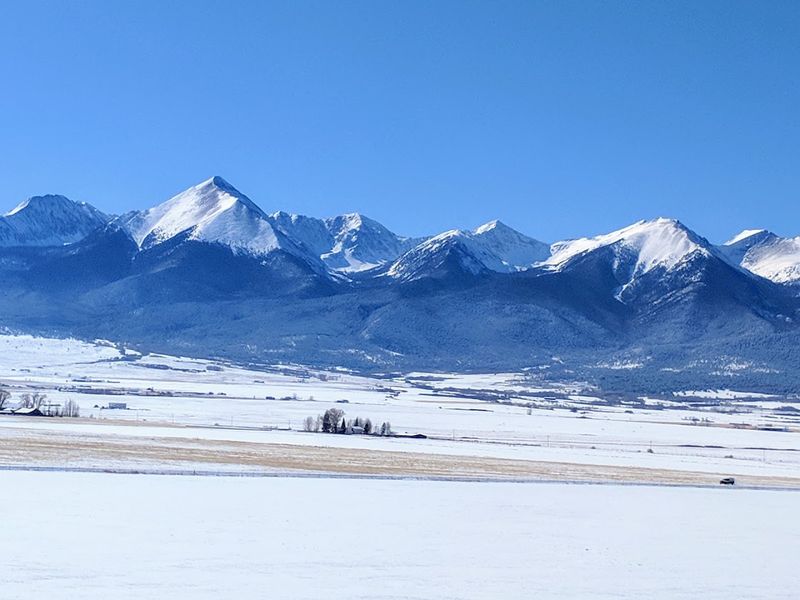
Westcliffe earns its reputation without trying particularly hard, which is one of the things I find most appealing about it. The Sangre de Cristo Mountains rising behind town create a backdrop so cinematic that photographers and painters have been chasing it for generations.
On a clear morning, those peaks turn colors that no filter improves.
The town holds a rare International Dark Sky designation, meaning the night skies here are genuinely extraordinary. Families who bring kids for a stargazing night tend to go quiet in a way that screens never manage to produce.
That kind of awe is worth the drive from anywhere in Colorado.
Westcliffe has a relaxed arts scene, some good local shops, and a community personality that feels welcoming without being performatively charming. The Custer County Welcome Center on 3rd Street is a solid first stop if you want to get your bearings and pick up trail maps.
My personal suggestion: arrive late afternoon, catch the sunset against the Sangres, then stay for dark. The combination of mountain drama at dusk and star-filled skies after is one of those double-feature travel moments that feels almost unfair to people who stayed home.
4. La Veta
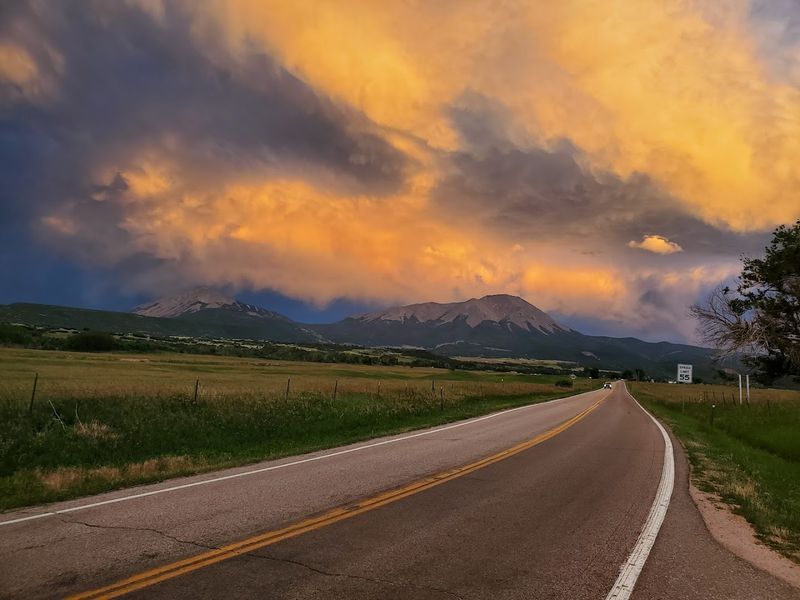
La Veta has a softness to it that is hard to pin down but immediately felt. The Spanish Peaks loom over the valley like a pair of old guardians, and the town below goes about its business with a calm, artsy confidence that suits the scenery perfectly.
Historic storefronts line the main drag without a chain store in sight, which already puts it ahead of most places.
The galleries here punch well above the town’s size. Local artists clearly draw inspiration from the surrounding landscape, and the work reflects it.
A slow walk through La Veta on a Saturday morning, stopping into a gallery or two before finding coffee, is about as close to a perfect small-town morning as I have personally experienced in Colorado.
La Veta Town Hall sits at 209 South Main Street, and the whole downtown is walkable from there in minutes. The town also sits along Highway 12, known as the Highway of Legends, which connects some of the most beautiful scenery in southern Colorado.
If you are road-tripping through that corridor, La Veta is not a place to drive past. Stop, stretch, and let the Spanish Peaks remind you why Colorado earned all the attention it gets.
5. Mancos
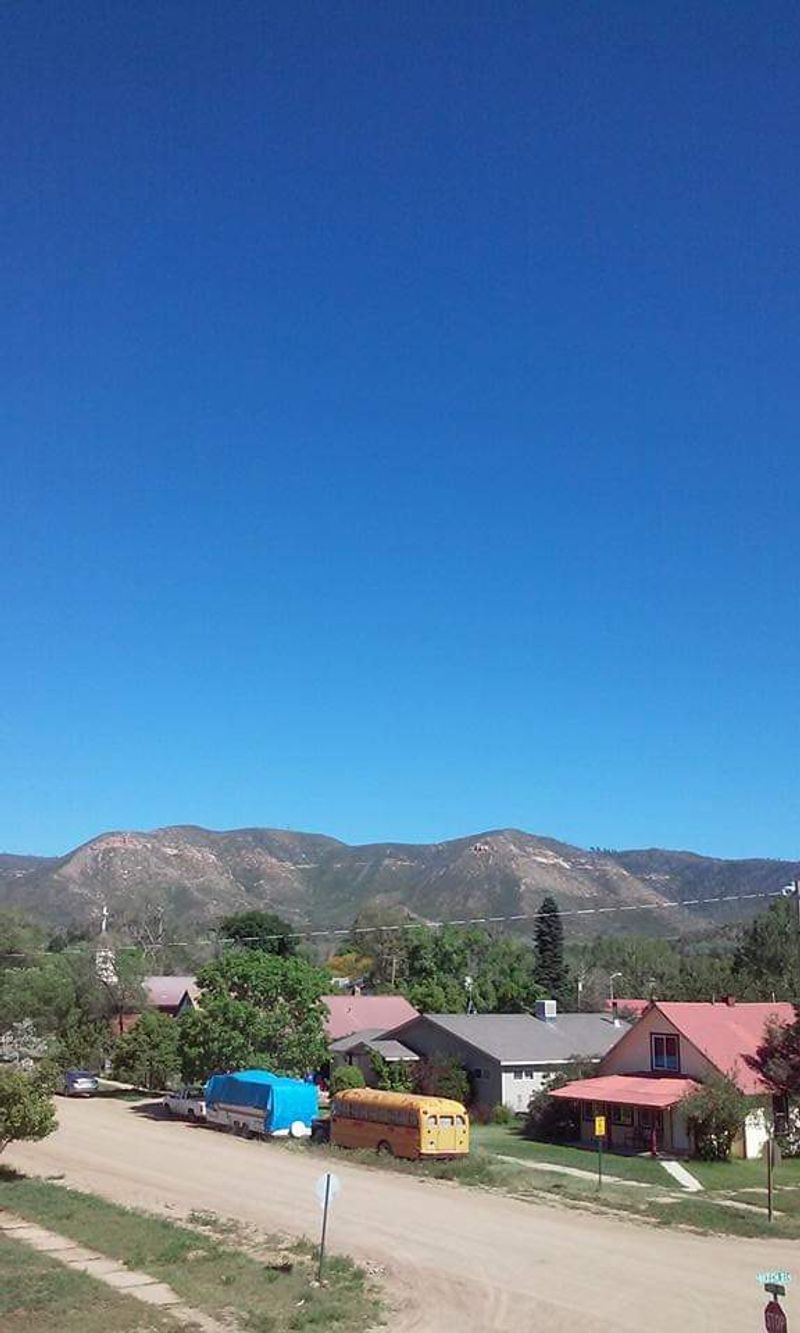
Mancos occupies a sweet spot that bigger towns near Mesa Verde have mostly traded away for tourist infrastructure. It has genuine Western character, a creative streak, and a pace that feels like the valley itself is setting the tempo.
You get the sense that the people who live here chose it very deliberately.
The downtown is compact and walkable, with a mix of local shops, a brewery or two, and the kind of casual energy that makes afternoon wandering feel productive. Mancos Valley Chamber of Commerce sits right on East Bauer Avenue, and the staff there tend to know exactly which back road or overlook will make your visit.
That local knowledge is genuinely useful in a region this rich with options.
Being close to Mesa Verde adds obvious appeal, but Mancos earns its place on this list independent of its famous neighbor. The town itself has enough personality to hold your attention for a full day without once mentioning ancient cliff dwellings.
Personally, I think the best version of a Mancos trip starts with a slow morning in town and ends with an evening drive up the valley as the light goes golden. Simple, unhurried, and quietly wonderful.
That formula works every time here.
6. Dolores
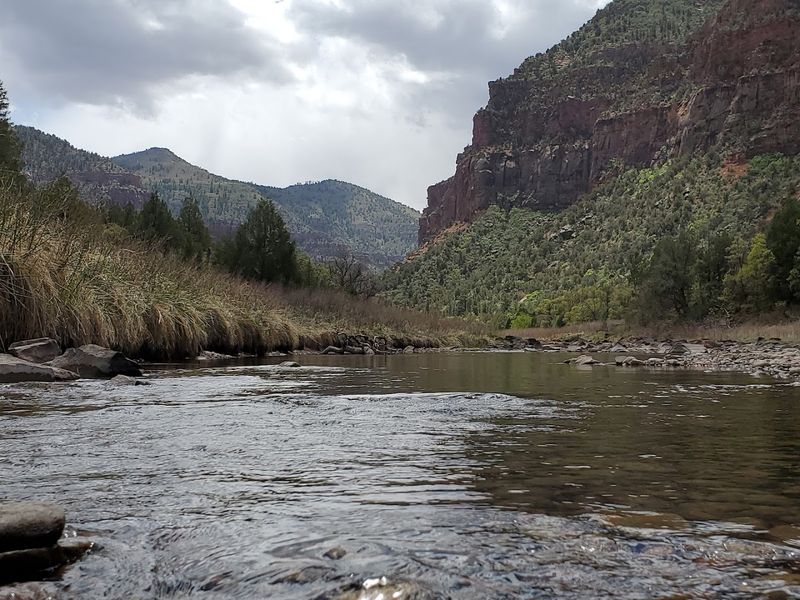
Some towns make you feel welcome before you even get out of the car. Dolores is one of those.
Sitting along the Dolores River with the San Juan Mountains within easy reach, this little railroad town has the kind of low-key downtown energy that sneaks up on you. You plan to stop for twenty minutes and somehow lose an afternoon.
The railroad history here is real and tangible. The Dolores Visitors Center on Railroad Avenue is worth a few minutes of your time just for the context it provides.
Understanding why a town exists where it does always makes the visit richer, and Dolores has a clear story to tell about water, rails, and mountain commerce.
McPhee Reservoir sits just outside town, adding fishing, boating, and waterside scenery to an already appealing package. The surrounding terrain feeds into some excellent mountain biking and hiking without requiring the kind of gear investment that intimidates casual travelers.
My honest read on Dolores: it is the town that becomes the whole plot when you thought it was just a quick stop. That unexpected quality is exactly what makes it feel so genuinely Hallmark-coded.
Expect nothing elaborate, and leave pleasantly surprised every single time.
7. Paonia
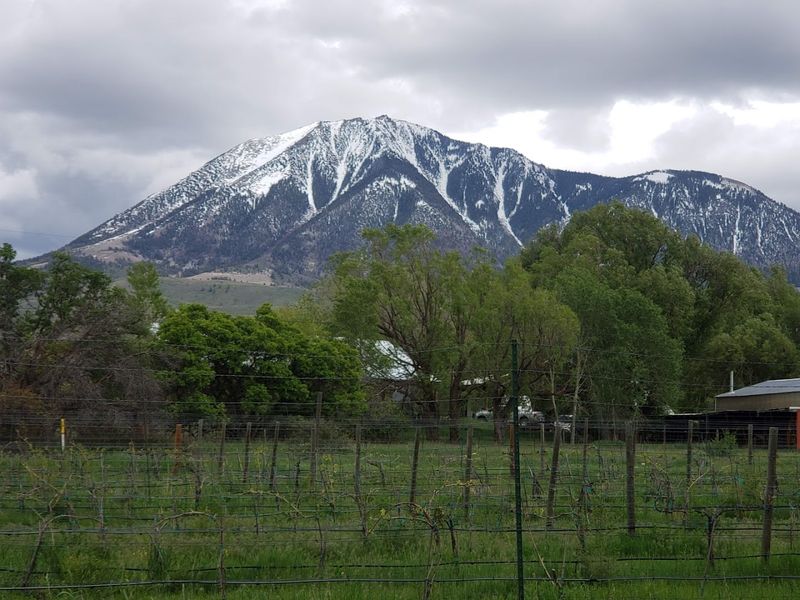
Paonia is one of those places that people who know it tend to guard like a good recipe. Sitting on Colorado’s Western Slope in the North Fork Valley, it combines working orchards, mountain scenery, and a genuine arts community in a way that feels organic rather than curated.
The result is a town with real personality.
Farmers markets here feature local fruit that actually tastes like fruit is supposed to taste. The surrounding orchards and vineyards make Paonia a strong contender for a late-summer or early-fall visit, when the valley turns golden and the harvest energy gives everything a warm, abundant feeling.
Couples especially tend to find this timing irresistible.
The town sits at around 5,700 feet, which keeps summers comfortable and winters genuinely snowy without being brutal. Paonia Town Hall anchors Grand Avenue, and the walkable downtown from there covers galleries, local eateries, and small shops without ever feeling overwhelming.
I find Paonia most magical in the early evening, when the mountains catch the last light and the valley goes quiet. It is the sort of place that makes you reconsider your definition of a good life.
Not loudly. Just quietly and persistently, the way the best places always do.
8. Cedaredge
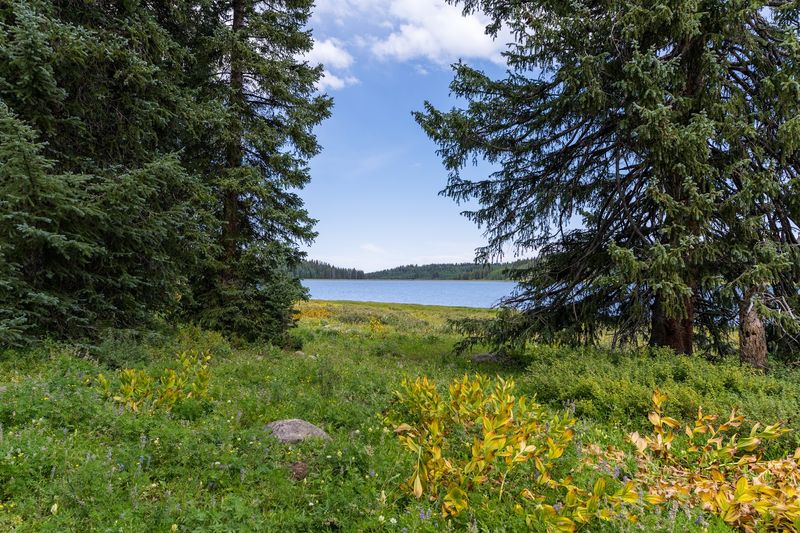
Cedaredge sits at the foot of Grand Mesa like a town that got exactly the right view and decided to stay. The mesa rising behind it is the largest flat-topped mountain in the world, which sounds like something people exaggerate but is actually true.
That geological backdrop gives Cedaredge a visual anchor that most small towns would envy.
The town itself is quiet, tidy, and genuinely pleasant to walk around. Small shops, a welcoming main street, and easy access to the mesa above make it a practical base for a relaxed weekend.
Pioneer Town, a local outdoor museum complex, adds a layer of regional history that families with kids tend to appreciate more than they expect to.
Grand Mesa above Cedaredge offers lakes, forest roads, and scenic drives that shift personality with every season. Fall color here is legitimately spectacular.
Winter brings snowmobiling and cross-country skiing. Summer opens up fishing and hiking without the altitude anxiety of higher Colorado destinations.
Cedaredge Town Hall is right on West Main Street, making orientation straightforward. My take is simple: Cedaredge rewards visitors who are not trying to check boxes.
Come without an agenda, point yourself toward the mesa, and let the scenery do the convincing. It always delivers.
9. Del Norte
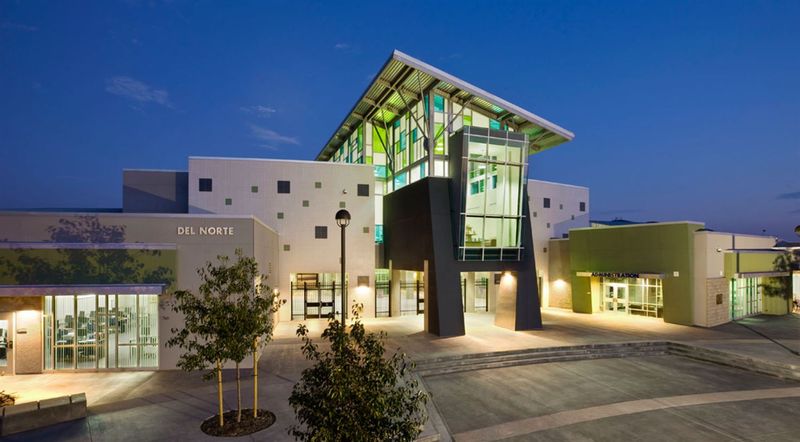
Del Norte has old stone buildings that look like they were built to last several centuries and are well on their way to proving it. The San Luis Valley spreads out around town with a scale that takes a moment to fully register.
This is big-sky Colorado, the kind that makes you feel simultaneously small and strangely energized.
The Rio Grande runs nearby, and the fishing and rafting opportunities that come with it draw outdoor visitors who prefer their adventures without the festival-weekend crowds. Del Norte has that rare quality of being genuinely useful as an adventure base without having been overrun by the infrastructure that usually follows.
It still feels like a real town where real people live.
Del Norte Town Hall is on Spruce Street, and the surrounding downtown has the honest, unpolished charm of a place that has not been aggressively renovated for tourism. That authenticity is increasingly hard to find in Colorado.
Personally, I think the San Luis Valley setting alone justifies the trip. The light here in the late afternoon is something photographers talk about in reverent tones, and they are not wrong.
Come for the river access, stay for the scenery, and leave quietly impressed by how much this town offers without asking for any attention at all.
10. Saguache
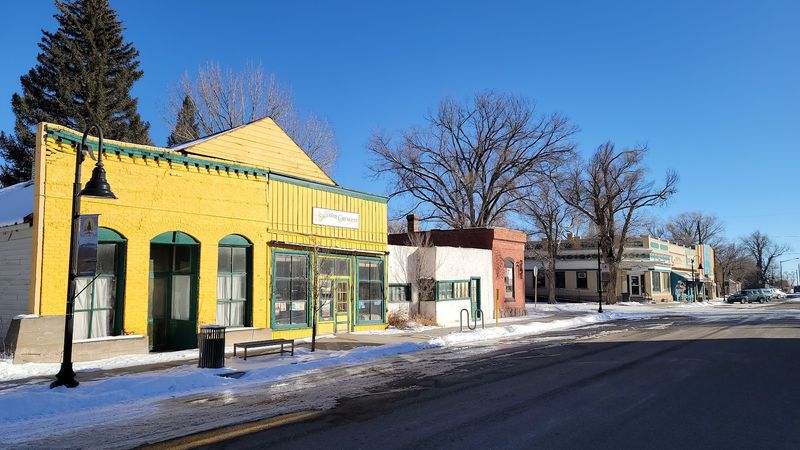
Saguache is the kind of town that a novelist would invent if they needed a setting full of quiet dignity and untold stories. Tree-lined streets, historic brick buildings, and a ranch-country calm that permeates everything give it a character that feels lived-in and genuine.
The San Luis Valley mountain views from here are expansive in every direction.
The town has a small but interesting history. Saguache County Museum, housed in the old jail, offers a surprisingly engaging look at the region’s past.
It is the sort of local history stop that takes thirty minutes and leaves you thinking about it for the rest of the drive. Small museums like this one are underrated travel experiences, full stop.
Saguache Town Hall sits on San Juan Avenue, and the surrounding streets are easy to explore on foot without any particular plan. The pace here is genuinely slow, which is either exactly what you are looking for or something you will need to adjust to.
I find the adjustment takes about fifteen minutes and is entirely worth it. Saguache does not perform for visitors.
It simply exists, steadily and confidently, and that quiet self-assurance is more charming than any amount of curated tourism. Come with time to spare and leave with a story worth telling.
11. Marble
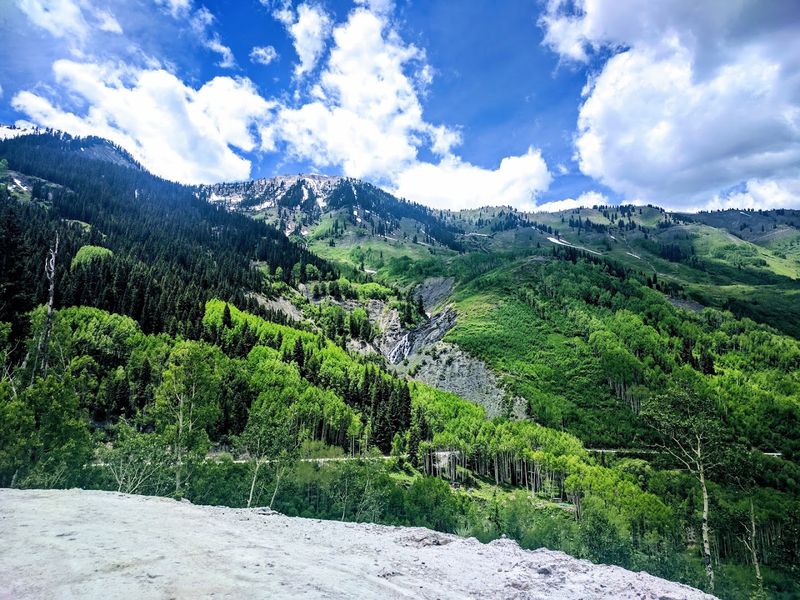
Marble is almost unfairly beautiful. Tucked into the Crystal River Valley with peaks pressing in from every side, it is the kind of place that makes you check the map twice because it seems too scenic to be real.
The town has fewer than 150 year-round residents, which means the quiet here is genuine rather than seasonal.
The marble quarry that gave the town its name supplied stone for the Lincoln Memorial and the Tomb of the Unknown Soldier, which is the sort of historical footnote that turns a pretty drive into something worth lingering over. Large blocks of white marble still sit around the valley like oversized punctuation marks left behind by history.
Marble Town Hall is on West Park Street, and the surrounding area offers hiking to the famous Marble Mill Site and access to the Crystal Mill, one of the most photographed structures in Colorado. Winter here turns the whole valley into something out of a storybook, with snow-covered peaks and frozen creek crossings that reward anyone willing to make the drive on an unpaved road.
My honest advice: go in late fall or early winter, bring someone you enjoy being quiet with, and let Marble do what it does effortlessly, make ordinary moments feel extraordinary.
12. Meeker
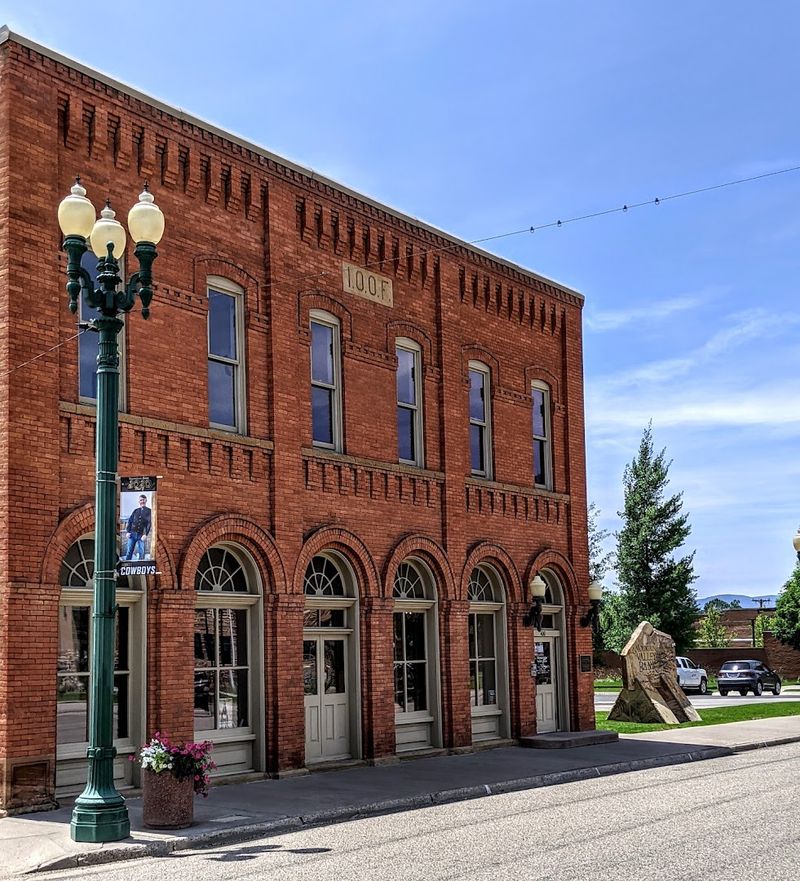
Meeker carries its ranch-town identity with the easy confidence of a place that has never needed to reinvent itself for outside approval. The White River runs through the valley here, the surrounding landscape shifts between sagebrush flats and forested mountains, and the downtown on Market Street has a sturdy, unpretentious character that feels like a handshake rather than a brochure.
The Meeker Hotel, opened in 1896, anchors the historic district and is the kind of building that rewards a slow look. Local history in Rio Blanco County runs deep, from Ute history to early ranching and the famous 1879 Meeker Massacre, which shaped the entire region’s development.
History here is not decorative. It is structural.
Meeker Chamber of Commerce Visitor Center on Market Street is a genuinely helpful first stop, with staff who know the surrounding hunting, fishing, and hiking options in real detail. The White River National Forest access from here is excellent, and the town itself provides comfortable logistics without the price tag of more famous Colorado destinations.
I have a particular fondness for Meeker because it does not try to be anything other than what it is. That straightforwardness, combined with genuinely beautiful scenery, makes it one of the most underrated small towns on this entire list.