
Drive Through 435 Acres Of Wild Animal Habitats At This Thrilling Park In Washington
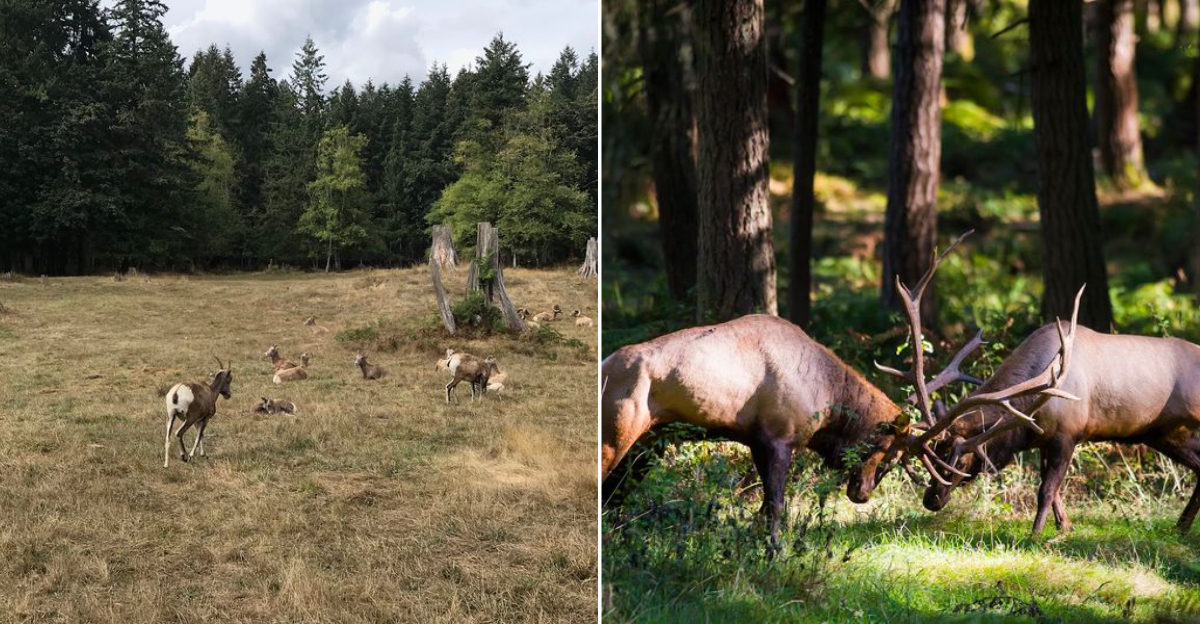
The best way to see the world isn’t from the window of an airplane, but from the driver’s seat of my own car. Recently, I found myself navigating a winding path through 435 acres of untamed wilderness right here in Washington.
It felt less like a Sunday drive and more like a scene plucked from a sweeping nature documentary. As I rolled through the gates, the modern world vanished, replaced by the heavy silence of ancient forests and the sudden, breathtaking movement of massive herds grazing just inches from my window.
There is something profoundly humbling about locking eyes with a roaming giant while you’re safely tucked behind your steering wheel. It is raw, it is rugged, and it is the ultimate Washington escape for anyone craving a wilder perspective.
The Famous Tram Tour Through 435 Acres Of Free-Roaming Wildlife
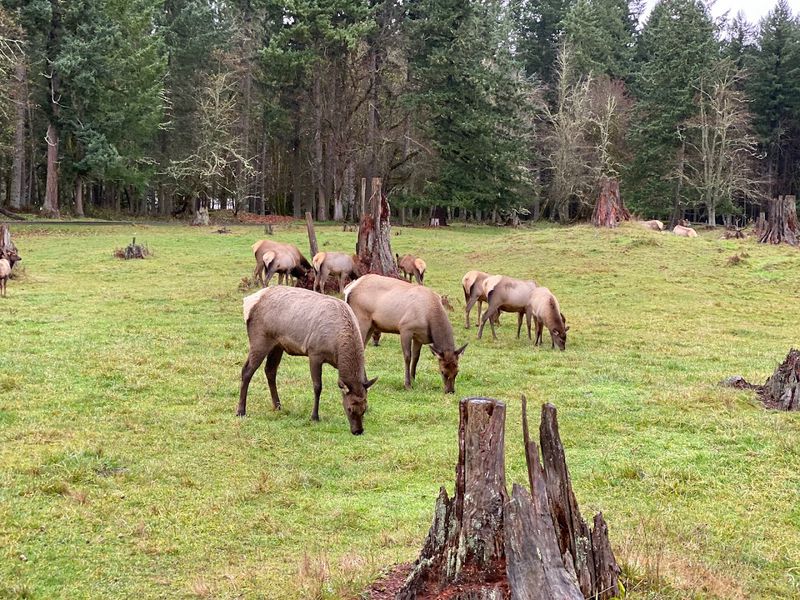
Few experiences in Washington State compare to sitting on an open-air tram as a massive bison casually strolls past, close enough that you can see the texture of its thick, shaggy coat. The guided tram tour at Northwest Trek Wildlife Park is the crown jewel of the entire visit, and for good reason.
It winds through a 435-acre free-roaming area where native animals live without fences separating them from the landscape. The tour runs about 55 minutes and is led by knowledgeable naturalist guides who share fascinating facts about each animal you encounter.
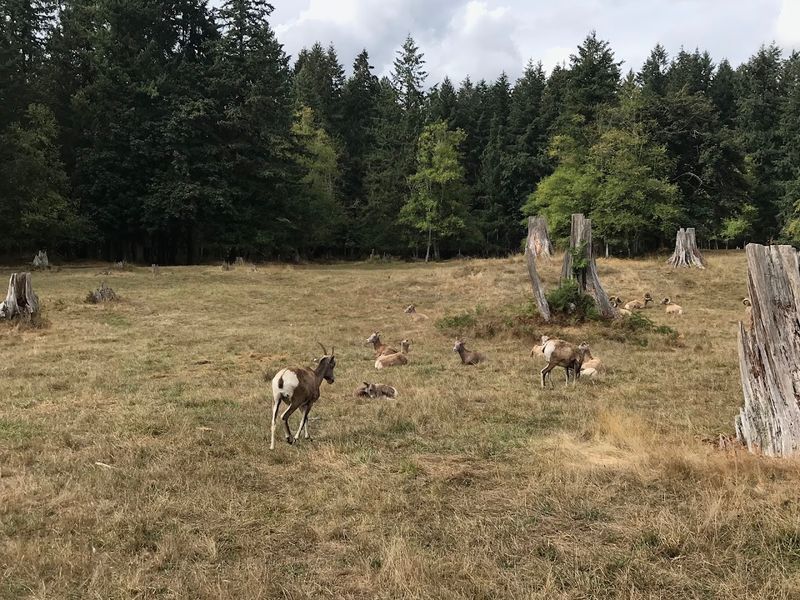
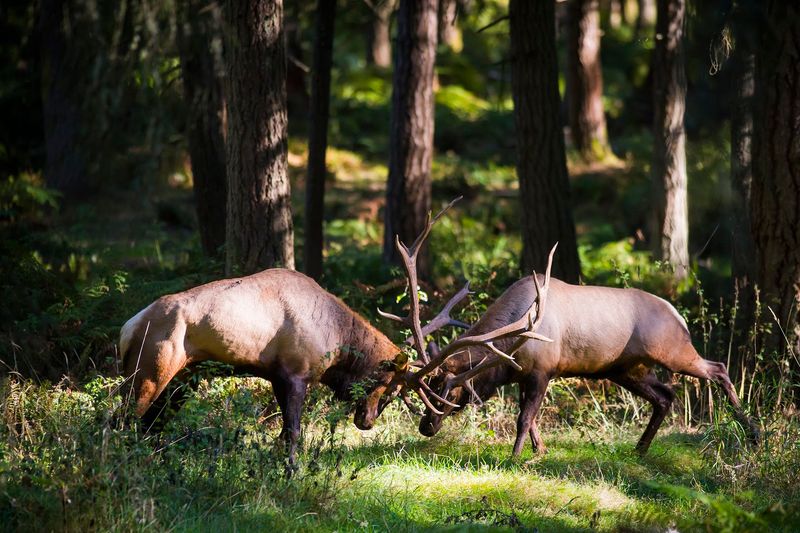
You might spot Roosevelt elk, moose, mountain goats, bighorn sheep, or pronghorn depending on the season and time of day. Morning tours tend to offer the most animal activity since many species are most lively in the cooler hours.
Tickets should be reserved in advance, especially on weekends and during summer months when the park draws large crowds. Bring a camera with a decent zoom lens because the animals move on their own schedule.
Walking Trails Through Forests, Wetlands, And Native Animal Exhibits
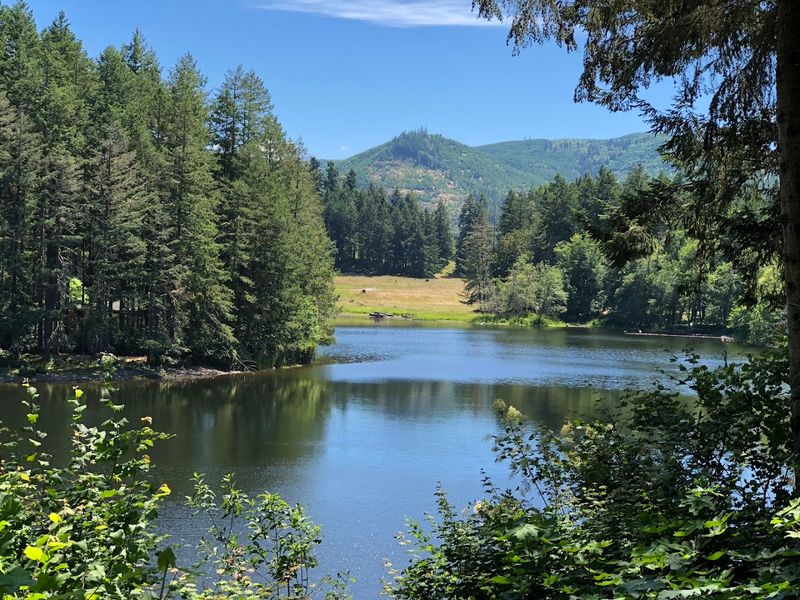
Beyond the tram, the park unfolds into a network of paved trails that guide you through some of the most beautifully preserved ecosystems in Washington State. Towering Douglas firs and western red cedars create a natural canopy overhead while ferns carpet the forest floor in every shade of green imaginable.
The atmosphere feels less like a zoo and more like a genuine walk through the wild. Along these trails, you will encounter exhibits featuring animals that cannot safely roam free, including black bears, gray wolves, mountain lions, wolverines, and river otters.
Each exhibit is thoughtfully designed to mirror the animal’s natural environment, giving you a window into behavior that feels authentic rather than staged.
The trails total about five miles and are fully paved, making them accessible for strollers and wheelchairs alike. Plan to spend at least two hours walking at a comfortable pace to take everything in properly.
Wear layers since the forest shade can feel noticeably cooler than open meadow areas.
It is the kind of setting where the scenery alone makes the walk feel worth it, even before the animal encounters begin. Between the shaded forest paths and carefully designed habitats, this part of the park feels immersive in a way that stays with you long after the visit ends.
The Cheney Family Discovery Center For Young Explorers
Kids who visit Northwest Trek do not just watch animals from a distance. At the Cheney Family Discovery Center, they get to roll up their sleeves and actually engage with the natural world through interactive exhibits designed to spark genuine curiosity.
This indoor facility is built specifically with younger visitors in mind, though plenty of adults find themselves lingering longer than expected.
Inside, children can examine animal skulls and pelts up close, learn about Pacific Northwest ecosystems through hands-on displays, and participate in seasonal programming led by park educators. The activities change throughout the year, so repeat visits almost always offer something new to discover.
It is the kind of place where a child who was previously uninterested in science suddenly starts asking really good questions.
The center is conveniently located near the main entrance, making it easy to visit before or after the tram tour. If you are visiting with younger kids, budget extra time here since they tend to want to linger at every display.
Staff members are friendly and genuinely enthusiastic about answering questions.
Wolf Watching At The E.H. Baker Cabin Exhibit
There is something quietly electric about watching a gray wolf move through its habitat with total confidence. The E.H. Baker Cabin area at Northwest Trek provides one of the most compelling wolf-watching experiences available in the Pacific Northwest without venturing deep into the backcountry.
The setting draws from the historic aesthetic of early Washington frontier life, giving the exhibit a layered sense of story.
Interpretive panels throughout the area explain wolf pack behavior, communication methods, and the complex role wolves play in maintaining healthy ecosystems. Rangers and volunteers are often stationed nearby to answer questions and point out behavioral cues you might otherwise miss.
Watching two wolves interact, even briefly, teaches you more about animal intelligence than any documentary could. The best viewing windows tend to be in the early morning or late afternoon when the wolves are most active.
Patience pays off here. Some visitors spend twenty quiet minutes at the viewing area before a wolf finally emerges from the tree line, and every single one of them says it was worth the wait.
Bison, Moose, And The Star Animals Of The Free-Roaming Zone
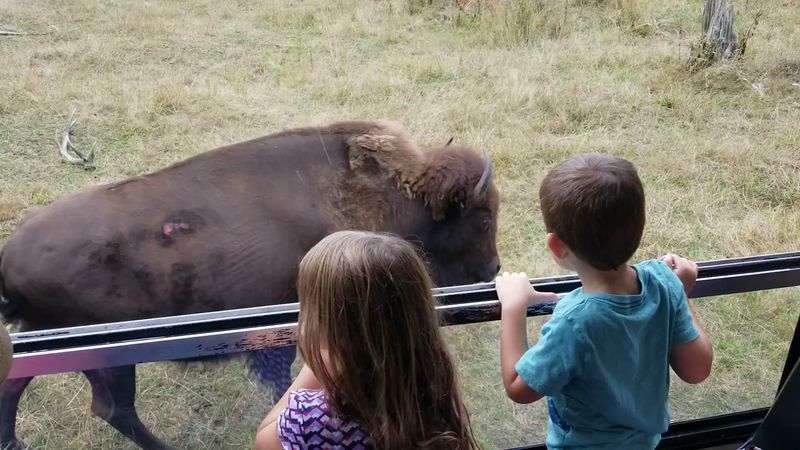
The free-roaming zone at Northwest Trek is home to some of the most iconic and impressive animals in North America, and the tram tour puts you right in the middle of their world. American bison are easily the crowd favorite, mostly because their sheer size never stops being astonishing no matter how many times you have seen one.
These animals can weigh over a thousand pounds and still move with surprising grace across the open meadow. Moose are the wild cards of the park.
Spotting one near a wetland edge or standing in the tree line is genuinely thrilling because they appear without warning and disappear just as quickly. Mountain goats, bighorn sheep, pronghorn, and Roosevelt elk round out the impressive roster of free-roaming residents.
Each species occupies a slightly different part of the habitat, which keeps every tram tour feeling fresh.
Seasonal changes affect which animals are most visible, so autumn and spring visits often reward guests with particularly active wildlife behavior. The park staff updates animal sighting information regularly on their website at nwtrek.org.
Practical Visitor Tips For Planning Your Northwest Trek Trip
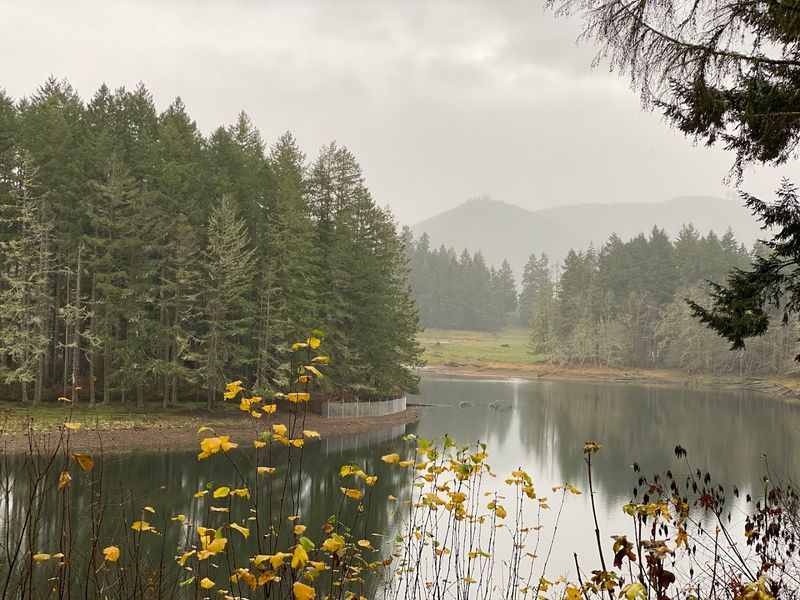
Getting the most out of a visit to Northwest Trek starts with a little planning before you ever leave home. The park is located at 11610 Trek Drive East, Eatonville, WA 98328, roughly an hour south of Tacoma and about an hour and a half from Seattle.
The drive itself takes you through gorgeous forested countryside that sets the mood perfectly for what is ahead. Park hours run daily from 9:30 a.m. to 4 p.m., though hours can shift seasonally so checking nwtrek.org before your visit is a smart move.
Purchasing tram tour tickets online in advance is strongly recommended, especially between June and August when availability fills up fast. Admission pricing varies by age, and the park offers memberships for families who plan to return multiple times throughout the year.
The park is fully ADA-accessible, with wheelchairs and electric carts available for rent at the main entrance. Comfortable walking shoes, a light jacket, and a reusable water bottle are your three best companions for a full day here.
Food options are available on-site, but packing a picnic lunch is a popular choice among regular visitors.
Why Northwest Trek Stands Apart From Typical Zoo Experiences
Most zoos place animals inside enclosures and position visitors on the outside looking in. Northwest Trek quietly flips that arrangement on its head. Here, it is the humans who travel through the animals’ space, which completely changes how the experience feels.
That shift in perspective is subtle but it makes an enormous difference in how connected you feel to the wildlife around you.
The park’s dedication to native North American species also sets it apart from facilities that house exotic animals from other continents. Every creature you encounter at Northwest Trek belongs to the broader Pacific Northwest ecosystem in some meaningful way.
That focus gives the entire experience a coherent sense of place and purpose that resonates long after the visit ends. Northwest Trek is operated by Point Defiance Zoo and Aquarium, which brings a serious level of conservation expertise to everything the park does.
Conservation programs, wildlife research, and community education are all woven into daily operations here. Visiting is not just a fun outing. It actively supports the ongoing effort to protect the wild animals and landscapes that make the Pacific Northwest extraordinary.