
10 Easy Illinois Trips You Can Take With Almost No Planning In 2026
Illinois has a habit of hiding big surprises in plain sight. Mention the state, and many travelers picture Chicago first, but the real magic often starts once the skyline fades in the rearview mirror.
Ancient Native American earthworks, sandstone canyons, lakefront trails, and small towns packed with 19th-century charm all wait within easy reach. Some places feel wild, some feel deeply historic, and others offer the kind of peaceful escape that makes a quick trip feel much longer.
For 2026, Illinois makes an especially strong case for spontaneous travel, since many standout destinations need only comfortable shoes, a charged phone, and a free day. Pack light, start early, and let the state prove just how much it can surprise you.
1. Starved Rock State Park
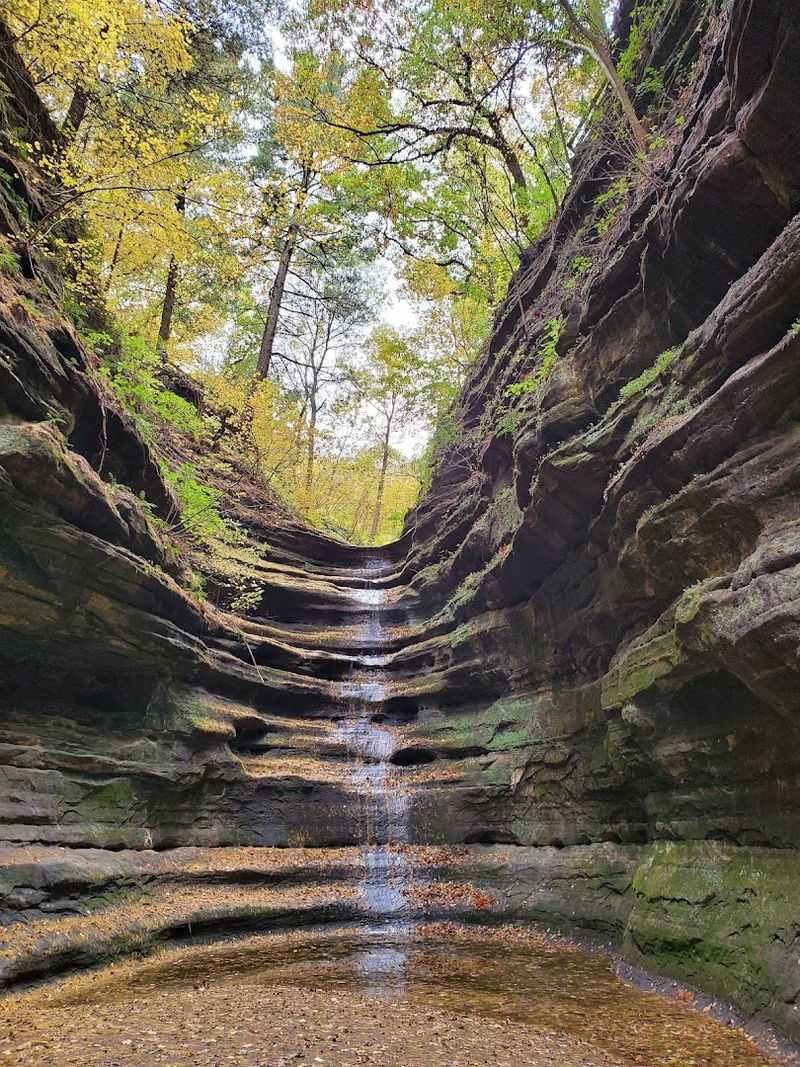
Picture yourself standing at the edge of a sandstone canyon while a waterfall tumbles into a pool just below your feet.
That is the kind of moment Starved Rock State Park delivers, and it does so without requiring you to travel far or plan weeks in advance. Located in Utica, Illinois, about 90 miles southwest of Chicago, this park is one of the most visited natural attractions in the entire state.
The park features 18 canyons carved by glacial meltwater thousands of years ago. Trails range from easy flat walks to more moderate canyon hikes, so families with kids and casual hikers both feel right at home.
Spring and summer are especially stunning when waterfalls are running strong after snowmelt, but fall foliage brings its own kind of magic here.
There is a visitor center on site, a lodge with a restaurant, and well-marked trails that make navigation simple even without a guide.
Pack a lunch, wear comfortable shoes, and give yourself at least half a day. You might find yourself wanting to stay much longer once you hear the echo of falling water bouncing off those ancient canyon walls.
2. Abraham Lincoln Presidential Library And Museum
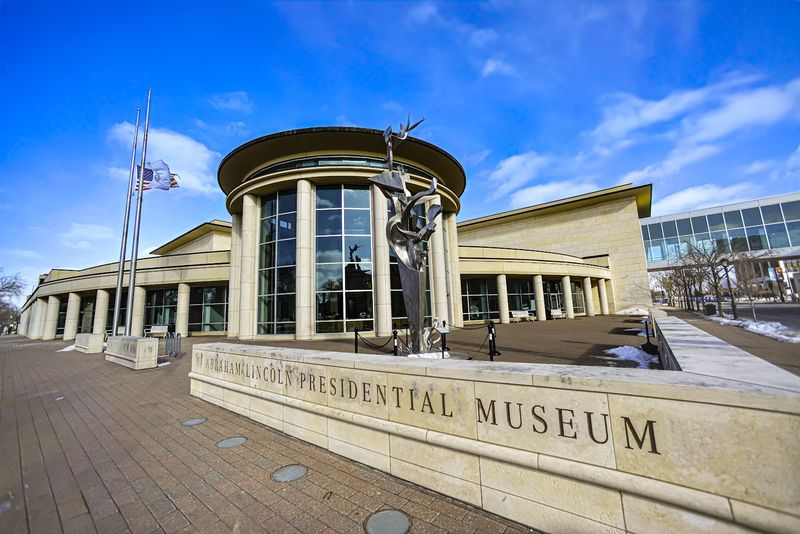
Springfield, Illinois holds a special kind of historical weight, and the Abraham Lincoln Presidential Library and Museum sits right at the center of it.
Located at 212 N. 6th Street in downtown Springfield, this world-class museum brings one of America’s most iconic presidents to life through immersive exhibits, theatrical presentations, and an enormous collection of original artifacts.
The museum is designed to be engaging for all ages, which makes it a surprisingly fun stop even for kids who might normally find history a little dry.
Holographic ghost-like figures, dramatic recreations of Lincoln’s life, and hands-on displays keep the energy high throughout your visit. You can easily spend three to four hours here without running out of things to see.
Admission is reasonably priced, parking is available nearby, and the downtown area offers plenty of dining options for before or after your visit. The library side of the building houses one of the largest collections of Lincoln-related materials in the world, including rare letters and photographs.
History lovers will feel like they hit the jackpot, and even casual visitors leave with a much deeper appreciation for Lincoln’s extraordinary story.
3. Galena Historic District
Galena feels like someone pressed pause on the mid-1800s and forgot to press play again. This small city in the far northwest corner of Illinois, tucked into rolling hills near the Mississippi River, is home to one of the best-preserved 19th-century downtowns in the entire Midwest.
Over 85 percent of its buildings are listed on the National Register of Historic Places, which is a genuinely remarkable number.
Main Street is the heart of the experience, lined with independent boutiques, art galleries, cozy cafes, and antique shops all housed in gorgeous brick storefronts.
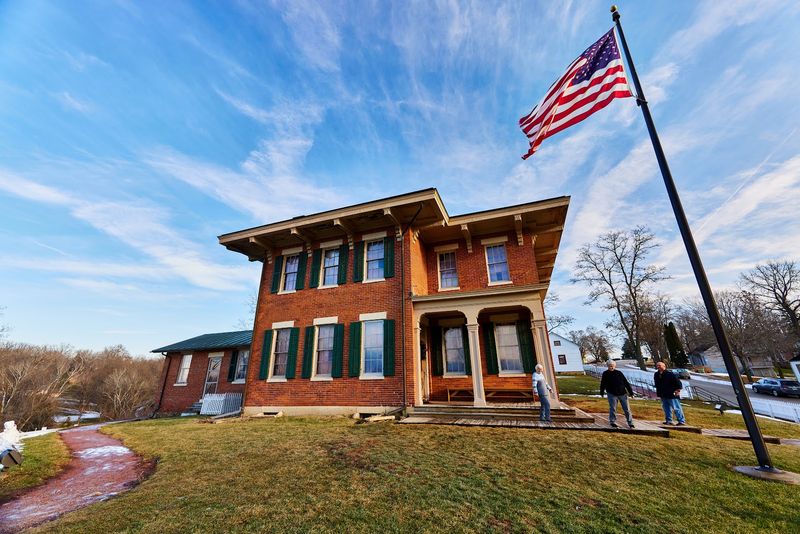
You can wander freely without any real agenda and still feel like you are getting the full Galena experience. The Ulysses S.
Grant Home State Historic Site is also nearby and well worth a quick visit.
The town is about a three-hour drive from Chicago and sits close to the Illinois-Wisconsin border. Weekends can get busy during peak fall and summer seasons, so arriving on a Friday evening or early Saturday morning helps you enjoy the quieter side of things.
Galena rewards slow walkers and curious minds, making it one of those rare places where the best plan is simply to have no plan at all.
4. Garden Of The Gods
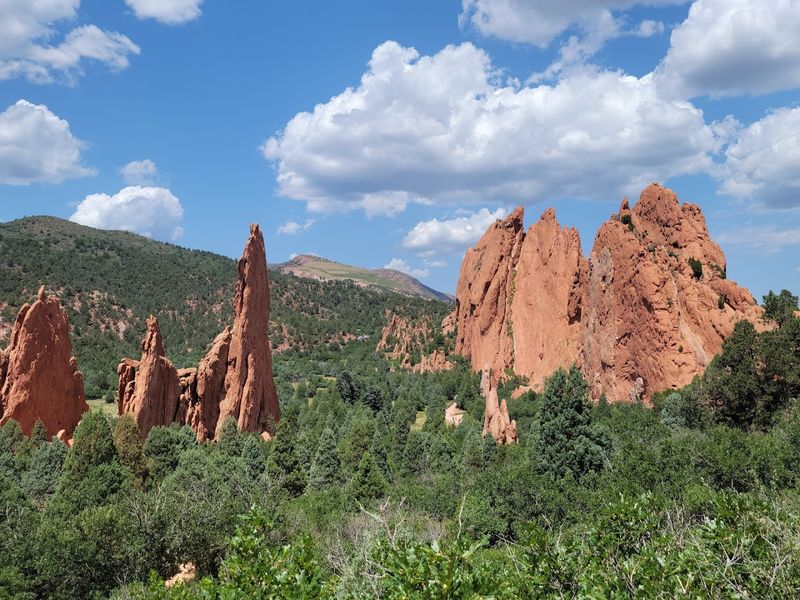
Southern Illinois holds a secret that many people outside the state have never heard of.
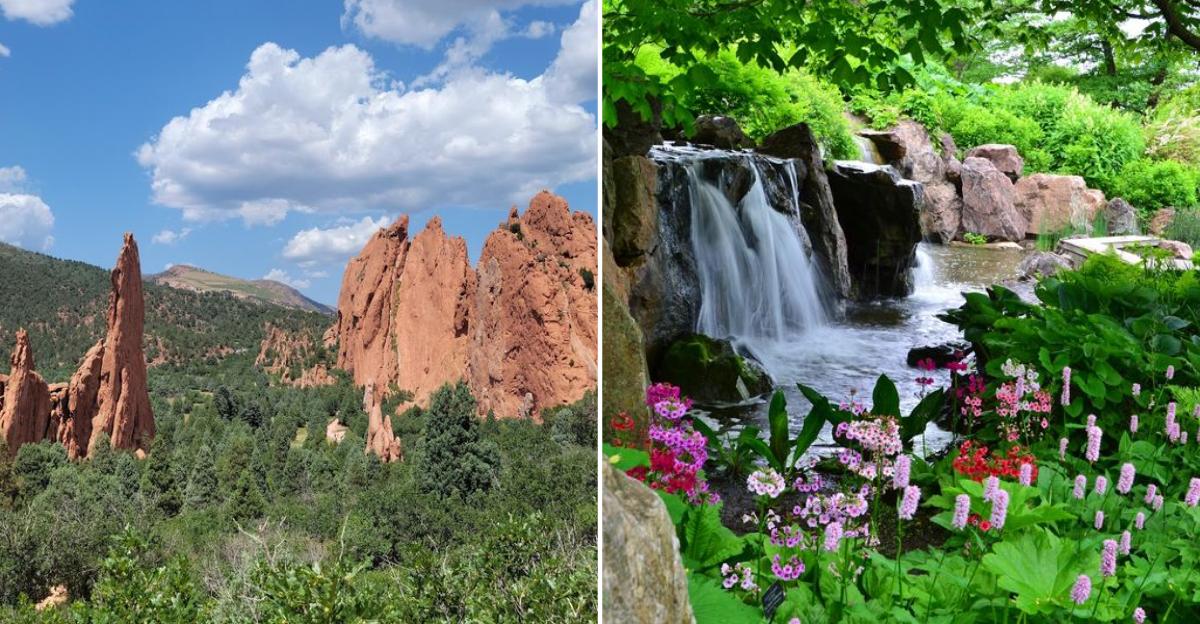
Garden of the Gods, located within the Shawnee National Forest near Herod, Illinois, is a collection of ancient sandstone rock formations that look like they belong in the American Southwest rather than the Midwest.
The rocks have names like Camel Rock and Anvil Rock, and standing next to them really does make you feel small in the best possible way.
The Observation Trail is a short quarter-mile loop that winds through some of the most dramatic formations and offers panoramic views of the surrounding forest. It is accessible for most fitness levels and takes about 45 minutes at a relaxed pace.
Sunrise and sunset visits reward you with warm golden light that makes the reddish sandstone glow in ways that photos simply cannot capture fully.
There are no entrance fees, which makes this one of Illinois’s most budget-friendly adventures. The nearest larger town is Harrisburg, about 15 miles away, where you can find gas, food, and lodging.
Garden of the Gods is especially popular in autumn when the surrounding forest turns into a patchwork of orange and red, creating a backdrop that feels almost too beautiful to be real.
5. Cahokia Mounds State Historic Site
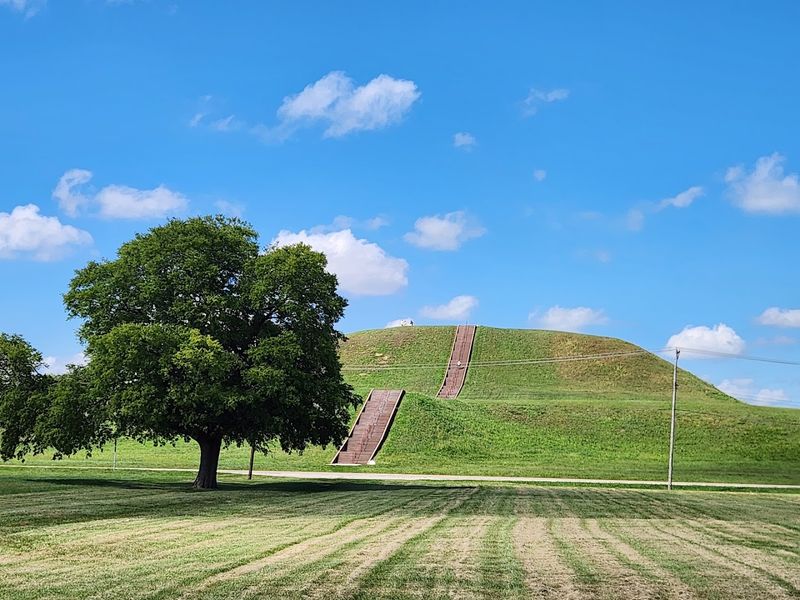
Around the year 1100 AD, Cahokia was one of the largest urban centers north of Mexico. That fact alone makes a visit to Cahokia Mounds State Historic Site near Collinsville, Illinois feel like stepping into a story most people were never taught in school.
This UNESCO World Heritage Site preserves the remnants of a sophisticated pre-Columbian Native American civilization that thrived along the Mississippi River for centuries.
The centerpiece is Monks Mound, a massive earthen structure that covers more ground at its base than the Great Pyramid of Giza. You can walk up a series of wooden steps to reach the top, where the view across the surrounding flatlands is both humbling and impressive.
The on-site interpretive center does an excellent job of providing context through artifacts, scale models, and engaging displays.
Admission to the site is free, though a small donation is encouraged to support preservation efforts. Located just eight miles east of St. Louis, Missouri, Cahokia is easy to combine with a broader road trip through the region.
Plan to spend two to three hours here for a full experience. Few places in the country carry this much history in such a quiet, open setting.
6. Illinois Beach State Park
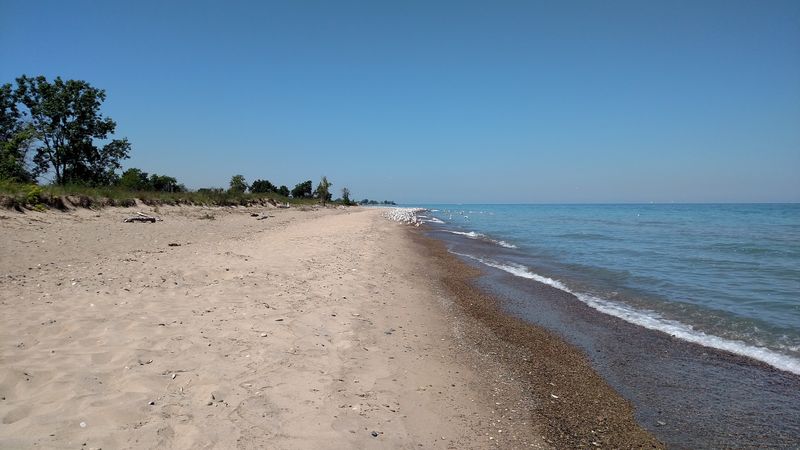
Not everyone realizes that Illinois has a stretch of Lake Michigan shoreline worth visiting, but Illinois Beach State Park in Zion makes a compelling case.
Spread across more than 4,000 acres, it protects Illinois’ only remaining natural beach-ridge shoreline and offers a surprisingly wild and scenic escape from the surrounding suburban landscape. The park sits about 40 miles north of Chicago, making it one of the most accessible natural retreats in the state.
Visitors can swim, fish, kayak, and hike through a mix of sand dunes, marshes, and prairie habitats. The diversity of ecosystems packed into a relatively small area is genuinely impressive and draws birdwatchers from across the region, especially during spring and fall migration seasons.
Over 800 plant species have been recorded in the park, which gives it a lush, layered quality that feels different from a typical beach day.
There is a lodge and conference center within the park for those who want to stay overnight, and camping is available as well. Weekday visits during summer offer a much more peaceful experience than weekends when the beach fills up quickly.
Bring sunscreen, a good pair of walking shoes, and maybe a pair of binoculars to get the most out of this underrated lakeside retreat.
7. Glencoe And The Chicago Botanic Garden

Just north of Chicago in the suburb of Glencoe sits one of the most beautifully maintained public gardens in the United States.
The Chicago Botanic Garden at 1000 Lake Cook Road spans 385 acres and contains 27 distinct gardens, making it a destination that rewards repeat visits across different seasons. Spring brings tulips and cherry blossoms, summer fills every corner with color, and even winter has its own quiet charm here.
The Japanese Garden, the Rose Garden, and the Waterfall Garden are among the most photographed spots, and for good reason. The attention to detail in every planting bed and pathway reflects decades of expert horticultural work.
Tram tours are available for those who prefer a guided overview before exploring on foot, which is a smart way to orient yourself in such a large space.
Parking requires a fee, but garden admission is free, which makes this one of the best value day trips from Chicago. The surrounding village of Glencoe itself is worth a short stroll, with charming residential streets and a small downtown area near the Metra train station.
Arriving by train from downtown Chicago is a genuinely enjoyable option that sidesteps parking altogether and adds a relaxed rhythm to the whole outing.
8. Anderson Japanese Gardens

Rockford, Illinois is not always the first place that comes to mind for a peaceful getaway, but Anderson Japanese Gardens at 318 Spring Creek Road has been quietly earning a reputation as one of the finest Japanese gardens in all of North America.
The garden was designed in collaboration with Japanese master gardener Hoichi Kurisu and has been recognized multiple times as a top-ranked Japanese garden on the continent.
The design follows authentic Japanese principles of balance, simplicity, and harmony with nature. A koi-filled pond, a traditional tea house, stone lanterns, and carefully pruned plantings create an atmosphere that genuinely encourages you to slow down and breathe.
Even on a busy Saturday, the garden has a way of absorbing visitors into its calm without feeling crowded. Admission fees are modest, and the garden is open seasonally from spring through fall.
Guided tours are available for those who want deeper insight into the design philosophy and plant choices.
Rockford itself offers good dining and lodging options, making this an easy overnight trip from Chicago or the surrounding suburbs. Anderson Japanese Gardens is the kind of place you visit once and immediately start planning your return trip before you even reach the parking lot.
9. Mississippi Palisades State Park
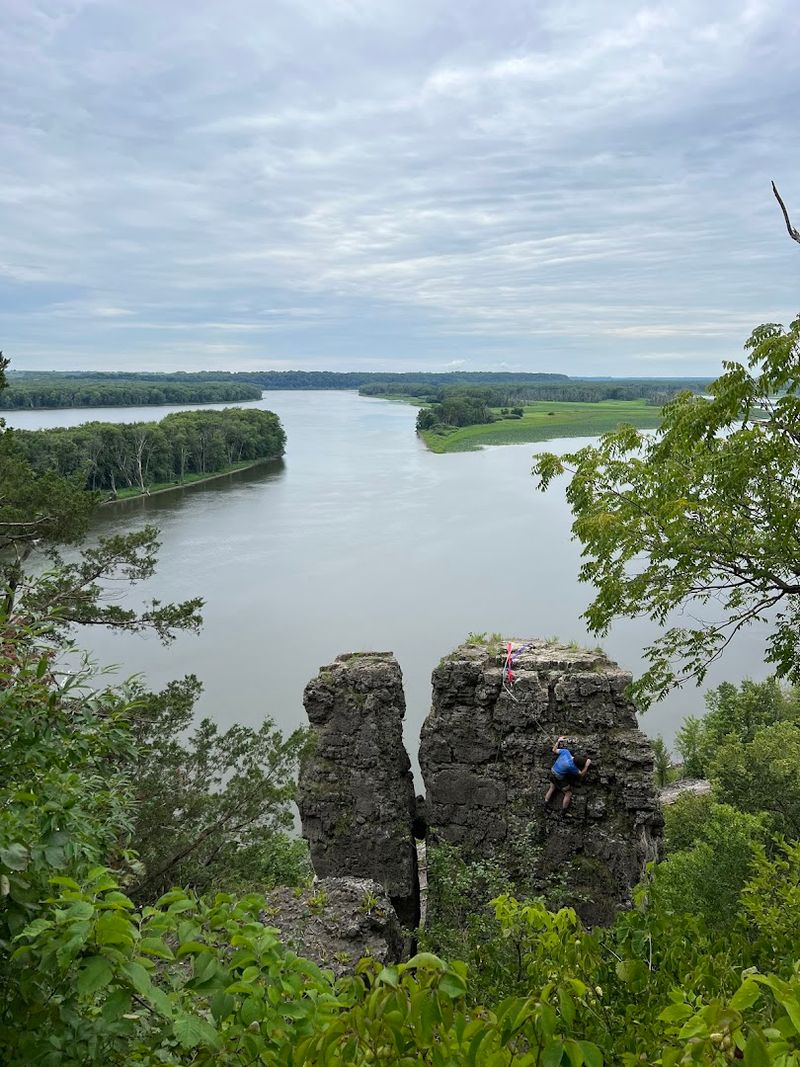
Standing on a limestone bluff 200 feet above the Mississippi River with a hawk circling lazily below you is the kind of experience that resets your perspective on just about everything.
Mississippi Palisades State Park near Savanna in Carroll County, Illinois delivers exactly that kind of moment with remarkable consistency. The park takes its name from the dramatic rock formations and steep bluffs that line the river here, creating some of the most striking scenery in the entire state.
About 15 miles of trails wind through the park, ranging from easy riverside walks to steep climbs that reward you with sweeping views across the river into Iowa.
Twin Sisters, Indian Head, and Sentinel Rock are among the most popular geological features along the trail system. The park is also a top destination for rock climbers and birdwatchers, particularly during raptor migration in autumn.
Camping is available within the park, and the nearby town of Savanna offers basic amenities including food and fuel.
The park is free to enter, which removes one of the most common barriers to spontaneous travel. Fall is widely considered the best season to visit when the bluffs are draped in brilliant color, but spring and summer bring their own rewards in the form of wildflowers and abundant wildlife activity.
10. Chicago Lakefront And Navy Pier
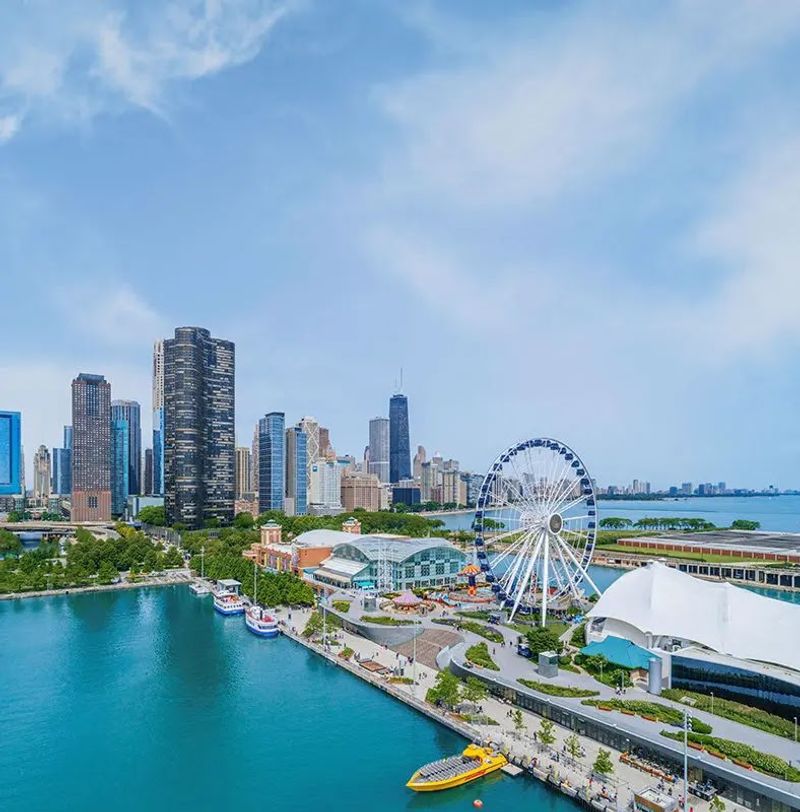
Sometimes the easiest trip is the one hiding in plain sight, and Chicago’s lakefront is exactly that kind of effortless adventure.
Stretching 18 miles along the western shore of Lake Michigan, the Chicago Lakefront Trail connects neighborhoods, parks, beaches, and iconic landmarks in one continuous ribbon of activity. You can walk, jog, or rent a bike and cover as much or as little of it as suits your energy level on any given day.
Navy Pier at 600 E. Grand Avenue is a natural anchor point for the experience.
The pier juts 3,300 feet into Lake Michigan and hosts the Centennial Wheel, restaurants, the Chicago Children’s Museum, Chicago Shakespeare Theater, lake cruises, public art, and seasonal events throughout the year.
Architectural boat tours departing from the pier offer one of the best introductions to Chicago’s legendary skyline from a perspective most visitors never consider.
The lakefront is free to access and easy to reach by public transit from virtually anywhere in the city. Millennium Park, the Art Institute of Chicago, and Maggie Daley Park are all within easy walking distance of the pier, making it simple to build a full day without any rigid itinerary.
Chicago’s lakefront proves that world-class experiences do not always require a plane ticket or a packed suitcase.