
14 Enchanting Gardens In Michigan That Will Make You Feel Like You’ve Stepped Into Alice In Wonderland
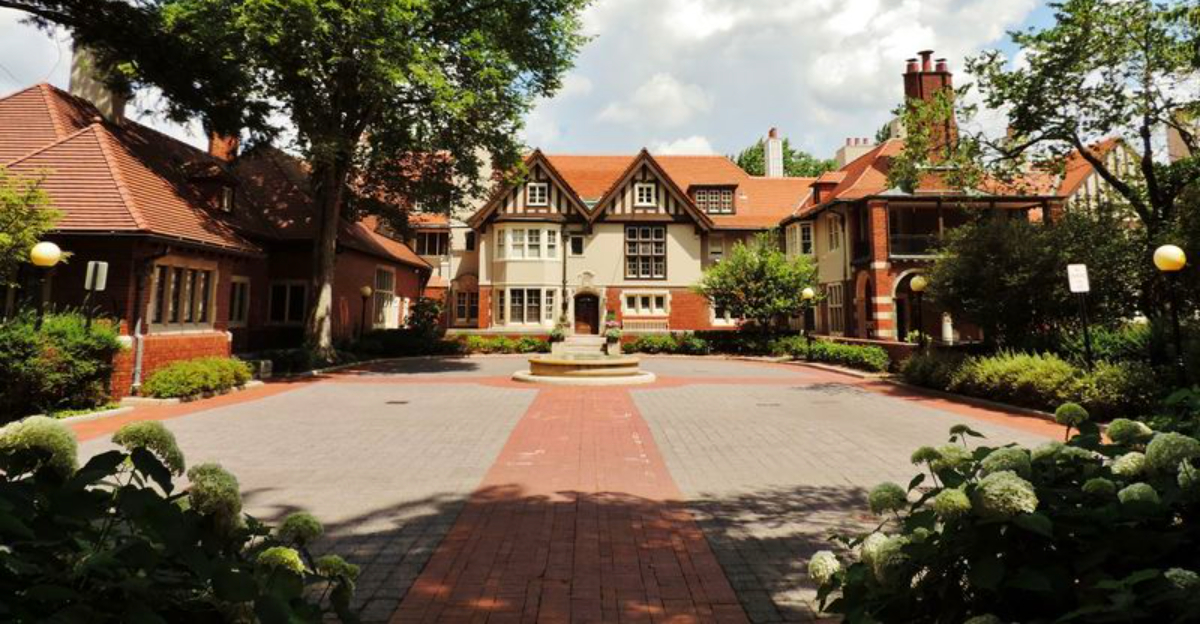
A specific kind of magic happens when you stumble into a hidden pocket of Michigan where the pathways curl like storybook sentences. Every time I stepped on any of these trails, I felt the world shift.
Suddenly, flowers were throwing confident, vivid color against the lake breeze as if they were celebrating my arrival.
The glasshouses are like glowing jewels scattered across the lawn, each one condensing an entire tropical climate into a few sun-drenched rooms that feel miles away from the Great Lakes. Discover a world of breathtaking floral displays and whimsical art at these amazing Michigan botanical sanctuaries, the true masterpieces of nature and design.
Watching century-old trees stand in a careful, silent chorus made me realize that some marvels are meant to be felt rather than just seen. To help you find those secret, impossible corners, I’ve pulled together a few of my favorite spots to wander and wonder.
Frederik Meijer Gardens And Sculpture Park, Grand Rapids
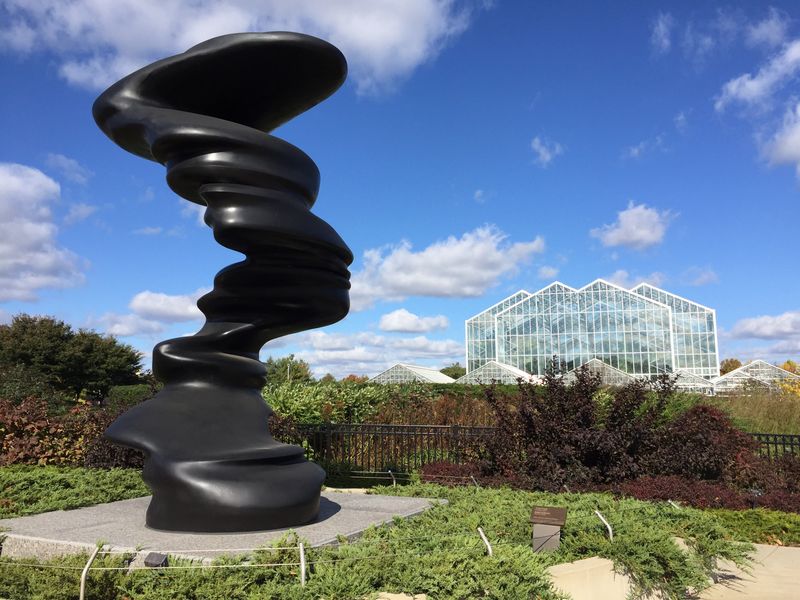
The first thing that catches you here is scale: monumental sculptures rising from carefully choreographed plantings. Stainless steel glints beside prairie grasses while koi ripple the water like a quiet metronome.
The Lena Meijer Tropical Conservatory hums with orchids and a damp, welcome heat.
Open since 1995, the garden pairs world class art with Midwest horticulture, and the curation feels both rigorous and playful. Rotating exhibitions keep repeat visits fresh, and the Japanese garden balances stillness with exacting detail.
Families drift toward the Children’s Garden where touch is gently encouraged.
Wear comfortable shoes and budget more time than you think. Paths braid longer than maps suggest, and little vistas keep ambushing you with delight.
Dow Gardens, Midland
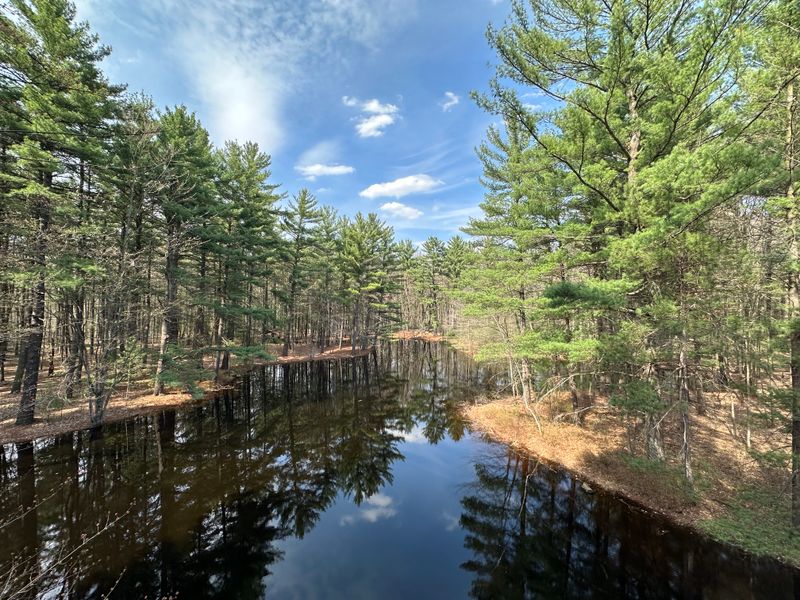
Red pedestrian bridges skip over streams while borders glow with coleus and coneflowers. The mood is orderly yet playful, like a chemistry experiment gone beautifully right.
The Whiting Forest canopy walk lifts you into pine scented air where kids count tree rings from above.
Established by Herbert H. Dow, the gardens reflect a tidy industrial mind tempered by love of landscape.
Midcentury echoes pause beside contemporary ecological thinking, and the whole site feels generously maintained. Seasonal plantings are precise without feeling stiff.
Start early, then save the canopy walk for late afternoon light. Parking is straightforward, paths are stroller friendly, and wayfinding is clear.
You will leave with a surprising calm that follows you home.
Cranbrook House And Gardens, Bloomfield Hills
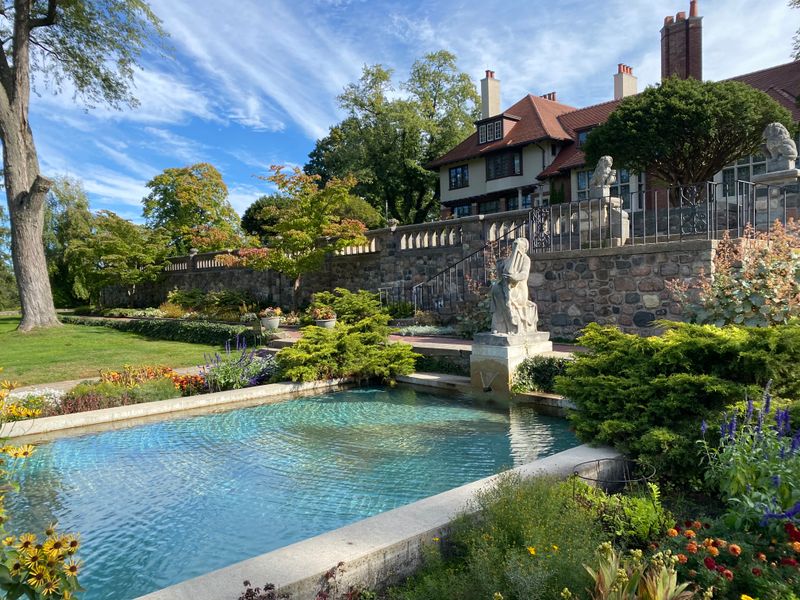
Stone terraces step down like a composed waltz, each level revealing clipped hedges, urns, and an unhurried fountain. Birds gossip in the yews while brick warms under a measured Michigan sun.
The setting feels aristocratic without snobbery.
Built in the early 1900s for George and Ellen Booth, the estate embodies Arts and Crafts ideals, where craftsmanship is philosophy, not ornament. Garden rooms carry that ethic, with handwrought details meeting strong geometry.
Preservation here is active, not nostalgic, and docents speak about materials as if they are relatives.
Check tour times if you want interior access, since schedules shift by season. Bring a small notebook.
Details keep asking to be remembered, and you will want names for the roses.
Matthaei Botanical Gardens, Ann Arbor
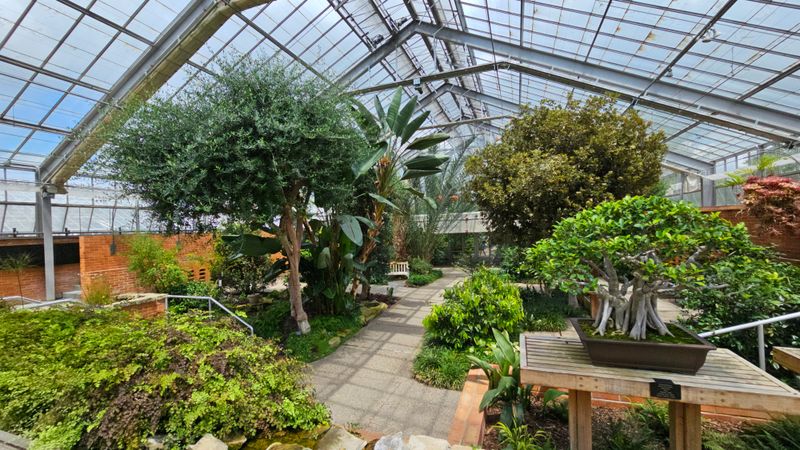
Humidity taps your glasses as you step into the conservatory, where cactus spines draw clean silhouettes and bromeliads hoard jeweled water. Outside, trails unwind across prairies buzzing with late summer insects.
It is both classroom and refuge.
Operated by the University of Michigan, Matthaei balances research with public welcome. Collections are labeled with care, but the tone never turns scolding.
The Gaffield Children’s Garden invites small experiments, and volunteers carry pruning shears like friendly punctuation.
Parking can fill on sunny weekends, so arrive early or late. Walk a loop outdoors before the glasshouse to appreciate contrast when you return inside.
You will hear your steps differently on pea gravel after the fern room.
Nichols Arboretum, Ann Arbor
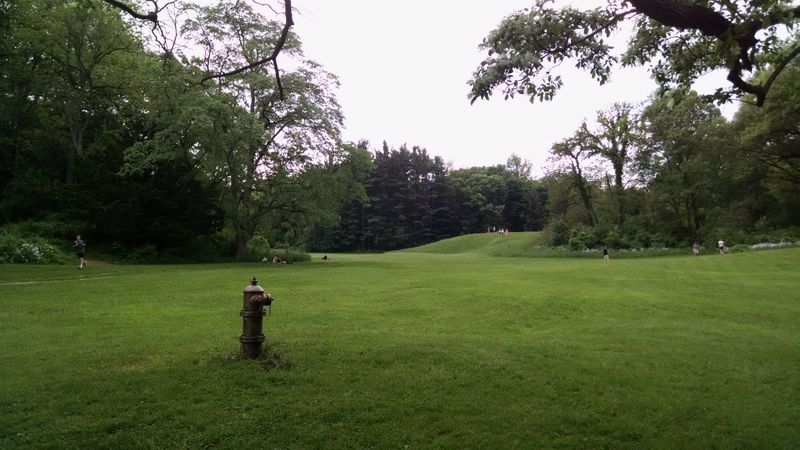
Quiet hills roll toward the Huron River, and the wind edits your thoughts with tidy precision. Paths weave through oak savanna, woodland, and meadow like a gentle tutorial in topography.
The Arb feels porous, stitched into the city yet convincingly wild.
Since 1907, landscape architects have shaped this living collection with a light hand, letting geology lead. Students sprawl with notebooks, joggers map their own rituals, and the place holds them all.
Every season finds a mood that fits.
Enter from Geddes for a quick climb with big views, or slip in near the hospital for river access. Bring water.
The grades are honest, and benches appear exactly when needed.
W E Upjohn Peony Garden, Ann Arbor
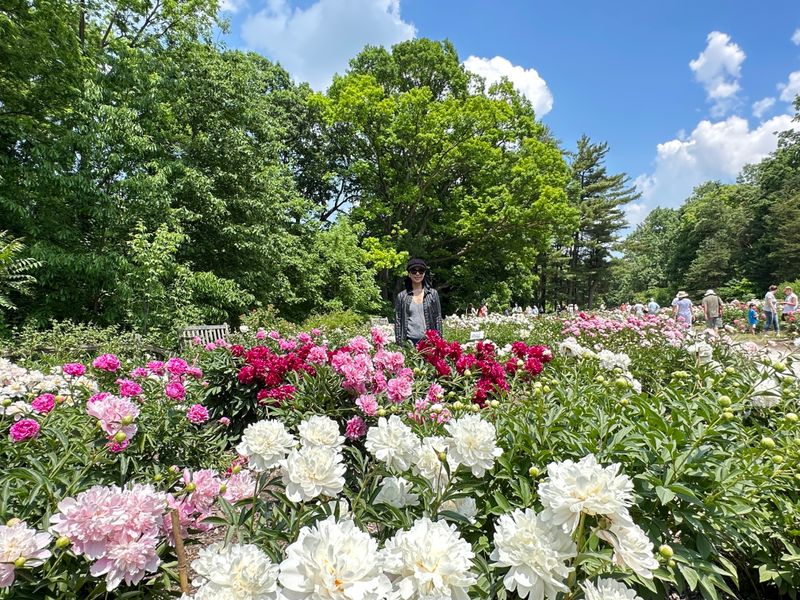
In late May, the air smells like spun silk and sugar while blossoms the size of small planets lean over labels. Rows arrange themselves into a painter’s palette, each cultivar dignified and slightly theatrical.
Bees swagger around like well fed critics.
Founded in the 1920s, this historic peony collection is among the largest of its kind in North America. The layout preserves breeding lines and horticultural history without turning clinical.
It is research you can fall into nose first.
Go early on peak weekends to dodge the floral paparazzi. Wear shoes you do not mind muddied after rain.
I have chased one scent to another here and lost track of time gladly.
Anna Scripps Whitcomb Conservatory, Detroit
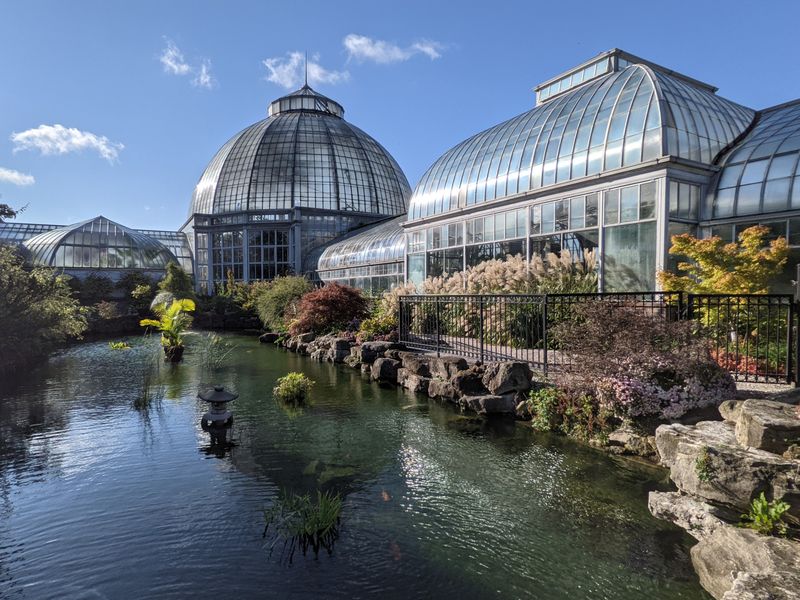
Light filters through the dome like a careful blessing, spotlighting palm fronds that flicker against iron ribs. The air carries the soft hush of mist and soil, a city sized second breath.
Outside, Belle Isle frames the river with grace.
Opened in 1904 and designed by Albert Kahn, the conservatory is one of the nation’s oldest continually operating glasshouses. Collections survived orchid rescues and Detroit’s hard seasons, proof of loyal stewardship.
Each wing holds a different climate, stitched together by the building’s calm bones.
Check current restoration updates before visiting, as sections may rotate access. Pair with the nearby aquarium for a compact afternoon.
Parking on Belle Isle requires a Recreation Passport.
Hidden Lake Gardens, Tipton
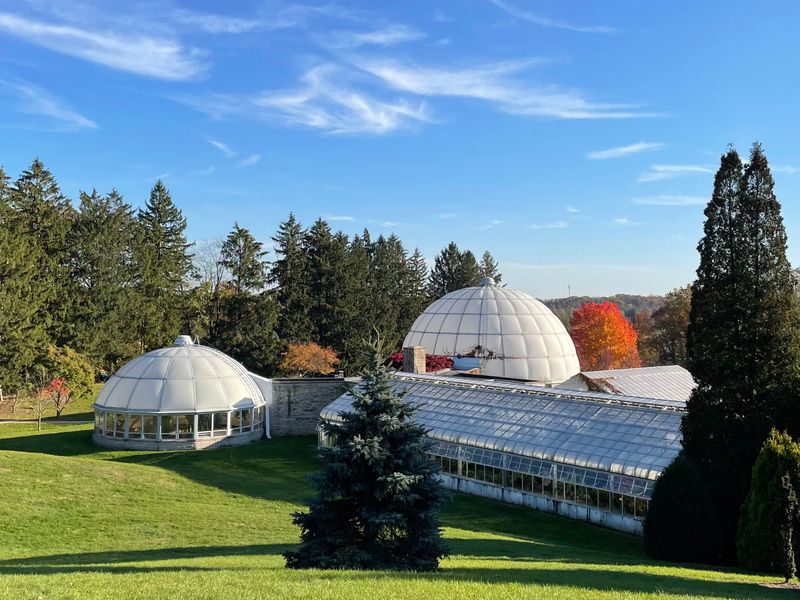
Roads dip and lift over soft hills until a sudden clearing frames a lake like a kept secret. Conifers stand like orderly sentinels, each with its own posture and shade.
The conservatory hums nearby with gentle horticultural ambition.
Managed by Michigan State University, the garden began in the 1940s and has grown into a teaching landscape with room to breathe. Arboretum collections are labeled but not preachy, and the conifer knoll feels like a living textbook.
You can hear the wind write footnotes.
Drive the loop for overlooks, then park and wander to earn smaller discoveries. Bring a picnic and patience.
Distance rewards the unhurried, especially near dusk when water mirrors sky.
Fernwood Botanical Garden And Nature Preserve, Buchanan
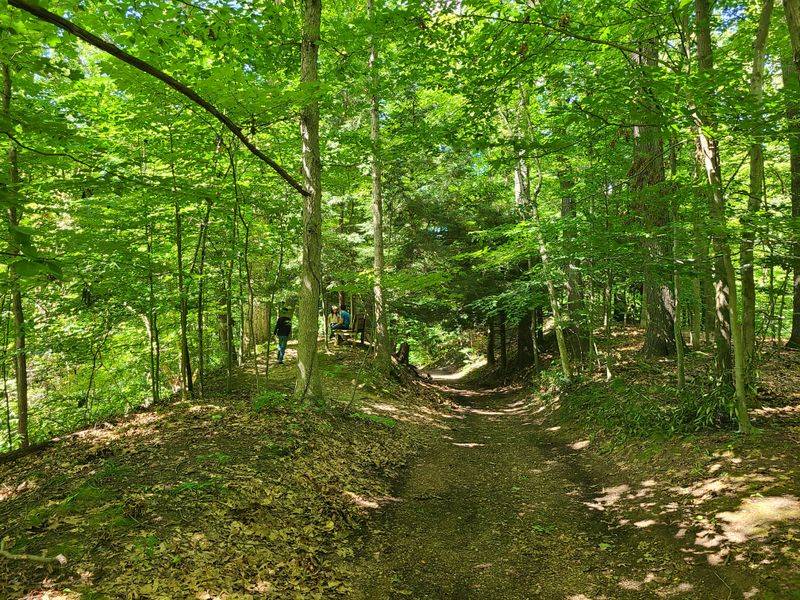
A soft moss smell greets you on woodland paths where ferns sketch green cursive along the edges. Prairie patches crackle with seedheads while a river overlook steals your attention at the right moment.
Everything here operates on a gentle volume.
Founded in 1964, Fernwood blends cultivated gardens with a 100 plus acre preserve. The bonsai collection adds a precise counterpoint to the looser naturalism.
Local programs pull in birders, artists, and families without crowding the trails.
Check the calendar for guided hikes or bonsai workshops if you like learning in motion. Shoes with decent tread help on damp mornings.
A thermos of coffee turns the overlook into a personal ritual worth repeating.
Leila Arboretum, Battle Creek
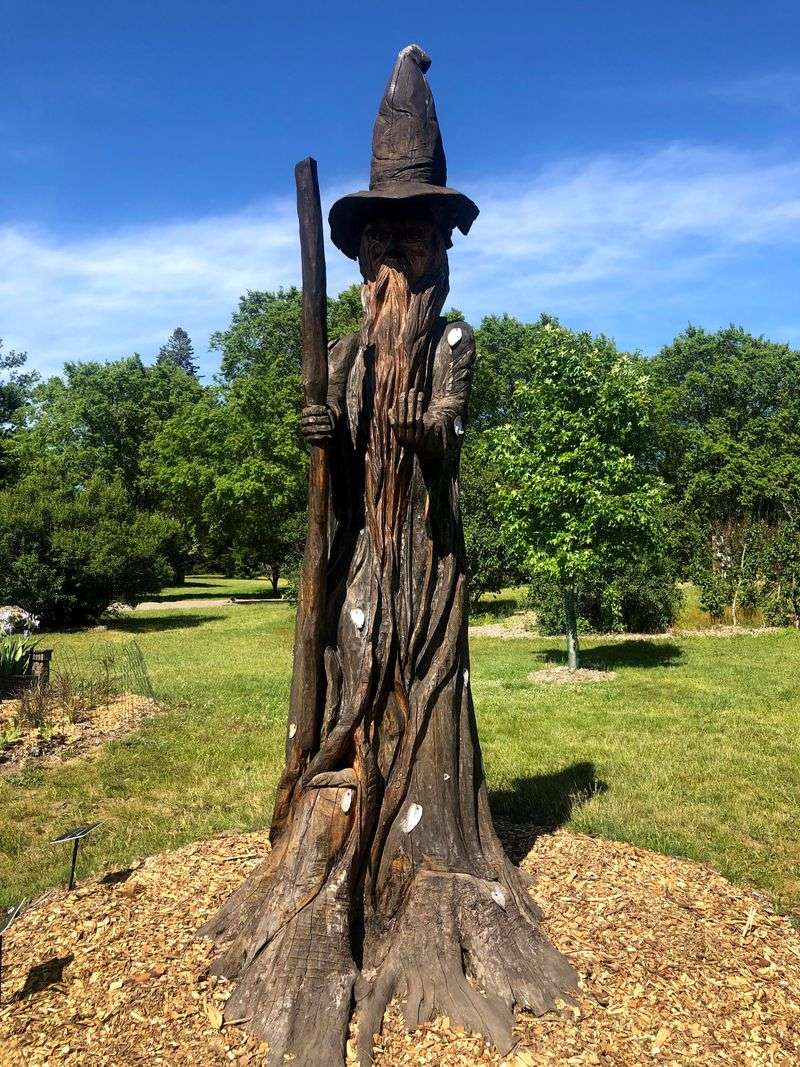
Across a sweep of lawn, carved tree sculptures materialize like friendly guardians from a kid’s book. Birds practice scales, and the breeze moves confidently through maples and oaks.
The space feels open, civic, and slightly eccentric in the best way.
Established in the 1920s and revived by community energy, Leila mixes traditional arboretum plantings with the whimsical Fantasy Forest. That blend of stewardship and play says a lot about Battle Creek.
You sense pride in the pruning.
Look for seasonal events, from concerts to workshops, which animate the grounds. Parking is easy, and pathways welcome leisurely wandering.
If you collect tree labels in your camera roll, this place will expand the gallery quickly.
W J Beal Botanical Garden, East Lansing
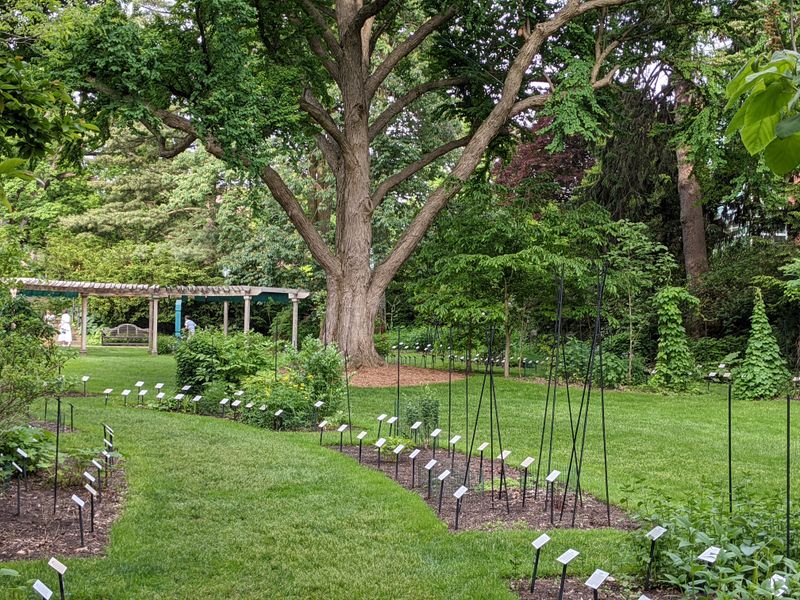
Here the beds read like chapters, each plant a footnote with credentials. Gravel crunches academically beneath your shoes, and bees seem to follow a syllabus.
Beauty arrives in a quieter register, carried by order and purpose.
Founded in 1873, this is among the oldest continuously operated botanical gardens in the United States. Its mission centers on research and education, with economic and medicinal plants arranged thoughtfully.
The history of seed longevity experiments drifts through conversations like campus lore.
Drop by between classes for a calm pocket on the Michigan State University map. Read the labels; they reward curiosity.
I left with three new plant uses and a renewed respect for tidy rows.
Michigan 4 H Children’s Gardens, East Lansing
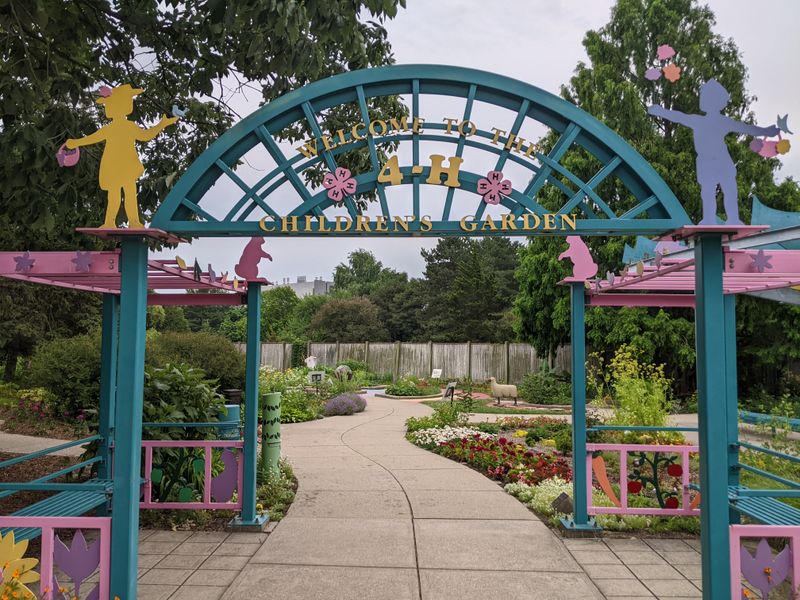
Color leads the way here, with musical stepping stones, tiny doors, and plants that invite touching and sniffing. Laughter ricochets between trellises while watering cans become status symbols.
It is delight engineered with care.
Opened in 1993 on the MSU campus, the 4 H Children’s Gardens were built around hands on learning. Themes shift from storybook corners to ABC beds, making botany feel personable.
Volunteers keep the tone patient and warm, like good camp counselors.
Visit on weekdays if you prefer fewer field trips. Sunscreen and snacks turn small tantrums into none.
The garden sits close to parking, and restrooms are sensibly nearby, which every parent appreciates.
Grand Hotel Gardens, Mackinac Island
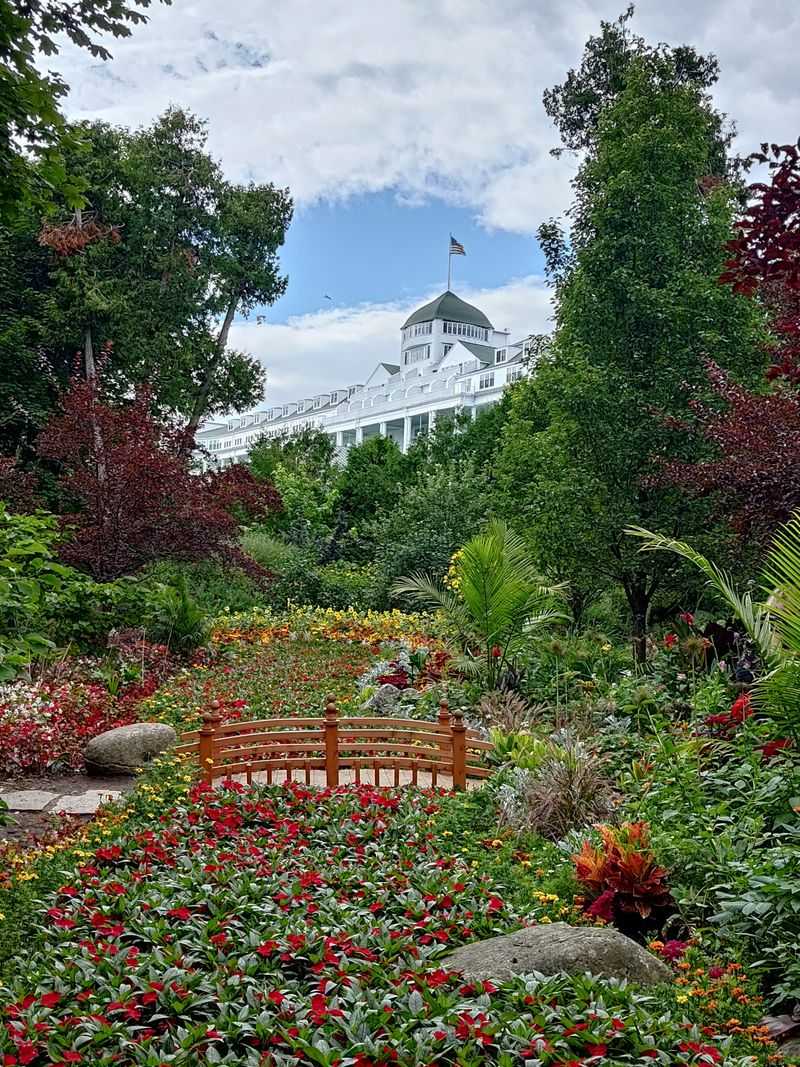
Horses clip clop past borders stitched with geraniums, while the hotel’s famous porch presides like a white grin. Lake Huron flashes blue between trees, and everything smells faintly of lilac and salt.
The mood is formal but not stiff.
Dating to 1887, the Grand Hotel transformed island leisure into an art. Its gardens mirror that choreography with symmetrical beds and upright color schemes.
Preservation here is performance, tuned for returning guests who track petunias like old friends.
Arrive by ferry and give yourself time to slow your gait to carriage speed. Day passes grant grounds access.
Afternoon light on the porch makes photographs gentle, and you will likely want one.
Ford House Grounds, Grosse Pointe Shores

The lawn seems to lean toward Lake St. Clair, where reeds whisper and gulls annotate the margin. Limestone edges meet soft herbaceous drifts, and the manor plays the role of steady witness.
It feels domestic yet grand, a private poem shared aloud.
Designed in the 1920s for Edsel and Eleanor Ford, the estate blends formal gardens with evolving shoreline stewardship. Restoration honors Jens Jensen’s naturalistic principles while adapting to rising water and habitat needs.
History is read through plant choices, not only plaques.
Book timed tickets, then linger along the water trail. Photography rules are reasonable, but respect them.
A slow lap here recalibrates a day shaped by traffic and screens.