
Everything You Need To Know About Seeing Puffins In Maine
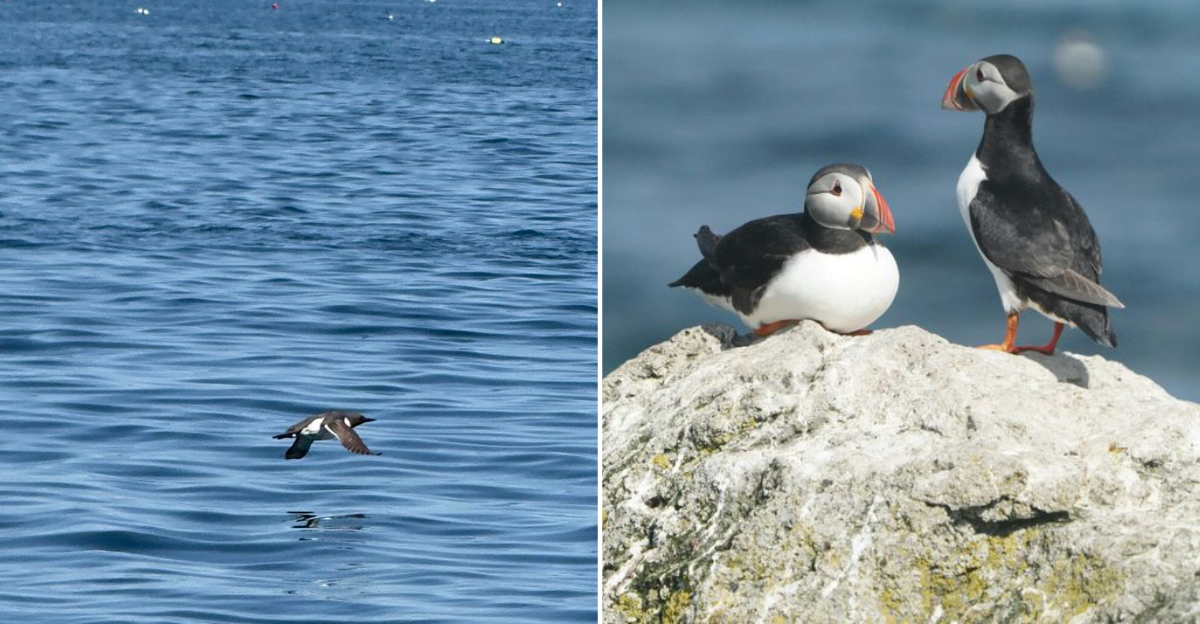
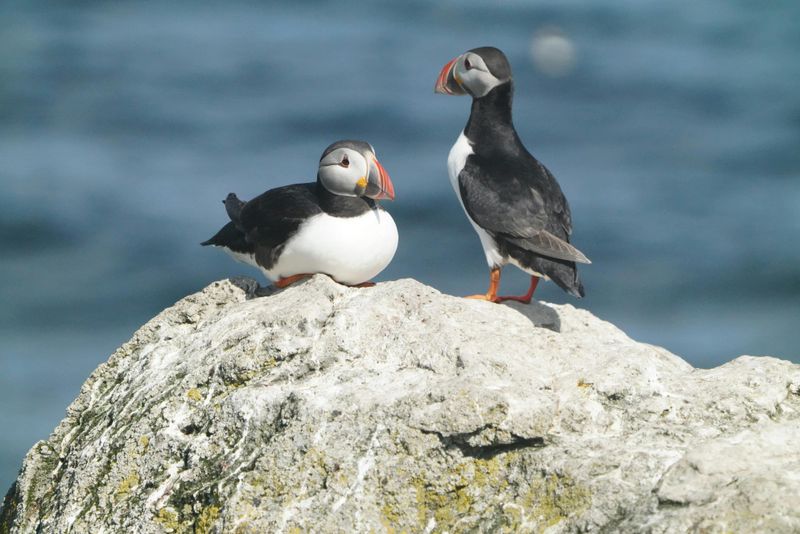
Picture a small, tuxedo-wearing seabird with a rainbow-colored beak, standing on a rocky island just off the coast of Maine, looking like it owns the place. That is the Atlantic puffin, and spotting one in the wild is one of the most memorable wildlife experiences you can have in the entire United States.
Maine is the only state in the contiguous United States where you can see Atlantic puffins nesting, which makes it a truly special destination for birdwatchers and nature lovers of all ages.
This guide covers everything from the best islands to visit, the boat tours you will need, and the insider tips that will make your puffin trip unforgettable.
Maine Is The Only Place To See Puffins In The U.S.
Most people do not realize that if you want to see wild Atlantic puffins nesting in the contiguous United States, you have exactly one state to visit: Maine. No other state along the entire American coastline hosts nesting puffin colonies, which makes Maine genuinely one of a kind for wildlife enthusiasts.
Atlantic puffins are seabirds that spend most of their lives far out at sea, only coming to land during the breeding season. In the U.S., they return to a handful of small, protected islands along the Maine coast each spring and summer.
These islands sit in the Gulf of Maine, a cold-water ecosystem that supports the fish puffins depend on to survive and raise their chicks.
The reason puffins nest only in Maine comes down to a combination of cold ocean temperatures, abundant prey fish like herring and hake, and decades of dedicated conservation work. Without Maine, the Atlantic puffin would have no U.S. nesting ground at all.
That fact alone makes the trip feel like something worth planning carefully. Knowing you are visiting the single place in the country where this happens adds a whole new layer of excitement before you even board a boat.
The Best Time To See Puffins
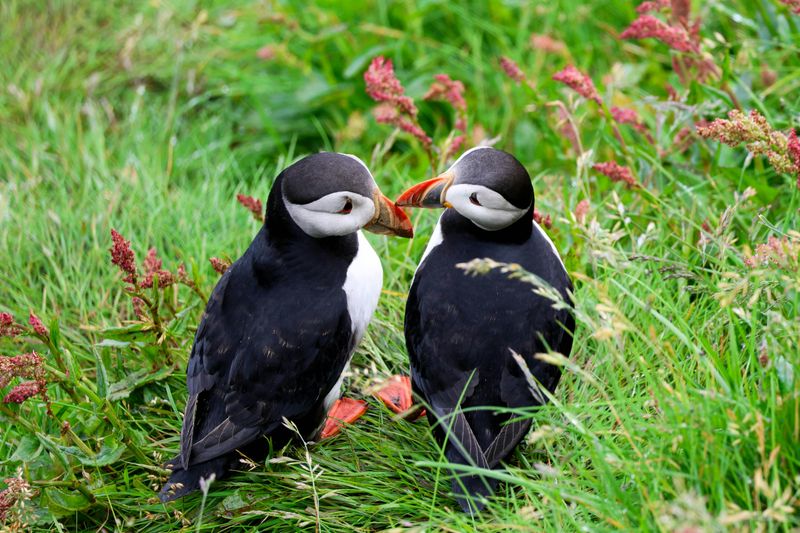
Showing up at the right time makes the difference between seeing dozens of puffins and seeing none at all. Atlantic puffins arrive at their Maine nesting islands in late April or early May, and they stay through mid-August before heading back out to open ocean for the rest of the year.
The sweet spot for most visitors is June through early August. During this window, puffins are actively nesting, feeding their chicks, and flying back and forth to the water in search of fish.
Activity levels are high, the birds are easy to spot, and boat tours are running on a regular schedule. Peak season in July offers the longest daylight hours and the most reliable weather on the water.
Going too early in May means fewer birds have arrived and nesting has barely started. Waiting until late August risks missing the birds entirely, as they begin departing for the open sea.
Boat tour companies that specialize in puffin trips publish their schedules based on bird activity, so checking those calendars before booking is a smart move. Booking at least a few weeks in advance during peak summer is strongly recommended because tours fill up fast, especially on weekends.
The Absolute Best Places To See Puffins In Maine
Maine has five key islands where puffins nest, and each one offers a slightly different experience. Eastern Egg Rock, located in Muscongus Bay in midcoast Maine, is the most accessible and the most popular starting point for first-time visitors.
Boat tours from New Harbor and Boothbay Harbor regularly visit this island, making it easy to reach from the mainland.
Machias Seal Island, located near Cutler, Maine and administered by Canada despite a long-standing territorial dispute, is the only island where visitors can go ashore and observe puffins from viewing blinds at close range.
Seal Island National Wildlife Refuge hosts one of the densest seabird colonies in the region and is a favorite among serious birdwatchers.
Matinicus Rock sits far offshore and supports a rich seabird colony, but it is not accessible to the public and is not included in standard puffin tours.
Petit Manan Island, part of the Maine Coastal Islands National Wildlife Refuge, is a protected habitat best known for its large tern colonies, with puffins present but not a primary viewing attraction.
Each island has its own personality and access level, so choosing one depends on how close you want to get and how adventurous you feel. Visiting multiple islands across different days is a fantastic way to compare the experiences.
You’ll Need A Boat Tour (No Exceptions)
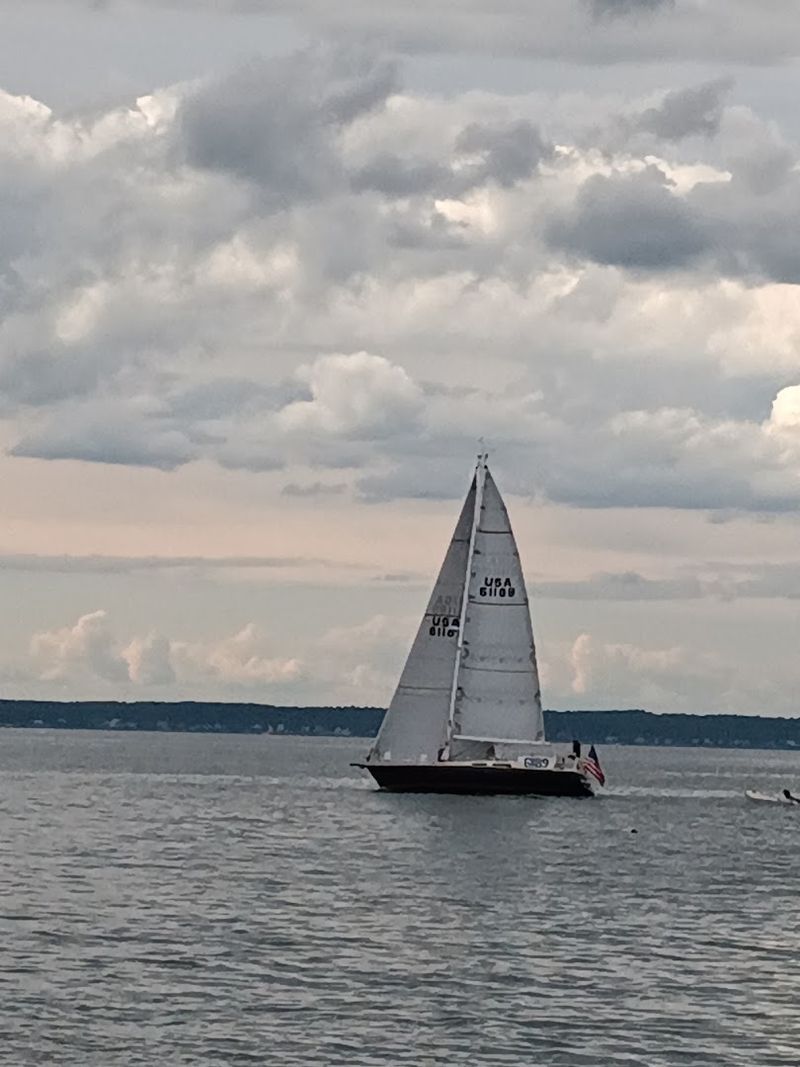
There is no walking path, no viewpoint from shore, and no shortcut that gets you close to Maine puffins without getting on a boat.
Every single puffin nesting island sits offshore, and access to the islands themselves is tightly regulated to protect the birds. A licensed boat tour is the only practical way to have a real puffin encounter.
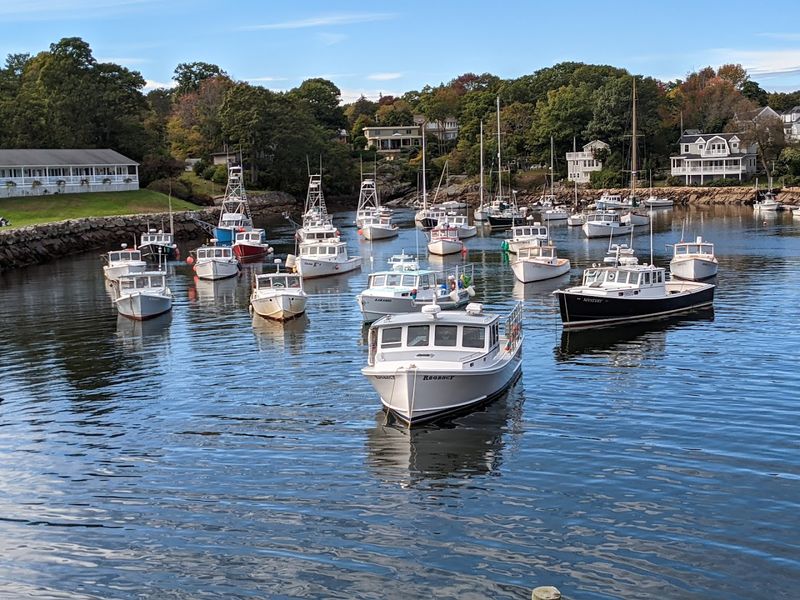
Several reputable tour operators run puffin-specific trips from towns along the midcoast and Downeast Maine. Hardy Boat Cruises out of New Harbor and Cap’n Fish’s Cruises out of Boothbay Harbor are two of the most established options for reaching Eastern Egg Rock.
For Machias Seal Island, Bold Coast Charter Company based in Cutler is a well-known choice with a strong reputation among birdwatchers.
Tours typically last between two and four hours, depending on the destination and the operator. Guides on board are knowledgeable about puffin behavior and the history of conservation efforts in the area, making the ride itself educational.
Dressing in warm, waterproof layers is essential regardless of the forecast, because ocean temperatures off Maine stay cool even in midsummer. Bringing a windproof jacket and wearing non-slip shoes will keep you comfortable and focused on the birds rather than the chill.
The Project Puffin Success Story
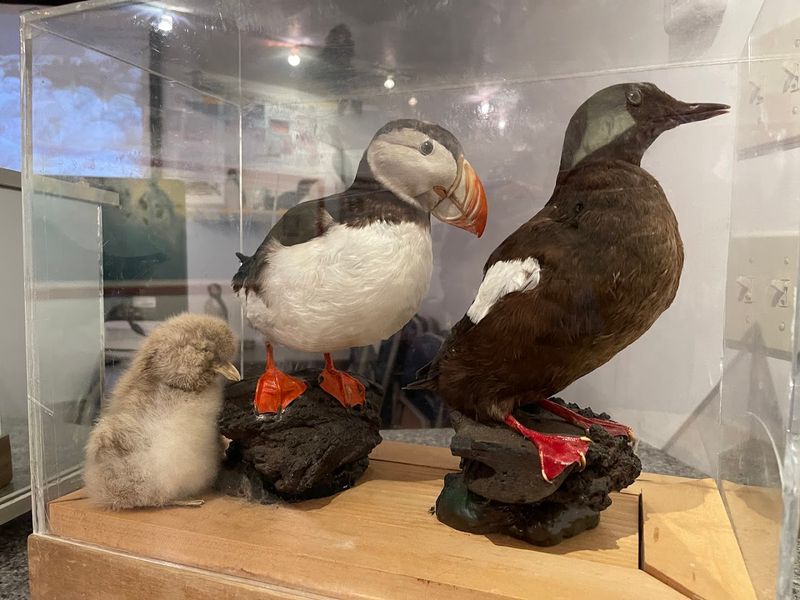
One of the most inspiring wildlife comeback stories in American history played out on the rocky islands of coastal Maine.
By the late 1800s, Atlantic puffins had been almost completely wiped out from Maine due to hunting for feathers and eggs. By 1900, a single pair remained on Seal Island, and Eastern Egg Rock had no puffins at all.
In 1973, a young ornithologist named Dr. Steve Kress launched what would become Project Puffin through the National Audubon Society.
His team transplanted puffin chicks from Newfoundland to Eastern Egg Rock, hand-raised them, and used decoys and recorded puffin calls to convince returning birds that the island was a safe place to nest. It worked.
Puffins began nesting on Eastern Egg Rock again in 1981, and the population has grown steadily ever since. Today, around 1,000 puffin pairs nest across several Maine islands thanks to Project Puffin’s ongoing management, with numbers varying from year to year.
The project is widely celebrated as a model for seabird restoration worldwide. Visitors who take a tour to Eastern Egg Rock are directly witnessing the results of over 50 years of tireless work.
That backstory transforms a simple birdwatching trip into something that feels genuinely meaningful and worth celebrating.
What You’ll Actually See On A Puffin Tour
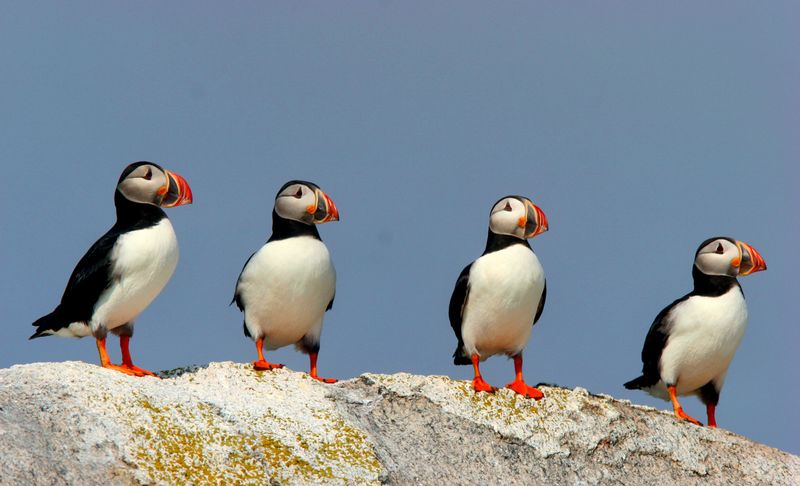
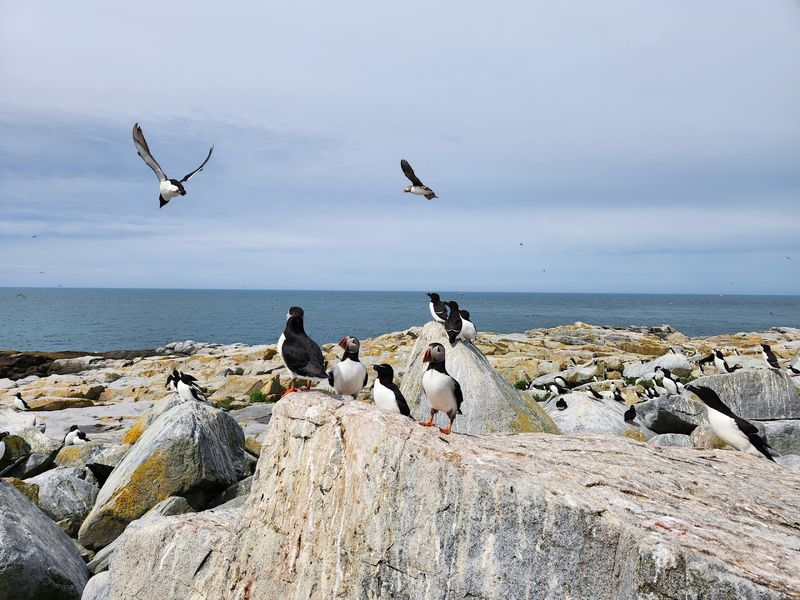
A puffin tour is not just about puffins, and that is part of what makes the experience so rich. On a typical trip to Eastern Egg Rock or another Maine island, you will likely spot Atlantic puffins both resting on rocks and diving into the water to catch fish.
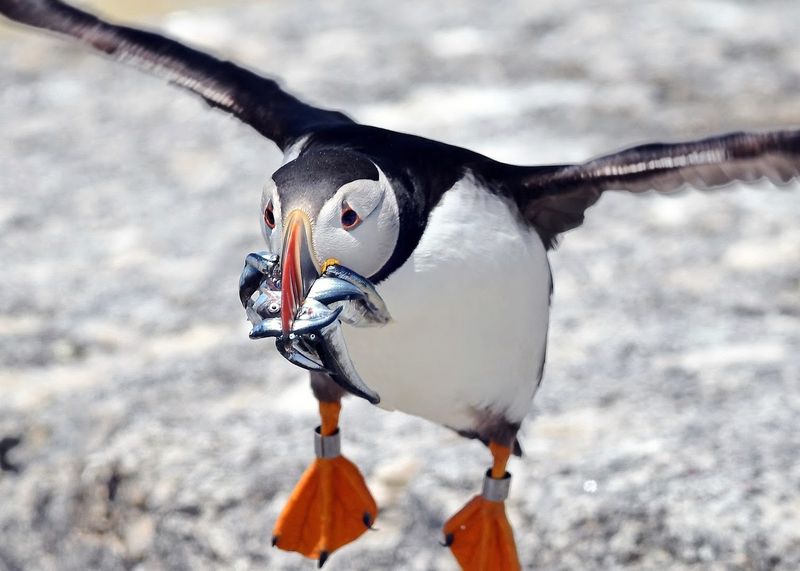
Watching a puffin carry a beak full of small fish back to its burrow is genuinely charming and surprisingly funny to witness.
Beyond puffins, Maine seabird tours regularly feature common terns, Arctic terns, razorbills, common murres, Leach’s storm-petrels, and laughing gulls.
The islands themselves are alive with activity during peak nesting season, and the noise and movement can be overwhelming in the best possible way. Guides on board help you identify different species and explain what the birds are doing and why.
On the water between the mainland and the islands, keep your eyes open for harbor porpoises, harbor seals, and occasionally minke whales. The Gulf of Maine is a productive marine ecosystem, and wildlife sightings beyond birds are common.
Bringing a pair of quality binoculars will dramatically improve your experience, as puffins are small birds and the boats do not always get extremely close to the colonies. A zoom lens on a camera helps too.
Tips For The Best Puffin Experience

A few simple preparations can completely change how much you enjoy your puffin trip. First, book your tour as early as possible, ideally weeks before your planned travel dates.
Spots fill up quickly during July and August, and popular operators like Hardy Boat Cruises often sell out on peak summer weekends well in advance.
Dress warmer than you think you need to. Even on a sunny 75-degree day on shore, the ocean breeze on the water can feel considerably colder.
Layering with a waterproof outer shell and wearing a hat will keep you comfortable for the full duration of the tour.
Seasickness is worth planning for as well. If you are sensitive to motion on the water, taking an over-the-counter remedy before boarding is a practical idea.
Bring snacks and water, since most puffin tours do not include food service. A quality pair of binoculars with at least 8x magnification will let you appreciate puffin behavior in detail that you would otherwise miss with the naked eye.
Arrive at the dock early to secure a good spot on the boat with a clear view of the water. Finally, keep your phone or camera ready but also take time to simply watch without a screen, because some moments are better absorbed in real time.
Can You See Puffins Without A Tour?
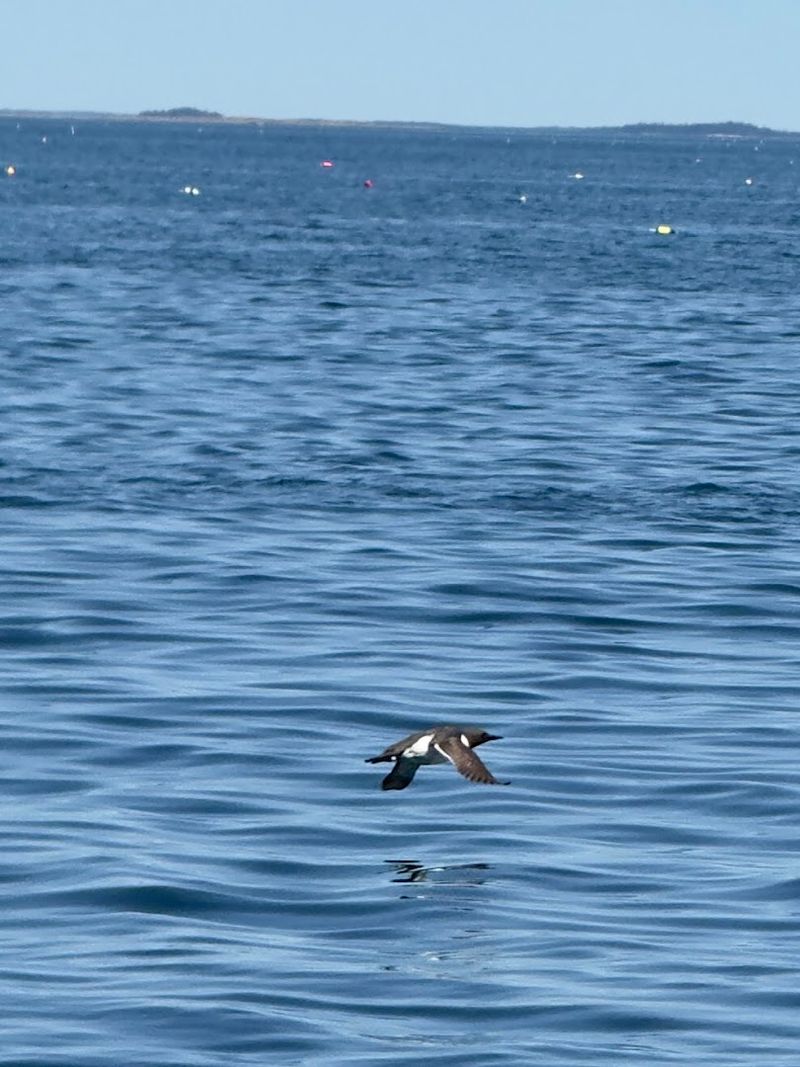
Technically, there are a small number of spots along the Maine coast where puffins have occasionally been spotted from shore, but the honest answer is that trying to see puffins without a boat tour is not a reliable strategy.
The nesting islands are all offshore, and puffins spend the vast majority of their time either on those islands or far out at sea, well beyond the range of shore-based viewing.
Pemaquid Point in Bristol, Maine, is sometimes mentioned as a longshot shore-based option during certain weather conditions when birds fly closer to the coast. Rockland Harbor has had occasional puffin sightings reported by sharp-eyed observers with strong binoculars.
However, these are rare and unpredictable events rather than reliable viewing opportunities.
If budget is a concern, some tour operators offer discounted rates for children or early-season trips. Checking for last-minute openings the day before you plan to go can sometimes turn up available spots at a reduced rate.
For anyone truly passionate about seeing puffins up close and in real numbers, the boat tour is simply the only consistent option that delivers. The investment is absolutely reasonable given what you get to witness firsthand on the water and near the islands.
How Long Should You Plan?
Planning the right amount of time for a puffin trip to Maine depends on how much of the experience you want to soak in.
At minimum, you need one full day to take a boat tour and see the birds. Most tours depart in the morning and return by early afternoon, which leaves time to explore the coastal town you are staying in before the day ends.
A two to three day trip is a much more comfortable option. It gives you a backup day in case your first tour is cancelled due to weather, which happens more often than most people expect on the Maine coast.
It also gives you time to visit multiple departure points, explore charming towns like Rockland, Damariscotta, or Lubec, and enjoy the broader coastal Maine experience that makes the region so appealing.
For birdwatchers who want to visit more than one puffin island, or who want to combine a puffin tour with whale watching or a visit to Acadia National Park, a week-long itinerary makes perfect sense.
Maine rewards slow travel, and rushing through just to check puffins off a list would mean missing everything else the coast has to offer. Building in flexibility is the single best planning decision you can make for this kind of trip.
Is It Worth It?
After all the planning, booking, early mornings, and ocean breezes, the question that lingers is whether a puffin trip to Maine is actually worth the effort. The answer, for nearly everyone who makes the trip, is a clear and enthusiastic yes.
Seeing a wild Atlantic puffin for the first time is one of those experiences that stays with you long after you have returned home.
There is something genuinely moving about watching a species that was nearly gone from Maine thriving again on islands where it once disappeared.
The combination of conservation history, stunning coastal scenery, and the simple joy of watching a bird that looks almost too charming to be real creates a travel experience that is hard to replicate anywhere else in the country.
Families with kids find the tours fun and educational without feeling like a lecture. Solo travelers and couples appreciate the quieter moments on the water and the camaraderie that forms among fellow wildlife enthusiasts on the boat.
Serious birdwatchers often describe their first Maine puffin trip as a turning point in their hobby. Whether you are a lifelong birder or someone who just thinks puffins look cool, the trip delivers on every level and then some.