
Everything You Need To Know For A Memorable Mackinac Island 2026 Trip
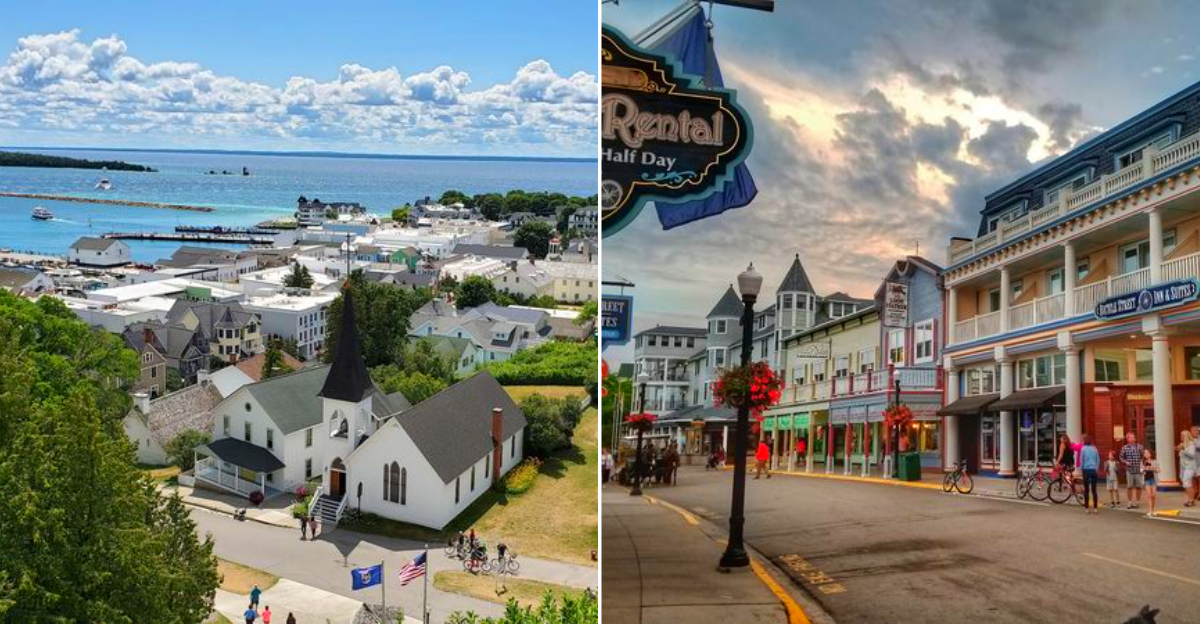
If you’re looking for the frantic pace of 2026, you’ve taken a wrong turn at the bridge. Stepping off the ferry here feels less like a commute and more like a collective deep breath.
As a Michigander, I can tell you there’s a specific kind of magic in a place where the only “traffic jam” involves a stubborn Carriage horse and a group of tourists lured by the siren song of cooling fudge.
Unlock the ultimate car-free getaway with our essential guide to navigating the historic charm and scenic beauty of this Michigan island.
Your first move should be a quick huddle at the Tourism Bureau on Main Street; they’re the keepers of the best trail maps and local secrets that Google Maps hasn’t quite caught onto yet.
Whether you’re here for the sunrise or a long weekend, these eleven insider tips are your golden ticket to mastering the island like a pro.
Start At The Tourism Bureau Before You Do Anything Else

The moment you step off the ferry, Main Street pulls you in six directions at once. Before you follow the fudge smell or chase a horse-drawn carriage, walk directly to the Mackinac Island Tourism Bureau at the main street.
The staff here genuinely know this island, trail conditions, ferry schedules, current event lineups, and which tour packages offer the best value for your group size.
You can pick up detailed maps, ask about accessibility options, and grab seasonal guides that aren’t always available online.
The bureau is open Monday through Friday, 9 AM to 5 PM. Arrive early and you will leave with a sharper plan than most visitors ever manage to put together on their own.
Gateway To The Island
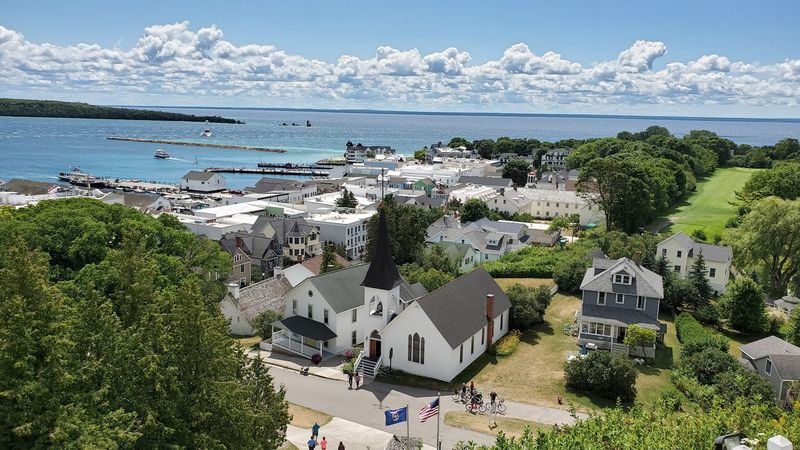
The Mackinac Island Tourism Bureau is situated at 7274 Main St, Mackinac Island, MI 49757, right in the heart of the downtown district at 7274 Main Street, just steps away from the bustling harbor. This central hub serves as the primary information center for visitors, positioned conveniently among the island’s famous fudge shops and historic storefronts.
Its location makes it an ideal first stop for picking up maps, event schedules, or local advice immediately after you arrive and begin your journey through the car-free streets.
To reach this destination, you must first travel by ferry from either Mackinaw City or St. Ignace, as automobiles have been prohibited on the island for over a century. Upon disembarking at the ferry docks, the bureau is a very short, scenic walk toward the center of the Main Street commerce area.
Choose Your Transportation Mode Before You Arrive
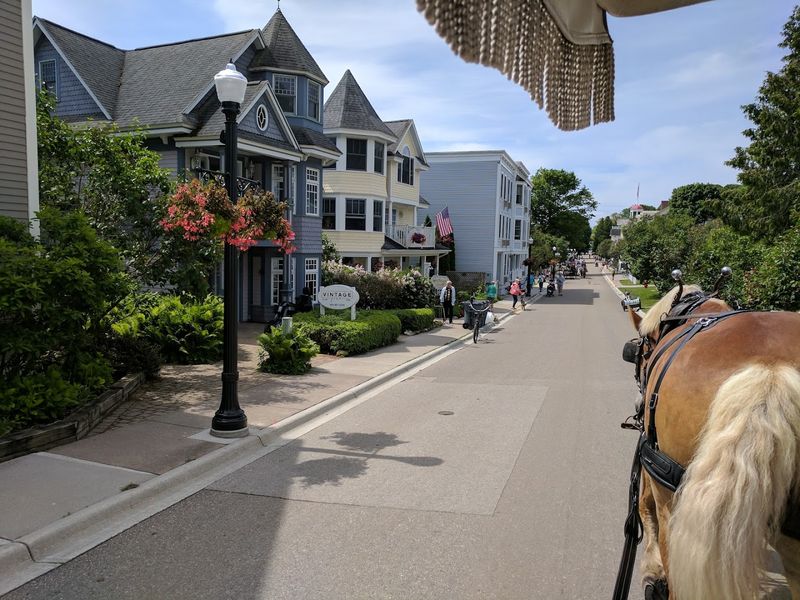
Mackinac Island has no motor vehicles, full stop. That rule has been in place since 1898, and it shapes everything about how the island feels and moves.
Your options are walking, cycling, horseback riding, or a horse-drawn carriage, and each gives you a completely different experience of the same landscape.
Renting a bicycle is the most flexible choice for solo travelers or couples who want to cover the 8.3-mile perimeter loop at their own pace.
Carriage tours are ideal for families or anyone who wants narrated history without the pedaling. The Tourism Bureau can connect you with licensed operators for all of these, so ask before you wander off and pay premium rates at the first booth you see.
The Perimeter Bike Trail Is Not Optional
Eight point three miles of paved road wraps around the entire edge of Mackinac Island, and almost every inch of it earns its keep. The western stretch offers wide lake views and cool breezes off Lake Huron.
The eastern side gets quieter, shadier, and more likely to reward you with a great blue heron standing motionless at the water’s edge.
Most cyclists finish the loop in one to two hours depending on pace and how often they stop for photos, which should be often.
Tandem bikes rent for around $25 for a couple of hours, making this one of the best-value experiences on the island. The trail is mostly flat with a few gentle grades near the bluffs.
Explore The Interior Trails, Most Visitors Never Do
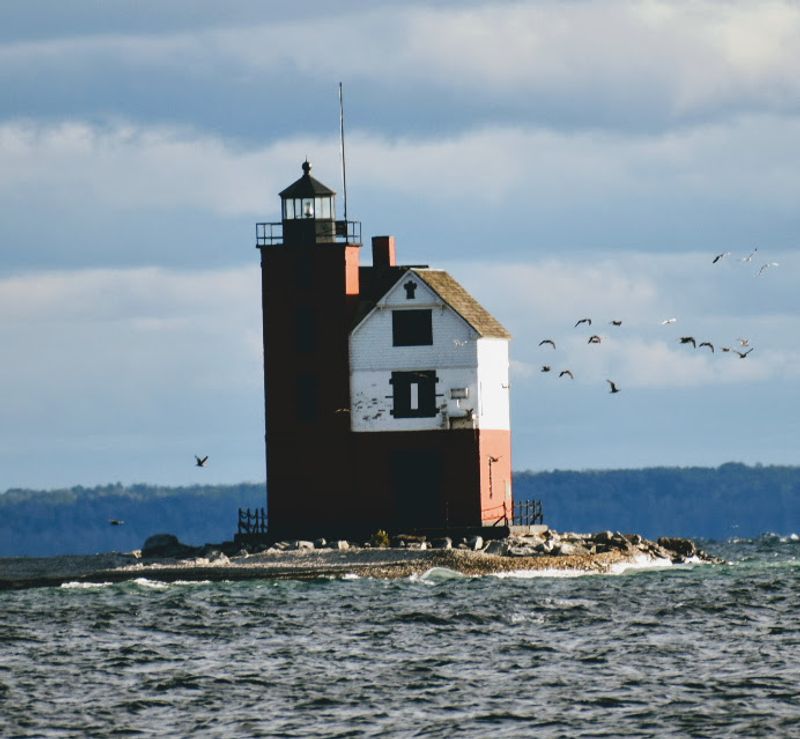
Here is something the day-trip crowd almost always misses: Mackinac Island has over 70 miles of interior trails ranging from smooth gravel paths to rugged hiking routes through dense hardwood forest. Fort Holmes, the island’s highest point, sits at 320 feet above lake level and offers a panoramic view that genuinely earns the climb.
The trail network is well-mapped, and the Tourism Bureau hands out free copies that show difficulty ratings and distances.
Some paths are suitable for mountain bikes and horses; others are foot-traffic only. Going in the morning, before the ferry crowds build, means you might share a trail with nothing louder than wind in the birch trees and the occasional chipmunk with strong opinions about your snack bag.
Visit Arch Rock And Fort Mackinac For Real Historical Context
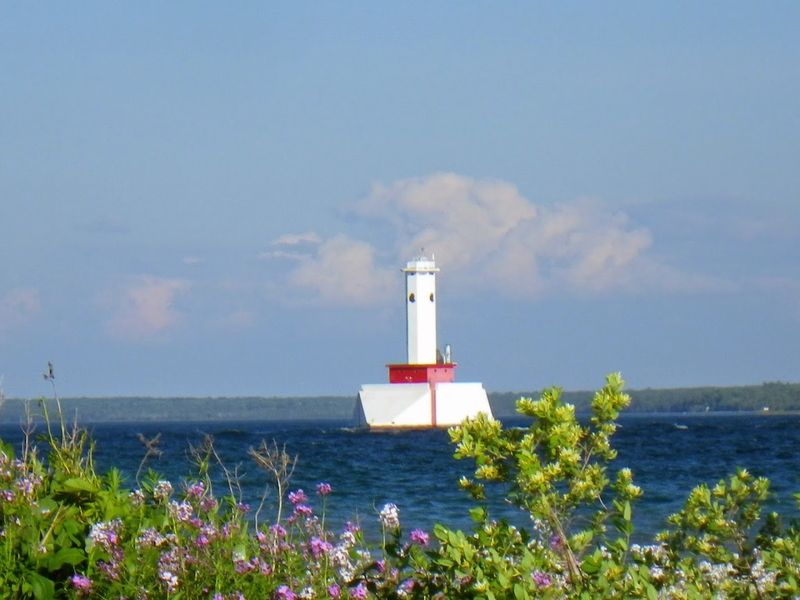
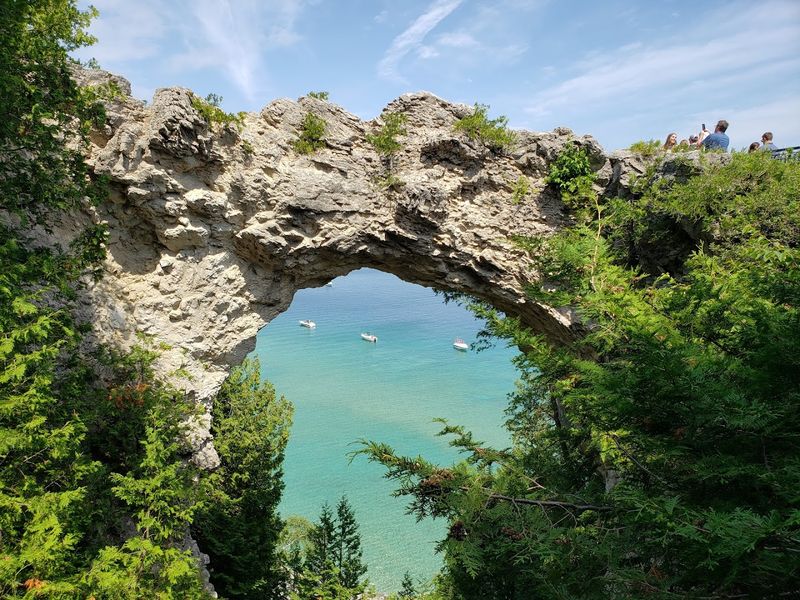
Arch Rock is one of those geological oddities that looks almost too dramatic to be real. The limestone arch stands 146 feet above the lake, carved by glacial meltwater thousands of years ago, and the view through it on a clear day is the kind of thing people describe for years afterward.
Fort Mackinac, perched on the bluff above downtown, offers a more structured history lesson. Costumed interpreters demonstrate musket firing with real black powder, and the buildings are remarkably well-preserved for structures dating back to the 1780s.
Admission fees apply for the fort, and the Tourism Bureau can include both sites in bundled tour packages that save you money compared to buying tickets separately at the gate.
Stay Overnight To Experience The Island After The Ferries Leave
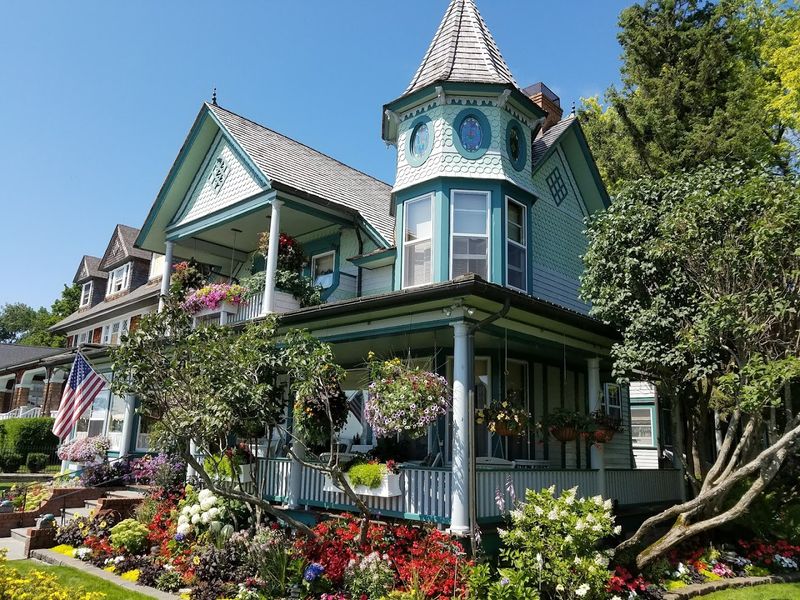
Once the last afternoon ferry pulls away from the dock, Mackinac Island becomes a fundamentally different place. The streets empty out, the horse hooves slow down, and a quiet settles over Main Street that feels almost cinematic given how packed it was six hours earlier.
Overnight guests get access to this version of the island, the one locals actually love. Several bed-and-breakfasts and small hotels offer comfortable rooms at a range of price points.
Mornings before the first ferry arrives are equally peaceful, and a cup of coffee on a porch overlooking the straits with no agenda and no crowd is genuinely hard to replicate anywhere else. The Tourism Bureau website lists current lodging options with direct booking links.
The Grand Hotel Is Worth Seeing Even If You Don’t Stay There
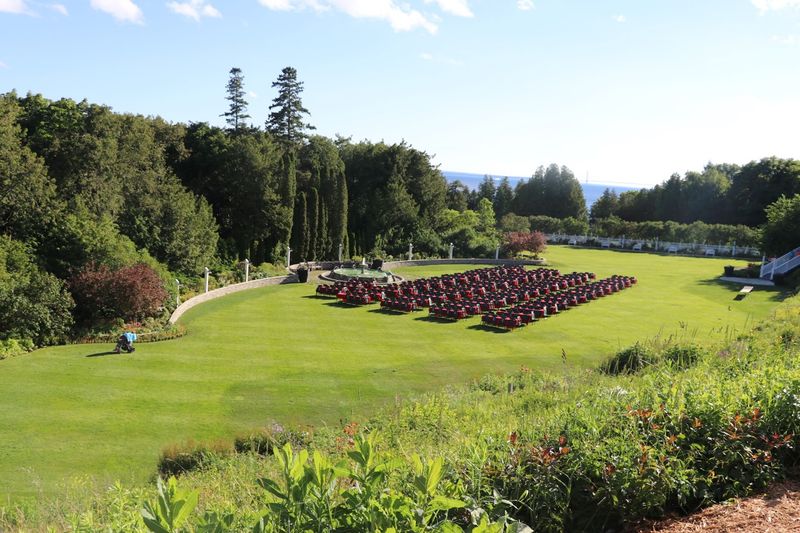
The Grand Hotel opened in 1887 and has operated continuously since, which makes it one of the longest-running resort hotels in the country. Its front porch stretches 660 feet, reportedly the longest in the world, and the view from those rocking chairs out toward the Straits of Mackinac is exactly as good as it sounds.
Non-guests can visit for the Grand Buffet lunch, served from noon to 2 PM, which has historically run around $47 per person including beverages.
A self-guided tour of the public spaces is included with lunch. Evening dining requires more formal attire, which adds an unexpected layer of fun to the experience.
Ask the Tourism Bureau about current pricing and reservation requirements before you show up at the door.
Budget Honestly, The Island Is Not Cheap
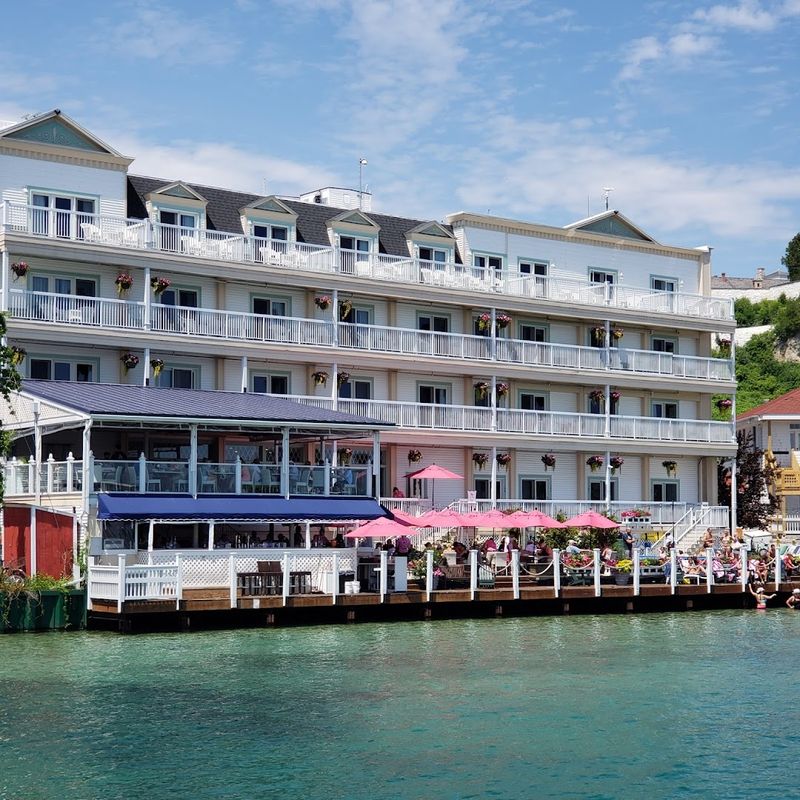
Mackinac Island operates as a captive economy, everything arrives by ferry, and the prices reflect that reality. Bike rentals, carriage tours, fort admission, restaurant meals, and lodging all add up faster than most first-time visitors expect.
Going in with a realistic budget prevents the kind of sticker shock that sours an otherwise great trip.
That said, some of the best experiences here cost nothing at all. Walking the perimeter road, exploring interior trails, sitting on the public docks, and watching the ferries come and go are all free.
Fudge, on the other hand, is a necessary expense, the island produces it in enormous quantities, and the quality at the better shops is genuinely excellent. The Tourism Bureau can point you toward which shops use traditional copper-kettle methods.
Pack For The Weather, Lake Michigan Changes Its Mind Constantly
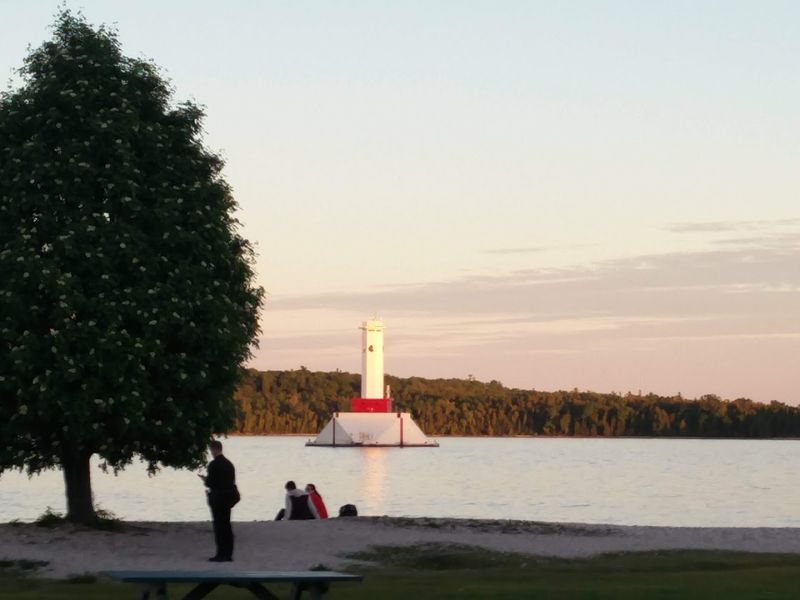
Sitting at the junction of Lakes Huron and Michigan, Mackinac Island gets weather that can shift from warm and sunny to cool and blustery within the same afternoon.
Summer averages are pleasant, but lake breezes can drop the temperature noticeably once you’re out on the perimeter trail away from the sheltered downtown streets.
A light jacket, comfortable walking shoes, and a small daypack go a long way here. If you’re cycling the full loop, sunscreen matters more than most people anticipate because the open lake stretches offer zero shade.
The island also gets rain, and a packable rain layer takes up almost no space but saves a trip. The Tourism Bureau posts current seasonal weather guidance on its website at mackinacisland.org.
Use The Tourism Bureau Website And Phone Line Throughout Your Planning
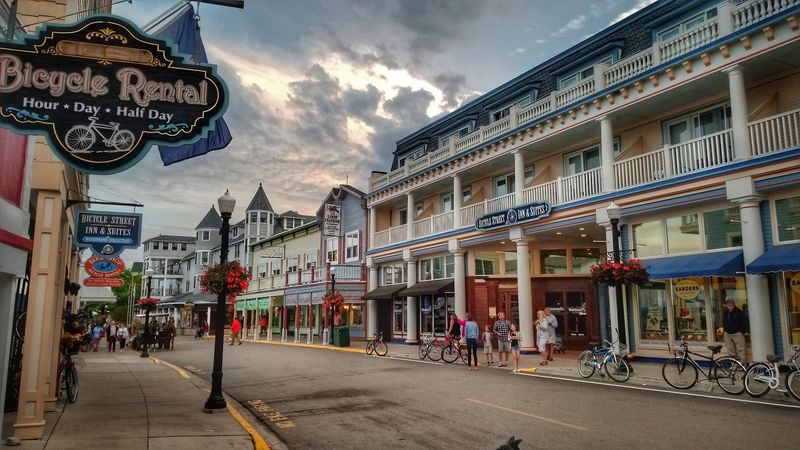
Planning a Mackinac Island trip involves more moving pieces than it looks: ferry timing, lodging availability, tour packages, event calendars, and trail conditions all shift seasonally.
The Mackinac Island Tourism Bureau at mackinacisland.org keeps this information current and organized in one place, which saves a significant amount of research time.
The bureau’s phone line, (906) 847-3783, connects you with staff who can answer specific questions that websites don’t always address, like which carriage operators accommodate larger groups or whether a particular trail is accessible after spring thaw.
For 2026 travel, reaching out a few months in advance is wise, especially for holiday weekends and the popular Lilac Festival period in early June. Good planning here pays off in a noticeably smoother trip.