
Experience Arizona’s Stunning Poppy Bloom Road Trip
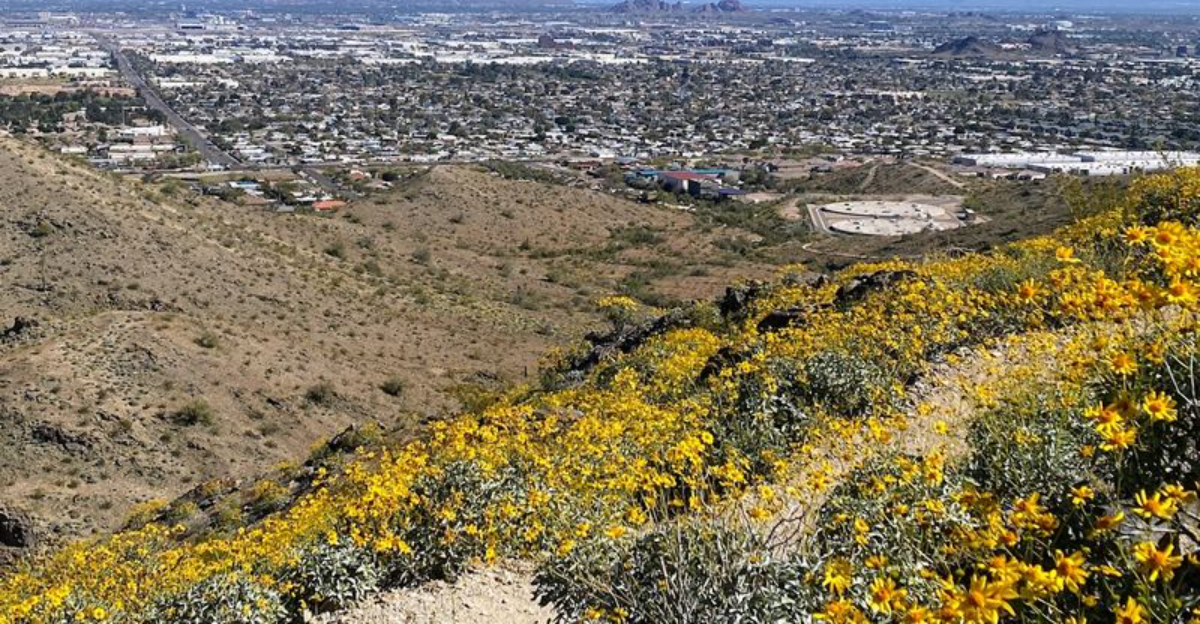
Spring in Arizona has a way of sneaking up on you. One week the desert looks like its usual sun-baked self, and then suddenly, almost overnight, entire hillsides explode into waves of vivid orange and gold.
Arizona poppies are the undisputed stars of the season, and when winter rains have been generous, the show they put on is truly something to behold.
This road trip guide will walk you through eight must-see stops, from iconic state parks to quieter trails where you can enjoy the blooms almost all to yourself.
Pack your water bottle, lace up your walking shoes, and get ready to experience one of the most spectacular natural events the American Southwest has to offer. I never get tired of that first moment when the desert stops looking sleepy and suddenly feels bright, alive, and impossible to ignore.
Why Arizona Poppy Season Is Worth The Trip
Picture a landscape that looks almost too colorful to be real. That is exactly what Arizona’s poppy season delivers, and it happens every spring across the Sonoran Desert. The California poppy, with its vivid orange-gold petals, is the headliner of the show, and it brings friends, including purple lupines, yellow brittlebush, and pink owl’s clover.
What makes the bloom so dramatic is the contrast. Against the dry tan soil and pale green saguaros, those orange flowers pop like something out of a painting.
The timing usually runs from mid-February through April, though a wet winter can push blooms earlier, as it did in 2026 when significant color appeared as early as mid-February across multiple locations.
The best part is that you do not need to be an expert hiker or botanist to enjoy it. Most of the top viewing spots are accessible, and the reward for showing up is instant. Spring in Arizona is simply poppy season at its finest.
Picacho Peak State Park And Peridot Mesa
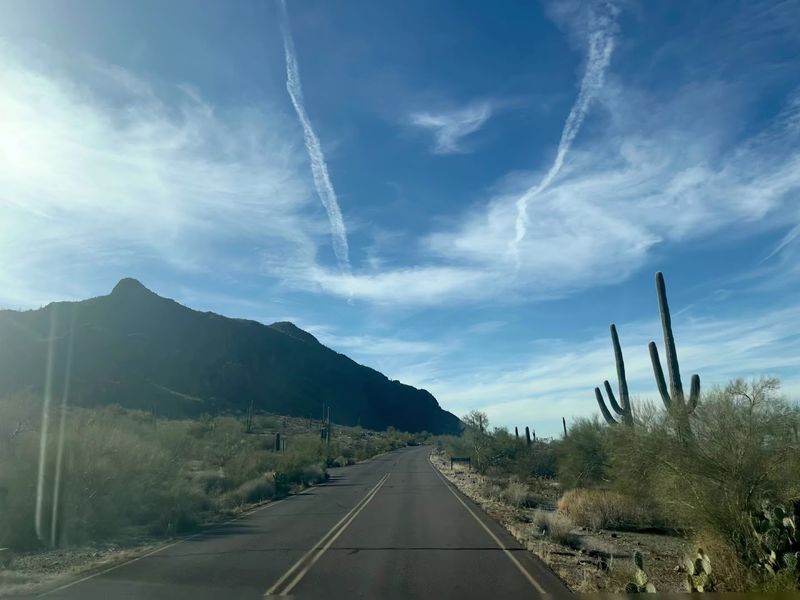
Standing between Tucson and Casa Grande along Interstate 10, Picacho Peak State Park is probably the most photographed poppy spot in all of Arizona, and for very good reason. The jagged volcanic peak rising above a carpet of orange and purple flowers creates a scene that stops drivers in their tracks every single year.
The Calloway Trail is the go-to route for flower seekers, offering sweeping views of the poppy fields without requiring extreme fitness. In 2026, the park’s own Wildflower Bloomdar reported active poppy blooms starting as early as February 17, which tells you just how generous the season was.
Morning light is ideal here, as the flowers open fully when warmed by the sun.
Peridot Mesa, located near Globe on the San Carlos Apache Reservation, is another standout worth adding to the itinerary. The mesa’s rolling terrain turns brilliantly orange during peak season, and visiting in the late morning gives you the best chance of catching the flowers at full display.
South Mountain Park’s Spring Color
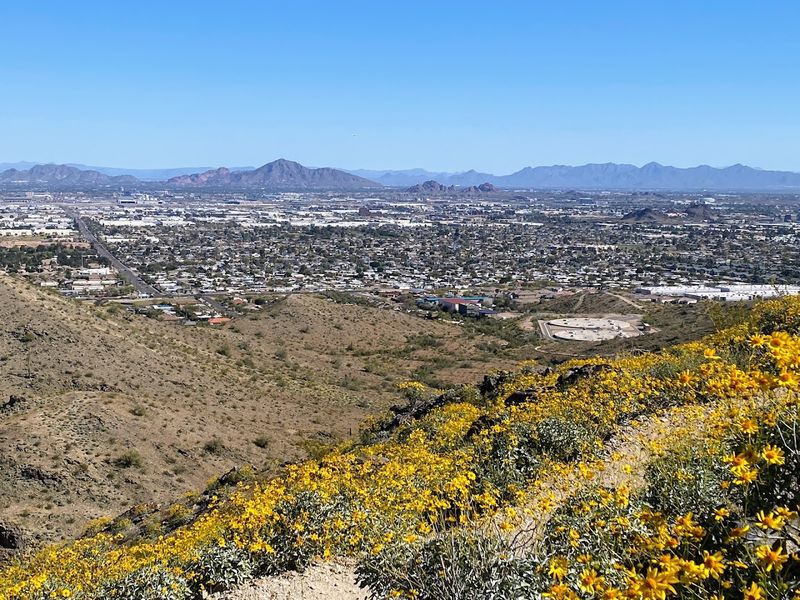
Right inside the city of Phoenix, South Mountain Park surprises visitors every spring with wildflower displays that feel completely out of place in an urban setting.
The park covers over 16,000 acres, making it one of the largest municipal parks in the country, and its trail network gives hikers plenty of options for chasing the bloom.
The Bajada Nature Trail and the Ranger Trail are two of the most popular routes for wildflower viewing. Both offer relatively easy terrain and reward walkers with open desert scenery dotted with poppies, brittlebush, and the occasional saguaro cactus standing guard overhead.
When winter rains have been strong, the color here can be genuinely jaw-dropping.
Because South Mountain sits within Phoenix, it is an incredibly convenient stop for road trippers who want blooms without a long detour. Arrive early in the morning before the crowds build, and you might find yourself with a wide-open trail and a sea of orange stretching as far as you can see.
Estrella Mountain Regional Park
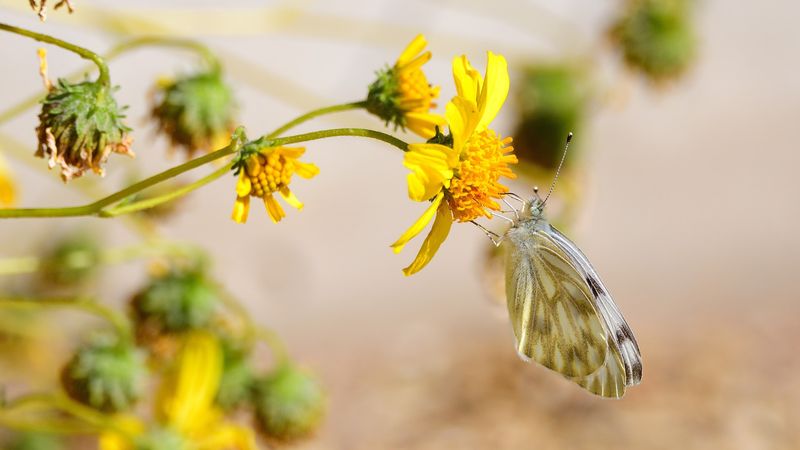
Located in Goodyear, just southwest of Phoenix, Estrella Mountain Regional Park is the kind of stop that works for just about everyone on the road trip. Families, casual walkers, and more experienced hikers all find something to love here, which makes it a smart addition to any spring itinerary.
The Rainbow Valley Trail is the park’s standout route for poppy viewing. It runs as a loop, which is always convenient because you never have to retrace your steps, and the terrain stays manageable throughout.
During a strong bloom year, the trail edges fill with orange poppies set against the backdrop of the Sierra Estrella mountain range, giving photographers and casual visitors alike a stunning foreground-to-background composition.
The park sits close enough to the Phoenix metro area that it rarely feels like a major undertaking to visit, yet the scenery opens up quickly once you are on the trail. Pack snacks, bring extra water, and plan to linger longer than you think you will. The blooms have a way of making time disappear.
Cave Creek And The Go John Trail
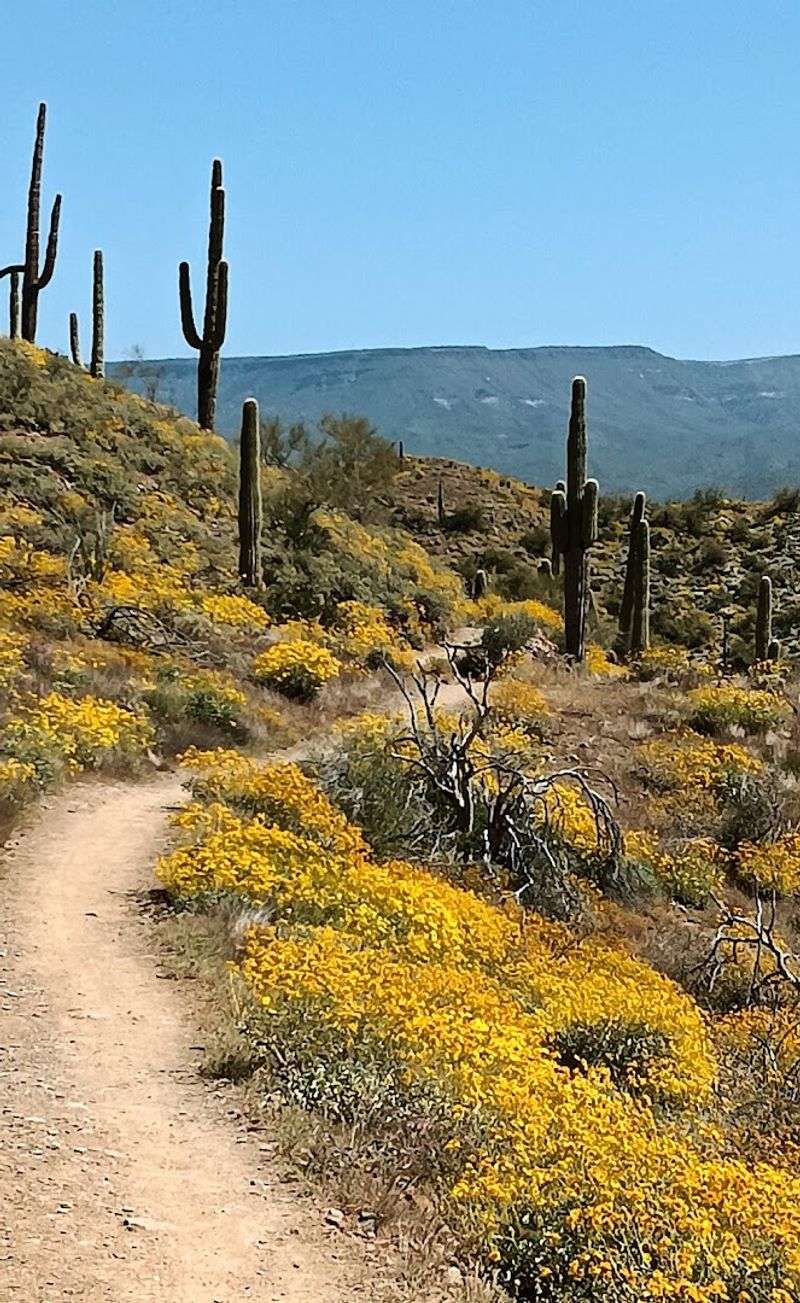
One of the quieter secrets on the Arizona poppy road trip is Cave Creek, a small town north of Phoenix that sits in a landscape perfectly suited for wildflower viewing.
What makes Cave Creek especially interesting is that its bloom timing can run slightly later than spots closer to Tucson, which means savvy road trippers can extend the season by saving this stop for when other locations have already peaked.
The Go John Trail in Cave Creek Regional Park is the highlight here. It is an easy, well-maintained loop that covers just under six miles, making it approachable even for those who are not regular hikers.
The trail winds through open desert terrain where orange poppies have a habit of blanketing entire hillsides during a good year, creating the kind of scene you will want to photograph from multiple angles.
The relaxed pace of Cave Creek town itself adds to the appeal. After your hike, the surrounding area offers a laid-back atmosphere that feels a world away from the city, turning a simple trail walk into a genuinely satisfying half-day outing.
Usery Mountain’s Bloom-Filled Trails

Tucked into the eastern edge of the Phoenix metro area near Mesa, Usery Mountain Regional Park is a flexible stop that rewards visitors regardless of how much energy they want to spend.
The park sits at the base of the Goldfield Mountains and offers a solid mix of trail options spread across striking Sonoran Desert terrain.
For a relaxed outing focused on flower viewing, the Merkle Trail delivers exactly that. It is a shorter, flatter route that still puts you right in the middle of the poppy display without demanding much from your legs.
If you are feeling more ambitious, the Pass Mountain Loop is a longer, more challenging circuit that takes you higher into the terrain and rewards the extra effort with broader views of the surrounding bloom.
Both trails see good poppy coverage during strong bloom years, and the park’s location makes it easy to combine with other east Valley stops on the same day. Arrive before 9 a.m. if you want the golden morning light and the flowers at their freshest, most fully open state.
More Arizona Trails Worth Adding If Time Allows
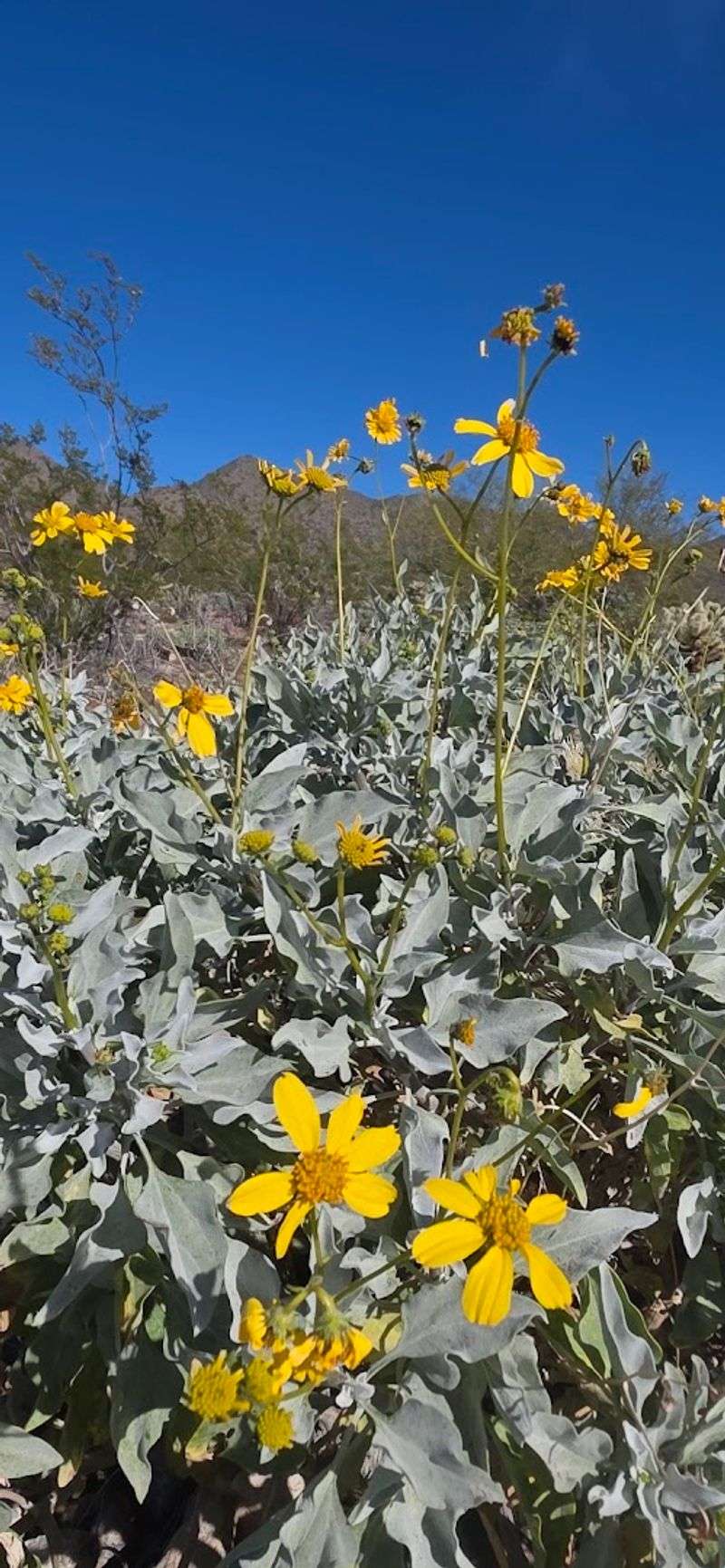
If the road trip has room for a few extra stops, Arizona delivers more than enough bonus options to fill them. Lost Dog Wash Trail in Scottsdale is a standout choice, particularly for those who enjoy a moderate hike with consistently beautiful Sonoran Desert scenery.
The trail threads through the McDowell Sonoran Preserve, and during a strong bloom year, the poppy coverage along the lower sections can be impressive.
The Gateway Trail Loop, also in Scottsdale’s McDowell Sonoran Preserve, is another excellent option. It is a bit longer and more varied in terrain, offering open desert views and a solid chance at seeing a wide mix of spring wildflowers beyond just poppies.
Marcus Landslide, located off the Bush Highway near the Salt River, rounds out this bonus list nicely. It is a lesser-known spot that tends to attract fewer visitors, which means you can often enjoy the flowers in relative quiet.
These three additions work especially well for travelers who have built flexibility into their schedule and want to squeeze every last bloom out of the season.
Tips For Planning The Arizona Poppy Road Trip
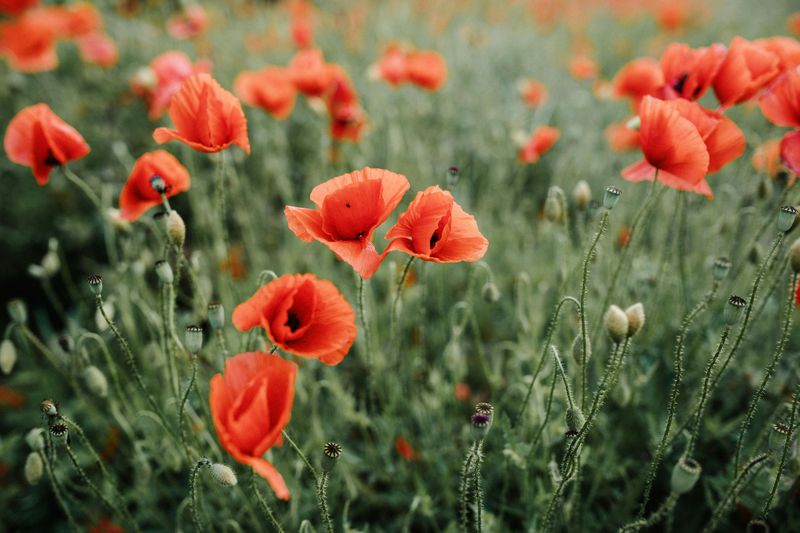
Timing is everything with wildflower road trips, and Arizona poppies are no exception. Peak bloom typically runs from mid-February through April, but that window shifts depending on how much rain fell the previous winter.
Before heading out, check resources like the Arizona State Parks Wildflower Bloomdar or local hiking forums to get real-time updates on which spots are currently popping.
Mornings are the best time to visit. Poppies close up in cold or cloudy conditions and open fully as temperatures rise, so arriving between 9 a.m. and noon usually gives you flowers at their most photogenic.
Bring more water than you think you need, apply sunscreen generously, and wear sturdy walking shoes since desert trails can be uneven underfoot. Stay on designated trails to protect the flowers and the fragile desert soil around them.
Bloom conditions can vary dramatically from week to week, so building flexibility into your schedule pays off. A loose itinerary lets you follow the blooms rather than chase a fixed plan, which is honestly the most rewarding way to experience Arizona’s most colorful season.