
Explore Arizona’s 11 Eeriest Abandoned Mining Towns With Haunting Histories
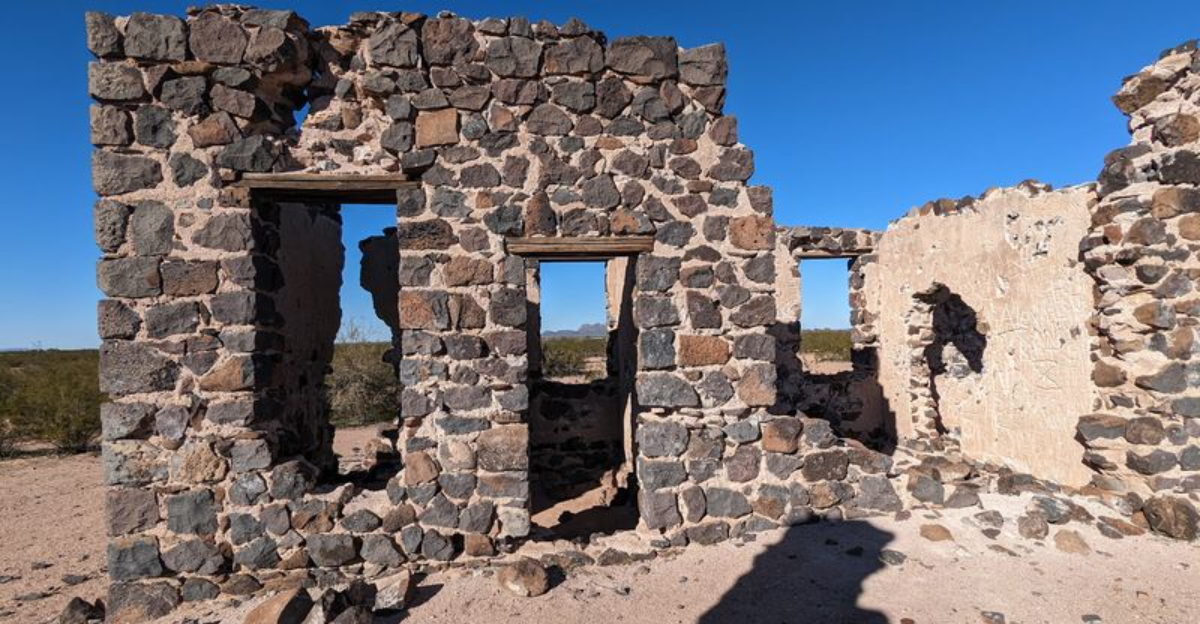
My fascination with abandoned places led me deep into Arizona’s sun-scorched hills, where the remnants of mining boomtowns slowly return to dust. These settlements rose almost overnight when ore was discovered, then vanished just as quickly when the deposits ran dry.
What remains today is a patchwork of sagging porches, rusted mining equipment, and crumbling Foundations—testaments to communities that once housed thousands of hopeful souls.
The beauty of exploring these sites lies not just in their atmospheric decay, but in imagining the lives lived and lost there. Children once played on these streets. Families built futures here.
Now nature reclaims what people left behind, creating something both melancholic and magical that captures the essence of Arizona’s frontier spirit.
1. Vulture City Ghost Town, Wickenburg, Arizona
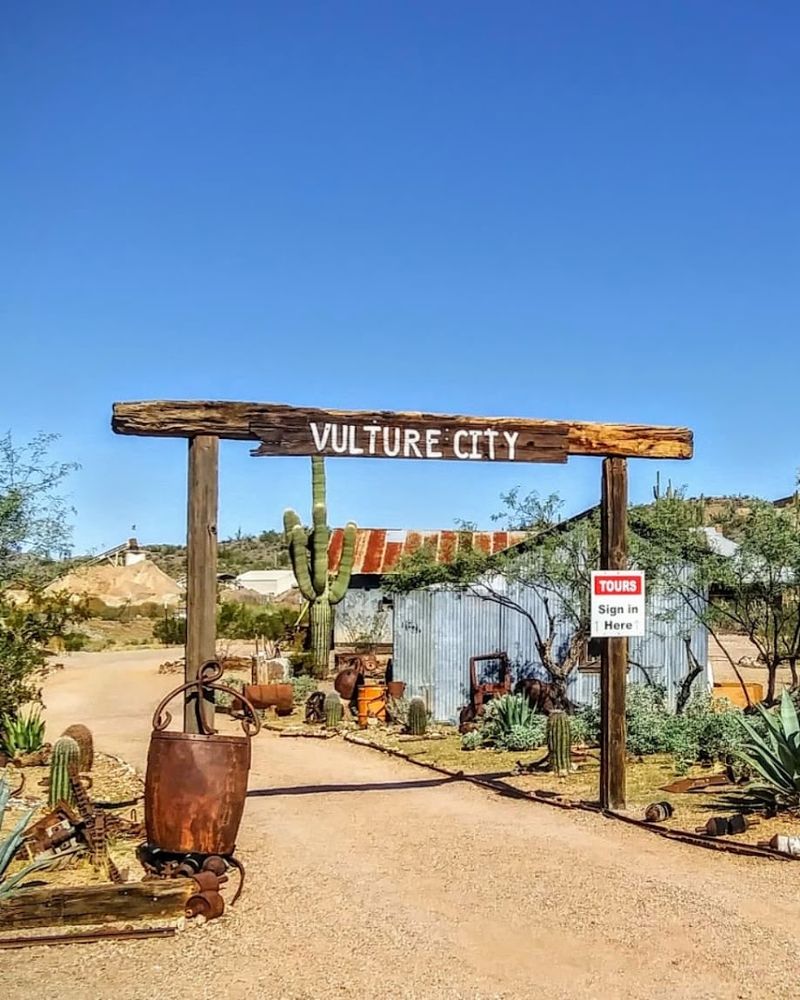
Standing at the entrance of Vulture City, you get the immediate sense that this place has a long memory. Located at 36610 N 355th Ave in Wickenburg, Arizona, Vulture City was built around the Vulture Mine, once the richest gold mine in Arizona Territory history.
Henry Wickenburg discovered gold here in 1863, and within years the town swelled with miners, merchants, and opportunists chasing their fortunes in the Sonoran Desert heat.
The mine reportedly produced around 200 million dollars worth of gold and silver over its lifetime, which is a staggering figure for a place that now looks like a forgotten film set.
Visitors today can tour the original buildings, including the assay office, the blacksmith shop, and the eerie hanging tree that served as the town’s unofficial courthouse. I wandered through every structure I could access and felt the weight of those desperate, ambitious years pressing in from every cracked wall and dusty floor.
2. Swansea Historic Ghost Town, Parker, Arizona
Few ghost towns in Arizona feel as genuinely remote as Swansea, and that isolation is a big part of its appeal. Tucked along Swansea Townsite Road near Parker, Arizona, this copper mining settlement sits in the Bill Williams River valley and requires a bumpy dirt road drive just to reach it.
The town was founded in the early 1900s and named after the famous smelting city in Wales, a nod to the copper processing operations that defined its short but intense life. At its peak, Swansea housed hundreds of workers and featured a post office, a school, and its own railroad connection.
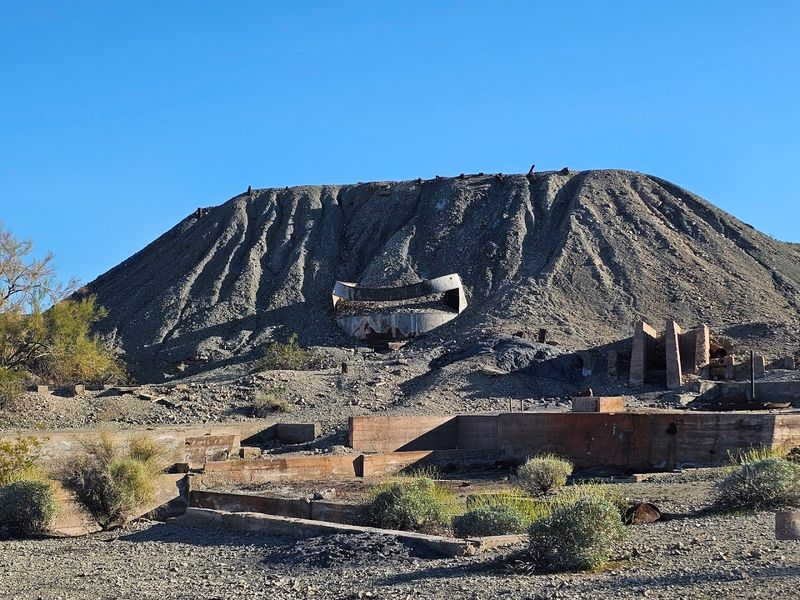
What remains today are stone ruins, collapsed walls, and the skeletal outlines of industrial structures slowly being reclaimed by desert scrub. The Bureau of Land Management oversees the site, so it is freely accessible to visitors willing to make the drive.
Walking through those ruins with the desert wind in your ears is an experience that genuinely stays with you.
3. Castle Dome Mine Museum And Ghost Town, Yuma, Arizona
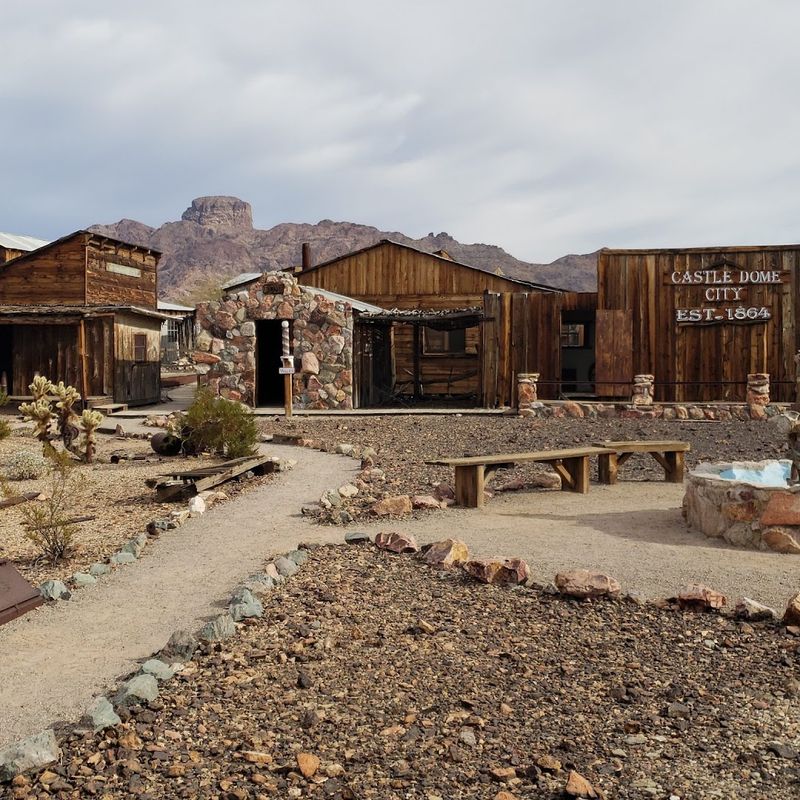
This is not just a ghost town, it is a fully restored open-air museum that rewards curious visitors with an almost theatrical step back into the 1800s. Found along Castle Dome Mine Road outside Yuma, Arizona, the site features over 50 restored buildings, making it one of the most complete ghost town experiences in the entire Southwest.
Silver was the big draw here, and the mines around Castle Dome produced millions of dollars worth of ore during their most productive years in the late 19th century. The remote location near the Kofa National Wildlife Refuge adds a layer of wild beauty to the whole visit.
What sets this place apart from other ghost towns is the sheer effort put into preservation. Owners have spent decades collecting period-appropriate artifacts and restoring structures so that everything feels authentic rather than staged.
I spent nearly half a day here and still felt like I had only scratched the surface of what Castle Dome has to offer.
4. Goldfield Ghost Town, Apache Junction, Arizona
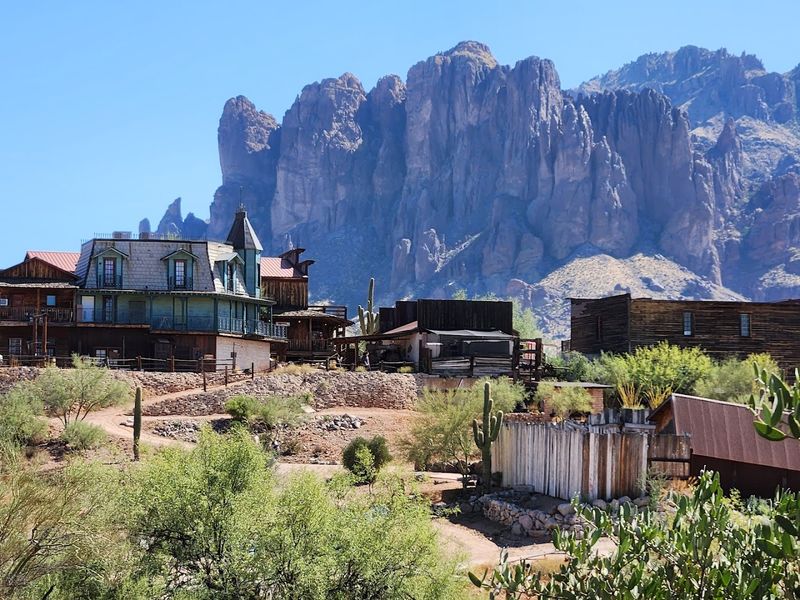
Backed by the jagged silhouette of the Superstition Mountains, Goldfield Ghost Town has one of the most photogenic settings of any historical site in Arizona.
Located at 4650 N Mammoth Mine Rd in Apache Junction, this reconstructed 1890s gold mining town blends genuine history with hands-on experiences that work for visitors of all ages.
Gold was first discovered here in 1892, and the town boomed almost overnight, reaching a population of around 4,000 people before the ore ran dry and everyone packed up and left just as quickly. The site changed hands and went through several revivals before the current owners transformed it into a living history attraction.
Today you can tour a real gold mine, pan for gold yourself, ride a narrow-gauge train, and browse shops set inside authentically styled Old West storefronts.
The Superstition Mountains looming behind everything give the whole place an atmosphere that feels both beautiful and slightly unsettling, especially when you know the legends of lost treasure that surround those peaks.
5. Fairbank Historic Townsite, Tombstone, Arizona
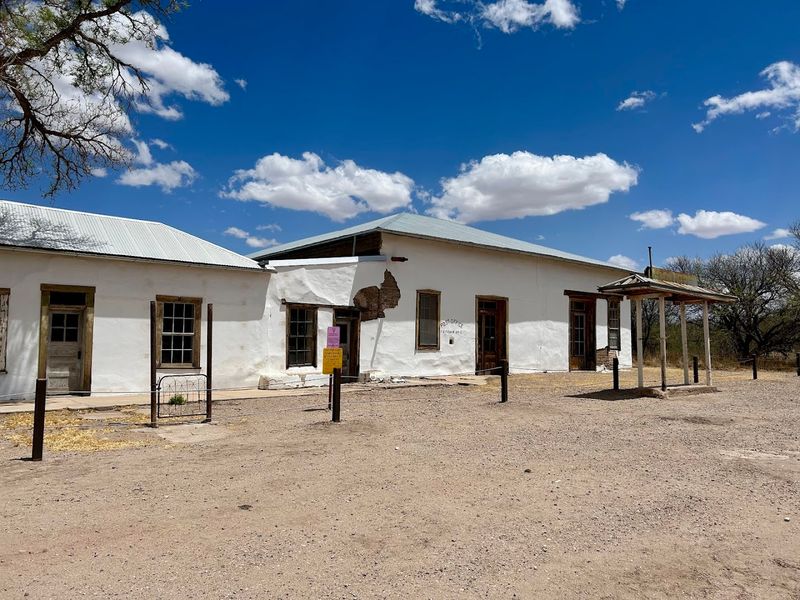
Perched along the banks of the San Pedro River, Fairbank carries a quiet dignity that most ghost towns never quite achieve. Located on N Old Fairbank Rd near Tombstone, Arizona, this site served as a critical railroad hub during the 1880s silver boom, funneling ore from the famous mines of Tombstone to smelters and markets across the territory.
At its height, Fairbank had a hotel, a mercantile store, a school, and a post office, and it even survived a notorious train robbery attempt in 1900 that left a lawman wounded and the bandits fleeing empty-handed.
The Bureau of Land Management now manages the property and has stabilized several adobe structures so visitors can safely explore the ruins.
The San Pedro Riparian National Conservation Area surrounds the townsite, meaning the landscape itself is lush and alive in a way that feels almost surreal against the crumbling walls. Birdwatchers and history lovers both find plenty to love here, which makes Fairbank one of Arizona’s most quietly rewarding stops.
6. Gleeson Ghost Town And Jail Museum, Gleeson, Arizona
Cochise County has more than its fair share of legendary ghost towns, but Gleeson tends to fly under the radar in a way that makes discovering it feel like a personal victory.
Situated at 11250 N High Lonesome Rd in Gleeson, Arizona, this former copper and turquoise mining camp dates back to the late 1800s and carries the rough energy of a frontier town that never really had time to grow soft.
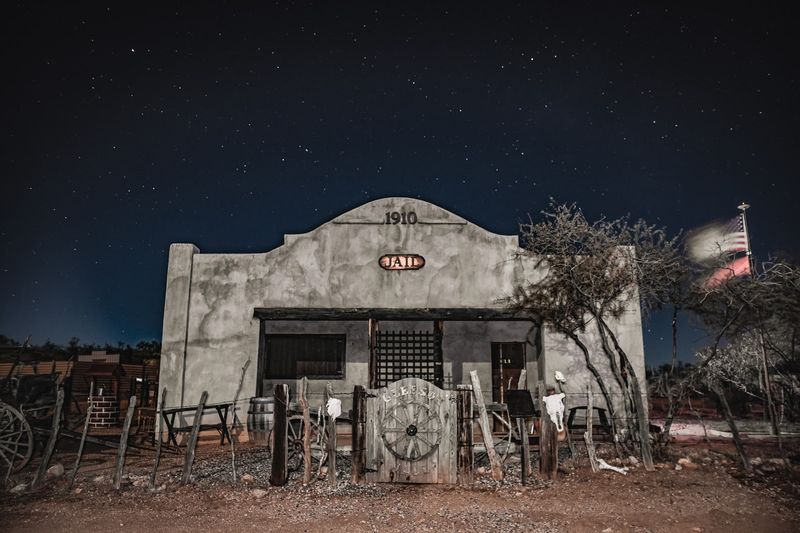
The town reached its peak in the early 20th century before fires, economic downturns, and dwindling ore deposits pulled the community apart piece by piece. What visitors find today includes the crumbling jail, a ruined hospital, an old schoolhouse, and scattered adobe walls slowly melting back into the desert floor.
The Gleeson Jail Museum is the clear centerpiece, and the volunteer caretakers who maintain the site are wonderfully passionate about sharing its history. Spending an afternoon in Gleeson feels like reading a chapter of Arizona history that most people simply skip right past.
7. Pearce Historic Ghost Town, Pearce, Arizona
Gold changed everything for the Sulphur Springs Valley in 1894, and the town of Pearce rose almost overnight to serve the rush.
Found along Ghost Town Trail and Pearce Road in Pearce, Arizona, this community once housed thousands of miners and their families in a stretch of southeastern Arizona that most travelers today simply drive past without a second glance.
James Pearce discovered gold on his cattle ranch, sold the rights, and watched a full-scale mining operation transform his quiet corner of Arizona into a boomtown practically overnight.
The Commonwealth Mine here became one of Arizona’s most productive gold operations before eventually shutting down in the early 20th century.
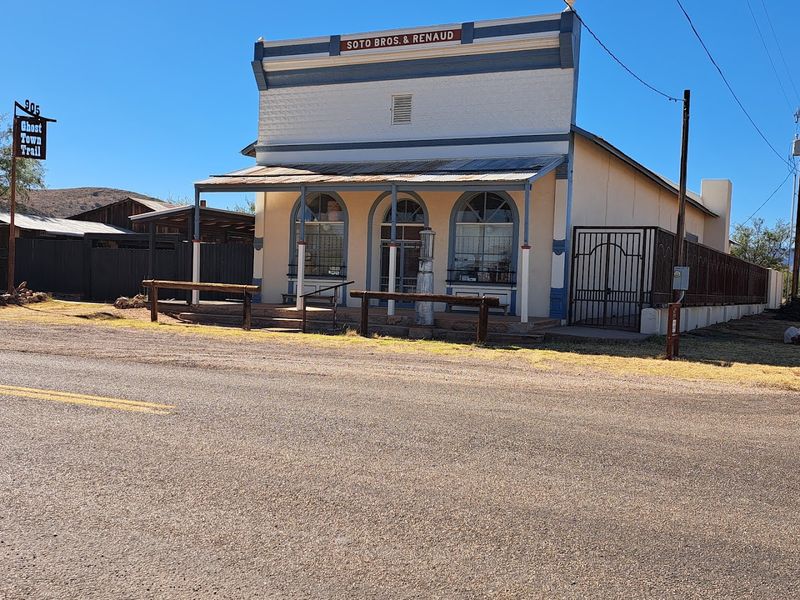
The old general store is the most recognizable surviving structure, its thick adobe walls still standing watch over a landscape that has returned mostly to grassland and silence.
A small community still exists nearby, which gives Pearce a lived-in feeling that separates it from the purely abandoned ghost towns. Walking the old streets here feels unhurried and genuinely reflective.
8. Kentucky Camp Historic District, Sonoita, Arizona
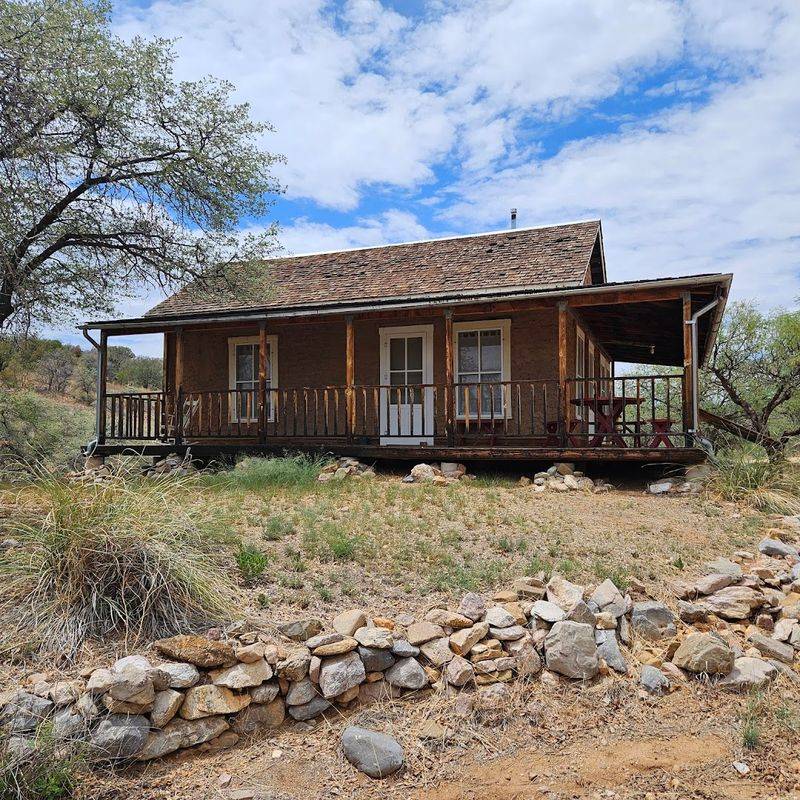
In the oak-studded foothills of the Santa Rita Mountains, Kentucky Camp feels more like a serene wilderness retreat than a haunted relic, right up until you start reading the history.
Located along Kentucky Camp Road near Sonoita, Arizona, this late 19th-century gold hydraulic mining operation is one of the best-preserved examples of its kind in the entire American Southwest.
The camp was established around 1904 by the Santa Rita Water and Mining Company, which planned to use an elaborate water delivery system to process placer gold deposits in the area. The ambitious project ultimately failed due to financial troubles and the sheer difficulty of moving water through such rugged terrain.
The Forest Service has done exceptional restoration work on the headquarters building, and volunteers occasionally staff the site on weekends.
Hikers exploring the area can combine a visit to Kentucky Camp with trails through the surrounding Coronado National Forest, making this one of those rare spots where history and outdoor adventure genuinely reinforce each other.
9. Harshaw Ghost Town, Patagonia, Arizona
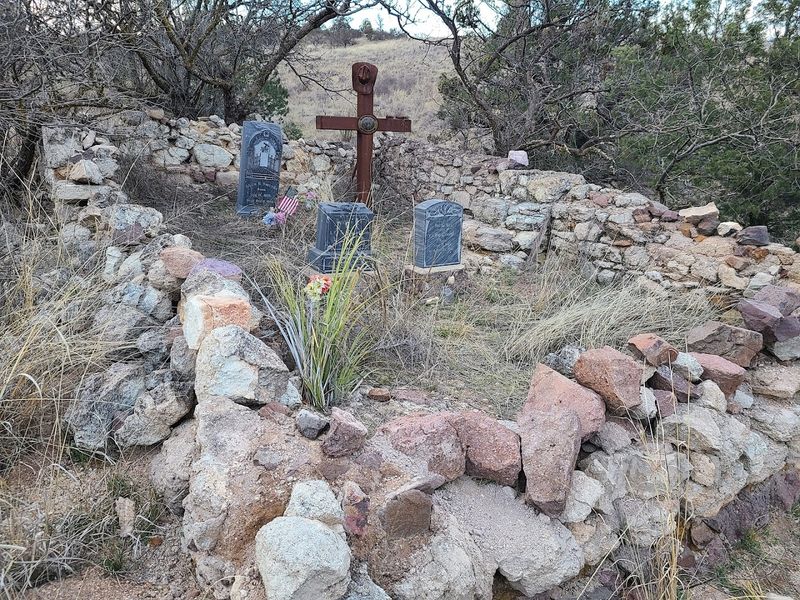
Deep in a forested canyon of the Patagonia Mountains, Harshaw is the kind of place you almost feel guilty knowing about, like a secret that deserves to stay quiet.
Found along Harshaw Road, also known as Forest Road 49, near Patagonia, Arizona, this silver mining settlement dates back to 1875 when David Harshaw staked his claim and set off a regional rush.
The town grew quickly, eventually supporting a smelter, a post office, and a population of several hundred people before a combination of floods, fires, and declining silver prices dismantled the community by the 1880s. A brief revival in the early 1900s added another chapter before the canyon fell silent once more.
The old cemetery is the most evocative surviving feature, with weathered headstones standing among trees and brush that have slowly encroached over decades.
Getting here requires navigating unpaved forest roads, so a high-clearance vehicle is genuinely recommended. The payoff is a deeply atmospheric spot that rewards the effort with solitude and raw historical texture.
10. Sasco Ghost Town, Red Rock, Arizona
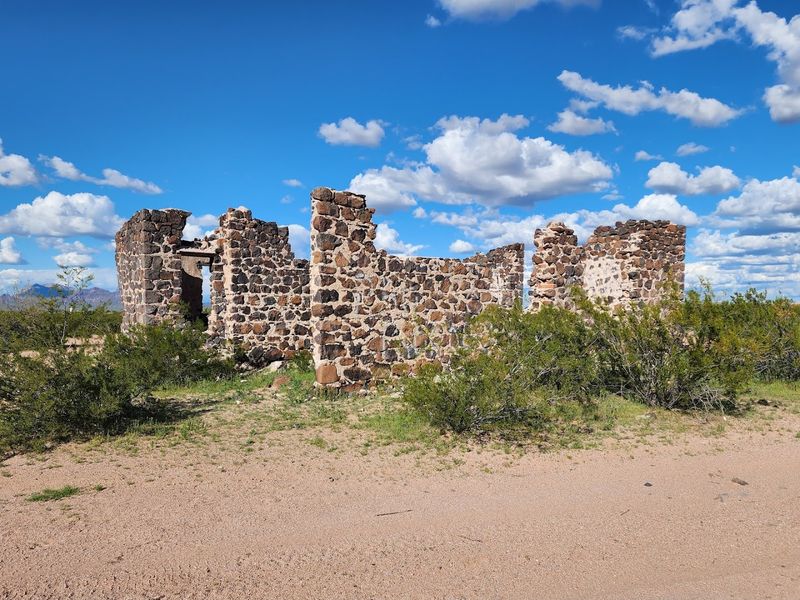
Sasco is one of those ghost towns that rewards people who pay attention to details, because its ruins tell a surprisingly industrial story.
Located along Sasco Road near Red Rock, Arizona, this site was not a mining camp in the traditional sense but rather a copper smelting town built in 1907 to process ore from nearby mines using the Southern Arizona Smelting Company’s operations.
The name Sasco is literally an acronym for Southern Arizona Smelting Company, which gives the place a slightly corporate origin that stands out among the more romantically named boomtowns of the era. The smelter closed in 1919, and the town emptied out with remarkable speed once the work dried up.
Brick walls, collapsed chimneys, and the outlines of former buildings dot the desert landscape today, creating a visual puzzle that history enthusiasts find deeply satisfying to piece together.
The site sits on Bureau of Land Management land and is freely accessible, though the unpaved access road can get rough. Sasco rewards visitors who bring curiosity and a good camera.
11. Chloride, Arizona
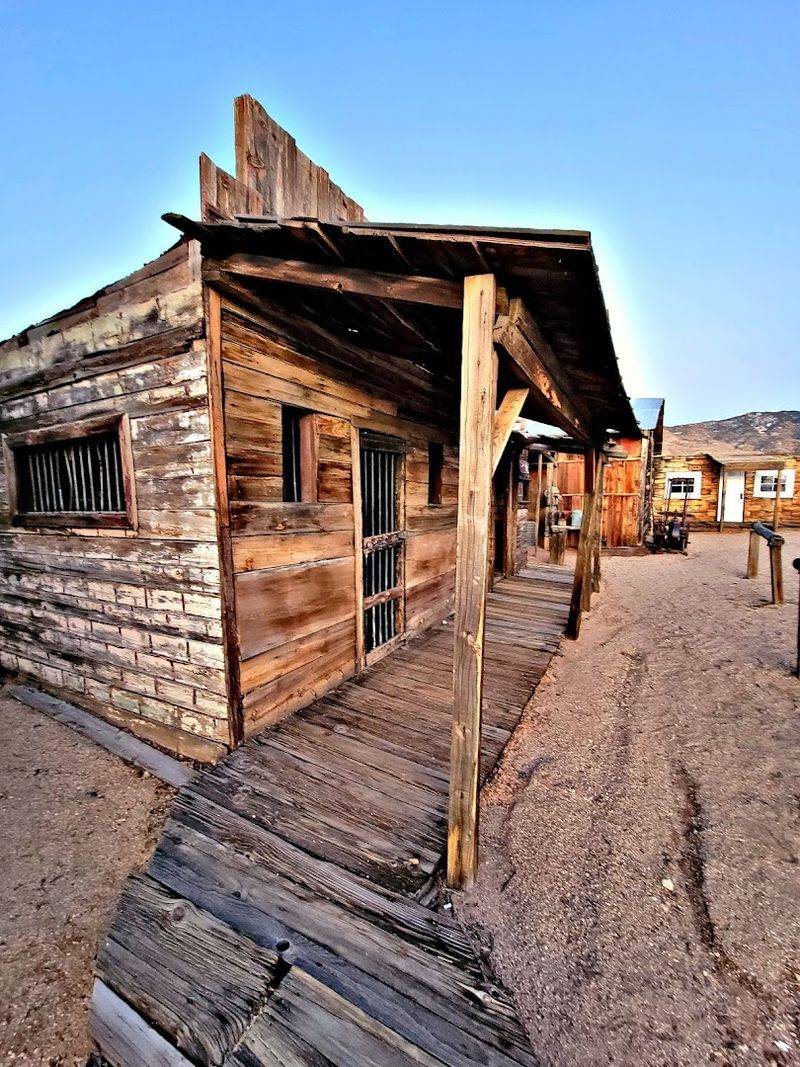
Arizona’s oldest continuously inhabited mining town wears its age like a badge of honor, and Chloride makes no apologies for its wonderfully eccentric personality. Located in Chloride, AZ 86431, in the Cerbat Mountains of northwestern Arizona, this silver mining community was established in the 1860s and somehow never fully emptied out the way most boomtowns did.
Around 250 residents still call Chloride home today, and they have cultivated a quirky, artistic community spirit that makes visiting here feel entirely different from exploring a standard ghost town.
The famous Roy Purcell murals, painted on large rock faces just outside town in 1975, are a genuine must-see, blending psychedelic imagery with desert landscape in a way that is hard to describe and impossible to forget.
Old storefronts, a tiny museum, and a genuine frontier atmosphere make Chloride feel like a living time capsule rather than a preserved relic. Saturday afternoons occasionally bring mock gunfights to the main street, turning the whole town into a cheerful celebration of its own stubborn survival.