
Explore Arizona’s 80-Million-Year-Old Colossal Cave Wonderland
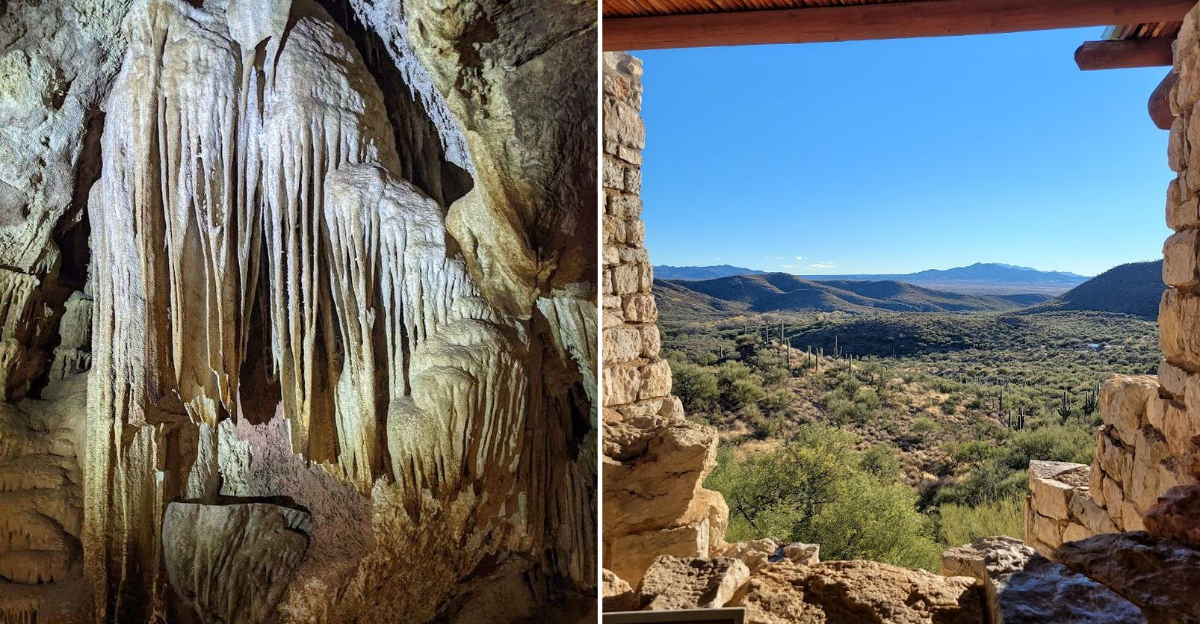
There’s something humbling about descending into a place where each crystal formation grew at a rate you cannot even comprehend. Deep below the desert surface, we find ourselves in a cathedral of stone that has been under construction since the age of giant reptiles walked above.
Arizona holds many wonders on its surface, but what lies beneath proves even more astonishing-a vast network of limestone chambers shaped by water that fell as rain when this land looked entirely different.
Our voices echo strangely in this space, sounding as though the cave itself whispers back. Guides share stories of explorers who first mapped these passages decades ago, their names still scratched into formations they discovered. We travel through history not by moving forward, but by going down.
This 2,400-acre mountain park, located about 22 miles southeast of Tucson in the Rincon Mountains, holds layer upon layer of geological drama, human history, and outdoor adventure.
The Geological Story Behind The Cave
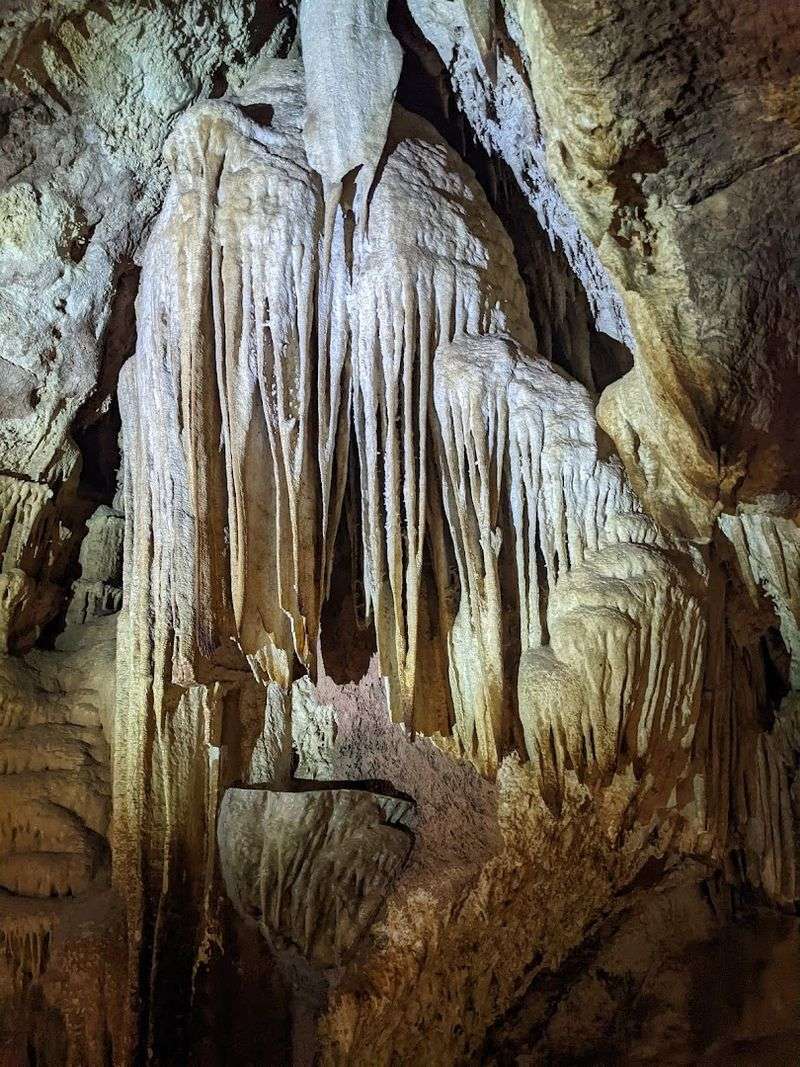
About 300 million years ago, a vast ancient sea covered what is now southern Arizona, slowly depositing layer upon layer of limestone across the seafloor. That limestone became the raw material for one of North America’s most remarkable underground spaces.
Around 80 million years ago, massive geological forces pushed that rock upward, forming the Rincon Mountains and setting the stage for Colossal Cave. What carved the cave itself was not a gentle river but hot, sulfur-rich brine that dissolved rock from the inside out, creating a labyrinth of tunnels that geologists still find fascinating.
Today the cave system has about 3.5 miles of mapped passageways, with estimates suggesting up to 39 miles of natural tunnels still waiting to be fully explored. Classified as a dry or dormant cave, its formations stopped growing roughly 4,000 years ago, freezing the interior in spectacular geological time.
It feels less like a tour and more like reading a very old, very dramatic chapter of Earth’s autobiography. By the time you step back into the Arizona sun, Colossal Cave feels less like a roadside stop and more like a hidden world still holding onto secrets from millions of years ago.
Prehistoric And Indigenous Connections
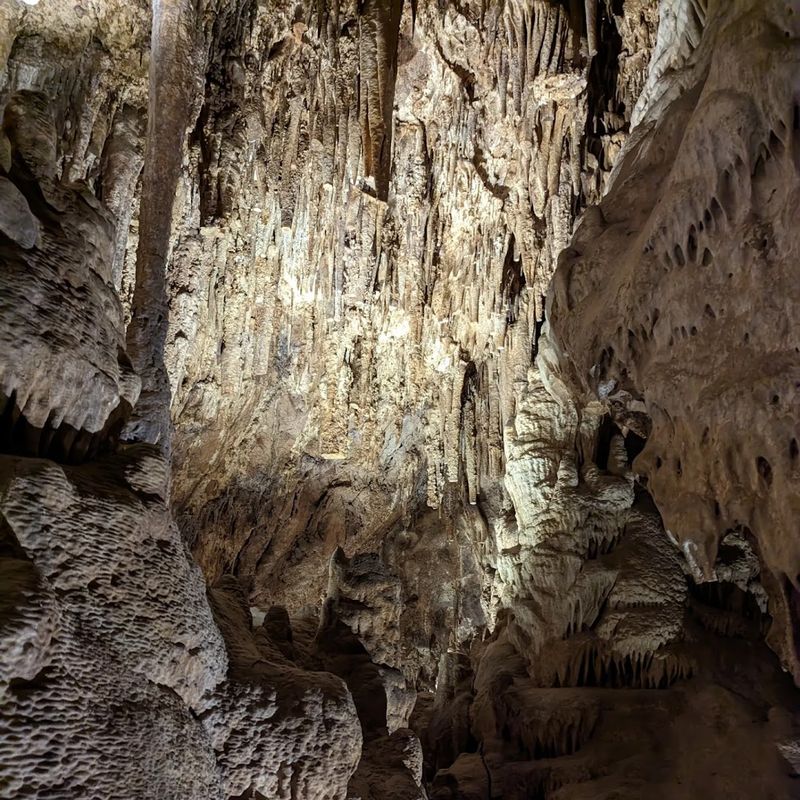
Long before tour guides and electric lights, people were already finding their way into Colossal Cave. Archaeological evidence shows that Hohokam, Sobaipuri, and Apache peoples used the cave between 900 and 1450 AD, leaving behind artifacts and soot-blackened ceilings that hint at ceremonial fires and possible use as a Hohokam shrine.
Holding that knowledge while standing inside the cave adds a completely different weight to the experience.
You are not just looking at rock formations; you are standing in a space where people gathered for purposes that mattered deeply to their communities centuries before Arizona was even a word on any map.
The soot marks on the ceiling are especially striking because they are quiet, tangible proof of human presence that no amount of time has been able to erase. Researchers continue to study the site, and the park honors this heritage by including it in guided tours and educational programming.
It is the kind of history that does not need dramatizing because the evidence speaks for itself. Every mark and artifact makes the cave feel less like an attraction and more like a place of memory, presence, and deep cultural meaning.
Train Robbers, Outlaws, And Cave Legends
Few caves in the American Southwest carry a reputation quite like this one. Colossal Cave earned genuine notoriety in the late 1800s as a rumored hideout for train robbers, and that story is not just colorful folklore slapped onto a tourist attraction.
Solomon Lick officially rediscovered the cave in 1879, and it quickly became part of the wild landscape of territorial Arizona, where outlaws needed places to disappear fast.
The cave’s network of passages made it a practical refuge, and local legends suggest stolen loot may still be tucked somewhere inside its deeper tunnels.
Whether or not any treasure remains hidden is beside the point, because the atmosphere alone sells the story completely. Guides share these tales with just the right mix of historical detail and theatrical flair, making the outlaw chapter feel genuinely alive rather than like a rehearsed script.
For anyone who grew up loving Western stories, this part of the cave’s history is an unexpected and thoroughly entertaining bonus. It gives the whole tour a slightly mischievous edge, as if the cave is still keeping a few old Arizona secrets tucked just out of reach.
The Civilian Conservation Corps Legacy
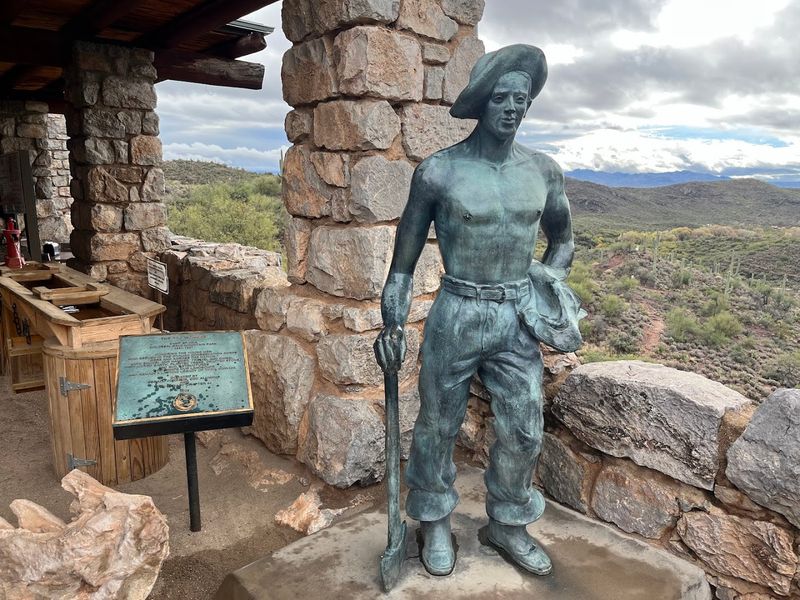
Between 1934 and 1937, the Civilian Conservation Corps transformed Colossal Cave from a rough natural curiosity into a park that people could actually visit safely and comfortably.
The CCC crews enlarged the cave entrance, built trails, installed lighting inside the cave, and constructed administration buildings and picnic areas that still define the park’s character today.
Walking through the park, you notice the craftsmanship immediately. The stone buildings have that solid, purposeful quality that Depression-era construction tends to carry, built by young men who were given meaningful work during one of America’s most economically difficult decades.
The park is listed on the National Register of Historic Places, partly because of how well these CCC-era structures have survived and how authentically they represent that chapter of American history. It is one of those places where the built environment tells as compelling a story as the natural one.
Visiting feels like a quiet tribute to the workers who shaped not just this park but dozens of beloved public lands across the entire country.
Guided Cave Tours For Every Comfort Level
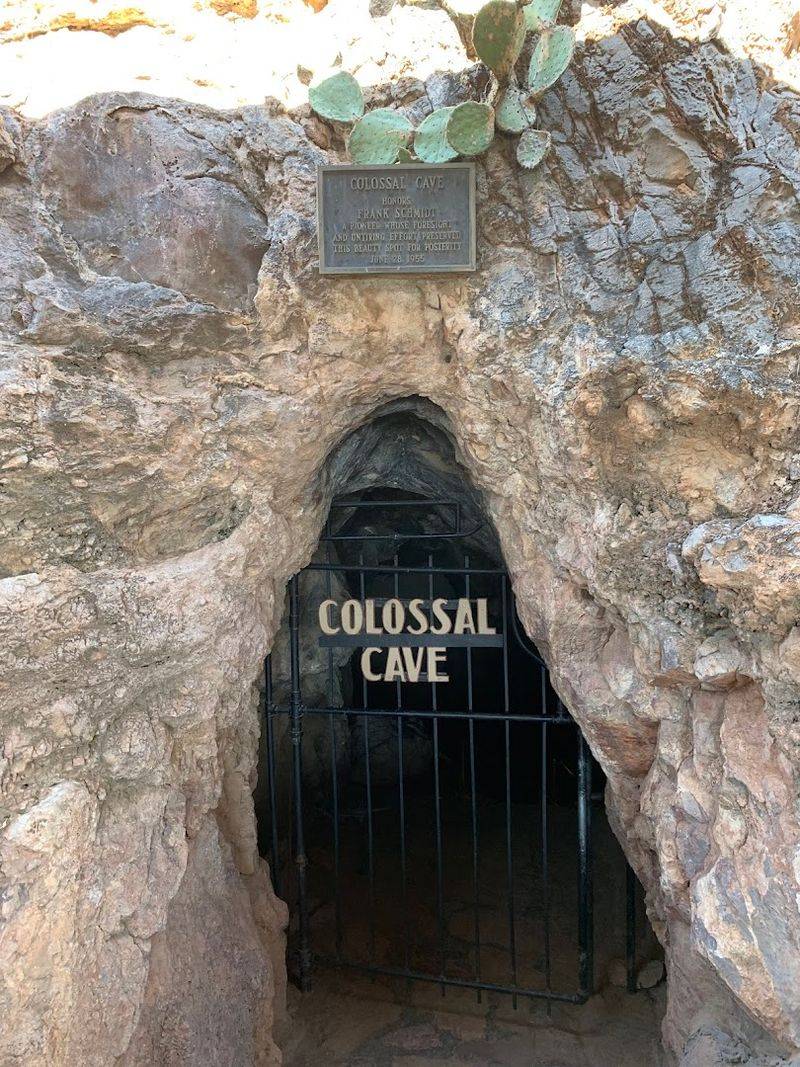
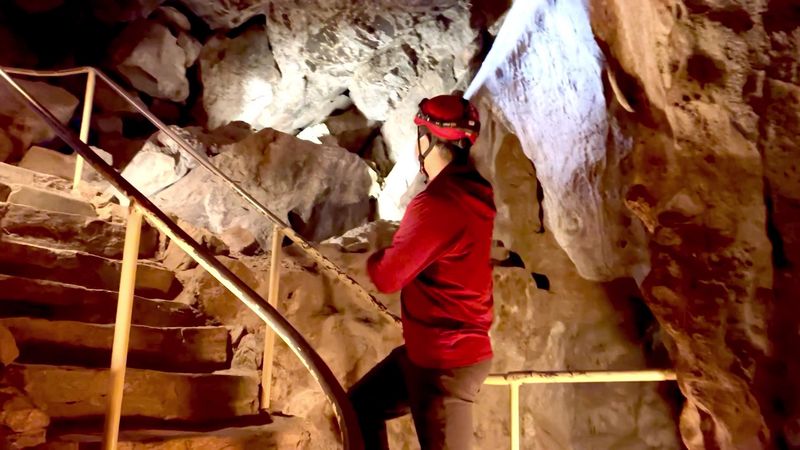
Not everyone wants the same underground experience, and Colossal Cave Mountain Park seems to understand that perfectly. The park offers several guided cave tour options, starting with the Classic Cave Tour, which follows well-lit, paved pathways and works well for most ages and fitness levels.
For visitors craving something more adventurous, the Ladder Tour pushes a little further into the cave system, and the Wild Cave Tour takes things to a completely different level by sending small groups through tight passages and undeveloped sections with headlamps as their primary light source.
Seasonal offerings like the Lights Out Lantern Tour and Halloween tours add an atmospheric twist that regular daytime visits simply cannot replicate.
I personally loved how each tour option felt genuinely calibrated to a different kind of traveler rather than just being marketing labels for the same basic walk.
Booking in advance is a smart move, especially during busy seasons, because group sizes stay intentionally small to protect both the cave and the experience. Every guide I encountered brought real enthusiasm to the job.
Outdoor Adventures Across 2,400 Acres
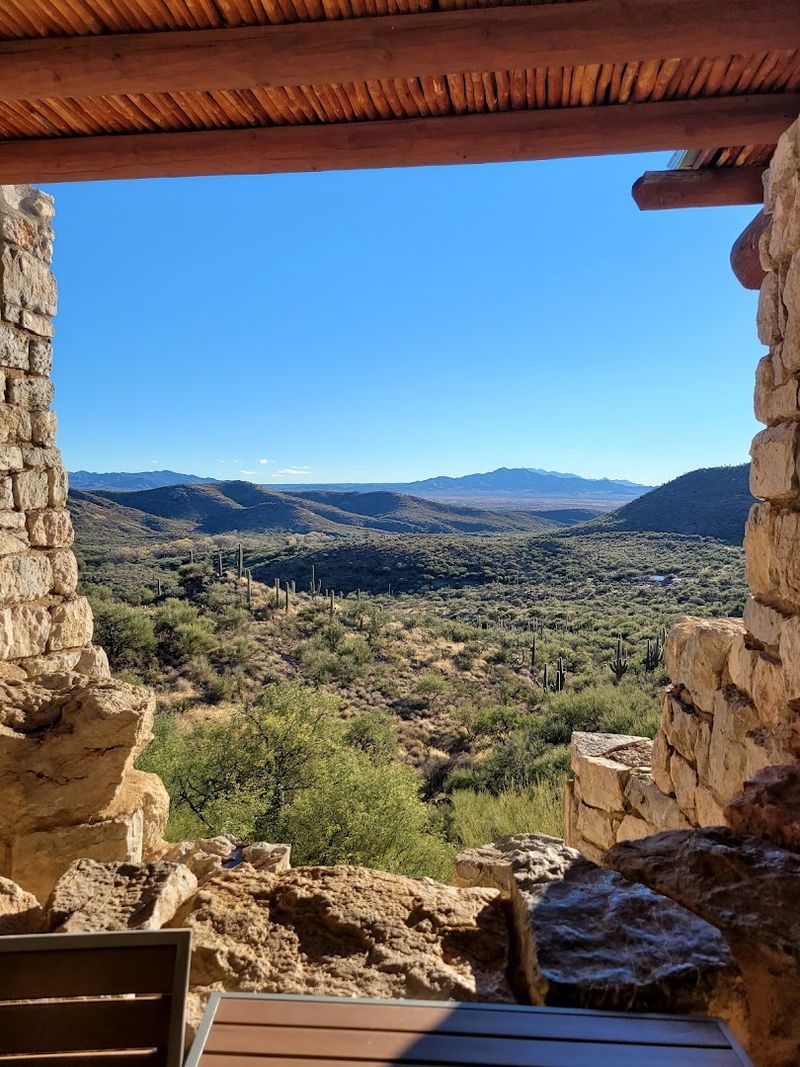
The cave itself is the headline act, but the surrounding 2,400 acres of Colossal Cave Mountain Park offer a genuinely satisfying supporting cast of outdoor activities. Hiking trails wind through Sonoran Desert terrain, including a three-mile section of the famous Arizona Trail that passes through the park and connects to a much larger statewide trail network.
Horseback riding is available for those who want to cover ground with a bit more swagger, and the park welcomes campers who want to spend more than just a few hours in the area. Birdwatching draws a dedicated crowd as well, since the Rincon Mountain foothills attract a solid variety of desert and grassland species throughout the year.
What struck me most about the outdoor side of the park was how uncrowded it felt compared to bigger-name Arizona destinations.
The trails have real character, the views toward the Rincon Mountains are consistently rewarding, and the pace of the whole place encourages you to slow down and actually pay attention to the landscape around you. That quality of quiet is increasingly rare.
La Posta Quemada Ranch And Family Attractions
La Posta Quemada Ranch, located within the park grounds at 16721 E Old Spanish Trail, Vail, AZ 85641, adds a whole separate layer of appeal that makes Colossal Cave Mountain Park genuinely worth a full day rather than just a quick cave stop.
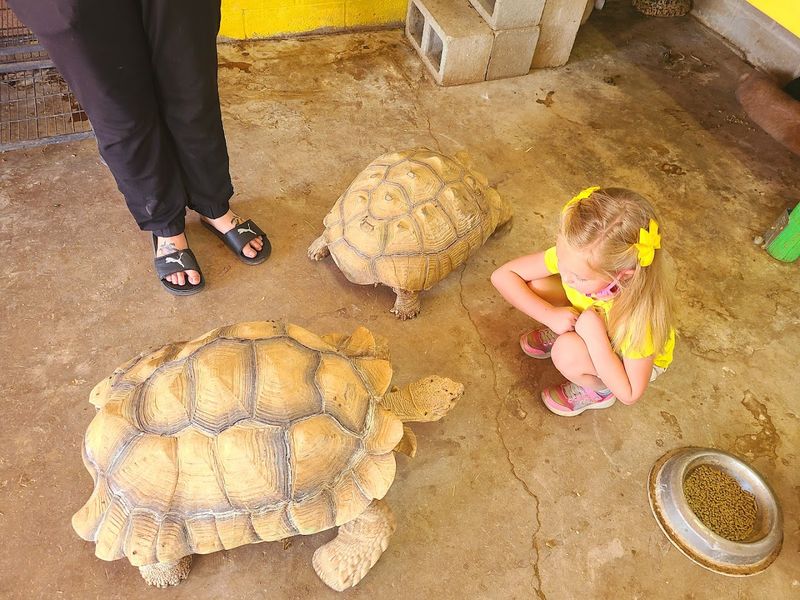
The ranch includes a museum, a butterfly garden, a desert tortoise exhibit, a petting zoo, and a human sundial that kids find surprisingly entertaining once they realize they are the shadow-casting instrument.
The Terrace Cafe on site handles food and beverages, which is a practical bonus when you realize that cave tours and desert hiking have a way of generating serious hunger.
The ranch atmosphere feels relaxed and unhurried, with enough variety to keep younger visitors engaged between the more geology-focused parts of the day.
Families traveling with mixed ages and interests will find that the ranch portion of the park smooths out the potential tension between the adult who wants to study cave formations and the child who mostly wants to pet something soft. Both needs get met here, which is a genuinely thoughtful design for a public park.
The butterfly garden alone is worth a slow twenty-minute wander.