
Explore Iconic Masterpieces & Tiny Treasures At This Renowned Illinois Museum
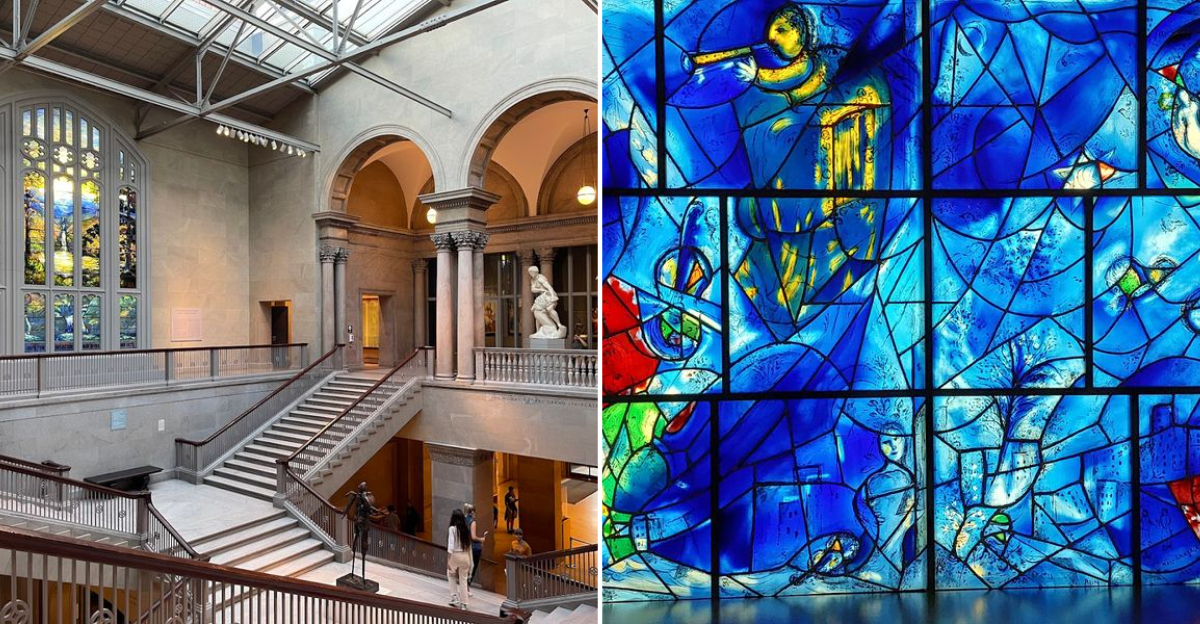
Standing on South Michigan Avenue in the heart of Illinois’ largest city, one of America’s most celebrated art museums has been drawing curious minds and creative souls since its founding in 1879. It remains a place that continues to inspire visitors year after year.
This landmark institution holds nearly 300,000 works spanning thousands of years, from ancient artifacts to bold modern installations. Even a short visit can shift how art feels…. one room, one painting, and suddenly time slows down.
Stay longer, and patterns start to emerge, connections you didn’t expect. Some details are easy to miss, others will guarantee stop you in place.
A Collection That Spans Nearly 5,000 Years Of Human Creativity
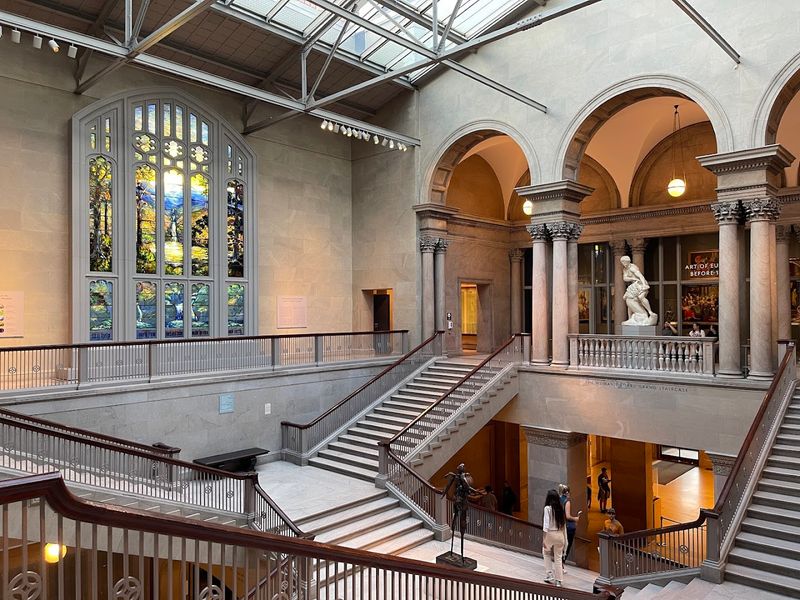
Few museums anywhere in the world can honestly say their collection stretches across nearly 5,000 years of human history, but the Art Institute of Chicago pulls it off with remarkable confidence.
From ancient Egyptian artifacts and Roman sculptures to Renaissance paintings and cutting-edge contemporary installations, the range here is genuinely breathtaking.
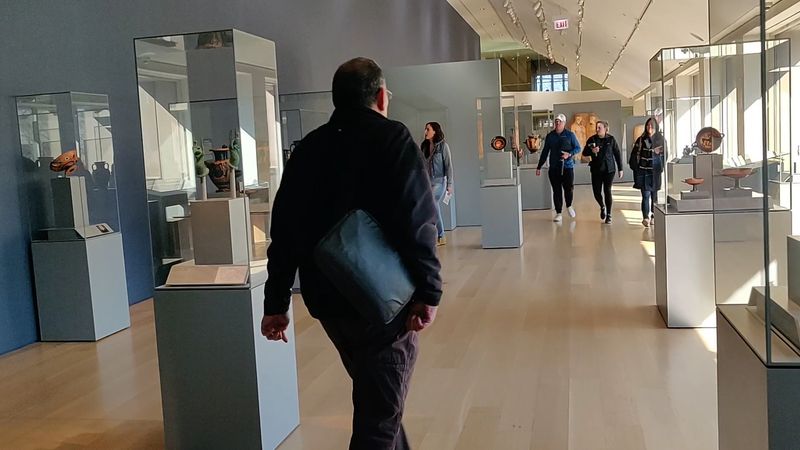
Simply walking through the galleries feels like flipping through the world’s most beautifully illustrated history book. You might spend twenty minutes studying a delicate Greek vase, then turn a corner and find yourself face-to-face with a vivid canvas by Pablo Picasso.
The museum holds nearly 300,000 works in total, though only a carefully chosen selection is on display at any given time.
Planning ahead helps enormously. Grab a free museum map at the entrance and highlight the eras or styles that interest you most.
Trying to see everything in one visit is ambitious, so focusing on two or three galleries makes the experience far more satisfying and memorable.
The Legendary Impressionist Collection
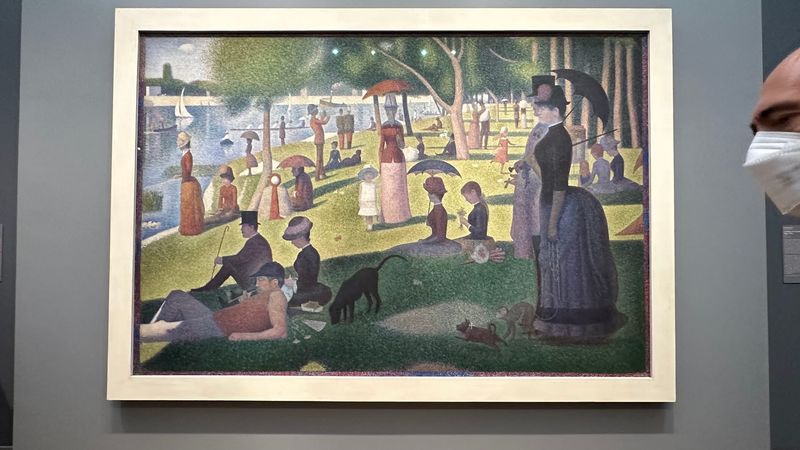
There is something almost disorienting about standing in front of a painting you have seen in textbooks your entire life and realizing it is right there, just a few feet away. The Art Institute of Chicago owns one of the finest Impressionist collections outside of France, and it genuinely stops people mid-stride.
Georges Seurat’s massive pointillist masterpiece “A Sunday on La Grande Jatte” is perhaps the crown jewel of this collection. Up close, you can see every individual dot of paint that builds into a shimmering, sun-drenched scene of Parisians relaxing by the river.
Monet, Renoir, Cézanne, and Van Gogh are all well represented here too, each with multiple works rather than just a token piece.
Visiting on a weekday morning gives you the best chance of lingering in front of these paintings without crowds pressing in from behind. The natural light in these galleries is also particularly flattering during morning hours, which makes the colors pop in a way that photographs simply cannot replicate.
Nighthawks And American Gothic
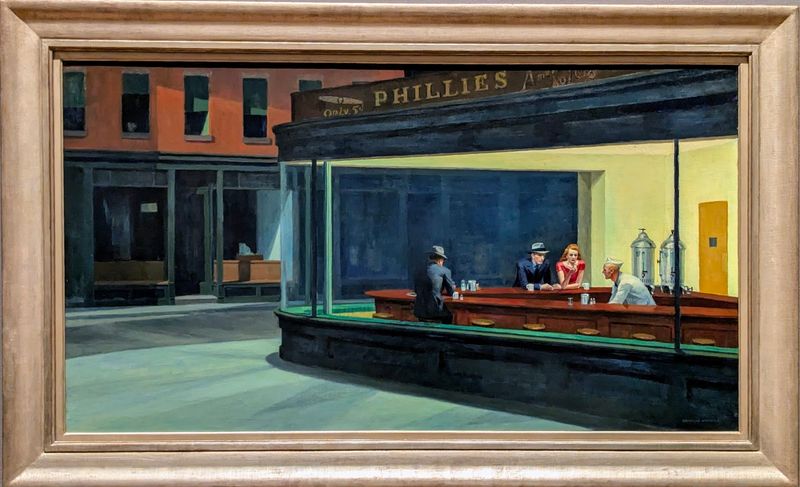
Owning one genuinely iconic American painting would be an achievement for any museum. The Art Institute of Chicago quietly houses two of the most recognized images in the entire history of American art, and they both happen to be here in Chicago.
Edward Hopper’s “Nighthawks” from 1942 shows a late-night diner scene bathed in harsh fluorescent light, with figures who look both connected and completely alone at the same time.
Grant Wood’s “American Gothic,” painted in 1930, features a stern farmer and his daughter standing in front of a white house, pitchfork in hand. Both paintings carry a kind of quiet emotional weight that is hard to fully appreciate until you see them in person.
These two works are located in the American art galleries, which also feature a wide range of landscapes, portraits, and decorative arts that trace the country’s artistic development across centuries. Budget extra time here because the surrounding pieces are just as engaging as the headline names.
The Thorne Miniature Rooms
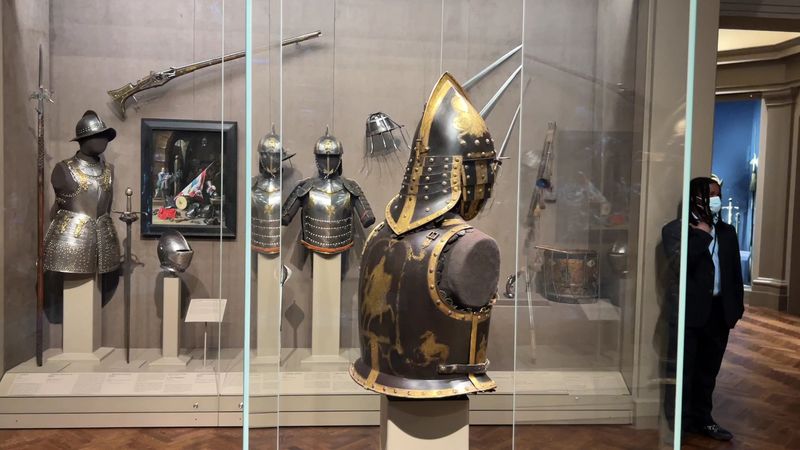
The Thorne Miniature Rooms are one of those exhibits that makes adults feel like children again in the best possible way.
Created by Narcissa Niblack Thorne between the 1930s and 1940s, these 68 rooms are built at a scale of one inch to one foot, meaning every tiny chair, painting, and fireplace mantle is a perfectly proportioned miniature.
Each room represents a different historical period and region, from a medieval English great hall to an 18th-century French salon to an early American colonial interior.
The craftsmanship is almost incomprehensibly detailed. Tiny books sit on shelves, miniature chandeliers cast realistic shadows, and the wallpaper patterns are hand-applied with painstaking care.
Children and adults alike press their faces right up to the glass cases, trying to spot every hidden detail. This exhibit tends to be quieter than the main painting galleries, making it a perfect place to slow down and let the extraordinary craftsmanship sink in.
It is genuinely one of the most charming surprises in the entire museum.
Medieval Arms And Armor
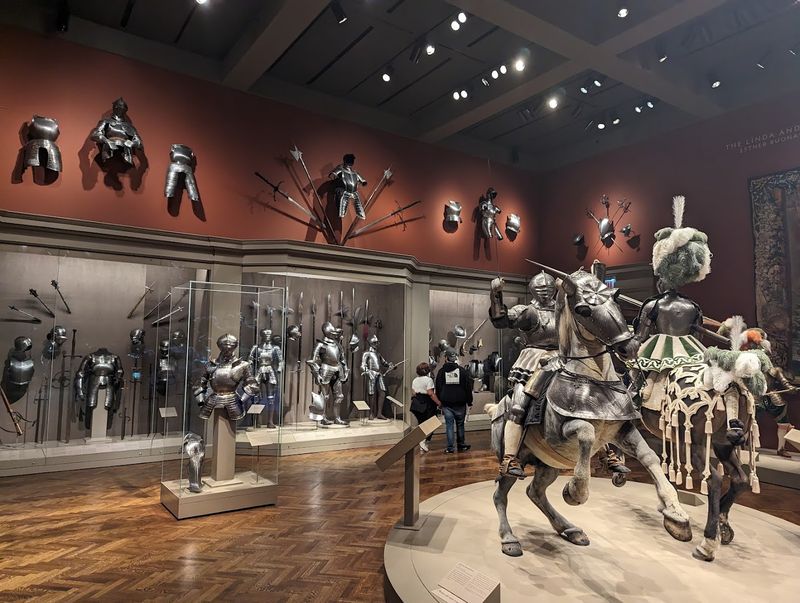
Most visitors come to the Art Institute expecting paintings, and then they stumble into the George F. Harding Collection of arms and armor and completely lose track of time.
This gallery is one of the most dramatic spaces in the entire museum, showcasing a significant collection of European arms and armor spanning several centuries.
Full suits of plate armor stand in rows like silent knights frozen mid-stride. Ceremonial swords, jousting lances, and ornately decorated shields fill the cases around them.
Some pieces are purely functional, built for battlefield use, while others are so elaborately engraved and gilded that they were clearly made to impress rather than to fight.
Reading the labels here reveals fascinating details about how different types of armor were designed for specific combat situations, from mounted cavalry charges to foot soldier skirmishes.
It is a surprisingly educational experience that connects art history with military history in a way that feels fresh and engaging. Young visitors especially find this gallery completely captivating from the moment they walk in.
The Stunning Chagall Windows
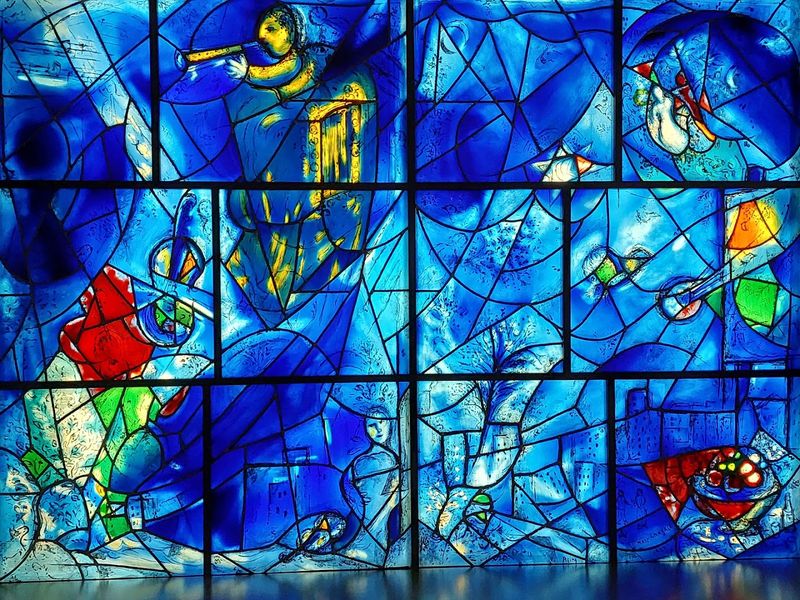
Marc Chagall is famous for his dreamlike imagery and his extraordinary use of color, and the Art Institute of Chicago holds one of his most celebrated works in a form most people do not expect: stained glass.
The America Windows, created in 1977, are a sweeping six-panel installation that fills an entire wall with deep blues, purples, and golds celebrating American creativity and freedom.
Standing in front of them when the light is right feels genuinely magical. The colors shift and deepen depending on the time of day and the angle of the sun coming through.
The museum also features decorative arts, including works by Louis Comfort Tiffany that showcase his mastery of layered, iridescent glass techniques.
These works are part of the museum’s broader decorative arts holdings, which include furniture, ceramics, and metalwork from across the centuries.
Many visitors rush past decorative arts on their way to paintings, but spending time here reveals a whole different kind of artistry that is quietly rewarding and visually spectacular.
Asian Art Galleries
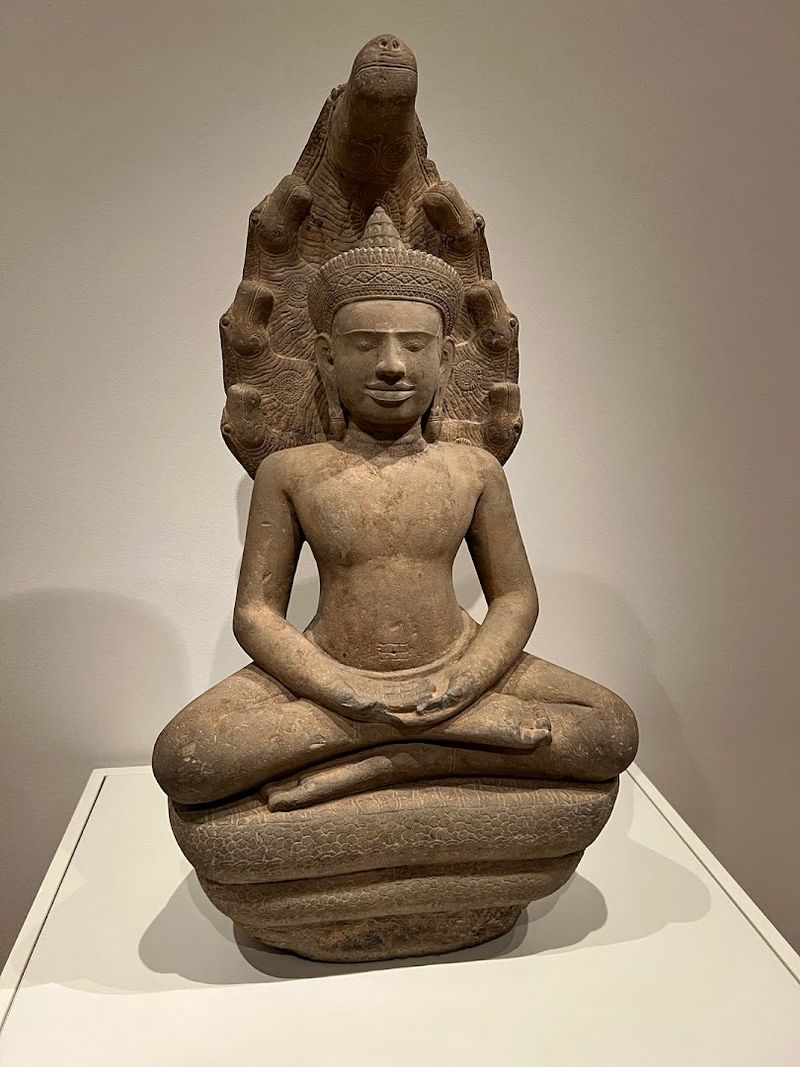
The Asian art collection at the Art Institute of Chicago covers an enormous geographic and historical range, from ancient Chinese bronzes and Japanese woodblock prints to Indian sculptures and Southeast Asian textiles.
It is one of the more underappreciated sections of the museum, which actually works in the visitor’s favor because the galleries tend to stay calmer and more contemplative.
Japanese art receives particularly strong representation here. The woodblock print collection includes works by Hokusai and Hiroshige, artists whose influence on Western Impressionism was profound and whose images remain strikingly modern-looking even centuries later.
A reconstructed Japanese interior within the museum’s collection gives visitors a sense of the architectural elegance that defines traditional Japanese design.
The contrast between the bold geometry of Japanese prints and the fluid, organic lines of Chinese brush paintings makes moving through these galleries feel like a visual conversation across cultures.
Taking time to read the context panels in this section adds real depth to what you are seeing, transforming a visual experience into a genuinely educational one.
The Modern Wing
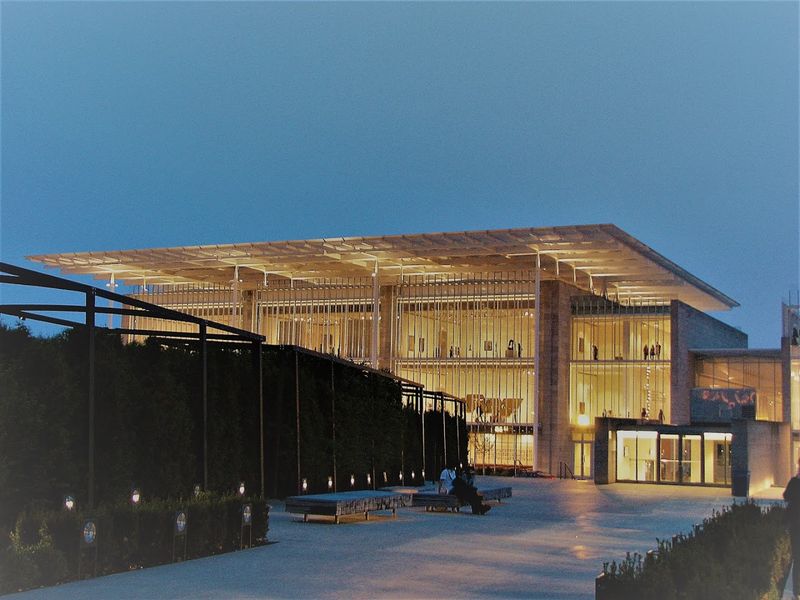
Opened in 2009 and designed by Renzo Piano, the Modern Wing is a masterpiece of architecture in its own right before you even look at the art inside.
The building uses a specially engineered “flying carpet” roof system that filters natural light down into the galleries, giving the space a luminous quality that feels completely different from the older parts of the museum.
Inside, the collection covers 20th and 21st century art with real ambition. Works by Jackson Pollock, Andy Warhol, Cy Twombly, and Gerhard Richter sit alongside photography, video installations, and architectural drawings.
The scale of some pieces is genuinely surprising, with canvases so large they require you to step back across the entire room just to take them in properly.
The Modern Wing also connects directly to Millennium Park via the Nichols Bridgeway, a pedestrian bridge that offers sweeping views of Grant Park and the Chicago skyline.
Combining a morning in the Modern Wing with an afternoon stroll through Millennium Park makes for a perfectly balanced Chicago day that feels both cultural and refreshingly open-air.
Practical Tips For Getting The Most Out Of Your Visit
The Art Institute at 111 S Michigan Ave, Chicago, IL 60603 is easy to reach by public transit, with multiple CTA train lines stopping nearby.
The museum is open most days from 11 AM to 5 PM, with extended hours until 8 PM on Thursdays. It is closed on Tuesdays, so double-check before you plan your trip.
Buying tickets in advance online is strongly recommended, especially on weekends when entry lines can stretch considerably.
Illinois residents can take advantage of select free admission opportunities throughout the year, and certain students and partner institutions may qualify for complimentary access, so it is best to check current details in advance.
The museum app offers free audio descriptions for select works, which genuinely enriches the experience for both first-timers and repeat visitors.
Dressing in layers is a practical tip worth noting because the galleries maintain a cool, controlled temperature to protect the artworks. A coat check is available near the main entrance, and the on-site cafe offers a convenient spot to recharge between galleries.
The Gift Shop, Cafe, And Other Little Details
A museum visit does not truly end until you have spent at least a few minutes in the gift shop, and the Art Institute of Chicago’s shop is genuinely one of the best in any American museum.
High-quality art books, exhibition catalogs, prints, jewelry inspired by pieces in the collection, and cleverly designed stationery fill the shelves in a way that feels curated rather than generic.
The shop is actually accessible without a museum ticket, so even if you are just passing through the neighborhood, browsing here is a worthwhile stop on its own.
Themed playing cards, enamel pins featuring famous paintings, and miniature reproductions of iconic works make for memorable souvenirs that are actually useful rather than dusty.
The museum’s dining options provide a comfortable mid-visit break with light meals and beverages, though access requires museum admission or membership.
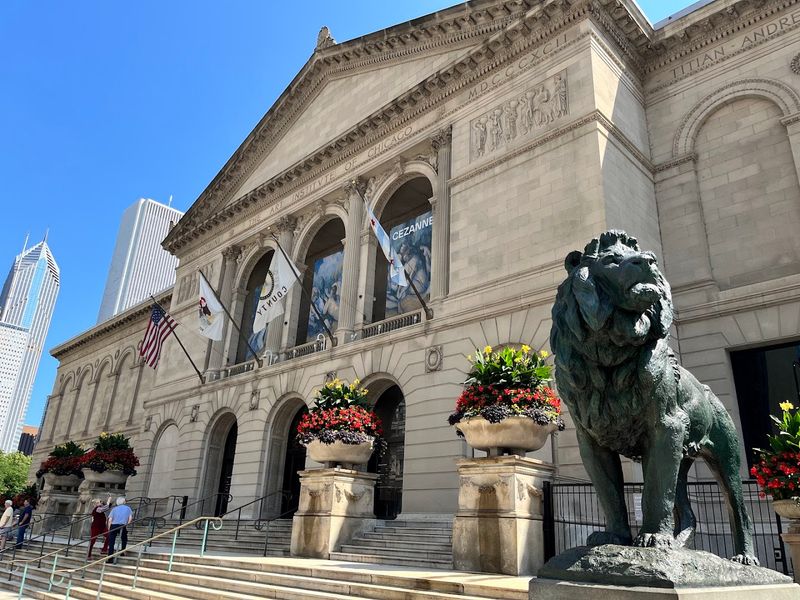
Small details throughout the building, like the two iconic bronze lion sculptures flanking the Michigan Avenue entrance and the sweeping grand staircase inside, remind you at every turn that the architecture itself is part of the art. Every corner of this place rewards attention.