
Explore This Macabre Pennsylvania Museum That Celebrates The Bizarre
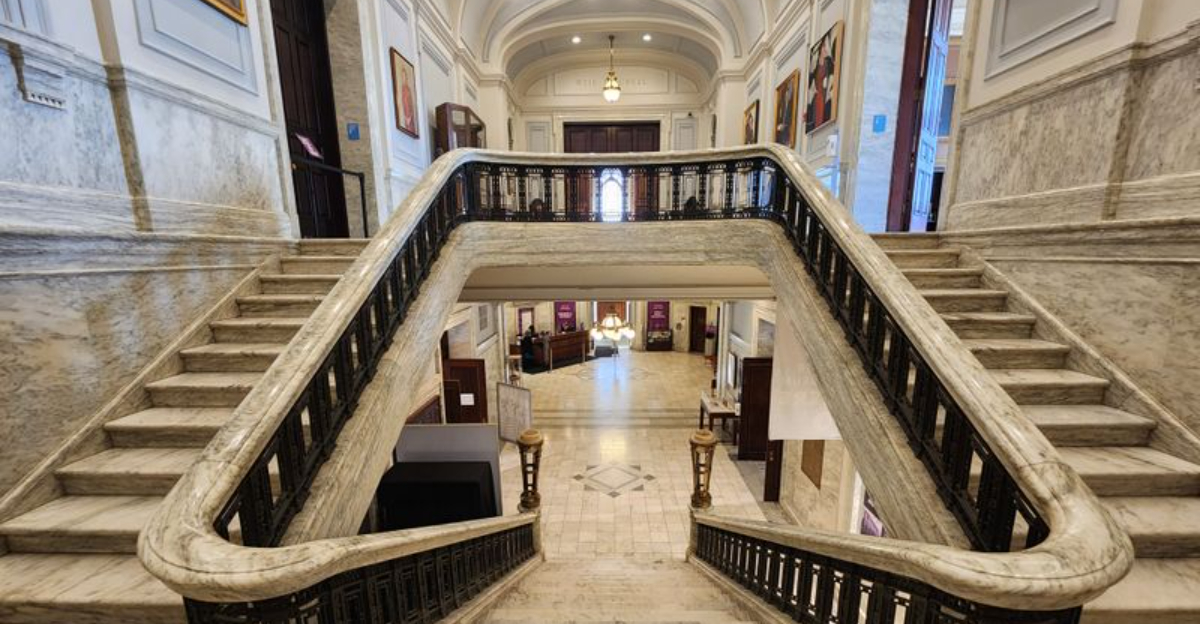
Pennsylvania is not afraid of the unusual, and nowhere is that clearer than inside one of its most famously macabre museums.
In Philadelphia, curiosity takes center stage in a space devoted to the strange, the scientific, and the downright fascinating.
Glass cases hold medical oddities, preserved specimens, and artifacts that blur the line between education and awe.
It is equal parts history lesson and reality check, where the human body becomes both subject and story. This is curiosity turned up to full volume, intriguing, unsettling, and impossible to ignore.
Exploring a place like this shifts your perspective quickly. The lighting feels deliberate, the atmosphere quiet but charged, and each exhibit invites you to look closer than you might expect.
Pennsylvania has long embraced institutions that preserve knowledge in all its forms, even when that knowledge feels uncomfortable or unexpected.
The experience challenges you, surprises you, and leaves you thinking long after you step outside.
I knew it had made an impression when I found myself replaying certain exhibits in my mind hours later. Some places entertain and fade. Others linger.
When a museum keeps resurfacing in my thoughts, I know it succeeded in doing exactly what it set out to do.
A Doctor’s Generous Gift Started It All
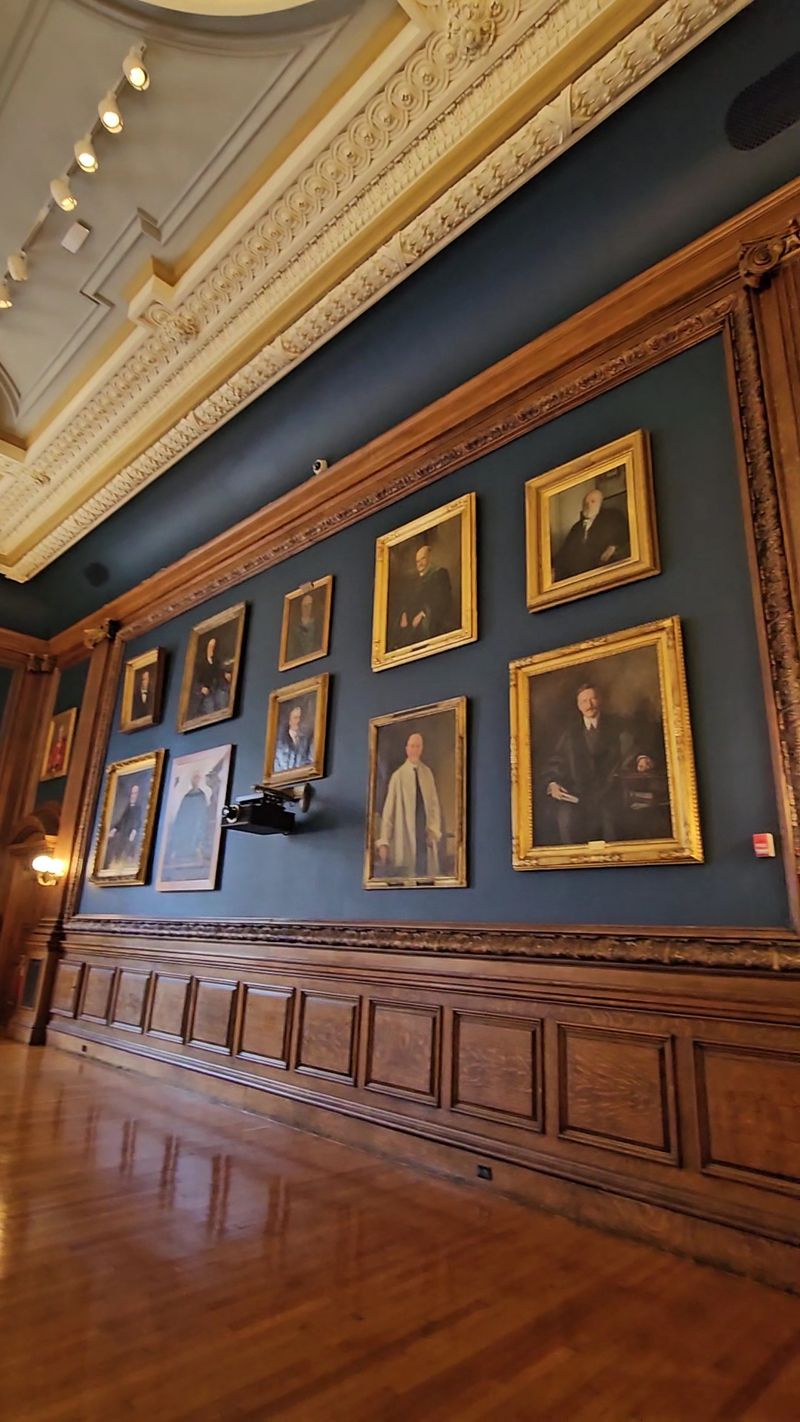
Dr. Thomas Dent Mütter didn’t just fade quietly into history in 1858. He bequeathed his entire personal collection of 1,700 medical specimens plus $30,000 to the College of Physicians of Philadelphia, creating what would become one of America’s most unusual museums.
His vision was simple but powerful: teach future doctors through real examples of medical conditions. Back then, medical students couldn’t just google images or watch videos.
They needed actual physical specimens to understand what diseases and injuries looked like.
The museum grew far beyond his original donation. Today, visitors can explore more than 25,000 items that showcase medical history’s strangest moments.
His generous contribution transformed medical education in ways he probably never imagined, making the Mütter Museum a lasting legacy that continues educating and fascinating people more than 160 years later in the heart of Pennsylvania.
The Hyrtl Skull Collection Will Stop You Cold
Walking into the skull room hits differently than any other museum experience. Joseph Hyrtl, a 19th-century anatomist, assembled 139 human skulls that now line an entire wall at the museum.
What makes this collection truly remarkable isn’t just the number. Each skull tells an individual story through inscriptions detailing the person’s age, where they came from, and how they perished.
Hyrtl collected these specimens to show that skull shape didn’t determine intelligence or character, pushing back on popular but flawed ideas of his era.
I remember standing there during my first visit, reading inscription after inscription. Some skulls belonged to children, others to elderly people.
Some perished from accidents, others from diseases we’ve now cured.
The collection serves as both a scientific resource and a sobering reminder of our shared humanity, making it one of Pennsylvania’s most thought-provoking historical displays you’ll ever encounter.
Einstein’s Brain Resides Here
Most people don’t realize they can see thin sections of Albert Einstein’s actual brain at the Mütter Museum.
After the famous physicist passed away in 1955, his brain was removed, sectioned, and preserved for careful examination.
The museum displays slides containing sections of Einstein’s brain tissue. Many hoped examining his brain might reveal clues about genius and intelligence.
While nothing has shown a simple physical secret behind his abilities, the specimens remain fascinating to neuroscience enthusiasts and curious visitors alike.
Standing before those slides feels surreal. You’re looking at tissue that once generated theories that reshaped physics and changed how we understand the universe.
The museum presents this exhibit respectfully, acknowledging both the educational value and the ethical questions surrounding keeping someone’s organs after they pass away.
It’s definitely one of those moments where history, science, and philosophy collide in unexpected ways at this Pennsylvania treasure.
The Soap Lady Defies Decomposition
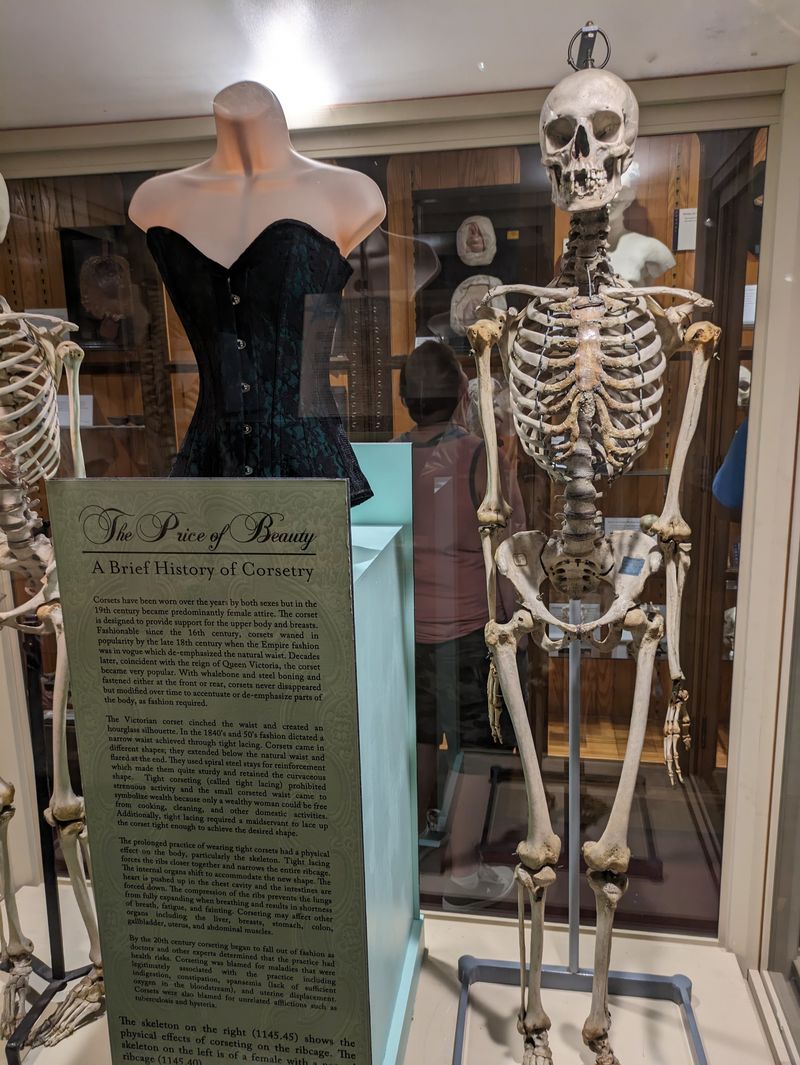
Perhaps the museum’s most famous permanent resident never expected to become a scientific marvel.
The Soap Lady was found in Philadelphia in the nineteenth century, and details about her identity remain uncertain.
Instead of typical decay, her body fat transformed into adipocere, a waxy, soap-like substance that helped preserve her remains.
This rare process happens only under particular environmental conditions, making her a notable example many visitors remember.
Visitors often spend several minutes examining her preserved form, trying to wrap their heads around this unusual transformation.
Her presence raises questions about burial conditions, chemistry, and what happens to our bodies after we pass away. The museum treats her remains with dignity while using her as an educational tool.
She’s become an icon of the Mütter Museum, showing that sometimes the strangest natural phenomena happen unexpectedly in historic burial contexts.
Medical Instruments Look Like Torture Devices
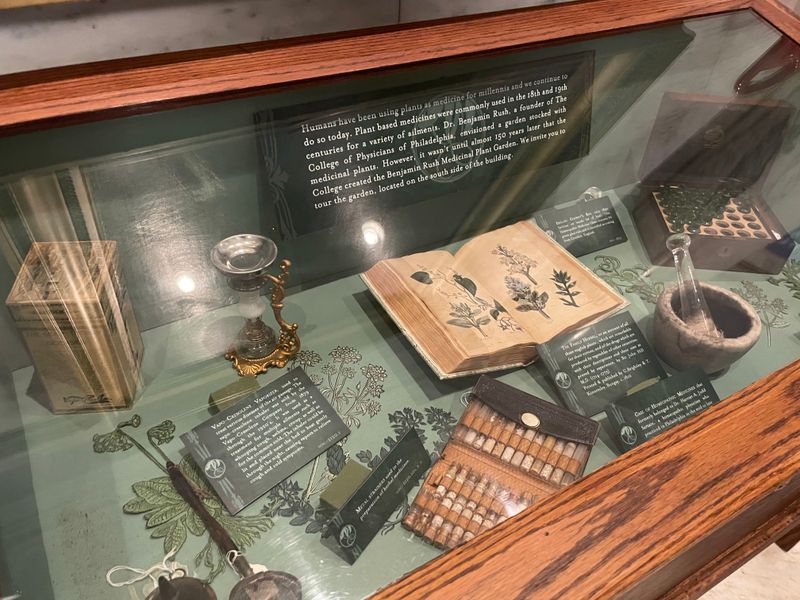
Before modern anesthesia and sterile techniques, surgery was harsh.
The Mütter Museum’s collection of historical medical instruments proves just how far medicine has advanced, and honestly, how tough our ancestors must have been.
Bone saws, amputation kits, and obstetrical forceps line the display cases. Many tools look more suited for a medieval dungeon than a doctor’s office.
Yet physicians used these exact instruments to save lives, often operating on fully conscious patients who had very limited pain relief.
Reading the placards explaining each tool’s purpose makes you incredibly grateful for modern medicine. That scary-looking device?
It removed bladder stones. Those giant forceps?
They helped deliver babies during complicated births.
The collection doesn’t shy away from medicine’s painful past, instead embracing it as an important part of understanding how we got to today’s advanced healthcare.
Pennsylvania’s medical history was definitely not for the faint-hearted.
Preserved Specimens Fill Countless Jars
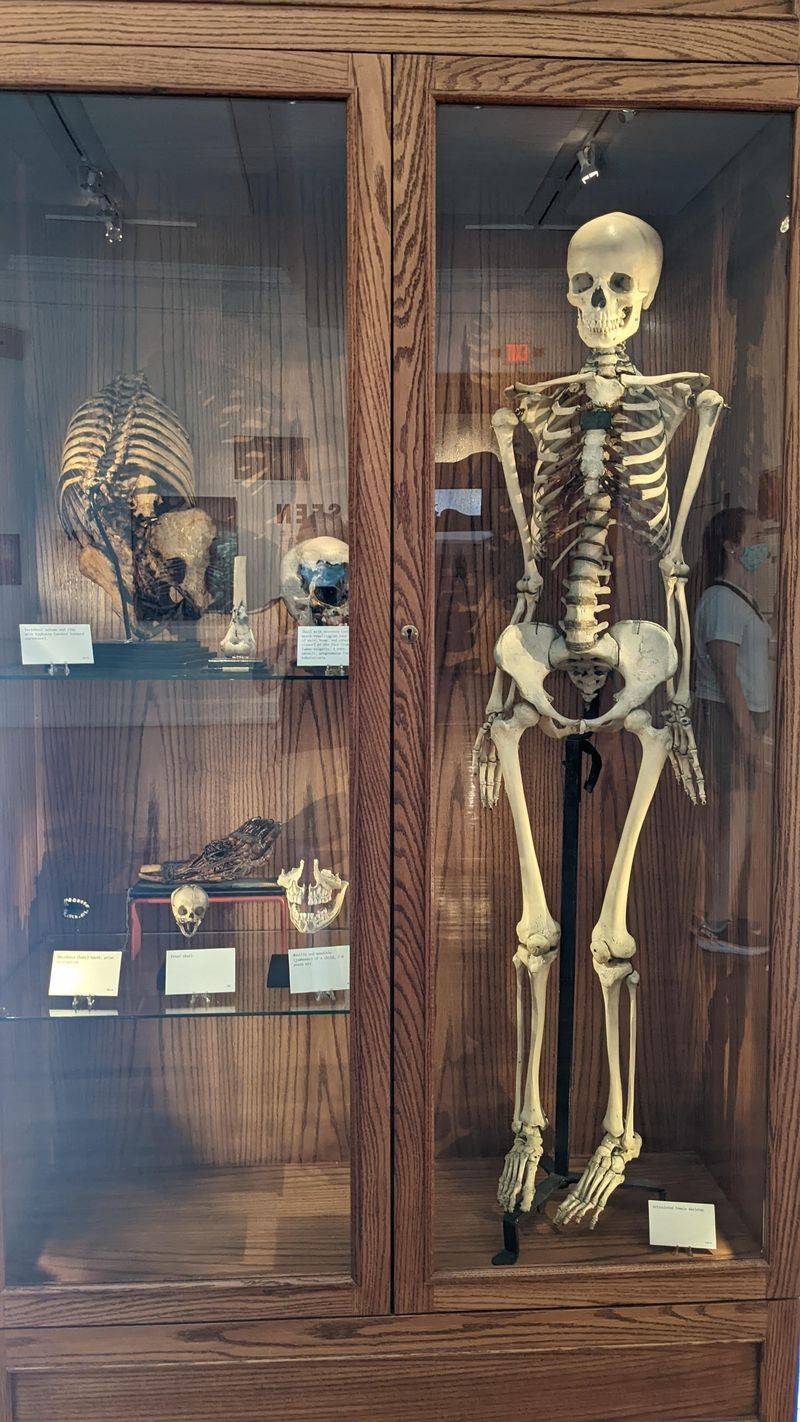
Jar after jar after jar. The museum houses thousands of preserved organs, tissues, and body parts kept in preservative fluids, creating an overwhelming visual experience that sticks with visitors long after they leave.
These aren’t displayed for shock value. Each specimen represents a specific medical condition, developmental anomaly, or disease that doctors needed to examine.
Before photography and digital imaging, preservation in jars was one of the only ways to keep examples of rare conditions for teaching purposes.
Walking through these displays, you’ll see enlarged hearts affected by disease, livers damaged by illness, and developmental abnormalities that help medical students understand what can happen during fetal development.
Some visitors find this section disturbing, while others appreciate the educational value. Either way, it’s impossible to ignore the sheer scope of the collection.
The Mütter Museum preserves one of the world’s most comprehensive anatomical libraries, right here in Pennsylvania, serving both education and historical preservation.
The Museum Respects Its Specimens
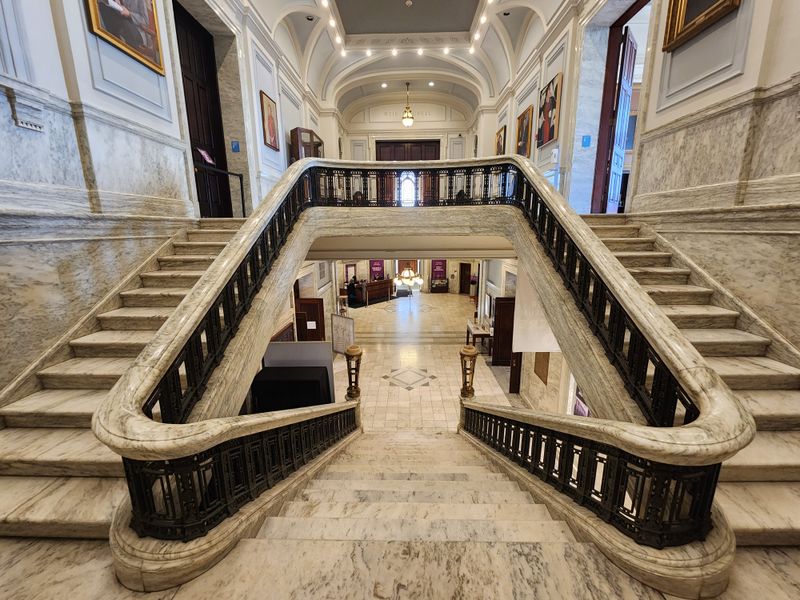
Something sets the Mütter Museum apart from typical oddity shows: genuine respect for the people whose remains are displayed.
Recent years have brought increased attention to museum ethics, and the Mütter has responded thoughtfully.
Placards throughout acknowledge when specimen histories are uncertain. The museum highlights individuals who willingly donated their bodies, sharing details about their lives and personalities.
One woman’s jewelry sits beside her skeletal remains, reminding visitors she was a real person with preferences and style, not just a scientific curiosity.
This approach transforms the experience from gawking at oddities to honoring human stories. The museum adds context where it can while keeping the focus on learning.
They’ve created exhibits explaining how media and public opinion shape medical advancement. I found this honesty refreshing during my last visit.
Pennsylvania’s Mütter Museum proves you can maintain educational value while treating human remains with the dignity they deserve.
Photography Ban Preserves Mystery and Dignity
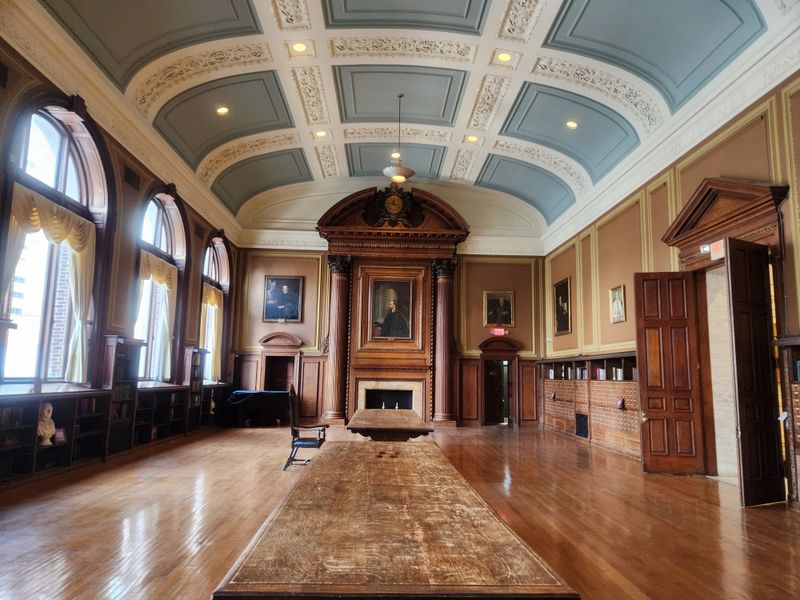
You won’t be snapping selfies with the specimens here. The Mütter Museum prohibits photography and video inside the museum galleries, and they’re serious about enforcing this rule.
This policy protects the dignity of the deceased whose remains are displayed. In our social media age, preventing specimens from becoming viral memes or disrespectful posts makes sense.
The ban also preserves some mystery, encouraging people to visit in person rather than scrolling through images online.
Some visitors complain about not capturing memories, but honestly, the images stick in your mind anyway. You’ll remember the skull wall and the Soap Lady without needing photos.
Photos are allowed in certain public areas like the lobby and outdoor spaces, and the gift shop sells postcards and books with images. The gallery experience remains camera-free.
Pennsylvania’s most unusual museum wants your full attention, and the no-camera gallery rule helps maintain respect.
The Building Features a Hidden Garden
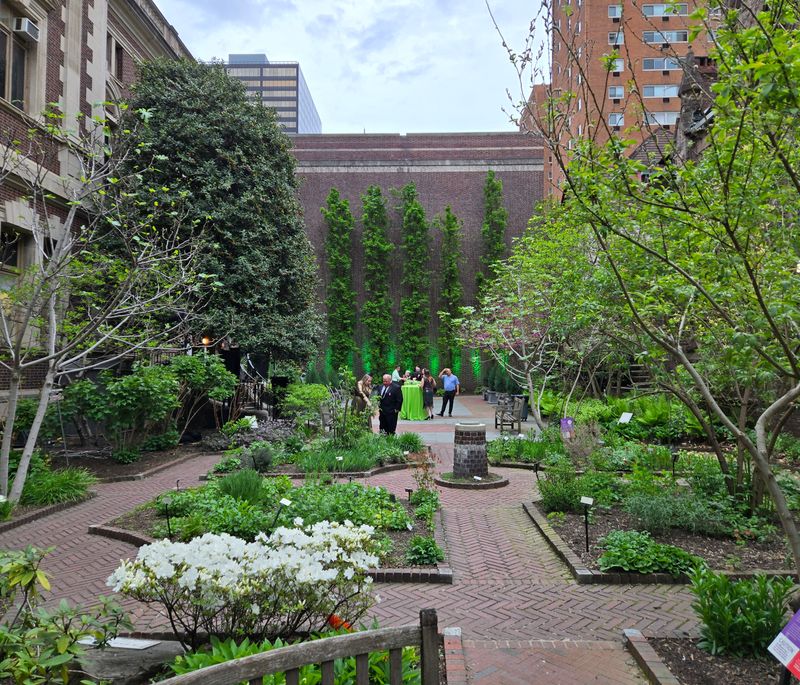
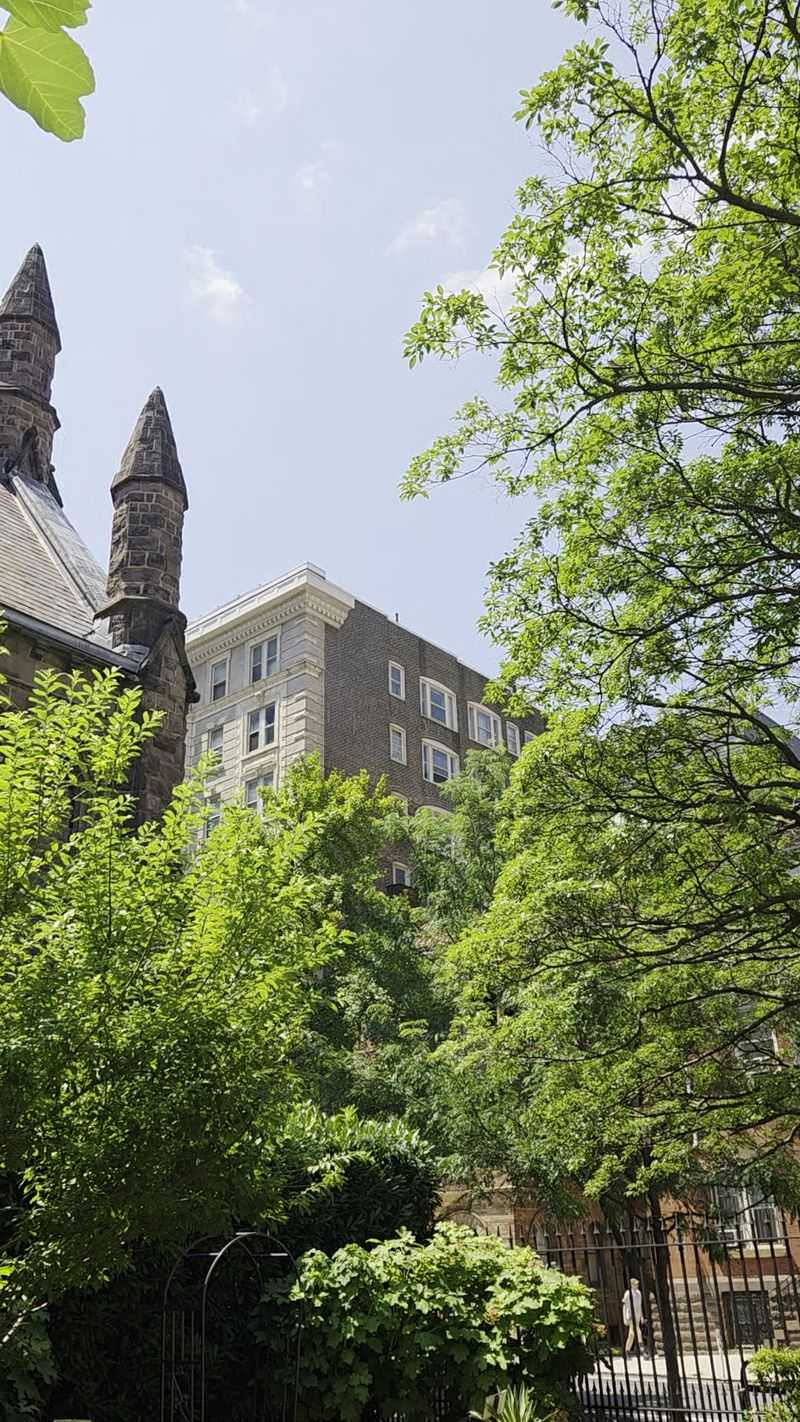
After exploring rooms filled with preserved organs and skeletal remains, visitors need a breather. Fortunately, the museum includes an outdoor medicinal plant garden that offers the perfect palate cleanser.
This isn’t just decorative landscaping. The garden features plants historically used in treatments, connecting to the museum’s broader mission of exploring medical history.
Benches provide spots to sit, process what you’ve seen, and prepare yourself for more exhibits or just decompress before leaving.
During my summer visit, I spent nearly twenty minutes in this garden, watching other visitors emerge looking slightly shell-shocked and grateful for fresh air and sunlight.
The space serves as a thoughtful addition to the museum experience, acknowledging that confronting medical oddities and mortality can be emotionally taxing.
It’s a small detail, but it shows how the Mütter Museum considers visitor experience beyond just displaying specimens. Pennsylvania sunshine never felt better than after viewing those intense exhibits indoors.
Plan Ahead Because It Sells Out
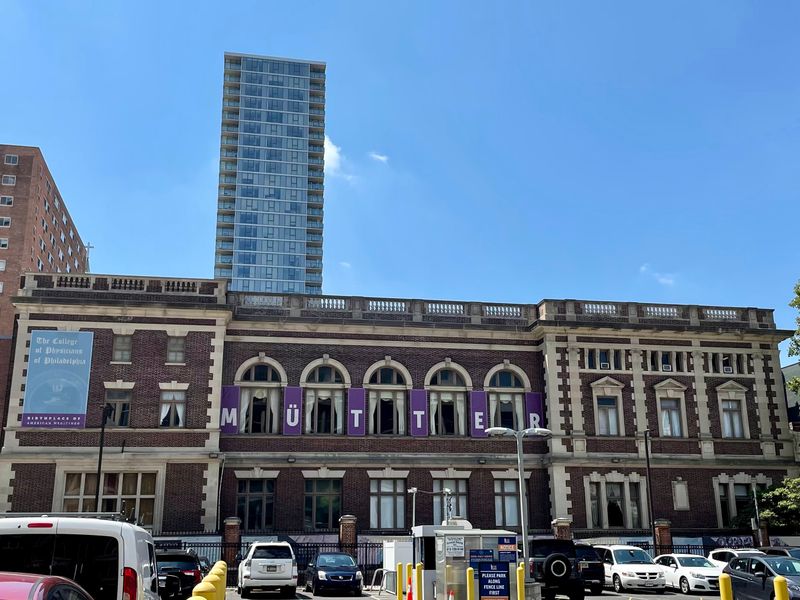
Here’s something many first-time visitors don’t realize: the Mütter Museum’s timed entry slots can fill up, especially on weekends.
Showing up without advance tickets can mean you need to wait for the next available time.
The museum limits capacity to prevent overcrowding in its relatively small galleries. This makes for a better viewing experience but requires planning ahead.
Buying tickets online shortly before arrival often works on weekdays, but weekend slots can fill up earlier. The museum opens at 10 AM Wednesday through Monday and stays closed Tuesdays.
Most visitors spend one to two hours inside, though you could easily stretch it to three or four if you read every placard and really examine each specimen.
Located at 19 S 22nd St in Philadelphia, Pennsylvania, it’s accessible by walking, SEPTA public transit, or car, though parking can be tricky. Admission prices are reasonable, with special discounts available.
Don’t let poor planning ruin your chance to experience this unusual treasure.