
This Cave Trail In Florida Which Offers A Thrilling Hike With Incredible Views
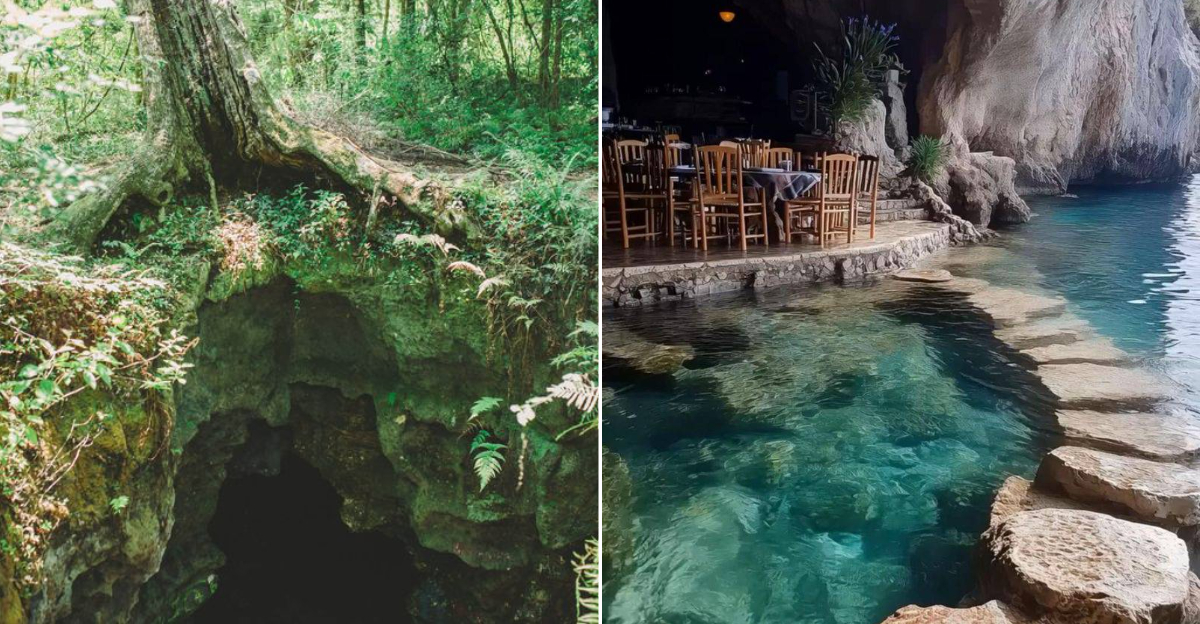
Walking the Dames Cave Trail for the first time felt like stumbling into a secret Florida keeps tucked close to its chest. One moment I was on an ordinary forest path, brushing past scrub and pine, and the next I was peering into pockets of earth that seemed to breathe.
The shifts in temperature, the echo of my footsteps near the limestone, even the way the light bent around the sinkholes made the whole walk feel quietly theatrical. It’s not a long hike, but it asks for attention and rewards it with small surprises.
These ten facts capture the things I wish I’d known before setting out, the details that make the experience feel richer and safer.
1. This Cave Trail Sits Deep Inside The Citrus Tract Of Withlacoochee State Forest
Start by picturing a mosaic of sandhills and oak hammocks stretched across Citrus County, part of Florida’s largest state forest. Dames Cave lives inside the Citrus Tract, accessible by forest roads and sandy pullouts, with towering pines screening the sky.
The landscape is classic karst country, where water dissolves limestone into sinkholes and subterranean rooms. Getting oriented is easier when you know the nearby landmarks: Lecanto to the west, Inverness to the east, and the web of Citrus Loop trails threading between. Maps label the area around Loop D, a hint you’re close.
I like bringing a printed map or offline GPS because reception flickers beneath the canopy. Forest managers emphasize Leave No Trace. Stay on durable surfaces, avoid rims after heavy rain, and never disturb formations. This is living geology.
2. The Path Leads Straight To Dames Cave And A Small Cluster Of Other Karst Cavities
From the informal trailhead, a sandy footpath threads through palmetto and scrub toward a series of openings. Dames Cave is the marquee stop, but nearby cavities like Peace Cave and Sick Bat Cave add intrigue. Each formed where acidic water carved channels through porous limestone, collapsing ceilings into skylights.
Expect a short approach that quickly feels adventurous. The main cave’s rim arrives without fanfare, then the forest floor breaks away and light spills into the chamber. I pause here to listen for wind moving through fissures.
Several side holes are smaller and more fragile. Peek inside without climbing if you’re unsure of footing. Protect the rock by avoiding scraping, and never touch any delicate mineral features.
3. A Short Walk From Lecanto Highway Quickly Turns Into A Rougher Forest Hike
The first steps can feel tame, starting from a sandy pull-off near Lecanto Highway and forest roads. Soon the tread narrows, roots rise, and ankle-twisting limestone pebbles appear. You’re trading roadside ease for a wilder footpath that funnels you toward the sinkhole rim.
Wear shoes with bite. The ground is uneven, and rain lifts fine sand into slick patches that hide under leaves.
I always bring trekking poles for the descent into the main chamber. Cell service is inconsistent. Download maps, note your parking coordinates, and mark junctions in case you backtrack. The payoff is minutes away, but this short approach deserves the same attention as longer hikes.
4. Limestone Sinkholes Create Sheer Drop Offs And A Dramatic “Skylight” View Into The Cave
The headline feature is the skylight: a roof collapse that opened the chamber to the sky. From the rim, you can peer straight down and watch beams of light stripe the limestone. Leaves tumble into the void while swallows sometimes skim past the edges.
Those edges are unforgiving. The drop is sudden, the soil can undercut, and loose rock crumbles under a careless step. I stay a body-length back from unsupported sections and keep kids close.
Photography shines here. Morning and late afternoon light sculpt the walls and highlight green ferns clinging to ledges. Use a wrist strap and avoid leaning out; a wide lens captures the drama without flirting with the brink.
5. Inside The Main Chamber You Are Surrounded By Walls That Rise More Than Twenty Feet
Step down carefully and the space opens like a small stone amphitheater. The walls climb over twenty feet in places, banded with weathered limestone and pockets where water once coursed. Sound bends around the room, turning footsteps into soft echoes.
Bring a headlamp to explore nooks beyond the skylight’s reach. You should scan for trip hazards before moving deeper, since rocks shift and holes hide in shadow. The chamber floor has uneven benches that make natural rest spots.
This is not a show cave, so expect raw surfaces and no rails. Touching formations oils the rock and can halt mineral growth. View, photograph, and leave the stone just as you found it.
6. The Cave Floor And Inner Room Stay Noticeably Cooler Than The Surrounding Forest
Temperature shifts are part of the magic. Step off the sunlit trail and you’ll feel a crisp drop as cave air wafts up from the chamber. In summer, this is a welcome pause, especially when the forest bakes and insects linger near the surface.
A light layer helps if you linger in shade. The cool zone also makes rock dampness more likely, so watch for slick patches on steps and ledges. A good idea is to keep a small towel to wipe mud from shoe soles before climbing out.
Humidity remains high, but the thermal contrast offers relief. Plan water breaks inside, then rehydrate again on the rim. Quick comfort boosts keep focus sharp for the exit scramble.
7. Side Trails And Longer Loops Link Dames Cave To Lizzie Hart Sink And Other Features
Beyond the main chamber, braided paths wander toward other karst spots, including Lizzie Hart Sink. The broader Citrus Loop system introduces longer days with sandhills, scrub, and intermittent shade. Distances vary, but signage is sparse, so bring a reliable map layer.
Exploring add-ons rewards curiosity with new angles on the geology. I like to mark waypoints at junctions and note time splits for an easy return. Carry extra water if you extend the outing.
Remember that sinks and pits appear suddenly off-trail. Keep your eyes scanning ahead and step deliberately. If you’re unsure, preview the route on recent trip reports to confirm current conditions and trail visibility.
8. Rock, Roots, And Unmarked Junctions Make Good Footwear And Navigation Essential
The ground here is a sampler of Florida trail challenges: sugar sand, knobby limestone, and root lattices. None are extreme alone, but together they demand attention. Traction shoes and a firm sole protect from sharp rock and minimize slips on damp leaf litter.
Navigation isn’t difficult with preparation, though a few junctions split without markers. Download AllTrails or a GPX of Loop D and cache a state forest map. A small compass check keeps bearings honest.
Headlamps matter even if you skip the deeper recesses. Light lets you gauge ledge height and read texture on the way out. A whistle and basic first-aid kit round out a smart, lightweight kit.
9. Wildlife, Native Plants, And Quiet Forest Add A Softer Side To The Cave Adventure
Between the sinks, the forest hums. Longleaf pines whisper, palmetto fans rustle, and warblers flit through scrubby edges. Gopher tortoise burrows sometimes appear along higher, sandy sections; give them respectful space and observe from a distance.
Botany-minded hikers will notice wiregrass, lichens painting limestone, and ferns clinging to the cooler cracks near the cave. Make sure to move slowly to spot tracks in the sand, from deer to raccoon. Dawn and late afternoon are best for wildlife activity.
Sound carries differently near the sinkholes. Lower your voice on the rim to avoid startling others below. Keep snacks sealed, pack out everything, and leave plants and rocks undisturbed for the next set of curious eyes.
10. Dames Cave Trail Is One Of Florida’s Few True Cave Hikes Open For Casual Visitors
Florida’s caves are often underwater or gated for research, which makes this spot unusual. Dames Cave offers a short, accessible taste of surface-reached karst with real chamber views, no special permits, and a family-friendly approach for careful hikers. It’s a rare chance to see limestone architecture without technical gear.
That accessibility comes with responsibility. Foot traffic can erode rims and polish rock to a slick sheen. Step lightly, stick to already-durable surfaces, and keep groups small in the chamber.
Check recent trip reports for parking guidance, seasonal closures, and conditions after heavy rain. If the rim looks unstable, admire from a safe distance. The experience remains thrilling, even without the last few steps.