
20 Fake Food Ingredients You’ve Probably Consumed Already
Food fraud has become a sneaky problem in our kitchens. Companies sometimes swap expensive ingredients with cheaper ones to make more money, leaving us with fake versions of foods we love.
When you’re shopping for groceries, knowing which foods are often faked can help you avoid getting tricked and make sure you’re getting what you pay for.
1. Extra-Virgin Olive Oil Scams
The fancy bottle in your pantry might be hiding a secret. Many premium olive oils are actually cheap seed oils with added coloring to mimic the real thing. I once splurged on an Italian EVOO that tasted oddly bland. Turns out it was mostly sunflower oil.
The real stuff should taste peppery and slightly bitter. Instead of the old “refrigerator test” (which can give false results), look for harvest dates, single-estate bottling, or EU PDO/PGI seals to boost your odds of getting the genuine article.
2. Honey That Isn’t Really Honey
Sweet and sticky deception lurks in honey jars worldwide. Producers often dilute real honey with corn syrup, rice syrup, or beet sugar to cut costs while maintaining the golden appearance.
True honey usually crystallizes over time, but certain varieties like acacia or tupelo can stay liquid for years, so lack of crystals isn’t automatic proof of fraud.
Local honey from farmers’ markets still tends to offer more authenticity than mass-produced brands found in supermarket chains.
3. Parmesan Cheese With Wood Pulp
Grated Parmesan in those convenient shaker containers often harbors a surprising ingredient: cellulose, essentially wood pulp. Manufacturers add it as a legal anti-caking agent, but some go overboard to boost profits.
My Italian grandmother would faint if she knew what passed for Parmesan these days! She always insisted on grating it fresh at the table.
Real Parmigiano-Reggiano has a protected designation of origin and comes with a distinctive rind stamp proving authenticity – look for that stamp rather than the word “Parmesan” alone.
4. Counterfeit Saffron Threads
The world’s most expensive spice attracts clever counterfeiters. Fake saffron might be dyed corn silk, shredded paper, or even colored plastic threads masquerading as the real thing.
Authentic saffron threads should have a trumpet-shaped end and release a distinctive honey-like aroma when crushed. The color should slowly bleed into warm water rather than instantly.
The price is also a clue – if it seems too affordable, you’re probably looking at a fake.
5. Vanilla Extract Imposters
The vanilla in your cabinet might be playing dress-up. Artificial versions use synthetic vanillin instead of actual vanilla beans and must be sold as “imitation vanilla” or “vanilla flavor.”
I learned this lesson while baking cookies with my nephew. We compared real and fake vanilla by smelling them. The difference was shocking.
Genuine extract contains tiny vanilla seed specks and smells complex and floral, while imitations have a one-dimensional, overly sweet scent.
6. Maple Syrup Substitutes
That breakfast syrup drowning your pancakes probably hasn’t met a maple tree. Most commercial “maple-flavored” syrups contain corn syrup with caramel coloring and artificial flavors.
Real maple syrup costs significantly more because it takes about 40 gallons of maple sap to make just one gallon of syrup. The authentic version has a complex flavor profile with notes of caramel, vanilla, and sometimes a hint of smokiness.
Check the ingredients – pure maple syrup lists only one ingredient.
7. Balsamic Vinegar Knock-offs
The dark, syrupy balsamic in your salad dressing might be an imposter. Many commercial versions are just wine vinegar with caramel coloring and sweeteners added.
Traditional balsamic from Modena, Italy ages in wooden barrels for years, developing complex flavors. The authentic stuff carries a DOP or IGP certification on the label.
Genuine aged balsamic should be thick enough to coat a spoon and have a perfect balance of sweetness and acidity.
8. Red Snapper Switcheroo
That “red snapper” on your plate might be an entirely different fish. Studies show it’s one of the most frequently mislabeled seafoods, often replaced by cheaper tilapia or rockfish.
I once ordered snapper at a beach restaurant in Florida and the local fisherman sitting next to me laughed, pointing out it was actually tilefish. The color difference is subtle but noticeable to trained eyes.
True red snapper has distinctively red skin and eyes, with firm white flesh and a sweet, nutty flavor.
9. Fake Kobe and Wagyu Beef
The melt-in-your-mouth steak advertised as “Kobe” likely isn’t from Japan at all. Authentic Japanese Kobe beef is extremely rare outside Japan, with only a handful of American restaurants certified to serve it.
Most “Wagyu” in restaurants is actually a domestic crossbreed with significantly less marbling than the Japanese original. The real thing has an intricate web of fat throughout the meat that creates its signature tenderness.
Genuine Kobe comes with a tracking number and certificate.
10. Wasabi Made From Horseradish
The green paste burning your sinuses at sushi restaurants rarely contains actual wasabi. Real wasabi comes from a rare Japanese plant root that loses flavor within 15 minutes of grating. Most “wasabi” is a mixture of horseradish, mustard, and green food coloring.
The flavor difference is significant – genuine wasabi has a complex, sweet-hot flavor that blooms briefly rather than the harsh burn of the substitute.
Authentic wasabi costs around $250 per kilogram, explaining why substitutes dominate.
11. Truffle Oil Without Truffles
Truffle oil’s intense aroma comes from a lab, not from actual truffles. Most commercial versions contain a synthetic chemical called 2,4-dithiapentane that mimics truffle scent. Back in culinary school, our chef brought in real truffles one day and synthetic oil the next.
The difference was eye-opening. True truffle flavor is subtle and earthy, while the synthetic version hits you like a sledgehammer. Real truffle-infused oil is extremely expensive and has a much shorter shelf life.
12. Oregano Bulked With Leaves
The oregano in your spice rack might contain unexpected greenery. Studies have found dried oregano can be diluted with olive leaves, myrtle, or sumac – sometimes making up 70% of the contents.
Genuine oregano has a distinctive shape and pungent aroma that’s difficult to replicate. When crushed between fingers, it should release a strong, aromatic oil.
Buying whole dried oregano leaves rather than pre-ground powder reduces your chances of getting a fraudulent product.
13. Cassia Sold As Cinnamon
Most “cinnamon” in American kitchens isn’t true cinnamon at all. It’s actually cassia, a related but different spice with a stronger, spicier flavor profile. I discovered this while traveling in Sri Lanka, where Ceylon cinnamon’s delicate, complex flavor amazed me.
My supermarket sticks suddenly seemed like crude imitations. True Ceylon cinnamon is lighter in color and has multiple thin layers that crumble easily, while cassia is dark, hard, and forms a single thick curl.
14. Turmeric Powder With Added Dyes
The golden spice in your curry might harbor a toxic secret. Unscrupulous producers sometimes add lead chromate to enhance turmeric’s yellow color, creating a brighter product that stands out on store shelves.
Pure turmeric has a more earthy, muted yellow tone compared to adulterated versions. The powder should feel slightly rough between fingers, not suspiciously smooth.
Buying whole turmeric root and grinding it yourself eliminates this risk entirely while providing fresher flavor.
15. Paprika Brightened With Sudan Dyes
Vibrant red paprika can hide dangerous additives. Some manufacturers illegally add Sudan dyes – industrial colorants not approved for food – to create an artificially bright red color that consumers associate with quality.
These carcinogenic dyes have triggered worldwide food recalls. Natural paprika varies in color from brick red to brownish-orange, depending on the peppers used.
Quality paprika should have a complex aroma with fruity, sweet notes rather than simply being hot or bland.
16. Ground Coffee Mixed With Fillers
Your morning brew might contain more than just coffee beans. When coffee prices rise, some producers bulk up their grounds with roasted corn, barley, or even twigs and husks.
During the coffee shortage of the 1970s, my grandfather would complain about his coffee tasting “off” – turns out it contained chicory and other fillers.
Quality coffee floats temporarily when placed in cold water, while many fillers sink immediately. Whole beans are harder to fake, making them a safer choice.
17. Diluted Pomegranate Juice
That antioxidant-rich pomegranate juice might not be so mighty after all. Many commercial brands dilute their products with cheaper apple or grape juices while maintaining the pomegranate price premium.
Pure pomegranate juice has a distinctively tart, almost astringent flavor that’s difficult to replicate. The color should be deeply ruby-red rather than the brighter red of adulterated versions.
Check ingredient lists carefully – even bottles labeled “pomegranate” can legally contain other juices if disclosed.
18. Caviar Imitations
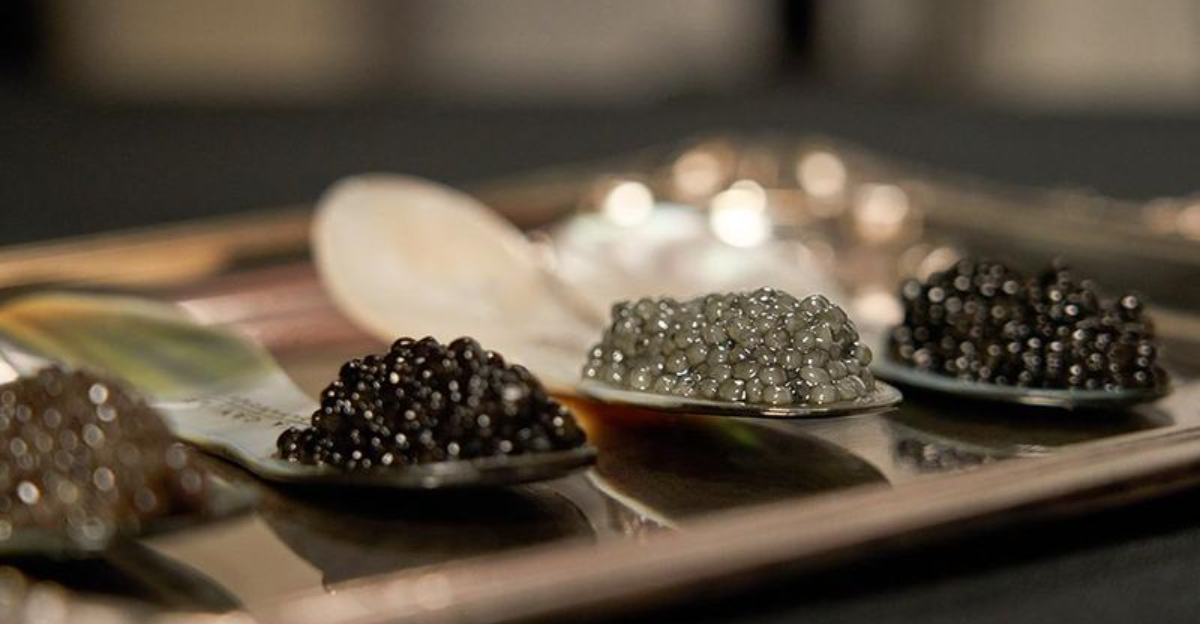
The black pearls garnishing fancy appetizers often aren’t sturgeon caviar at all. Less expensive fish roe from whitefish, lumpfish, or even artificial beads made from seaweed can masquerade as the luxury delicacy.
Authentic caviar has eggs that maintain their individual shape without breaking when pressed lightly against the roof of your mouth. The flavor should be clean and briny, not overly fishy.
Real sturgeon caviar comes with certification documents and proper labeling of the specific sturgeon species.
19. Lobster Imposters
That lobster roll might be hiding a case of mistaken identity. Restaurants often substitute cheaper langostino, crawfish, or even pollock for true lobster meat.
Last summer at a seaside shack, I paid premium price for a “lobster” roll that turned out to be mostly surimi with red food coloring. Real lobster meat has a distinctive sweet flavor and firm, slightly stringy texture that’s hard to mimic.
True lobster should have visible muscle fibers and a clean, ocean-fresh scent.
20. Crab Meat Substitutions
The crab in your California roll or crab cake might never have seen the ocean. Imitation crab (surimi) made from processed white fish is commonly substituted for the real thing. Premium “lump crab meat” labels can be misleading too.
Asian swimming crab often replaces more expensive blue crab from U.S. waters, with packages designed to suggest domestic origin.
Genuine crab has irregular pieces with natural breaks and tears, unlike the uniform strips of surimi.