
Families Can Ride Vintage Trains Through The Countryside At Monticello Railway Museum In Monticello, Illinois
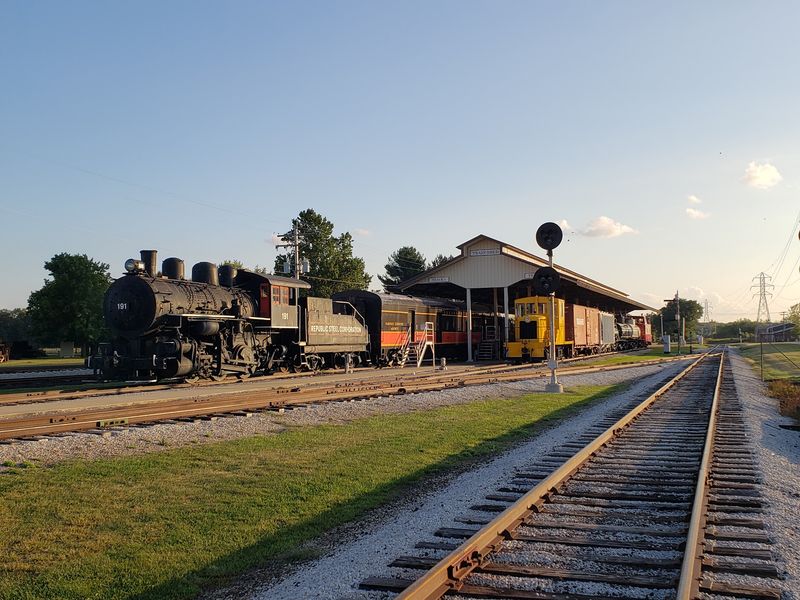
One passenger car on this Illinois railroad has glass set into the floor, so you can watch the wheels turning over the rails below. Kids lose their minds over that.
Honestly, so do grown-ups.
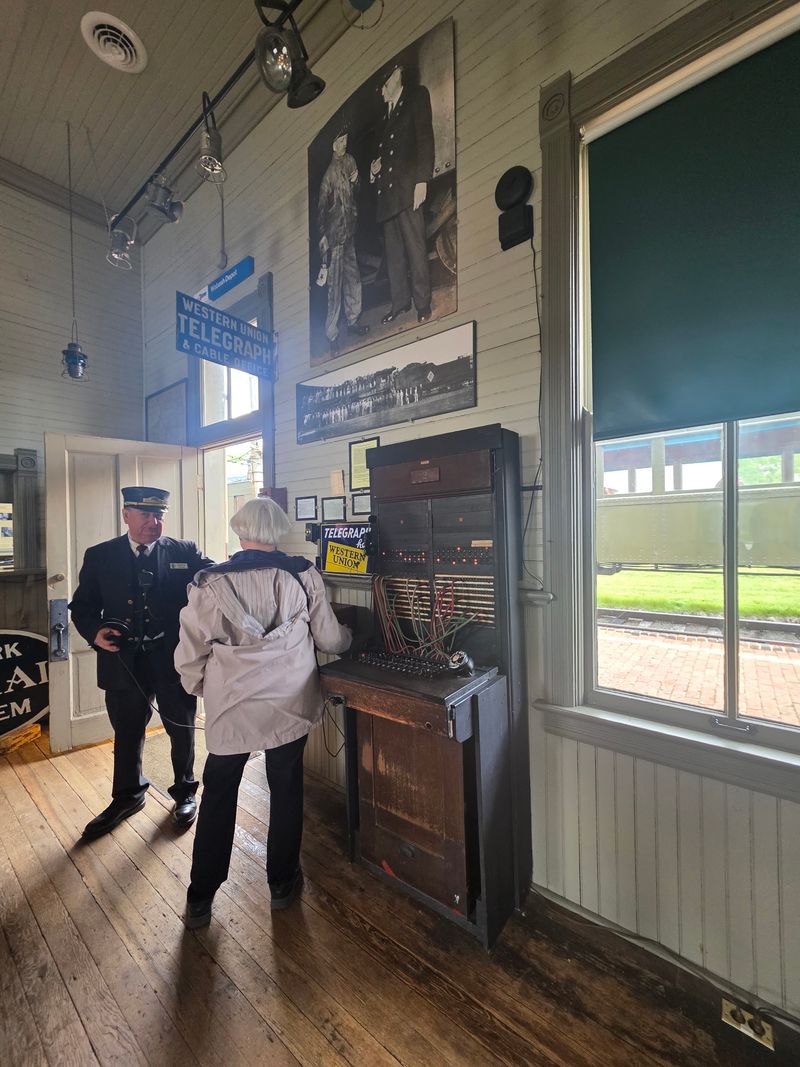
The whole place runs on volunteers. Conductors, ticket takers, and restoration crews all show up because they love trains, and many dress the part.
The ride lasts about an hour and rolls through quiet farm country on real vintage equipment. Some weekends, a steam locomotive built in 1907 handles the pulling.
I can’t imagine a better way to make railroad history click for a curious kid.
There’s even a program that lets adults sit at the controls of a historic diesel. So who exactly is this trip for, the kids or the grandparents who secretly wanted to be engineers?
An All-Volunteer Railroad Rolling Through Piatt County
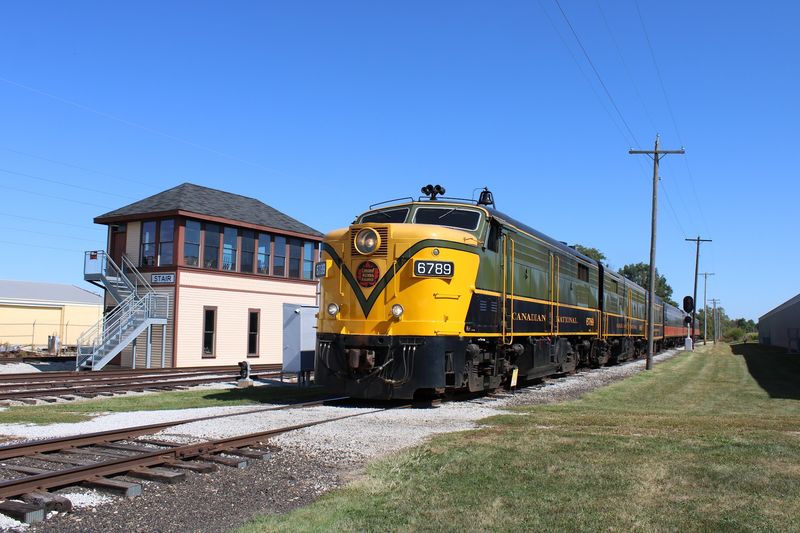
Real trains still run on real tracks at the Monticello Railway Museum, a working heritage railroad in Monticello, Illinois. It’s run entirely by volunteers through a nonprofit group, and that spirit shows up everywhere.
Forget roped-off displays and hushed hallways. Here, the exhibits move, whistle, and carry passengers across about seven miles of track through the Piatt County countryside.
The museum sits just off Interstate 72 at the Market Street exit. That makes it an easy drive from Champaign, Decatur, and plenty of other central Illinois towns.
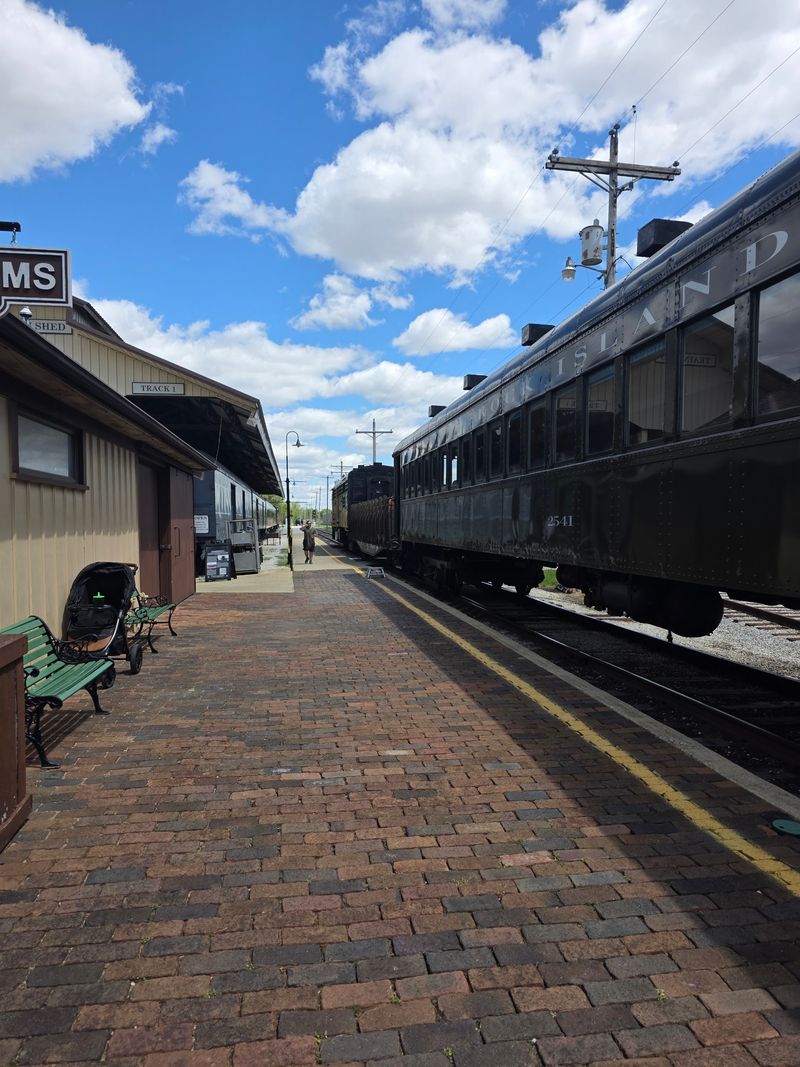
The main site is built around the Nelson Crossing Depot. That’s where you’ll buy tickets, browse the gift shop, and climb aboard for the ride.
Trains generally run on Saturdays and Sundays from May through October. Weekend hours run from 10:30 a.m. to 3:30 p.m., so plan your day around that window.
The rolling stock collection is huge, with more than 100 pieces of railroad equipment. Some pieces carry passengers, some sit on display, and some wait patiently for restoration.
Think of it as a museum that happens to have a timetable. Few family outings in Illinois come with a conductor punching your ticket.
Railfans Who Refused To Let Steam Fade Away
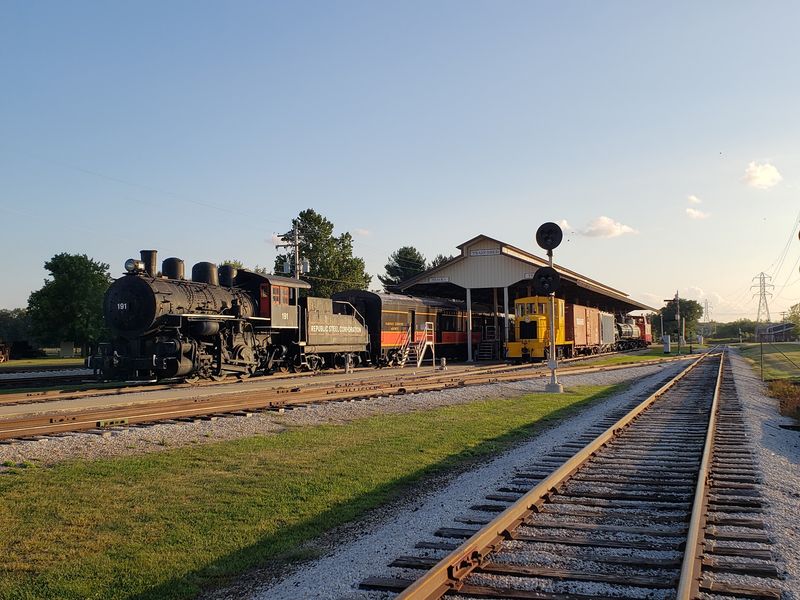
Back in 1966, a group of passionate railfans decided the age of trains deserved more than old photographs. Railroads were retiring their classic equipment, and these folks wanted to keep it alive.
So they started collecting. Locomotives, passenger cars, and cabooses slowly found a new home in central Illinois.
The tracks themselves carry history too. Portions of the museum’s lines follow former Illinois Central and Illinois Terminal routes that once moved passengers and freight across the region.
That means your family isn’t riding a loop built for tourists. You’re traveling paths where working trains rolled for decades.
A big milestone came in 1987. A track acquisition that year finally let museum trains reach downtown Monticello.
Every bit of that growth came from volunteer muscle and stubborn devotion. Nobody got rich doing it, which makes the whole operation feel even more charming.
Today the museum still depends on helping hands to fix equipment, staff events, and greet visitors. It’s a living example of what a few determined train lovers can build.
Honestly, it might be the most wholesome hobby story in the state. Sixty years later, the whistle still blows.
Two Charming Depots With Stories Of Their Own
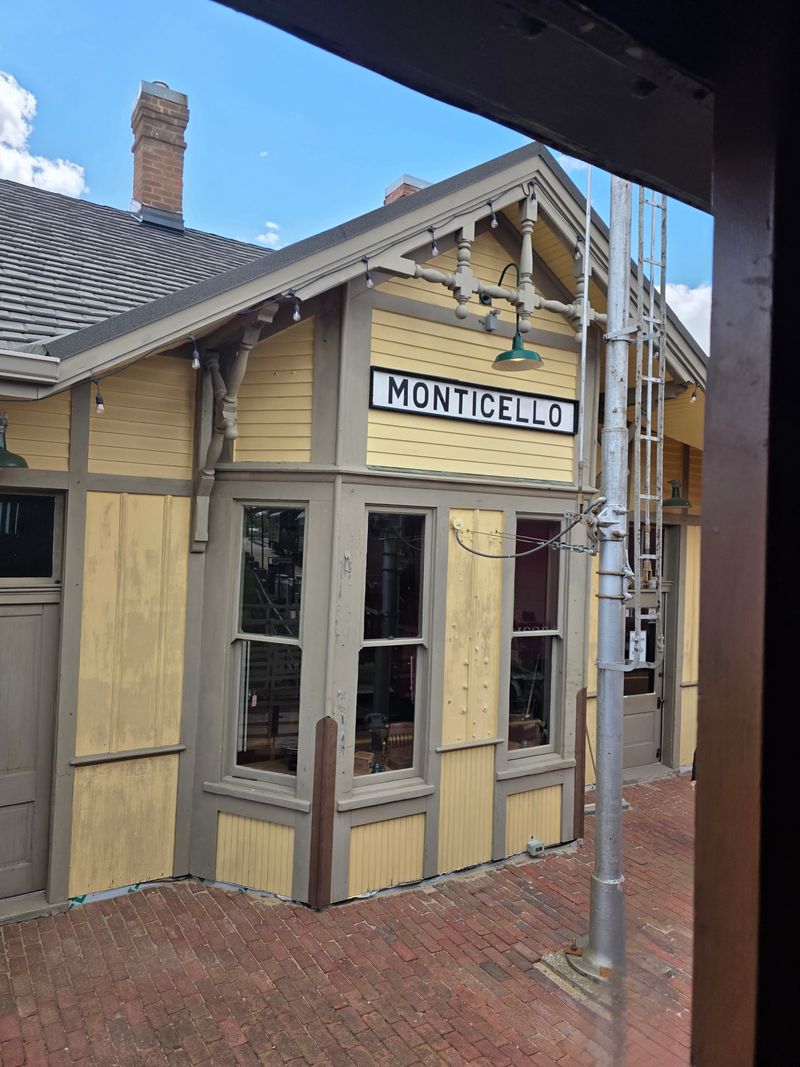
Most train rides have one station. This one gives you two, and both are genuine antiques.
The Nelson Crossing Depot serves as the main museum stop. It started life in 1919 as the Illinois Central depot in nearby Deland before being moved and restored.
Inside, you’ll find the ticket window and a gift shop. Expect postcards, t-shirts, small toys, water, and soft drinks.
Hang on to your ticket after the conductor checks it. It gets handed back and makes a sweet little keepsake for the scrapbook.
The second stop is the Wabash Depot in downtown Monticello. Built in 1899, it has been moved twice during its long life, which is more relocation than most families manage.
That depot doubles as part of the museum, with preserved history inside. Visitors can look at and handle railroad items, learning how different pieces actually worked.
Restrooms are available at both stops. The main depot’s restrooms are reached from outside the building without stairs, with benches nearby.
Having two historic buildings bookending the ride adds real flavor. It feels like traveling between two chapters of the same story.
The Hour-Long Ride Your Kids Will Retell For Weeks
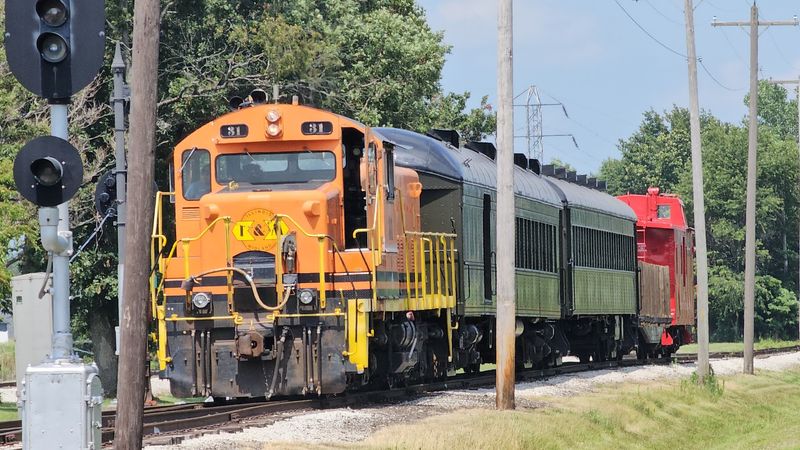
Sixty minutes on a vintage train feels just right for little attention spans. Long enough to settle into the rhythm, short enough to dodge the meltdowns.
Regular weekend trains are usually pulled by vintage diesel locomotives. The ride covers roughly seven miles of track through open farm country.
During regular runs, passengers can move around and change seats. Switching to a different section may require stepping off, and volunteers bring a step stool and a helping hand.
Watch little ones near the open windows, though. Fresh air is wonderful, but curious arms need supervision.
Then there’s the car with insulated glass built into the floor. Peering down at the wheels rolling over the rails might become the highlight of somebody’s whole summer.
The ride works for nearly every age, from toddlers to grandparents. Strollers or baby carriers help for the youngest travelers on a full day out.
Tickets are priced by age and can be bought online or at the depot window. That flexibility makes spontaneous Saturday plans pretty easy.
Families often call it one of the best values around for summer fun. Hard to argue with that.
A 1907 Steam Locomotive And A Seat At The Throttle
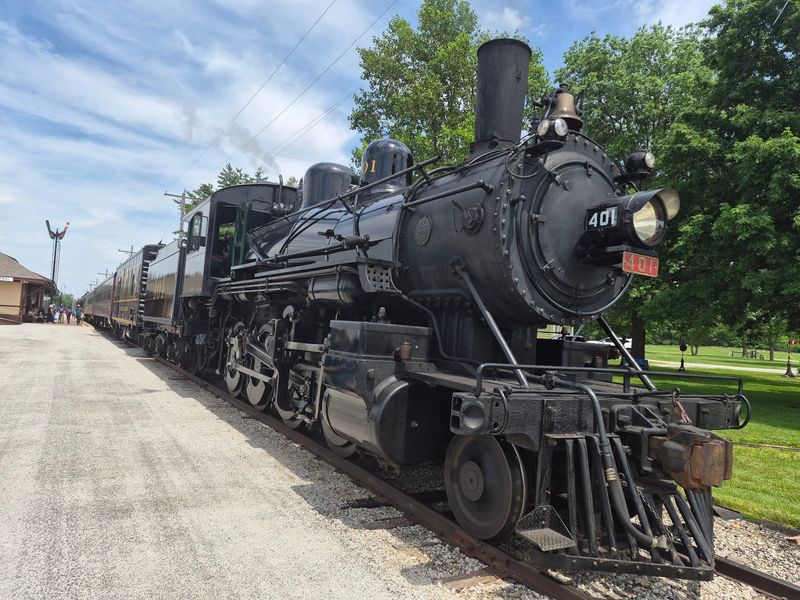
Smoke, hiss, and a whistle that rattles your ribs. That’s the Southern 401, a restored 1907 steam locomotive that pulls trains on select weekends.
Steam days are special, so check the schedule before you go. Seeing a machine older than most of your relatives roar to life is something kids don’t forget.
Diesel fans get plenty of love too. The museum’s working diesels handle most weekend runs, and some carry their own celebrity among rail buffs.
Now for the part that makes grown-ups giddy. The Throttle Time program lets adults operate a historic diesel locomotive under expert guidance.
Participants sit at the controls for about an hour. Some even get a taste of conductor duties, like lining a switch in and out of the yard.
It carries a separate fee, but it’s considered surprisingly affordable for a bucket-list experience. Plenty of folks have dreamed about this since childhood.
Kids aren’t left out of the fun. There are model trains that younger visitors can operate themselves.
So everybody gets to be an engineer for a moment. Grandpa just gets the bigger train.
Walk-Through Cars, A Train Barn, And A Signal Tower
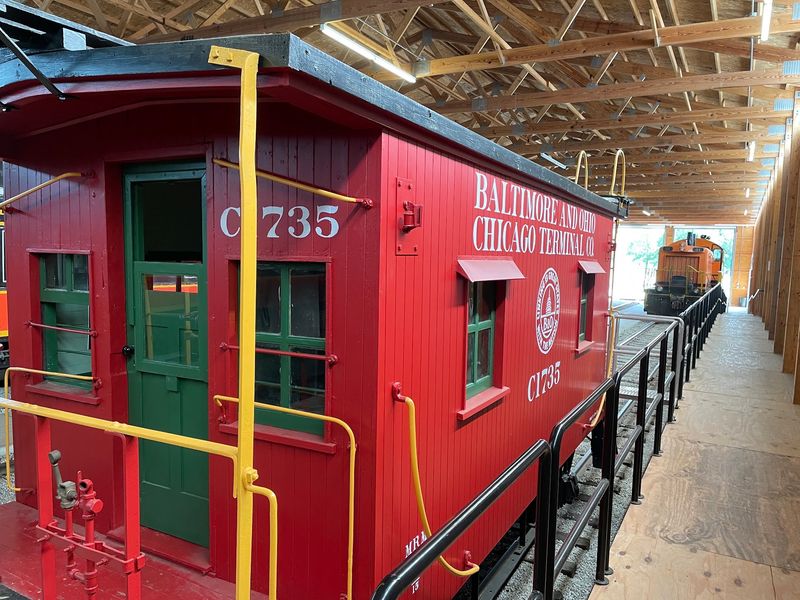
Climbing inside old train cars beats staring at them through glass. At the Monticello Railway Museum, many display pieces are open for wandering.
Step into the Pullman-built Council Bluffs sleeping car to see how travelers once rode overnight. Then visit a Railway Post Office car, where mail was sorted while the train rolled along.
A vintage Wabash caboose shows off the crew’s old workspace. There’s even an aquarium car tucked into the collection, which sounds made up but isn’t.
Moving between cars from different decades feels like flipping through little slices of history. Each era had its own idea of comfort.
The train barn holds even more equipment. Rail enthusiasts often single out IC 6071, the first SD40 test bed ever built.
Some days, a replica interlocking tower opens to visitors. Inside are sample switch levers you can pull and release.
The tower requires climbing stairs, and so do the display cars. These are museum pieces, so wheelchair access is limited to certain areas and specialty trains.
Static exhibit cars, the tower, the playground, and parking are all free. That’s a lot of exploring before buying a single ticket.
Pumpkins, Donuts, And A Ride To The North Pole
Ask any Monticello train fan about December and the answer comes fast. The Polar Express Train Ride is the museum’s most famous event.
Families board at the Wabash Depot for a trip to the North Pole. Santa appears, carols get sung, and there’s hot chocolate and a special gift.
Volunteers dress the part, and the trains get decked out too. It runs on multiple days and times, so families have options.
Fall brings the Autumn Limited. Every rider gets a pumpkin, and extra activities wait on site.
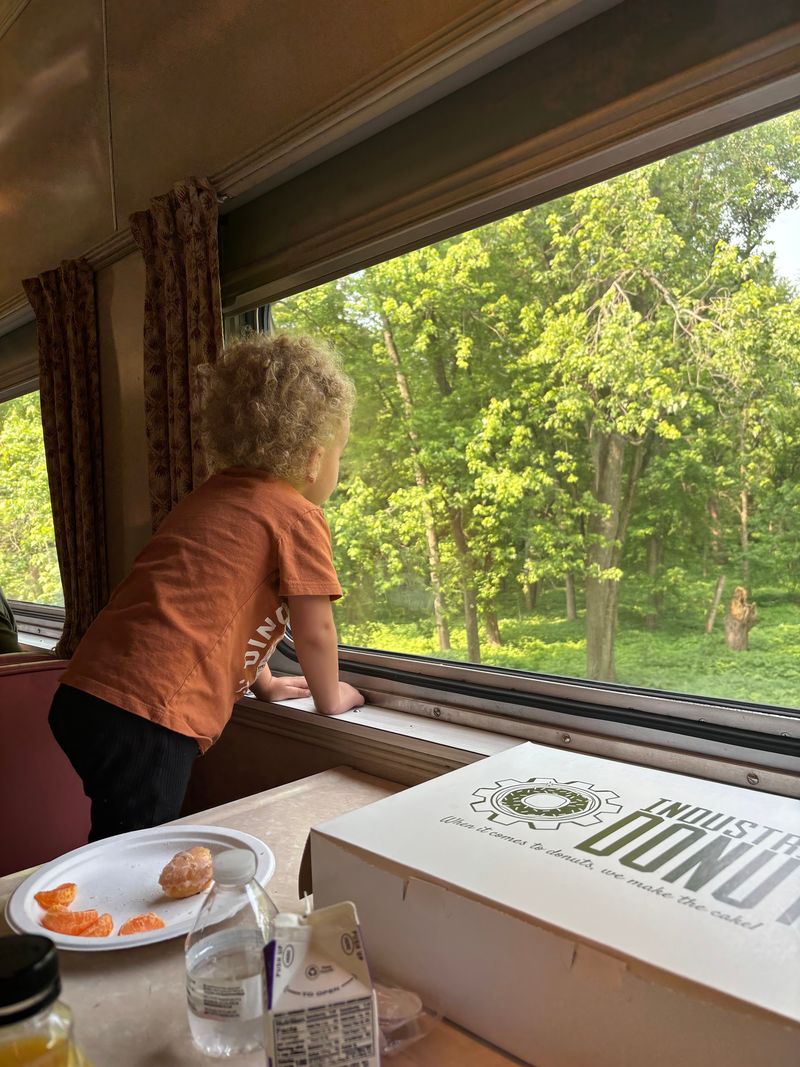
Warmer months bring their own lineup. There’s a donut train, pizza nights, and Railroad Days that keep regulars coming back.
Parents get a nice perk on their holidays. Mother’s Day and Father’s Day rides let moms or dads ride free when accompanied by their kids.
Most themed trains run only once a year and charge separate fees. Planning ahead pays off here.
One tip for summer events: cars can get warm while the train sits still. A spring or fall date might feel more comfortable for little ones.
Hop Off Downtown For Antiques And Lunch
Here’s a fun twist most heritage railroads don’t offer. You can ride into downtown Monticello, step off, and catch a later train back.
That turns the ride into a mini adventure. Grab lunch in town, poke around antique shops, or simply stroll the historic streets.
Just keep an eye on the schedule. Missing the last train back would make for a long walk.
The museum’s main site is located at 992 Iron Horse Place, Monticello, IL 61856. Parking is free there, and so is the small playground.
Picnic space is plentiful, so packing a cooler of sandwiches is a smart, budget-friendly move. There’s also a little train for kids to climb on.
Nearby attractions can stretch the day further. Allerton Park and Retreat Center sits just a few miles west, with sprawling gardens to explore.
History buffs can drive to Bryant Cottage in nearby Bement. That’s where Abraham Lincoln and Stephen Douglas are said to have planned their famous debates.
Put it all together and Monticello becomes a full weekend getaway. Not bad for a small Illinois town.
Why This Little Railroad Earns A Spot On Your Calendar
Some family outings drain your wallet and your patience. This one tends to leave everybody smiling, from toddlers to grandparents.
Much of that comes down to the people. Volunteers here are known for being friendly, patient, and happy to answer even the nerdiest train questions.
If they don’t know an answer, they’ll often find someone who does. That kind of enthusiasm is contagious.
The museum also doesn’t feel overwhelming. Crowds are usually manageable, which makes it relaxing for families with younger kids.
Grandma camps, train-loving couples, and weekend wanderers all find something to enjoy. Many families return year after year, and some even buy memberships.
For the best experience, aim for a mild-weather weekend between May and October. Or plan way ahead for the Polar Express in winter.
And if you fall hard for the place, there’s an open invitation. The museum always welcomes new volunteers, especially folks who can fix things or love meeting people.
A seven-mile ride through Illinois farm country might sound simple. But hearing that whistle with your kids beside you?
That’s the kind of memory that sticks around.