
13 Famous Arizona Foods That Locals Can’t Stop Eating In 2026
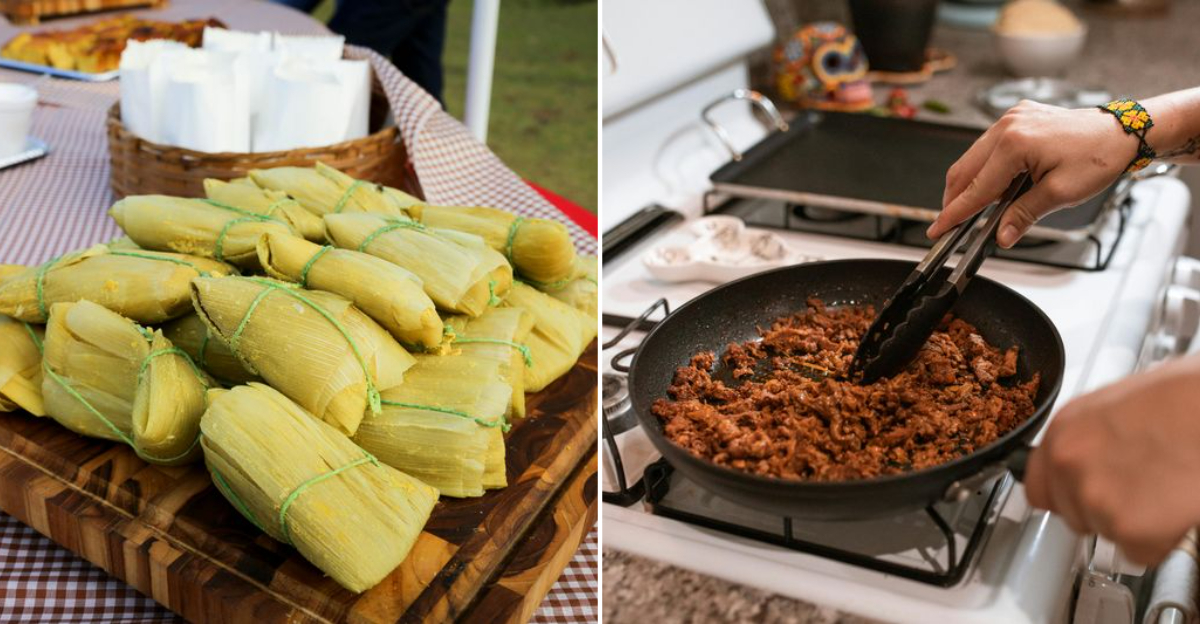
If my grandma had a love language, it was food-and specifically, Arizona comfort food. I still remember her insisting that “real pizza” only comes with a crispy, paper-thin crust and jalapeño peppers (yes, really), served at her favorite hole-in-the-wall in Tucson.
Twenty years later, that quirky food pride is alive and stronger than ever across Arizona. In 2026, the flavors of the Southwest aren’t just surviving-they’re thriving.
Whether you’re a lifelong local or just passing through on Route 66, one thing’s clear: Arizona’s culinary scene has a bold, delicious heartbeat.
Let’s dig into the 13 famous Arizona foods that have locals coming back for seconds (and thirds).
1. Navajo Fry Bread (And Navajo Tacos)
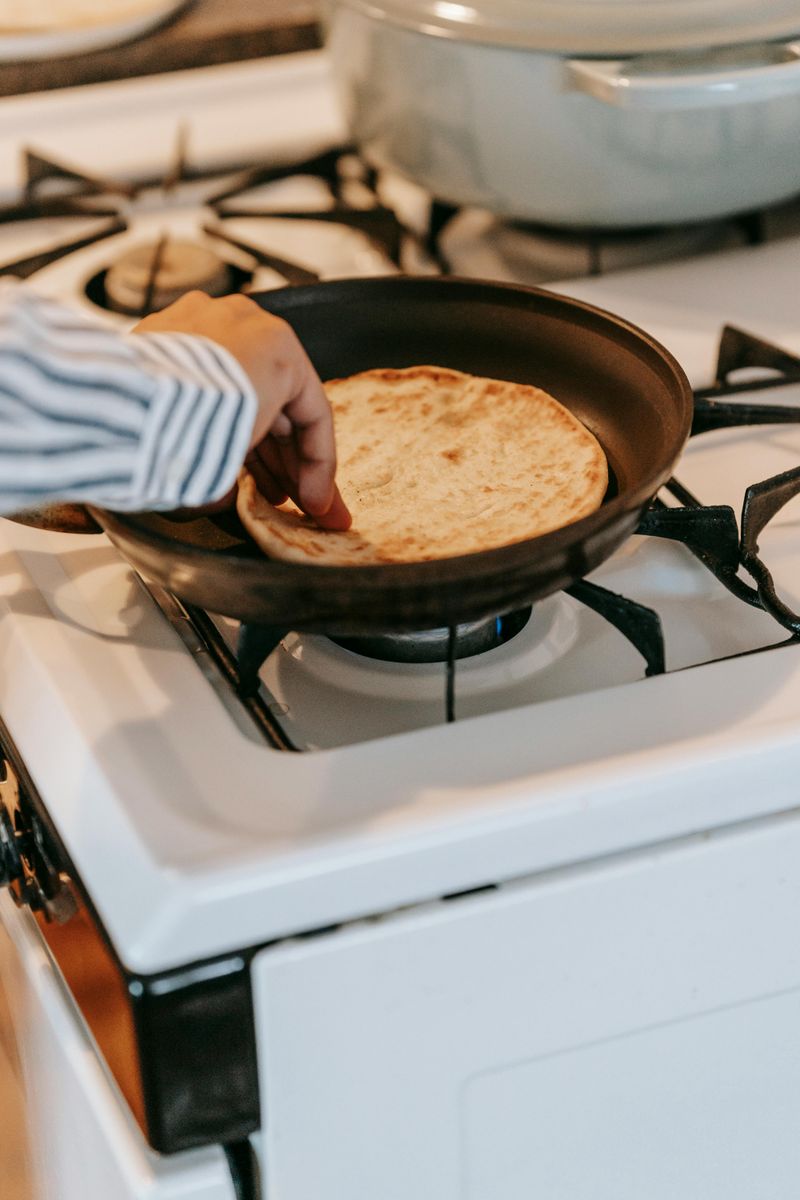
Golden, pillowy, and crispy all at once, fry bread stands as one of Arizona’s most beloved culinary treasures with roots deep in Native American history.
This simple dough, fried until it puffs into a perfect circle of deliciousness, has become the foundation for countless meals across the state. Many families guard their recipes like precious heirlooms, passing down techniques through generations.
When topped with seasoned ground beef, lettuce, tomatoes, cheese, and beans, fry bread transforms into a Navajo taco that locals devour at powwows, fairs, and restaurants throughout Arizona.
The contrast between the warm, slightly sweet bread and savory toppings creates an unforgettable flavor combination. Some folks drizzle honey over plain fry bread for a sweet treat that pairs wonderfully with morning coffee.
Finding authentic Navajo fry bread means seeking out Native-owned establishments or visiting reservation communities where cooks still make it the traditional way.
The crispy edges and soft center make every bite worth the search. Once you taste genuine fry bread, you’ll understand why Arizonans can’t stop talking about it.
2. Chimichanga
Legend has it that a Tucson restaurant owner accidentally dropped a burrito into the fryer and shouted a creative substitute for a curse word, giving birth to the chimichanga.
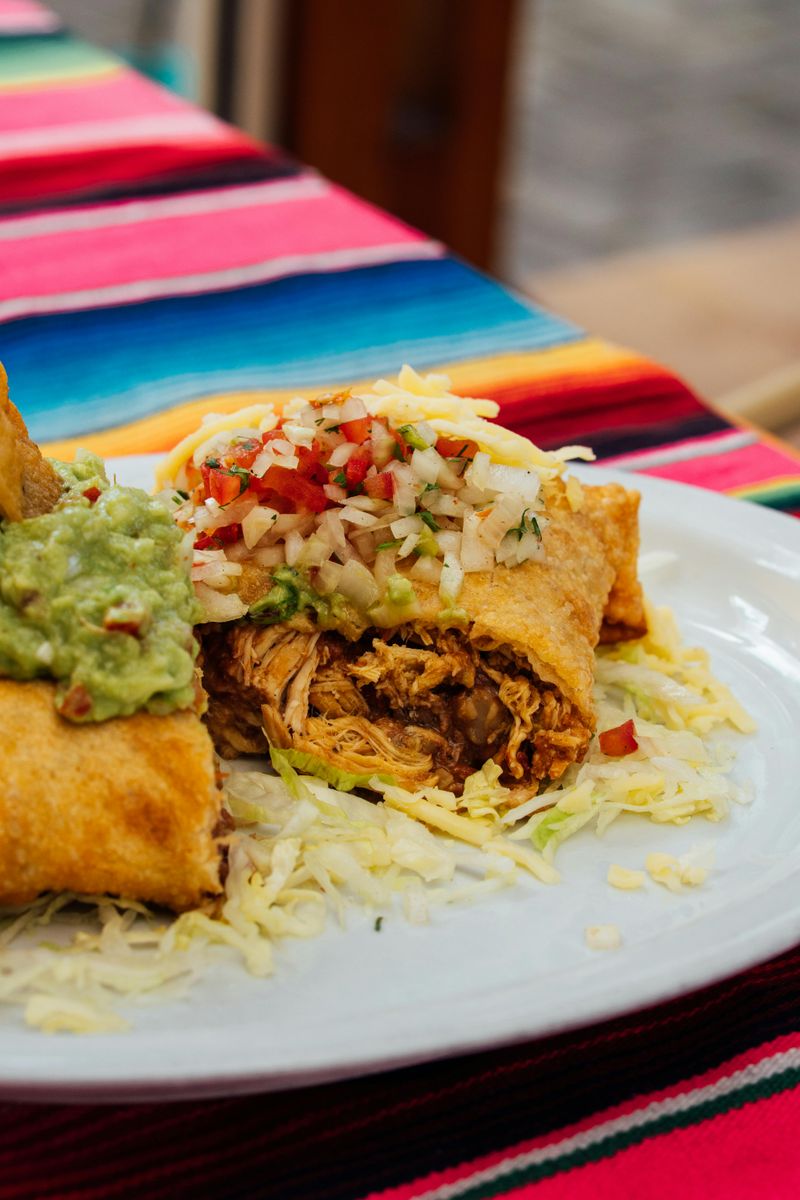
Whether that story holds water or not, Arizona has proudly claimed this crispy, deep-fried burrito as its own creation since the 1950s. The result is a crunchy golden exterior that gives way to tender, flavorful fillings inside.
Most chimichangas come stuffed with shredded beef or chicken, refried beans, and cheese, then topped with guacamole, sour cream, and salsa.
The combination of textures makes each bite interesting, from the initial crunch through to the melty, savory center. Some restaurants serve them smothered in red or green chile sauce for an extra kick.
Every local has a favorite spot for chimichangas, and debates about which restaurant makes the best version can get surprisingly passionate. The dish has become so iconic that visitors often put it at the top of their Arizona food bucket list.
Whether you pronounce it chimi-CHANG-ga or chimi-CHON-ga, one thing remains certain: this fried delight isn’t going anywhere.
3. Arizona Cheese Crisp
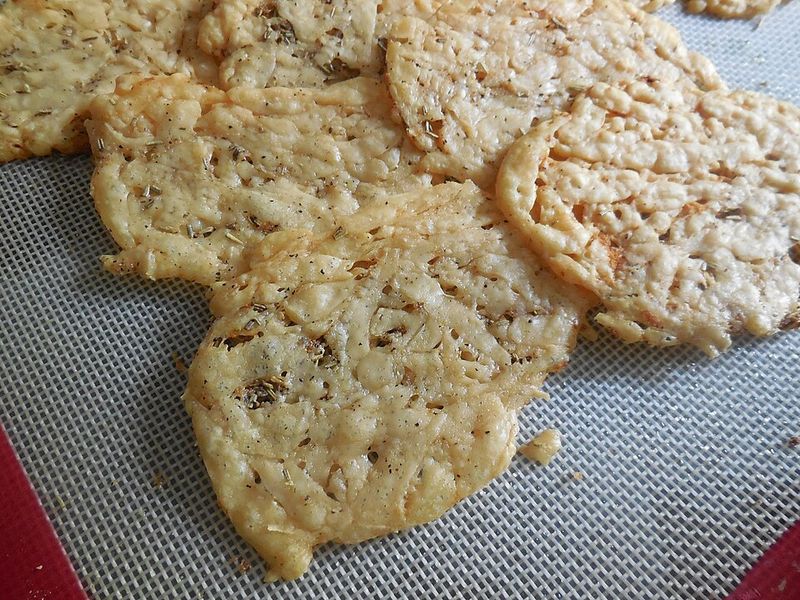
Picture a giant, paper-thin tortilla covered edge to edge with melted cheese, baked until the edges curl up and turn golden brown.
That’s the cheese crisp, Arizona’s answer to quesadillas and nachos, though locals will tell you it’s superior to both.
Restaurants across the state have perfected this simple yet satisfying dish that works equally well as an appetizer, snack, or light meal. The magic lies in the ratio of tortilla to cheese and the baking method that creates a crispy base rather than a soft, floppy mess.
Many places offer toppings like green chiles, jalapeños, or even a light spread of refried beans beneath the cheese layer. Some adventurous eaters add chorizo or carne asada for a heartier version.
I remember my first cheese crisp at a local spot in Phoenix, where the server cut it into triangles with a pizza cutter right at the table. The cheese stretched and pulled with each piece, and the satisfying crunch made me an instant convert.
Now I order one whenever I’m out, and I’ve yet to meet an Arizonan who doesn’t light up when cheese crisps get mentioned.
4. Sonoran Hot Dog
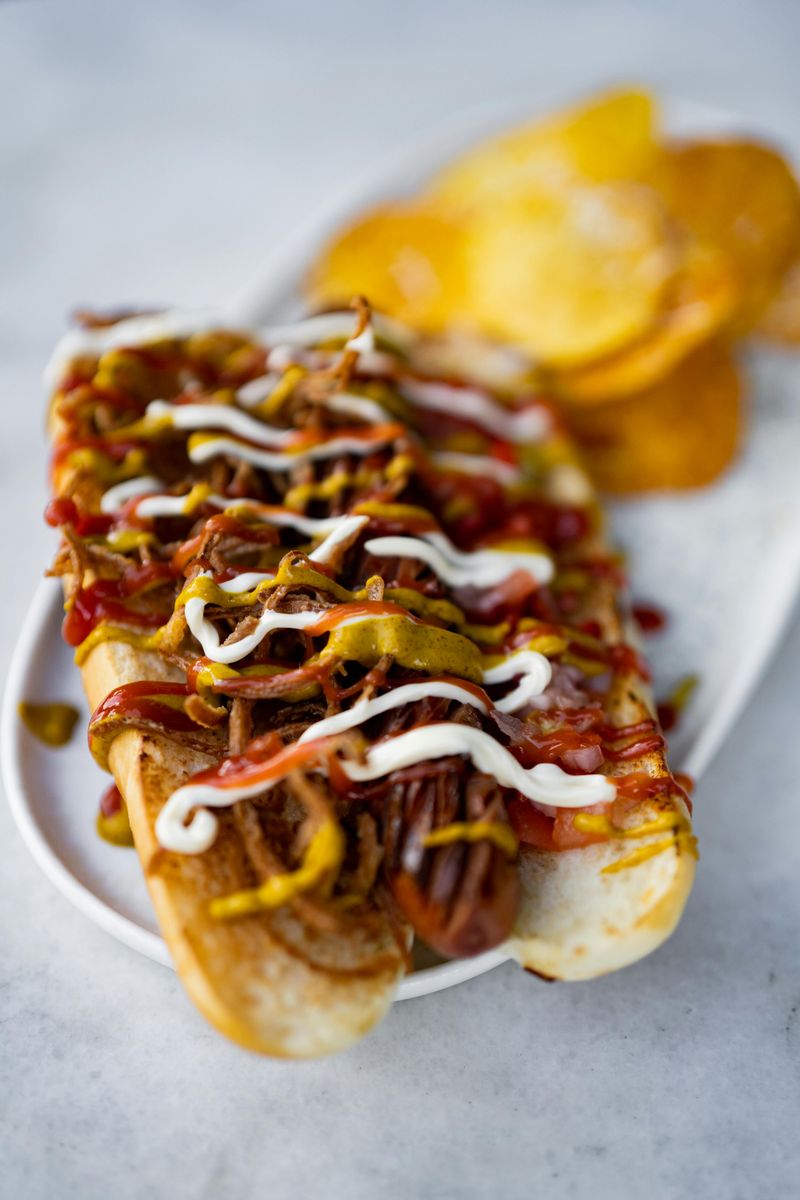
Wrapped in bacon, grilled to perfection, and loaded with an avalanche of toppings, the Sonoran hot dog represents everything bold about Arizona border cuisine.
This isn’t your basic ballpark frank; it’s a full-blown flavor experience that originated in Hermosillo, Sonora, and crossed north to become an Arizona obsession. Street vendors and restaurants alike serve these bacon-wrapped beauties, often from late evening until the early morning hours.
The hot dog sits in a soft bolillo-style bun, then gets piled high with pinto beans, grilled onions, fresh tomatoes, jalapeños, mustard, mayo, and sometimes a drizzle of Mexican crema.
Some places add cotija cheese or avocado for extra richness.
The bacon grease soaks into the bun just enough to add flavor without making it soggy, creating a perfect handheld meal.
Finding a Sonoran hot dog cart in Tucson feels like discovering a hidden treasure, especially around South 12th Avenue where several famous vendors set up shop. Locals know the best ones come from carts with long lines and minimal English signage.
Once you taste that smoky bacon mingling with tangy toppings, you’ll join the ranks of devoted fans.
5. Green Chile Burritos & Smothered Dishes
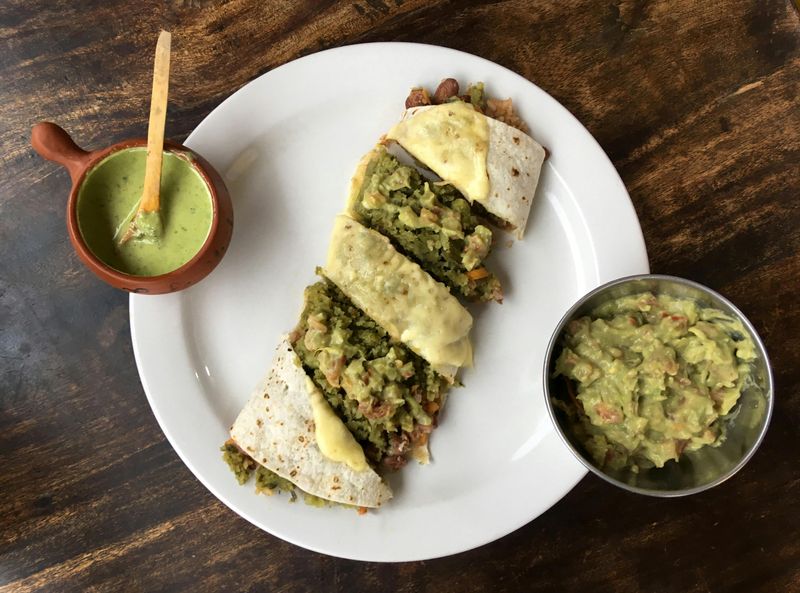
Nothing says Arizona comfort food quite like a burrito drowning in roasted green chile sauce, the kind that warms you from the inside out.
Roasted Hatch chiles from New Mexico make their way into Arizona kitchens every fall, where they get transformed into rich, slightly spicy sauces that locals smother over everything. Burritos, enchiladas, eggs, and even fries all benefit from this treatment.
The green chile sauce varies from mild to face-melting hot depending on where you order, but the flavor remains consistently addictive.
Most versions include roasted chiles, garlic, onions, and sometimes a touch of cream to balance the heat.
Restaurants pride themselves on their secret recipes, and regulars can often identify their favorite spot by the sauce alone. Breakfast burritos smothered in green chile have become a weekend tradition for countless Arizona families.
The combination of eggs, potatoes, bacon or chorizo, cheese, and that vibrant green sauce creates morning magic. Some places serve it so hot that the cheese melts into puddles, and the first bite requires careful navigation to avoid burning your tongue, but nobody complains because the flavor makes it worthwhile.
6. Carne Asada
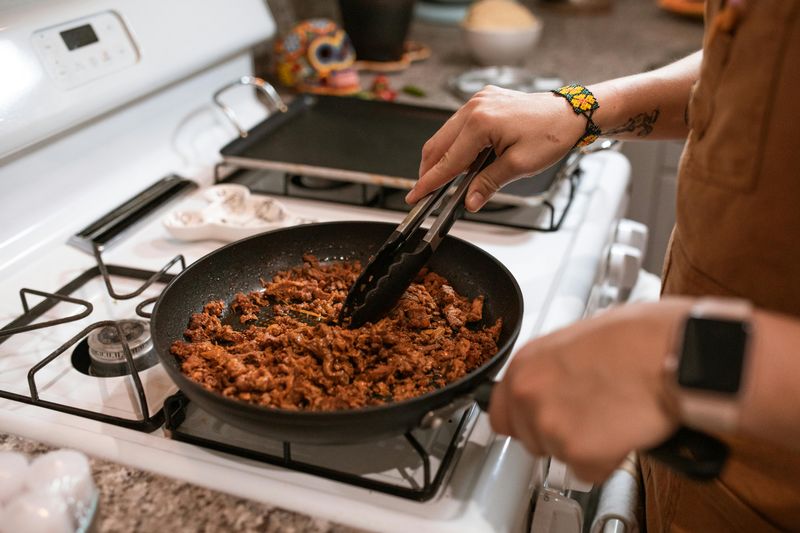
Marinated, grilled beef sliced thin and served with all the fixings, carne asada represents backyard gatherings and family celebrations throughout Arizona.
The marinade typically includes citrus juices, garlic, cilantro, and spices that tenderize the meat while infusing it with bright, bold flavors. When cooked over an open flame or hot grill, the edges get slightly charred while the inside stays juicy and tender.
Arizonans serve carne asada in countless ways: tucked into tacos with fresh salsa and lime, piled onto tortas with avocado and beans, or simply plated with rice, beans, and warm tortillas.
The smell of carne asada grilling on a weekend afternoon brings neighbors running and makes mouths water from blocks away. Many families have perfected recipes over decades, each claiming theirs produces the most flavorful results.
Quality matters when it comes to carne asada, so locals seek out Mexican butcher shops where meat gets hand-trimmed and sometimes pre-marinated. The cut of beef, usually skirt or flank steak, makes a difference in tenderness and flavor.
Whether enjoyed at a restaurant or homemade at a backyard cookout, carne asada brings people together over seriously good food.
7. Prickly Pear Lemonade & Desserts
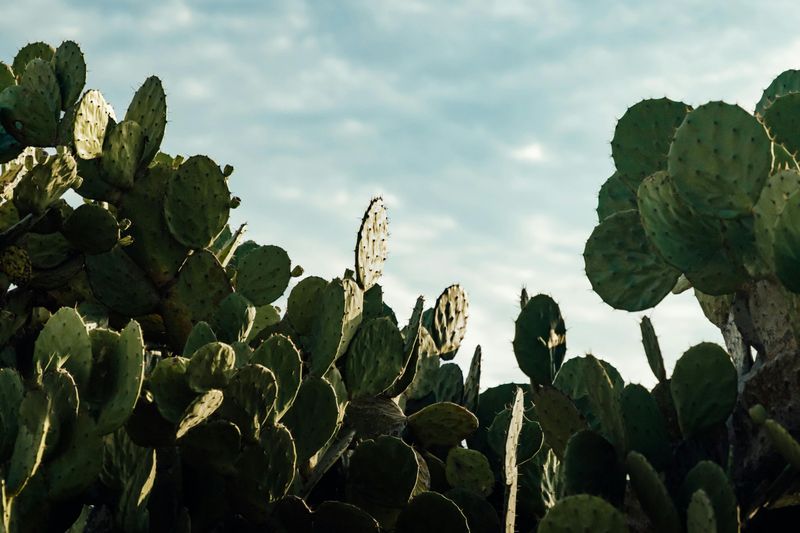
Bright magenta in color and surprisingly sweet, prickly pear creations have become Arizona’s signature way to celebrate the desert landscape through food and drink.
The fruit of the prickly pear cactus, once harvested carefully to avoid the tiny spines, produces a juice that tastes like a cross between watermelon and bubblegum. Locals use it in everything from refreshing lemonades to jellies, syrups, and baked goods.
Prickly pear lemonade offers the perfect antidote to scorching Arizona summers, with its vibrant color and sweet-tart flavor that quenches thirst like nothing else. Many restaurants and cafes feature it as a house specialty, often serving it over ice with fresh lime.
The stunning pink hue makes it instantly photogenic, which hasn’t hurt its popularity on social media. Beyond beverages, bakers incorporate prickly pear into cheesecakes, ice cream, macarons, and glazes for cakes and pastries.
My neighbor once brought over prickly pear cupcakes with cream cheese frosting, and the subtle fruity flavor paired perfectly with the tangy frosting.
Farmers markets across Arizona sell prickly pear products year-round, making it easy for home cooks to experiment with this uniquely southwestern ingredient that captures the spirit of the desert.
8. Mesquite Flour Pancakes

Ground from the pods of mesquite trees that dot the Arizona landscape, mesquite flour adds a nutty, slightly sweet flavor to pancakes that taste unlike anything you’ll find elsewhere.
Native peoples have used mesquite as a food source for thousands of years, and modern cooks have rediscovered its unique qualities. The flour contains natural sweetness, so pancakes made with it require less added sugar while delivering complex, earthy notes.
Restaurants specializing in southwestern cuisine often feature mesquite flour pancakes on their breakfast menus, sometimes mixing it with regular flour for a lighter texture.
The resulting pancakes have a golden-brown color and pair beautifully with butter, local honey, or prickly pear syrup. Some places add pecans or chocolate chips to complement the nutty mesquite flavor.
Health-conscious eaters appreciate that mesquite flour offers more protein and fiber than regular wheat flour while having a lower glycemic index. The flour tastes mildly sweet on its own, almost like brown sugar or caramel.
Baking with mesquite flour connects modern Arizonans to the same desert resources that sustained indigenous communities for centuries, making breakfast feel like a celebration of regional heritage rather than just another meal.
9. Tepary Beans (in bowls, burgers, and soups)
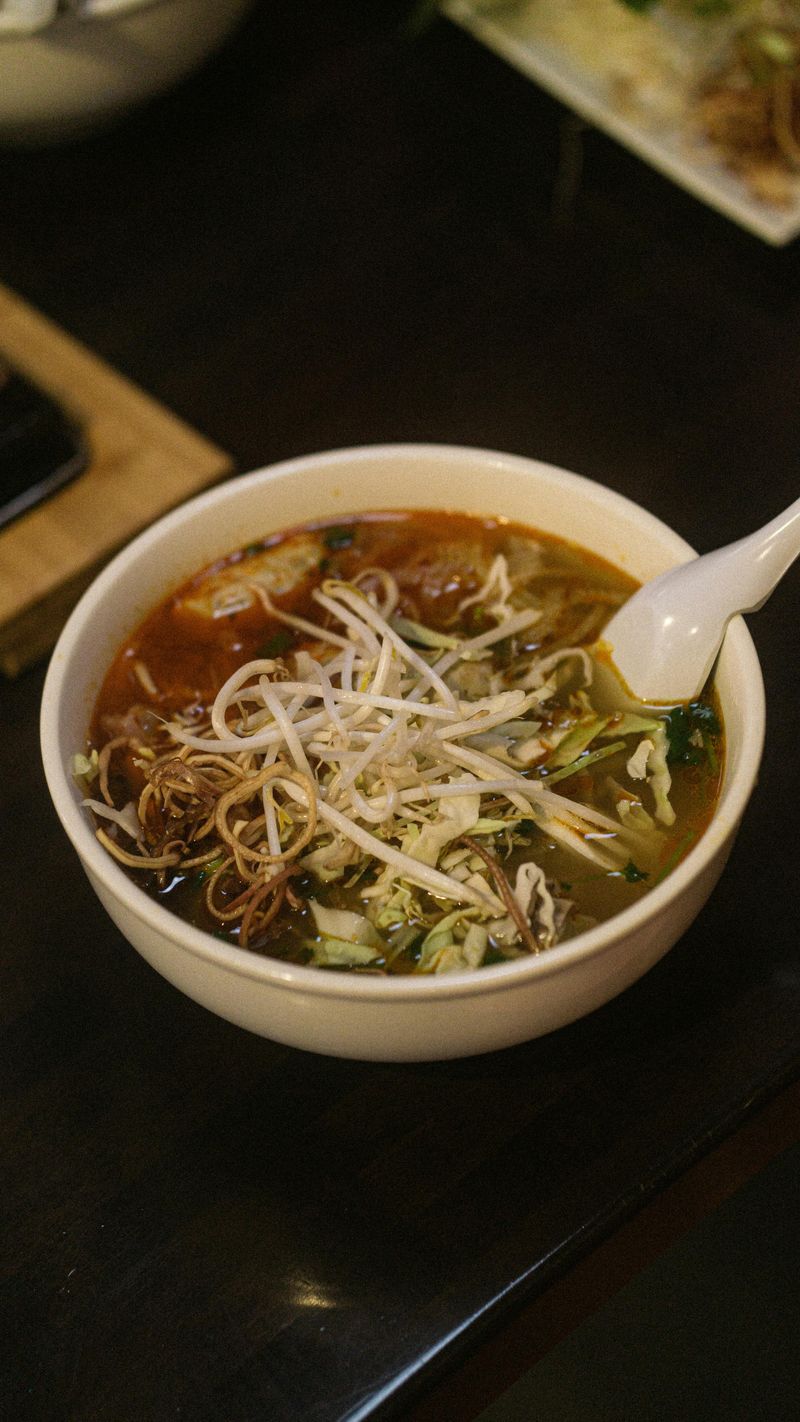
Small but mighty, tepary beans have thrived in the Arizona desert for over 5,000 years, making them one of the most drought-resistant crops on the planet.
These little beans, about half the size of pinto beans, come in various colors including white, brown, and speckled varieties. Native American communities have long valued them for nutrition and flavor, and contemporary chefs have embraced them as a local superfood worth celebrating.
Tepary beans have a rich, earthy taste with a slightly nutty finish that works wonderfully in traditional bean bowls, hearty soups, and even mashed into veggie burger patties.
They hold their shape well during cooking, unlike some beans that turn mushy, making them ideal for salads and side dishes. Several Arizona restaurants now feature tepary beans prominently on menus as a way to honor indigenous food traditions while offering diners something genuinely different.
The beans pack more protein and fiber than most common varieties, and they cook faster too, which makes them practical for home kitchens.
Farmers markets around Phoenix and Tucson sell dried tepary beans from local growers who work to preserve these heritage crops. Trying tepary beans means tasting a piece of Arizona’s agricultural history while supporting sustainable, regionally adapted foods that belong to this landscape.
10. Carne Seca
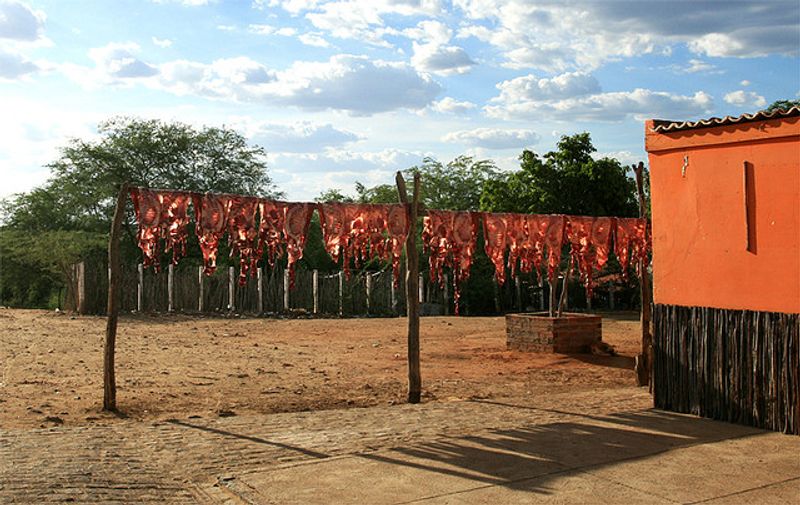
Dried beef that packs intense flavor into every chewy strip, carne seca has roots in preservation methods that kept meat edible before refrigeration existed.
The name literally means dried meat in Spanish, and Arizona’s version typically uses beef that gets marinated, then dried and sometimes lightly fried.
The result tastes salty, savory, and slightly smoky with a texture that ranges from jerky-like to tender depending on preparation.
Cooks incorporate carne seca into burritos, tacos, and scrambled eggs for breakfast dishes that locals absolutely crave.
When rehydrated slightly and cooked with tomatoes, onions, and chiles, it becomes carne seca con chile, a beloved comfort food served with beans and tortillas. The concentrated beef flavor means a little goes a long way in adding richness to any dish.
I tried carne seca for the first time at a small family restaurant in South Tucson, where they served it with eggs and flour tortillas so fresh they were still warm.
The salty, savory meat paired perfectly with creamy scrambled eggs, and I’ve been hooked ever since. Many Mexican markets sell carne seca by the pound, and once you start cooking with it, you’ll understand why generations of Arizona families have kept this tradition alive in kitchens across the state.
11. Cactus Fries (Nopal Fries)
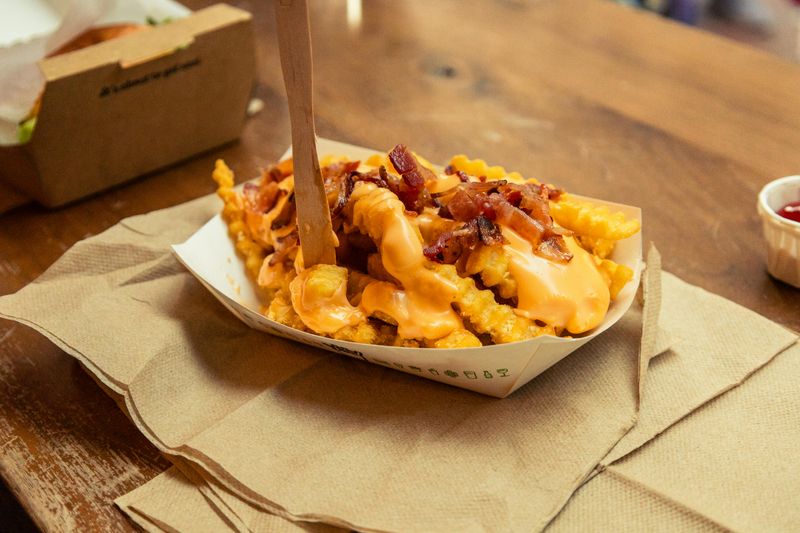
Breaded and fried strips of tender cactus paddles, known as nopales, have become a surprising hit at restaurants looking to showcase Arizona’s edible desert plants.
These green fries offer a mild, slightly tangy flavor similar to green beans with a texture that’s tender but not mushy. When breaded with seasoned flour or cornmeal and fried until golden, they transform into addictive appetizers that disappear fast.
Nopal fries typically come with dipping sauces like ranch, chipotle mayo, or salsa verde that complement the subtle cactus flavor.
The breading adds a satisfying crunch while the inside stays moist and flavorful. Some restaurants serve them as a healthier alternative to potato fries, though the frying process somewhat negates that benefit.
Fresh nopales require careful preparation to remove the spines and reduce the natural sliminess, which is why ordering them at restaurants makes sense for most people. The paddles get cut into strips, sometimes parboiled first, then coated and fried to crispy perfection.
Cactus fries represent Arizona’s creative approach to regional cuisine, taking something that grows wild in the desert and turning it into a dish that surprises and delights visitors while giving locals yet another reason to celebrate their unique food culture.
12. Southwest-Style Tamales
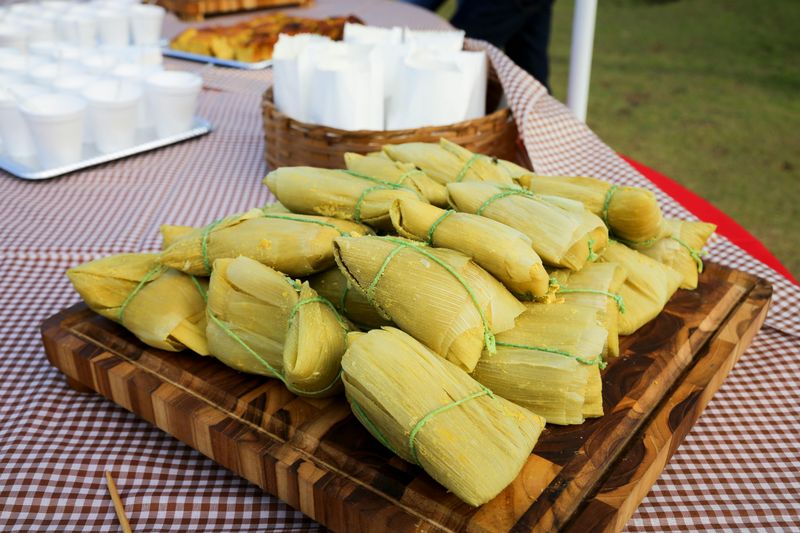
Wrapped in corn husks and steamed to perfection, tamales hold a special place in Arizona holiday traditions and everyday meals alike.
Southwest-style versions often feature fillings like green chile with pork, red chile with beef, or cheese with jalapeños, all wrapped in masa made from corn.
The process of making tamales brings families together for tamaladas, where multiple generations gather to assemble hundreds of tamales while sharing stories and laughter.
Arizona tamales sometimes incorporate local ingredients like mesquite flour in the masa or tepary beans in vegetarian versions.
The masa should be light and fluffy, not dense or gummy, and the filling should be generous and flavorful. Many families make massive batches during December, freezing extras to enjoy throughout the year.
Unwrapping a warm tamale releases steam that carries the aroma of corn, spices, and savory fillings. The masa peels away from the husk easily when properly cooked, revealing the treasure inside.
Whether purchased from a vendor, ordered at a restaurant, or made at home using a grandmother’s recipe, tamales represent comfort, tradition, and the blending of cultures that defines Arizona’s food landscape in ways both delicious and deeply meaningful to communities across the state.
13. Arizona Date Shakes
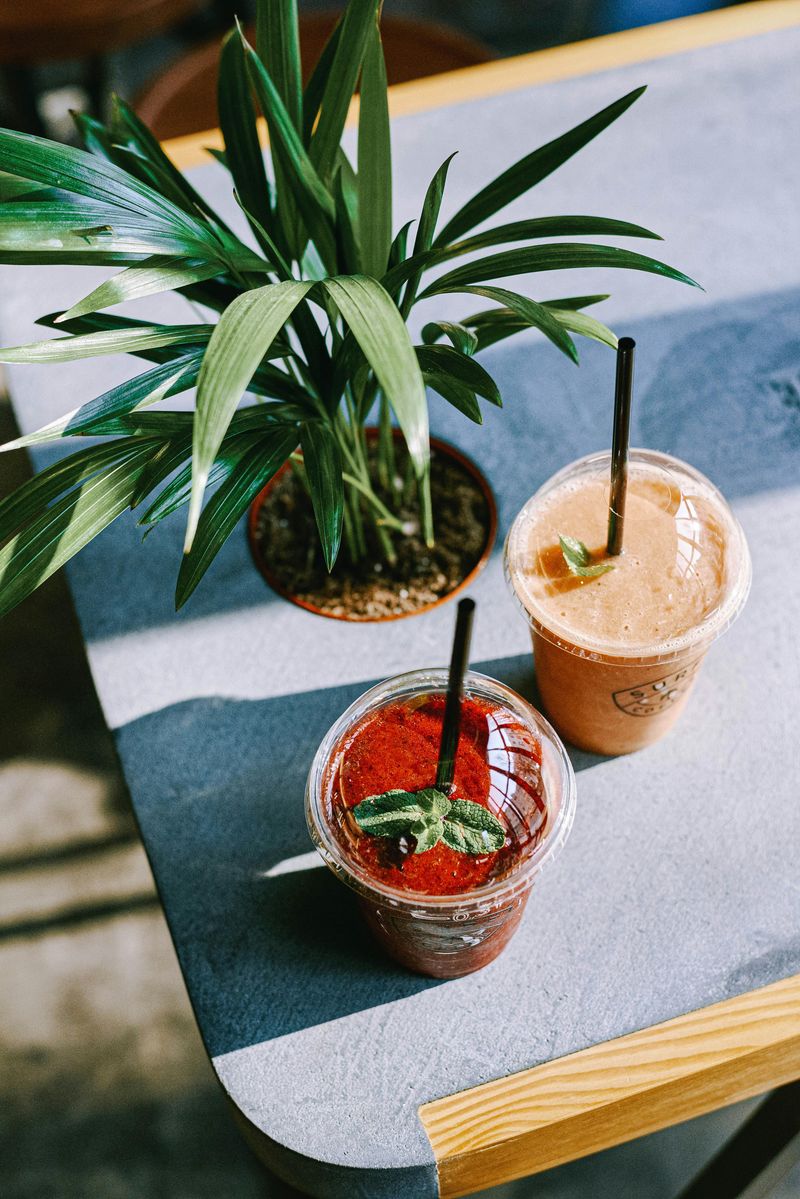
Creamy, sweet, and surprisingly addictive, date shakes have become a beloved treat in Arizona, especially near Yuma where date palm groves thrive in the desert heat.
These thick, milkshake-like beverages blend dates with ice cream and milk to create something that tastes like caramel but comes entirely from the natural sweetness of the fruit.
The texture is smooth and rich, making each sip feel indulgent without being overly heavy. Medjool dates work best for shakes because of their large size and honey-like sweetness.
Some shops add vanilla ice cream and a touch of cinnamon, while others keep it simple with just dates, milk, and ice cream. The resulting shake has a beautiful tan color and a flavor that’s hard to describe until you’ve tried it.
Roadside stands near date farms offer the freshest versions, often made to order while you watch.
The dates get pitted and blended until completely smooth, creating a shake thick enough to require a spoon in some cases.
Date shakes represent Arizona’s agricultural diversity and the unexpected ways desert farming has shaped local food culture, turning a crop that thrives in extreme heat into a cool, refreshing treat that locals line up for year after year.