
10 Famous Food Arguments That Divide People Across New Jersey
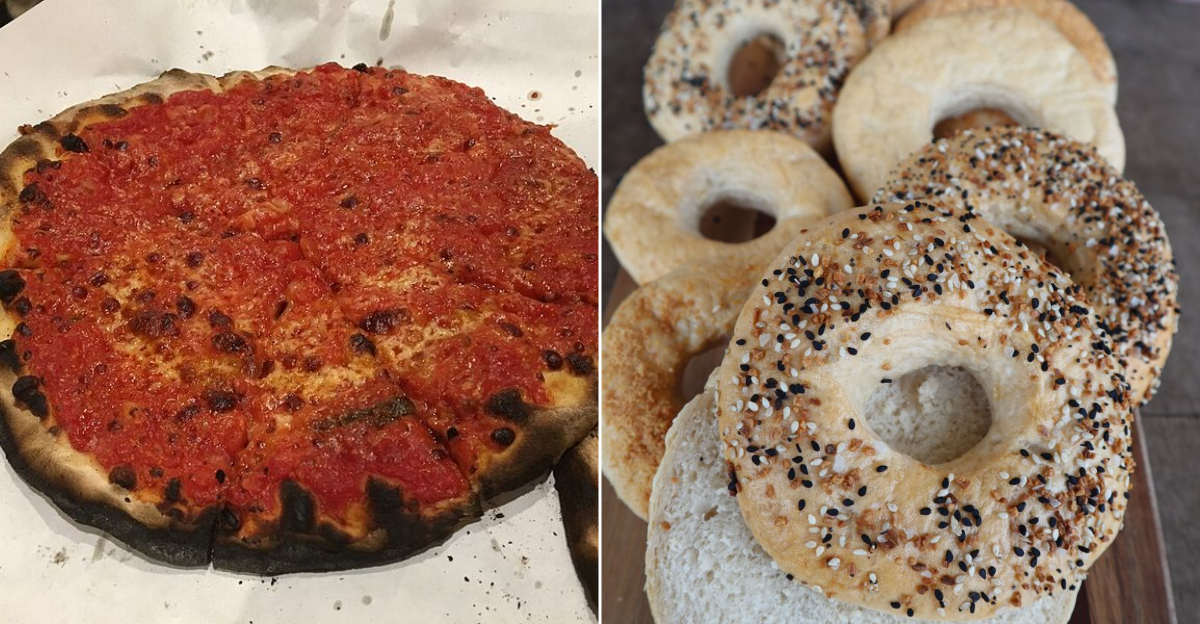
There are states where people can agree to disagree about food. New Jersey clearly missed that memo.
Here, a sandwich can come with a vocabulary lesson, fries can start an argument, and putting the “wrong” condiment on something can earn you a look that says you’ve just betrayed the entire state.
These aren’t chef debates happening in some fancy kitchen, either.
They happen at counters, diners, delis, and kitchen tables. Everyone has an opinion, and somehow everyone is convinced theirs is the obvious one.
Ask what to call that Italian-style sandwich and you’ve already picked a side.
Ask about ketchup and you may have accidentally opened a 20-minute conversation. It’s petty, passionate, and completely unnecessary, which is probably why it’s so much fun.
So forget Yelp stars and restaurant rankings for a minute. These are the food arguments that New Jerseyans have been carrying around for years, one bite and one very strong opinion at a time.
1. Taylor Ham vs. Pork Roll
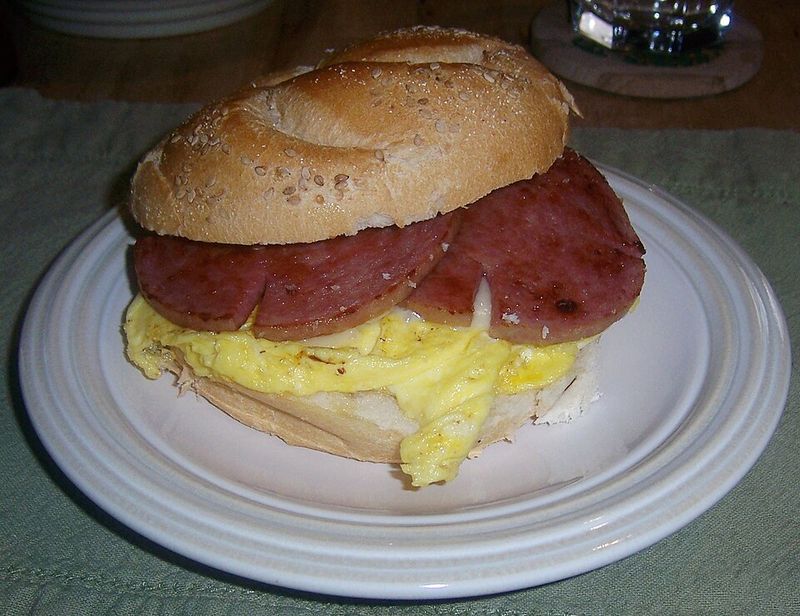
Ask someone from Montclair what they want for breakfast, and they will say Taylor Ham without blinking. Ask someone from Cherry Hill the same question, and they will look at you like you just spoke a foreign language.
This debate goes back to 1856, when John Taylor of Trenton first created this cured, smoked pork product and sold it as Taylor’s Prepared Ham.
The Pure Food and Drug Act of 1906 changed everything. The product did not meet the legal definition of ham, so it was renamed Original Taylor Pork Roll.
Taylor even tried to trademark the term pork roll, but that attempt failed. That opened the door for other brands to make their own versions.
The rule of thumb that many New Jerseyans quietly agree on is this: all Taylor Ham is pork roll, but not all pork roll is Taylor Ham. North Jersey claims the brand name.
South and Central Jersey claim the product category. No matter what you call it, the sandwich itself is legendary.
Fried pork roll, egg, and cheese on a hard roll is a morning ritual that unites the whole state, even if the name never will.
2. Sub vs. Hoagie
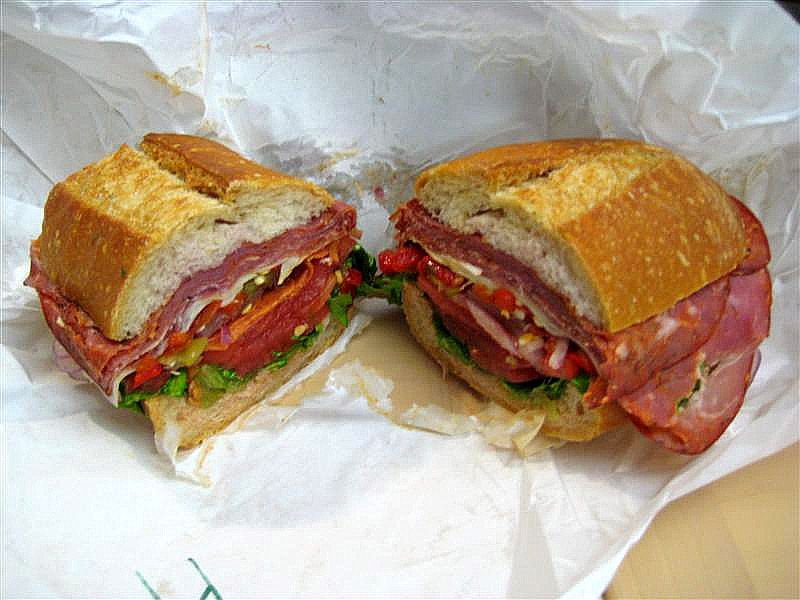
Walk into a deli in Hackensack and ask for a hoagie. You might get a confused look.
Walk into a shop in Haddonfield and ask for a sub, and the person behind the counter might quietly correct you.
The name you use for a long sandwich in New Jersey is basically a geographic GPS signal.
North Jersey leans toward sub, which traces back to the sandwich’s resemblance to a submarine.
The first recorded use of the term submarine sandwich actually appeared in a 1931 New Jersey news report. Some parts of Bergen County even use the word hero, thanks to the strong New York City influence nearby.
South Jersey runs on hoagie, a word rooted in Philadelphia culture. One popular theory links the name to Italian immigrants who worked on Hog Island at the Philadelphia Navy Yard and became known as hoggies.
Another theory credits a deli owner who joked that only a hog could finish such a massive sandwich. Beyond the name, subtle differences exist.
A hoagie traditionally uses a firmer, hinged Italian roll with cold Italian meats. A sub might use a softer roll sliced all the way through.
Both are delicious, but loyalty to one term runs surprisingly deep.
3. Tomato Pie vs. Pizza
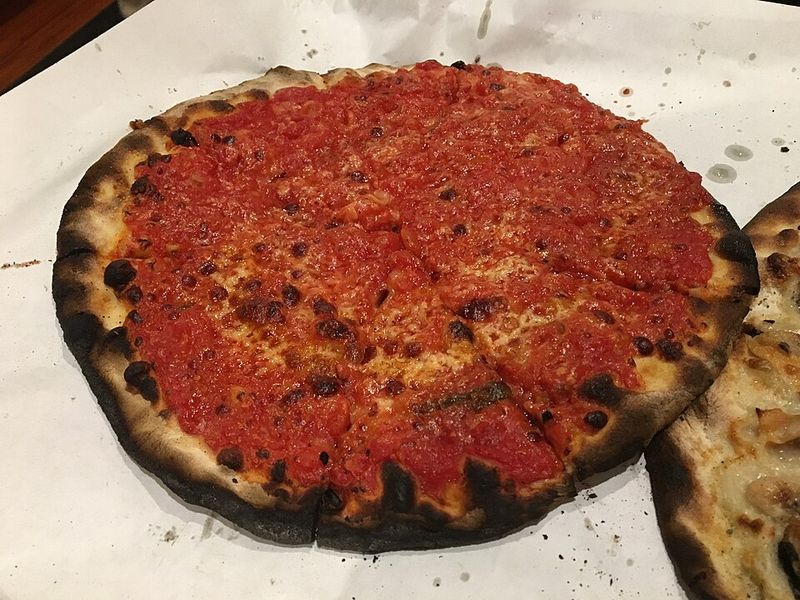
Order a pizza in Trenton and someone might gently remind you that around here, it is called a tomato pie. That is not just a quirky name swap.
It is a completely different construction method, and Trenton takes it very seriously.
The key difference is in the layering. A standard pizza goes sauce first, then cheese.
A Trenton tomato pie flips that entirely. Cheese goes on the crust first, and the crushed tomato sauce goes on top.
That upside-down approach highlights the bright, fresh tomato flavor and keeps the crispy, sometimes lightly charred crust from getting soggy.
This style was born in Trenton’s Italian neighborhood of Chambersburg in the early 1900s. Papa’s Tomato Pies, which opened in 1912, is still operating today and is considered one of the oldest continuously running pizzerias in the entire country.
Ordering a regular pizza in Trenton might quietly mark you as someone who is not from around here. The tomato pie tradition is distinct from Philadelphia’s focaccia-style version, which is thicker and often has little to no cheese.
Trenton’s version is thin, bold, and proudly its own thing. Locals will debate you on this one for hours.
4. Thin Crust vs. Thick Crust
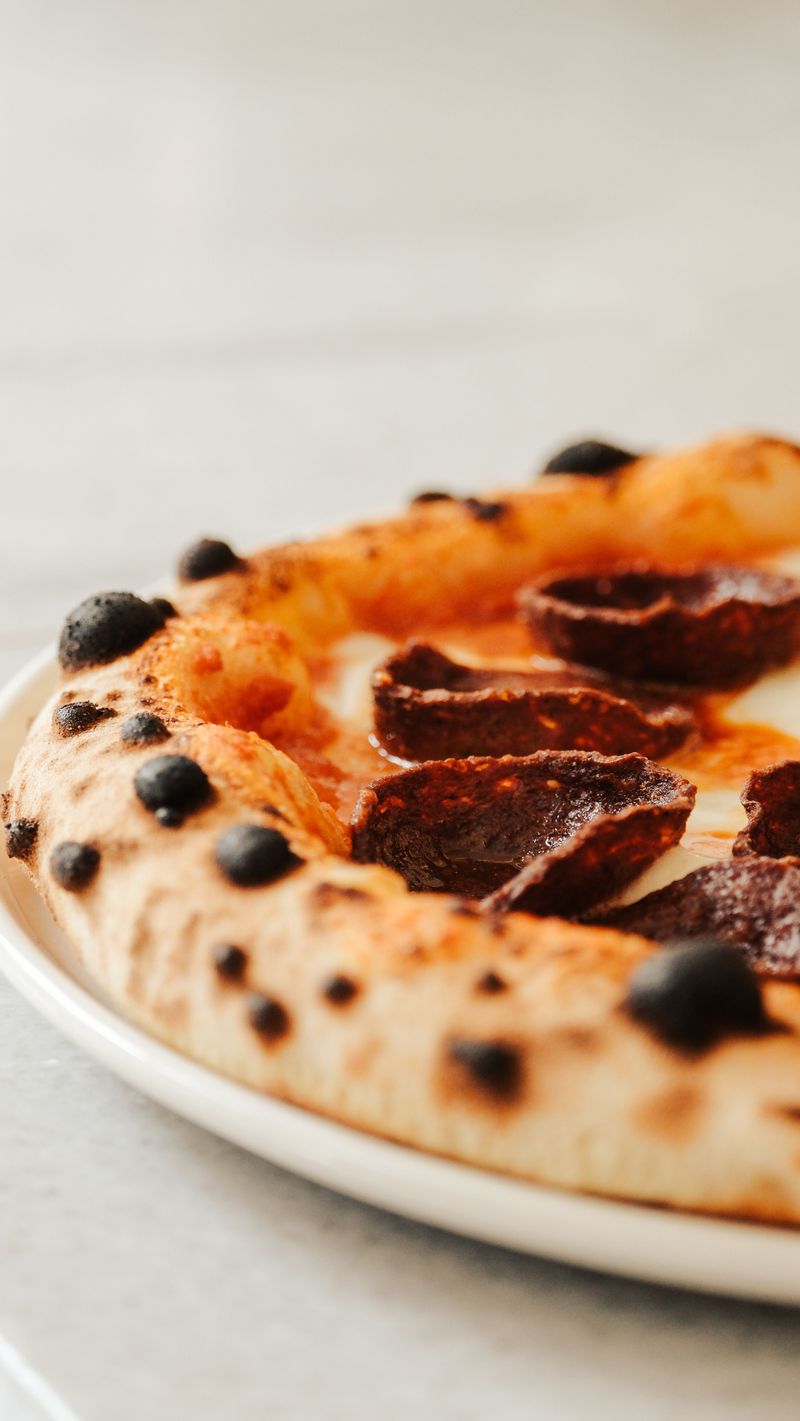
New Jersey has strong opinions about many things, but pizza crust thickness might be the most layered argument of all. Pun fully intended.
The state is home to so many different pizza styles that picking a favorite feels like choosing a favorite child. Everyone has done it, but nobody will fully admit it.
The thin crust crowd loves the Jersey bar pie. Places like Star Tavern, Kinchley’s Tavern, and Pete and Elda’s have built devoted followings around their razor-thin, crispy, edge-to-edge pies.
These small, individually sized pizzas are slightly charred, intensely flavorful, and built for someone who wants the toppings to be the star.
Then there is the thick crust side of the argument. Grandma-style pizza, baked in an oiled pan with a thick, chewy bottom crust that crisps underneath, has deep roots in New Jersey’s Italian-American tradition.
Sicilian-style thick pies also have passionate fans throughout the state.
Thick crust lovers argue that heartier dough holds generous toppings better and delivers a more satisfying bite. The general New Jersey style pizza sits somewhere in the middle, slightly thicker than New York style but still sturdy enough to fold.
Where you land in this debate usually depends on which pizzeria you grew up near.
5. Ketchup vs. No Ketchup
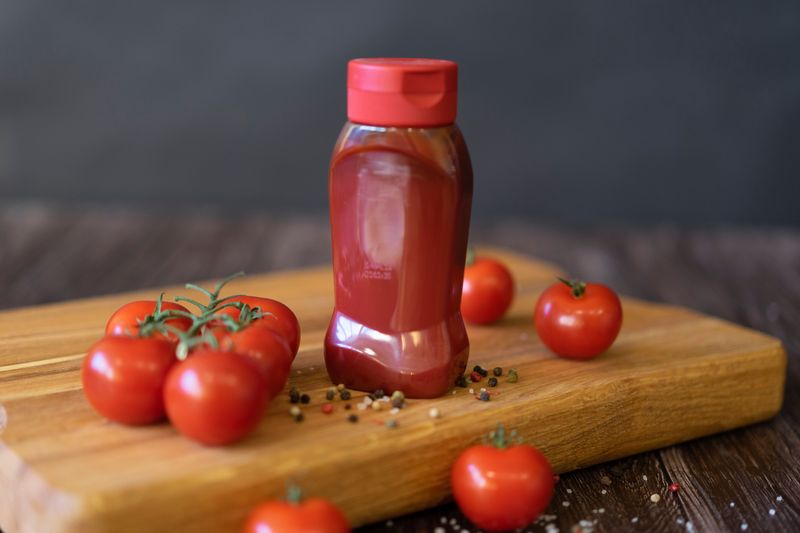
Somewhere in New Jersey right now, someone is putting ketchup on a hot dog and someone else nearby is absolutely horrified.
The ketchup debate in the Garden State is not just about fries. It extends to hot dogs, eggs, and honestly, just about anything on a plate.
For hot dogs specifically, yellow mustard is widely considered the proper choice in New Jersey. Ketchup on a hot dog is often viewed as a preference for younger eaters, not a grown adult move.
However, the Italian Dog, a New Jersey original served in pizza bread with fried potatoes, onions, and peppers, gives ketchup a slightly more accepted role alongside mustard.
South Jersey has a particularly interesting split when it comes to ketchup on scrambled eggs. Opinions there are almost evenly divided, which tells you something about how fiercely individual this state’s food preferences can be.
For fries, ketchup is generally welcomed, though brand loyalty matters enormously. Heinz holds a strong and protective fan base across the state.
Starting in August 2026, a new New Jersey law will require restaurants to stop automatically including ketchup packets with takeout orders unless a customer asks. Even the government is weighing in on the ketchup conversation now.
6. Toasted vs. Untoasted Bagels
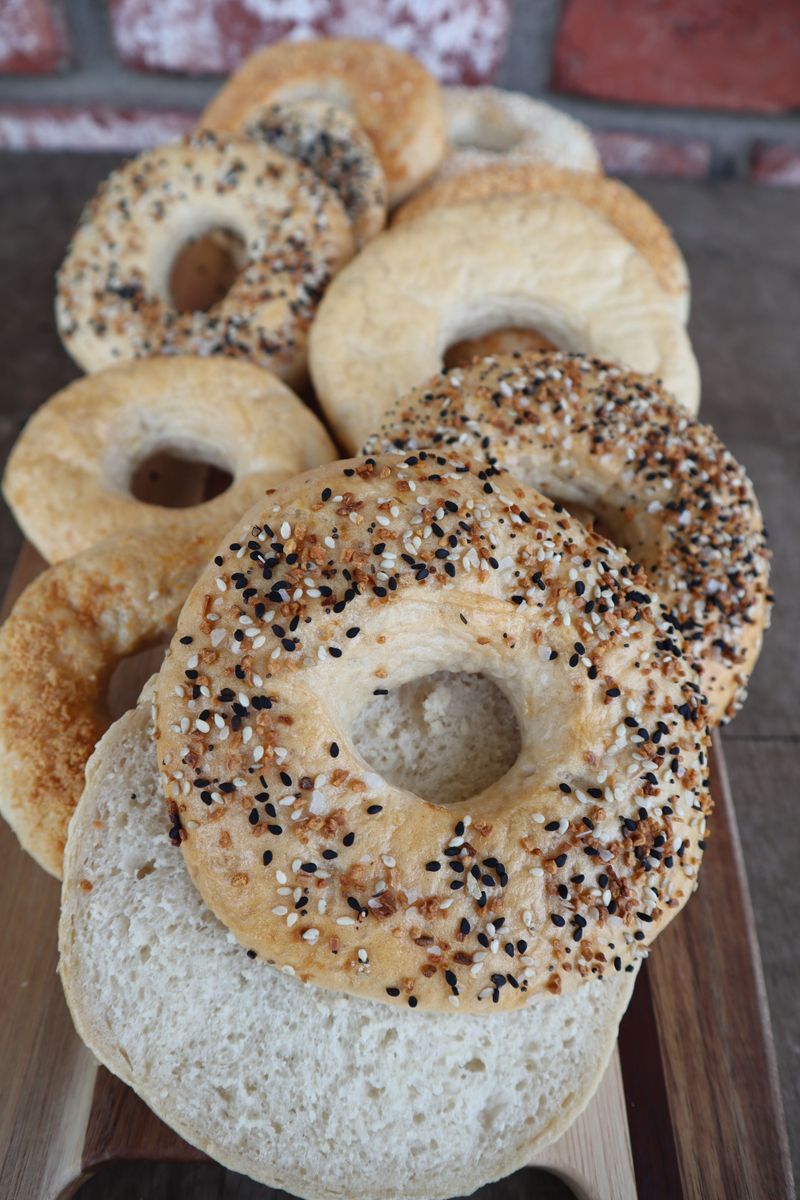
Ask for your bagel toasted at the wrong shop in New Jersey and you might get a very long, very disappointed look from behind the counter. In the Garden State, bagel culture is not casual.
It is practically a civic responsibility.
The anti-toasting camp argues from a place of pure confidence. A truly fresh New Jersey bagel, with its crisp outer shell and dense, pillowy interior, does not need heat.
Toasting, in their view, is what you do to fix a stale bagel. It is a cover-up, not a preference.
Many bagel shops in the state operate on the assumption that if you want it toasted, you will ask. Otherwise, fresh means fresh.
New Jersey’s bagel reputation is tied to specific craft traditions. Local water quality, proper dough proofing, and the traditional method of boiling before baking all contribute to a texture that stands on its own.
Some people do prefer a toasted bagel, especially for butter, and that is a reasonable choice.
But for cream cheese lovers, a hot bagel can cause the spread to melt into a gloopy mess, which is a texture crime in certain circles.
The real takeaway here is that New Jersey bagels are exceptional enough to spark a genuine philosophical debate about temperature.
7. Folded vs. Flat Pizza
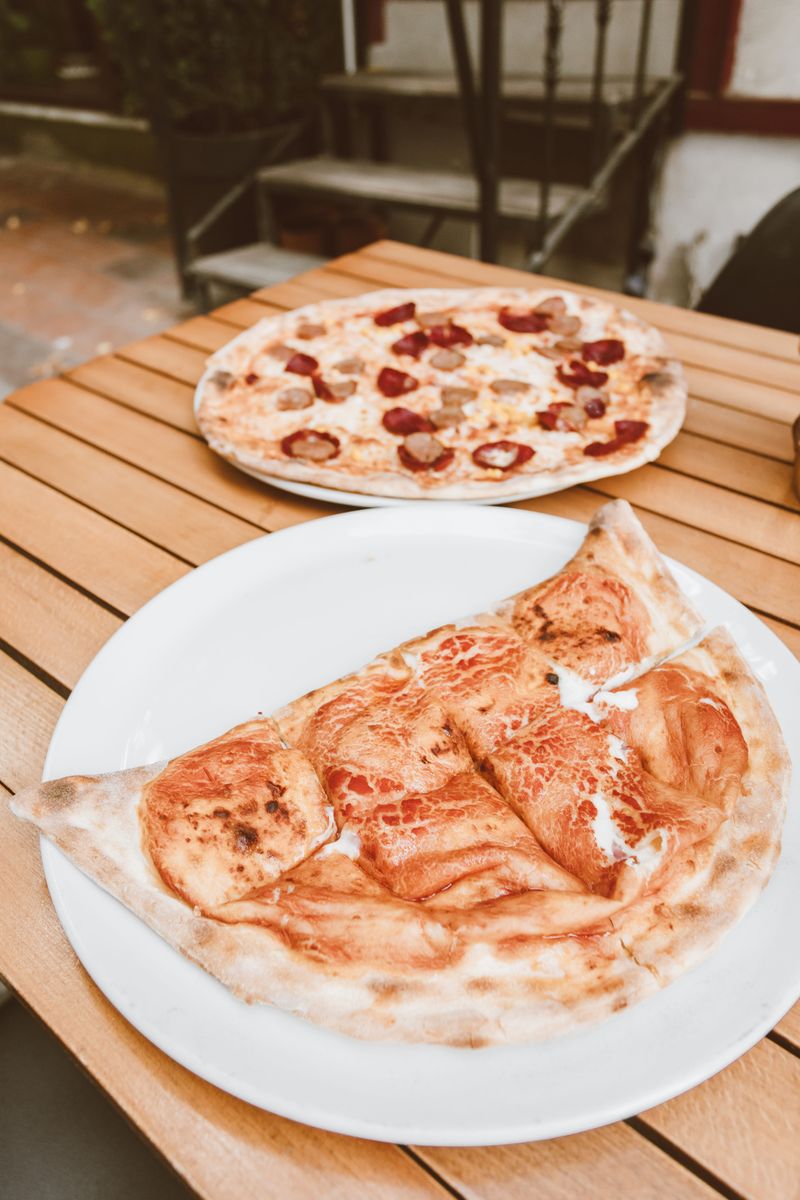
There is a very specific kind of confidence that comes with folding a pizza slice in half and taking a massive bite while walking.
New Jersey and New York have perfected this move. It even has a name: the Jersey fold.
And if you eat your slice flat, some people will quietly judge you.
The practical case for folding is solid. Large, thin slices simply lack the structural strength to hold themselves flat.
The tip droops, toppings slide, and grease drips everywhere. Folding creates a stable, self-contained unit that can be eaten with one hand while doing literally anything else.
For a state full of people always on the move, that matters.
Some fans of folding also argue it creates a better bite. Doubling the layers means more cheese, more sauce, and more satisfaction in every mouthful.
The fold also helps manage excess oil by channeling it toward the crust end. Flat pizza enthusiasts counter that folding compresses the crust and ruins its crispness.
A fair point, but in New Jersey, eating a wide, thin slice completely flat is considered living dangerously.
Using a fork and knife on pizza is a whole separate conversation, one that most New Jerseyans would rather not have at all.
8. Gravy vs. Sauce
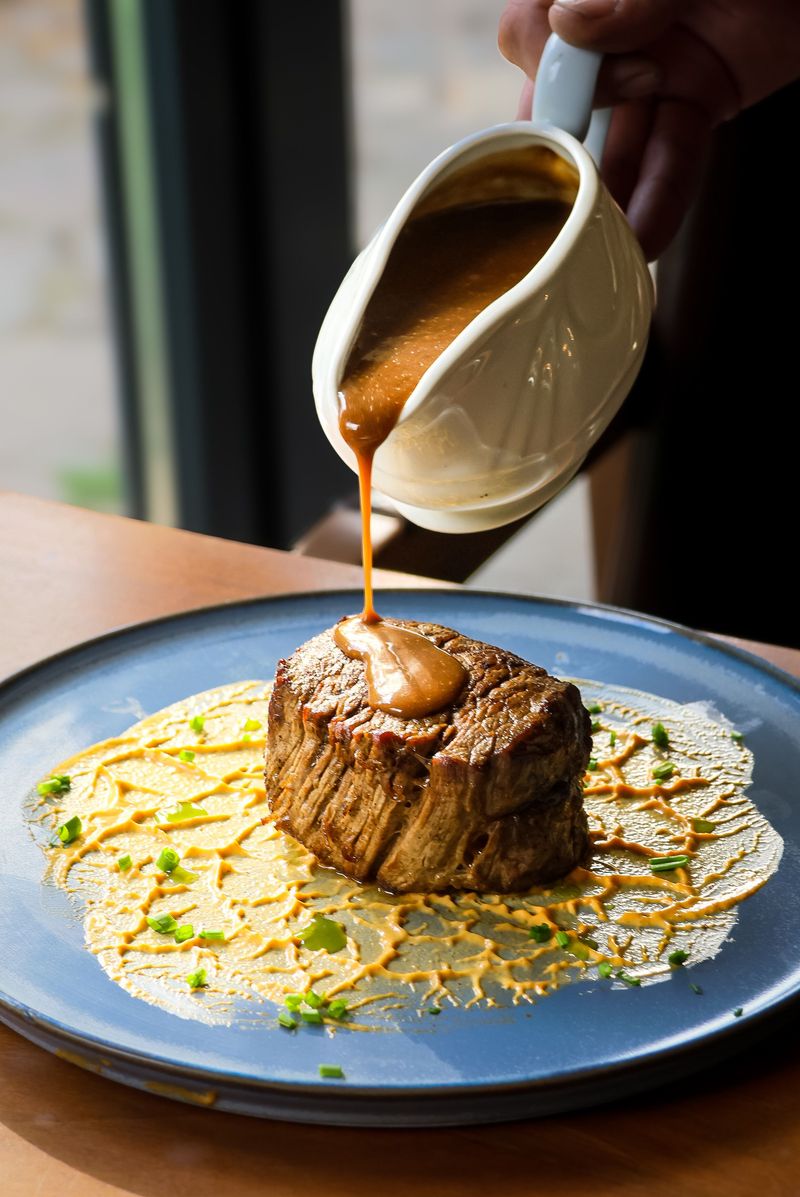
Sunday morning in a New Jersey Italian-American household smells like slow-cooked tomatoes, sausage, and a debate that has been running for decades.
What is that pot of red stuff simmering on the stove? If you say sauce, half the room will agree.
If you say gravy, the other half will feel deeply seen.
In many North Jersey households, particularly in Essex County, gravy means a rich, slow-cooked tomato base with meat simmered inside it for hours. Meatballs, sausage, braciola, pork ribs.
The Sunday gravy ritual is a family event, not just a recipe.
Those who call it gravy trace the term to early Italian immigrants who adopted the English word for meat-cooked-in-liquid sauce as a way to connect with American culture.
The sauce camp draws a clear line. Sauce is the broader category, and gravy is something else entirely.
Marinara is a sauce. A brown dripping from a roast is a gravy.
Mixing those definitions, in their view, creates confusion.
Both sides acknowledge that the word choice is almost always tied to family tradition rather than culinary accuracy. Whatever your grandmother called it is probably what you call it today.
And honestly, as long as it is poured generously over pasta, the name matters a lot less than the flavor.
9. Vinegar vs. Ketchup Fries
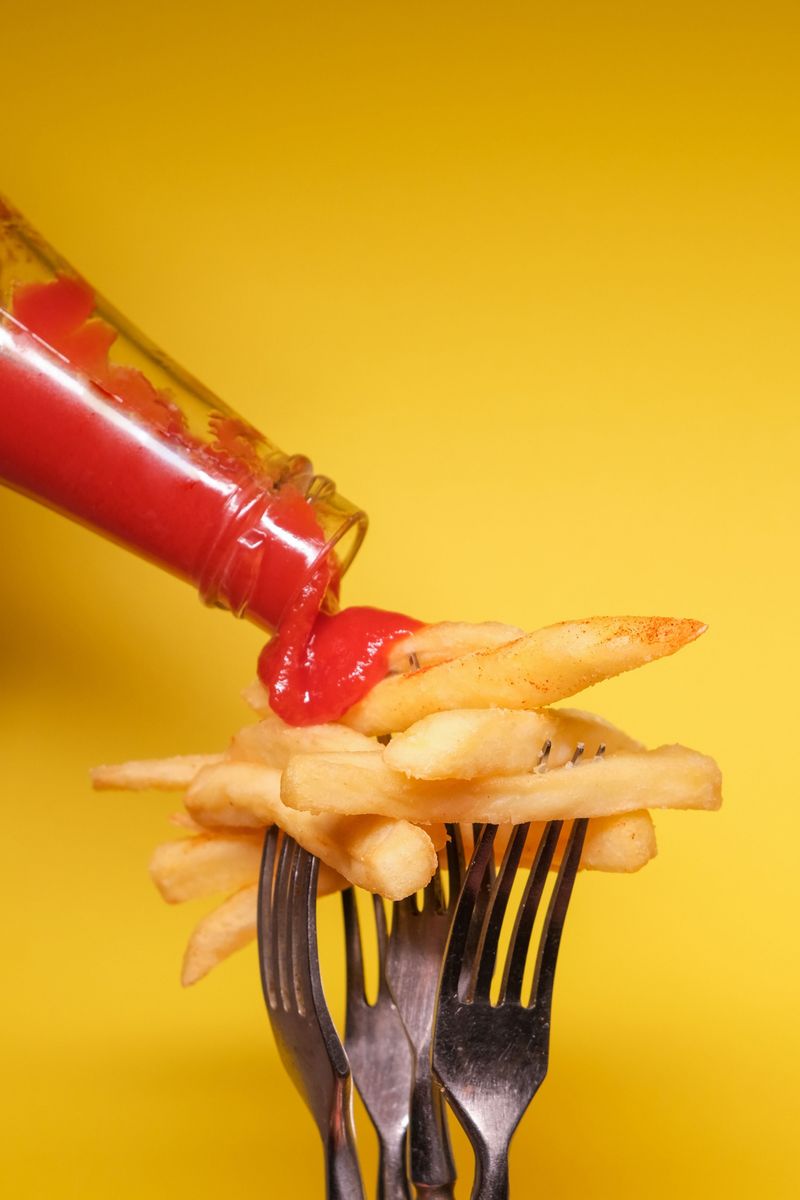
Nothing captures the Jersey Shore experience quite like a paper tray of fresh, hand-cut fries eaten while squinting into the sun. But the real question hits before the first bite: vinegar or ketchup?
This is not a small decision. This is a character-defining moment.
Malt vinegar has a deeply loyal following at the Shore. Boardwalk fries, typically thick, skin-on, crinkle-cut potatoes double-fried in peanut oil and hit with generous salt, are considered by many to reach their highest form when doused in vinegar.
The sharp, tangy contrast against the salty, crispy potato is a nostalgic summer ritual for generations of New Jerseyans. Some Shore regulars cannot imagine eating boardwalk fries any other way.
Ketchup fans are equally passionate. The classic combination of fries and ketchup is a comfort food pairing that needs no defense.
At most boardwalk stands, both condiments sit side by side without judgment. Brand loyalty also enters the picture here, with Heinz commanding a fiercely protective fan base.
Beyond the vinegar and ketchup debate, cheese sauce, hot sauce, and specialty mayo options have entered the fry topping conversation in recent years.
But the original argument between vinegar and ketchup remains the most heated one you will find on the boardwalk.
10. Hard Roll vs. Bagel
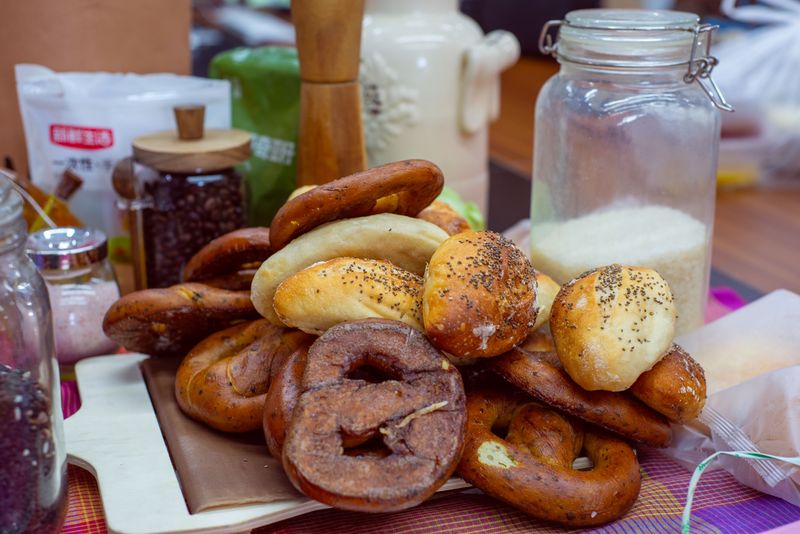
The breakfast sandwich debate in New Jersey is not about the filling. Everyone agrees on pork roll, egg, and cheese.
The real tension lives underneath all of that. Specifically, what the whole glorious thing is sitting on.
Hard roll or bagel? Choose wisely.
The hard roll, which in New Jersey means a Kaiser roll, is considered the traditional and correct vessel by a passionate group of loyalists. Its crusty exterior and soft, chewy interior cradle the greasy, savory filling without collapsing.
The roll provides a satisfying crunch on the outside and gives way just enough on the inside. Some old-school fans lament that modern hard rolls have gotten softer over time and do not always deliver that truly crispy shell of the past.
The bagel contingent is equally confident. New Jersey has an exceptional bagel culture, and a fresh everything bagel or egg bagel loaded with pork roll, egg, and cheese is a genuinely great breakfast.
The chewy density of a bagel holds up well under the weight of the fillings.
Critics of the bagel option argue it is too thick, too heavy, or causes fillings to slide out more easily than a hard roll would. Both options are deeply embedded in the state’s breakfast identity.
Which one do you reach for first thing in the morning?