
13 Fascinating State Parks In Florida That Most People Have No Idea Exist
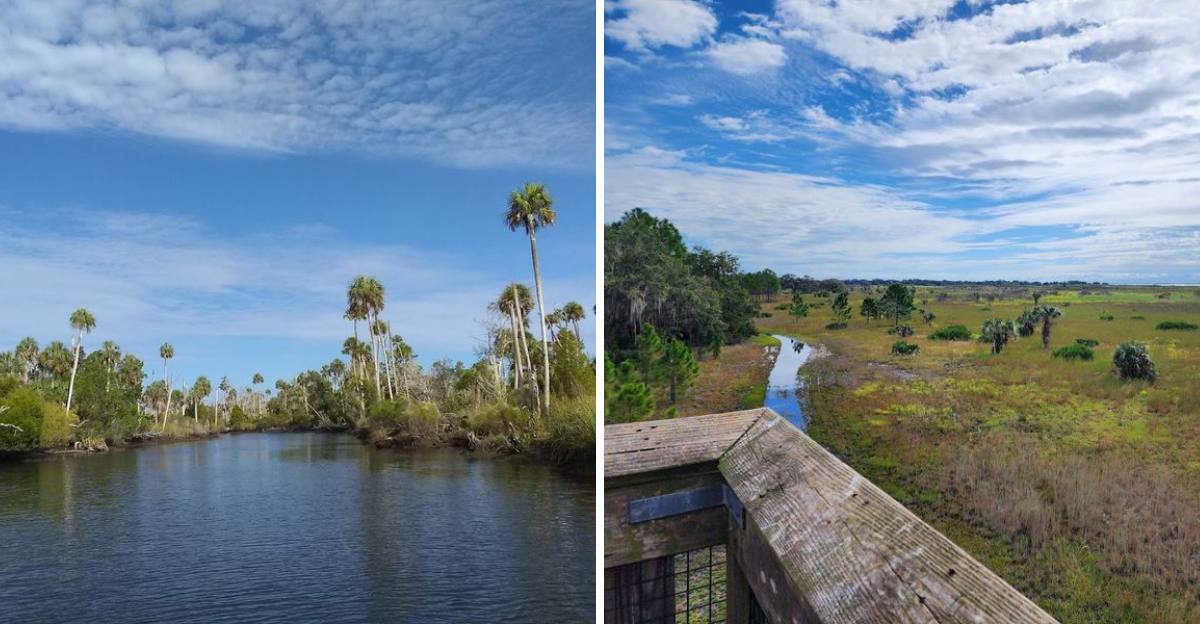
I used to think I had Florida figured out until I started taking a different turn, one that led away from the theme parks and crowded beach resorts.
The more I explored, the more I realized how much the state hides in plain sight. I found myself wandering into state parks that felt nothing like the Florida most people imagine, quieter, wilder, and far more surprising than expected.
Some days took me through jungle-like swamp forests where the air felt thick and alive. Other times, I ended up on barrier islands you can only reach by boat, or standing near ancient Native American mounds that most visitors never even hear about.
The longer I spent exploring these places, the clearer it became that this is where Florida really starts to feel different.
These 13 state parks completely changed the way I see the Sunshine State, and once you experience them, it is hard to go back to doing Florida the usual way.
1. Fakahatchee Strand Preserve State Park, Copeland
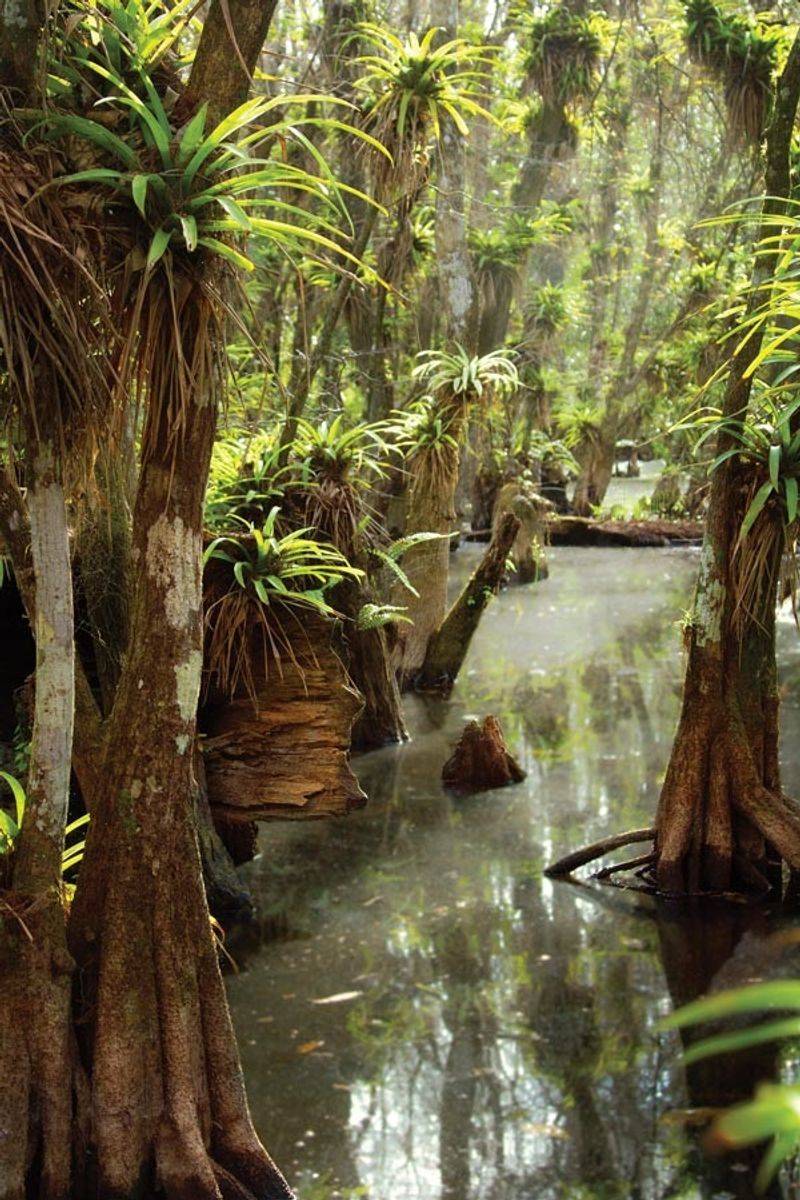
People call Fakahatchee Strand Preserve State Park the “Amazon of North America,” and after one visit, I completely understand why.
Located at 137 Coast Line Dr, Copeland, FL 34137, this park protects the largest strand swamp in the world and is home to the largest concentration of native orchids in North America.
Walking the boardwalk here feels like stepping into a living greenhouse, with massive bald cypress trees overhead and ghost orchids clinging to bark in the shadows.
The park is also one of the last places on earth where you can spot a Florida panther in the wild, though you will need patience and a little luck for that.
Rangers offer guided swamp walks where you literally wade through knee-deep water, which sounds alarming but is genuinely one of the most thrilling outdoor experiences I have ever had in Florida.
If you visit between January and April, the orchid blooms are at their peak and the swamp truly earns every ounce of its legendary reputation.
2. Madira Bickel Mound State Archaeological Site, Terra Ceia
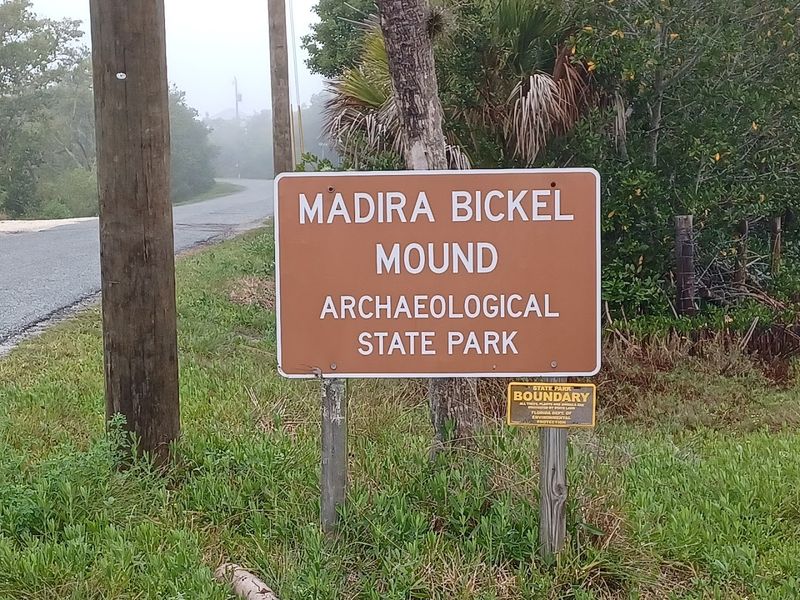
Standing at the top of a 20-foot mound built entirely by hand over 1,000 years ago, I realized that most people driving through Terra Ceia have absolutely no idea what is sitting just off the road.
Madira Bickel Mound State Archaeological Site, located at 988 Terra Ceia Rd, Terra Ceia, FL 34250, preserves one of the most significant pre-Columbian Native American shell mounds on Florida’s Gulf Coast.
The Safety Harbor people built this ceremonial mound using shells, soil, and artifacts over many generations, and it served as both a religious and political center for the community.
The site is small and quiet, which honestly makes it feel even more powerful.
A short trail winds through shady oak hammock before bringing you face to face with the mound itself, and the views of Tampa Bay from the top are surprisingly beautiful.
Admission is free, parking is easy, and the entire visit takes about an hour, making it one of the most rewarding low-effort stops in all of west-central Florida.
3. Lake Kissimmee State Park, Lake Wales
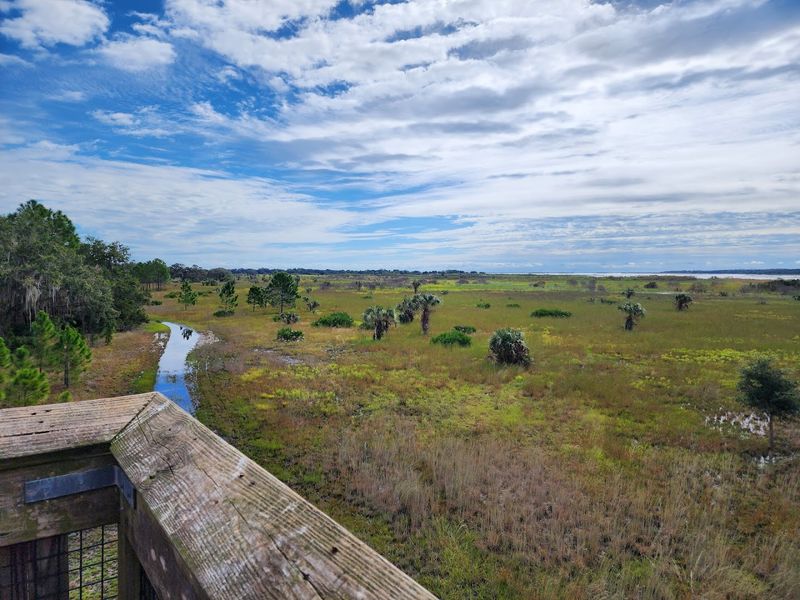
Cattle country and Florida do not always come up in the same sentence, but Lake Kissimmee State Park near Lake Wales will quickly fix that.
Sitting at 14248 Camp Mack Rd, Lake Wales, FL 33898, this park stretches across more than 5,000 acres of pine flatwoods, marsh, and open prairie along the shores of Lakes Kissimmee, Tiger, and Rosalie.
The real showstopper here is the living history cow camp, where on weekends, rangers dress as 1876 Florida cow hunters and demonstrate the cattle-driving techniques that shaped the state’s economy long before tourism took over.
Bald eagles are almost embarrassingly common here, often spotted circling above the lake or perched in the tall pines right along the main trail.
Fishing, camping, and boat ramp access make this a full weekend destination rather than a quick stop.
I hiked the 13-mile loop trail on a cool January morning and spotted a Florida sandhill crane family so close I could have counted their feathers.
4. Gasparilla Island State Park, Boca Grande
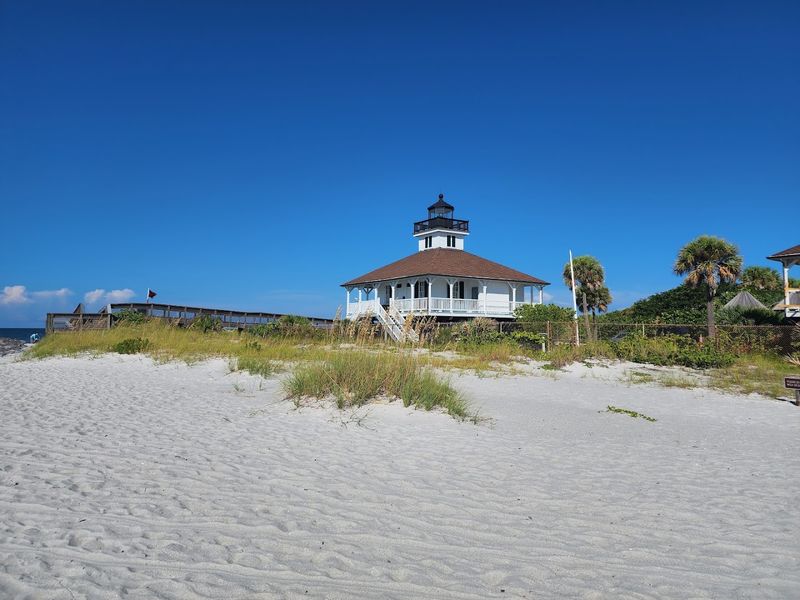
Boca Grande has a quiet, old-money charm that feels nothing like the rest of Florida’s Gulf Coast, and Gasparilla Island State Park at its southern tip is the crown jewel of the whole experience.
The park sits at 880 Belcher Rd, Boca Grande, FL 33921, and protects the historic Port Boca Grande Lighthouse, which was built in 1890 and still stands in beautiful condition overlooking Charlotte Harbor.
Tarpon fishing here is world-class, and every spring the waters around the island fill with anglers chasing what locals call the Silver King.
The beach at the park’s southern end is one of the cleanest and least crowded stretches of Gulf sand I have ever walked, with shells scattered everywhere and almost no development in sight.
The lighthouse museum inside is small but genuinely interesting, with exhibits covering the island’s history as a phosphate shipping hub in the late 1800s.
Getting here requires a drive over a toll bridge to the island, but every cent of that toll feels worth it the moment you see the water.
5. Waccasassa Bay Preserve State Park, Cedar Key
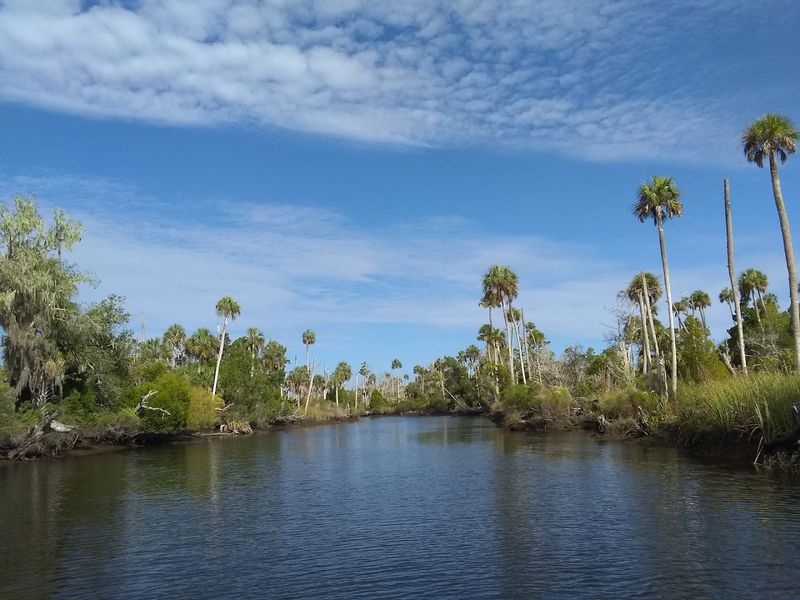
Cedar Key already has a reputation as one of Florida’s most charming small towns, but the wild coastal preserve just outside it barely gets a mention in most travel guides.
Waccasassa Bay Preserve State Park, reached via 12189 SW County Rd 347, Cedar Key, FL 32625, protects more than 30,000 acres of salt marsh, tidal creeks, and open bay along Florida’s Nature Coast.
There are no paved trails, no visitor center, and no crowds, which is exactly the point.
Paddling into the preserve by kayak or canoe is the primary way to explore it, and the network of tidal channels winds through some of the most untouched coastal scenery in the entire state.
Manatees are frequently spotted here in warmer months, drifting through the shallow grass flats with their characteristic unhurried pace.
Birding is exceptional at dawn, when herons, roseate spoonbills, and ospreys work the shoreline in a quiet kind of organized chaos that makes you feel like you have stumbled onto a nature documentary set.
6. Big Shoals State Park, Live Oak
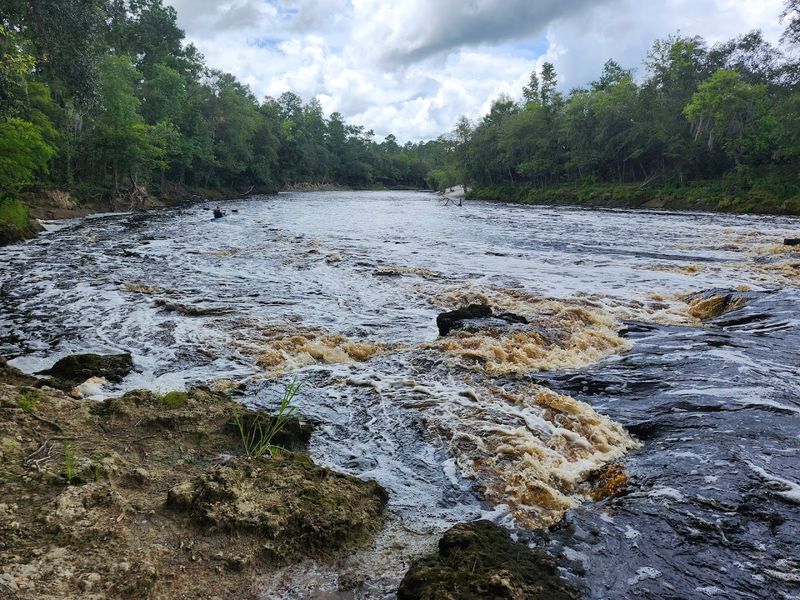
Florida is not exactly famous for white water rapids, which is what makes Big Shoals State Park such a genuinely surprising find.
Located at 11330 235th Rd, Live Oak, FL 32060, this park sits along the Suwannee River and protects the largest white water rapids in Florida, a Class III set of shoals that form when the river drops over a series of limestone ledges.
Kayakers and canoeists come from across the Southeast to run these rapids, and watching them navigate the churning water from the overlook trail is thrilling even if you stay completely dry.
The hiking trails through the surrounding hardwood forest are among the most scenic in North Florida, with towering oaks and hickories creating a cathedral-like canopy overhead.
Wildlife sightings along the river corridor are excellent, with river otters, wood ducks, and the occasional black bear making appearances for patient visitors.
Spring and fall are ideal for visiting, when the river is running well and the forest puts on a color show that most people do not expect to see this far south.
7. Cayo Costa State Park, Captiva
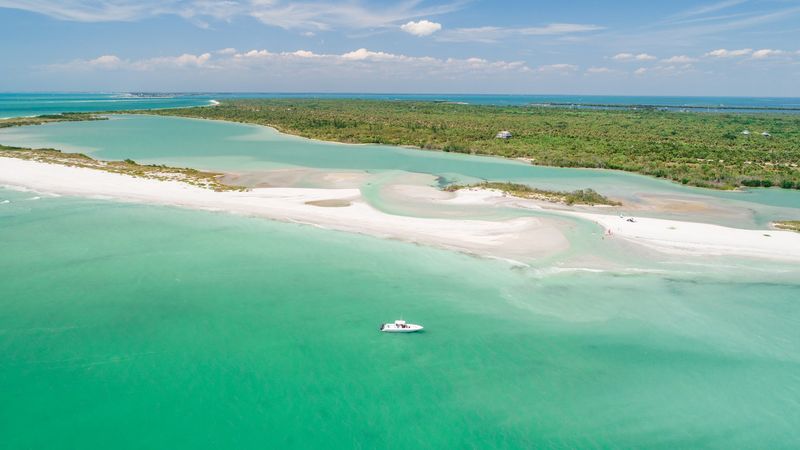
There is something almost unreal about stepping off a boat onto a nine-mile barrier island with no roads, no shops, and no development, just pure Florida coastline the way it looked centuries ago.
Cayo Costa State Park, accessible by ferry or private boat from Captiva, FL 33924, is one of the most beautifully preserved barrier islands on Florida’s Gulf Coast, and the fact that you need a boat to get there keeps the crowds away almost entirely.
The shelling here is legendary, with lightning whelks, alphabet cones, and junonia shells washing up on the beach in quantities that make you feel like you are cheating somehow.
The park has primitive cabins and tent camping available, and spending a night here under an ink-dark sky full of stars is the kind of experience that ruins ordinary vacations forever.
Dolphins regularly escort the ferry on the crossing, which sets the tone perfectly for everything that follows.
Rangers recommend visiting between November and April to avoid summer heat and to catch the peak shelling season along the Gulf-facing beach.
8. Hillsborough River State Park, Thonotosassa
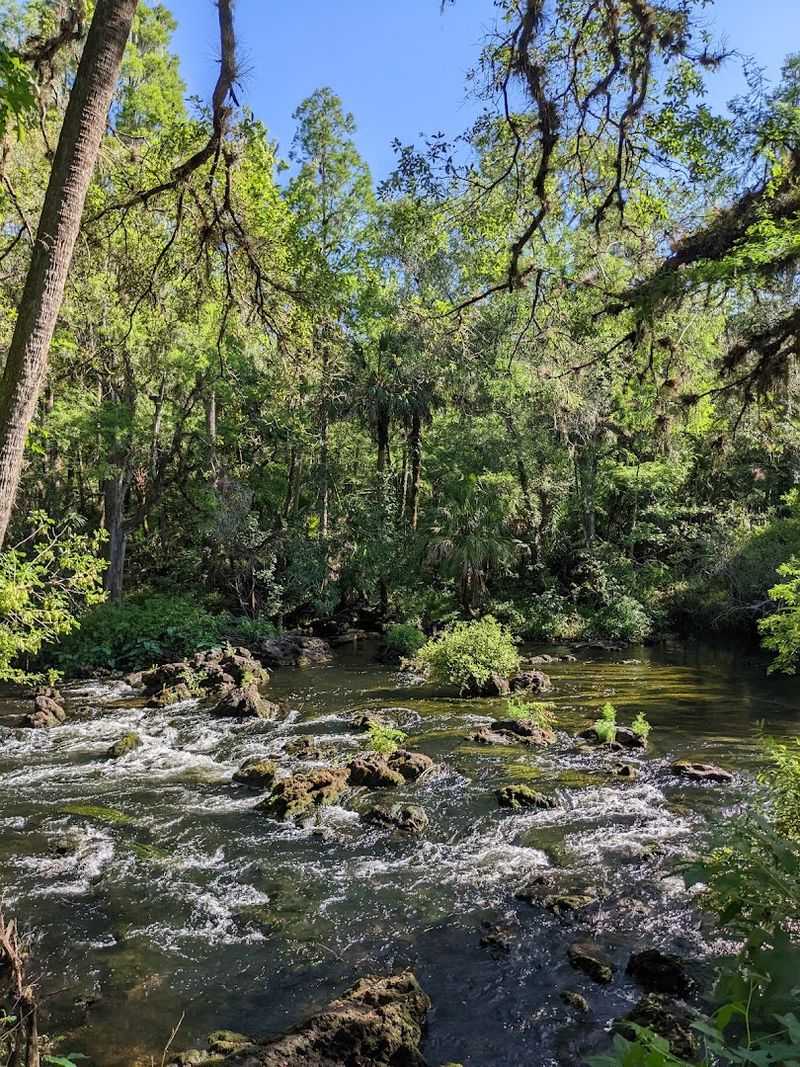
Just 12 miles northeast of downtown Tampa, there is a state park with actual river rapids, a 1930s swimming pool, and a reconstructed Civil War fort that almost nobody in the city seems to know about.
Hillsborough River State Park at 15402 US-301, Thonotosassa, FL 33592, is one of Florida’s original state parks, established in 1938, and it still carries that golden-era charm in everything from its stone pavilions to its massive campground.
The Hillsborough River runs through the park over a series of class I and II rapids created by ancient limestone formations, making it one of the few places in peninsular Florida where you can hear the sound of rushing water.
The reconstructed Fort Foster on the property brings the Second Seminole War to life, and ranger-led tours of the fort on weekends are surprisingly engaging even for visitors who did not come for history.
Canoe and kayak rentals are available on-site, and paddling the river at dusk, when the herons settle in and the light turns golden, is the kind of moment that stays with you long after you drive back to the city.
9. Fort Mose Historic State Park, St. Augustine
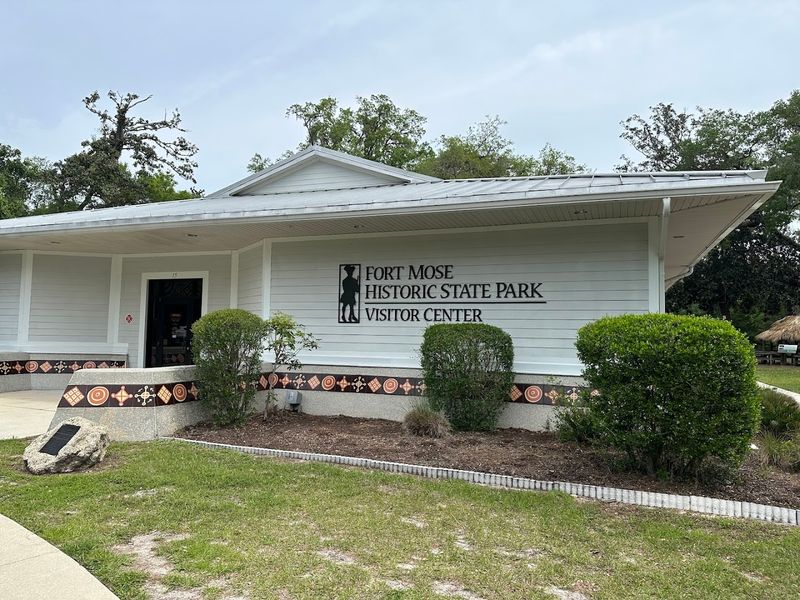
Fort Mose holds a place in American history that should be far more widely known, and visiting the site in person makes that feeling even stronger.
Located at 15 Fort Mose Trail, St. Augustine, FL 32084, this park marks the location of Gracia Real de Santa Teresa de Mose, established in 1738 as the first legally sanctioned free Black settlement in what is now the United States.
Enslaved people who escaped from British colonies to the south were granted freedom here by the Spanish colonial government, and the community they built became a symbol of resistance and resilience that shaped early American history.
The visitor center has excellent exhibits that lay out the full story with clarity and respect, and the short boardwalk trail out over the marsh gives you a quiet moment to absorb what happened on this ground.
St. Augustine is already packed with history, but most visitors stick to the old city center and completely miss this site just a few miles north.
Pairing Fort Mose with a visit to the Castillo de San Marcos nearby gives you one of the richest single-day history experiences in the entire Southeast.
10. Ochlockonee River State Park, Sopchoppy,
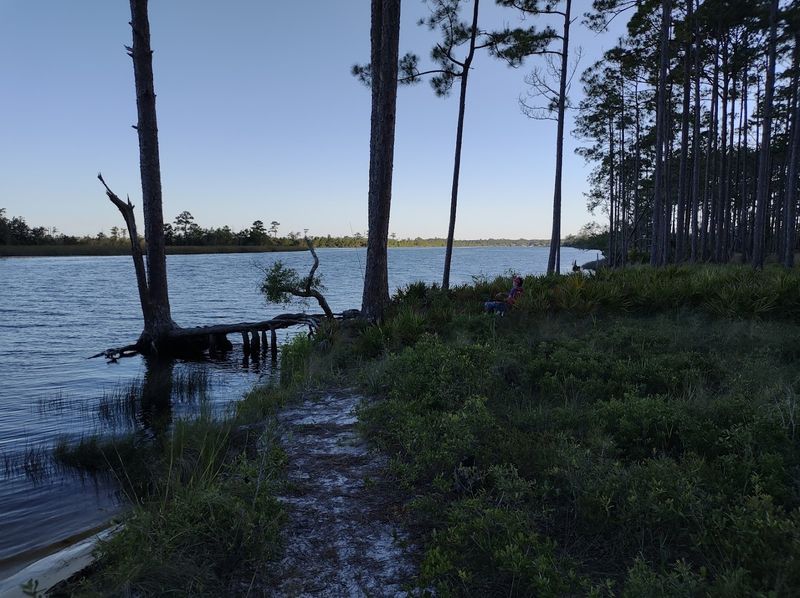
The name Sopchoppy alone should be enough to make you curious, and the state park just outside this tiny Panhandle town absolutely delivers on the quirky promise of its address.
Ochlockonee River State Park at 429 State Park Rd, Sopchoppy, FL 32358, sits where the Ochlockonee and Dead rivers meet before emptying into Ochlockonee Bay, creating a complex web of waterways that is ideal for paddling and fishing.
The longleaf pine forest surrounding the campground is one of the most restored examples of this once-dominant ecosystem in the Florida Panhandle, and walking through it feels genuinely different from any other Florida park.
Red-cockaded woodpeckers, a federally protected species, nest in the old-growth pines here, and the park is one of the more reliable spots in the state to spot them.
Camping here is peaceful in a way that feels almost old-fashioned, with sites spread under tall pines and a campfire circle that invites the kind of slow evening you forgot was possible.
The nearby town of Sopchoppy hosts its famous Worm Gruntin’ Festival each April, which pairs perfectly with a park visit for a weekend that is equal parts nature and local character.
11. Sebastian Inlet State Park, Melbourne Beach
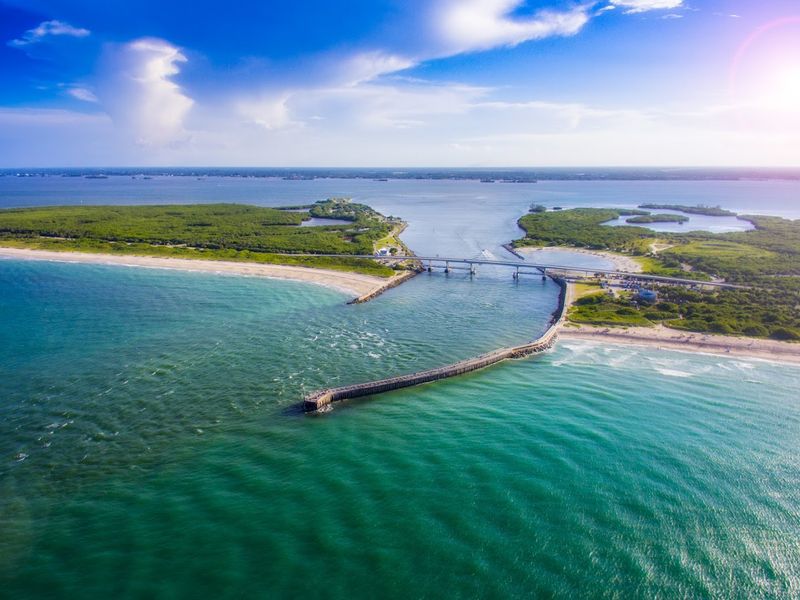
Sebastian Inlet has a reputation among Florida surfers that borders on mythological, and arriving at the park for the first time makes it easy to see why.
Sebastian Inlet State Park at 9700 S Hwy A1A, Melbourne Beach, FL 32951, straddles the inlet where the Indian River Lagoon meets the Atlantic Ocean, creating conditions for some of the most consistent waves on Florida’s east coast.
Even if surfing is not your thing, the fishing from the jetties here is world-class, with snook, redfish, and flounder all running through the inlet on tidal movements that experienced anglers track with near-religious dedication.
The McLarty Treasure Museum inside the park tells the story of the 1715 Spanish treasure fleet that wrecked along this stretch of coast, and the exhibits are genuinely gripping.
Snorkeling near the inlet jetty reveals a surprisingly rich underwater world, with tropical fish sheltering in the rock crevices just below the surface.
Watching the pelicans and dolphins work the inlet current together while the surfers paddle out is one of those only-in-Florida scenes that never gets old no matter how many times you see it.
12. Paynes Creek Historic State Park, Bowling Green
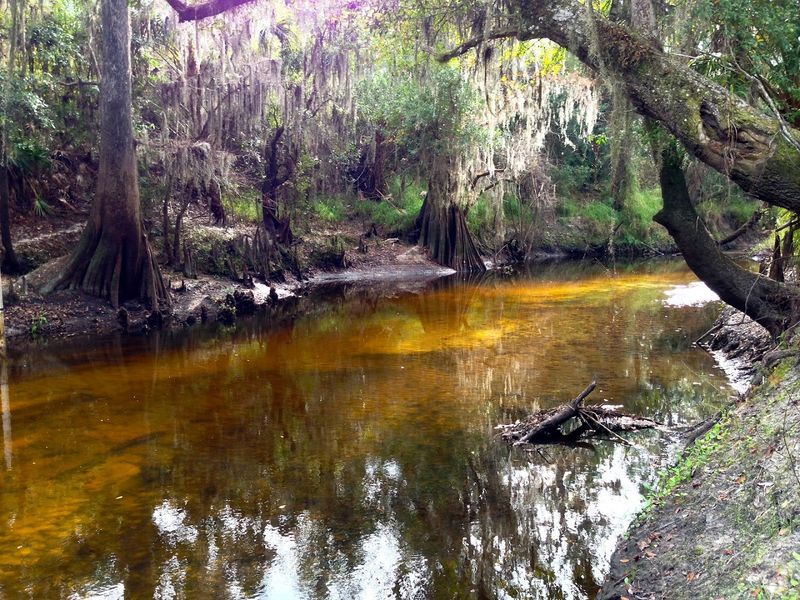
Tucked into the quiet farming country of Hardee County, Paynes Creek Historic State Park is the kind of place that rewards people who are willing to go slightly off the map.
The park at 888 Lake Branch Rd, Bowling Green, FL 33834, preserves the site of a mid-1800s trading post and the location of one of the last conflicts of the Third Seminole War, a chapter of Florida history that rarely gets the attention it deserves.
A small but well-done museum on site tells the story of Captain George Payne and Dempsey Whiddon, two men who lost their lives here in 1849 during an ambush that helped trigger the final Seminole conflict.
The trail system winds along the creek through some of the most peaceful hardwood forest in central Florida, with ancient oaks and resurrection ferns creating a green, layered canopy that feels genuinely lush.
Fishing in Paynes Creek and the adjacent Charlie Bowlegs Creek is popular with locals who have been keeping this spot a secret for years.
The park is small enough to explore fully in a morning, making it an ideal addition to a road trip through the agricultural heart of the state.
13. St. Marks River Preserve State Park, Tallahassee
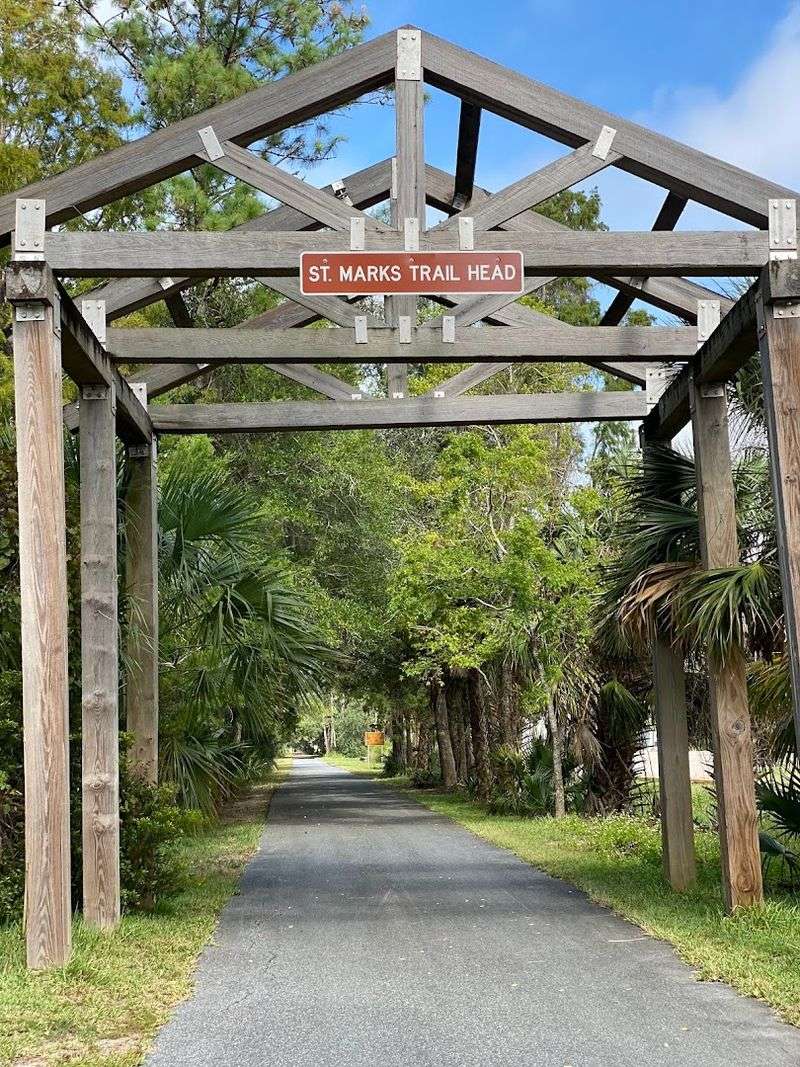
Most people in Tallahassee head to the St. Marks National Wildlife Refuge when they want a nature fix, but the state park along the same river offers a quieter and in some ways more intimate experience.
St. Marks River Preserve State Park at 12907 Tram Rd, Tallahassee, FL 32311, protects a stretch of the St. Marks River corridor just south of the capital, with trails that follow the crystal-clear, spring-fed river through dense floodplain forest.
The water here is so clear and cold that it almost looks artificially blue-green, especially on sunny mornings when the light filters through the canopy and hits the surface at just the right angle.
Paddling the river is the best way to experience the preserve, and the put-in near the park entrance makes it easy to launch a kayak and spend a few hours drifting downstream.
Otters, turtles, and an impressive variety of wading birds are regular companions on the water, and the forest along the banks holds one of the most diverse tree communities in the Florida Panhandle.
For a park this close to a state capital, the level of solitude here is remarkable and frankly a little hard to believe until you experience it yourself.