
Few Arizona Families Realize This State Park Hides Centuries-Old Ruins Just Off The Trail
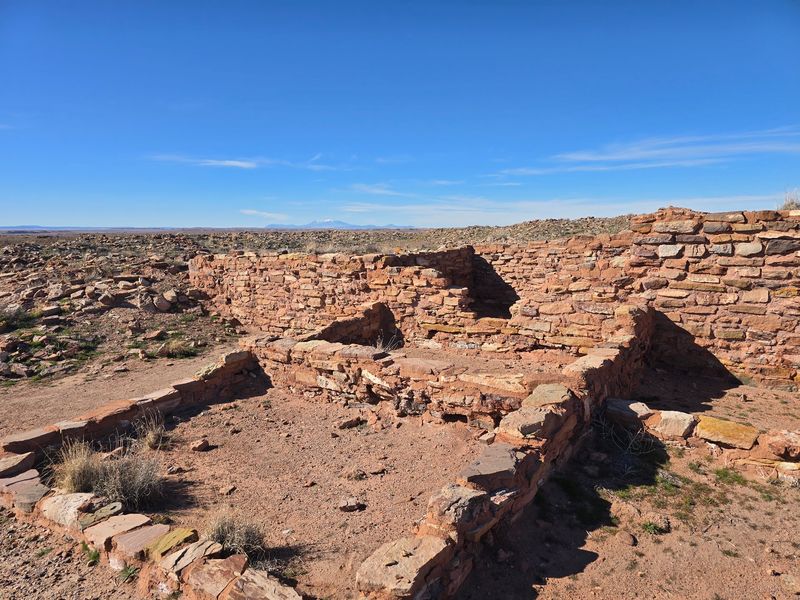
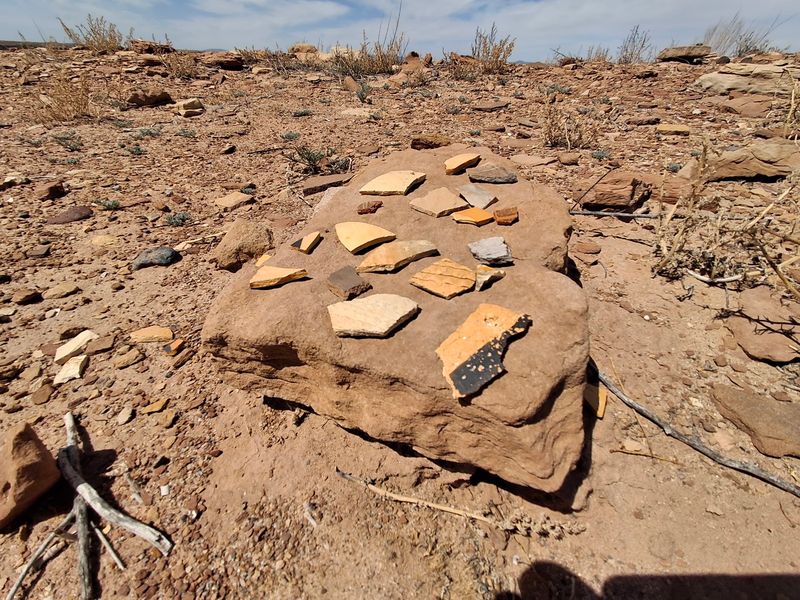
More than 300 archaeological sites sit inside one Arizona state park, and some are a short stroll from your car. Broken pottery still lies scattered across the ground where families once lived.
One pueblo here has about 1,200 rooms, with estimates of up to 2,000 at its peak. A paved, wheelchair-friendly path leads right to it, signs and all.
I like how this place asks so little of you and still gives back so much. A half-mile stroll, a full water bottle, and a curious kid or two are really all you need.
The Hopi people still honor these grounds as sacred ancestral land, and the stories here reach back well over a thousand years. So how have so many Arizona families driven right past it on the interstate?
A Park Named For The Little Hills Outside Winslow
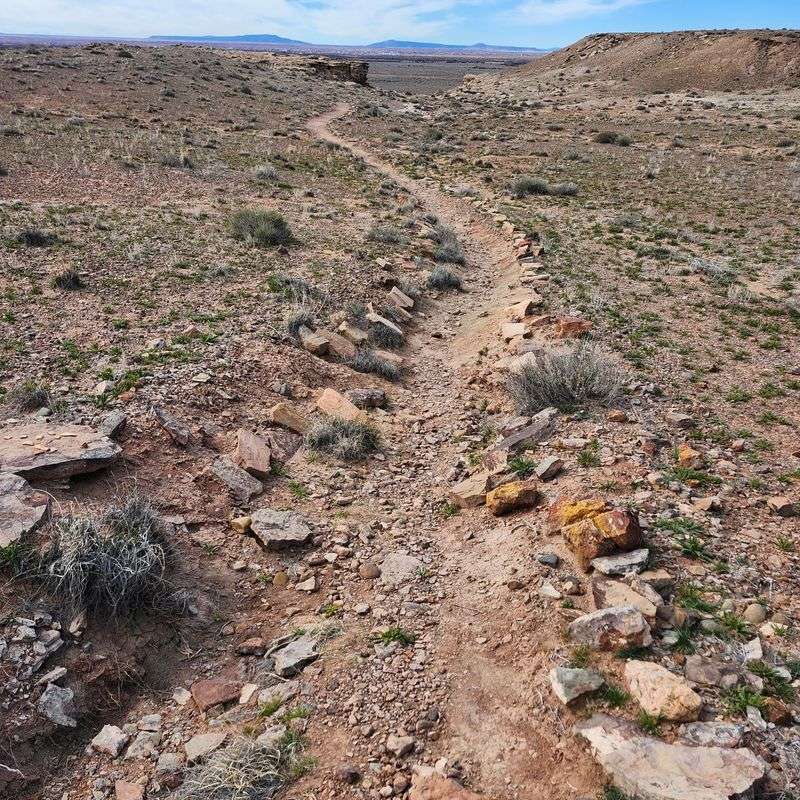
Right off Interstate 40 in northeastern Arizona, Homolovi State Park spreads across high desert grassland near the town of Winslow. Most drivers zoom past without realizing what waits a few miles north of the exit.
The name comes from a Hopi word meaning “place of the little hills.” Fun bonus: it’s also the traditional Hopi name for Winslow itself.
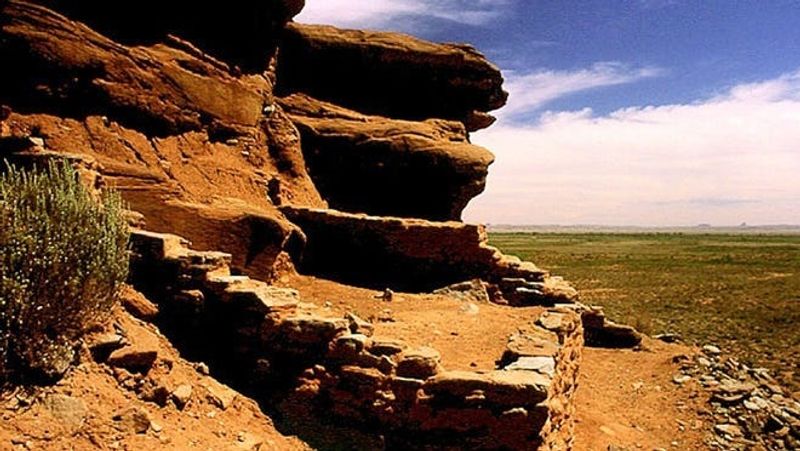
So what exactly is out there? The park protects more than 300 Ancestral Puebloan archaeological sites, including four major pueblos.
Two of those pueblos welcome visitors on easy walks. The rest stay quiet and protected, which keeps the landscape feeling respectful instead of roped off like a theme park.
All of it ties to the ancestors of today’s Hopi people. The Hopi still consider Homolovi a sacred ancestral place, and that bond shapes how the park shares its story.
Beyond the ruins, you’ll find trails, a museum, a campground, and even an observatory. That’s a lot packed into one stop on a road trip many families already make.
Call it a history lesson that happens outdoors, with huge skies overhead. No lecture hall required, and nobody has to sit still for long.
The Long-Ago People Behind Every Stone
Hisat’sinom is the Hopi word for the people who once lived here. It translates to “long-ago people,” which feels like the perfect name for neighbors from centuries back.
Evidence at the park points to three separate periods of occupation. Archaeologists place them at roughly AD 620 to 850, AD 1050 to 1225, and AD 1260 to 1400.
Each of those eras shows people gathering near the Little Colorado River. Water, as any Arizona gardener knows, decides almost everything out here.
The later chapter matters a great deal to researchers. Homolovi State Park serves as a key hub for understanding Hopi migration between the 1200s and late 1300s.
During that window, ancestral Hopi groups were on the move across the region. The pueblos here capture part of that long journey in stone and clay.
I can’t imagine a better way to make history click for a kid. Instead of dates in a textbook, they get real walls, real shards, and a river valley they can actually see.
The timeline stretches back well over a thousand years. Yet Hopi communities still live on the mesas about 65 miles north, which keeps the story wonderfully alive.
Cotton Fields On A Desert River
Cotton in the high desert? Yes, really, along with corn, beans, and squash.
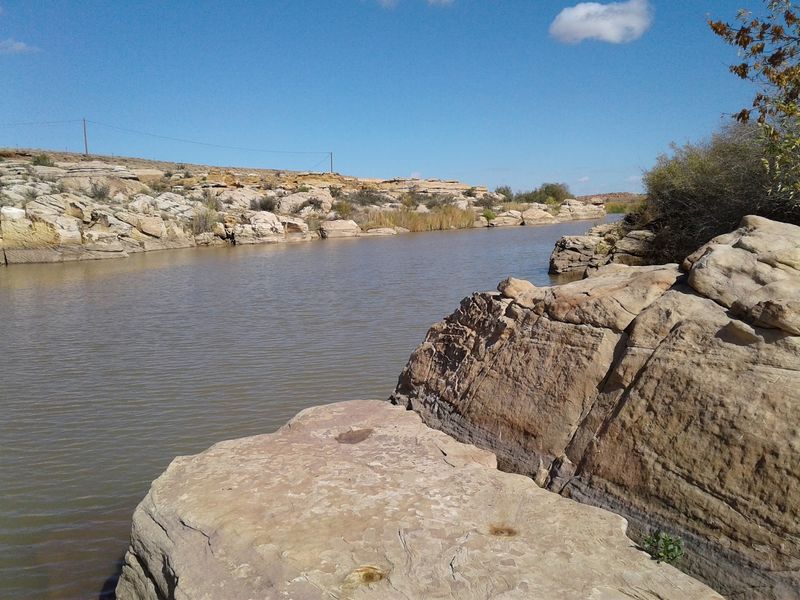
The Hisat’sinom were skilled farmers who worked the fertile floodplains of the Little Colorado River. Those fields supported villages large enough to hold hundreds, and even thousands, of rooms.
Today, that same floodplain stretches out below the park’s grasslands and buttes. Several trails and dirt roads offer long views across it, which helps you picture the old farm plots.
Grassland covers much of the park, giving it a wide-open feel. Shade is limited, so the landscape looks big, bright, and honest about its climate.
The setting explains why people kept returning over the centuries. A dependable river in this corner of Arizona was worth more than gold.
Kids may enjoy a simple game here. Ask them where they’d plant corn if they lived 800 years ago, then compare their guesses with the signs.
That kind of thinking turns scenery into a puzzle. Suddenly the flat ground near the river makes sense, and so does the spot each pueblo occupies.
Morning and late afternoon bring softer light across the land. Midday sun can feel intense, especially in summer, so plan your walking time wisely.
Twelve Hundred Rooms At The End Of A Paved Path
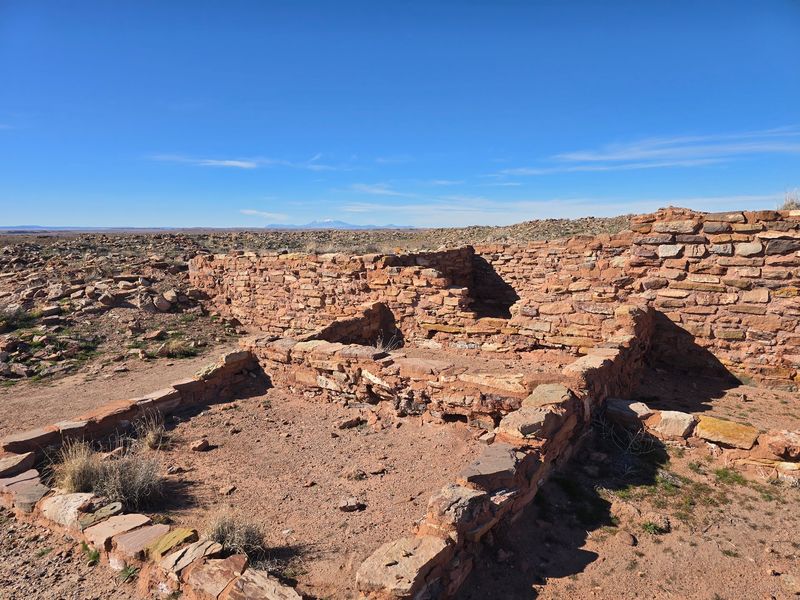
Twelve hundred rooms. That’s roughly how many archaeologists count at Homolovi II, the largest pueblo in the park.
Estimates suggest it may once have held as many as 2,000. It’s also the most thoroughly excavated site, so it offers the clearest picture of village life here.
Getting there is refreshingly easy. A half-mile paved trail leads to the ruins, and it’s wheelchair accessible.
Interpretive signs line the route and explain what you’re seeing. Grandparents, strollers, and short-legged hikers can all join in without a fuss.
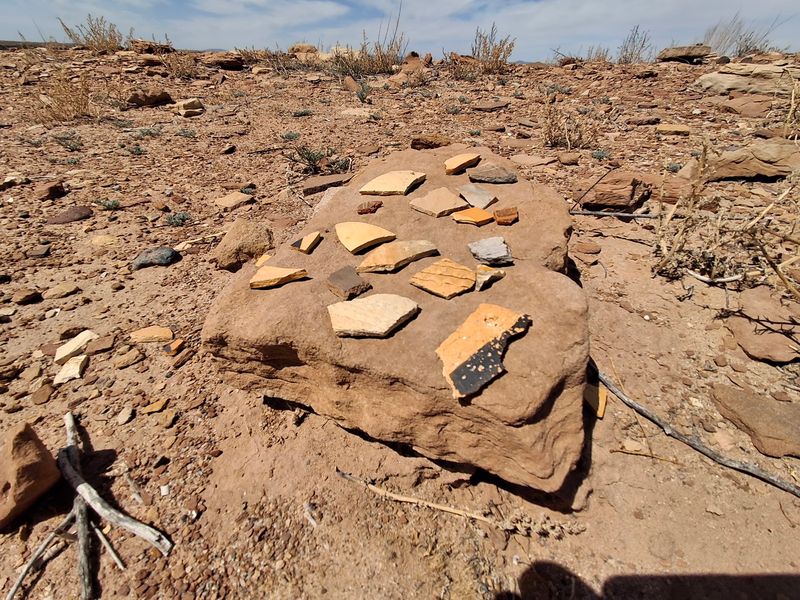
Look down as you walk. Pottery shards lie scattered across the site, small fragments of everyday life from long ago.
The golden rule is simple: look, admire, and leave every piece exactly where it sits. Each shard helps tell the story for the next family who visits.
Homolovi II sits several miles from the campground, so most people drive over. Covered picnic tables along the road make a handy spot for a snack before or after your walk.
Petroglyphs can also be found near this site. Keep an eye on the rocks, because ancient artwork tends to reward patient, slow-moving visitors.
Quick Dirt Trail, Seven Hundred Rooms
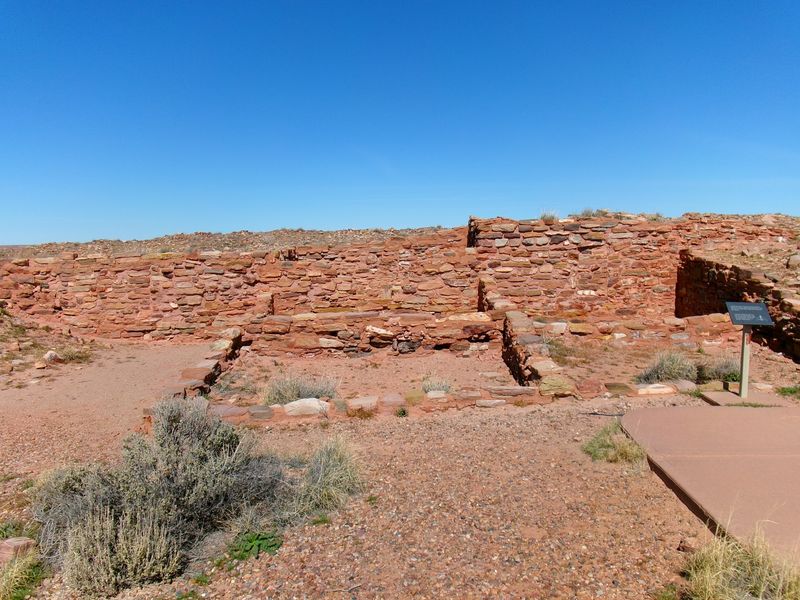
Short trails can lead to big discoveries. At Homolovi I, an easy quarter-mile dirt path brings you to a pueblo that once contained more than 700 rooms.
That’s a whole lot of village for such a quick walk. Little hikers barely have time to ask if you’re there yet.
The site sits close to the visitor center and campground area. Campers can even walk over, though driving works just fine too.
Pottery shards show up here as well, scattered across the ground. Spotting them becomes a quiet treasure hunt, minus the part where you keep the treasure.
Weather matters at this one. The Homolovi I pueblo site and trail can close after rainfall, so check conditions before heading out.
Protecting the fragile ruins comes first, and those closures help. A quick stop at the visitor center can spare you a disappointing detour.
I believe this site pairs nicely with Homolovi II on the same day. One shows the scale of a big excavated pueblo, while the other is a fast, unpaved wander.
Wear closed-toe shoes and pack water, even for the short distance. Arizona sun doesn’t care that the trail is only a quarter mile.
The Oldest Pueblo Saves Itself For Special Dates
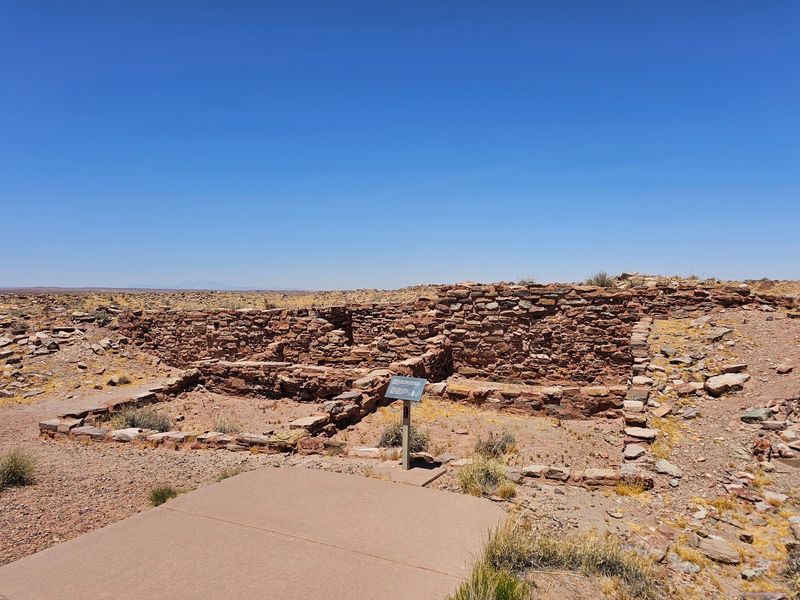
Some places play hard to get, and Homolovi IV is one of them. It’s the oldest of the Homolovi pueblos, with around 200 stone masonry rooms.
Most days, the site stays closed to the public. That protection helps preserve something genuinely ancient and fragile.
Every so often, though, the park offers ranger-guided tours on specific dates. Those tours open a rare window into a site most visitors never see.
A ranger-led walk adds context you simply can’t get from a sign. You hear the history, ask questions, and notice details you might otherwise miss.
Planning matters if this tour is on your wish list. Watch the park’s event calendar or ask at the visitor center about upcoming dates.
Families with curious older kids may find this the highlight of the whole trip. There’s a special thrill in visiting a place that usually stays off-limits.
Compared with the bigger pueblos, Homolovi IV is smaller in room count. Its age, however, gives it a weight all its own.
Think of it as the bonus level of Homolovi State Park. You don’t need it to enjoy your visit, but catching a tour date feels like winning a tiny lottery.
Rock Art Between Twin Buttes
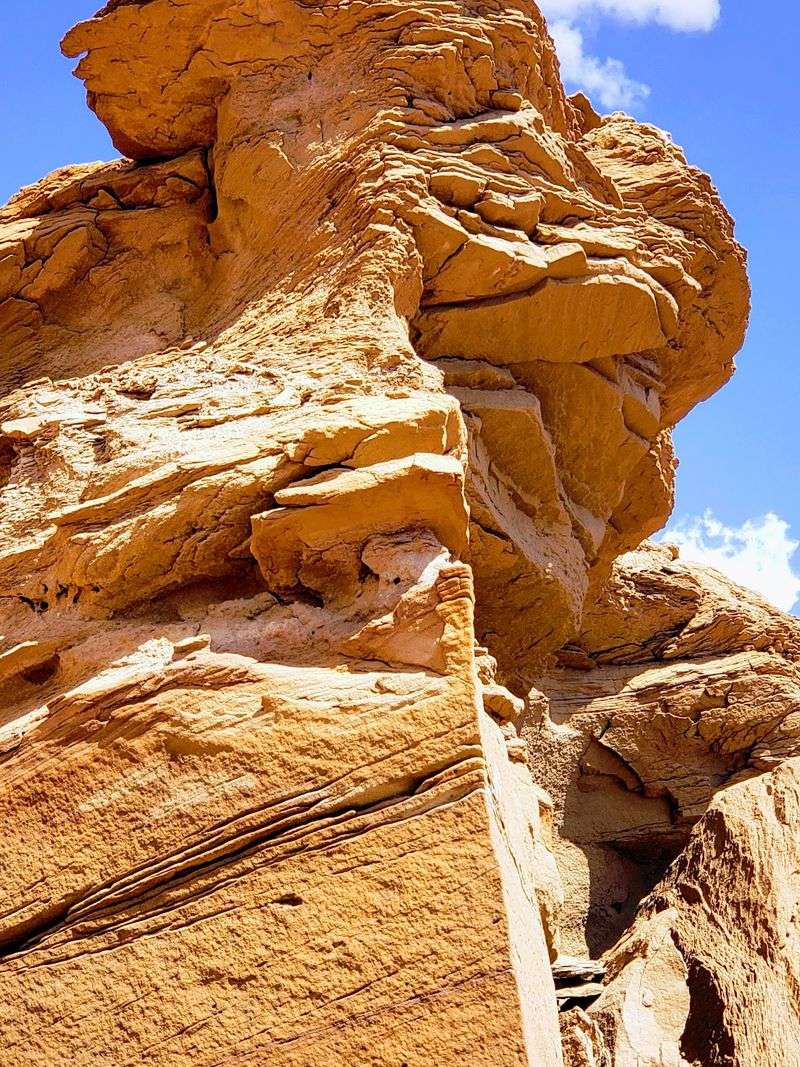
Tsu’vö means “Path of the Rattlesnake” in Hopi, which is a memorable name for a trail. Don’t worry, the name describes the route’s spirit more than a guaranteed sighting.
The Tsu’vö Trail is a half-mile loop that winds between twin buttes. It blends natural scenery with archaeological features, making it a favorite for curious walkers.
Keep your eyes on the rocks along certain sections. Ancient petroglyphs appear here, carved by people who passed through long ago.
You’ll also find milling stone areas along the loop. Those spots hint at the daily work of grinding and preparing food.
For kids, rock art often lands harder than any museum case. Spotting a carving with your own eyes feels like finding a message left just for you.
Bring binoculars if you have them, since some panels catch the light better from a distance. Early morning or late afternoon light can make carvings easier to see.
Respect is part of the experience here. Admire the petroglyphs without touching, so their lines stay crisp for future visitors.
Half a mile goes quickly, so linger. The buttes, the quiet, and those ancient marks reward anyone willing to slow down.
Extra Miles For The Restless Explorers In Your Crew
Got kids who treat a half-mile walk as a warmup? Homolovi State Park has more trail waiting for them.
The Nasungvö Trail, meaning “Place of Rest” in Hopi, is a 1.2-mile primitive hike. It links the visitor center with the campground, perfect for campers who’d rather stroll than drive.
Then there’s the Diné Trail, a 1.5-mile route to Diné Point. Panoramic views wait at the end, and the trail connects with other paths in the park.
Beyond the named routes, about six miles of dirt roads open up even more options. They’re available for hiking, mountain biking, and horseback riding.
Those roads cross high desert grassland with views of the Little Colorado River floodplain. The scenery feels huge, quiet, and refreshingly uncrowded.
One catch matters a lot: the roads are unshaded. Hats, sunscreen, and plenty of water belong on every outing, no matter the season.
Bikers will appreciate the room to roam. Riders who bring horses get a rare chance to explore ancestral lands at a slower, older pace.
Mix and match routes to fit your group’s energy. A short loop in the morning and a viewpoint walk near sunset can fill a lovely day.
Museum Exhibits Worth Visiting Before The Ruins
Start indoors, then head out. The visitor center at Homolovi State Park gives the ruins context, and it’s open daily from 8 a.m. to 5 p.m.
Inside, a museum interprets the human history of the park. Exhibits also cover local plants and animals, so you’ll know what’s rustling in the grass later.
Traditional Hopi pottery, carvings, and artwork share space with ancient artifacts. Seeing old and new side by side drives home that this culture continues today.
The building is fully accessible, which makes it easy for every member of the family. Rangers here can also answer questions about trails and site conditions.
Planning a deeper trip? Staff call the park the “Ancient Gateway to Hopi” and can help you plan a visit to the Hopi Mesas, about 65 miles north.
The gift shop stocks books on the region’s natural and cultural history. It also carries Hopi and Navajo art, which makes souvenir shopping feel meaningful.
Near the visitor center sits another story entirely. The Sunset Cemetery is the last remnant of an 1876 Mormon settlement called Sunset, abandoned in the 1880s.
It’s a quiet reminder that people have been drawn to this river for a very long time. Every era left its mark.
The Only Permanent Observatory In Any Arizona State Park
Here’s a bragging right few parks can claim. Homolovi State Park is the only Arizona state park with a permanent observatory.
From April through November, the park hosts monthly Star Party and Guest Speaker events. Each one pairs an astronomy presentation with telescope viewing.
The star of the show is the Moore Telescope at the Winslow Homolovi Observatory. Peering through a serious telescope beats squinting at a phone app any day.
Out here, far from big-city glow, the night sky can look remarkably full. Kids who mostly see a handful of stars at home may be stunned by the view.
I love the idea of a single day spanning ancient ruins and distant galaxies. The people who built these pueblos watched the same sky, after all.
Plan ahead if you want to catch a star party. Dates are set monthly, so check the park’s event schedule before you go.
Dress in layers for evening events, since the high desert cools off after sunset. A blanket or camp chairs can make the wait between telescope turns cozy.
Bring a red flashlight if you have one. It protects everyone’s night vision and keeps the stargazing magic intact.
Wild Burros, Pronghorn, And Other Locals
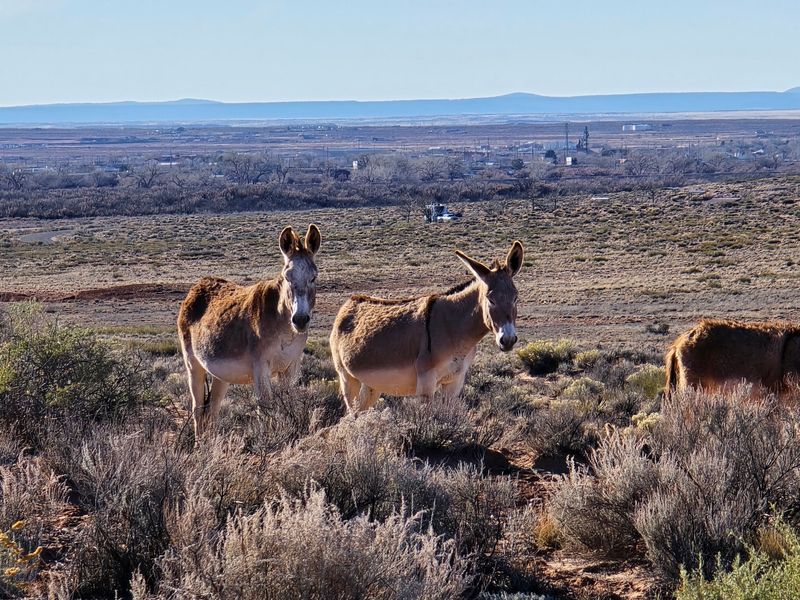
The ruins aren’t the only stars at Homolovi. Wild burros roam the park, and spotting them often becomes a family highlight.
They wander through open grassland and sometimes near the campground. Keep a respectful distance, because these are wild animals, not petting-zoo residents.
Pronghorn live here too. These speedy, graceful animals blend into the grass surprisingly well, so sharp eyes help.
Jackrabbits bound across the landscape with those famously oversized ears. Lizards dart over rocks, and plenty of bird species keep the sky busy.
Crows tend to make their presence known with loud commentary. Birders may want binoculars handy for the variety overhead.
Now for the practical bit. Several rattlesnake species live in the park, and they’re especially likely on warm pavement at night.
Watch your step after dark and stick to clear paths. A flashlight on evening walks makes a smart, simple habit.
Wildlife sightings are never guaranteed, which makes each one feel like a gift. Turn it into a game for the kids, and the drive between sites becomes a safari of sorts.
A Campground That Turns A Stop Into A Stay
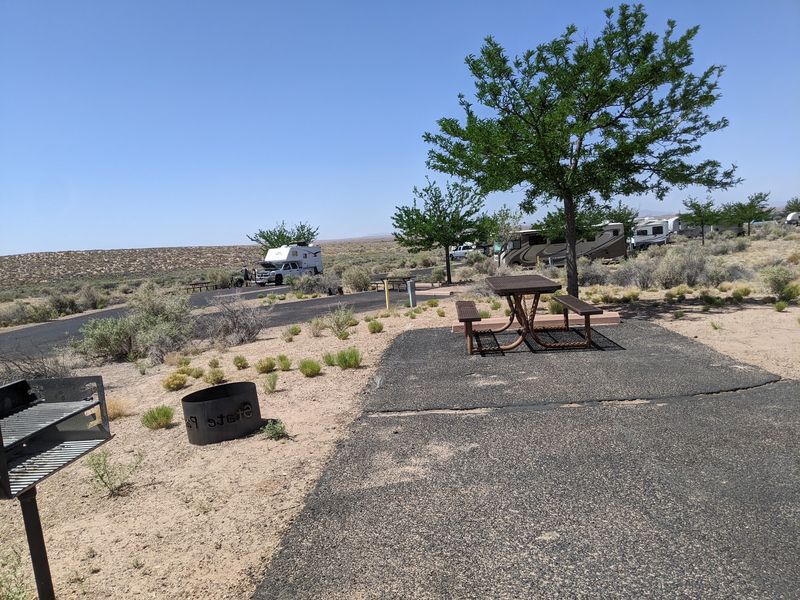
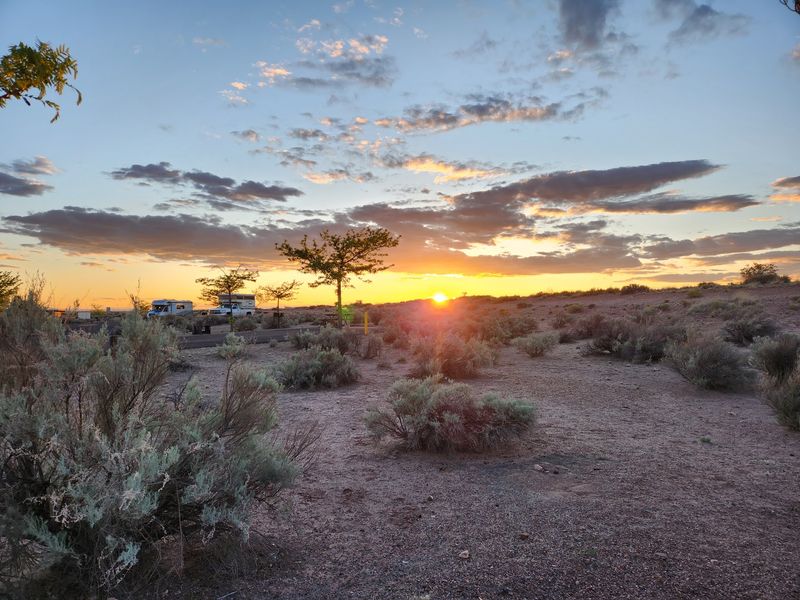
Ruins by day, stars by night, and a level spot to sleep in between. The year-round campground at Homolovi State Park makes that combo easy.
More than 50 developed, single-family sites welcome both RVs and tents. Most offer 30-amp electric and water hookups.
Bigger rigs get a break too. Pull-through sites provide both 30- and 50-amp service, so you won’t need to squeeze anything into a tight corner.
Tent campers aren’t forgotten. Ten sites come with tent pads, giving you a tidy base for your gear.
Modern accessible restrooms and hot showers are on hand. A dump station rounds out the setup for RV travelers.
Many sites include picnic tables and fire rings, and some tables sit under shade covers. In wide-open country, that bit of shelter is a real treat.
One change matters for planning. The park no longer accepts self-pay registration, so reserve your site online or by phone ahead of time.
Camping here lets you catch the ruins in soft morning light before the day warms up. It also puts you right where the night sky does its best work.
Getting There, Winslow Side Trips, And A Gentle Nudge
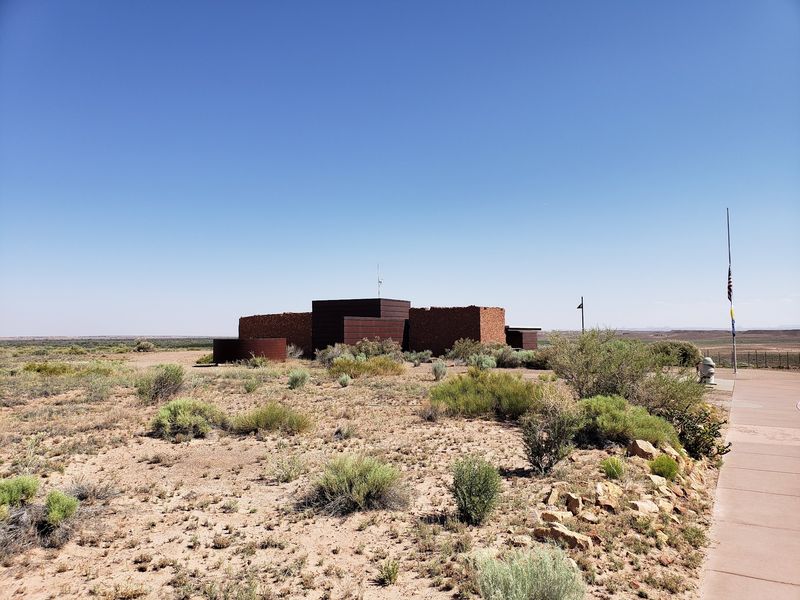
Finding the park takes almost no effort. Take Interstate 40 to Exit 257, then head 1.5 miles north on Highway 87.
The address is AZ-87, Winslow, AZ 86047. The visitor center keeps 8 a.m. to 5 p.m. hours daily, with shorter hours on Thanksgiving and Christmas Eve.
Christmas Day is the one closure to note. Check ahead around other holidays too, since hours may vary.
Winslow sits close by, which makes side trips easy. Standin’ on the Corner Park is about three miles away and begs for a goofy photo.
History fans can visit La Posada, a restored 1929 Santa Fe Railroad hotel with gardens and an art gallery. The Old Trails Museum covers ranching, railroad, and Native American history.
Meteor Crater lies roughly 27 miles from the park. Little Painted Desert County Park, north of Homolovi, glows in early morning and late afternoon light.
So is Homolovi State Park worth a detour on your next Arizona road trip? I’d say yes, especially for families who like their history hands-on and their crowds light.
Bring water, curiosity, and maybe a telescope schedule. The little hills have plenty of stories left to share.