
Few People Know This Quiet Illinois Prairie Preserve Bursts With Wildflowers Every Autumn
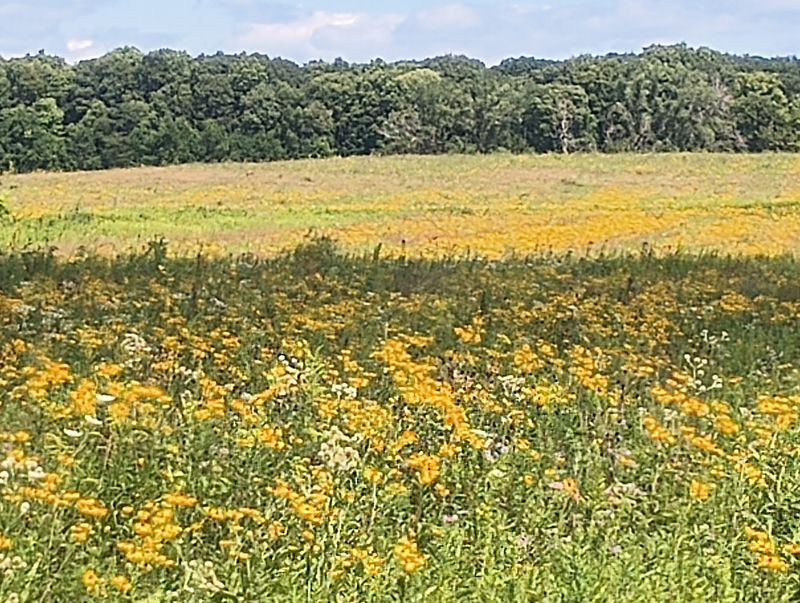
About an hour south of Chicago sits a stretch of Illinois land that once made bombs and now grows some of the prettiest wildflowers you will ever see. Roughly 20,000 acres of tallgrass prairie roll out here, dotted with real bison and old concrete bunkers from another era.
Come autumn, the whole place lights up with asters, goldenrods, and blazing stars. Best of all, it costs nothing to wander through, making it a perfect low-key day trip for families who love a good hidden-gem story.
A Prairie Reborn South Of Chicago
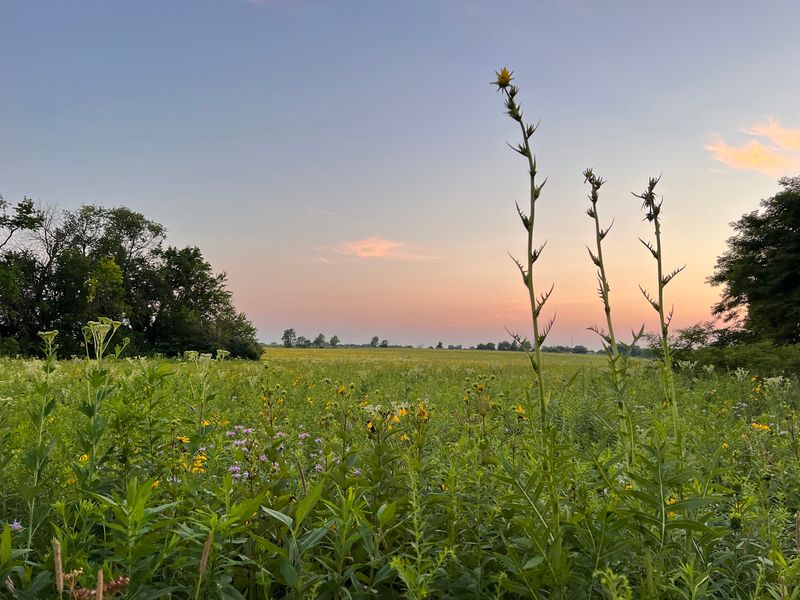
Land that once churned out wartime munitions now waves with native grasses taller than a grown adult. Midewin National Tallgrass Prairie sits along IL-53 near Wilmington, in Will County, roughly an hour south of Chicago.
Established in 1996 on the former Joliet Arsenal grounds, it holds the title of the largest tallgrass prairie restoration effort east of the Mississippi River. The U.S.
Forest Service manages the roughly 20,000 acres as a living, breathing landscape that keeps changing year after year.
Visitors often describe the shift from parking lot to open grassland as almost startling. One minute you are near a road, the next you feel swallowed by a sea of green and gold that seems to have no edges.
What makes it special is the layering of history and nature in one spot. The past shows up in old storage bunkers, while the present hums with restored prairie and grazing bison.
For Illinois families chasing a memorable outing that costs nothing to enter, this quiet expanse delivers something you simply cannot find at a typical park.
Autumn Blooms That Steal The Show
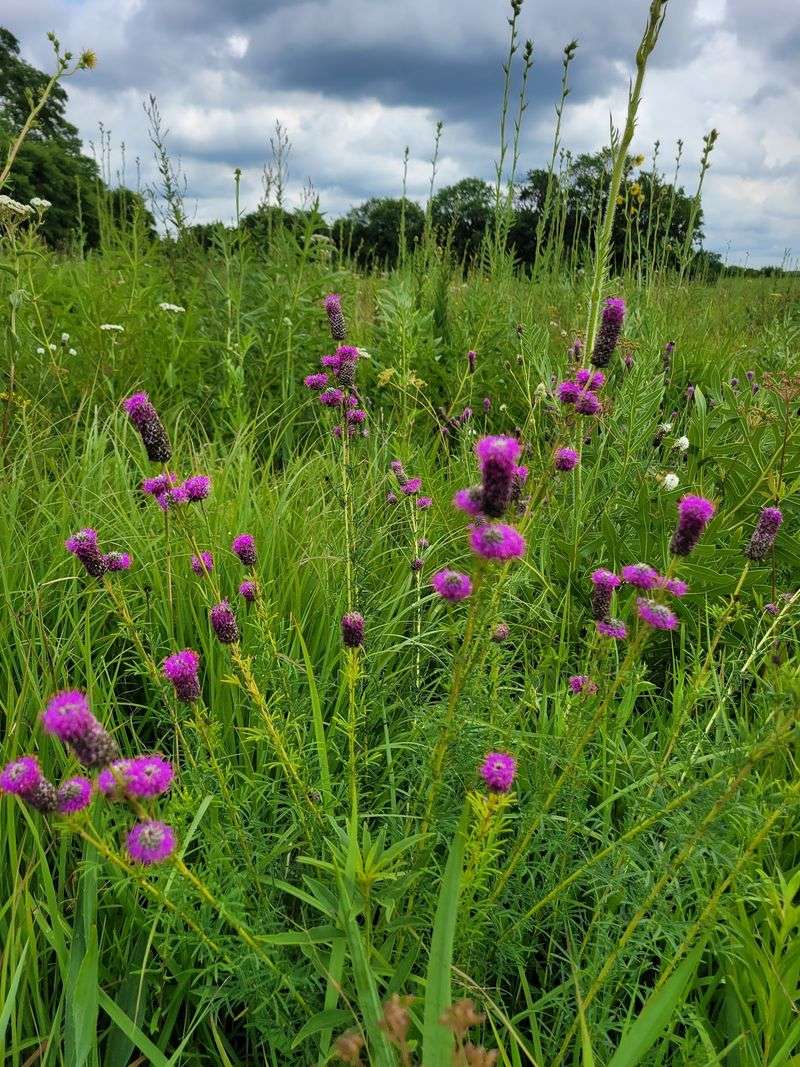
Most folks assume prairies fade once summer ends, but the opposite happens here. As the season turns, the grasslands erupt with color that rivals any spring garden.
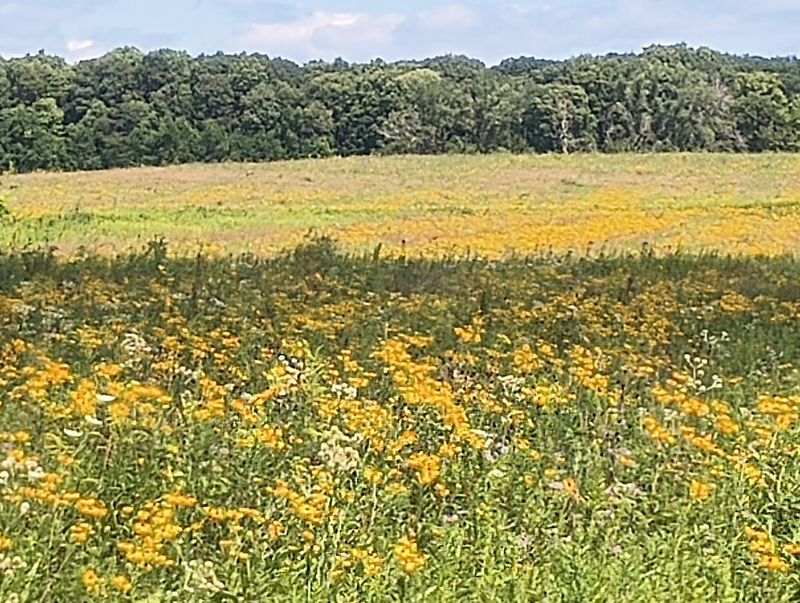
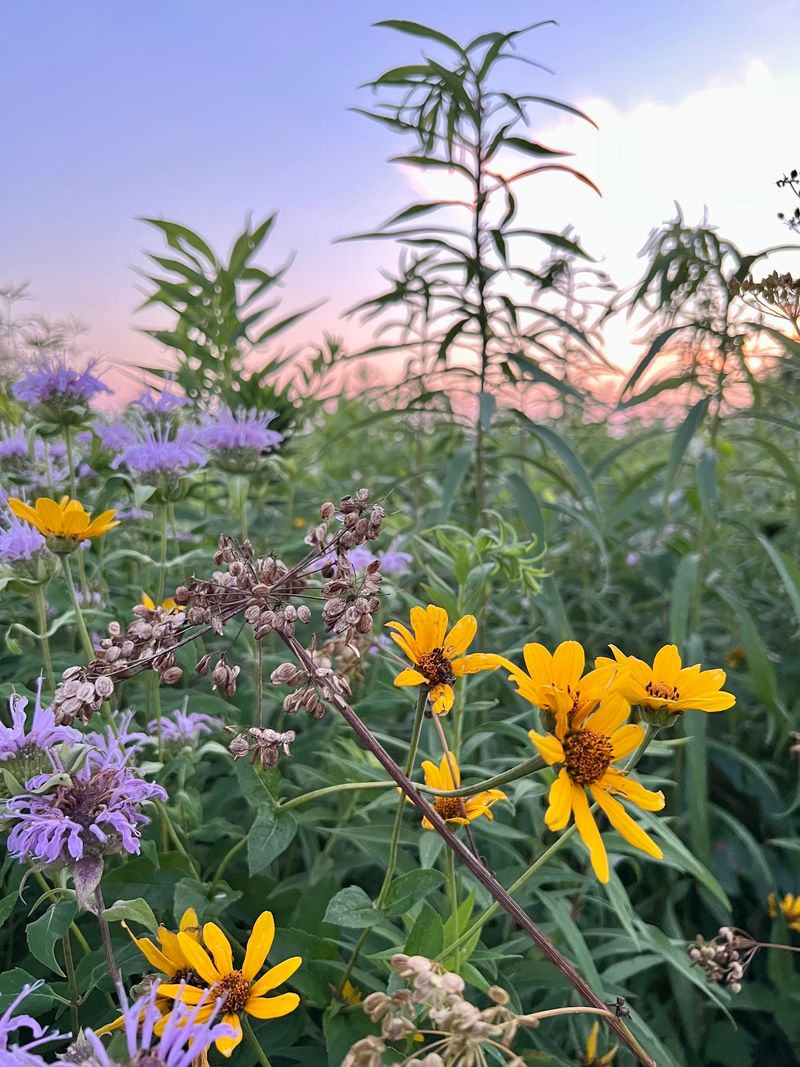
September and early autumn bring waves of asters, goldenrods, blazing stars, gentians, and false foxgloves, painting the fields in purples, golds, and soft blues. Prairie dropseed even releases a scent that many say smells surprisingly like fresh popcorn drifting on the breeze.
Later in the season the show keeps going. Compass plants turn a rich golden hue, flowering spurge develops neon-orange leaves, and native roses hold onto their rosehips well into the cold.
Regulars mention that the wide-open views combined with all this blooming make for peaceful, camera-worthy afternoons. Butterflies flit between blossoms, and the whole landscape feels alive with quiet motion.
For families, it is a gentle nature lesson wrapped in beauty. Kids can spot different flowers, count the colors, and learn how a restored prairie changes with the calendar.
Few local spots reward an autumn visit quite like this one does.
The Bison Herd Roaming Free
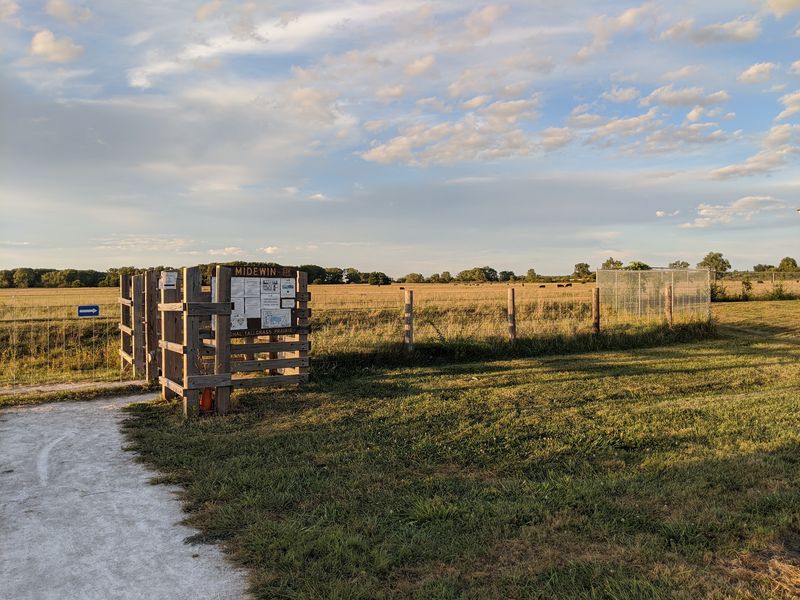
Picture roughly 70 bison grazing across open Illinois pastures, and you start to understand why this preserve stays lodged in people’s memories. A herd this size wandering restored grassland is a rare sight anywhere east of the Mississippi.
The animals live in large pastures, so spotting them takes a little patience and sometimes a bit of luck. Staff at the welcome center happily point visitors toward good viewing spots, and a scope near the Iron Bridge helps bring the herd into clear focus.
Plenty of guests admit they showed up and never glimpsed a single bison, especially on scorching days when the animals drift far from the trails. The common refrain is that it just gives them a reason to come back.
Even without a sighting, the idea of these gentle giants roaming free lends the whole place a sense of wildness. Children love the thrill of scanning the horizon, and the payoff when a shaggy shape finally appears is worth every step.
It is old-fashioned wonder, no admission required.
Walking Among The Old Bunkers
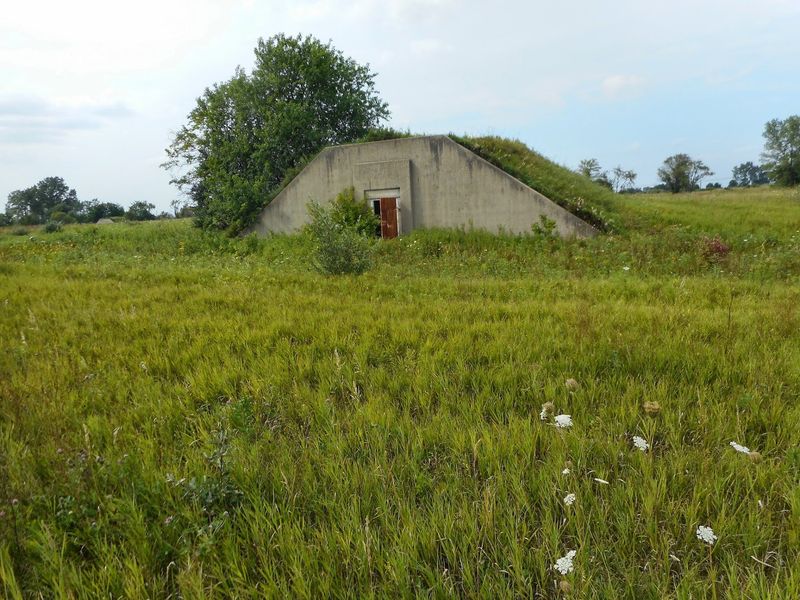
Scattered across the grassland stand dozens of squat concrete bunkers, quiet leftovers from the site’s days as a World War II munitions storage facility. Wandering up to one feels like stumbling onto a forgotten chapter of Illinois history.
Most of the bunkers stay sealed, but a few remain open to peek inside. Visitors love that they stay remarkably cool within, sometimes hovering around 60 degrees even on a hot, sunny afternoon, offering welcome relief mid-hike.
The Midewin Iron Mountain trailhead makes a favorite starting point, since you can tour the bunkers and then stroll straight out toward the prairie where the bison graze. That mix of old and new gives every walk a treasure-hunt feel.
Grown-ups appreciate the history, while kids treat the structures like something out of an adventure story. Grassy mounds hide the bunkers so well that spotting them becomes part of the fun.
Few outings blend nature and living history so seamlessly. Standing beside these silent structures, surrounded by waving grass and wildflowers, you really sense how far this land has come.
Miles Of Trails For Every Pace
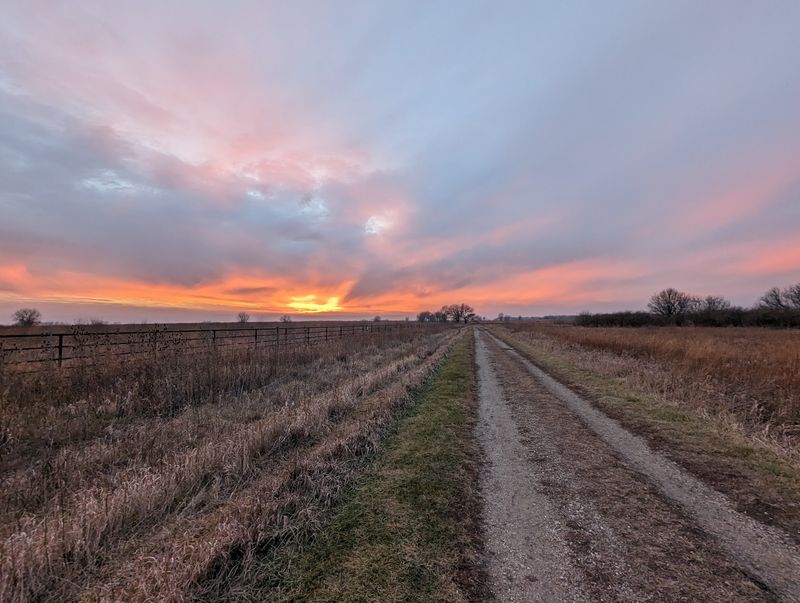
Stretching across the preserve are roughly 33 miles of trails, enough to keep a casual stroller and a serious hiker equally happy. Paths range from mowed grass lanes to mulched and crushed-gravel routes.
For anyone eager to walk right through the wildflowers, the 5.2-mile Henslow Trail loops through the South Patrol Road restoration area and rewards you with that up-close prairie experience.
The crushed-gravel surfaces work nicely for walking, strollers, and bikes, so families with little ones can join in without much trouble. Some visitors even rent bikes to cover more ground across the wide expanse.
A word of honesty from regulars: trail markers can be sparse at forks, and a few routes off River Road have grown overgrown over time. Bringing a trail brochure from the start and paying attention pays off.
Because much of the landscape sits in open sun, packing plenty of water is smart, especially on warmer days. Shaded seating is limited, though a couple of covered spots offer a rest.
With so many miles to explore, most people leave already planning which trail to try next time.
A Birdwatcher’s Quiet Paradise
Bring binoculars and you may lose track of time. Hundreds of bird species pass through the preserve, and more than 100 of them nest and breed right within its borders.
The birdwatching trail near the Henslow Trail draws enthusiasts hoping to add new sightings to their lists. Even on drizzly mornings when many birds roost low, the panoramic views and steady activity keep it rewarding.
One of the biggest thrills sits just across Route 53, where bald eagles have nested. A viewing station inside the visitor center lets guests watch the nest, and some lucky visitors have spotted eaglets within sight of the building.
Butterflies join the show too, flickering among the wildflowers alongside the birds. The sheer biodiversity surprises people who expected an empty field and found a buzzing, chirping habitat instead.
For nature-loving families, it becomes a hands-on lesson in why restoring native grassland matters so much. Kids can tally the species they spot, and patient watchers are rewarded again and again.
Peaceful, uncrowded, and full of life, this is the kind of place bird lovers quietly guard as their own.
Planning Your Free Visit
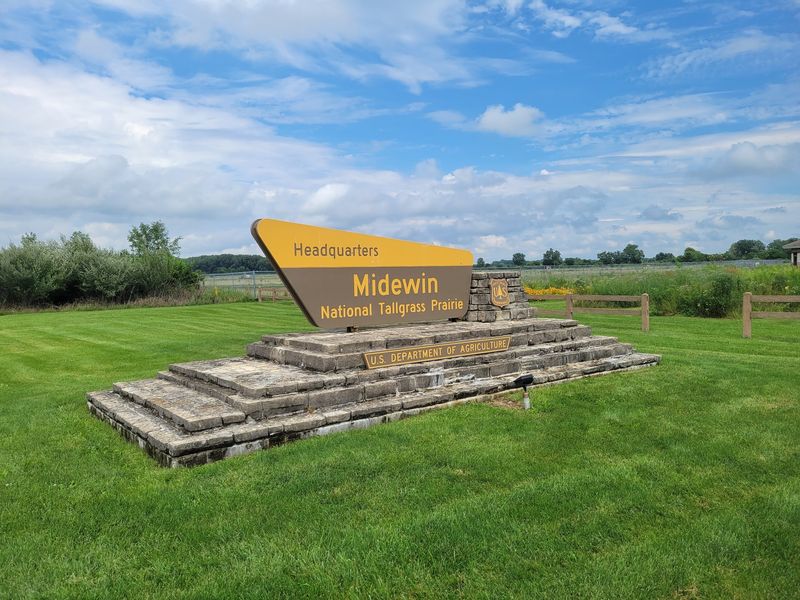
Here is the part budget-minded families love most: there is no admission fee at all. You can spend an entire afternoon exploring 20,000 acres without spending a cent to get in.
The preserve sits along IL-53 in Wilmington, about an hour south of Chicago, making it an easy drive for much of northern Illinois. The visitor center generally welcomes guests from 8 AM to 4:30 PM, Monday through Saturday, and stays closed on Sundays.
Start at the welcome center on your first trip. The staff there are known for their warmth, offering trail advice, bison-viewing tips, and a small exhibit on the area’s history.
A little gift shop stocks affordable keepsakes, and you will find flushing restrooms, hydration, and picnic benches near headquarters. Just note that outlying parking areas offer only basic latrine-style facilities.
A few practical tips make the day smoother: pack plenty of water, wear comfortable shoes, and bring bug spray, since ticks can hide in the tall grass. Sunscreen helps too, as shade is scarce out on the open prairie.
Why This Overlooked Gem Is Worth The Drive
Part of the charm is how few people seem to know about it. Regulars almost whisper about the solitude, treasuring a spot where you can walk for stretches without passing another soul.
That quiet is exactly the point. Between the waving grasses, the wildflowers, and the wide-open sky, the preserve offers a genuine chance to disconnect and breathe for a few hours.
It suits a wide range of visitors. History buffs poke around the bunkers, birders chase rare sightings, families make memories, and anyone needing calm finds it in the endless horizon.
Sunsets over the prairie earn special praise, painting the tallgrass in warm light that feels almost otherworldly. Catching one after a long walk is the sort of moment kids remember for years.
Nothing here is flashy or manufactured, and that is precisely why it lingers in people’s minds. A restored prairie, a free-roaming herd, and a blanket of autumn blooms add up to a distinctly Illinois kind of magic.
Load up the family, pack water and curiosity, and point the car south. This humble preserve rewards the drive many times over.