
Finding This Massive Arizona Lake Feels Like Discovering A Secret Ocean In The Desert
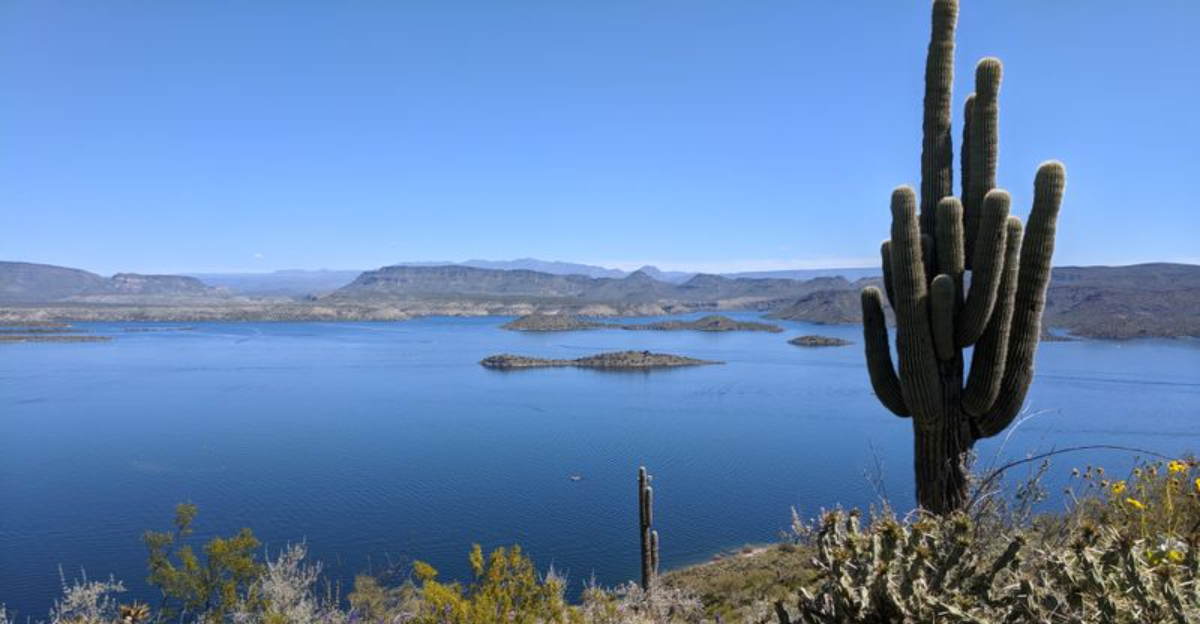
Driving north through the Arizona desert, I spotted something that made me question my sunglasses. A massive expanse of shimmering blue stretched across the horizon, looking so out of place among the saguaros and rocky hills that I half-expected a mirage to vanish before my eyes.
This lake turns the desert landscape into a waterfront paradise that rivals any coastal destination.
The moment I pulled through the entrance, I understood why locals guard this 10,000-acre recreation area like a precious secret, complete with wild burros wandering the shoreline and enough water activities to make you forget you’re in the middle of the Sonoran Desert.
A Desert Oasis That Defies All Logic
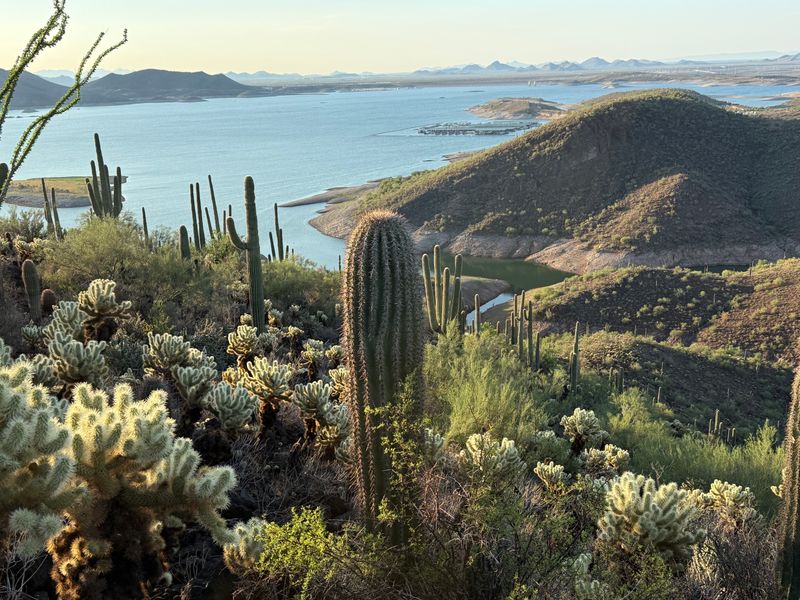
Water this blue shouldn’t exist in the Arizona desert, yet here it sprawls across 10,000 acres like nature decided to play a practical joke on geography. I stood at the shoreline of Lake Pleasant Regional Park at 41835 North Castle Hot Springs Road, Morristown my first visit, watching jet skis carve white trails across water that reflected the sky in shades I’d only seen at ocean beaches.
The lake reaches depths of 200 feet in some spots, created when Waddell Dam blocked the Agua Fria River back in 1994. What started as a water supply project became the Phoenix area’s favorite escape hatch, drawing everyone from serious anglers to families who just want to cool off.
The contrast hits you immediately when saguaros frame your view of sailboats and paddleboarders.
Temperatures climb fast out here, but the water stays refreshingly cool even when the desert bakes at 110 degrees. I’ve watched the lake transform from mirror-smooth at sunrise to choppy whitecaps by afternoon, giving it that ocean-like personality that the title promises.
The park opens at 5 AM daily, perfect timing for catching that golden hour light dancing across the surface before the crowds arrive.
Wild Burros That Think They Own The Place
Nothing prepared me for the moment a burro stuck its head through my car window looking for snacks. These four-legged locals roam the park like they’re collecting parking fees, and honestly, they’ve become as much of an attraction as the water itself.
Descended from pack animals used by miners over a century ago, these wild burros now number in the dozens around Lake Pleasant. I’ve watched them wander through campsites at Desert Tortoise and Road Runner campgrounds, completely unfazed by tents, RVs, or the tourists frantically grabbing cameras.
Park rules strictly prohibit feeding them, though their hopeful expressions suggest plenty of visitors ignore that guideline.
The burros navigate the terrain with surprising grace, picking their way down rocky slopes to drink at the water’s edge during cooler hours.
I spotted a group of five one morning near Cottonwood Day Use Area, their gray coats dusty against the desert backdrop.
They’re genuinely wild animals despite their friendly demeanor, so keeping your distance and securing your food becomes essential. Every visit feels incomplete without at least one burro sighting adding that extra layer of desert charm to the lakeside experience.
Water Sports That Rival Any Coastal Destination
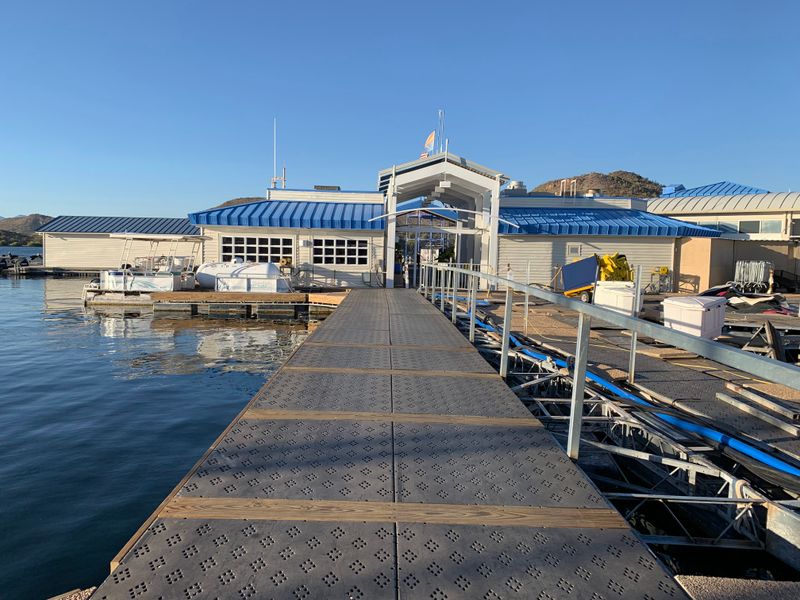
My first time launching a kayak here, I counted seventeen different watercraft types within viewing distance. Lake Pleasant transforms into Arizona’s version of a beach resort, minus the sand and seagulls, though somehow actual seagulls found their way here anyway.
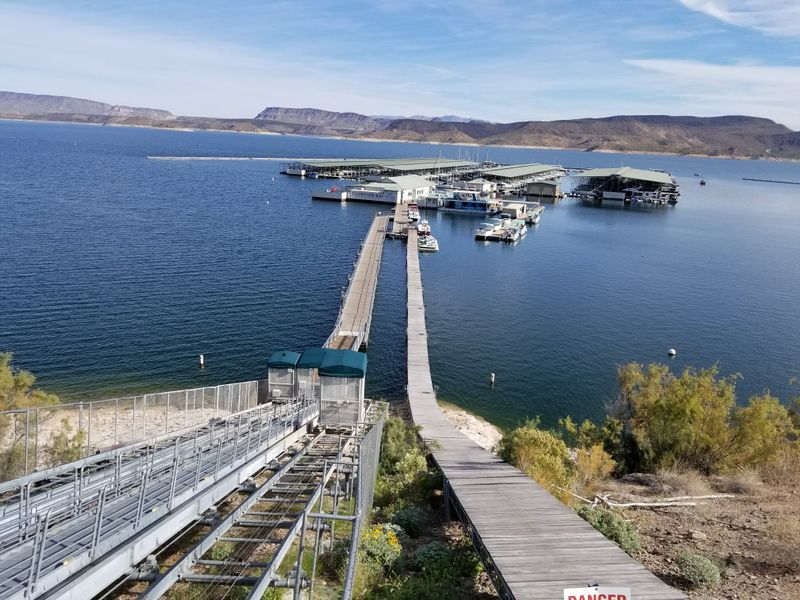
The marina at Scorpion Bay rents everything from pontoon boats to jet skis, making it easy to get on the water even if you drove up empty-handed.
I’ve tried paddleboarding in the calmer coves along the northwest shore, where the water stays glassy until mid-morning and the desert landscape creates a surreal backdrop.
Fishing enthusiasts pull impressive bass from these waters year-round, with some anglers reporting catches even in November when most people assume the season’s done.
Boat launches get crazy busy on weekends, with wait times stretching past comfortable in the summer heat. I learned quickly that arriving before 8 AM or visiting midweek saves massive headaches.
The afternoon winds kick up whitecaps that feel surprisingly ocean-like, perfect for sailing but challenging for water skiing. Whether you’re towing a boat or just bringing a kayak, the $10 day-use fee plus $2 per non-motorized craft feels reasonable for accessing this much water in the desert.
Camping With Million-Dollar Views
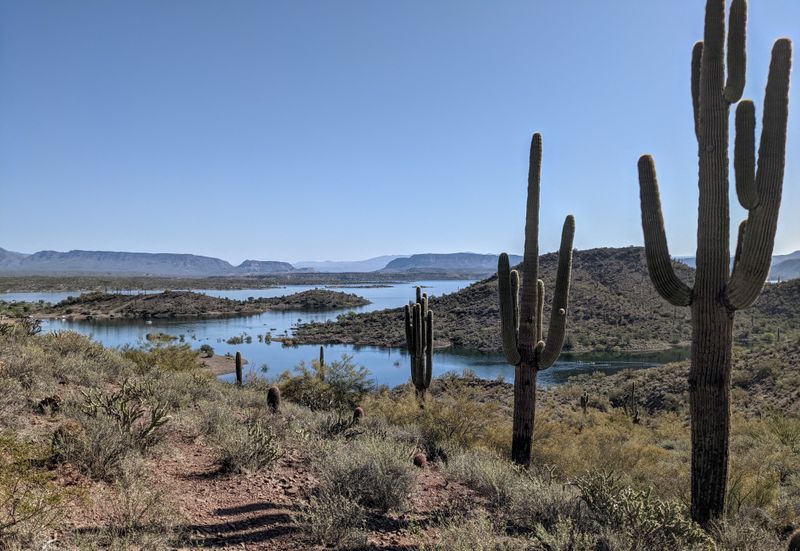
Waking up to sunrise over a massive lake while still technically camping in the desert creates a cognitive dissonance I never quite resolved.
The Road Runner and Desert Tortoise campgrounds offer some of the best lakefront sites I’ve experienced anywhere, developed or primitive depending on your camping style.
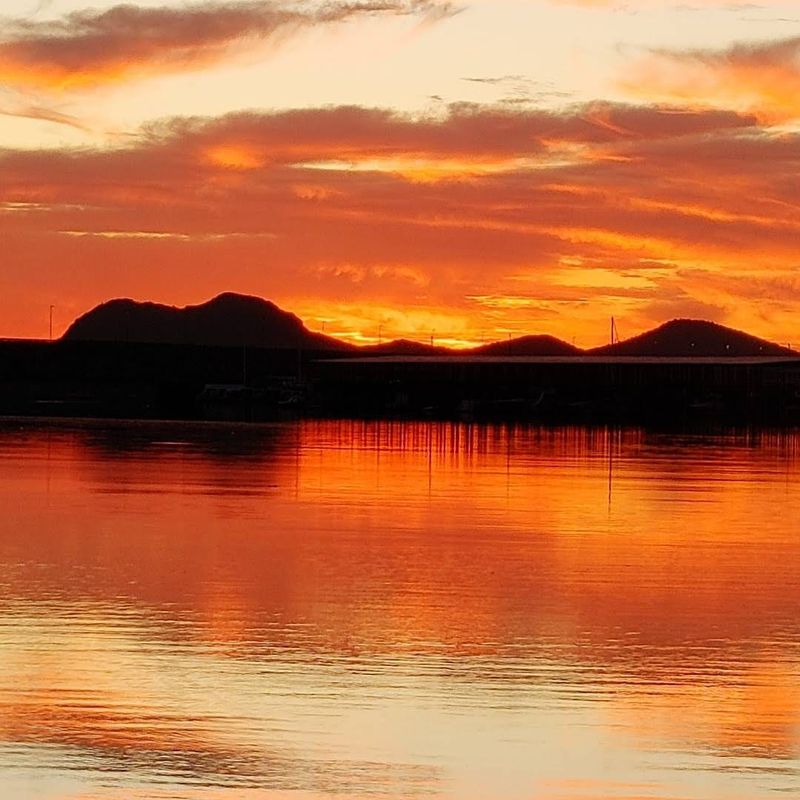
Sites 11 through 24 at Road Runner book out months in advance because they sit right on the water, giving you that front-row seat to every sunrise and sunset. I stayed at site 18 one April and spent three days watching boats cruise past while saguaros stood sentinel behind my tent.
Desert Tortoise campground requires more leveling work but provides easier hiking access down to secluded swimming spots. Both areas include clean restrooms and shower facilities that exceed typical campground standards.
The party atmosphere ramps up on weekends, so weekday visits deliver that peaceful experience if crowds aren’t your thing. Wild burros wander through campsites regularly, and I’ve had to shoo them away from my cooler more than once.
Coyotes patrol the area at night, their howls echoing across the water, so keeping small pets supervised becomes non-negotiable. The dump station at the exit handles RVs of all sizes, even accommodating tiny houses on wheels according to one regular visitor.
Hidden Coves And Swimming Spots
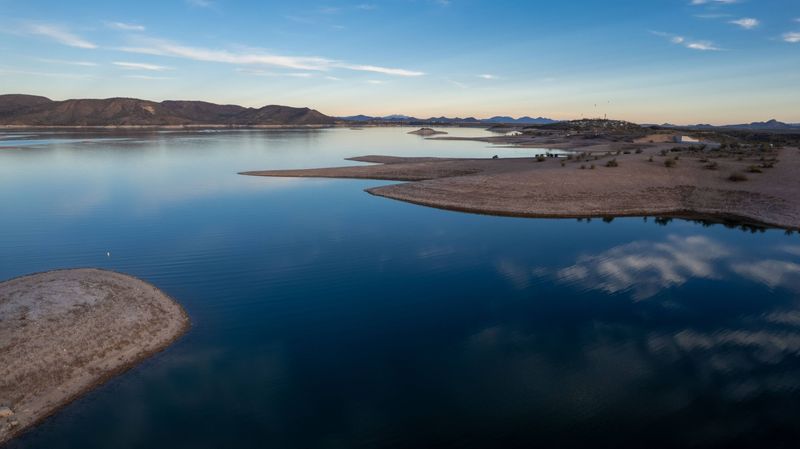
Following a rough dirt road along the northwest shore, I discovered a swimming cove so perfect it felt like I’d stumbled onto someone’s private beach. Lake Pleasant hides dozens of these secret spots, each offering a different vibe and varying levels of accessibility.
The developed day-use areas like Cottonwood provide easy access for any vehicle, with picnic tables, shade structures, and paved parking. But the real treasures require a 4×4 and some adventurous spirit to reach the more secluded western coves where you might have the entire shoreline to yourself.
I’ve found spots where the water stays calm all day, protected from those afternoon winds that turn the main lake into a choppy mess.
The lack of natural shade means bringing umbrellas or pop-up shelters becomes essential for all-day visits. Water temperatures run warm in summer, perfect for extended swimming sessions without that initial cold shock.
I watched families set up entire beach camps complete with floating toys and coolers, creating their own private resort experience. Shore fishing produces decent bass catches even from these swimming areas, with anglers working the rocky points early morning and evening.
Every cove seems to offer something different, making multiple visits necessary to find your personal favorite spot along this sprawling shoreline.
Desert Hiking With Lake Views
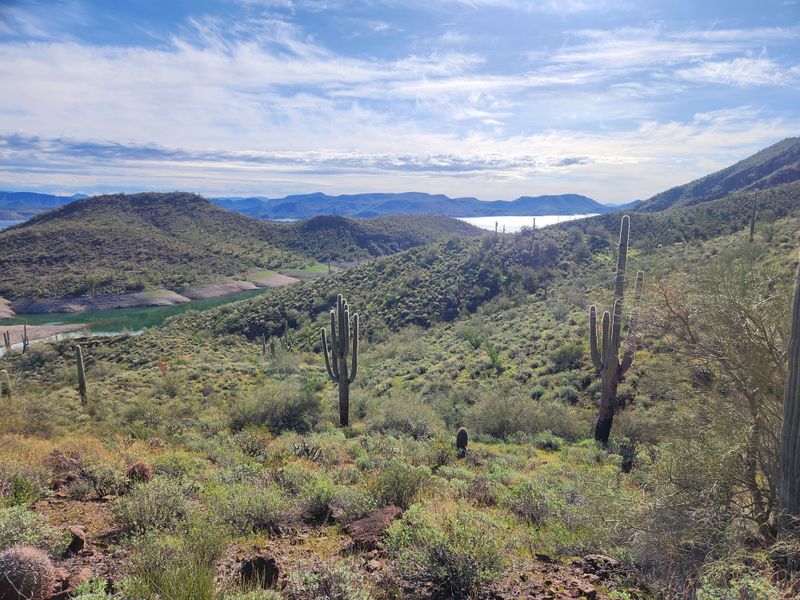
Trails wind through the park connecting campgrounds to swimming areas, offering that rare combination of desert scenery and water views.
I tackled the Yavapai Trail one morning and found myself sweating through my shirt within twenty minutes, but the panoramic lake vistas made every uphill step worthwhile.
The trails range from easy shoreline walks to more challenging climbs up rocky ridges where you can see the entire lake spread out below. I’ve spotted desert tortoises crossing the path, though they’re rare enough that each sighting feels like winning a small lottery.
Families with dogs use these trails regularly, and I’ve even encountered horseback riders sharing the wider paths. The trails connect in ways that let you customize your distance, turning back whenever the heat becomes too intense.
Cooler months from October through April provide the best hiking conditions, when temperatures stay reasonable and the desert blooms with surprising color. Summer hiking here requires early starts, plenty of water, and accepting that you’ll probably jump in the lake immediately after finishing.
The contrast between rugged desert terrain and that massive blue water creates photo opportunities that don’t look quite real. No shade exists along most trails, so sun protection becomes as important as the water you’re carrying in your pack.
Practical Details That Make Or Break Your Visit
Getting gas before arriving saves you from the shock of Shell station prices that run a dollar-fifty higher than normal, a lesson I learned the expensive way. Lake Pleasant sits far enough from Phoenix that planning ahead makes the difference between a great day and a frustrating one.
The park charges $7 per vehicle for day use, with that additional $2 fee for each kayak or paddleboard you bring. Hours run 5 AM to 9 PM daily, giving you plenty of daylight to work with during summer months.
Cell service gets spotty in some areas, so downloading maps beforehand helps with navigation. The marina offers dining options if you forget to pack food, though most visitors bring coolers since no convenience stores exist nearby.
Boat breakdowns cost serious money here, with tow services starting at $250 even for short distances across the lake. I always check my equipment twice before launching after hearing those horror stories.
The boat launch area turns into organized chaos on summer weekends, with experienced boaters working efficiently while newbies struggle in the heat. Portable restrooms dot the shoreline at various day-use areas, maintained better than you’d expect.
The park stays remarkably clean considering the crowds, with visitors generally respecting the pack-it-in-pack-it-out policy that keeps this desert oasis looking pristine year after year.