
10 Florida Amtrak Day Trips That Make The Train Ride Worth Every Minute
Most Florida road trips begin the same way. You grab your keys, brace for traffic, and hope the drive is worth the hassle.
But there is another way to explore the Sunshine State that far too many people overlook.
Instead of watching brake lights stretch across the highway, you can settle into a comfortable seat, watch palm trees and small towns roll past the window, and arrive ready to explore without worrying about parking or navigation.
Florida’s Amtrak routes quietly connect some of the state’s most fascinating destinations, from historic downtowns and vibrant waterfronts to charming shopping districts and incredible local restaurants. Every stop offers something completely different, making the journey feel just as rewarding as the destination itself.
Whether you are craving fresh seafood by the water, strolling through picturesque streets lined with boutiques, or discovering hidden gems that most travelers drive right past, these Florida Amtrak day trips prove you do not need a car to experience some of the best places in the state.
1. Winter Park, Florida
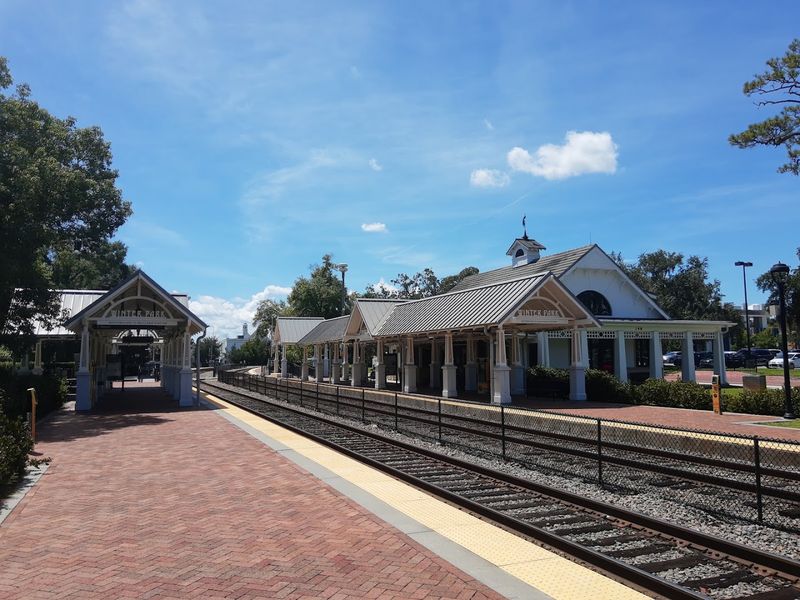
Park Avenue does something to people the moment they step off the SunRail or Amtrak-connected platform and start walking toward it.
Winter Park sits just north of Orlando in Orange County, Florida, and it carries the kind of old-Florida elegance that feels completely unhurried.
The Morse Museum of American Art is the crown jewel here, housing the world’s most comprehensive collection of works by Louis Comfort Tiffany, including stained glass windows that stop visitors mid-step.
The Scenic Boat Tour on Lake Osceola is a one-hour narrated cruise through connected lakes and canals lined with grand homes and ancient cypress trees.
Central Park runs right along Park Avenue, offering shaded benches and a relaxed spot to watch the town move at its own pace.
The dining scene is serious without being stuffy, with Ravenous Pig and Prato earning loyal followings among locals and visitors alike.
Winter Park also hosts a weekly farmers market on Saturday mornings that draws a lively mix of artisan vendors and food stalls.
Catching the train back as the afternoon light softens over those brick sidewalks is honestly one of the better ways to end a Florida day.
2. Tampa, Florida
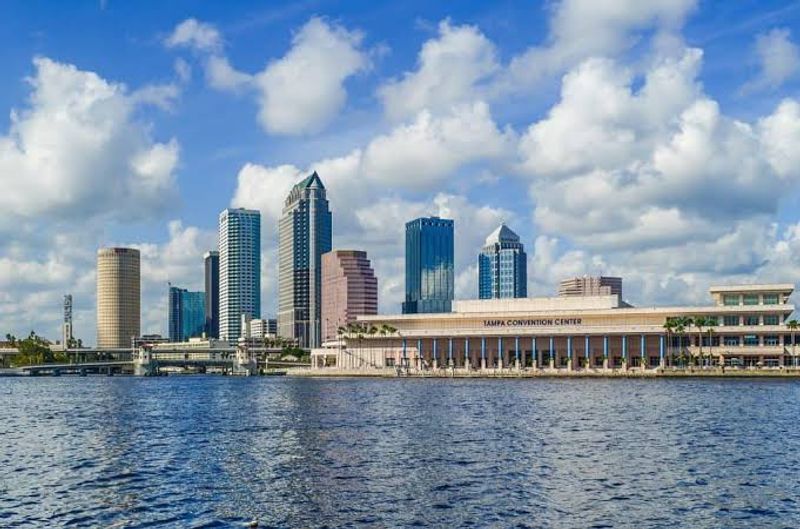
Ybor City hits differently when you arrive by train, stepping out into a neighborhood that still smells faintly of hand-rolled cigars and strong Cuban coffee.
Tampa sits on Florida’s Gulf Coast in Hillsborough County, and it packs more personality per square mile than most people expect from a major Florida city.
The Columbia Restaurant on 7th Avenue in Ybor City is Florida’s oldest restaurant, open since 1905, and the Cuban sandwich here is the real benchmark against which all others are measured.
Channelside and the Tampa Riverwalk stretch along the waterfront for about 2.6 miles, connecting parks, museums, and outdoor dining with easy walking paths.
The Florida Museum of Photographic Arts and the Tampa Museum of Art both sit close to the Riverwalk and offer strong afternoon programming.
Armature Works, a converted 1910 streetcar barn, now houses a sprawling food hall that covers everything from wood-fired pizza to fresh poke bowls.
Tampa’s train station is a beautiful 1912 building that sets a confident tone for the whole visit before you even leave the platform.
3. Miami, Florida
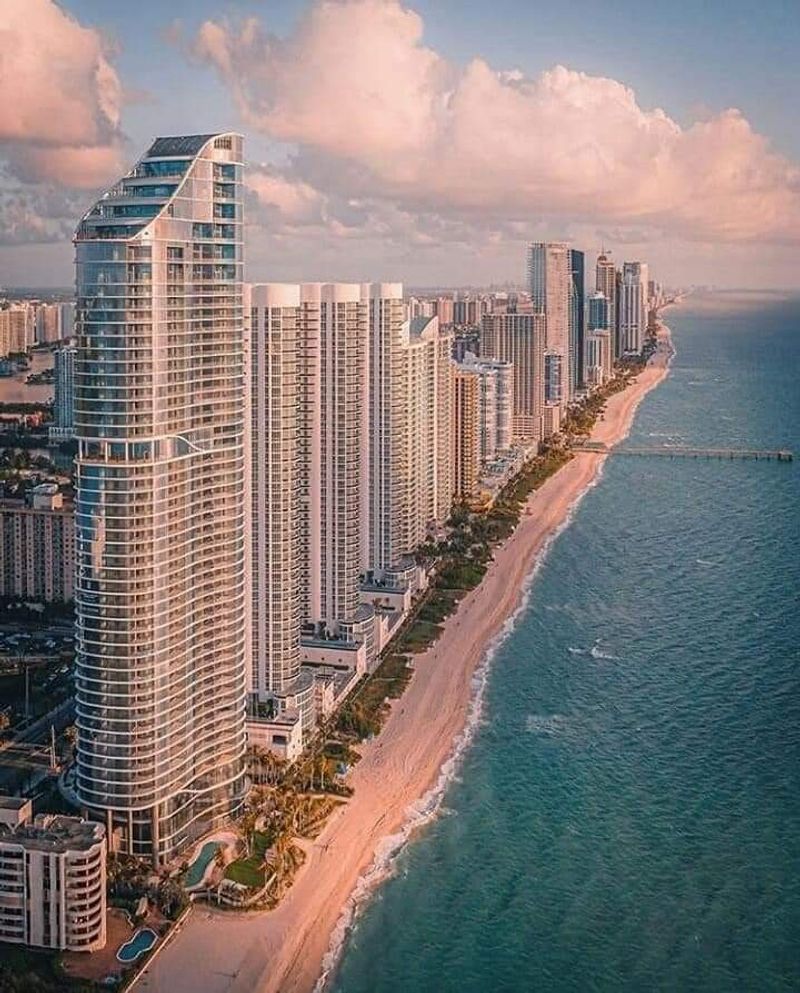
Riding the Silver Meteor or Silver Star into Miami’s historic Hialeah station and then connecting to the city by Metrorail is one of those travel experiences that feels genuinely cinematic.
Miami sits at the southeastern tip of Florida in Miami-Dade County, and it operates on a frequency and energy that is entirely its own.
Wynwood Walls is a must-visit open-air street art museum where internationally recognized muralists have transformed a former warehouse district into one of the most photographed neighborhoods in the country.
Little Havana along Calle Ocho offers a full sensory immersion, with domino players at Maximo Gomez Park, fresh pastelitos from local bakeries, and salsa rhythms drifting out of open doorways.
The Perez Art Museum Miami overlooks Biscayne Bay and combines world-class contemporary art with architectural design that earns its own admiration.
South Beach’s Ocean Drive puts the city’s famous Art Deco architecture front and center, with pastel facades and neon signs that look especially striking in the late afternoon golden hour.
Miami rewards the curious traveler who wanders past the obvious landmarks and finds the neighborhood spots that locals actually love.
4. Fort Lauderdale, Florida
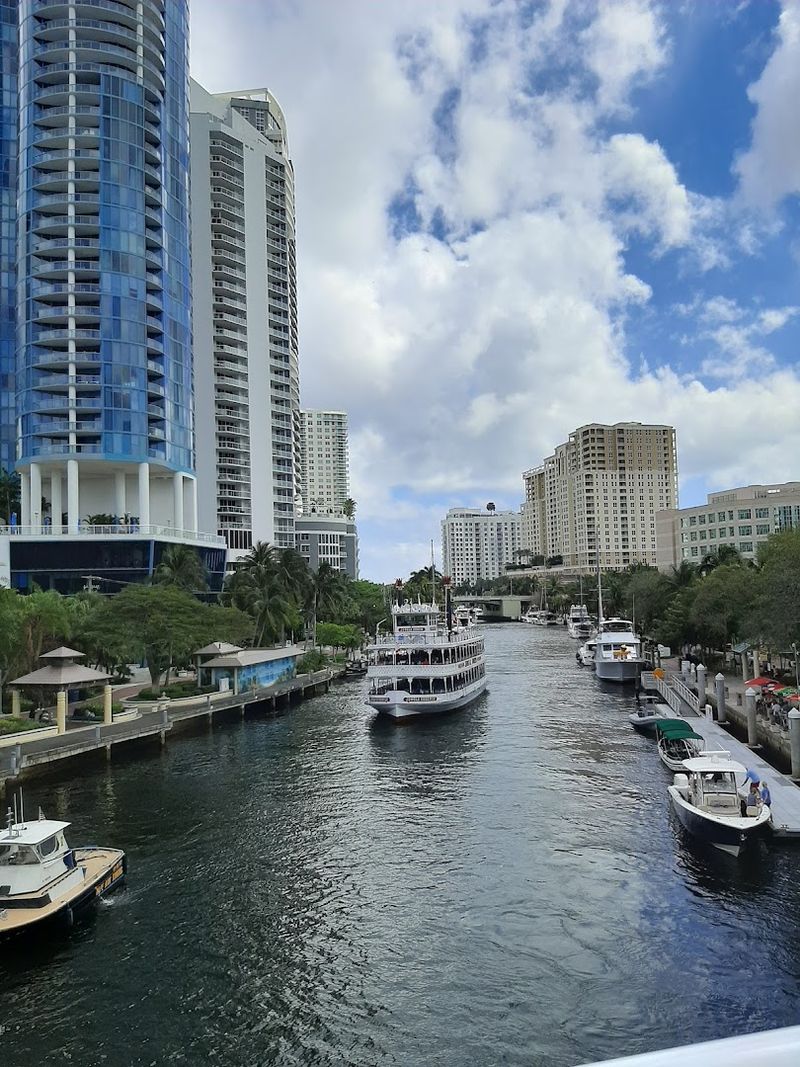
Fort Lauderdale has a waterway system so extensive that the city earned the nickname Venice of America, and the best way to understand why is to hop on the water taxi the same afternoon your train pulls in.
Located in Broward County along Florida’s southeastern coast, Fort Lauderdale sits just 25 miles north of Miami and offers a noticeably more relaxed pace without sacrificing variety.
Las Olas Boulevard is the main artery for dining, boutique shopping, and gallery browsing, with a walkable stretch that connects downtown to the beach in a straight, satisfying line.
The Museum of Discovery and Science near Riverwalk is one of Florida’s best science museums, with an IMAX theater and interactive exhibits that work equally well for adults and kids.
Bonnet House Museum and Gardens is a hidden treasure, a historic artist estate from the 1920s that sits on 35 acres of native Florida landscape right near the beach.
The beach itself along A1A is wide, clean, and refreshingly uncrowded compared to more touristy stretches further south.
Fort Lauderdale is the kind of place where you plan a quick afternoon and end up wishing you had booked the later train home.
5. West Palm Beach, Florida
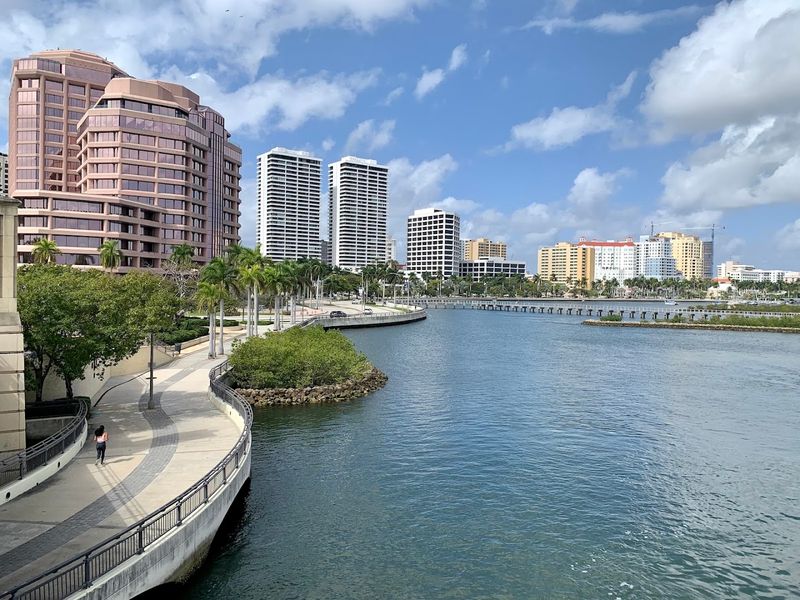
Something about arriving at the West Palm Beach Amtrak station and walking toward the waterfront feels like the city is presenting itself on purpose, with the Intracoastal Waterway glittering just a few blocks away.
West Palm Beach anchors the northern end of the Palm Beaches region in Palm Beach County, Florida, and it carries a cultural depth that surprises first-time visitors expecting only high-end resorts.
The Norton Museum of Art is one of the Southeast’s premier art institutions, with a permanent collection spanning American, European, Chinese, and contemporary works across a beautifully renovated campus.
Clematis Street downtown buzzes with outdoor dining and live music on weekends, offering a lively neighborhood atmosphere that feels accessible and genuinely local.
The South Florida Science Center and Aquarium sits near the museum district and combines hands-on science exhibits with a planetarium and native wildlife displays.
Grandview Public Market is a favorite local food hall where rotating vendors serve everything from wood-fired flatbreads to handcrafted ice cream in a converted 1920s building.
West Palm Beach proves that a day trip can feel substantive and satisfying without requiring a single minute of driving through South Florida traffic.
6. Delray Beach, Florida
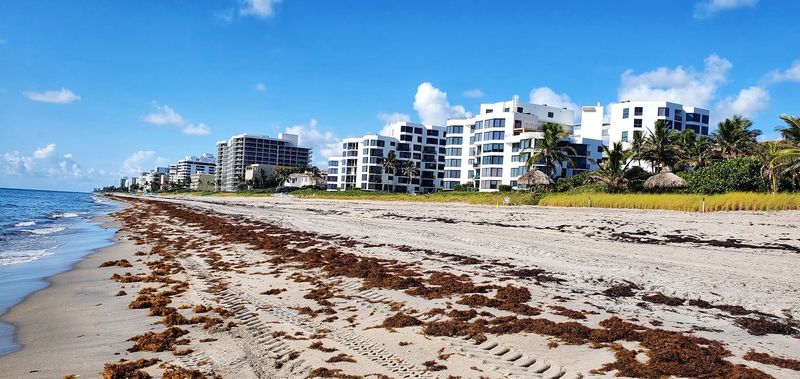
Delray Beach has a way of making visitors feel like they discovered something the rest of Florida forgot to advertise, which is exactly the kind of energy that makes a day trip rewarding.
Situated in Palm Beach County between Boca Raton and Boynton Beach, Delray Beach earned the title of Most Fun Small Town in America from Rand McNally back in 2012, and the city has spent years living up to that reputation.
Atlantic Avenue is the heart of the experience, a walkable corridor of independent restaurants, art galleries, and boutique shops that stretches from downtown all the way to the beach.
The Morikami Museum and Japanese Gardens is one of the most unexpected cultural institutions in all of Florida, a stunning 16-acre property dedicated to the history of Japanese settlement in Palm Beach County.
Cornell Art Museum at Old School Square sits in a beautifully restored 1913 elementary school and hosts rotating exhibitions with a strong focus on Florida-based artists.
Delray’s beach is genuinely beautiful, wide and clean with calm waters that make an afternoon walk feel like a proper reward after a morning of exploring.
Every visit here ends with the same thought: this place deserves a longer stay.
7. Jacksonville, Florida
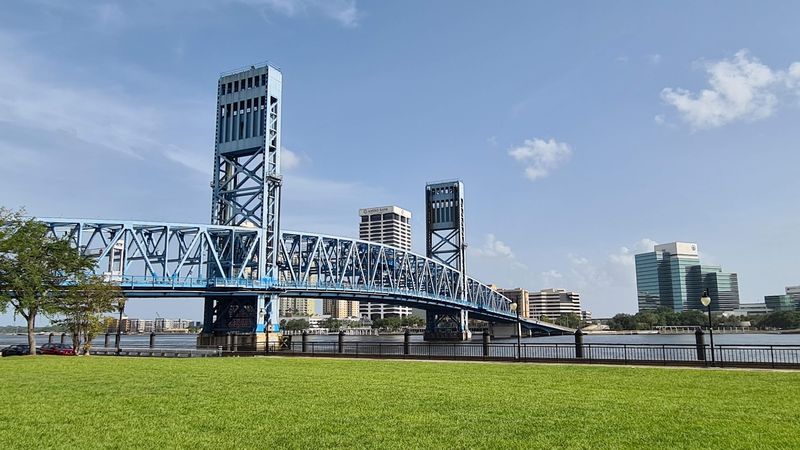
Jacksonville is the kind of city that people underestimate right up until the moment they start walking along the St. Johns River and realize how much is actually going on here.
As the largest city by area in the contiguous United States, Jacksonville sits in Duval County in northeastern Florida, and it anchors the northern end of Amtrak’s Florida routes with a station that connects directly to the Thruway Bus network.
The Cummer Museum of Art and Gardens is a standout cultural destination, featuring a permanent collection of more than 5,000 works alongside formal gardens that stretch down to the riverbank.
San Marco neighborhood is a walkable historic district with independent bookshops, farm-to-table restaurants, and a lively square anchored by a beautiful 1926 fountain.
The Museum of Science and History, known locally as MOSH, sits on the Southbank Riverwalk and combines natural history, Florida ecosystems, and a planetarium under one roof.
Hemming Park in downtown Jacksonville hosts regular events, food truck gatherings, and live performances that reflect the city’s growing creative community.
Jacksonville keeps revealing new layers the longer you stay, which makes a day trip feel more like an introduction than a conclusion.
8. DeLand, Florida
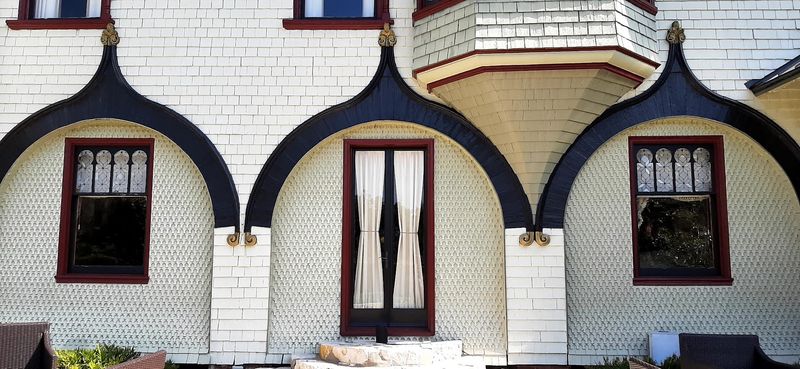
DeLand is the kind of small Florida city that feels like it has been quietly perfecting itself for decades while the rest of the state chased beachfront development.
Located in Volusia County in central Florida, DeLand sits about 25 miles inland from Daytona Beach and serves as the county seat, home to Stetson University and one of the most charming historic downtowns in the entire state.
Woodland Boulevard is the main street, lined with independent art galleries, farm-fresh restaurants, and specialty shops housed in well-preserved early 20th-century storefronts.
The Gillespie Museum on the Stetson University campus is a small but excellent natural history collection focused on minerals and gemstones that draws geology enthusiasts from across Florida.
The Athens Theatre, a beautifully restored 1922 venue on Woodland Boulevard, hosts live performances ranging from Broadway-style productions to local musical acts throughout the year.
DeLand earned the title of America’s Most Historic Small Town from the American Bus Association, and a walk through the historic district makes that recognition easy to understand.
Amtrak stops in DeLand on the Silver Meteor route, which makes this one of the most accessible and overlooked train day trips in the entire state.
9. Lakeland, Florida
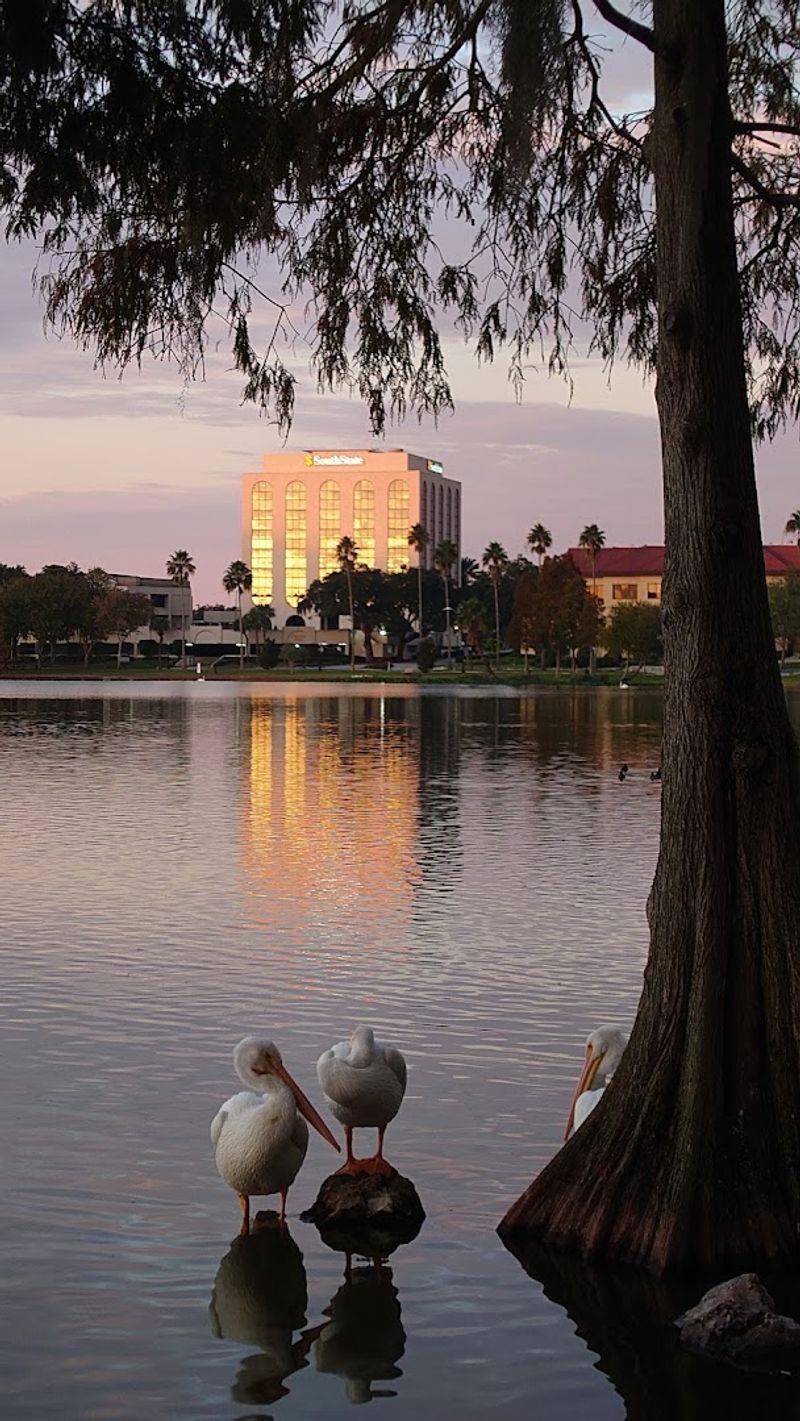
Frank Lloyd Wright designed 12 buildings on the Florida Southern College campus in Lakeland, making it the largest single-site collection of his architecture anywhere in the world, and that fact alone is enough reason to board the train.
Lakeland sits in Polk County in central Florida, roughly halfway between Tampa and Orlando, and it earns its name honestly with more than 38 lakes scattered throughout the city.
The Florida Southern College campus is a genuine architectural pilgrimage, where Wright’s organic style shows up in the Annie Pfeiffer Chapel, the Esplanades, and the Lucius Pond Ordway Building in a way that rewards slow, attentive walking.
Lake Mirror Promenade is a beautifully maintained lakeside walkway in the heart of downtown, flanked by historic buildings and a colony of swans that have called the lake home for well over a century.
The Polk Museum of Art near downtown offers free admission and a strong permanent collection alongside thoughtfully curated rotating exhibitions.
Hollis Garden is a formal lakeside garden with more than 10,000 plants arranged in a symmetrical design that provides one of the most photogenic spots in central Florida.
Lakeland is the kind of place that turns skeptics into enthusiastic repeat visitors after just one afternoon of exploration.
10. Kissimmee, Florida
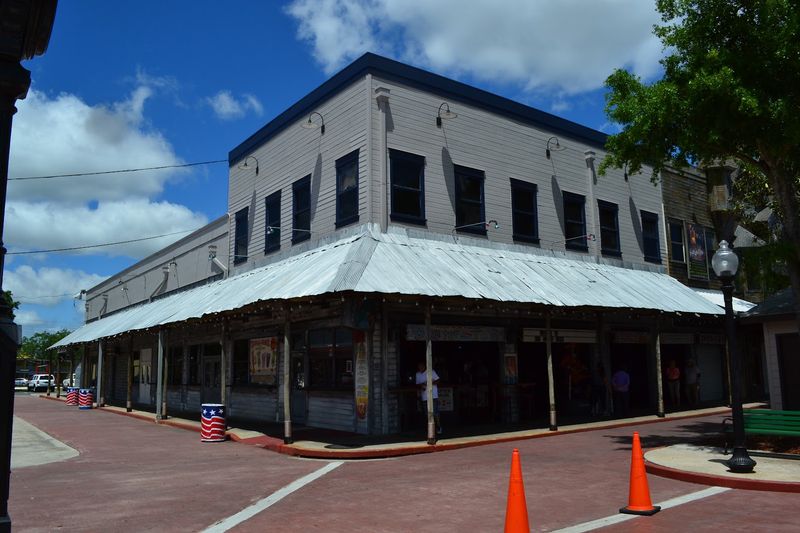
Most people hear Kissimmee and immediately picture theme park parking lots, which is exactly why arriving by train and heading straight to the lakefront feels like a small act of discovery.
Kissimmee sits in Osceola County in central Florida, just south of Orlando, and it holds a genuine historical identity that existed long before the first roller coaster was ever built in the region.
Monument of States in Lakefront Park is one of Florida’s quirkiest landmarks, a 50-foot tower built in 1943 using stones contributed by all 48 states that existed at the time, plus Washington D.C.
The Kissimmee Lakefront Park itself is a wide, well-kept green space along East Lake Tohopekaliga where you can rent a kayak, watch wading birds hunt along the shoreline, or simply sit and let the afternoon settle around you.
Historic downtown Broadway has been experiencing a steady revival, with murals, independent eateries, and local shops filling storefronts that reflect the city’s deep cattle-ranching and citrus-growing heritage.
The Osceola County Historical Society runs the Pioneer Village at Shingle Creek, an outdoor living history museum that reconstructs early Florida frontier life with genuine artifacts and period structures.
Kissimmee rewards the traveler who looks past the obvious and finds the real Florida hiding in plain sight.