
12 Florida Bucket List Fall Hikes Ranked From Breezy To Bold
Florida has a waterfall that drops into a sinkhole and vanishes underground. I still can’t get over that one.
The surprises keep stacking up. One trail rolls past the largest old-growth bald cypress forest in North America.
Another climbs bluffs high above a river, where a rare conifer grows wild along those slopes and almost nowhere else on Earth.
Fall is when these trails finally make sense. The brutal heat backs off, and the walking gets easier.
Some routes are flat boardwalks you could stroll in sandals. Others take hours and test your legs on climbs most people never link with the Sunshine State.
I love that the same state can serve up a lazy swamp ramble and a sweaty, leg-burning challenge loop. So how bold are you feeling this season?
1. Audubon Corkscrew Swamp Sanctuary
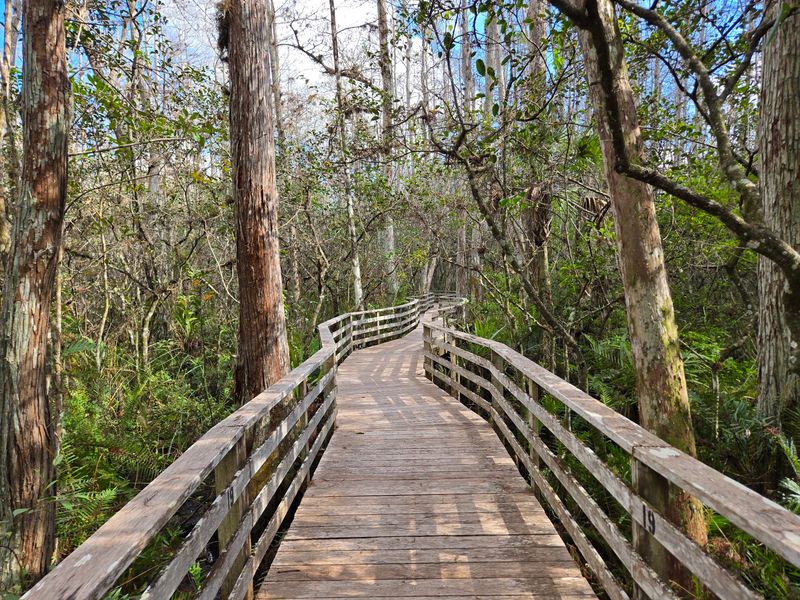
Your hardest decision here might be which giant cypress to stare at first. The trail is a boardwalk, so your shoes stay dry the whole time.
Audubon Corkscrew Swamp Sanctuary sits outside Naples in Southwest Florida. Its 2.25-mile boardwalk winds through the largest old-growth bald cypress forest in North America.
That’s a big claim, and the trees back it up. You get elevated walkways that keep you above the swamp while it does its wild thing below.
Wildlife is a big part of the draw. Alligators, wading birds, and other native animals often show up along the route.
The sanctuary also has an observation tower. It gives you a different angle on the wetlands and the plants packed into them.
Fall makes the walk even sweeter. Cooler air means you can linger without the summer heat breathing down your neck.
Timing matters, though. During the fall season, the last admission is at 1 p.m., while the boardwalk remains open until 3 p.m.
Arriving early gives you more time to explore.
Families tend to love it because the route is flat and easy for kids. Picnic tables and public restrooms make the outing simple to plan.
Think of this as your warm-up for the bolder hikes ahead. You’ll learn a lot about swamp life without breaking a sweat.
Bring binoculars and a little patience. The swamp rewards people who slow down and look closely.
Address: 375 Sanctuary Rd W, Naples, FL 34120
2. Falling Waters State Park
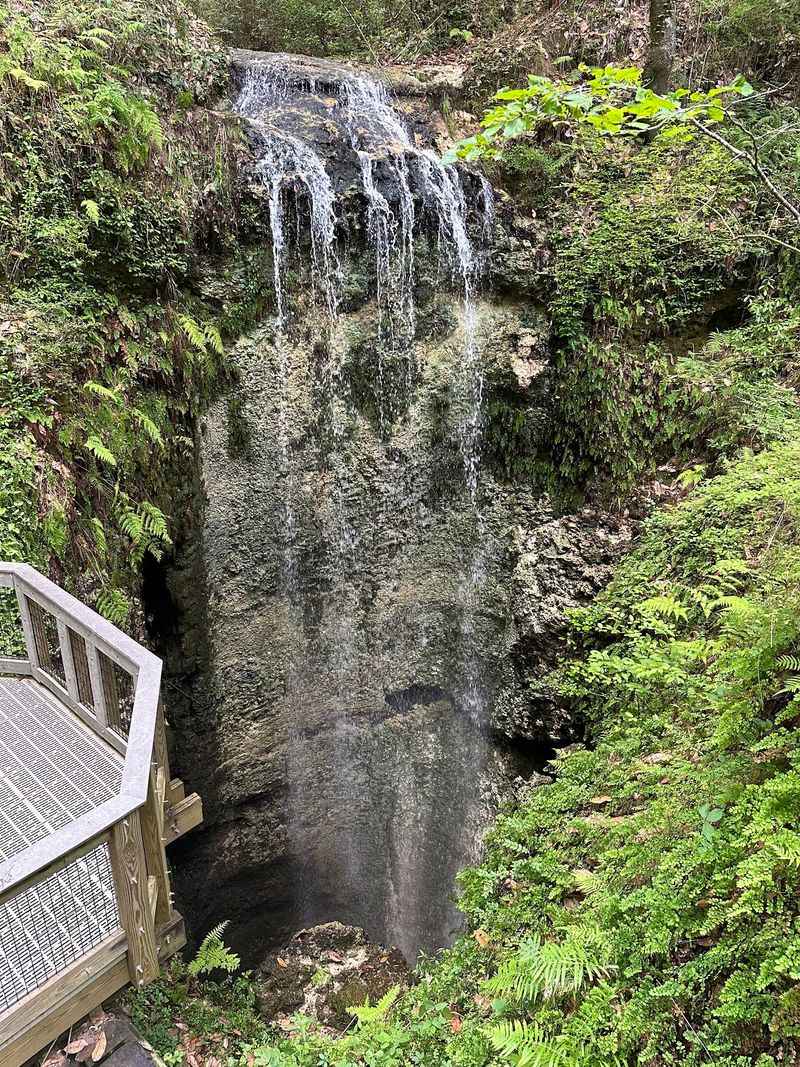
Yes, Florida has a waterfall, and it plunges straight into a sinkhole. That alone earns this Panhandle park a spot on your list.
Falling Waters State Park sits in Chipley, in the rural Florida Panhandle. Its Sinkhole Trail is a half-mile boardwalk that winds past ferns, trees, and sinkholes.
At the end waits the waterfall, known as the largest in the state. The flow tends to look best after a couple of days of rain.
So check the forecast before you go. A soggy week can mean a much better show.
The park isn’t huge, but it packs in a lot. You’ll find several short trails, some real hills, and shade from tall pines.
There’s also a lake with a white sand beach. It’s a surprise many first-timers don’t expect inland.
Kids get a playground with slides and swings. Grills and picnic tables make lunch an easy add-on.
Dogs are allowed, so your four-legged hiking buddy can tag along. Just keep the leash handy on the boardwalk.
Weekends get busier, especially Sunday mornings. Mondays and Tuesday mornings tend to be calmer if you want the trail to yourself.
Fall walks here feel peaceful and easy. It’s a short hike with a big payoff, which is the best kind of deal.
Address: 1130 State Pk Rd, Chipley, FL 32428
3. Bulow Creek State Park
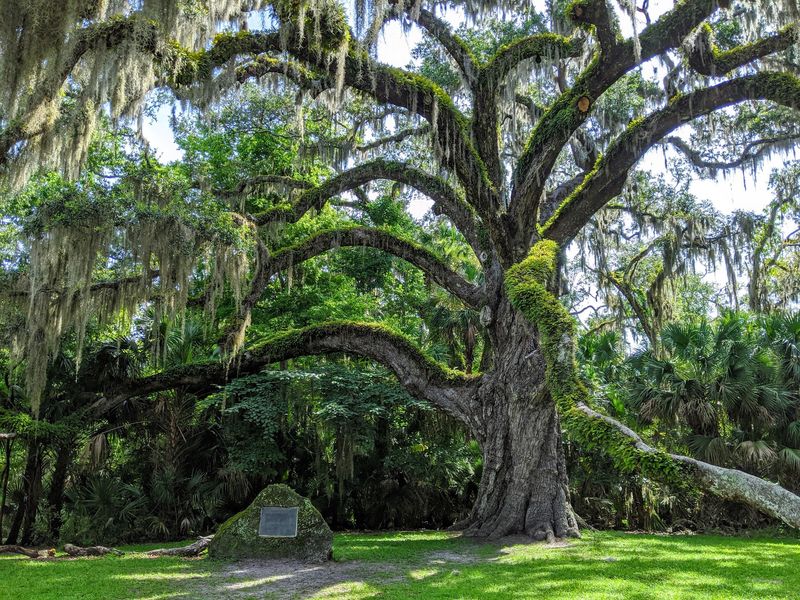
Ancient oaks steal the spotlight at this quiet coastal park. Some of these trees look like they’ve been holding meetings for centuries.
Bulow Creek State Park covers almost 5,600 acres near Ormond Beach. It sits on Florida’s northeast Atlantic coast, with trails, waterways, and historic ruins.
The walking is flat and low-strain. That makes it a smart pick if you want nature without a workout.
Shaded paths lead toward the famous Fairchild Oak. Wandering under those huge live oak limbs feels extra pleasant once fall breezes roll in.
History buffs get a bonus here. The area connects to sugar plantations from the 1800s, and ruins still dot the landscape.
A pier gives you a look at Bulow Creek itself. Bring a camera, because the views over the water can be lovely.
Wildlife sightings are common along the inlets and waterways. Keep your eyes moving and your voice low.
Picnic tables and grills make it easy to stretch the visit into lunch. Restrooms are available, though facilities are simple.
Dogs are welcome, so it’s a solid spot for a pup-friendly stroll. Runners and bike riders also use the area.
The park opens at 8 a.m. and closes at sunset. That leaves plenty of time for a peaceful afternoon walk, but plan to finish your hike before daylight fades.
Address: 3351 Old Dixie Hwy, Ormond Beach, FL 32174
4. Ravine Gardens State Park
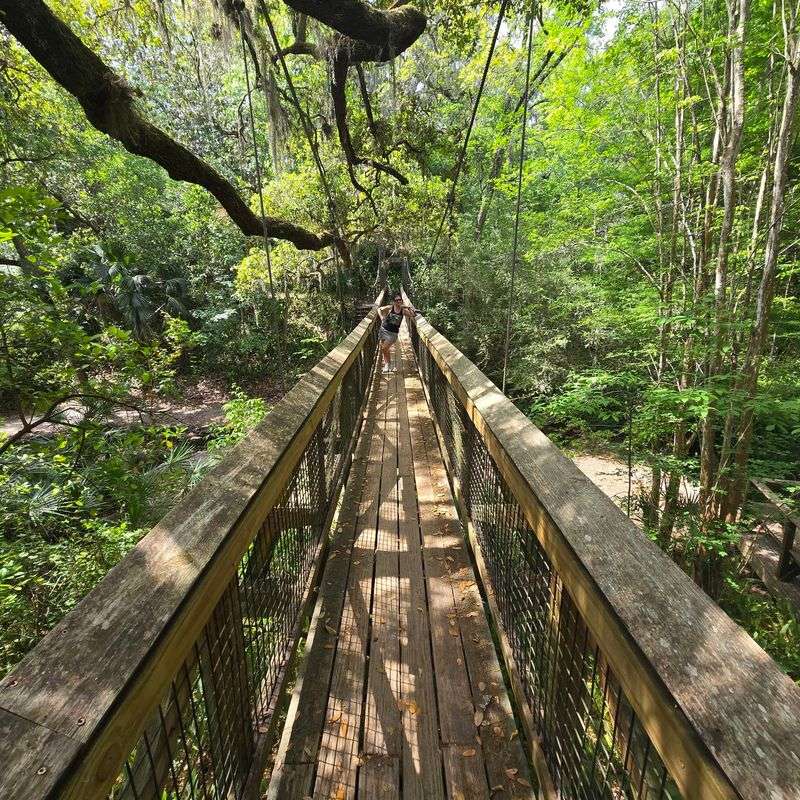
Suspension bridges in Florida? You bet, and this park has two of them.
Ravine Gardens State Park sits in Palatka along the St. Johns River corridor. It features steep ravines carved into the land, which feels wildly un-Florida.
Trails meander in and out of the ravine. They lead down to a clear stream flowing along the bottom.
That up-and-down terrain bumps things up a notch on our scale. It’s still a scenic stroll, but your calves will notice.
Landscaped gardens surround the trails. The grounds stay lush and green, giving the walk a calm, park-like feel.
The visitor center has restrooms, a water fountain, and a vending machine. It also shares history about Palatka’s water works.
Fall is a great time to come. Lower humidity makes those climbs out of the ravine much more pleasant.
Families get a playground, swings, and picnic areas. Grills mean you can turn a short hike into a full afternoon.
Dogs are allowed, so your pup can test the bridges too. Some dogs love them, and some will give you a look.
The park opens at 8 a.m. and closes at sunset, so plan your visit around the available daylight. Weekdays tend to be quieter than Saturdays.
Address: 1600 Twigg St, Palatka, FL 32177
5. Highlands Hammock State Park
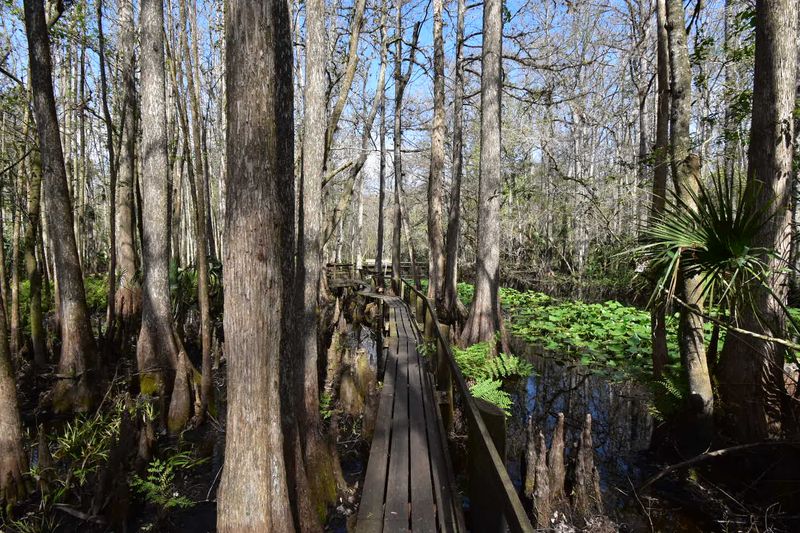
Black bears, deer, and alligators all call this old-growth hammock home. Not bad for a park that opened back in 1935.
Highlands Hammock State Park sits in Sebring, in south-central Florida. Its trails lead you through cypress swamp, pine scrub, and several oak hammocks.
One of the park’s best-known features is its historic Cypress Swamp catwalk, an elevated wooden walkway through the wetlands. However, the catwalk has been reported closed until further notice, so visitors should check its status before arriving.
Trails are well marked and shaded. That makes navigation simple, even for first-time hikers.
Giant trees fill the hammocks. Some of them make you feel pretty small, in the best way.
Wildlife can pop up almost anywhere here. Alligators, birds, and deer are among the animals visitors may spot while exploring the park’s accessible trails.
There’s a museum on site too. It’s a nice stop if you like a little history with your hike.
Camping is currently limited to organized groups using the park’s Youth Camp. Day visitors can still enjoy amenities such as grills, picnic tables, and a playground.
Dogs are allowed, so bring your trail buddy. Just stay alert near the water.
Weekends and Friday mornings can get busy. The park opens at 8 a.m. and closes at sunset, so plan your hike around the available daylight.
This one sits right in the middle of our scale. It’s easy on the legs but big on variety.
Address: 5931 Hammock Rd, Sebring, FL 33872
6. Little Talbot Island State Park
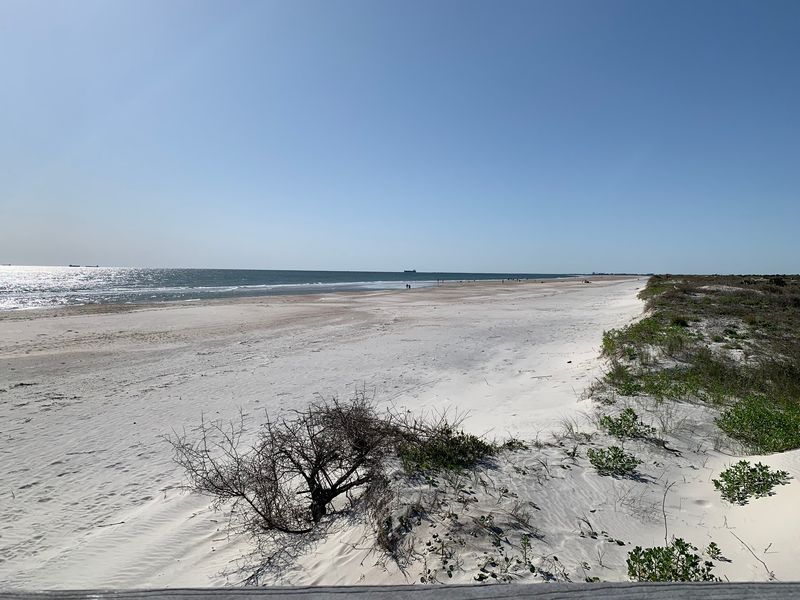
Sand under your boots changes the game fast. On this barrier island, the hike earns its place a little higher on the bold scale.
Little Talbot Island State Park sits in Jacksonville along Florida’s First Coast. It’s an undisturbed barrier island with beaches, trails, and waterways.
The Dune Ridge Trail runs about 4 miles. It crosses maritime forest and loose beach sand, which works your legs harder than pavement.
Wind-sculpted dunes and salt marshes shape the scenery. You’ll also find plenty of birdlife along the way.
Autumn is the sweet spot here. Cool ocean breezes and softer sun make sandy stretches far more bearable.
After the hike, the beach is right there. There’s plenty of space to spread out and rest your feet.
Fishing, kayaking, and biking are also popular. Kayak rentals are available nearby if you want to see the island from the water.
Camping is an option for a longer stay. Grills, picnic tables, and a playground make day trips easy too.
Pet dogs are not permitted on the beach or boardwalks, and the Dune Ridge Trail includes a beach section. Visitors traveling with dogs should check the park’s designated pet-friendly areas before choosing a route.Saturdays get the most traffic.
Weekdays offer a quieter, more peaceful walk.
Address: 12157 Heckscher Dr, Jacksonville, FL 32226
7. Big Shoals State Park
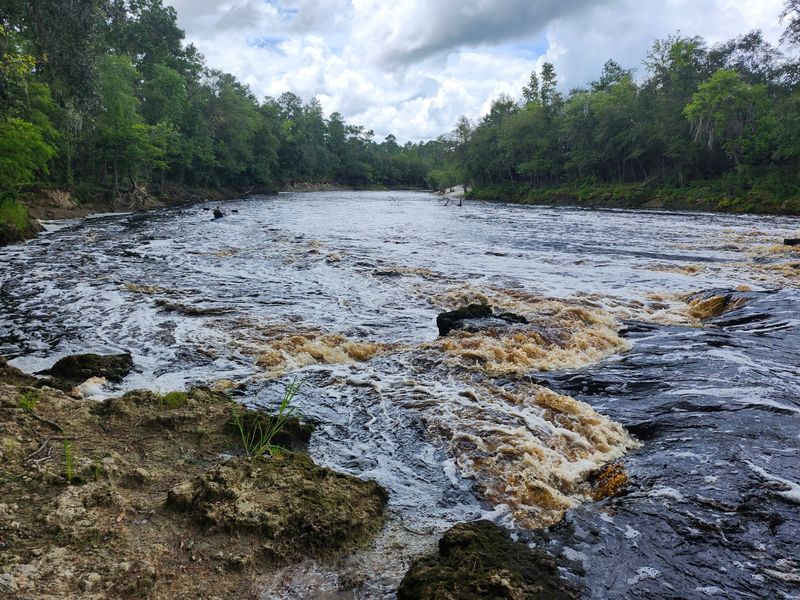
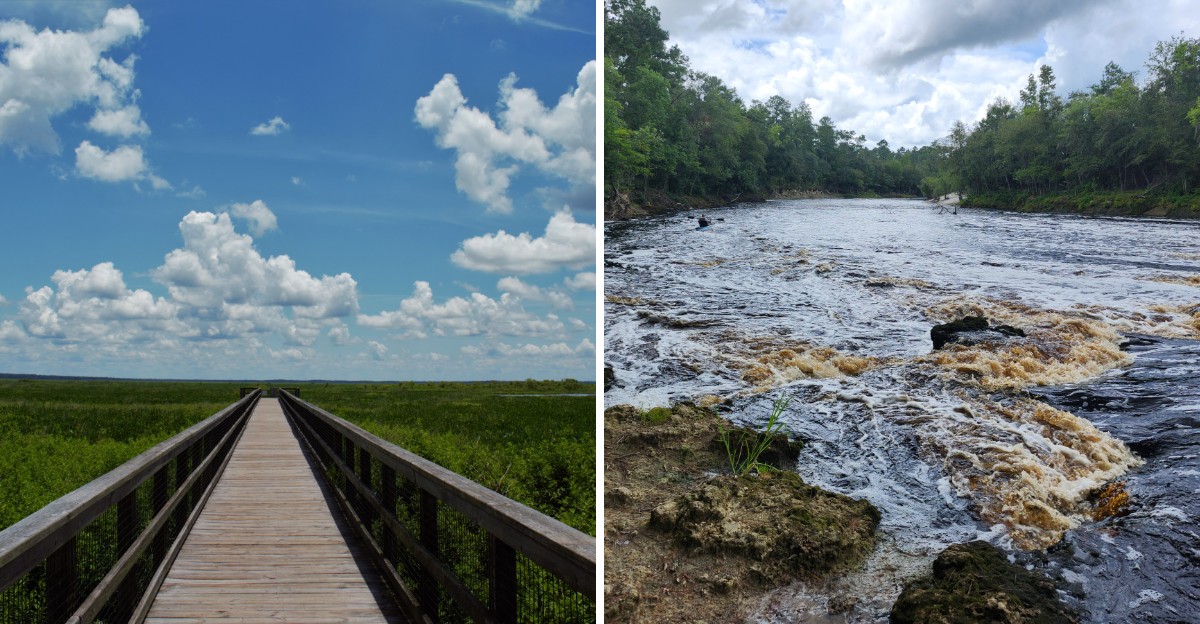
Whitewater rapids in Florida sound like a myth. Then you hear the Suwannee River roaring at Big Shoals.
Big Shoals State Park sits in White Springs in North Florida. It’s known for riverside trails and the Big Shoals rapids, rated Class III.
The trail to the overlook is around a mile. It’s only moderately challenging, but it feels like real woodland hiking.
Longer options stretch along the river too. An easy 3-mile route follows the water with a viewpoint of the shoals.
The path skirts tall limestone bluffs. In fall, hardwoods overhead add color most people don’t expect this far south.
The payoff is the rapids themselves. Water levels change, so the show can look different visit to visit.
Bring sturdy shoes for roots and slopes near the bluffs. Stay back from edges, especially when the ground is damp.
Amenities are simple, with picnic tables and public restrooms. Pack snacks and plenty of water before you arrive.
Kids can handle the shorter trail with a little encouragement. The sound of the river does a lot of motivating.
The park opens at 8 a.m. and closes at sunset. Fall days are shorter, so start early and allow enough time to finish your hike before dark.
Address: 18738 SE 94 St, White Springs, FL 32096
8. Hillsborough River State Park
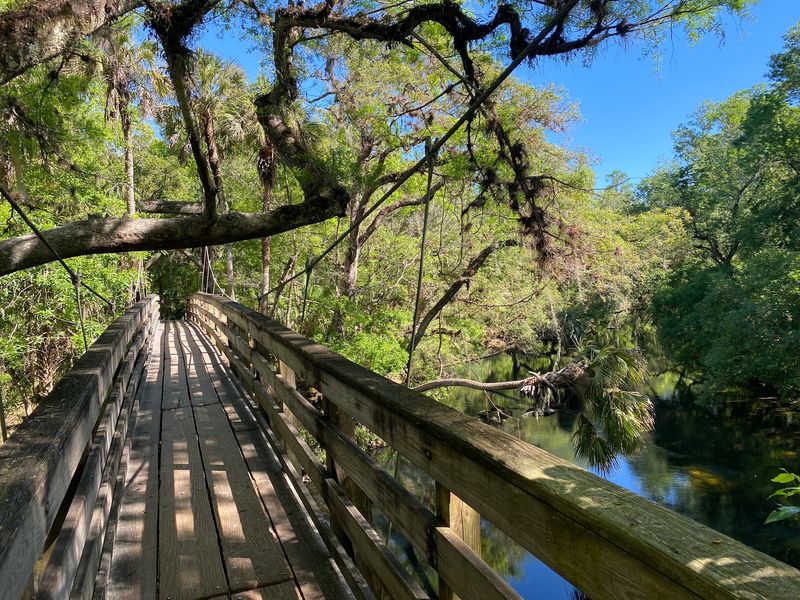
Rapids and a swinging bridge just northeast of Tampa? This park has been delivering surprises since 1938.
Hillsborough River State Park is one of Florida’s first state parks. It sits in Thonotosassa and mixes river scenery with real hiking.
More than 7 miles of trails cross oak hammocks, pine flatwoods, and cypress swamps. Many paths hug the river.
The Rapids Trail is known for views of the park’s rocky river rapids, but part of the route is currently closed. Check the latest trail conditions before planning your hike.
Want more mileage? The Baynard Trail runs approximately 1.1 miles, while other park trails offer additional opportunities to explore the surrounding landscape.
A suspension bridge crosses the river. It’s a fun highlight, especially for kids who like a little wobble.
History fans may be interested in Fort Foster Historic Site, a reconstructed fort from the Second Seminole War era. However, the site is currently closed to visitors.
Wildlife shows up often, including turtles, alligators, and birds. Keep an eye on the water’s edge.
Canoe and kayak rentals are available if you want to paddle. Camping, picnic areas, and a playground make it easy to stay longer.
Shaded trails and an old Florida feel make fall visits especially nice. Friday and Saturday evenings tend to be busiest.
Address: 15402 US-301, Thonotosassa, FL 33592
9. Paynes Prairie Preserve State Park
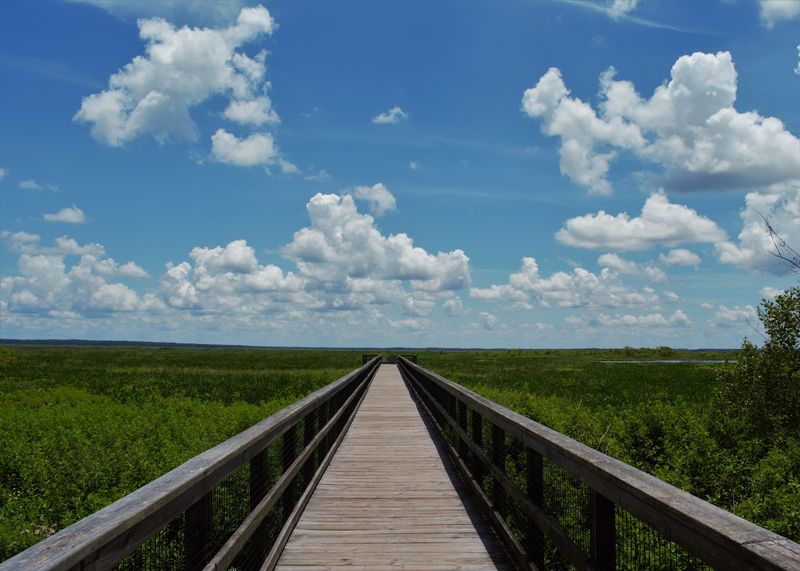
Bison and wild horses roaming Florida sounds like a tall tale. At this prairie, it’s simply Tuesday.
Paynes Prairie Preserve State Park sits in Micanopy in North Central Florida. It became Florida’s first state preserve in 1971.
The preserve covers about 22,000 acres. Bison were reintroduced here in the 1970s, and Florida Cracker horses live here too.
Open savanna trails make this hike bolder than it looks. Long distances and close wildlife keep you on your toes.
La Chua Trail is famous for wildlife viewing. Alligators often sunbathe close by, so give them plenty of room.
Bolen Bluff is another favorite for fall. Birders come for the season’s sightings, including migrating sandhill cranes.
A 50-foot observation tower near the visitor center offers wide prairie views. It’s worth the climb.
The park also has over 30 miles of trails. You can hike, bike, or ride horseback across them.
Camping, picnic areas, and a playground make it easy for families. Dogs are allowed in some areas, so check trail rules before you go.
Weekends get busier, while Tuesday and Wednesday mornings are quieter. Bring water, a hat, and binoculars.
Address: 100 Savannah Blvd, Micanopy, FL 32667
10. Jonathan Dickinson State Park
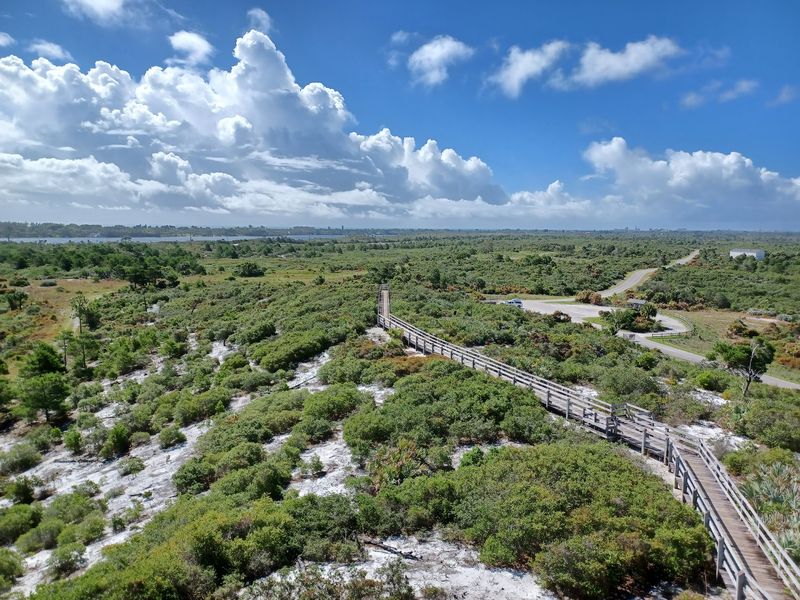
A mountain on the Treasure Coast? Hobe Mountain is an ancient sand dune, and it rises 86 feet above sea level.
Jonathan Dickinson State Park sits in Hobe Sound. It spans roughly 11,500 acres, making it the largest state park in Southeast Florida.
The park holds 16 natural communities. You’ll cross sand pine scrub, pine flatwoods, and river swamps.
Sugar sand makes some stretches tough. Your legs will feel every step, especially on open scrub trails.
That’s why autumn is the right time. Exposed trails can be brutal in summer, but fall makes them doable.
Hobe Mountain is one of the park’s most distinctive natural landmarks. Although its observation tower is currently closed, the surrounding landscape still offers a glimpse of Florida’s unusual coastal sandhill terrain.
The Loxahatchee River flows through the park. It became Florida’s first federally designated Wild and Scenic River in 1985.
History runs deep here. The park is named for a merchant shipwrecked nearby in 1696, and it once hosted a secret Army radar school.
Kayaking, canoeing, and biking add more options. Campgrounds provide opportunities for overnight stays, but the park’s cabins closed for renovations on October 18, 2026.
Watch for Florida scrub-jays and gopher tortoises along the trails. Weekend evenings are the busiest times.
Address: 16450 SE Federal Hwy, Hobe Sound, FL 33455
11. Black Bear Wilderness Area
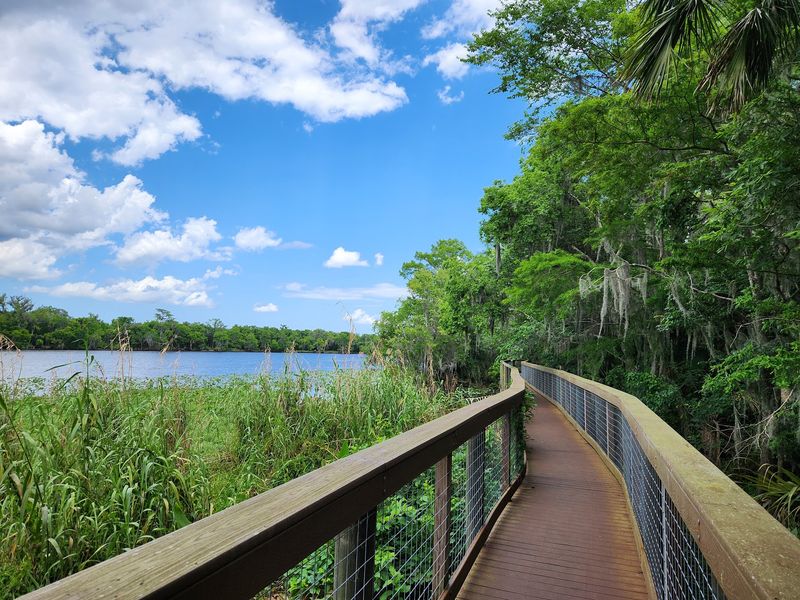
The name isn’t just for show. Black bears really do roam this wild stretch along the St. Johns River.
Black Bear Wilderness Area sits in Sanford. It covers about 1,650 acres of marsh plus hardwood and floodplain swamps.
The main loop runs about 7 miles. Water surrounds it on two sides, which keeps the scenery interesting.
This trail is rugged. Tree roots cross the path often, so watch your feet more than your phone.
Boardwalks help you over the wettest spots. Shade covers much of the route, which helps a lot.
Wildlife is the big headline. Gators, deer, owls, otters, and wild hogs are regular sightings.
Bears show up occasionally. Give them space and never approach, even for the perfect photo.
Fall brings drier footing in many years. That makes finishing the full loop more realistic.
A primitive campsite sits about 3 miles in. It has a shelter with picnic tables and benches.
Dogs are allowed, but keep them close in bear country. Pack plenty of water, bug spray, and sturdy shoes.
Restrooms are available at the trailhead. Start early so you aren’t rushing roots at dusk.
Address: 5298 Michigan Ave, Sanford, FL 32771
12. Torreya State Park
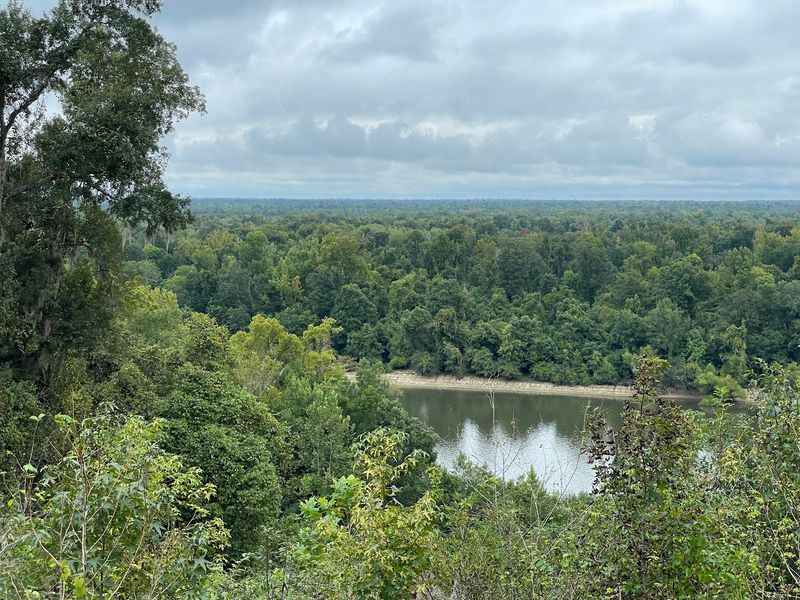
Save the boldest for last. This park makes Florida feel like it borrowed a few hills from the Appalachians.
Torreya State Park sits on bluffs above the Apalachicola River in Bristol. Its ravines and steep slopes deliver some of Florida’s biggest elevation changes.
Fall color is the big draw. Beech, hickory, sweetgum, and sourwood trees put on a real autumn show.
The park is named for the Florida torreya. This rare conifer grows naturally along these river bluffs.
Serious hikers aim for the Torreya Challenge loop. It can take up to six hours, so plan your day carefully.
Start early and bring more water than you think you need. Ticks are common, so check yourself after the hike.
The park’s hiking trails wind through scenic bluffs and wooded terrain overlooking the Apalachicola River. Primitive camping at Rock Bluff offers an additional adventure for visitors exploring the area on foot.
History adds another layer. The Civilian Conservation Corps moved the Gregory House across the river in 1935.
You can also spot remains of a Civil War battery. It once guarded the river below.
The main campground has shaded sites and an air-conditioned bathhouse. That shower will feel amazing after the climbs.
Bird-watchers love it here too. Finish your Florida fall list on a high note, literally.
Address: 2576 NW Torreya Park Rd, Bristol, FL 32321