
13 Florida Destinations Out-Of-Towners Don’t Know But Should
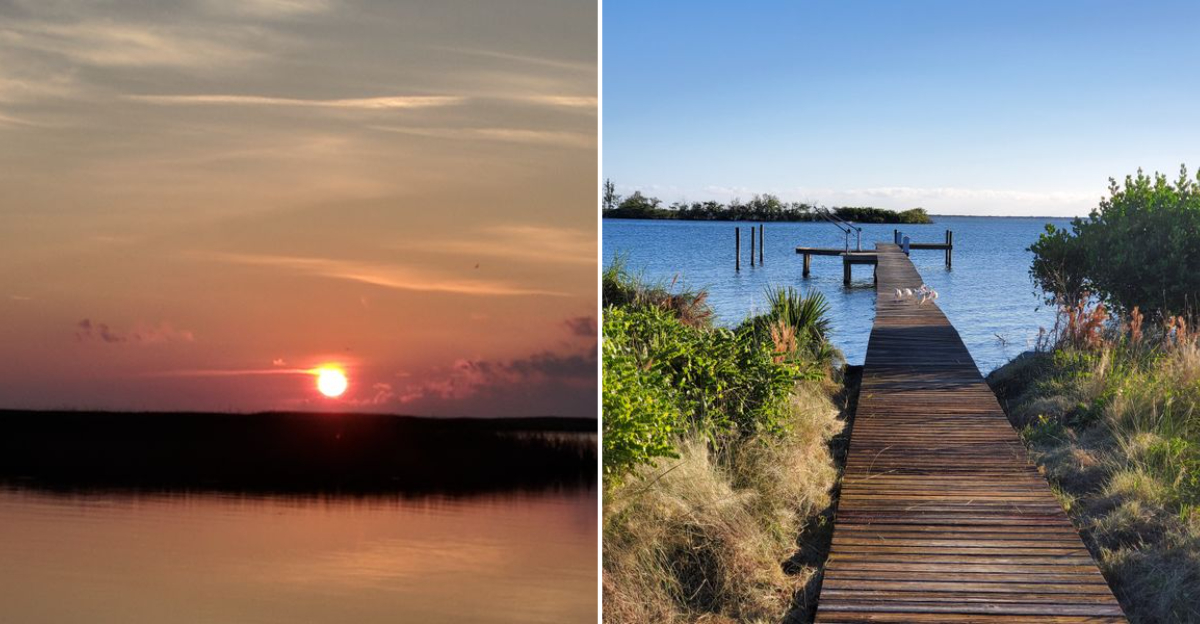
Florida is famous for its theme parks and crowded beaches, but there’s a whole other side to the Sunshine State that most tourists never see.
I once stumbled upon a tiny waterfront town while taking a wrong turn, and it completely changed how I explore Florida. These hidden gems offer authentic experiences, stunning nature, and small-town charm without the overwhelming crowds.
1. Cedar Key – Old Florida Island Time (Gulf Coast)
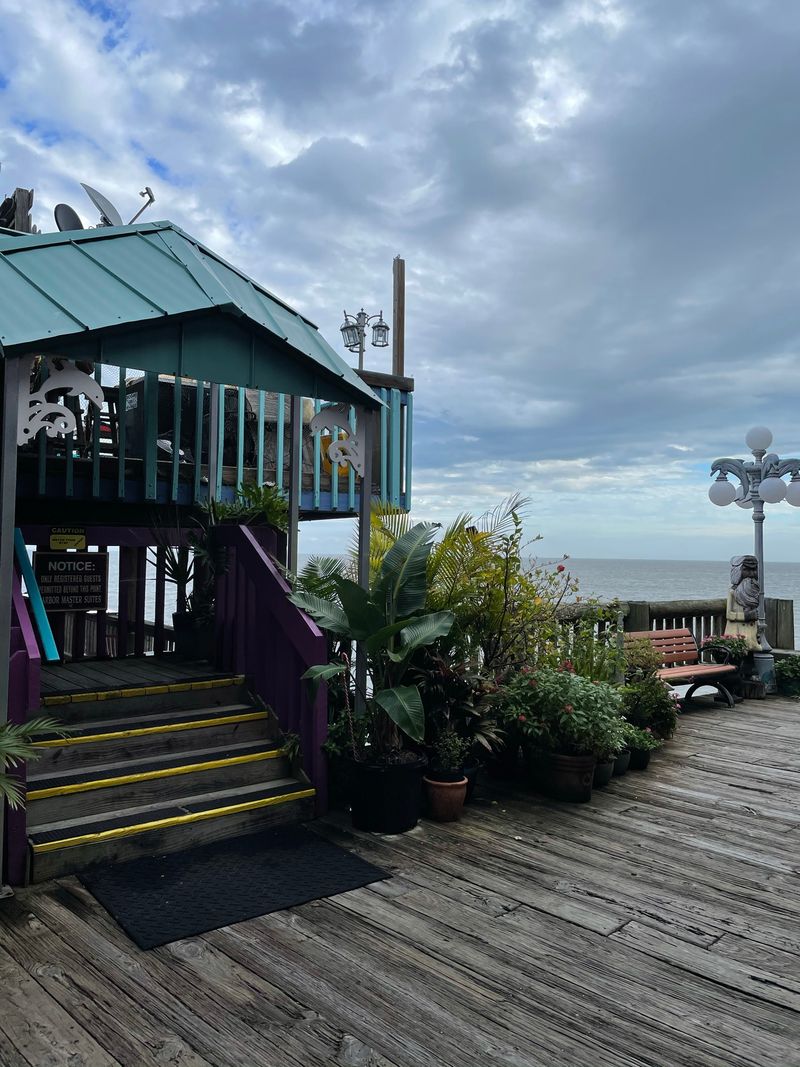
Life moves slower on this quirky Gulf Coast island, where wooden docks creak under your feet and pelicans outnumber people. Cedar Key feels like stepping back fifty years, with mom-and-pop seafood shacks serving the freshest clams you’ll ever taste.
Artists have colonized the old fishing buildings, turning them into galleries filled with coastal-inspired paintings and handmade jewelry. No chain restaurants exist here—just authentic character and salt air.
Kayaking through the protected marshes reveals dolphins, manatees, and countless shore birds going about their business undisturbed.
2. Mount Dora – Lakeside Arts Town Near Orlando
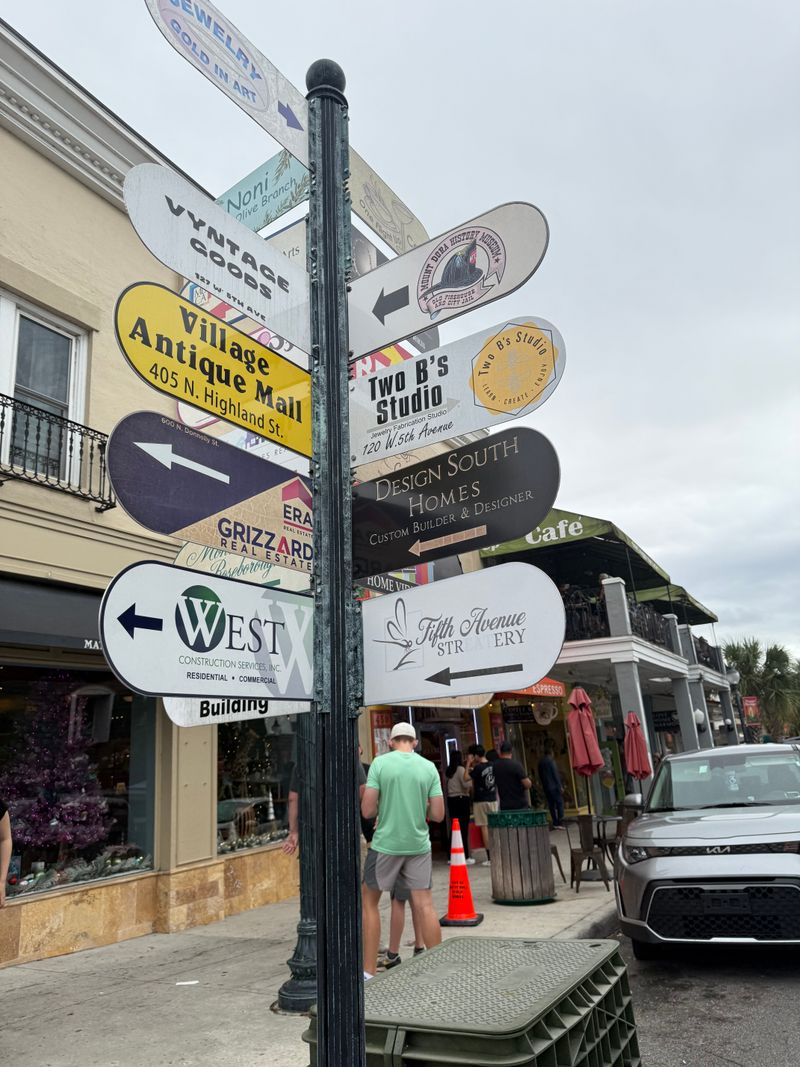
Antique lovers practically faint when they discover Mount Dora’s downtown, packed with over 30 shops selling everything from vintage signs to Victorian furniture. This lakeside community sits just thirty minutes from Orlando’s chaos but feels like a different universe entirely.
Weekend festivals happen almost constantly—art shows, craft fairs, bicycle races, and even a Mardi Gras celebration. The historic lighthouse (yes, on a lake!) offers gorgeous sunset views.
Stroll the brick-paved streets, grab homemade ice cream, and watch boats glide across Lake Dora while live music drifts from outdoor cafes.
3. Lake Placid – Town of Murals & Caladium Capital
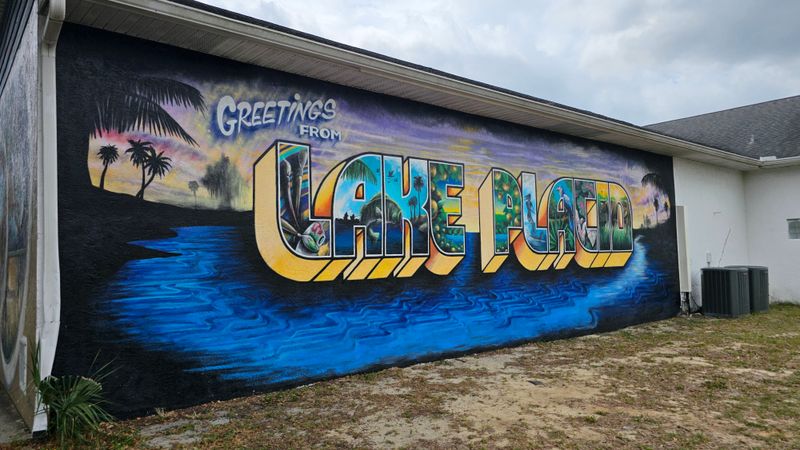
Over 47 massive murals transform ordinary buildings into outdoor art galleries throughout this tiny central Florida town. Each painting tells stories about local history, from Seminole heritage to the caladium industry that made Lake Placid famous worldwide.
These heart-shaped plants with vibrant leaves grow in fields surrounding town, creating rainbow patches across the landscape. Caladium Festival every Labor Day weekend celebrates this agricultural claim to fame with parades and plant sales.
Muralists continue adding new pieces annually, making every visit slightly different from the last.
4. Apalachicola – Working Waterfront on the Forgotten Coast
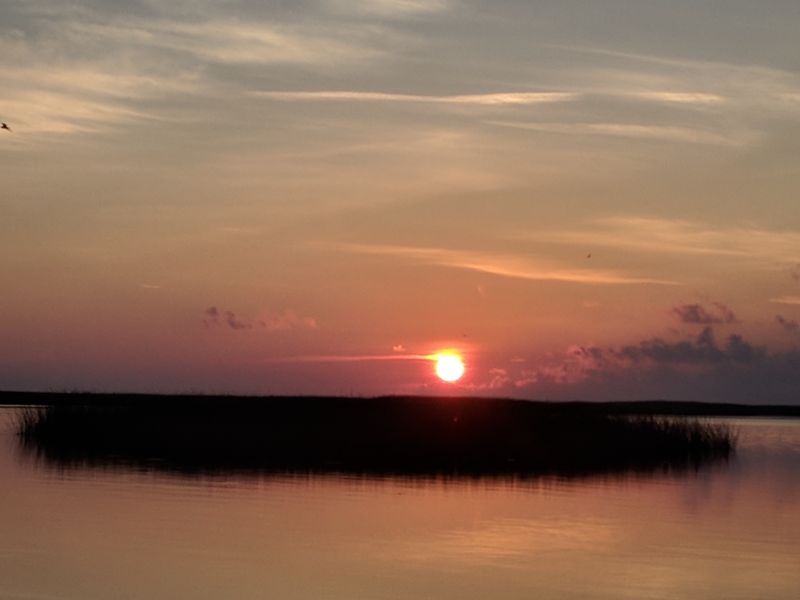
Oyster boats still unload seafood along the docks, but wild oyster harvesting in Apalachicola Bay has been banned through at least 2025 due to population collapse, so the bay no longer supplies Florida’s oysters as it once did.
Historic downtown features perfectly preserved 19th-century buildings housing bookstores, galleries, and quirky shops. The town’s isolation on the Panhandle’s Forgotten Coast kept developers away, preserving its authentic character.
Nearby barrier islands offer completely deserted beaches where your footprints might be the only ones for miles.
5. Anna Maria Island – Low-Rise, Laid-Back Beach Town
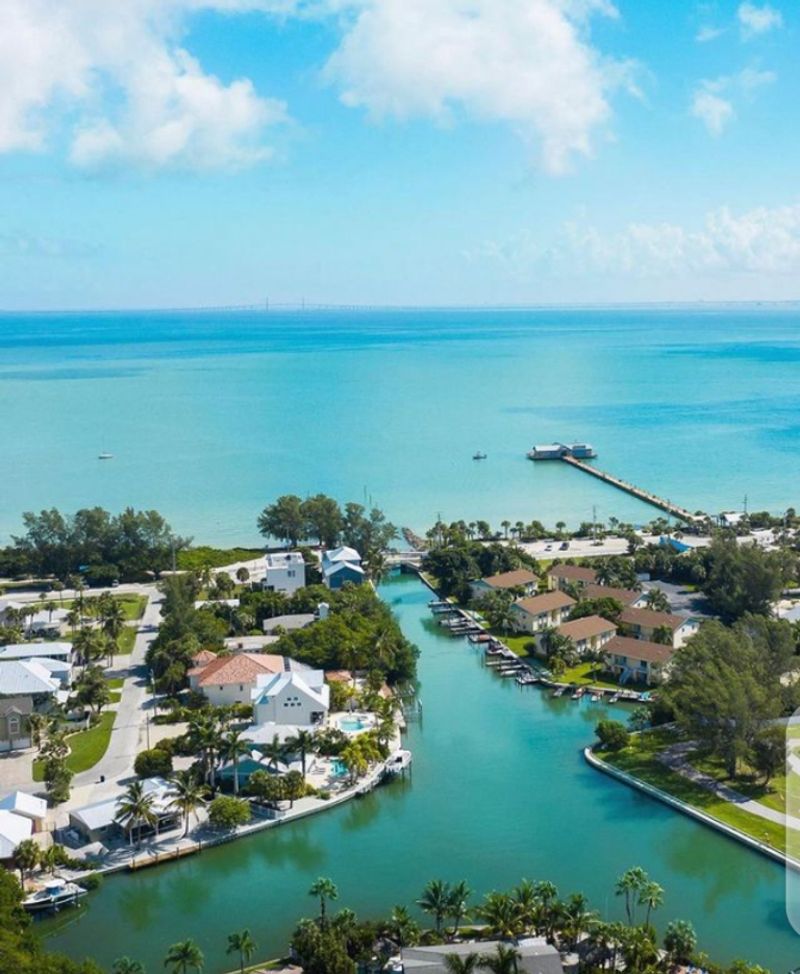
No building exceeds three stories on this seven-mile barrier island, creating a refreshingly horizontal skyline against endless blue skies. Anna Maria banned high-rises decades ago, preserving the old-fashioned beach vacation vibe that’s vanished elsewhere.
Free trolleys shuttle visitors between three charming towns—Bradenton Beach, Holmes Beach, and Anna Maria—each with distinct personalities. Pine Avenue’s historic downtown offers local boutiques and casual restaurants steps from sugar-sand beaches.
Rent bikes to explore the entire island, stopping wherever the turquoise water looks most inviting for spontaneous swimming sessions.
6. Pass-a-Grille – Tiny Historic Beach Village (St. Pete Beach)
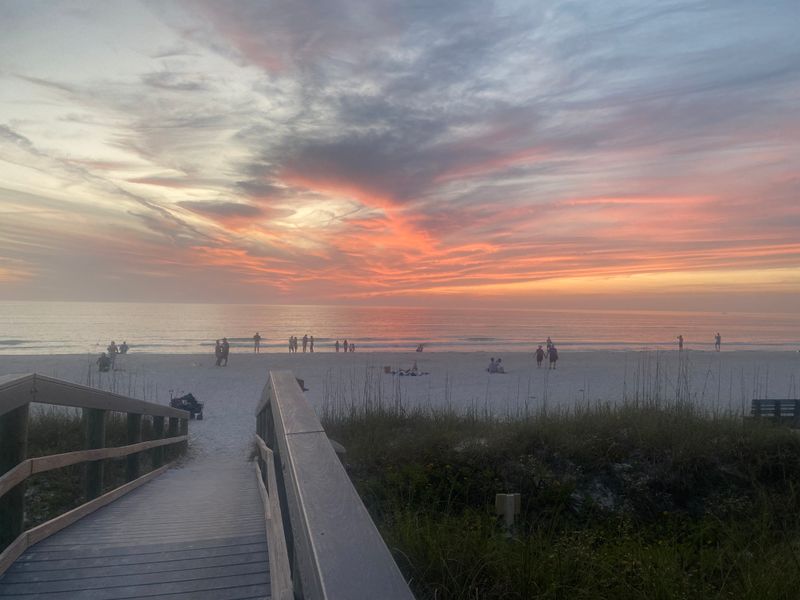
Tucked at the southern tip of St. Pete Beach, this walkable village feels like a secret neighborhood where locals actually live year-round. Eighth Avenue’s quirky shops and restaurants occupy vintage buildings that survived decades of coastal storms and development pressure.
The public beach stretches wide and pristine, with calmer crowds than the resort-packed areas just miles north. Watch spectacular sunsets from the historic pier while pelicans dive-bomb for dinner.
Parking can be tricky, but that’s exactly what keeps this gem from being overrun by tour buses and spring breakers.
7. Crystal River – Manatee Capital of the World
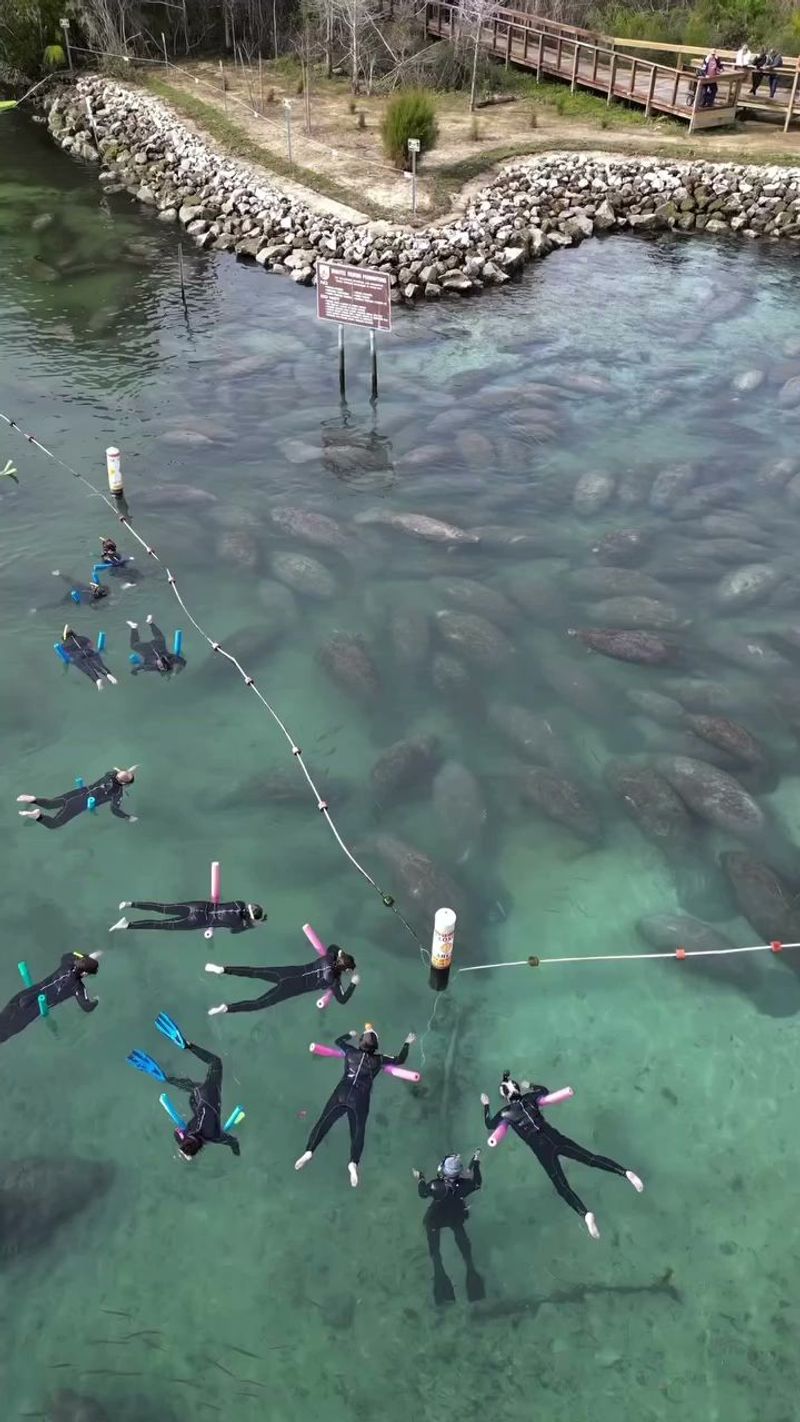
Hundreds of manatees migrate here every winter, seeking the warm 72-degree spring water that flows year-round from underground aquifers. You can actually swim alongside these gentle giants—Crystal River is one of the only places where it’s legal to interact with wild manatees.
Licensed guides teach proper etiquette: let them approach you, never chase them, and use only one hand if they allow petting. Beyond manatees, the springs themselves are stunningly beautiful, with underwater caves and crystal-clear visibility.
Visit between November and March for peak manatee season.
8. Sebastian – Chill Treasure Coast River Town
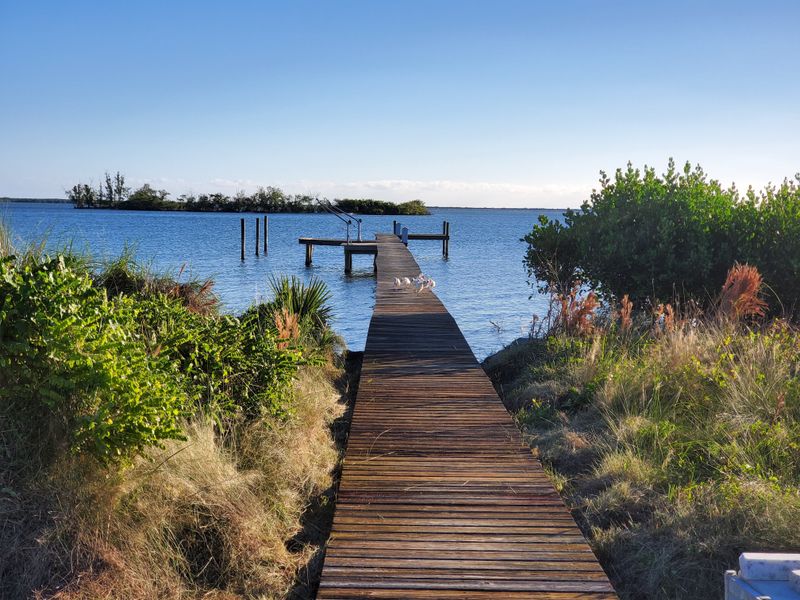
Spanish treasure ships sank offshore centuries ago, and locals still occasionally find gold coins washed up after storms. Sebastian Inlet State Park offers world-class surfing, fishing from rock jetties, and a maritime museum displaying actual recovered treasure.
Downtown Sebastian feels refreshingly normal—no tourist traps, just local shops, breakfast joints, and riverside parks where pelicans pose for photos. The Indian River Lagoon provides incredible fishing and kayaking through mangrove tunnels.
Mullet toss competitions and seafood festivals celebrate the town’s fishing heritage without the manufactured touristy nonsense found elsewhere.
9. Juno Beach – Sea Turtles & Quiet Shoreline
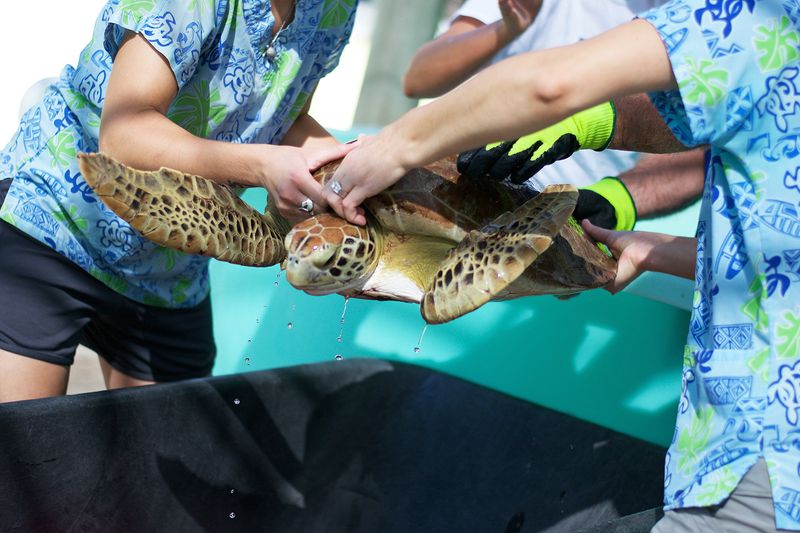
Loggerhead Marinelife Center rescues and rehabilitates injured sea turtles, offering free admission to watch veterinarians work and meet recovering patients up close. During nesting season (March through October), the center offers guided nighttime turtle walks only in June and July, not the entire nesting season.
The beach itself remains blissfully uncrowded, with more natural dunes than condos blocking the view. Juno Beach Pier extends 990 feet into the Atlantic, perfect for fishing or watching surfers catch waves below.
Pack your own snacks since commercial development is minimal—that’s the whole appeal.
10. Dunedin & Honeymoon Island – Walkable Town + Wild Beach
Scottish heritage runs deep here, celebrated with bagpipe festivals and British pubs serving authentic fish and chips. Downtown Dunedin’s brick sidewalks connect breweries, art galleries, and waterfront restaurants—all easily walkable or bikeable via the Pinellas Trail.
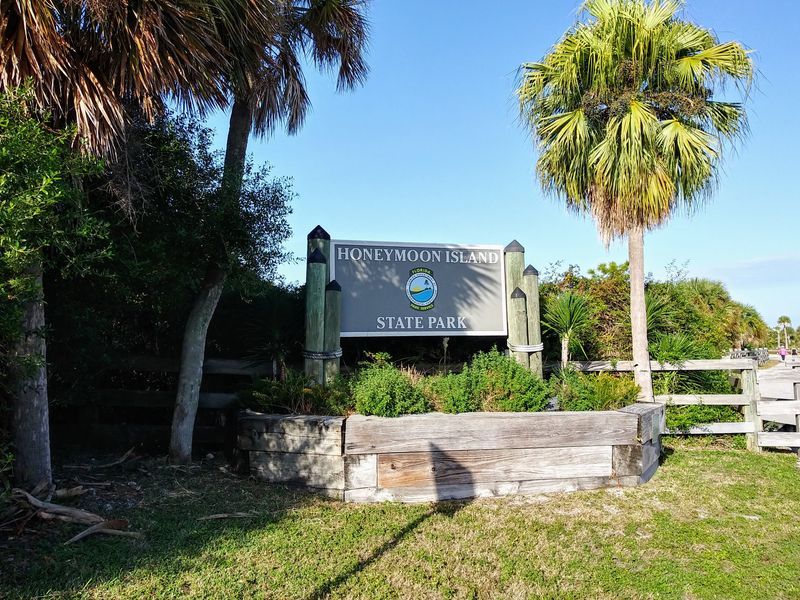
Honeymoon Island State Park sits just offshore, connected by causeway, featuring four miles of undeveloped beach backed by slash pines instead of hotels. Osprey nests tower above the sand, and the nature trails wind through coastal hammocks teeming with wildlife.
Arrive early on weekends since the park closes when parking fills completely.
11. Fernandina Beach / Amelia Island – Victorian Seaport & Beaches
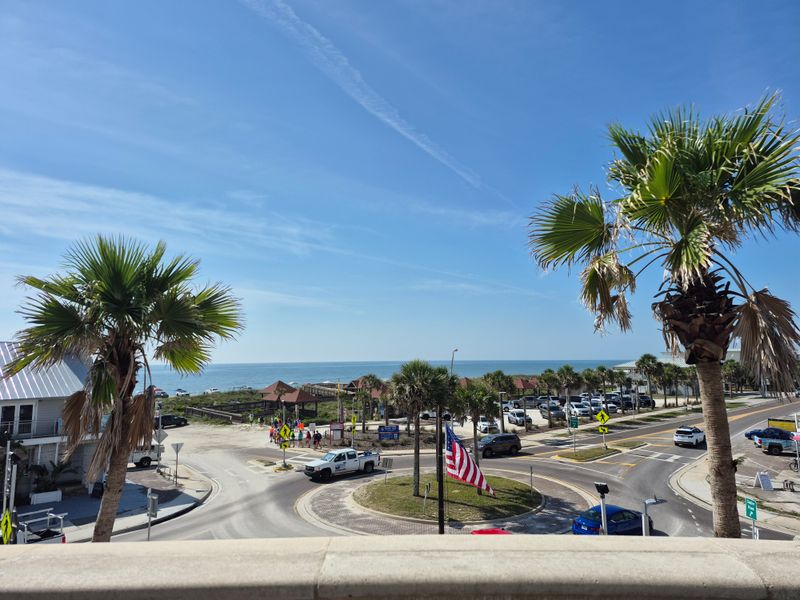
Fifty blocks of Victorian buildings create one of Florida’s best-preserved historic districts, where gas lamps still light brick streets after sunset. Pirates, Spanish conquistadors, and Civil War soldiers all left their mark on this northernmost barrier island.
Downtown shops occupy 19th-century storefronts selling everything from nautical antiques to locally caught shrimp. The beaches stretch for miles, with enough space that even holiday weekends don’t feel oppressively crowded.
Fort Clinch State Park features a fully intact Civil War fort where costumed interpreters demonstrate soldier life from the 1860s every first weekend monthly.
12. Sebring – Lakes, Race Cars, & a Revived Downtown
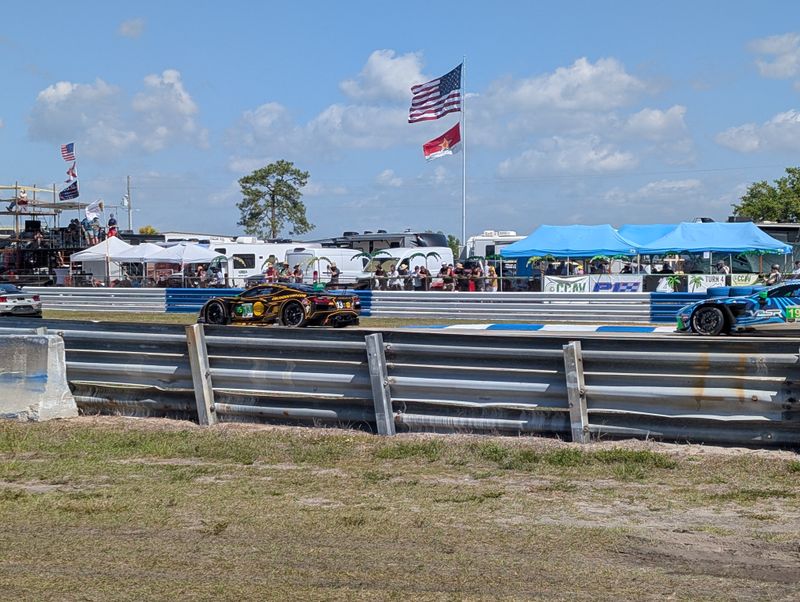
Race car engines roar at Sebring International Raceway, hosting America’s oldest endurance race every March since 1952. Even when races aren’t happening, you can tour the facility or attend driving schools teaching high-speed techniques on the same track professionals use.
Downtown’s Art Deco circle has been beautifully restored, with local restaurants, breweries, and weekend farmers markets bringing new energy to historic buildings. Over 100 lakes surround the area, offering endless fishing, kayaking, and wildlife watching opportunities.
Hotel prices stay reasonable year-round except during race week—book way ahead if visiting then.
13. Ocala – Springs, Forests, and Horse Country
Champion thoroughbreds graze behind white fences stretching across rolling hills—over 600 horse farms operate here, producing Kentucky Derby winners and Olympic equestrians. The limestone-rich soil and mild climate create perfect conditions for raising world-class horses.
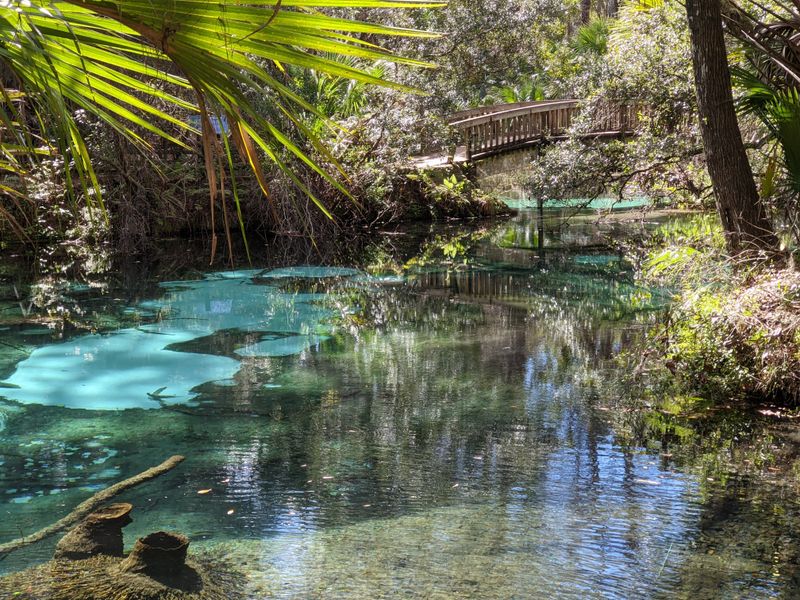
Ocala National Forest protects the world’s largest sand pine scrub forest, hiding dozens of crystal-clear springs where you can swim, snorkel, or paddleboard in 72-degree water year-round. Silver Springs inspired the old glass-bottom boat tours and early Tarzan movies filmed in its jungle-like surroundings.
Downtown Ocala has transformed recently, adding farm-to-table restaurants and craft breweries to historic brick buildings.