
13 Florida Food Sayings That Sound Wrong Until You’re Local
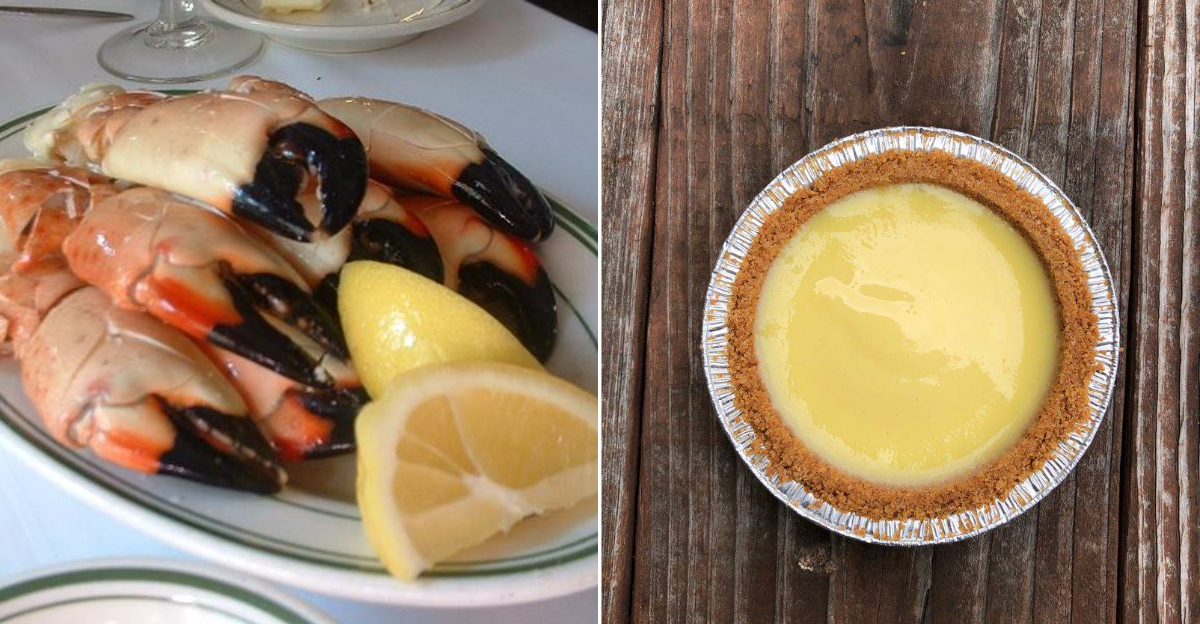
Florida dining can sound like a string of inside jokes until you actually start eating your way through them, hearing locals toss off phrases that feel oddly backwards or overly casual, right up until the moment a bite lands exactly where the sunshine seems to live.
I’ve learned that those sayings aren’t meant to be decoded intellectually, they’re meant to be tasted, because suddenly a crunchy crust, a squeeze of citrus, or the clean snap of shell makes the meaning obvious without anyone explaining it out loud.
What feels confusing at the counter turns intuitive at the table, and the language starts to make sense once your hands are a little messy and your expectations loosen.
This list works as a translation guide of sorts, grounding the sayings in real places, real plates, and a few hard-earned tips that come from ordering wrong once so you don’t have to.
The goal isn’t to sound like a local, it’s to eat with confidence, to know when to lean in, when to keep it simple, and when to trust that the shorthand exists for a reason.
Come hungry, keep an open mind, and let the food do the explaining, because in Florida the punchlines usually arrive mid-bite, carried by salt, heat, and a brightness that lingers just long enough to make you smile.
1. Pub Sub
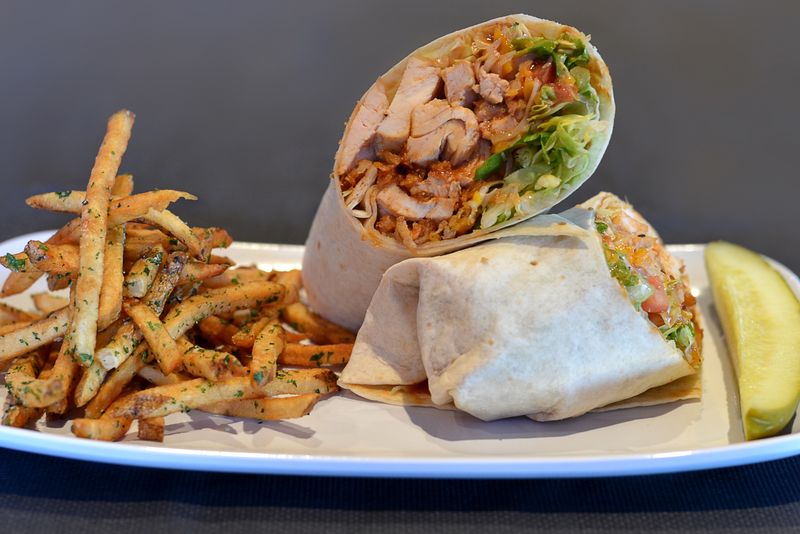
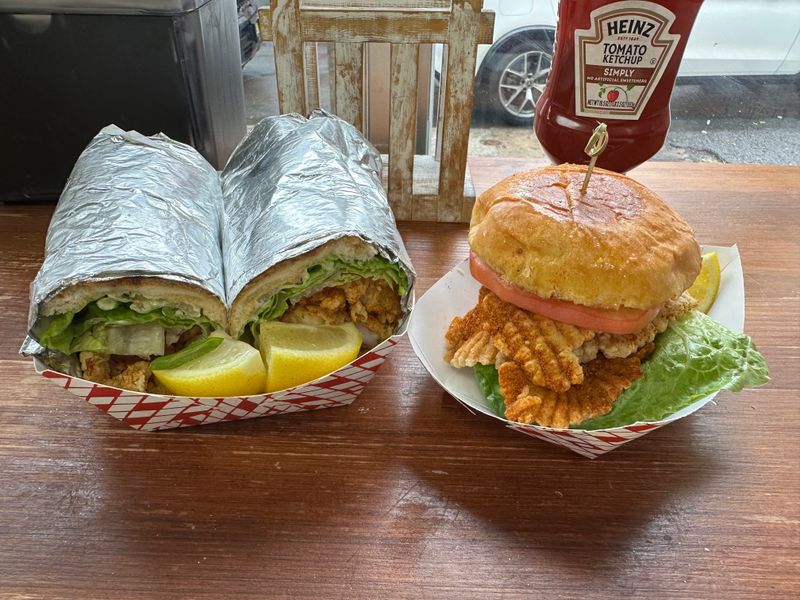
The phrase sounds like it should lead you into a dim room with a dartboard and sticky floors, yet what it actually points to is a brightly lit grocery deli where locals queue with the calm certainty of people who already know exactly what they are about to get and why it works.
Understanding this saying requires accepting that an ordinary supermarket can function as a cultural landmark, because the ritual of ordering, waiting, and watching your sandwich assembled is part of the experience rather than a delay to be tolerated.
What makes the sub matter is not novelty but reliability, the way warm bread, fried chicken, lettuce, pickles, and sauce come together in proportions that feel quietly optimized rather than flashy or indulgent.
There is an unspoken etiquette to the line, where regulars stand patiently, glance at the menu without reading it, and only speak up to customize with small, confident adjustments rather than dramatic reinventions.
Eating one often happens in transitional spaces, parked cars, beach towels, shaded benches, which reinforces the idea that this food is meant to travel lightly through your day rather than anchor you to a table.
The name stops sounding strange once you realize it functions as shorthand, a compact signal that tells other Floridians you understand where convenience and comfort overlap best.
By the time you catch yourself using the phrase casually, without explanation, you have crossed the invisible line from visitor to someone who knows how to eat here.
2. Cuban
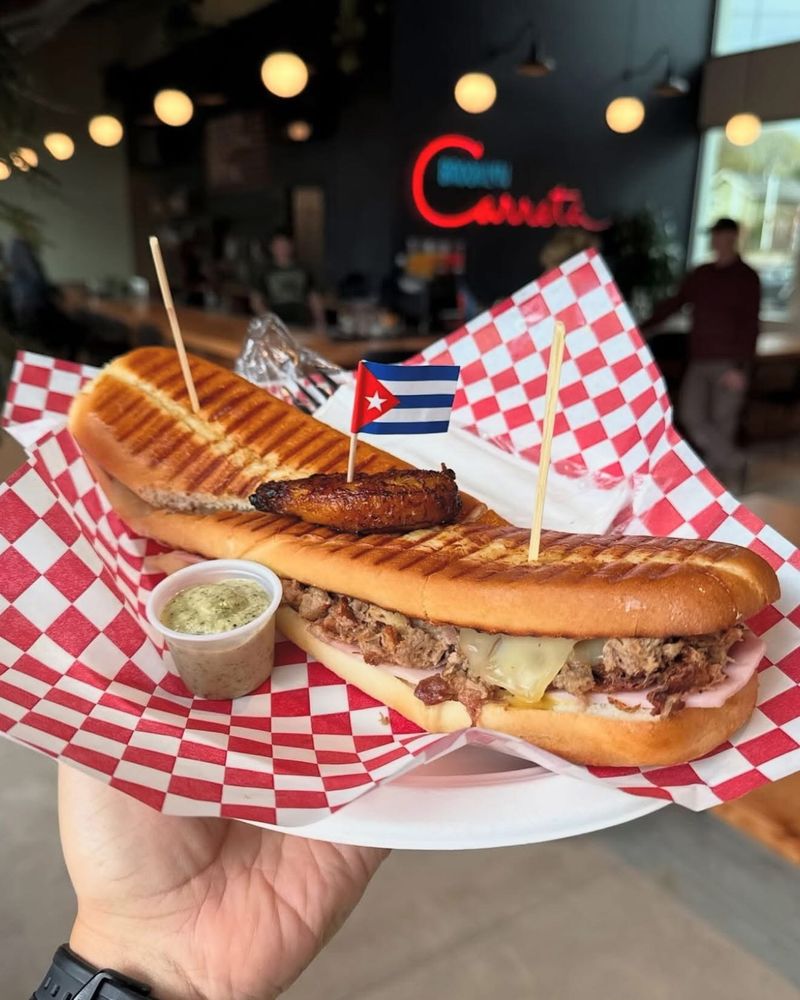
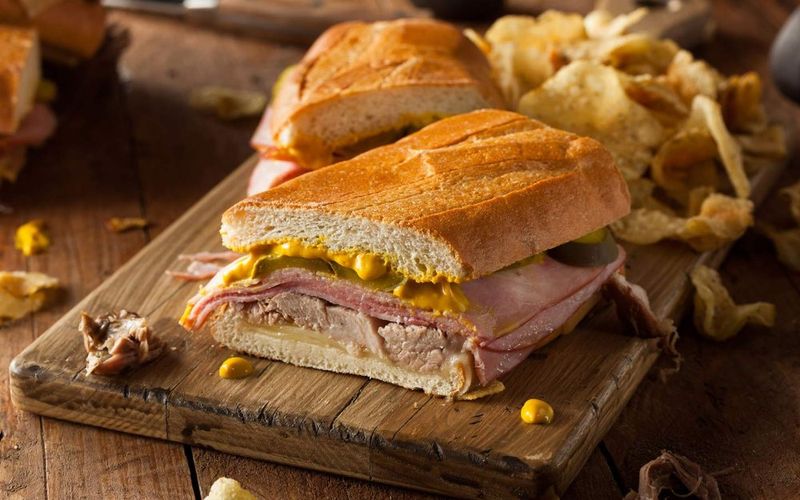
Asking for a Cuban in Florida is not an abstract gesture or a vague craving but a specific request that assumes a shared understanding of heat, pressure, and balance achieved through repetition rather than invention.
The sandwich carries historical weight without advertising it, pressing layers of pork, ham, cheese, pickles, and mustard into something cohesive through technique rather than excess.
What matters most is the press itself, the moment when bread transforms from soft to shatteringly crisp, sealing flavors together and creating that unmistakable sound that locals listen for before they even taste.
Each component plays a disciplined role, with acidity cutting richness, salt sharpening sweetness, and fat carrying everything forward in a way that feels complete rather than overwhelming.
The environment in which you eat it tends to be fast moving and unceremonious, reinforcing the idea that this food belongs to everyday life rather than special occasions.
Arguments about origin fade quickly once the sandwich is hot and properly pressed, because execution matters more than geography in determining whether it earns respect.
After a few bites, the word stops sounding like a label and starts functioning as a promise that has already been kept.
3. Conch
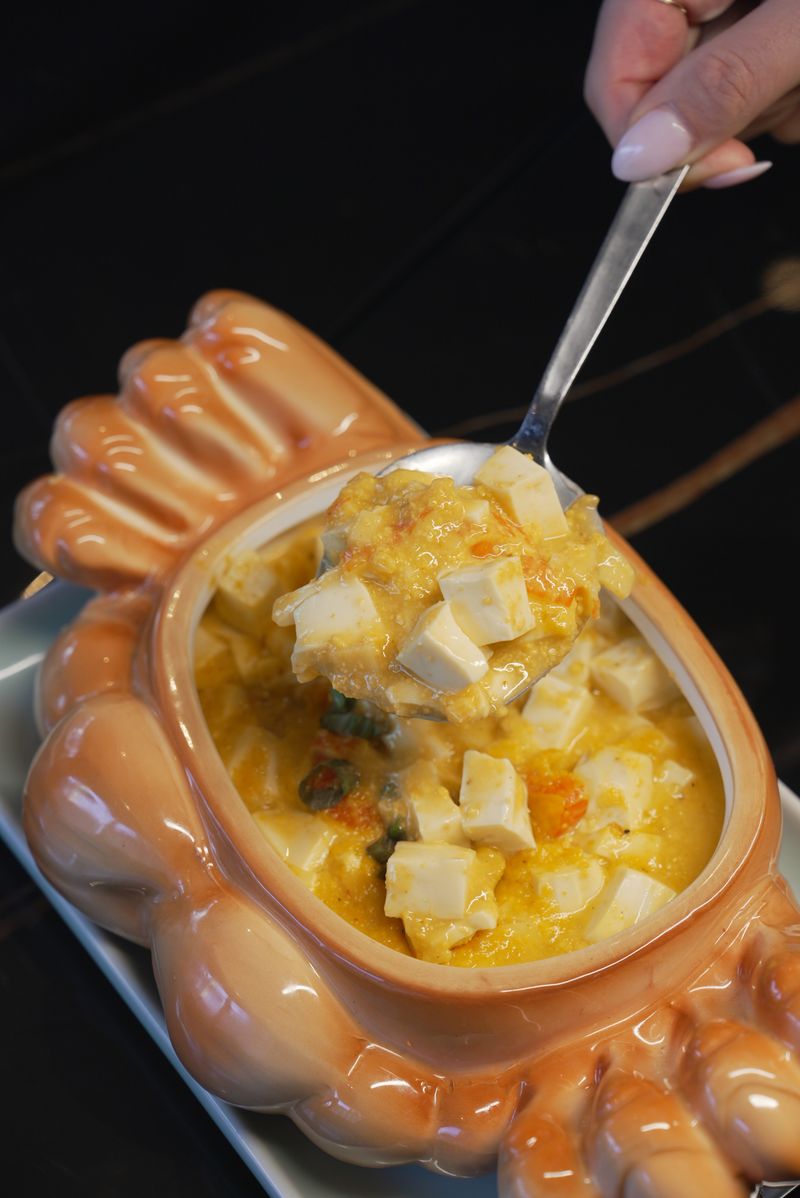
The pronunciation alone can feel like a small test, because hearing locals say it differently than you expect forces you to listen more closely before you ever order.
Conch dishes translate the ocean into familiar forms, whether fried, chopped, or marinated, making something potentially intimidating feel approachable without stripping away its identity.
Texture is the real lesson here, since properly handled conch stays tender and springy rather than rubbery, rewarding cooks who respect timing and temperature.
The surrounding flavors tend to be bright and sharp, lime, pepper, onion, chosen not to mask the shellfish but to clarify it.
Eating it often happens near water, docks, or open air seating, which reinforces the sense that this food belongs to a specific climate and rhythm of life.
The name begins to feel logical once you associate it with crunch, salt, and citrus rather than with spelling or pronunciation.
At that point, the word no longer sounds strange at all, it simply names a flavor memory you are already happy to revisit.
4. Florida Lobster
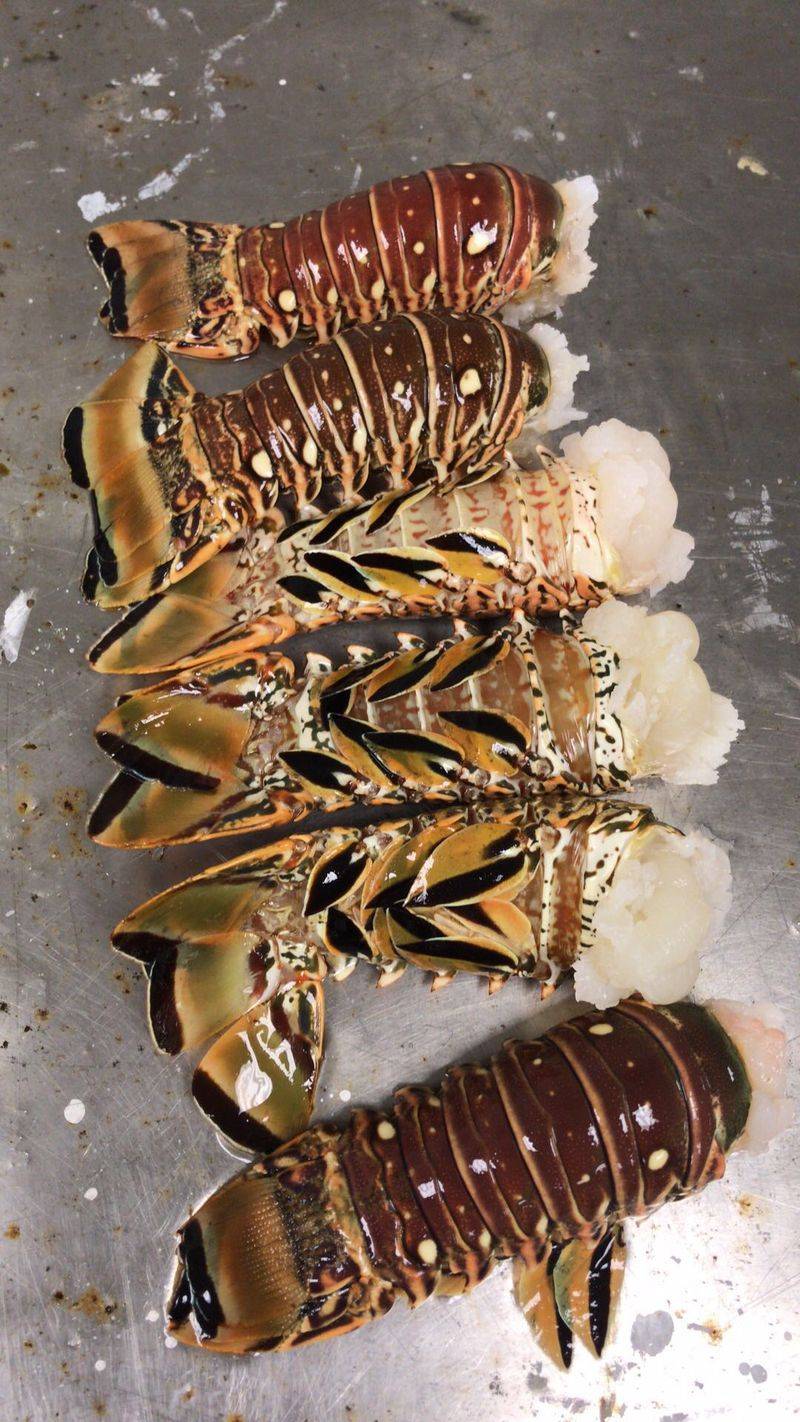
Hearing locals insist on calling it Florida lobster can sound like stubborn regional branding until you understand that the phrase is doing quiet explanatory work, preparing you for a spiny, clawless creature whose sweetness and firmness behave differently on the plate than its colder-water cousins.
What arrives is usually split lengthwise and cooked quickly, because this meat rewards restraint and punishes hesitation, tightening fast if left too long over heat and losing the clean snap that makes it worth ordering in the first place.
Butter and citrus tend to be applied sparingly, not out of minimalism but out of respect for a flavor that already carries salt air, sun, and reef in a way that does not need embellishment.
People eat it outdoors whenever possible, elbows on weathered tables, napkins already resigned to their fate, reinforcing the sense that this is seasonal food meant to be enjoyed where the breeze can cut richness.
There is also an unspoken awareness of regulations and seasons, which gives the meal a background note of legitimacy and patience rather than indulgence.
The wording stops sounding defensive once you taste the difference and realize it is simply accurate, not argumentative.
After that, the phrase Florida lobster becomes a useful distinction rather than a curiosity, saving explanation for people who already know what they are chewing.
5. Stone Crab
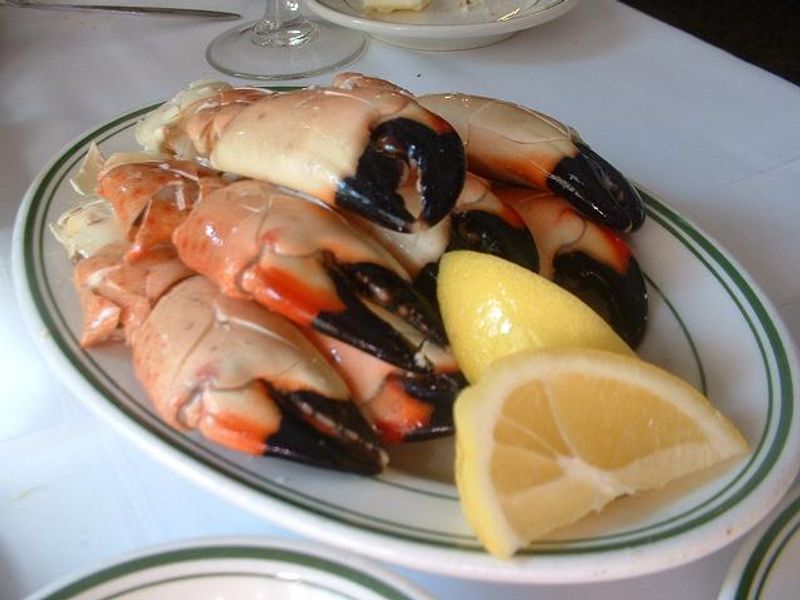
Mentioning stone crab almost always leads to talk of claws, because the practice of harvesting them shapes both the dish and the conversation around it in ways that feel unusually thoughtful for seafood.
The experience centers on cracking chilled shells to reveal firm, sweet meat that carries its own structure, making heavy sauces unnecessary and even unwelcome.
Mustard sauce appears alongside more as tradition than requirement, offering contrast without pretending to be essential to the pleasure.
Eating stone crab is slow by nature, with pauses built in between cracks, wipes of the fingers, and small evaluations of size versus effort.
Seasonality governs everything here, from availability to price to mood, giving the meal a sense of occasion without turning it into spectacle.
The ritual matters as much as the flavor, because the act of working for each bite calibrates expectation and appetite at the same time.
Once you have gone through a full set of shells, the phrase stone crab no longer feels like shorthand but like a complete description of an experience.
6. Smoked Fish Dip
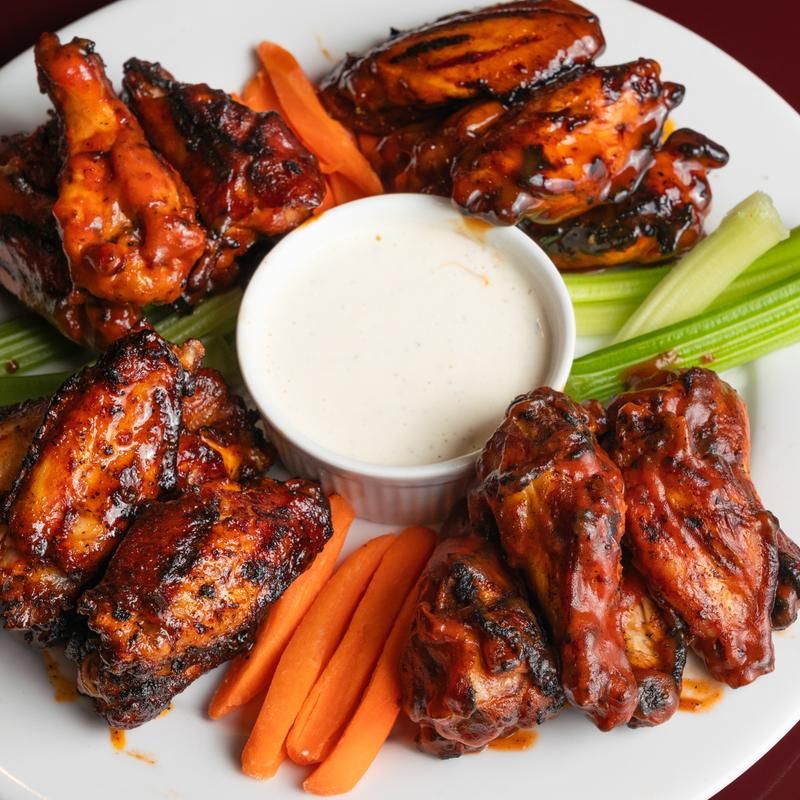
Smoked fish dip sounds almost aggressively plain until you realize that the understatement is deliberate, leaving room for wide variation depending on the fish, the smoke, and the hand that mixed it.
The base is usually creamy, but never meant to be uniform, with visible flakes reminding you that this began as something pulled from water rather than squeezed from a tube.
Smoke should register first as aroma rather than heat, drifting up before the bite lands and setting expectations without overwhelming the palate.
Acidity plays a quiet but crucial role, cutting richness and keeping each scoop from feeling heavier than the last.
People tend to eat it absentmindedly at first, then more intentionally once they notice how fast it disappears from the table.
The setting is often casual to the point of distraction, which somehow makes the flavor feel even more anchored to place.
By the end, the phrase no longer sounds dull at all, because it has proven itself as one of the most efficient ways Florida turns fish into comfort.
7. Gator Tail
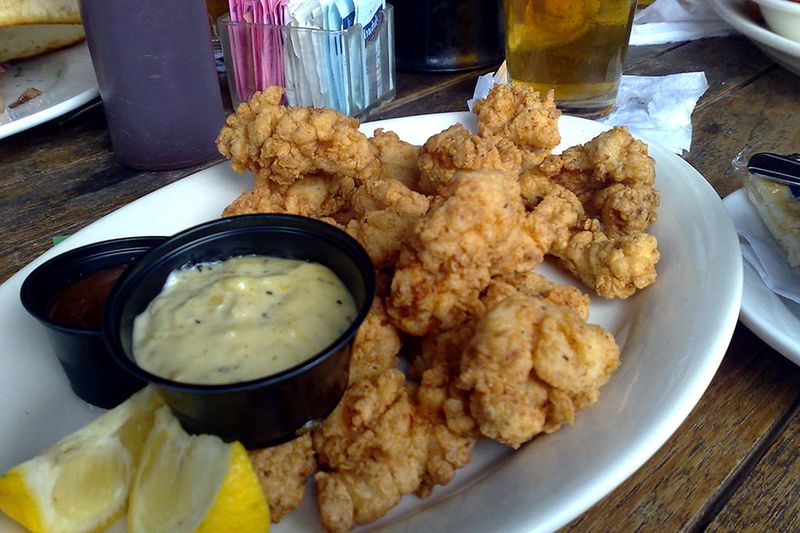
Hearing someone casually suggest gator tail as an appetizer often lands with a moment of disbelief for outsiders, because the phrase carries swamp mythology, cartoon danger, and novelty-menu suspicion all at once, even though what eventually arrives at the table is far more restrained, familiar in texture, and quietly deliberate than the name prepares you for.
What matters most is preparation, since the tail meat itself is lean and unforgiving if rushed, meaning the kitchen’s decisions about marination time, cut size, oil temperature, and resting period after frying will determine whether the bite feels springy and delicate or tight and vaguely rubbery in a way locals immediately recognize as wrong.
When done properly, the crust stays thin and crisp rather than bready, breaking cleanly to reveal meat that sits somewhere between chicken and shellfish in character, with a faint mineral note that reminds you this animal lived in warm, muddy water rather than pasture or coop.
Dipping sauces tend to be assertive but not dominant, often creamy and tangy with just enough spice to keep the palate alert, because the goal is contrast rather than disguise, and because covering the flavor too aggressively would defeat the point of ordering it at all.
The dish is almost always shared, partly because portions are designed for sampling rather than commitment, and partly because gator tail functions socially as a test of openness, passed around the table with raised eyebrows, jokes, and the quiet pressure of being watched as you take your first bite.
Context matters more than plating, since this is food that feels most at home in loud, slightly chaotic rooms where televisions glow, baskets line the tables, and the energy encourages eating with your hands rather than analyzing too closely what you are doing.
After a few bites, the phrase gator tail stops sounding like a dare and starts sounding descriptive, shorthand for a very specific Florida experience that blends curiosity, pragmatism, and the willingness to treat the unfamiliar as normal once it proves itself edible and enjoyable.
8. Swamp Cabbage
The phrase swamp cabbage sounds like a prank until you realize it refers not to something slimy pulled from dark water but to the tender heart of the cabbage palm, a plant so central to early Florida cooking that it quietly shaped what survival and comfort meant in a landscape that offered heat, humidity, and very little margin for error.
What lands on the table is usually soft without being mushy, gently fibrous, and subtly sweet, cooked low and slow with aromatics like onion, garlic, and often pork for depth, creating a broth that tastes more like patience than seasoning.
Because the ingredient itself is delicate and increasingly protected, the dish carries an unspoken lesson about restraint, reminding locals that some foods are meant to be eaten rarely, thoughtfully, and with awareness of where they come from rather than chased as novelties.
The flavor profile never shouts, instead unfolding slowly across the palate, which is why it often surprises newcomers who expect something aggressive or rustic and instead get something closer to a calm, almost meditative spoonful.
Context again matters, since swamp cabbage feels right in breezy, shaded spaces where time slows down, conversation stretches, and nobody is in a hurry to impress, only to eat something that has quietly earned its place on the table.
By the time you finish the bowl, the phrase no longer sounds strange or exaggerated, but precise, a name that fits the land it came from and the people who learned how to make something sustaining out of what the environment offered freely and sparingly.
9. Mullet
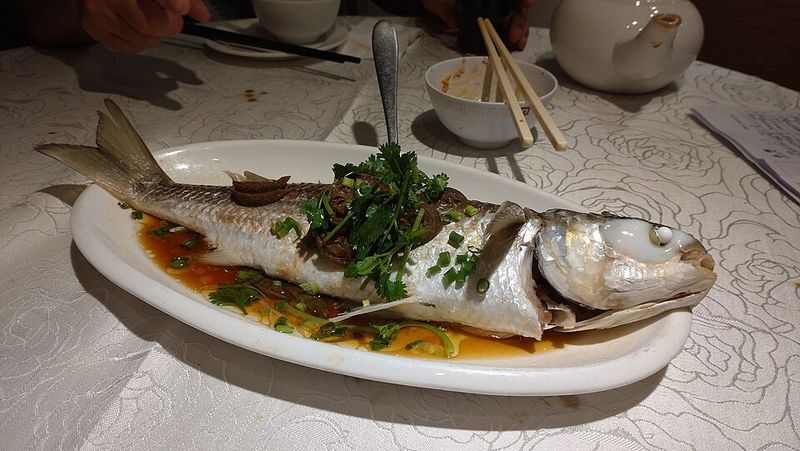
Calling a fish mullet guarantees a reaction, because outside Florida the word carries hair jokes and cultural baggage, while locally it signals a deeply practical relationship with coastal waters where abundance, affordability, and flavor matter more than image.
This is a fish that rewards confident handling, whether smoked whole, fried until the skin turns shatteringly crisp, or cooked fresh with minimal interference, because its oiliness and assertive character are not flaws to be hidden but qualities to be balanced.
The smell alone, especially when smoke is involved, announces place more loudly than décor ever could, mixing salt air, fire, and fat in a way that instantly situates you near docks, bait shops, and working boats rather than curated dining rooms.
Eating mullet often involves paper plates, plastic forks, and elbows on the table, not out of carelessness but because the experience is tactile and honest, demanding attention to bones, texture, and pacing rather than presentation.
What surprises most first timers is how satisfying it feels, not refined or elegant, but deeply grounding, the kind of food that fills you up and stays with you through long afternoons and early evenings.
After that first proper encounter, the name stops being funny and starts being functional, shorthand for a Florida tradition that values usefulness, flavor, and memory over trendiness or outside approval.
10. Grouper Sandwich
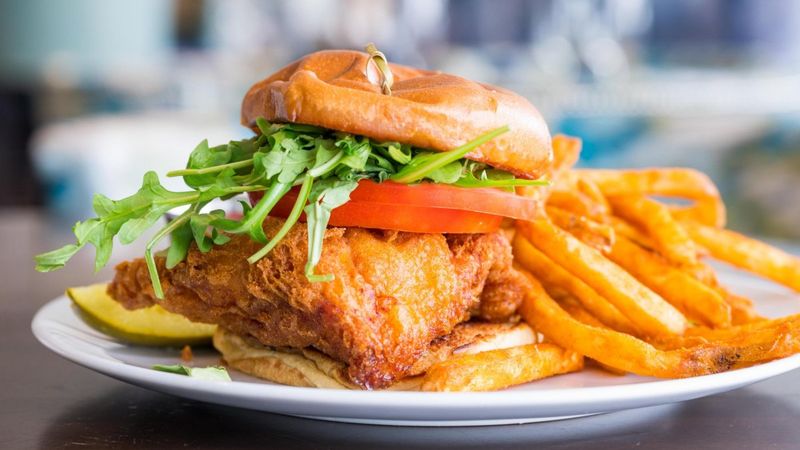
In Florida, asking where to get a good grouper sandwich is less a question than a conversation starter, because nearly everyone has an opinion shaped by geography, season, and the specific dock or beach where they first ate one that felt exactly right.
The defining feature is scale, since the fillet is usually large enough to hang over the bun, asserting its presence visually before you even taste it, a quiet statement that this sandwich is about the fish first and everything else second.
Preparation styles vary, but whether blackened, fried, or grilled, the best versions respect the grouper’s clean, mild sweetness, adding spice or crunch without burying what makes the fish worth serving in the first place.
The bread’s role is mostly structural, there to support rather than distract, while lettuce, tomato, and sauce act as punctuation rather than main characters, giving contrast without pulling focus.
This is food designed for daylight eating, ideally near water, when salt is already in the air and appetite feels expansive rather than precise, allowing each bite to stretch out instead of being rushed.
Once you have eaten a truly good grouper sandwich, the phrase stops needing explanation, because it becomes a memory trigger, instantly conjuring sun, breeze, and the particular satisfaction of eating something that feels inseparable from where you are.
11. Key Lime Pie
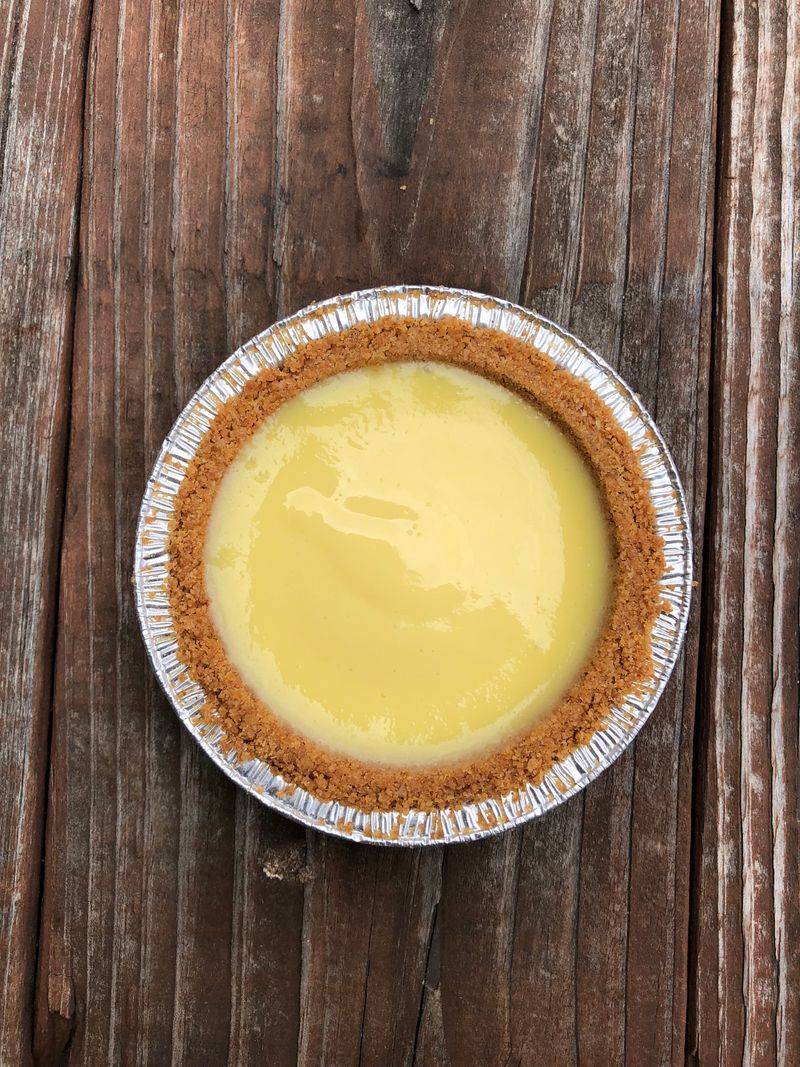
Key lime pie sounds straightforward until you realize that in Florida it functions less like a dessert category and more like a boundary marker, quietly separating places that understand restraint, acidity, and texture from those that chase sweetness and color at the expense of balance.
The filling, when done properly, is pale rather than bright, softly set rather than stiff, and driven by the floral sharpness of real key lime juice that cuts through condensed milk with precision instead of brute force.
Texture matters as much as flavor, because the best slices tremble slightly when the fork goes in, releasing aroma before sweetness, and proving that patience in chilling and proportion pays off more than any garnish ever could.
Crust debates, whether graham or pastry, tend to reveal personality more than correctness, since both can work when treated as support systems rather than platforms for extra sugar or spice.
What makes the experience distinctly Floridian is how the pie feels after a meal, refreshing instead of heavy, almost palate clearing, as if designed for heat, humidity, and long afternoons rather than formal endings.
After one proper slice, the phrase key lime pie stops sounding generic and starts behaving like a promise, shorthand for a very specific kind of pleasure that depends entirely on not trying too hard.
12. Boiled Peanuts
Boiled peanuts sound wrong to anyone raised on dry roasted crunch, yet in Florida they represent a different logic of comfort, one that values warmth, softness, and slow eating over sharp texture or instant gratification.
The peanuts are harvested green, simmered for hours in heavily salted water, sometimes with gentle spice, until they become tender enough to split with fingers and rich enough to coat the mouth like a savory broth disguised as a snack.
Eating them is unavoidably messy and rhythmic, involving shells, brine, and pauses, which makes the act feel less like snacking and more like passing time intentionally, often during drives, storms, or long conversations.
Flavor builds gradually rather than hitting all at once, revealing earthiness, salt, and faint sweetness in layers that reward patience instead of speed.
The setting completes the meaning, because boiled peanuts feel most natural near roadsides, parking lots, and gas stations, places where movement slows just enough for habit to form.
Once you’ve eaten them warm from a paper bag, the phrase no longer needs justification, because the comfort explains itself more clearly than texture ever could.
13. Rock Shrimp
Rock shrimp sound like a compromise until you meet them on the plate, where their thick shells and compact bodies signal a closer relationship to lobster than to the delicate shrimp most people expect.
Their defining trait is resistance, not toughness but density, a firmness that holds shape through heat and rewards decisive cooking rather than timid handling.
When split and broiled or sautéed, they release a sweet, briny aroma that fills the table quickly, announcing substance rather than subtlety.
Eating them requires intention, because shells demand attention and pacing, slowing the meal down in a way that heightens awareness of flavor and texture.
What surprises newcomers most is how satisfying they feel, less fleeting than standard shrimp, more anchoring, the kind of seafood that lingers rather than disappears.
After tasting them, the name rock shrimp stops sounding descriptive and starts feeling earned, a phrase that captures both the bite and the place it comes from.