
12 Florida Foods Outsiders Always Mess Up (That Locals Never Forgive)
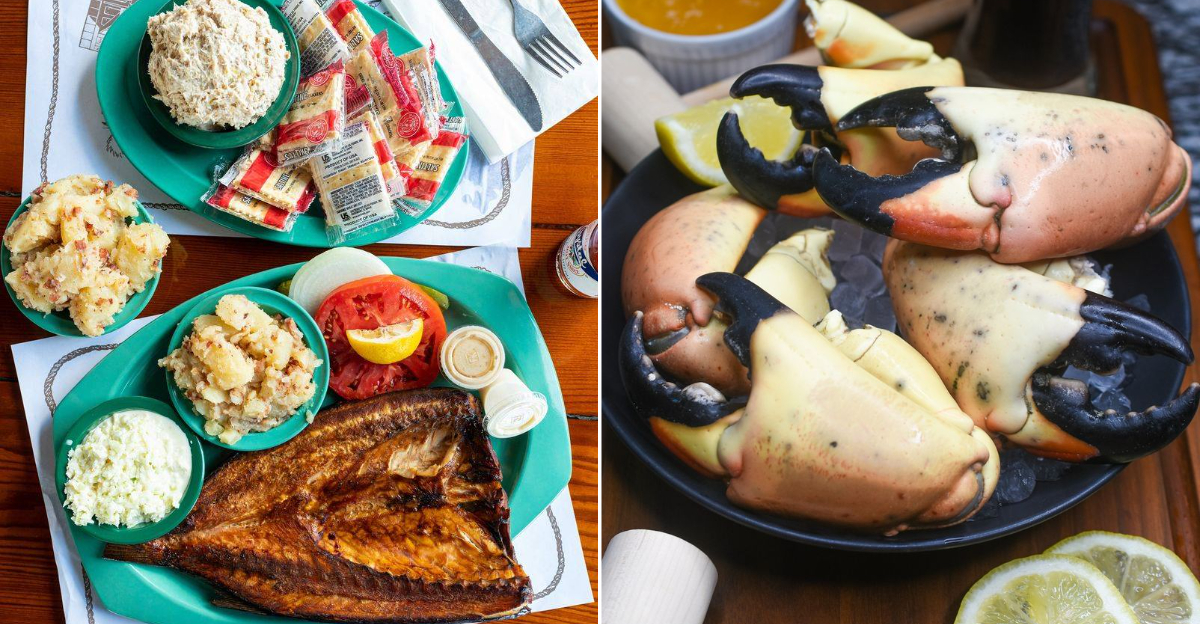
Florida has a unique culinary identity, and some dishes are easy for outsiders to get wrong.
From pronunciation pitfalls to misunderstood flavors, trying these foods the wrong way can earn you a few raised eyebrows from locals.
Each dish carries tradition, pride, and regional flair that Floridians hold dear.
Learning what makes these foods special, and how to enjoy them properly, turns every meal into a chance to taste the state like a true local.
1. Key Lime Pie Should Never Be Green
Authentic Key lime pie boasts a pale yellow filling, never that radioactive green color found in tourist traps. Real Key limes are smaller than regular limes and yield a yellowish juice.
Locals judge harshly when restaurants add food coloring for that “tropical look.”
The genuine article also features a graham cracker crust and meringue topping, not whipped cream, which is a modern addition that purists consider sacrilege.
2. Cuban Sandwiches Aren’t Just Ham and Cheese
Ordering a “Cuban” outside Florida often yields a sad imposter.
True Cuban sandwiches combine roast pork, ham, Swiss cheese, pickles, mustard, and sometimes salami (in Tampa-style versions), pressed on Cuban bread until crispy.
Many establishments commit sins like adding mayonnaise or lettuce.
The bread makes or breaks this sandwich. It must be authentic Cuban bread with its distinctive palmetto leaf stripe down the middle from the baking process.
3. Stone Crab Claws Come with Ritual
Newcomers often attack stone crab claws like barbarians, missing the finesse this delicacy demands.
Harvested October through May, only one claw is taken before returning the crab to the ocean to regenerate.
Locals know to crack them using wooden mallets, not metal crackers that splinter the shell into the meat.
The signature mustard sauce is non-negotiable, asking for cocktail sauce instead might earn you suspicious glances from neighboring tables.
4. A Grouper Sandwich Needs Fresh Catch
Tourists frequently fall for fake grouper sandwiches made with lesser fish. Real Florida grouper has a distinctive sweet flavor and firm, flaky texture that can’t be replicated.
Locals spot imposters immediately and won’t hesitate to call out restaurants serving tilapia or catfish instead.
The genuine article should be lightly breaded, not heavily battered, and served on a fresh roll with simple toppings that don’t overwhelm the star ingredient.
5. Conch Fritters Require the Right Texture
Tourists often expect conch fritters to be soft like hush puppies. Floridians know better… authentic ones have a slightly chewy texture with visible pieces of conch meat throughout.
The batter should be seasoned with Caribbean spices, bell peppers, and onions. Restaurants serving doughy balls with microscopic conch pieces face local scorn.
The perfect fritter comes with a spicy key lime dipping sauce, not ketchup or tartar sauce.
6. Smoked Fish Dip Is a Sacred Spread
Visitors sometimes dismiss fish dip as just another appetizer. For Floridians, this smoky, creamy concoction made from local catches like amberjack or mahi-mahi represents weekend gatherings and waterfront sunsets.
The cardinal sin? Serving it with fancy crackers instead of saltines. Real fish dip comes with jalapeños, diced onions, and a splash of hot sauce on the side.
Out-of-staters who reach for ranch dressing instead quickly reveal their tourist status.
7. Apalachicola Oysters Demand Minimal Interference
Florida’s famous Apalachicola oysters cause heated debates about proper consumption. Outsiders often drown these briny treasures in cocktail sauce or, even worse, request them cooked.
Locals insist on eating them raw with at most a squeeze of lemon or drop of hot sauce.
The sweet, salty flavor profile comes from the unique mixing of fresh and salt water in Apalachicola Bay. True aficionados can identify them blindfolded, distinguishing them from lesser Gulf varieties.
8. Minorcan Clam Chowder Packs Secret Heat
Visitors expecting New England or Manhattan chowder in St. Augustine face a spicy surprise.
Minorcan clam chowder’s distinctive red color comes from tomatoes and datil peppers brought by Mediterranean settlers centuries ago.
Locals scoff at restaurants that tone down the heat for tourist palates. The authentic version balances the peppers’ burn with the sweetness of clams and onions.
Anyone calling it “Manhattan-style with a kick” risks being corrected by passionate St. Augustine residents who guard this recipe like family treasure.
9. Datil Pepper Sauce Has Centuries of Heritage
Hot sauce enthusiasts visiting Florida often overlook datil pepper sauce, focusing on mainstream brands instead.
This honey-golden elixir, primarily made in St. Augustine, delivers sweetness before its delayed heat punch.
Unlike commercial hot sauces, authentic datil sauce balances fruity notes with its significant spice. Locals use it on everything from eggs to oysters.
Family recipes pass through generations, with each household claiming theirs achieves the perfect balance between the pepper’s fiery personality and its distinctive citrus undertones.
10. Key West Pink Shrimp Deserve Special Treatment
The sweet, coral-colored Key West pink shrimp get butchered by overcooking in tourist establishments. These delicate crustaceans require just seconds in hot water until barely opaque.
Locals wince watching visitors dipping these premium shrimp in cocktail sauce, which masks their natural sweetness.
The true Florida way involves the lightest touch of butter, garlic, and lemon. Comparing them to imported tiger shrimp might get you a spontaneous lecture on supporting local fisheries.
11. Publix Chicken Tender Sub Has Specific Assembly Rules
Not technically a traditional Florida food, but this supermarket sub inspires cult-like devotion statewide.
Newcomers commit heresy by ordering it cold or, heaven forbid, without the signature Publix tossed buffalo sauce.
Floridians know to request tenders tossed in sauce, then topped with cheese and toasted.
The proper order includes lettuce, tomato, and either ranch or blue cheese dressing. College students drive hours for these subs, and expats have them shipped across state lines.
12. Fried Gator Bites Should Actually Taste Like Gator
Tourist traps serve over-battered, chewy gator nuggets that could be anything under all that breading.
Authentic gator bites feature tender tail meat with a light cornmeal coating that enhances rather than masks the flavor.
Florida natives expect a mild taste reminiscent of chicken but with a distinctive texture all its own. The proper accompaniment is a remoulade or spicy aioli… never ketchup.
Anyone asking if the alligator was “caught out back” reveals themselves as a first-timer to eye-rolling locals.