
Florida Has 11 Lake Getaways That Are Perfect For An Easy Escape In 2026
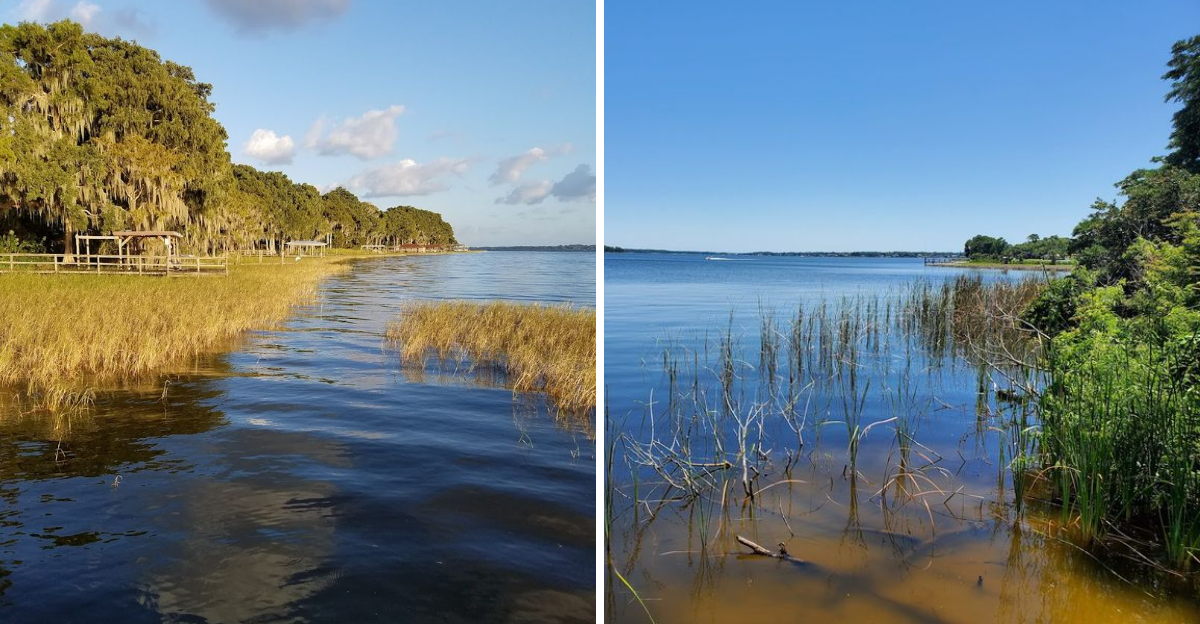
There’s a side of Florida most people completely overlook, and it has nothing to do with the ocean.
The kind where calm water replaces crashing waves, quiet shores take the place of crowded beaches, and the whole atmosphere feels softer and slower.
Florida is hiding lakes that deliver the same peaceful escape people travel north to find.
You trade traffic for stillness.
You trade noise for open space.
And suddenly, a simple weekend starts feeling like a full reset.
Some lakes feel crystal clear and refreshing.
Others feel tucked away and almost secret.
All of them offer that easy, unhurried vibe that makes it hard to leave once you settle in.
And once you start exploring Florida this way, it becomes clear you never needed to leave the state to find that perfect escape.
1. Lake Okeechobee
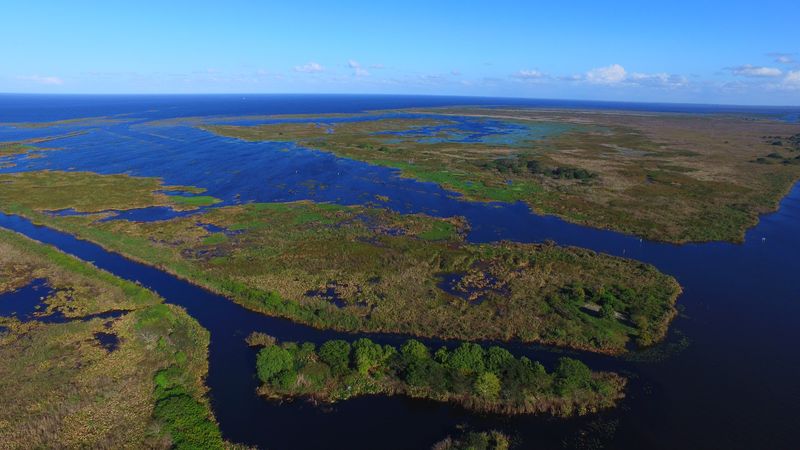
Standing on the rim canal levee, I always feel like I’ve discovered Florida’s best-kept secret even though Lake Okeechobee sprawls across 730 square miles right in the heart of the state.
This massive body of water sits in south-central Florida, touching five counties and earning its nickname as Florida’s Inland Sea.
Fishing here became my obsession after I landed my first largemouth bass near the grass beds that line the shallow waters.
The lake averages only nine feet deep, which creates perfect conditions for crappie, bluegill, and those trophy bass that make anglers drive from across the country.
Birdwatchers pack binoculars because the surrounding wetlands host herons, egrets, and sometimes bald eagles circling overhead.
I’ve watched sunsets paint the endless water in shades of orange and pink that no camera ever captures quite right.
The towns circling the lake offer boat ramps, camping spots, and that small-town Florida charm that feels worlds away from the theme park crowds.
Every visit reminds me why this lake remains my go-to spot when I need space to breathe and water to explore.
2. Lake Dora
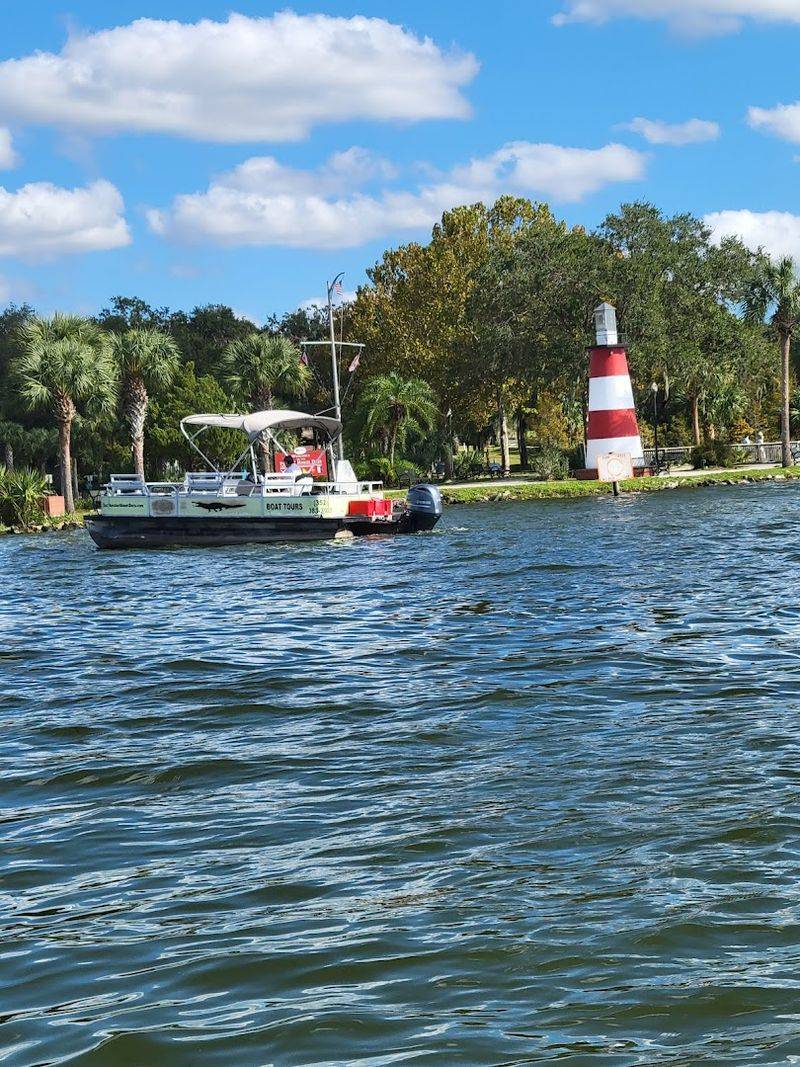
Cruising into Mount Dora, I always feel my shoulders relax the moment Lake Dora comes into view with its sparkling surface and sailboats drifting lazily across the water.
Lake Dora sits in the heart of Mount Dora, Florida, part of the Harris Chain of Lakes in Lake County, offering 4,475 acres of pure escape.
The downtown area hugs the shoreline, putting antique shops, cafes, and that famous lighthouse within walking distance of boat docks and waterfront parks.
I’ve spent mornings paddling along the cypress-lined edges, spotting turtles sunbathing on logs and watching great blue herons hunt in the shallows.
The lake connects to other bodies of water through the Dora Canal, a narrow, jungle-like passage draped in Spanish moss that feels like something out of an adventure movie.
Fishing enthusiasts chase bass and crappie here, while I prefer simply floating and watching Mount Dora’s historic buildings reflect in the calm water.
Sunset cruises and pontoon rentals make it easy to spend an entire afternoon on the water without any real plan.
Each visit leaves me plotting my return before I even pull away from the shore.
3. Lake Eola Park
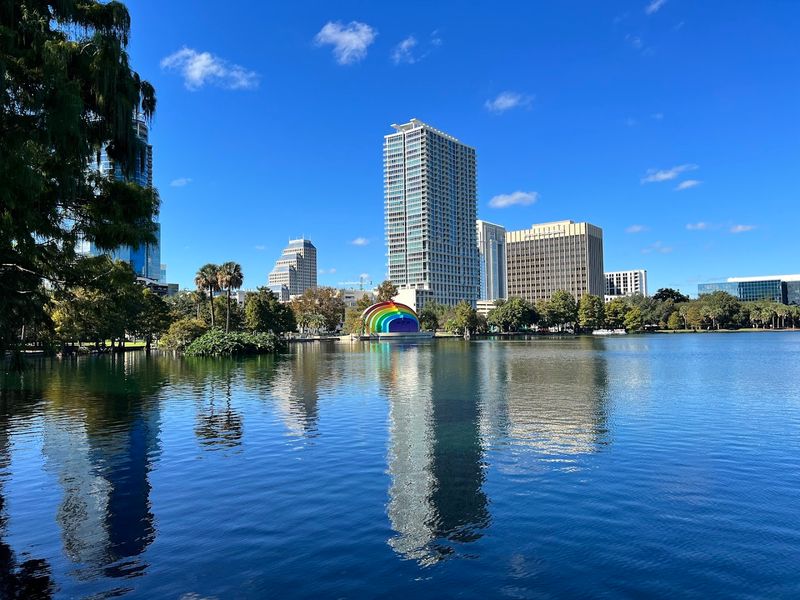
Right in the middle of downtown Orlando, Lake Eola Park creates this unexpected oasis where I’ve spent countless lunch breaks watching the fountain spray water high into the air.
The park surrounds a 23-acre lake at 195 N Rosalind Ave, Orlando, FL 32801, tucked between skyscrapers and busy streets that somehow fade away once you step onto the walking path.
Swan-shaped paddle boats became my guilty pleasure here, even though I’m way past the age where that should be cool.
The 0.9-mile sidewalk circling the lake draws joggers, dog walkers, and people like me who just need fifteen minutes away from their desk.
I’ve watched street performers set up near the amphitheater, seen proposals happen by the water’s edge, and counted the resident swans more times than I care to admit.
The Sunday farmers market brings local vendors, fresh produce, and that community vibe that makes Orlando feel smaller and friendlier than its size suggests.
City views reflect in the water at dusk, creating that postcard moment that tourists and locals both chase with their cameras.
Every time I leave, I’m already mentally scheduling my next visit to this urban retreat.
4. Lake Tohopekaliga
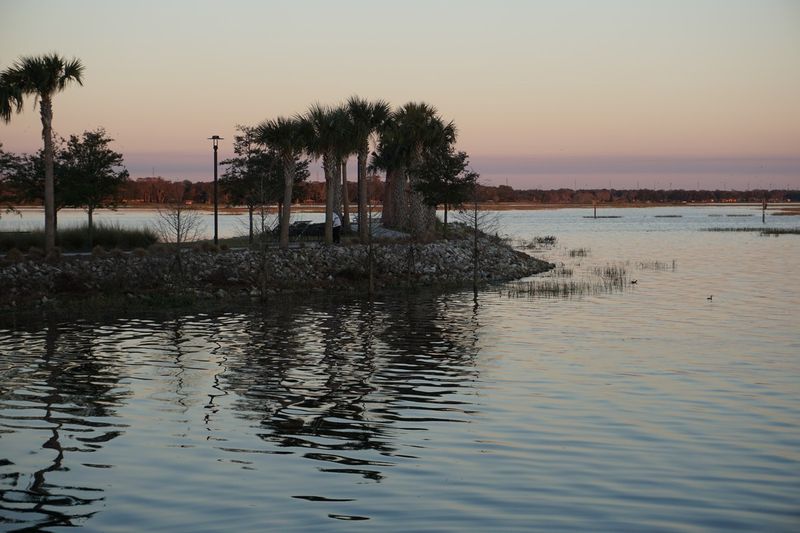
Locals call it Lake Toho, which saves everyone from attempting the full pronunciation, and this 22,700-acre lake near Kissimmee has become my favorite spot for serious fishing without serious crowds.
Lake Tohopekaliga stretches across Osceola County in central Florida, sitting just south of Kissimmee and offering more elbow room than most lakes near the Orlando area.
Bass tournaments happen here regularly because the lake consistently produces trophy catches that make fishing magazines and social media posts.
I remember one foggy morning when I watched the mist lift off the water while an osprey dove for breakfast just thirty feet from my boat.
The shallow, vegetation-rich waters create ideal habitat for largemouth bass, while bluegill and catfish keep things interesting when the bass aren’t biting.
Several public boat ramps provide easy access, and the shoreline parks offer picnic areas where families spread out blankets and watch the water traffic pass by.
Bald cypress trees dot the edges, creating natural frames for photos that capture that authentic Florida lake feeling.
Every cast here feels like it might be the one that finally lands that personal-best bass I keep dreaming about.
5. Lake Harris
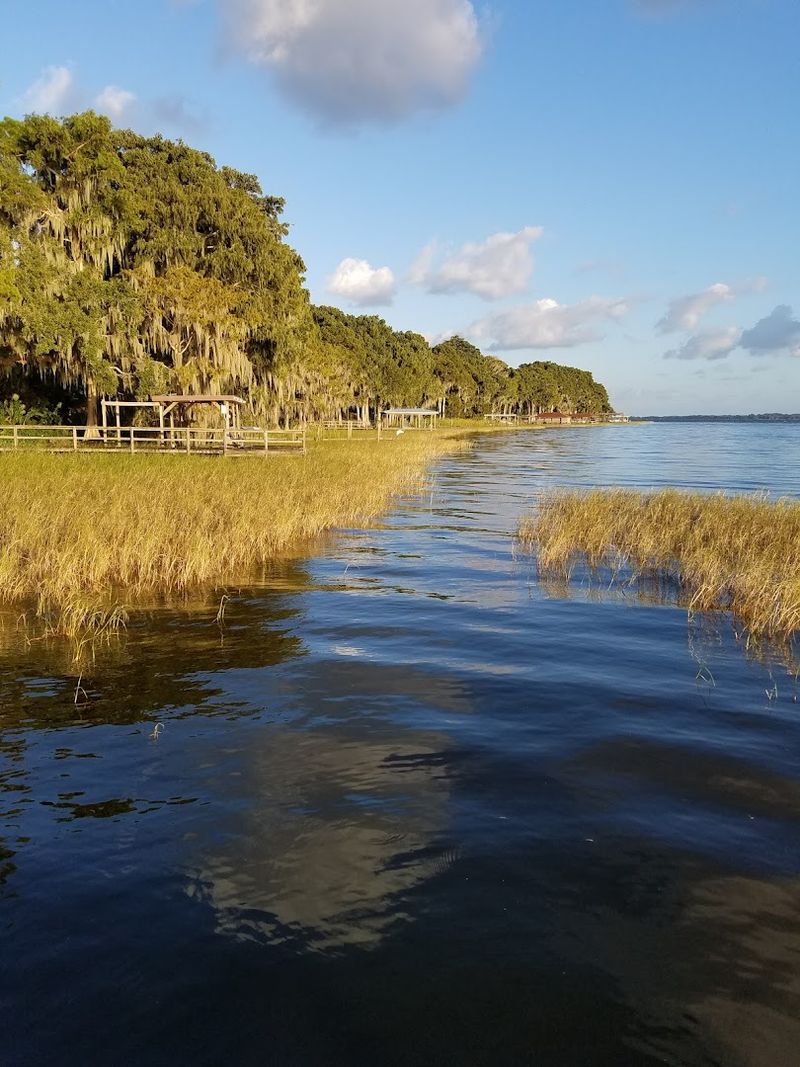
Stretching across 13,788 acres, Lake Harris always surprises visitors who expect something smaller when they first glimpse this massive body of water in Lake County.
The lake sits between Leesburg and Tavares in central Florida, forming a major link in the Harris Chain of Lakes system that connects multiple bodies of water.
I’ve launched my kayak from various access points around the shoreline, each offering different views and fishing opportunities that keep me exploring new areas.
The lake reaches depths of about 18 feet in some spots, providing cooler water where fish congregate during Florida’s hot summer months.
Waterfront restaurants dot the shore, giving boaters convenient spots to dock, grab lunch, and watch other vessels cruise past in the main channels.
Bass fishing draws serious anglers, but I’ve had equal fun catching shellcracker and speckled perch near the grass beds that fringe the shallower areas.
Watching waterbirds hunt along the edges never gets old, especially when a flock of white pelicans shows up during their seasonal visits.
The combination of size, access, and natural beauty makes Lake Harris a destination I recommend without hesitation to anyone seeking Florida lake adventures.
6. Lake Apopka
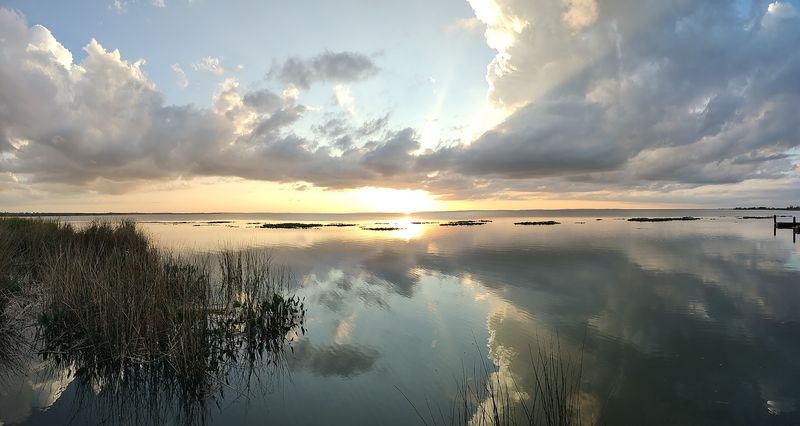
Once known for pollution issues, Lake Apopka has transformed into a wildlife-watching paradise that proves nature’s resilience when given proper support and restoration efforts.
This 30,821-acre lake sprawls across Orange and Lake Counties in central Florida, making it the fourth-largest lake in the state and the largest in the Harris Chain.
The North Shore Restoration Area became my favorite birding spot, offering trails and observation platforms where I’ve logged over 360 species in my personal count.
Winter months bring thousands of migratory birds, creating scenes that look like something from a nature documentary when flocks darken the sky.
I’ve watched alligators sunbathe on the banks while herons and egrets stalk through shallow water hunting for their next meal.
The lake’s restoration story fascinates me because it shows how dedicated conservation work can bring back ecosystems that seemed lost forever.
Fishing has improved dramatically, with bass, crappie, and catfish populations rebounding as water quality continues to get better each year.
Walking the trails here feels less like a typical lake visit and more like stepping into a living classroom where nature teaches lessons about recovery and patience.
7. Lake Kissimmee
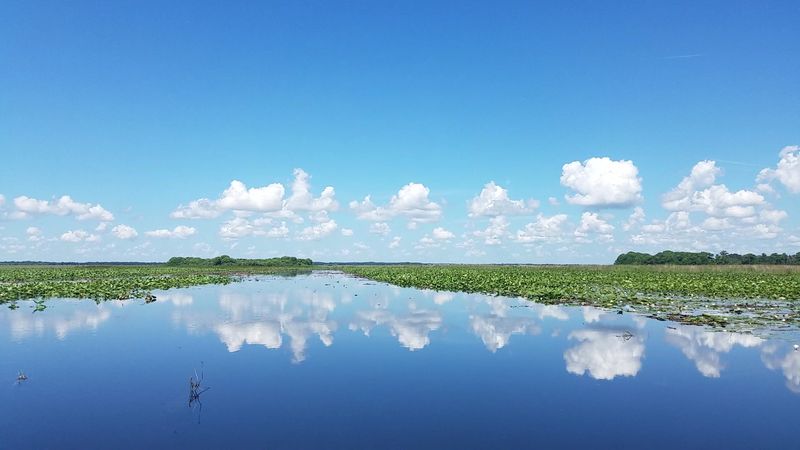
Wilderness vibes hit differently at Lake Kissimmee, where 34,948 acres of water and surrounding marshland create that old Florida feeling that’s getting harder to find.
The lake sits in Osceola, Polk, and Highlands Counties in south-central Florida, connected to Lake Tohopekaliga by a canal and forming part of the Kissimmee Chain of Lakes.
Lake Kissimmee State Park on the eastern shore became my basecamp for exploring this area, offering camping, trails, and a reconstructed 1876 cow camp that tells Florida’s cattle ranching history.
I’ve paddled along the edges where sawgrass marshes meet open water, spotting alligators, turtles, and wading birds that seem unbothered by human visitors.
The lake averages only nine feet deep, creating vast shallows perfect for bass fishing and for watching spectacular sunrises paint the endless horizon.
Bald eagles nest in the tall pines along the shore, and I’ve spent embarrassing amounts of time just watching them soar and hunt.
The undeveloped shoreline means fewer boats and more space, giving you that rare sense of having discovered something special that most people rush past.
Every trip here reminds me why protecting wild spaces matters so much for future generations to experience.
8. Lake Tarpon
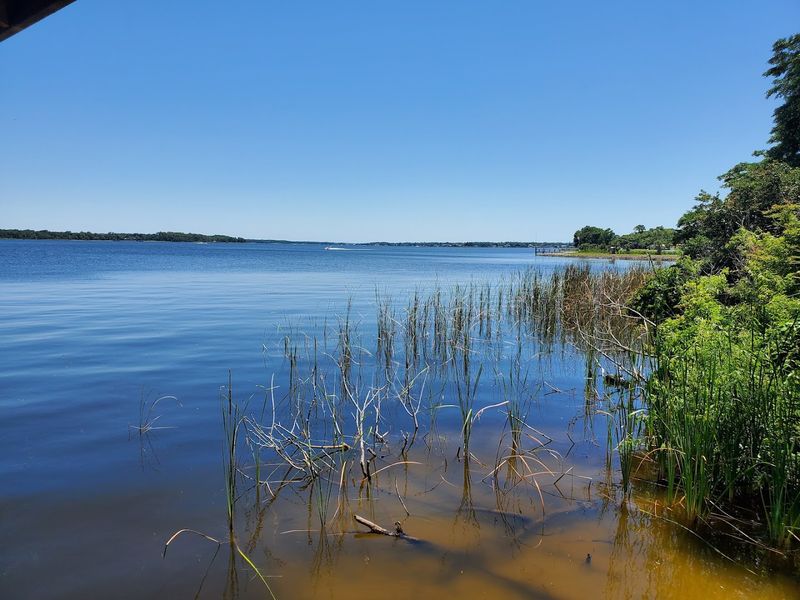
Pinellas County’s largest lake surprised me the first time I visited because Lake Tarpon sits so close to Tampa Bay yet maintains its own distinct freshwater character.
The lake covers about 2,534 acres near Tarpon Springs in west-central Florida, offering a freshwater alternative to the Gulf beaches just minutes away.
A.L. Anderson Park on the southern shore became my regular launch point, with boat ramps, picnic areas, and a fishing pier that produces decent catches of bass and catfish.
I’ve watched kids catch their first fish from that pier while their parents snap photos and offer encouragement that takes me back to my own childhood fishing memories.
The lake connects to the Anclote River through a canal, creating opportunities for longer paddling adventures that explore beyond the main lake basin.
Spanish moss drapes from cypress trees along quieter sections of shoreline, creating that classic Florida postcard scene that never fails to make me reach for my camera.
Water skiing and wakeboarding happen on weekends when the lake gets busier, but early mornings remain peaceful with mist rising off the glassy surface.
Each visit confirms why locals treasure this lake as their neighborhood escape from coastal crowds and tourist traffic.
9. Lake Weir
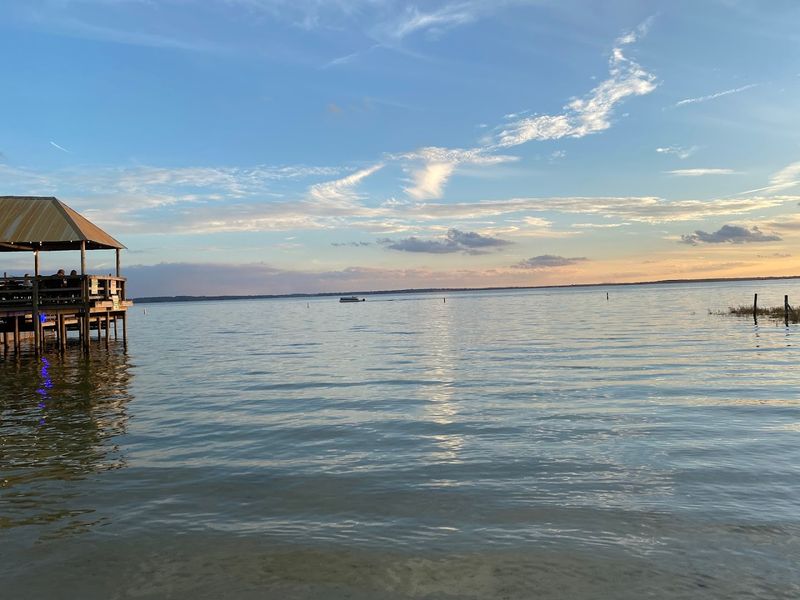
Crystal-clear water catches sunlight differently at Lake Weir, creating shades of blue and green that make this Marion County treasure look more like a postcard than a typical Florida lake.
The lake spreads across 5,685 acres in north-central Florida near Ocala, fed by springs that keep the water remarkably clear compared to many other Florida lakes.
I’ve swum here without worrying about what’s lurking below because the visibility lets you see the sandy bottom and watch fish swim past your toes.
Several small beach areas along the shore attract families who spread out towels, build sandcastles, and enjoy that rare combination of lake swimming with beach-like conditions.
Fishing remains popular, with bass, bluegill, and catfish providing plenty of action for anglers casting from boats or shore.
The lake’s irregular shape creates coves and points that offer new scenery around every bend when you’re exploring by kayak or paddleboard.
Waterfront homes and small communities ring the lake, but enough public access points exist that visitors can easily enjoy the water without needing to know a resident.
The spring-fed clarity makes Lake Weir special enough that I find myself recommending it whenever someone asks about swimming spots in central Florida.
10. Lake Talquin
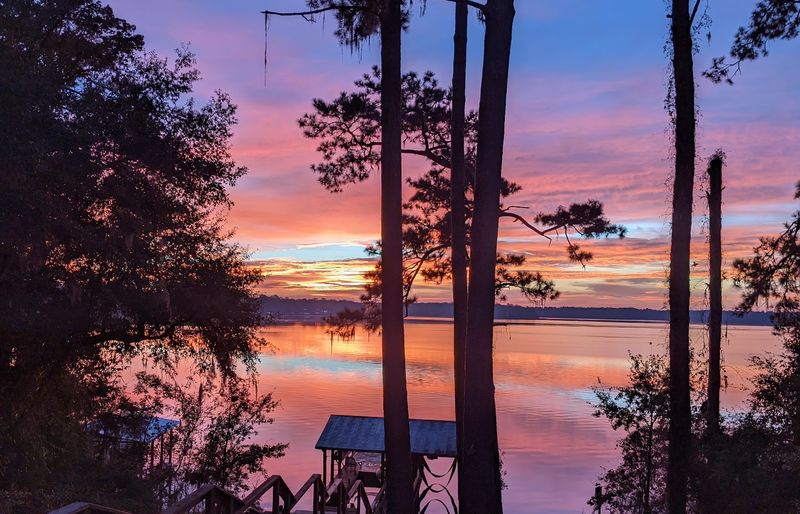
Up in the Panhandle, Lake Talquin offers a different Florida lake experience where rolling hills and pine forests replace the flat palmetto scrub found farther south.
This 8,800-acre reservoir sits about ten miles west of Tallahassee, created by a dam on the Ochlockonee River and straddling Leon and Gadsden Counties.
The lake’s irregular shape and numerous coves create over 100 miles of shoreline, giving explorers endless options for finding quiet spots away from the main channels.
I’ve caught largemouth bass, chain pickerel, and shellcracker here while watching osprey and eagles patrol overhead looking for their own catches.
Cypress trees grow thick along many shoreline sections, their knees poking up through shallow water and creating natural obstacles that bass love to hide around.
Lake Talquin State Forest surrounds much of the lake, providing hiking trails, camping areas, and that sense of wilderness that’s harder to find near more developed Florida lakes.
The cooler Panhandle climate means comfortable visits even in summer months when southern Florida lakes feel like warm bathtubs.
Every trip north to Lake Talquin reminds me that Florida’s lake diversity runs deeper than most people realize until they start exploring beyond the obvious choices.
11. Lake Jackson
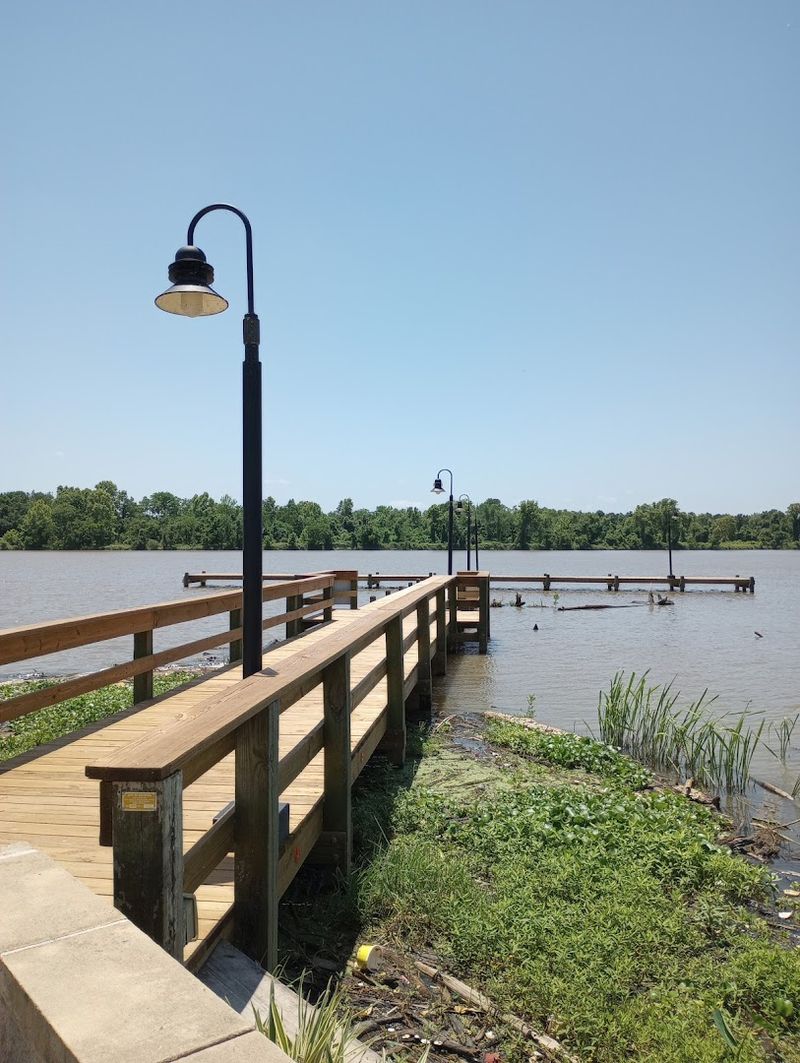
Right in Tallahassee’s backyard, Lake Jackson creates this surprising natural retreat where I’ve spent afternoons forgetting I’m in the state capital surrounded by government buildings and university campuses.
The lake covers roughly 4,000 acres in Leon County in the Florida Panhandle, though its size fluctuates due to sinkholes that occasionally drain significant portions of the water.
These periodic drainage events create fascinating ecological cycles that scientists study and locals discuss like neighborhood gossip whenever water levels start dropping noticeably.
I’ve fished the grass beds and lily pad fields for bass and bream, finding consistent action that keeps me coming back despite living closer to other lakes.
The Lake Jackson Mounds Archaeological State Park on the southeastern shore adds historical depth, with Native American ceremonial mounds dating back over 1,000 years.
Birdwatching reaches peak excitement during migration seasons when the lake serves as a rest stop for countless species traveling along the Gulf Coast flyway.
Multiple public access points and boat ramps make it easy to get on the water, while shoreline parks offer picnic spots for families who prefer staying dry.
The combination of natural beauty, convenient location, and quirky sinkhole behavior makes Lake Jackson one of those places that locals guard as their special spot.