
12 Florida Heritage Villages That Make History Feel Walkable In 2026
Most people visit Florida for beaches, theme parks, and sunshine.
They leave without discovering some of the state’s greatest stories.
Hidden across Florida are historic villages where quiet streets, restored homes, old schools, working farms, and waterfront communities bring the past back to life. These are not places where history sits behind ropes or locked inside glass cases.
Here, history surrounds you. You walk through it.
You hear it. And with every step, another chapter unfolds.
That is what makes these destinations so unforgettable.
Florida has a fascinating past that stretches far beyond its famous attractions. From pioneer settlements and fishing villages to preserved downtowns and living history museums, every stop offers a different glimpse into the people who helped shape the Sunshine State.
The buildings are authentic. The stories are real.
And the experience feels far more personal than any history lesson.
Forget the crowds for a day.
These Florida villages prove that some of the state’s most remarkable adventures happened long before the first roller coaster was ever built.
1. Historic Pensacola Village, Pensacola
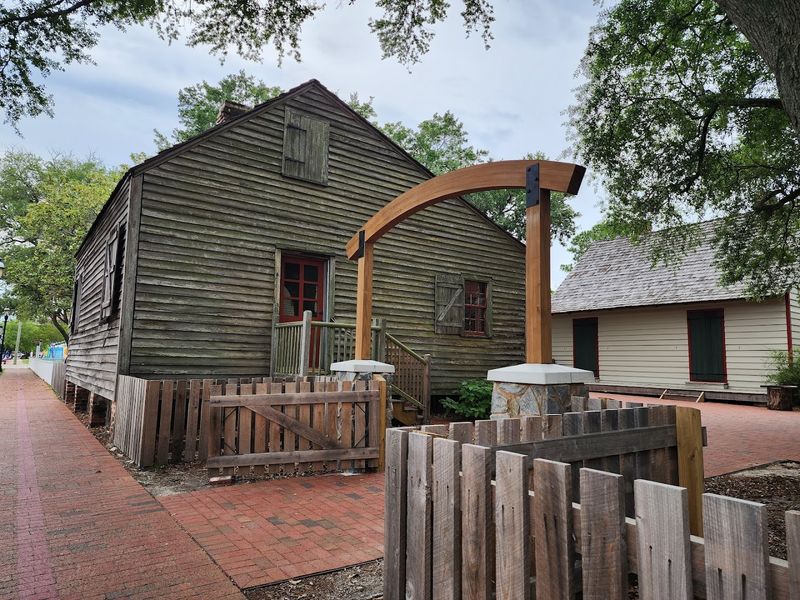
Stepping onto the grounds of Historic Pensacola Village, located at 205 E Zaragoza St in Pensacola, FL 32502, feels like the sidewalk itself has a story to tell.
This outdoor museum sits in the heart of downtown Pensacola and covers more than 450 years of layered history, making it one of the most historically complex sites in the entire state of Florida.
Spanish colonial architecture stands shoulder to shoulder with British-influenced structures, and the contrast alone is worth the price of admission.
Guided tours move through preserved homes, a museum of industry, and a colonial archaeology trail that reveals artifacts still being uncovered today.
I found myself crouching over display cases trying to read every label, which is a habit I usually reserve for natural history museums.
The T.T. Wentworth Jr. Florida State Museum anchors the complex and holds an enormous collection of regional curiosities.
Pensacola Village rewards slow walkers who ask questions and resist the urge to rush.
2. Heritage Village, Largo
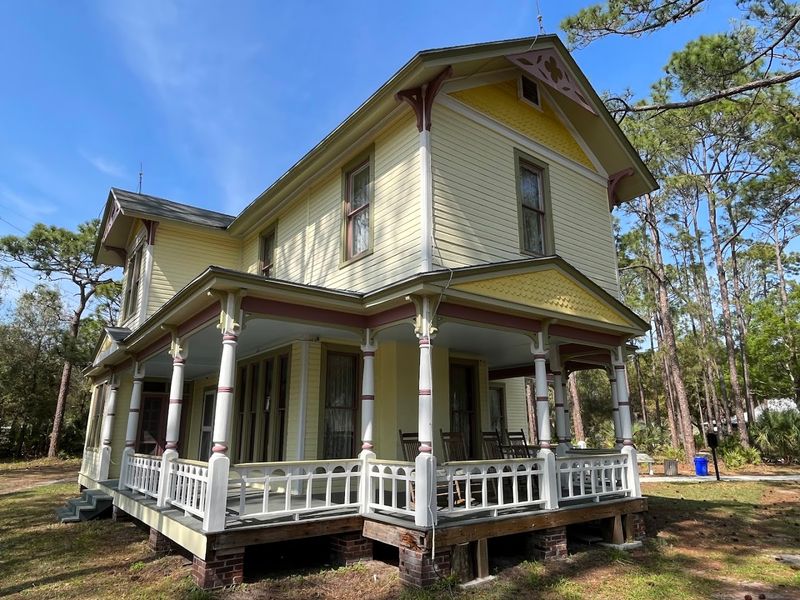
Tucked inside Pinellas County’s Pinewood Cultural Park at 11909 125th St in Largo, FL 33774, Heritage Village is the kind of place that makes a Tuesday afternoon feel like a genuine field trip.
The village preserves more than 30 historic structures relocated from across Pinellas County, ranging from a 19th-century Cracker farmhouse to a one-room schoolhouse that still has the original chalkboard intact.
Walking the shaded pathways under the oak canopy, I noticed how each building carries a completely different personality, from a modest pioneer home to an ornate Victorian residence that clearly belonged to someone with strong opinions about porches.
Costumed interpreters bring the site to life on select weekends, demonstrating traditional crafts like blacksmithing and quilting.
Admission is free, which makes Heritage Village one of the best-value heritage experiences in all of Florida.
The grounds also connect to a nature trail, so you can pair history with a quiet walk through Florida scrub habitat.
Bring comfortable shoes and a full afternoon.
3. Manatee Village Historical Park, Bradenton
History here does not announce itself loudly, and that restraint is exactly what makes Manatee Village Historical Park so quietly compelling.
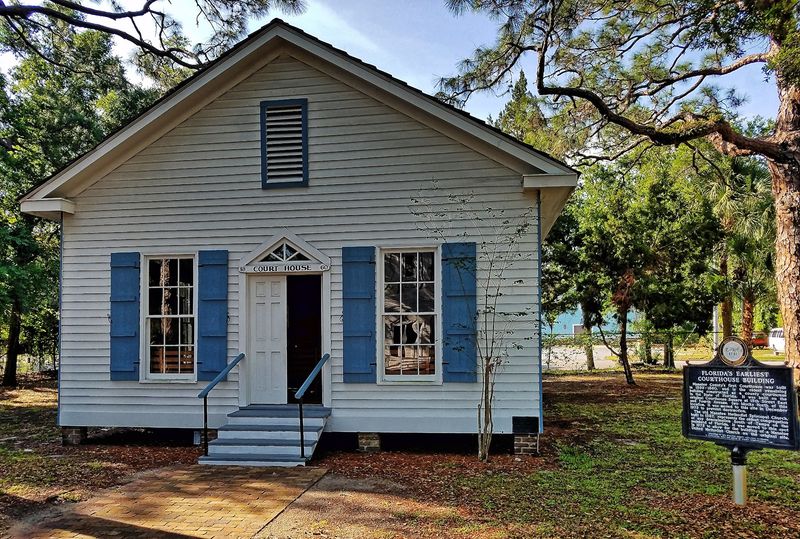
Situated at 1404 Manatee Ave E in Bradenton, FL 34208, this free outdoor museum preserves one of the finest collections of original 19th-century structures in the entire state of Florida.
The 1860 Manatee County Courthouse is the crown jewel, a simple but striking building that served the community for decades and still carries the dignity of its purpose.
Also on the grounds are a one-room schoolhouse, a Cracker farmhouse, a smokehouse, a church, and a general store that is stocked with period goods.
I spent nearly an hour in the general store alone, reading the vintage product labels and imagining what a Saturday shopping trip looked like in 1890.
The site hosts special events throughout the year, including heritage craft days and holiday programs that fill the grounds with activity.
Manatee Village is proof that the best history museums do not need walls.
4. Clermont Historic Village Museum, Clermont
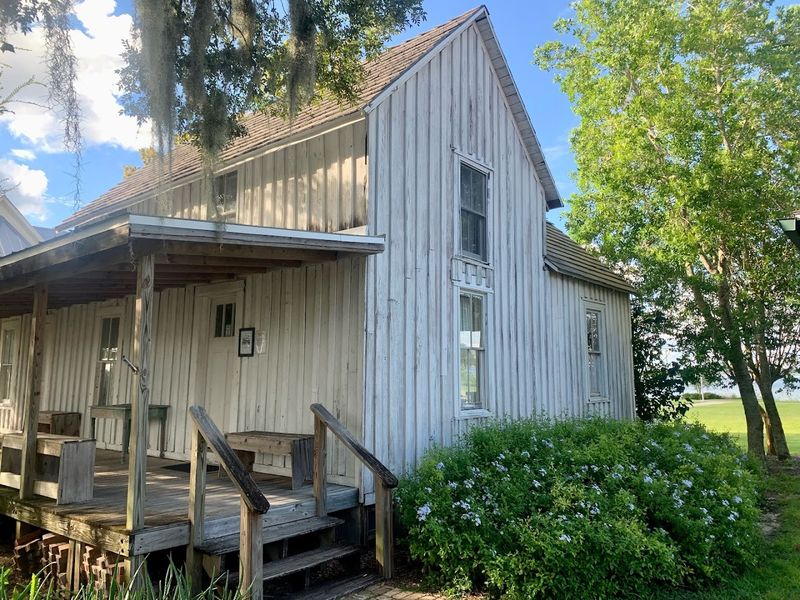
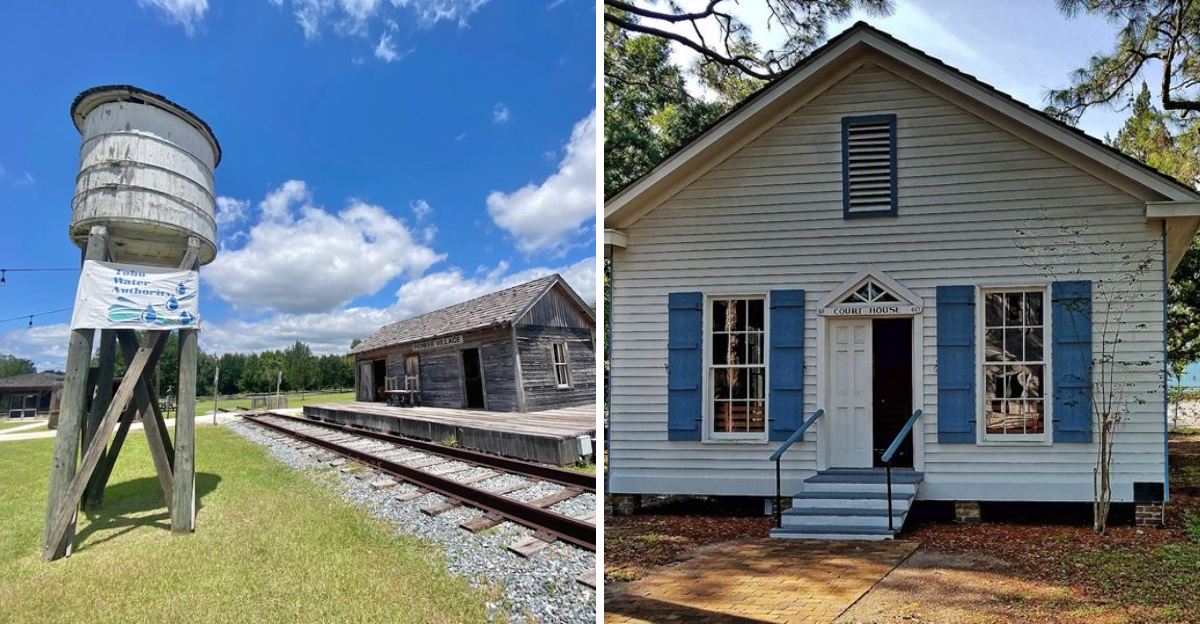
Clermont sits on a ridge above a chain of sparkling lakes, and the Clermont Historic Village Museum, at 490 West Ave, Clermont, FL 34711, captures the scrappy pioneer spirit that built this lakeside town from the ground up.
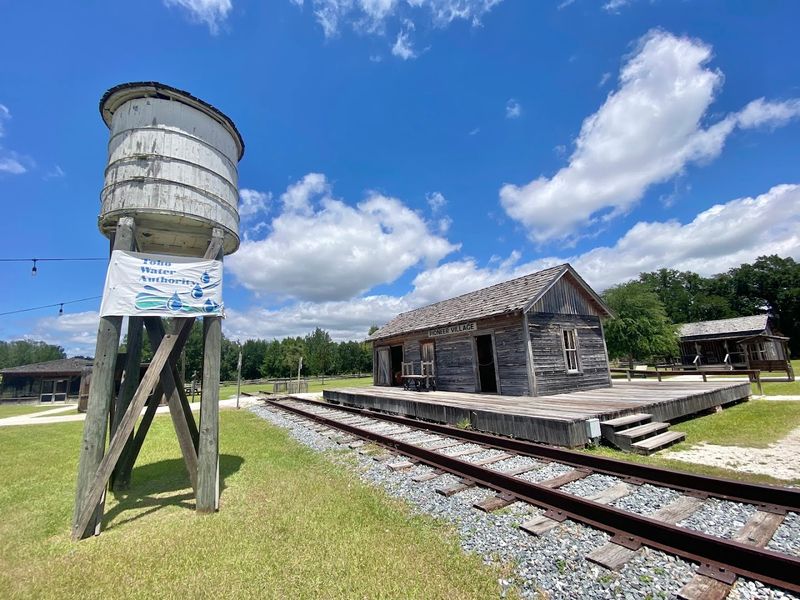
The museum complex includes several relocated and restored structures, including an old train depot, a citrus packing house, and a classic Florida Cracker home that shows exactly how settlers adapted to the subtropical climate before air conditioning entered the picture.
What surprised me most was the water tower, a full-scale replica that anchors the site visually and serves as a symbol of how civic infrastructure shaped early Florida communities.
The museum is operated by the Clermont Historical Society, and the volunteers here are genuinely passionate, offering stories and context that no written sign can fully convey.
Admission prices are very modest, making this a smart stop for families on a Central Florida road trip who want something beyond theme parks.
The rolling hills surrounding Clermont give this spot a character unlike most of flat Florida.
5. Sanibel Historical Museum and Village, Sanibel
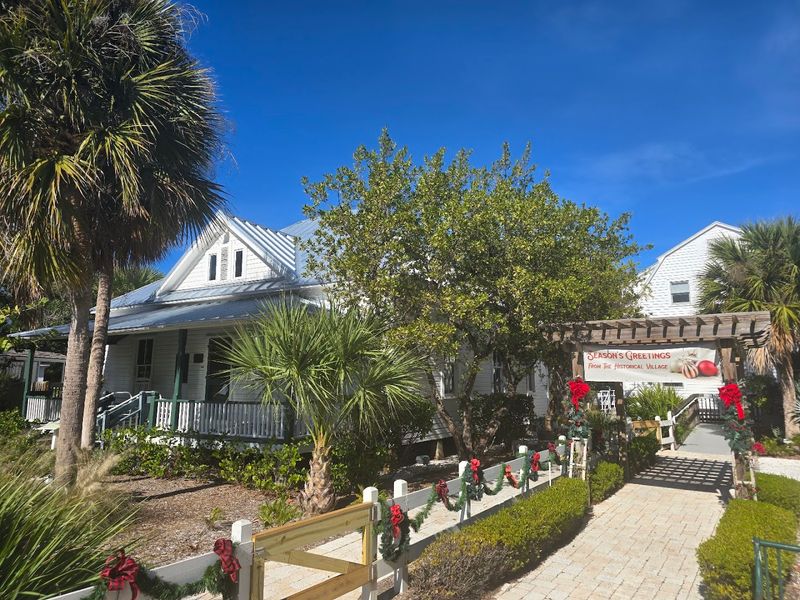
On an island famous for its shells and sunsets, the Sanibel Historical Museum and Village at 950 Dunlop Rd, Sanibel, FL 33957 tells the quieter story of the people who called this barrier island home long before the causeway was built.
The village features a collection of original structures moved to a single campus, including a 1913 post office, a one-room schoolhouse, a Cracker cottage, a tea room, and the historic Bailey homestead, all arranged along a shaded path that feels genuinely unhurried.
I visited on a bright January morning, and the combination of sea-salt air, tropical plantings, and century-old wooden buildings created an atmosphere that felt nothing like a typical museum.
Knowledgeable docents share personal anecdotes about island families, and some of those families still live on Sanibel today, which gives the history a living quality.
The museum is open Tuesday through Saturday, and the small gift shop stocks locally written books about island history that make excellent souvenirs.
Sanibel has always been a place worth slowing down for.
6. Pioneer Village at Shingle Creek, Kissimmee,
Just a few miles from the most visited theme park corridor on the planet, Pioneer Village at Shingle Creek at 2491 Babb Rd in Kissimmee, FL 34746 offers something refreshingly analog: actual Florida history, without the lines.
The village sits along Shingle Creek, which flows into the Everglades watershed and was a vital resource for the early settlers who farmed and ranched this part of Osceola County.
Restored structures include a Cracker homestead, a turpentine still, a sugar mill, and a one-room schoolhouse, each positioned to reflect how these early industries shaped the landscape of Central Florida.
I found the turpentine still particularly fascinating, since the naval stores industry once dominated this region and is rarely mentioned in mainstream Florida tourism.
The site is managed by the Osceola County Historical Society, and staff members are happy to walk you through the finer points of pioneer-era agriculture.
Shingle Creek itself is beautiful, lined with cypress knees and dragonflies, and worth a quiet moment before you leave.
7. Barberville Pioneer Settlement, Barberville, FL
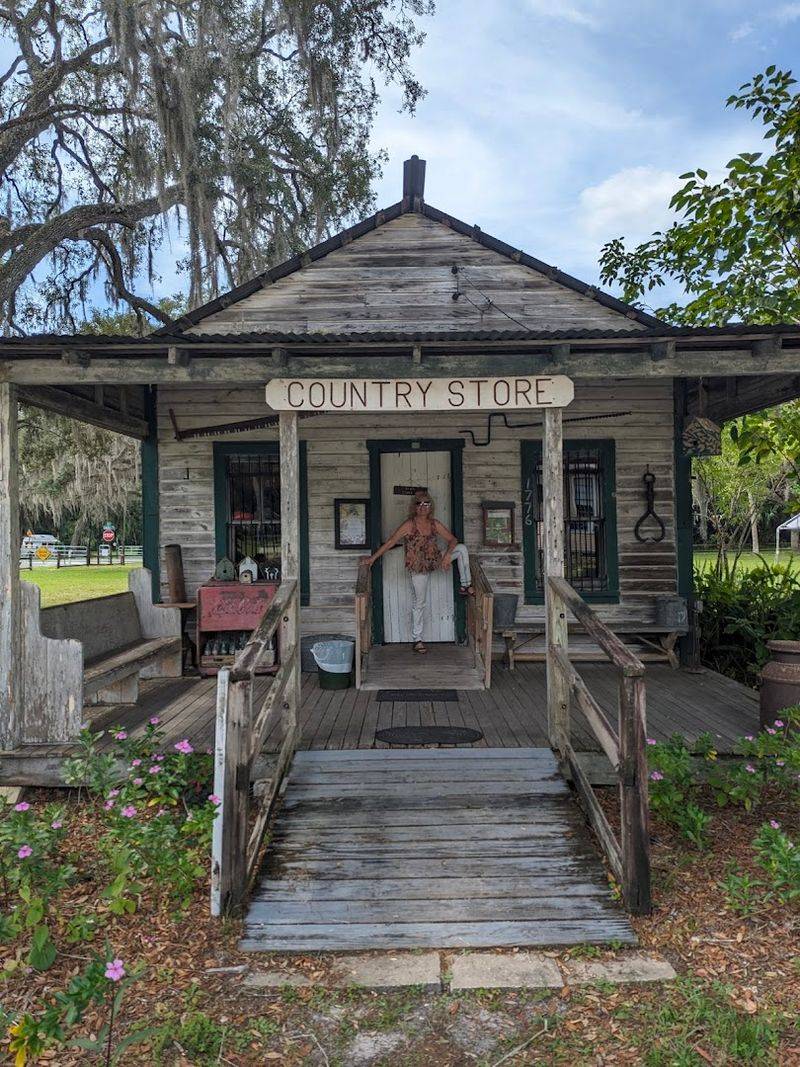
Finding Barberville Pioneer Settlement at 1776 Lightfoot Ln, Barberville, FL 32105 feels like discovering a secret that most Florida visitors never stumble upon, and that is precisely part of its appeal.
Located in rural Volusia County between Daytona Beach and Ocala, this working folk-life museum preserves more than 30 historic structures on a wooded property that smells like pine resin and campfire smoke on a good day.
The settlement includes a blacksmith shop, a print shop, a one-room schoolhouse, a turpentine camp, and a general store, all staffed by volunteers who demonstrate traditional crafts with remarkable skill and enthusiasm.
The annual Fall Jamboree, held each November, draws tens of thousands of visitors for live music, craft demonstrations, and traditional food, and it transforms the quiet grounds into something genuinely festive.
I visited on a slow weekday and had long conversations with the blacksmith, who has been forging ironwork at the settlement for over two decades.
Barberville moves at its own pace, and that pace suits the history perfectly.
8. Pioneer Florida Museum and Village, Dade City
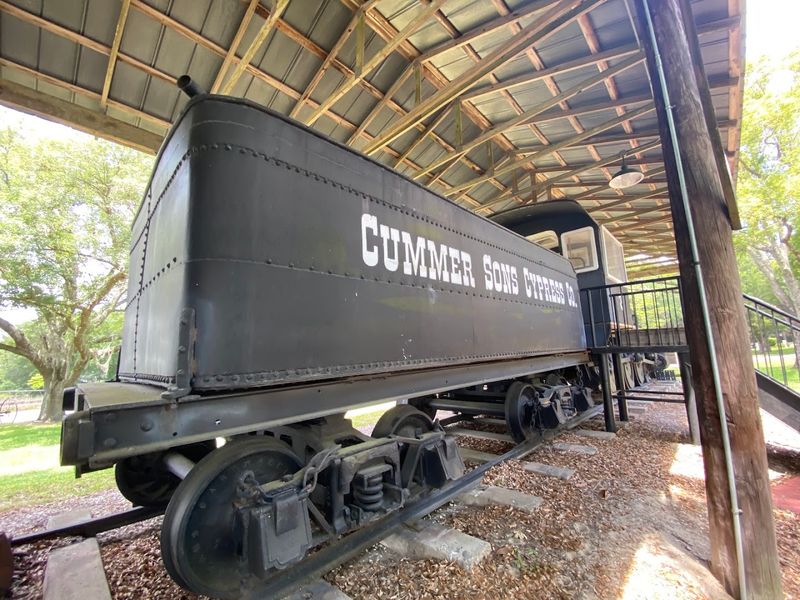
Dade City has a charming small-town energy, and Pioneer Florida Museum and Village at 15602 Pioneer Museum Rd, Dade City, FL 33523 fits right into that character without trying too hard.
The museum campus spreads across several acres of native Florida landscape and features a collection of original and relocated historic structures, including a 19th-century train depot, a Methodist church, a one-room schoolhouse, a Cracker farmhouse, and a working sugar cane mill that runs during special events.
What sets this site apart from similar outdoor museums is the train depot, which once served the Seaboard Air Line Railroad and still retains its original platform and signage.
I spent a good stretch of time on that platform imagining the rhythm of early 20th-century rail travel through rural Pasco County.
The museum is open Tuesday through Saturday and admission is very affordable, with group rates available for school trips and organized tours.
The surrounding Dade City area offers antique shops and local diners that round out a full day trip nicely.
History here feels grounded and genuinely Floridian.
9. Cocoa Village Historic District, Cocoa
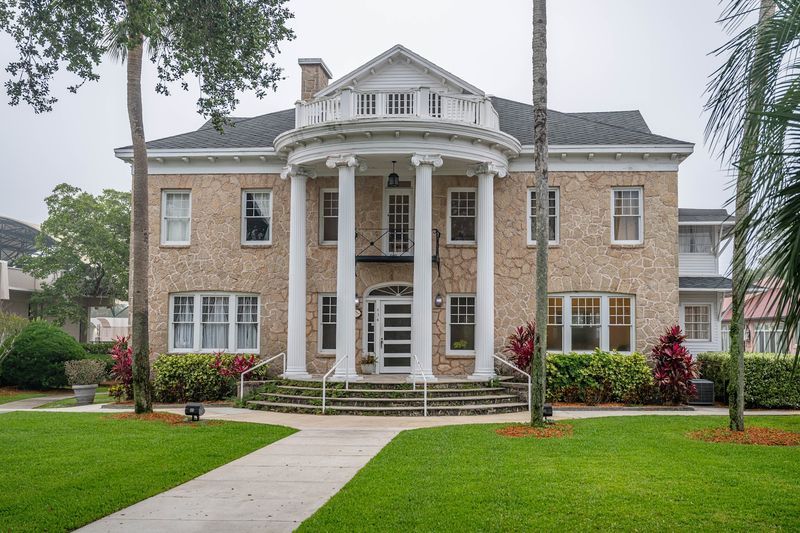
There is something genuinely pleasing about a historic district that also happens to be a great place to spend a Saturday afternoon, and Cocoa Village at 434 Delannoy Ave, Cocoa, FL 32922 pulls off that balance with real style.
Situated along the Indian River Lagoon in Brevard County, this compact historic district features beautifully preserved early 20th-century commercial buildings now occupied by boutique shops, art galleries, and local restaurants.
The brick sidewalks and tree canopy give the streetscape a pedestrian-friendly scale that encourages wandering without any particular destination in mind.
Cocoa Village has been a commercial hub since the late 1800s, and several of its buildings retain original architectural details including pressed-tin ceilings, transom windows, and decorative cornices that reward anyone who remembers to look up.
The proximity to Kennedy Space Center adds an interesting dimension: this historic village sits just minutes from one of the most technologically significant sites in American history.
I found a first-edition Florida travel guide in one of the antique shops that I still have not put down.
Cocoa Village is the kind of place that earns a return visit.
10. Micanopy Historic District, Micanopy
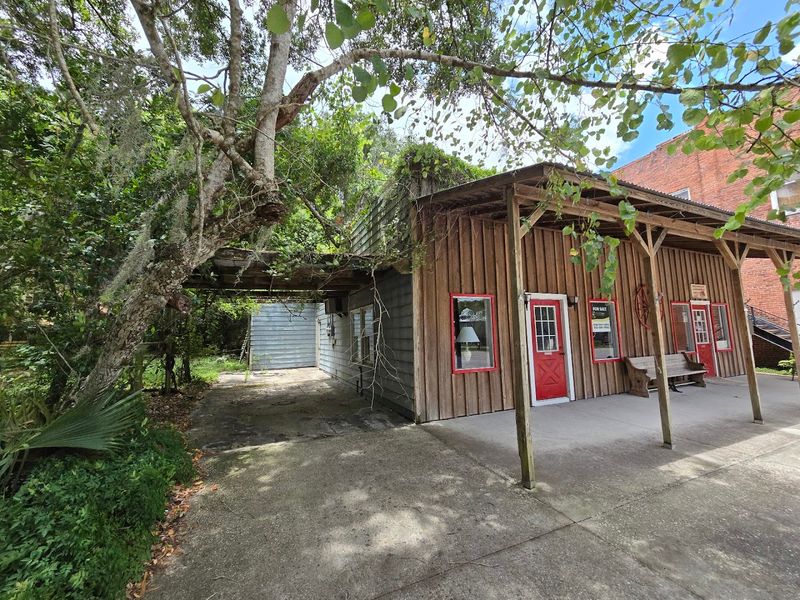
Florida’s oldest inland town wears its age with the kind of effortless cool that most places spend millions trying to manufacture.
Micanopy Historic District, centered along NE Cholokka Blvd in Micanopy, FL 32667, is a single shaded street lined with antique shops, galleries, and historic storefronts that have barely changed since the early 1900s.
The town was established in 1821 and served as a key trading post during Florida’s territorial period, and that layered past is visible in every building facade and mossy oak canopy overhead.
I arrived on a quiet Thursday and had entire antique shops to myself, which is the ideal way to browse without distraction.
The Micanopy Historical Society Museum occupies a former warehouse and houses an impressive collection of artifacts, photographs, and documents tracing the town’s history from Seminole territory through statehood.
Micanopy also sits close to Paynes Prairie Preserve State Park, making it an easy pairing for nature lovers who want history and hiking in the same afternoon.
Small towns rarely feel this complete.
11. Fernandina Beach Historic District, Fernandina Beach
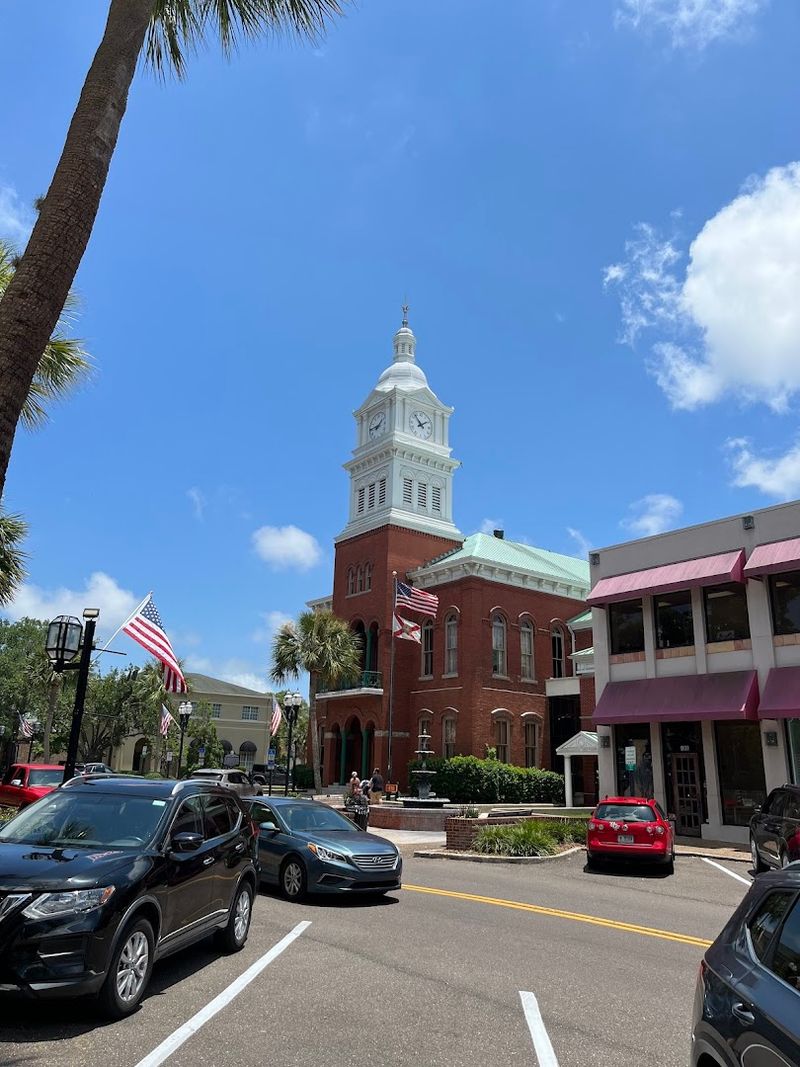
Amelia Island’s main town punches well above its size when it comes to architectural character, and the Fernandina Beach Historic District at 1 N Front St, Fernandina Beach, FL 32034 is the reason for that outsized reputation.
The district covers more than 50 blocks of Victorian-era commercial and residential architecture, giving it the distinction of having one of the largest concentrations of Victorian buildings in Florida.
Centre Street, the main commercial spine, is lined with 19th-century storefronts housing restaurants, independent shops, and a remarkable palace of a building that once served as a hotel for railroad travelers arriving on Amelia Island in the 1800s.
The historic train depot anchors the waterfront end of Centre Street and now houses the Amelia Island Museum of History, which offers walking tours of the district that are genuinely worth booking in advance.
I joined a ghost tour one evening, which covered real history with a theatrical flair that kept everyone in the group engaged from start to finish.
Fernandina Beach has eight flags in its history, which is more than any other American city, and that fact alone earns it serious heritage credentials.
12. Ybor City Historic District, Tampa
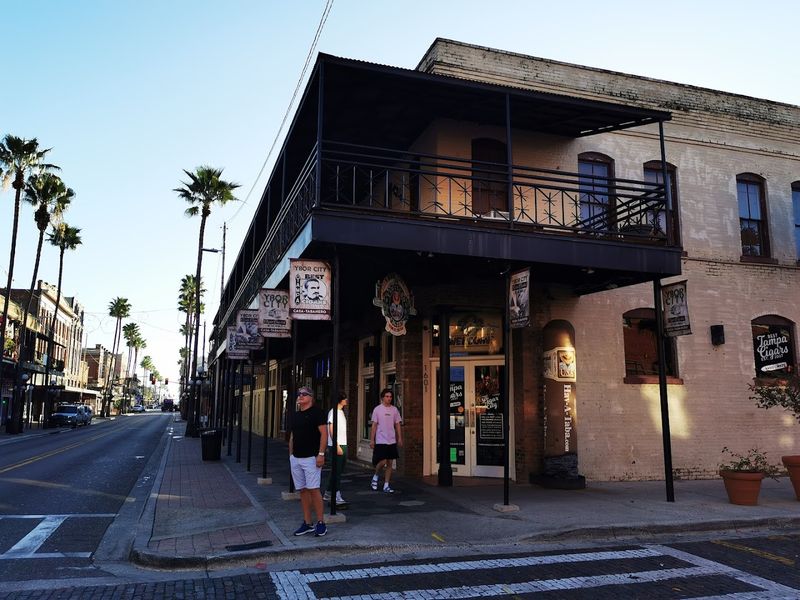
No Florida heritage district has a personality quite like Ybor City, and the moment you turn onto 7th Avenue in Tampa you understand exactly why this place earned National Historic Landmark status.
Located at 1600 E 8th Ave, Tampa, FL 33605, Ybor City was founded in the 1880s by Cuban, Spanish, and Italian immigrant cigar workers, and that multicultural foundation gives the neighborhood a cultural density that is rare anywhere in the American South.
The massive red-brick cigar factories that once employed thousands of workers have been converted into shops, restaurants, and event spaces, but the buildings themselves still radiate the industrial energy of their original purpose.
The Ybor City Museum State Park, housed in a former bakery, tells the full story of the cigar industry and the mutual aid societies that gave immigrant workers access to healthcare and legal support long before such programs existed elsewhere.
Free-roaming chickens wander the streets of Ybor City and have been a community fixture for generations, officially protected by city ordinance and entirely unbothered by tourists.
I stopped counting the roosters after twelve and simply started enjoying the chaos.
Ybor City does not just preserve history, it performs it daily.