
10 Florida Hidden Small Towns You’ll Be Shocked You’ve Never Heard Of

What if the most interesting places in Florida are not the ones everyone talks about?
Most visitors picture theme parks, crowded beaches, and packed attractions when they think about the Sunshine State. But beyond those famous destinations lies a quieter side of Florida that many travelers never discover.
Across the state, small towns sit along peaceful rivers, historic streets, and scenic coastlines where life moves at a slower pace. These places are filled with colorful shops, cozy cafés, old buildings with fascinating stories, and waterfront views that feel refreshingly untouched.
Spend a little time exploring them and you quickly notice something surprising. The charm of Florida often lives far from the busy tourist highways.
These towns may not always appear in the big travel guides, but they offer something just as memorable. Authentic character, friendly locals, and discoveries that turn a simple visit into something special.
If you are ready to see a different side of Florida, these small towns deserve a spot on your bucket list.
1. Apalachicola
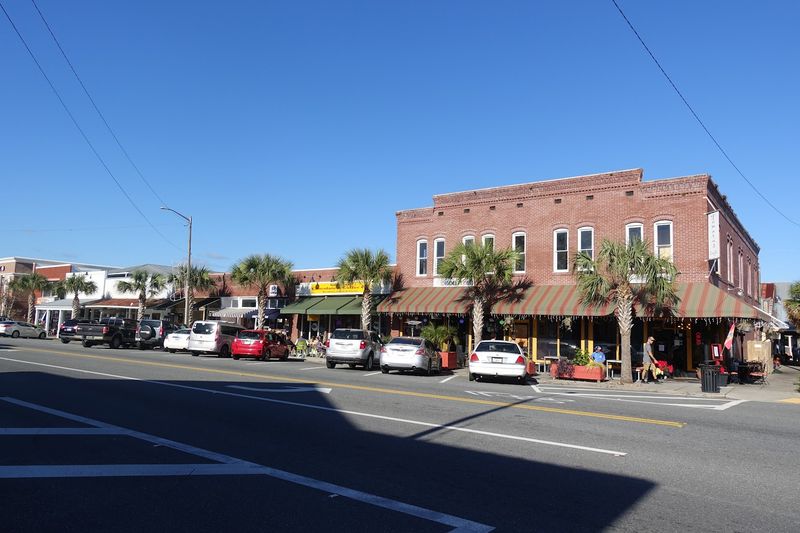
Picture a place where oysters are practically royalty and the entire town celebrates them like they’re movie stars. Apalachicola sits on Florida’s Forgotten Coast, and honestly, the name fits because hardly anyone outside the Panhandle knows about this treasure.
The town’s historic district looks like someone pressed pause in the 1900s, with buildings that tell stories of sponge divers and cotton traders.
Located at 1 Avenue E, Apalachicola, FL 32320, this waterfront wonder serves up the freshest seafood you’ll ever taste. The Apalachicola River dumps nutrient-rich water into the bay, creating perfect conditions for those famous oysters everyone raves about.
Walking down the brick-lined streets feels like stepping into a postcard your grandparents might’ve sent.
Small museums packed with maritime history dot the downtown area, and local shops sell everything from handmade soaps to vintage nautical gear. The Gibson Inn, a gorgeous Victorian hotel, has been welcoming guests since 1907 and looks exactly like it did back then.
Fishermen still bring their daily catches to the docks each morning, and you can watch pelicans dive-bomb for scraps.
Art galleries showcase local painters who capture the town’s dreamy sunsets and weathered fishing boats perfectly. Come during the Florida Seafood Festival in November, and you’ll understand why locals guard this secret so carefully.
2. Micanopy
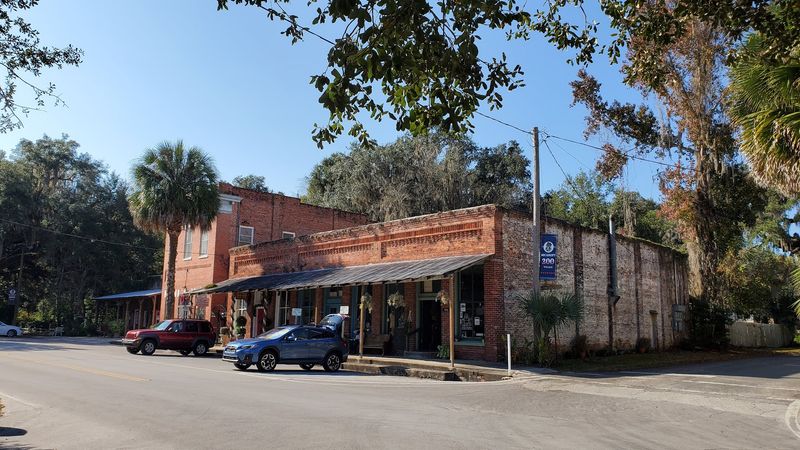
Blink while driving through and you’ll miss Florida’s oldest inland town, which would be a crying shame. Micanopy makes you feel like you’ve wandered onto a movie set where time forgot to keep moving forward.
Spanish moss drapes from ancient oak trees like nature’s own curtains, and the entire downtown stretches maybe three blocks if you’re walking slowly.
You’ll find this antique lover’s paradise at 607 NE Cholokka Blvd, Micanopy, FL 32667, just south of Gainesville. Founded in 1821, the town wears its history like a cozy sweater, with buildings that have housed everything from general stores to secret speakeasies during Prohibition.
Every shop seems to overflow with treasures from somebody’s attic, and you could spend hours digging through vintage postcards and old photographs.
The Herlong Mansion, a stunning Greek Revival beauty, now operates as a bed and breakfast where you can sleep surrounded by history. Main Street antique shops compete for your attention, each one more cluttered and wonderful than the last.
Book lovers lose their minds at the O. Brisky Books, crammed floor-to-ceiling with rare finds and forgotten classics.
Paynes Prairie Preserve State Park sits right next door, where wild horses and bison roam freely like they’re auditioning for a nature documentary. The whole town appeared in the movie “Doc Hollywood,” though most people still haven’t figured that out.
3. Cedar Key
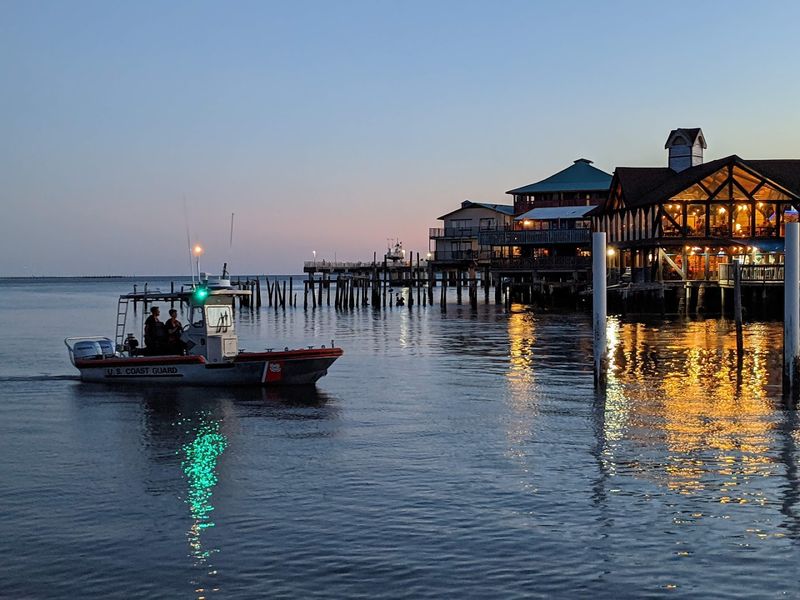
Islands don’t get much more laid-back than Cedar Key, where the official town motto should probably be “shoes optional.” This cluster of islands dangles off Florida’s Nature Coast like forgotten charms on a bracelet, connected by a single causeway that feels like a gateway to another dimension. Artists outnumber accountants here by about a million to one, and everyone’s perfectly fine with that arrangement.
Cedar Key’s downtown centers around 2nd Street, Cedar Key, FL 32625, where weathered buildings lean slightly like they’ve had one too many margaritas. The town started as a pencil-manufacturing hub in the 1800s, believe it or not, until they ran out of cedar trees and had to pivot to fishing and clamming.
Nowadays, the biggest industries are eating seafood and painting sunsets, both of which the locals have perfected.
Wooden docks stretch into the Gulf of Mexico, where fishermen still bring in the day’s catch while pelicans supervise their every move. Art galleries fill former fishing shacks, displaying paintings of herons and seascapes that somehow never look cheesy.
The Cedar Key Museum State Park tells the whole wild story of how this place went from timber town to artist colony.
Restaurants serve clam chowder so good it should probably be illegal, and the annual Seafood Festival draws crowds who actually know good food. Low-key doesn’t even begin to describe the vibe here.
4. Mount Dora
Someone clearly forgot to tell Mount Dora it’s supposed to be in Florida because this place looks like it teleported from New England. Rolling hills, antique shops on every corner, and an actual downtown that people stroll through for fun create a vibe that’s completely un-Floridian in the best possible way.
The town sits on the shores of Lake Dora, and yes, there actually are hills here, which basically makes it a geographical miracle.
Located at 510 N Donnelly St, Mount Dora, FL 32757, this charming community has been wooing visitors since the 1880s. The historic Lakeside Inn, Florida’s oldest continuously operating hotel, has rocked on its front porch since 1883 and still welcomes guests who appreciate vintage charm.
Downtown shops sell everything from handcrafted jewelry to imported British tea, and somehow it all works together perfectly.
Annual festivals happen so frequently that locals probably schedule their lives around them, from the famous Craft Fair to the Sailing Regatta. The downtown historic district earned a spot on the National Register of Historic Places, and one walk through explains exactly why.
Lighthouse tours, antique car shows, and drink walks keep the calendar packed year-round.
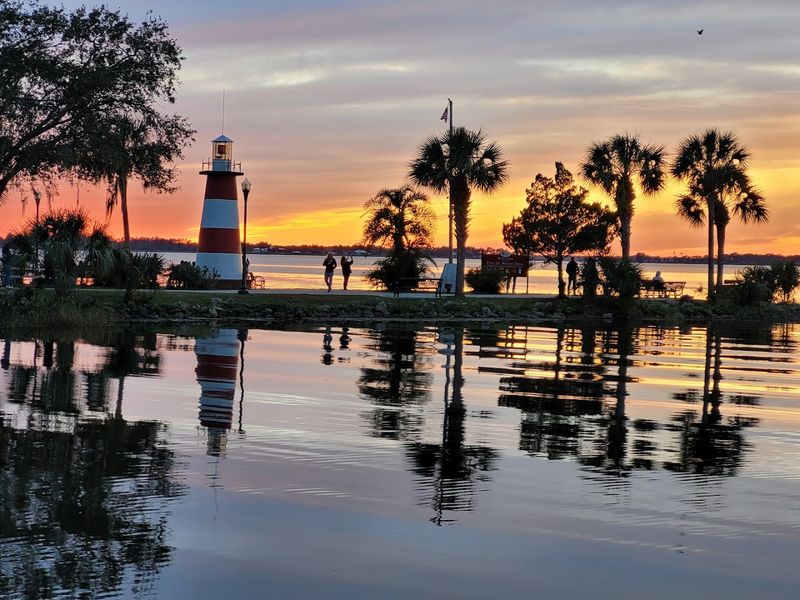
Lake Dora provides the perfect backdrop for sunset watching, and the town’s lighthouse (built in the 1980s but who’s counting) offers gorgeous views. Quirky museums celebrate everything from local history to lawn mowers, because why not?
5. DeFuniak Springs
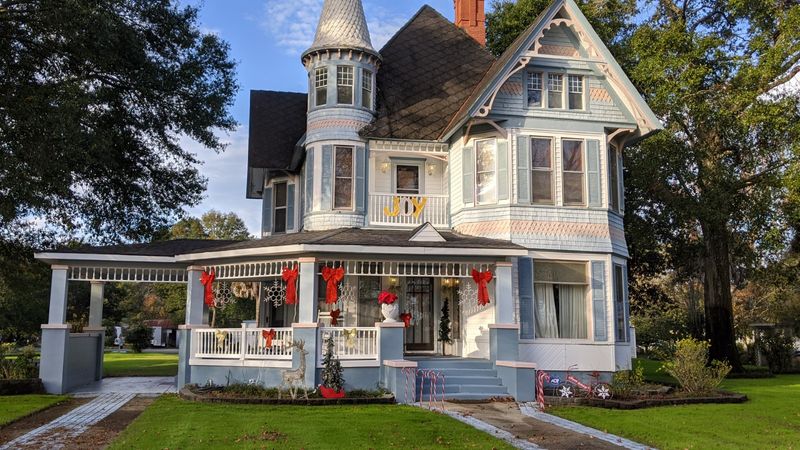
Nature apparently owns a compass because Lake DeFuniak is one of only two perfectly round spring-fed lakes in the entire world. The town that grew around this geological oddity feels like someone preserved a slice of the Victorian era under glass and decided to let people live in it.
Grand old homes with wraparound porches circle the lake like they’re protecting a precious secret, which honestly, they kind of are.
You’ll discover this circular wonder at 71 US-90, DeFuniak Springs, FL 32433, right in the Florida Panhandle’s heart. The town became a major stop on the railroad in the 1880s, and wealthy Northerners built winter homes here that still stand today, looking fabulous.
The Chautauqua Hall of Brotherhood, built in 1909, hosted educational programs back when people gathered for lectures like we binge Netflix shows now.
Walking around the lake takes about twenty minutes, and the views change with every step as different architectural styles show off. The Walton County Heritage Museum occupies the old L&N Railroad Depot and tells stories of turpentine workers and timber barons.
Antique stores downtown sell treasures that probably belonged to the town’s founding families, and the prices won’t make your wallet cry.
Annual events like the Chautauqua Festival celebrate the town’s intellectual heritage with concerts and performances that actually draw crowds. The library, one of Florida’s oldest, still operates in its original 1887 building.
6. Tarpon Springs
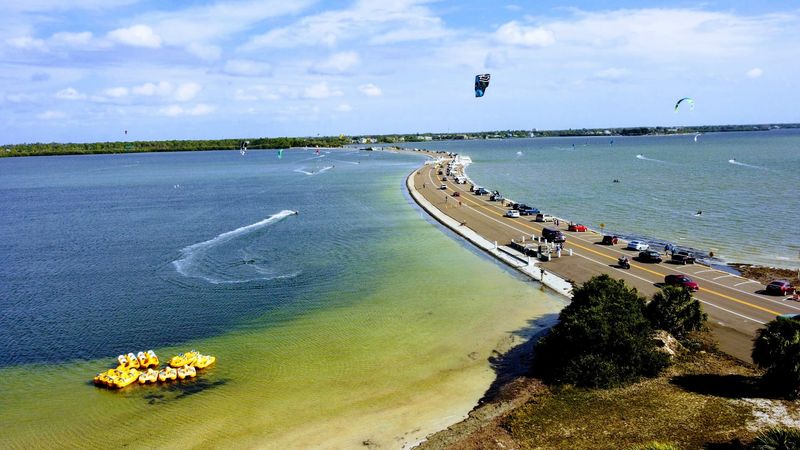
Greece called and wants its sponge divers back, but Tarpon Springs politely declined because they’re too busy running the best Greek restaurants in Florida. This town has the highest percentage of Greek-Americans anywhere in the United States, and boy, do they know how to throw a party for Epiphany.
The sponge docks bustle with activity just like they did in the 1900s, except now tourists outnumber actual sponge divers.
The historic sponge docks area centers around 735 Dodecanese Blvd, Tarpon Springs, FL 34689, where the smell of fresh seafood and Greek pastries fills the air constantly. Greek immigrants arrived here in the early 1900s to dive for natural sponges, and their descendants still operate family businesses along the waterfront.
Bakeries sell baklava so sweet and flaky that one bite might actually transport you to Athens.
Restaurants serve authentic Greek dishes prepared from recipes that great-grandmothers brought over on boats, and the portions could feed a small army. St. Nicholas Greek Orthodox Cathedral, with its stunning Byzantine architecture, dominates the skyline and hosts incredible services.
Shops sell natural sponges, Greek imports, and enough olive oil to keep your skin moisturized for decades.
The Spring Bayou area offers peaceful walks under oak trees, and historic homes show off architectural styles from multiple eras. Boat tours take visitors out to see how sponge diving actually works, complete with demonstrations.
7. Matlacha
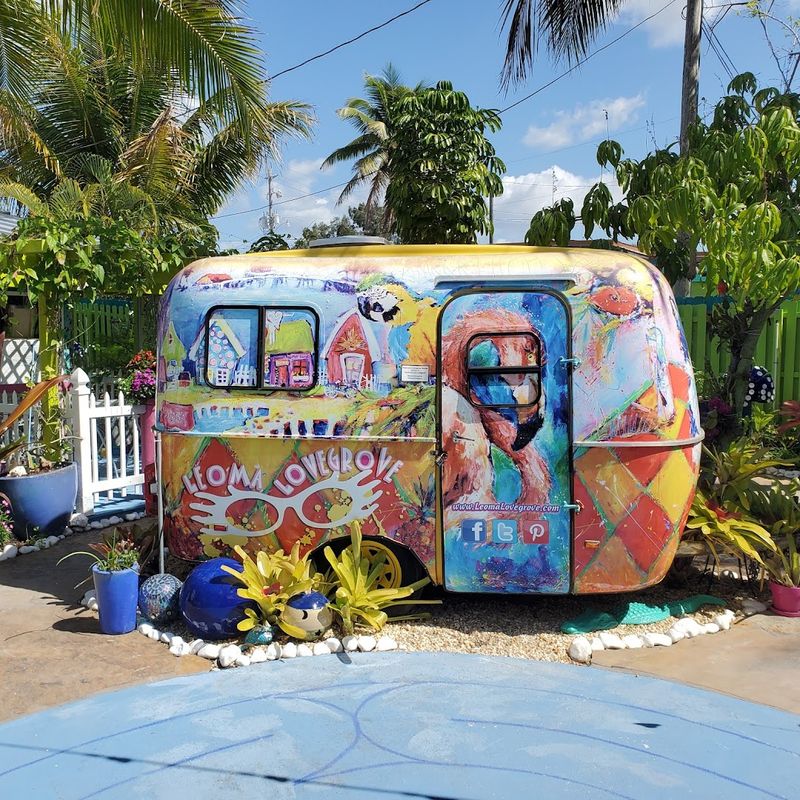
Somebody spilled a rainbow on this tiny fishing village, and nobody bothered cleaning it up because it looked too good. Matlacha sits on Pine Island between Fort Myers and Cape Coral, and it’s basically what would happen if artists and fishermen decided to share a town and got along perfectly.
Buildings explode with colors that shouldn’t work together but somehow create the happiest street you’ve ever seen.
This four-mile-long island community centers around 4577 Pine Island Rd NW, Matlacha, FL 33993, accessible by a bridge that feels like it’s transporting you to another planet. Old Florida fishing culture collides with modern art galleries, and the result is pure magic wrapped in tie-dye.
Shops selling handmade jewelry sit next to bait shops, and nobody finds this combination weird at all.
Art galleries overflow with paintings of tropical fish, funky sculptures, and pottery that captures the island’s free spirit perfectly. Restaurants serve fresh-caught fish while you sit on docks watching manatees swim by like they own the place, which they kind of do.
The whole island measures maybe a mile long, so you can explore everything on foot in an afternoon.
Local artists paint murals on any surface that stays still long enough, creating an outdoor gallery that never closes. Fishing guides take visitors out into Matlacha Pass, where the fish bite enthusiastically and the scenery looks photoshopped even though it’s completely real.
8. Carrabelle
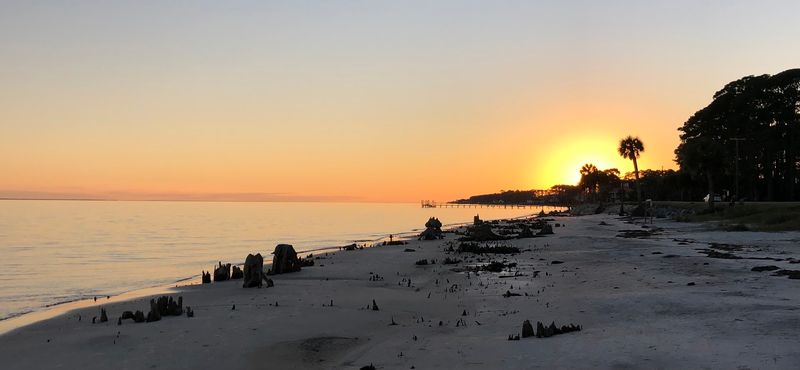
Fame found Carrabelle through the world’s smallest police station, which is literally just a phone booth, and honestly, that’s the most Carrabelle thing ever. This fishing village on the Forgotten Coast keeps things simple, unpretentious, and refreshingly real in a state that often feels like one giant theme park.
Commercial fishing boats outnumber tourists by a comfortable margin, and that’s exactly how locals prefer it.
The tiny town centers around 1001 Gray Ave, Carrabelle, FL 32322, where the Carrabelle River meets the Gulf of Mexico in a perfect marriage of fresh and salt water. That famous phone booth police station still stands downtown, now a quirky museum piece that appears in more photos than most actual police stations.
Shrimpers and oystermen still work these waters daily, bringing in catches that end up on dinner plates across the South.
The Camp Gordon Johnston WWII Museum tells fascinating stories of soldiers who trained on these beaches before shipping overseas, and the exhibits will surprise you with their depth. Carrabelle Beach offers miles of undeveloped shoreline where you might have the sand completely to yourself.
Crooked River Lighthouse, though technically in a neighboring area, draws visitors who climb its 139 steps for ridiculous views.
Local seafood shacks serve fried mullet and stone crab claws without any fancy presentation, just pure deliciousness on paper plates. The annual Riverfront Festival celebrates the town’s maritime heritage with boat races and plenty of fresh seafood.
9. Havana
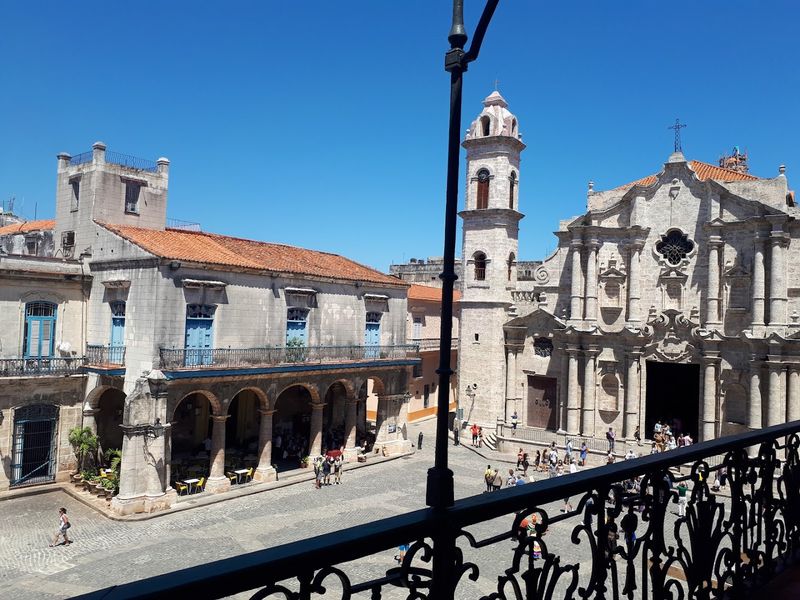
Tobacco money built this town, but antique dealers saved it, and now Havana stands as North Florida’s quirkiest shopping destination. Named after the Cuban capital because of its tobacco connections, this tiny town reinvented itself when the leaf industry dried up.
Gorgeous old warehouses that once stored shade tobacco now house antique shops crammed with treasures that make collectors weep with joy.
Downtown Havana centers around 203 E 7th Ave, Havana, FL 32333, just north of Tallahassee but feeling like a different universe entirely. The transformation from dying tobacco town to antique mecca happened in the 1980s, and the result is absolutely magical.
Brick buildings with original tin ceilings create the perfect backdrop for vintage furniture, old signs, and collectibles that span multiple centuries.
Art galleries showcase local and regional artists who capture North Florida’s unique character, from rural landscapes to abstract pieces. Restaurants serve Southern comfort food that’ll make you understand why people write songs about their grandma’s cooking.
The whole downtown area only spans a few blocks, but you could easily spend an entire day browsing without seeing everything.
Architectural details that most towns painted over or demolished still shine here, from ornate cornices to hand-painted signs. Local festivals bring the streets alive with music, food vendors, and crowds who appreciate small-town charm.
Antique dealers here actually know their stuff, and they love sharing stories about the pieces they sell.
10. Sopchoppy
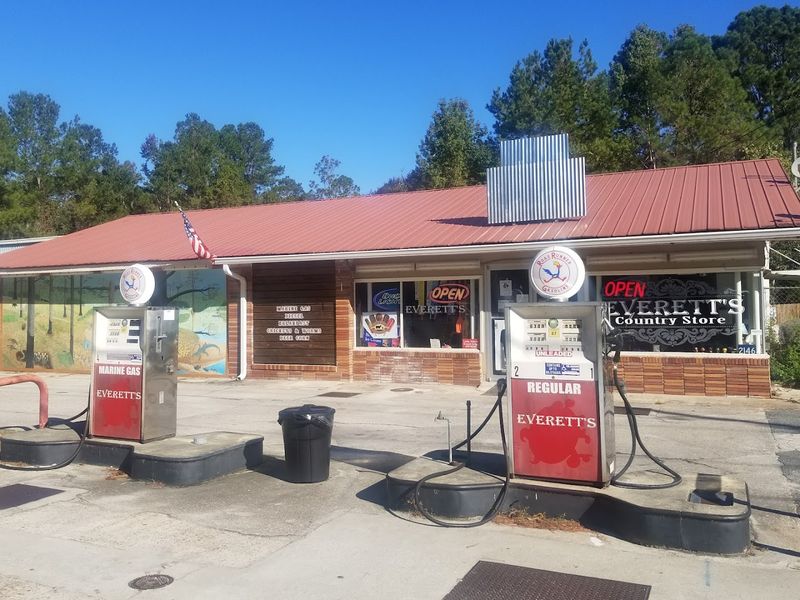
Worm grunting isn’t what you think it is, but it’s definitely Sopchoppy’s claim to fame, and yes, there’s an annual festival celebrating this bizarre tradition. This tiny town in the Apalachicola National Forest region has maybe 500 residents on a good day, and they’re all perfectly fine with staying under the radar.
The name comes from a Creek Indian word meaning “long, twisted river,” which describes the local waterway perfectly.
Located at 105 Municipal Ave, Sopchoppy, FL 32358, this community embraces its rural roots with zero apologies or pretensions. Worm grunting involves driving a wooden stake into the ground and rubbing it to create vibrations that make earthworms surface, and local experts have perfected this art form.
The annual Worm Gruntin’ Festival every April celebrates this unique tradition with contests, food, and entertainment that’s wonderfully weird.
Sopchoppy River provides incredible paddling opportunities through cypress swamps and hardwood forests that look prehistoric. The surrounding national forest offers hiking trails where you might encounter deer, wild turkeys, and absolute silence, which is increasingly rare.
Downtown consists of a few blocks with essential businesses and friendly folks who wave at strangers.
Local restaurants serve country cooking that sticks to your ribs and makes you want a nap immediately afterward, in the best way possible. The town’s volunteer fire department hosts fish fries and fundraisers that bring the whole community together regularly.