
Florida Is Home To 15 Underrated Places That Wow First-Time Visitors
Florida is famous for the places everyone already knows.
The ones you’ll remember most are usually the ones no one talks about.
Leave the crowds behind, and the Sunshine State begins to tell a completely different story. Crystal-clear springs replace crowded pools.
Quiet fishing villages take the place of busy boardwalks. Ancient forests, hidden islands, and forgotten towns reveal a side of Florida that feels untouched by time and surprisingly easy to fall in love with.
That is where the real adventure begins.
Florida has been surprising travelers for generations, not because of its biggest attractions, but because of the hidden places waiting just beyond them. Every stop on this list offers something unexpected.
Every destination feels like a discovery. And every mile reminds you that the state’s greatest treasures are often the ones hiding in plain sight.
Skip the obvious.
This is the Florida most visitors never see and it might just become your favorite part of the Sunshine State.
1. Cedar Key
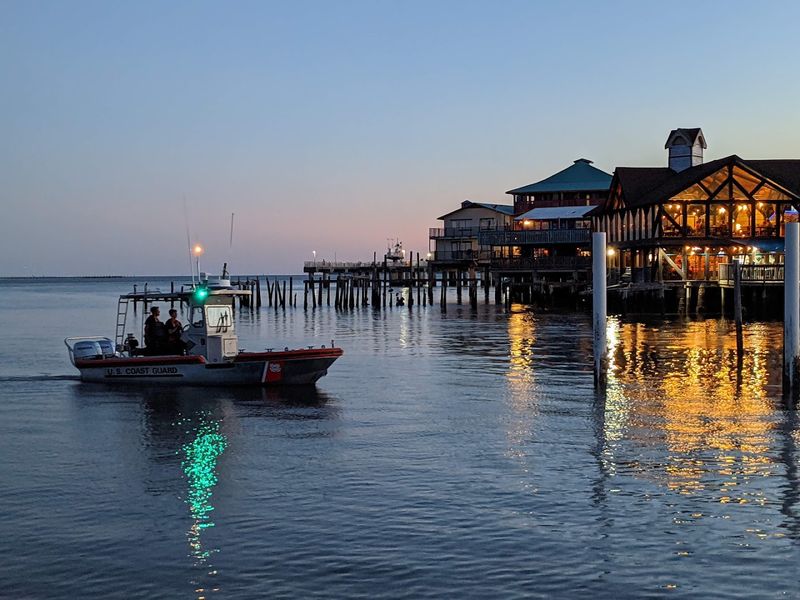
Forget the crowded coasts you have seen on postcards, because Cedar Key sits quietly on Florida’s Gulf side like it has been keeping a delicious secret for decades.
This tiny island community, located about 50 miles southwest of Gainesville in Levy County, runs on a pace that feels borrowed from an earlier century.
Wooden docks stretch out over calm, shallow water, and pelicans lounge on pilings like they own the place, which honestly, they might.
Cedar Key was one of Florida’s earliest tourist destinations back in the 1800s, and the town still carries that weathered, salt-kissed charm without trying too hard.
Clam farming defines the local economy here, so the seafood is as fresh as it gets, pulled from the water just hours before it reaches your plate.
The Cedar Key National Wildlife Refuge surrounds the area, making kayaking through the marshes one of the most quietly spectacular things you can do on a Florida trip.
I left Cedar Key sunburned, full of clam chowder, and already planning my return before I even hit the highway.
2. Blowing Rocks Preserve, Jupiter Island
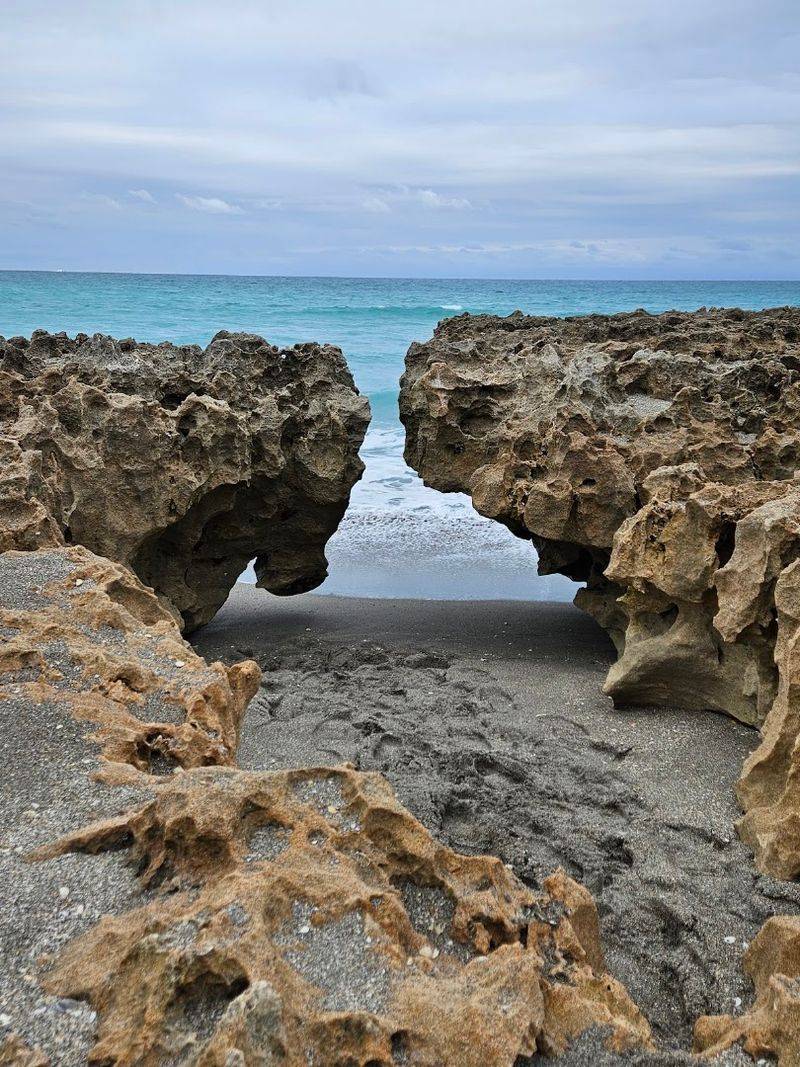
There is a stretch of Jupiter Island’s Atlantic coastline where the ocean puts on a show that honestly feels like it was designed for maximum drama.
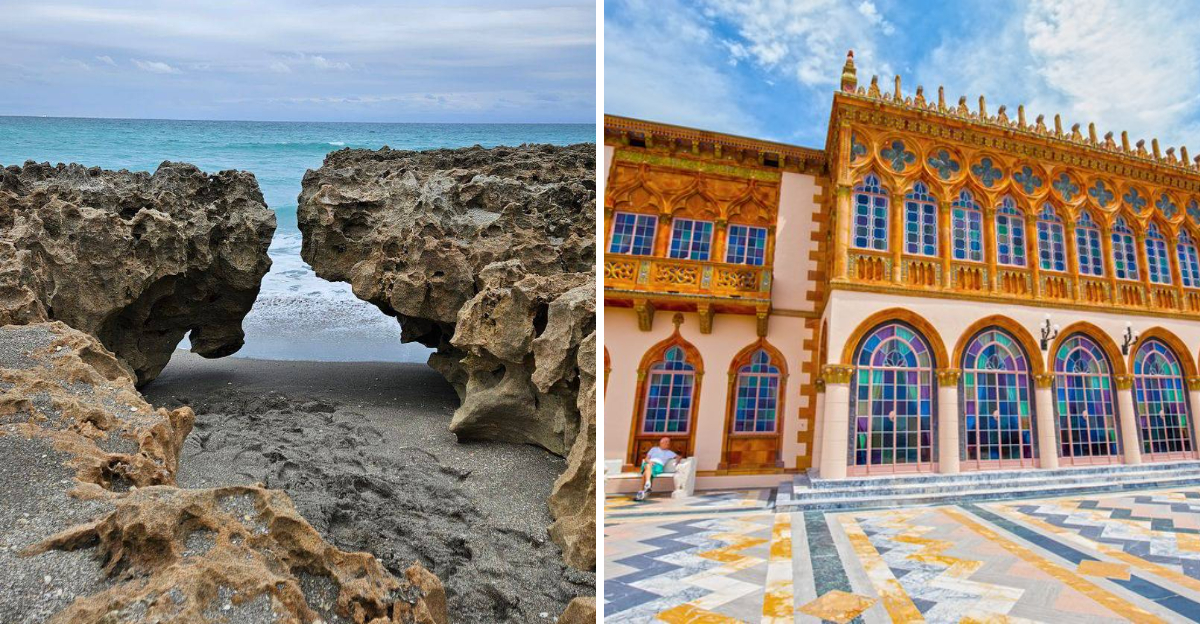
Blowing Rocks Preserve, managed by The Nature Conservancy in Martin County, protects the largest Anastasia limestone outcropping on the entire Atlantic coast of the United States.
When storm swells roll in, seawater forces through natural holes and tunnels in the rock and shoots upward in spectacular geysers that can reach 50 feet high.
The preserve covers about 73 acres and includes four distinct habitats: the rocky shoreline, a dune ridge, a mangrove estuary, and a coastal hammock.
Sea turtles nest along the beach here from May through October, and watching a loggerhead make her way up the sand at night is a memory that sticks with you.
The Indian River Lagoon side of the preserve offers calm kayaking and paddleboarding through mangrove tunnels that feel miles away from any crowd.
Blowing Rocks earns its name every single time the Atlantic decides to show off.
3. Washington Oaks Gardens State Park, Palm Coast
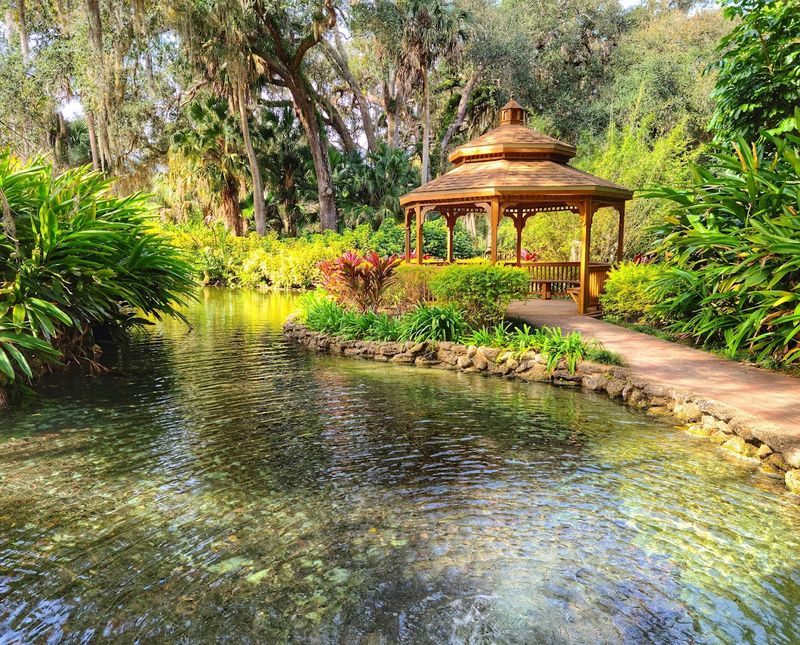
Stumbling onto Washington Oaks Gardens State Park near Palm Coast felt like finding a formal European garden that somehow ended up tucked between the Atlantic Ocean and the Matanzas River.
Located in Flagler County along State Road A1A, this park sits on land that was once a working plantation and later a private estate owned by Owen D. Young, a prominent American businessman, in the mid-20th century.
The formal gardens bloom with camellias, azaleas, and roses beneath enormous live oaks draped in Spanish moss, creating the kind of scene that makes photographers forget to blink.
Cross the road and you reach the Atlantic side, where a coquina rock shoreline stretches along the beach, creating tidal pools filled with crabs, sea stars, and small fish.
This coquina formation is rare along Florida’s coast, which makes the beach here look completely different from the white sand strips most visitors expect.
Birding is excellent throughout the park, with wading birds, ospreys, and migrating songbirds passing through regularly.
Washington Oaks quietly delivers two completely different Florida landscapes in one single visit.
4. Devil’s Den Prehistoric Spring, Williston
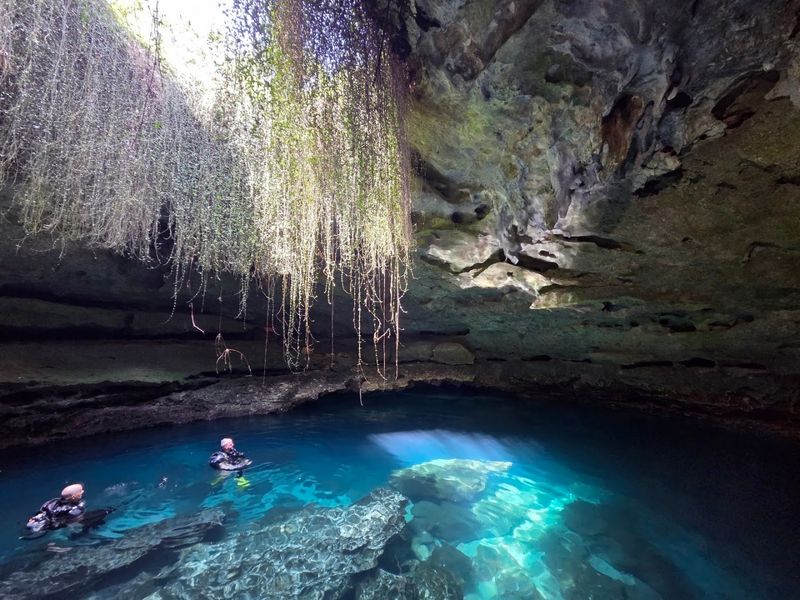
Peering down through a hole in the earth and seeing glowing turquoise water inside a limestone cavern is the kind of experience that stops a conversation cold.
Devil’s Den Prehistoric Spring sits just outside Williston in Levy County, Central Florida, and it is one of the most unusual swimming spots in the entire state.
The spring sits inside a dry cave, a type of karst window, where the roof collapsed long ago to expose the underground aquifer below.
Fossil bones of ancient animals, including mammoths, giant sloths, and early horses, were discovered here, earning the site its prehistoric label and adding a layer of wild history to every swim.
The water temperature holds at a constant 68 degrees Fahrenheit year-round, which makes it a refreshing summer escape and a surprisingly comfortable winter snorkeling spot.
Scuba diving is also permitted here, and certified divers can explore underwater cavern passages that extend beneath the surrounding landscape.
Visiting Devil’s Den is less like going to a swimming hole and more like stepping into a scene from a nature documentary.
5. Mount Dora
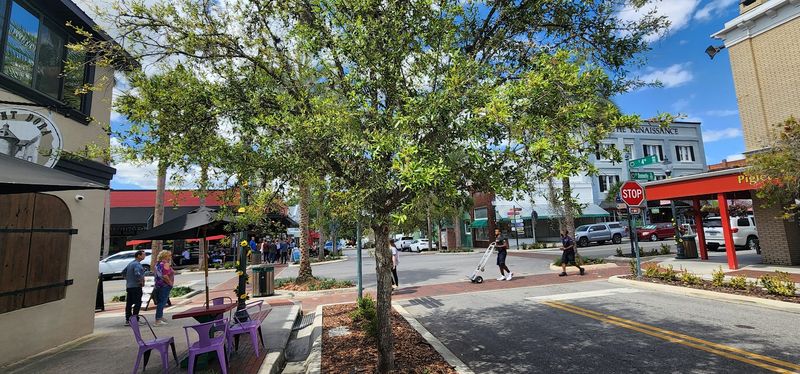
A Victorian-era downtown sitting on a hill above a sparkling lake in the middle of Florida sounds like something someone made up, but Mount Dora is very much real.
Located in Lake County about 25 miles northwest of Orlando, Mount Dora rises to a modest but notable elevation, which is genuinely unusual in a state that is mostly flat as a pancake.
The downtown district is packed with antique shops, independent bookstores, art galleries, and cafes that spill onto brick sidewalks shaded by old trees.
The town hosts one of the largest antique fairs in the Southeast every February, drawing collectors and browsers from across the country to its charming streets.
Lake Dora sits right at the edge of town, and boat tours on the lake offer views of cypress trees, osprey nests, and the occasional alligator sunning on a bank.
The Historic Lakeside Inn, built in 1883, still operates as a hotel and restaurant, giving overnight guests a genuinely old-Florida experience.
Mount Dora proves that Florida has always had more personality than people give it credit for.
6. Bok Tower Gardens, Lake Wales
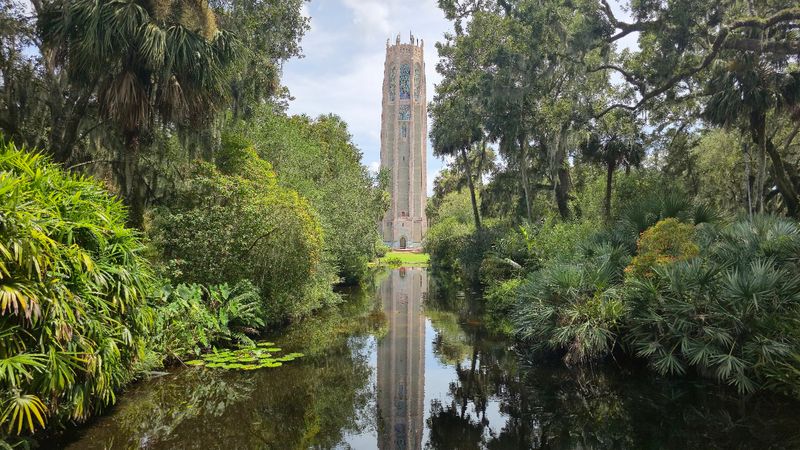
Rising 205 feet above the highest point on the Florida peninsula, Bok Tower looks like something a fairy tale architect designed after a very good dream.
Located in Lake Wales, in Polk County, Bok Tower Gardens was created by Dutch-American publisher Edward Bok and dedicated by President Calvin Coolidge in 1929 as a gift to the American people.
The tower itself is built from Georgia marble and coquina stone in a blend of Gothic and Art Deco styles, and it houses a 60-bell carillon that plays concerts every day at 1 and 3 p.m.
Hearing those bells drift across the gardens while you walk beneath ancient live oaks is one of those experiences that feels genuinely unhurried and rare.
The surrounding gardens were designed by landscape architect Frederick Law Olmsted Jr. and cover 250 acres of native plants, reflecting pools, and winding paths.
The Pinewood Estate, a 1930s Mediterranean Revival mansion on the grounds, offers tours that reveal how Florida’s wealthy class once lived in serious style.
Bok Tower Gardens earns every ounce of quiet reverence visitors bring through its gates.
7. Weeki Wachee Springs State Park, Weeki Wachee
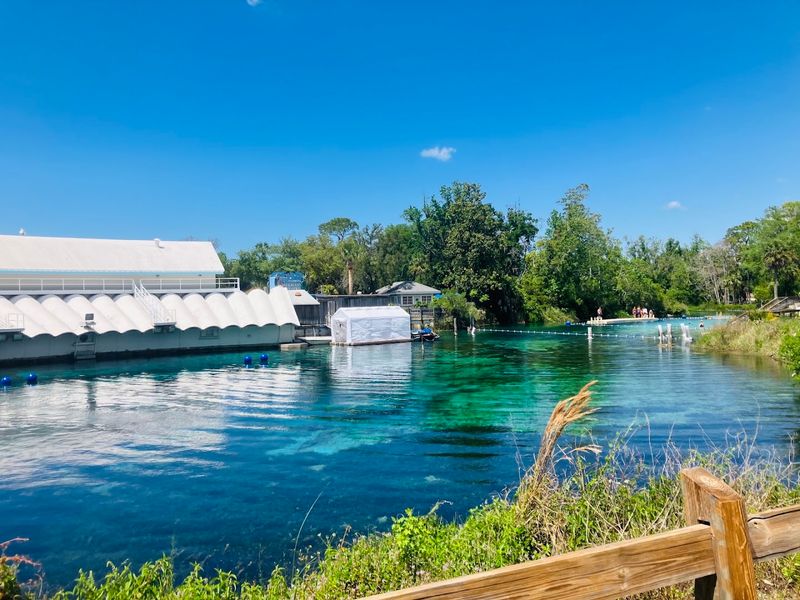
Only in Florida can you sit in an underwater theater and watch live performers dressed as mermaids glide through a crystal-clear spring with casual, breathtaking grace.
Weeki Wachee Springs State Park sits in Hernando County, about an hour north of Tampa, and it has been entertaining visitors with its famous mermaid shows since 1947.
The spring pumps out 117 million gallons of fresh water daily at a constant 74 degrees, creating a visibility so clear the underwater performances look almost too perfect to be real.
The mermaid performers train rigorously and breathe through air hoses hidden along the spring floor, a technique developed by the park’s founder, Newton Perry, a former U.S. Navy swimmer.
Beyond the shows, the park offers a water park called Buccaneer Bay, kayaking down the Weeki Wachee River, and wildlife boat tours through the surrounding natural area.
Manatees occasionally drift into the spring during cooler months, turning a simple kayak trip into something truly unforgettable.
Weeki Wachee is equal parts nostalgia, natural wonder, and pure Florida weirdness, and I mean that in the best possible way.
8. Apalachicola
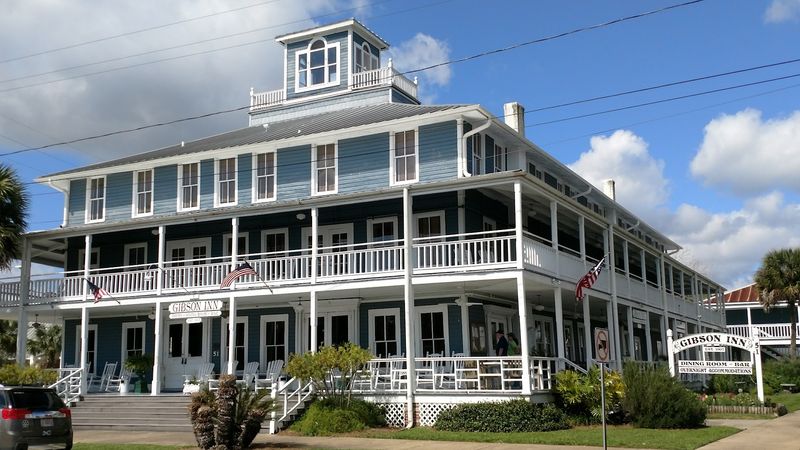
Wandering the streets of Apalachicola feels like someone pressed pause on Florida sometime around 1910 and forgot to hit play again, which is entirely fine by me.
Situated in Franklin County along the Apalachicola River near the Gulf of Mexico, this small town is one of the most historically intact port communities in the entire state.
Apalachicola was once one of the most important cotton shipping ports in the South, and its 19th-century commercial buildings still line the downtown streets in remarkably good condition.
The town is perhaps best known today for its oysters, which come from the nutrient-rich Apalachicola Bay and have a briny sweetness that oyster fans travel hours just to taste.
The John Gorrie Museum State Park commemorates a local doctor who invented the first ice-making machine in the 1840s while trying to cool down yellow fever patients, which is a fact almost nobody expects to learn in Florida.
The surrounding Apalachicola National Forest offers miles of longleaf pine flatwoods, pitcher plant bogs, and quiet hiking trails.
Apalachicola rewards slow travelers who are willing to simply sit, watch the river, and let the afternoon pass without a plan.
9. Micanopy
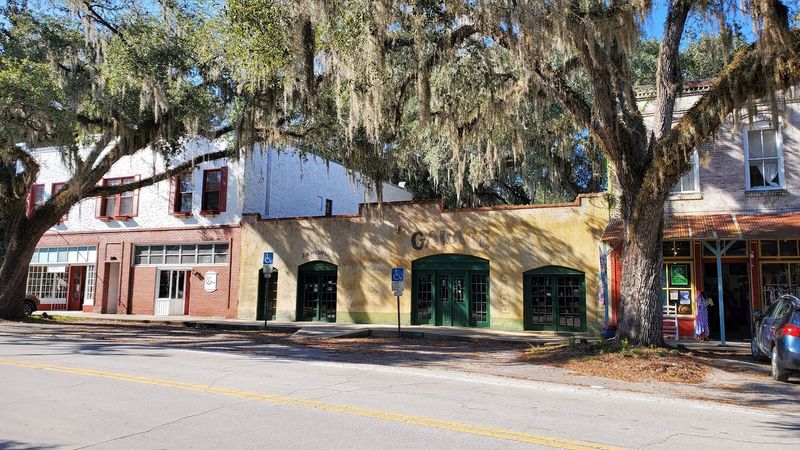
Driving into Micanopy under a canopy of ancient live oaks is the kind of arrival that makes you instinctively slow down and roll the windows down.
Florida’s oldest inland town, Micanopy sits in Alachua County between Gainesville and Ocala, and it carries more than 10,000 years of human history in its quiet two-block downtown.
The town was named after a Seminole chief, and it served as a significant trading post and military post during the Second Seminole War in the 1830s.
Today, Micanopy is best known for its extraordinary concentration of antique shops, which draw serious collectors and casual browsers from across the state every weekend.
The Herlong Mansion, a Greek Revival-style inn built in the early 1900s, operates as a bed and breakfast and gives overnight guests a sense of how graciously Florida’s landed gentry once lived.
Paynes Prairie Preserve State Park sits just outside town, offering bison herds, wild horses, sandhill cranes, and boardwalk trails over a vast, open grassland basin.
Micanopy is small enough to explore in an afternoon and interesting enough to make you wish you had booked two nights.
10. Falling Waters State Park, Chipley
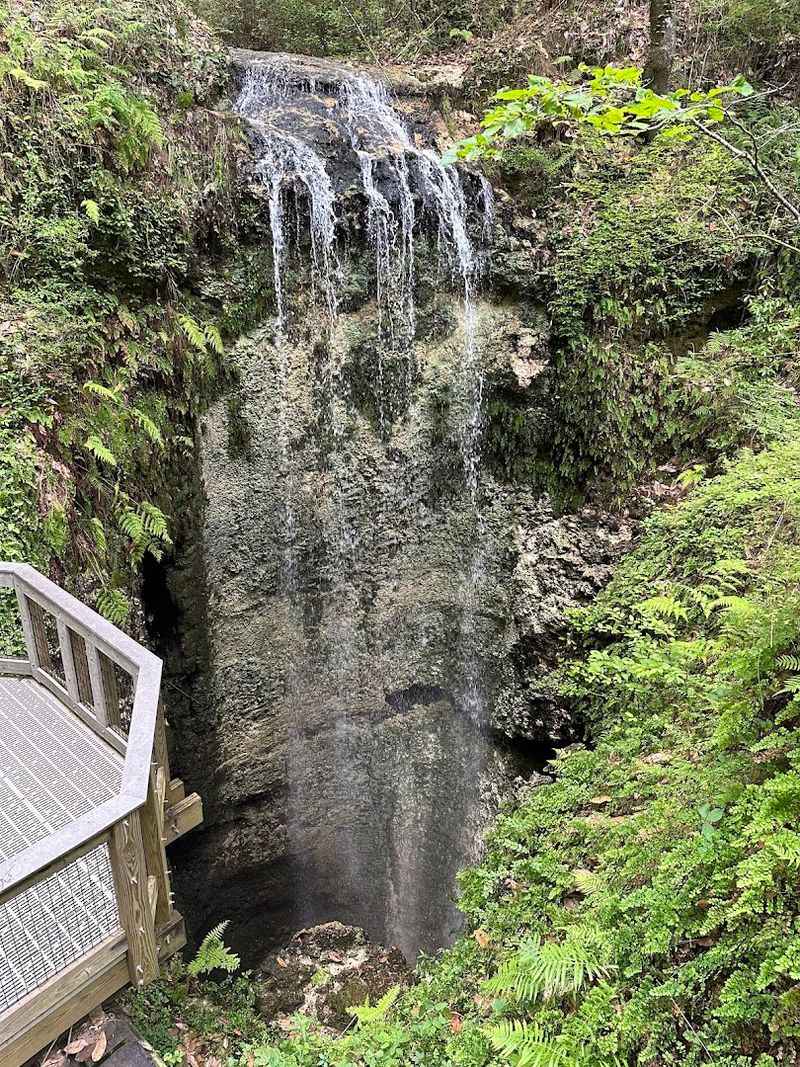
Florida and waterfalls do not typically appear in the same sentence, which is exactly what makes Falling Waters State Park such a satisfying surprise.
Located near Chipley in Washington County in the Florida Panhandle, this park is home to Florida’s tallest waterfall, a 73-foot cascade that drops into a cylindrical sinkhole of unknown depth.
The waterfall flows from a small stream that slides over a rocky ledge and free-falls into the cool, fern-lined sinkhole below, creating a mist and a sound that feel completely out of place in a state famous for its flatness.
The sinkhole itself has never been fully measured at the bottom, which adds a layer of mysterious appeal that I find genuinely hard to resist.
The park also contains several other sinkholes along a short interpretive trail, including one that was used as a fish hatchery in the early 1900s.
Pitcher plants grow in the surrounding wetlands, and the park’s biodiversity surprises most visitors who expect the Panhandle to be unremarkable.
Falling Waters is proof that Florida will find a way to astonish you just when you think you have figured it out.
11. Morikami Museum And Japanese Gardens, Delray Beach
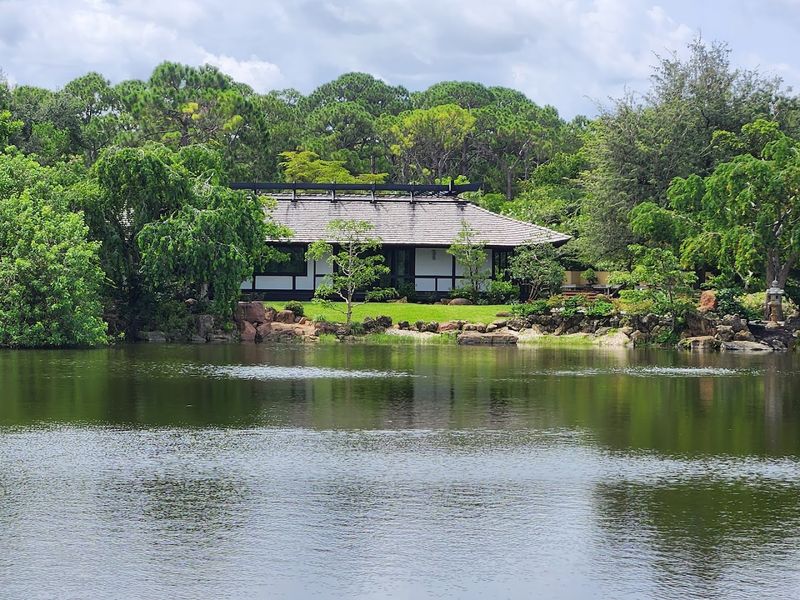
Few things are as unexpectedly calming as rounding a corner in South Florida and finding yourself standing beside a perfectly raked karesansui garden surrounded by bonsai and koi ponds.
The Morikami Museum and Japanese Gardens in Delray Beach, Palm Beach County, tells the remarkable story of the Yamato Colony, a group of Japanese agricultural pioneers who settled in South Florida in the early 1900s.
George Morikami, one of the last surviving members of that colony, donated his land to Palm Beach County in the 1970s, and what grew from that gift became one of the finest Japanese cultural museums outside of Japan.
The gardens span six distinct styles of traditional Japanese landscape design, from a flat sand garden to a modern romantic garden, connected by paths that wind past bamboo groves and stone bridges.
The on-site Cornell Cafe serves a rotating menu of Japanese-inspired dishes in a setting that overlooks the gardens, making lunch here feel like a small act of self-care.
Special events throughout the year, including Hatsume Fair and Bon Festival, bring traditional Japanese arts, performances, and food to the grounds.
The Morikami is the kind of place that recalibrates your entire afternoon the moment you step through the gate.
12. Blue Spring State Park, Orange City
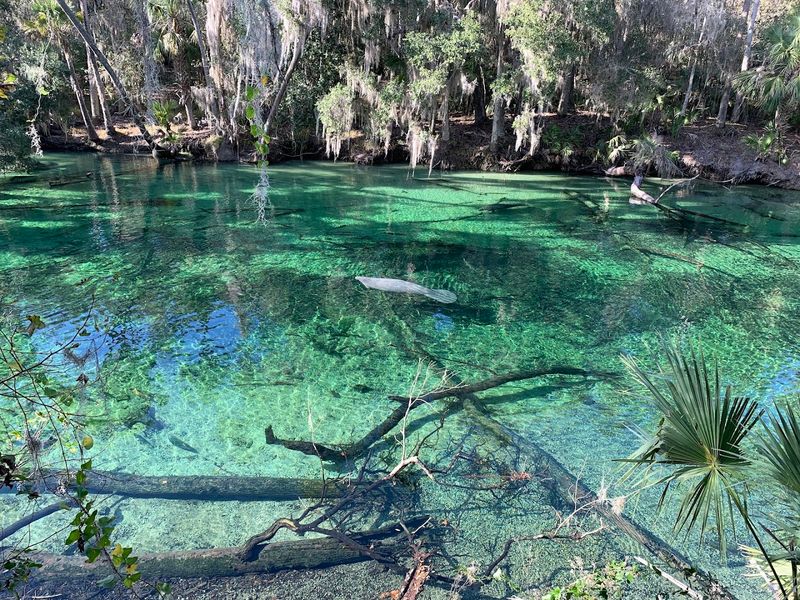
There is one spot in Florida where you can stand on a wooden boardwalk and look down to see dozens of manatees floating in water so clear it looks like blue glass.
Blue Spring State Park in Orange City, Volusia County, protects a first-magnitude spring that pumps out 104 million gallons of 68-degree water every single day into the St. Johns River.
Between November and March, West Indian manatees seek refuge in the warm spring run to escape cooler river temperatures, and the numbers can reach over 500 individuals on the coldest days.
Watching these enormous, slow-moving animals rest and breathe in the clear spring water is one of the most genuinely moving wildlife experiences Florida offers, and it costs nothing extra beyond the park entrance fee.
Outside of manatee season, the spring opens for swimming and snorkeling, and the visibility is extraordinary enough to see every detail of the sandy spring bottom and its resident fish.
Kayaking the spring run and the surrounding St. Johns River adds a paddling adventure to what is already a full day.
Blue Spring delivers a wildlife encounter so good it makes you wonder why you ever paid theme park prices for anything.
13. The Ringling Museum of Art, Sarasota
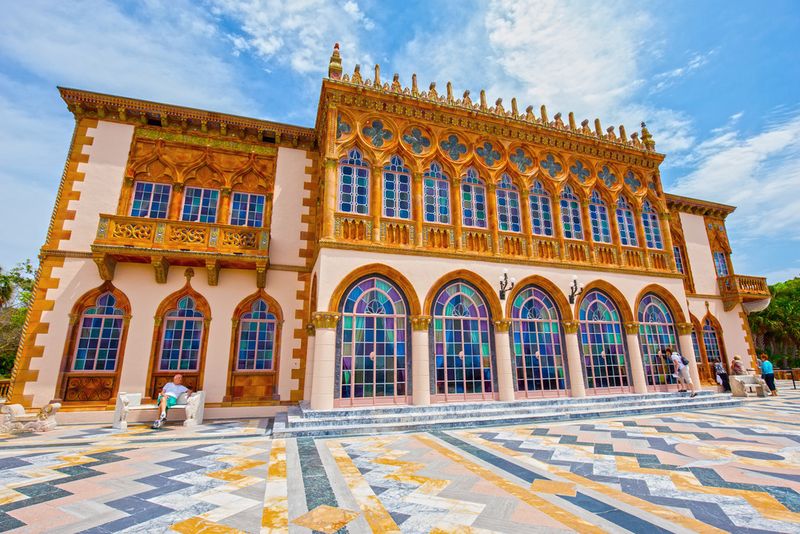
Circus money built one of the finest art collections in the American Southeast, and it landed in Sarasota, which tells you everything you need to know about Florida’s capacity for surprise.
The Ringling Museum of Art sits on a 66-acre estate along Sarasota Bay, bequeathed to the state of Florida by circus magnate John Ringling and his wife Mable upon his passing in 1936.
The art museum itself holds an extraordinary collection of Baroque paintings, including one of the largest collections of works by Peter Paul Rubens outside of Europe.
The grounds also include Ca’ d’Zan, the Ringlings’ breathtaking Venetian Gothic winter mansion, which sits right on the bay and still contains much of its original furniture and art.
The Circus Museum on the estate traces the history of the American circus with elaborate scale models, vintage wagons, costumes, and memorabilia that genuinely delight visitors of every age.
Banyan trees, rose gardens, and a courtyard lined with classical statues make the outdoor spaces as worth exploring as the galleries inside.
The Ringling is the rare museum that earns every minute you give it and still leaves you feeling like you missed something worth coming back for.
14. Gasparilla Island and Boca Grande, Lee County
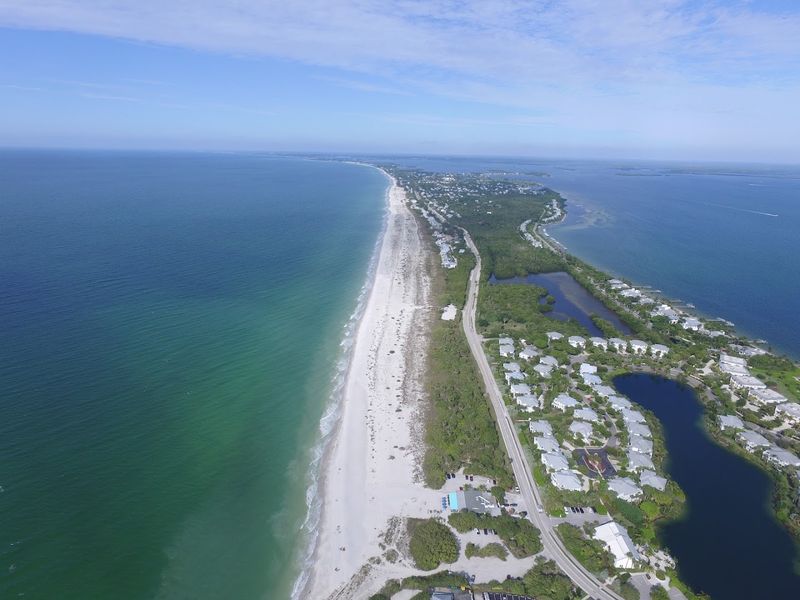
A barrier island with no chain restaurants, no traffic lights, and streets lined with royal palms sounds like a fantasy, but Gasparilla Island pulls it off with effortless old-Florida style.
Located off the southwest coast of Florida in Lee County, Gasparilla Island is accessible by a toll causeway and is home to the small, refined village of Boca Grande.
Boca Grande has long been a quiet retreat for well-traveled visitors who prefer understated charm to loud spectacle, and the town has maintained that personality for well over a century.
The island is world-famous among sport fishers as the tarpon capital of the world, with the waters around Boca Grande Pass attracting anglers every spring in pursuit of the silver king.
The Gasparilla Island State Park protects the southern tip of the island, where a historic lighthouse built in 1890 still stands and a wide, uncrowded beach stretches along the Gulf.
Cycling is the preferred way to explore the island, and rental shops make it easy to cover the entire 6.5-mile length at a comfortable pace.
Gasparilla Island is the kind of place that inspires the phrase old Florida, and it actually means it.
15. The Kampong, Miami
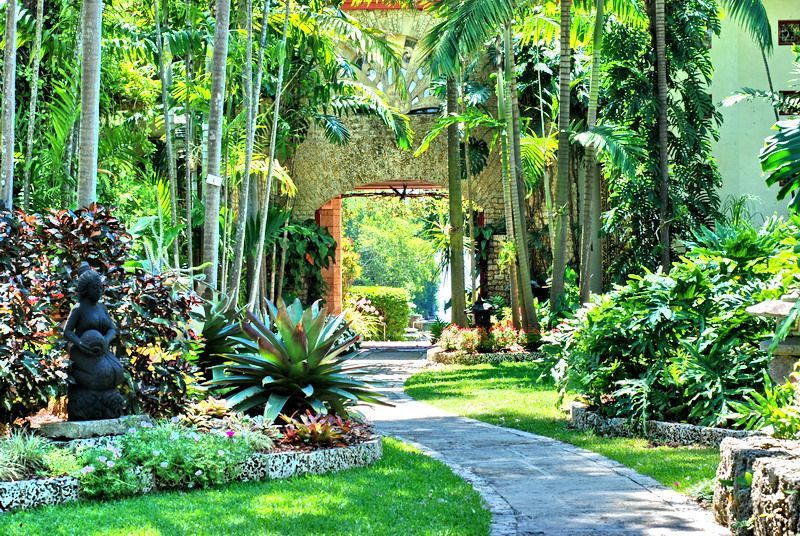
Tucked behind a wooden gate in the Coconut Grove neighborhood of Miami, The Kampong feels less like a botanical garden and more like a private paradise someone forgot to put on the map.
The Kampong, located at 4013 Douglas Road in Miami-Dade County, was the home and garden of renowned plant explorer David Fairchild, who spent his career traveling the world and introducing more than 200,000 plants to the United States.
Fairchild brought back seeds and cuttings from Southeast Asia, Africa, and the Pacific, and The Kampong became his living laboratory, now managed by the National Tropical Botanical Garden.
The property spans nine acres of dense tropical canopy featuring towering breadfruit, jackfruit, and mango trees, along with dozens of flowering species most visitors have never encountered before.
The 1928 coral rock home on the grounds reflects Fairchild’s deep affection for the tropical aesthetic he encountered during his global travels.
Guided tours offer stories about the plants and the remarkable man who collected them, turning a garden walk into a genuine history lesson.
The Kampong is the kind of quietly extraordinary place that makes you feel like you discovered something most people in Miami itself have never visited.