
Florida’s 9 Top Places To Hunt For Fossils And Other Natural Treasures
In Florida, you can legally pocket a fossil shark tooth from state lands without any permit at all. A mammoth bone is a different story.
For that, you need a permit from the state’s natural history museum, and you have to report what you find.
I love that rule. It tells you how much ancient stuff is lying around here.
Shark teeth millions of years old wash up with seashells, and river gravel can hide pieces of Ice Age giants.
The best part is how low-tech the hunt is. A sifting screen, a bucket, and a patient eye can turn a beach walk into a treasure run.
I can’t imagine a better excuse to get sandy.
My list mixes fossil hot spots with shell beaches and one riverbank full of surprises. So where should your sandy fingers start digging first?
1. Caspersen Beach
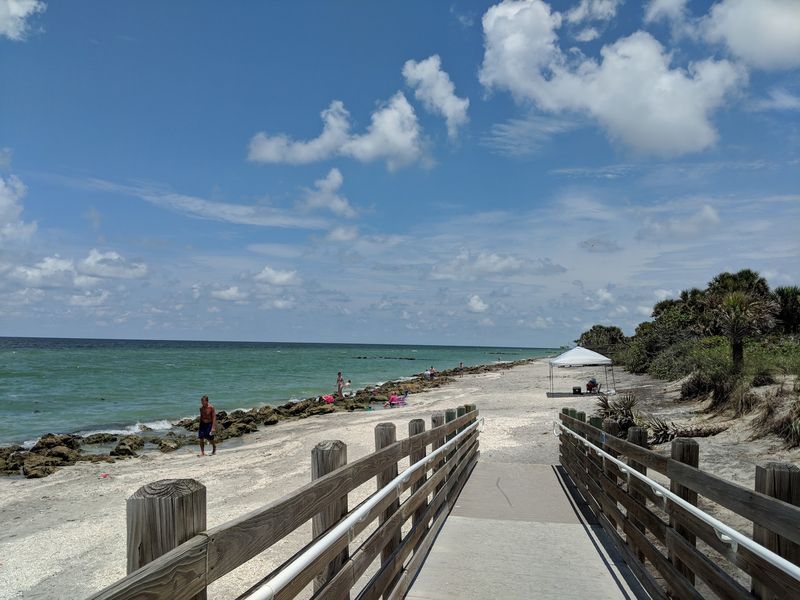
Shark teeth are the main event here, and the shells are basically the opening act. Venice often gets called the Shark Tooth Capital of the World, and this beach backs up the nickname.
The technique is simple. Kick through the shell piles, or dig right at the edge of the tide where fresh material tumbles in.
Low tide is your friend, and so is the morning after a storm. Rough water tends to stir up new finds and drop them along the shoreline.
Look for small, shiny black or gray triangles. Fossil shark teeth turn dark over time, so they pop against lighter shells once your eyes adjust.
Beyond teeth, you can turn up other fossils, shells, and sand dollars. Head north toward Venice Beach, and the hunt keeps going with more of the same.
The beach feels wild and natural, with white sand and a boardwalk. You won’t find shops or snack stands, so pack water and snacks before you go.
Getting here takes a little extra planning right now. Vehicle parking and restrooms are currently closed, so visitors need to arrive on foot or by bicycle.
Pack what you need before heading out, because the usual conveniences aren’t available.
Swimmers might prefer other spots up the coast. Here, the real reward is the tiny piece of prehistory sitting in your palm.
Hours run from 6 AM to 10 PM, leaving plenty of time for an early morning fossil hunt. Saturdays tend to draw more visitors, so a weekday trip might give you a little extra breathing room.
Address: 4100 Harbor Dr, Venice, FL 34285
2. Bowman’s Beach
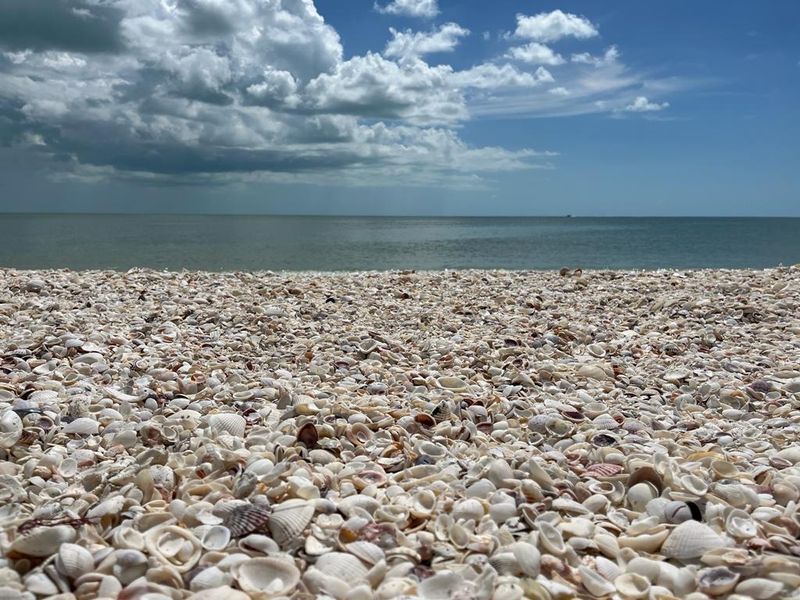
Sanibel is famous for one thing above the rest, and that thing crunches under your feet. Bowman’s Beach is a favorite for beachcombers who come hunting seashells instead of teeth.
The setting helps a lot. Powdery white sand, clear blue water, and a wide sandbar make a slow shell search feel like a mini vacation.
Shelling here rewards patience. Walk the waterline slowly, scan where the waves drop their goods, and keep a mesh bag handy.
Before you pocket anything, check for residents. Sanibel has rules against taking live shells, so leave anything with a creature inside right where it belongs.
Calm water makes swimming easy between shell breaks. Keep your eyes on the horizon too, since dolphins sometimes cruise past.
Families get plenty to work with. A playground, picnic tables, grills, restrooms, and showers turn a quick stop into a full day.
Dogs are allowed, so your four-legged helper can join the search. Just don’t expect much help telling a whelk from a conch.
Parking is paid, so plan for that before you arrive. The park is open 24 hours a day, giving early birds and sunset lovers plenty of flexibility.
Weekend afternoons can get busy, so quieter hours are worth considering.
A Wednesday evening visit is the quietest option. Fewer people on the sand means fewer footprints over the good stuff.
Sunsets add a nice bonus if you linger near closing time. Golden evening light makes even a plain cockle shell look like jewelry.
Address: 1700 Bowmans Beach Rd, Sanibel, FL 33957
3. Mickler’s Landing
Who says the Gulf Coast gets to keep the shark teeth? Over on the Atlantic side, this Ponte Vedra Beach park gives northeast Florida its own tooth-hunting turf.
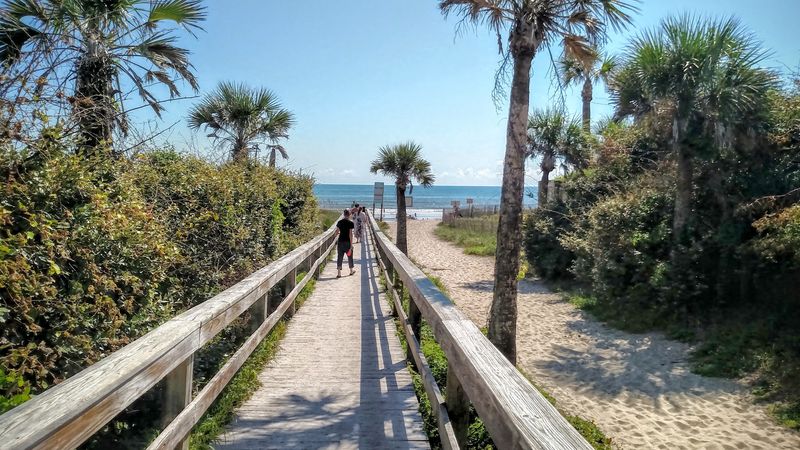
A short boardwalk leads from the parking area to the sand. From there, long sweeping beach views stretch out in both directions.
Shark teeth turn up along this shoreline, so slow down and scan. Shell bits and coarse patches are where tiny dark teeth like to hide.
A small kitchen strainer works wonders at the wet edge. A quick scoop and shake at the waterline can reveal what your eyes missed.
The vibe is easygoing, not fancy resort strip. Surfers, swimmers, and families share the space, and dogs are welcome too.
Restrooms here are newer, and free showers help with the sandy cleanup. Parking is free, which leaves more money for post-beach snacks.
Bike riders also use the park as a starting point. Pairing a ride with a tooth hunt makes for a busy, happy morning.
The park is open from dawn to dusk, so visiting hours naturally shift with the seasons. Weekday mornings are a good choice if you’re hoping for a quieter stretch of sand and more time to search for shark teeth.
Early birds get a double bonus here. Atlantic sunrises paint the sky, and the overnight tide may have left a few new teeth behind.
Patience matters more than gear on this beach. Some days the teeth come easy, and some days you earn every speck.
Address: County Rd 203, Ponte Vedra Beach, FL 32082
4. Mulberry Phosphate Museum
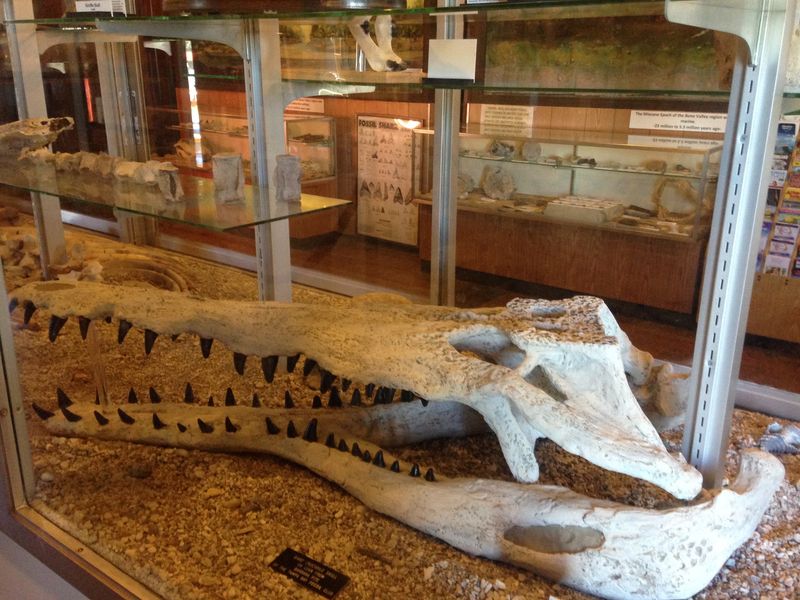
A museum inside an old train station and train cars might not sound like a fossil spot. Yet this free stop lets you dig for prehistoric treasures right outside.
Mulberry sits in Florida’s phosphate country, where mining has turned up loads of ancient remains. Exhibits explain how phosphate mining shaped the area and its history.
The famous mulberry tree tied to the town’s story is here too. Back in Mulberry’s early days, that tree marked the train stop.
Then comes the hands-on part. An interactive fossil digging area gives kids and grown-ups a shot at their own prehistoric finds.
Beginners get a great practice round here. You learn what fossils look like inside, then test your new skills in the dirt.
Admission is free, which feels almost too good for this much fun. A gift shop offers souvenirs if your own finds come up short.
Families will appreciate the practical stuff. Free parking, clean restrooms, changing tables, and a picnic table make the visit easy.
There’s no restaurant on site, so plan meals around your trip. Pack a lunch and claim that picnic table between digging sessions.
Hours run Tuesday through Saturday, 9 AM to 5 PM. The museum is closed Sunday and Monday, so check your calendar first.
Friday afternoons are the busiest time to visit. Thursday mornings are the quietest, which means more elbow room at the fossil pile.
Address: 101 SE 1st St, Mulberry, FL 33860
5. Fort De Soto Park
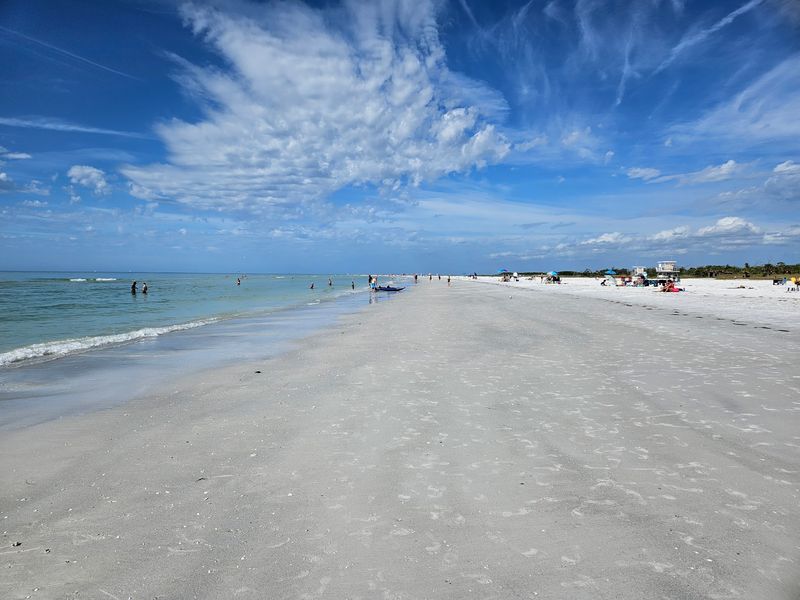
Why pick one island when a park can hand you several? Fort De Soto Park spreads across multiple connected islands near the mouth of Tampa Bay.
Beaches, camping, trails, and a historic fort share the space. That mix gives you plenty to do between treasure walks.
For beachcombers, the shoreline is the main draw. Seashore treasures show up along the water, from shells to whatever the tide decides to deliver.
Walk slowly along the wet sand and the line of washed-up debris. That’s where waves leave shells, bits of sea life, and the occasional surprise.
Bring binoculars along with your collecting bag. Bird watching is a big part of the experience, and the water views are hard to beat.
The fort adds a dose of history to your nature day. Exploring it makes a nice break when your back needs a rest from bending over.
Trails let you see more of the islands on foot. Different habitats bring different sights, so keep your eyes moving.
Camping turns a day trip into a full weekend. Waking up close to the beach means first dibs on the morning shoreline.
Before collecting, check the park’s current rules with staff. Policies on what you can take home may change, and staff can point you in the right direction.
It’s a rare Florida spot where beach, history, and wildlife fit into one outing. Your shell bag might fill up, but your camera roll will fill faster.
Address: 3500 Pinellas Bayway S, Tierra Verde, FL 33715
6. Tigertail Beach
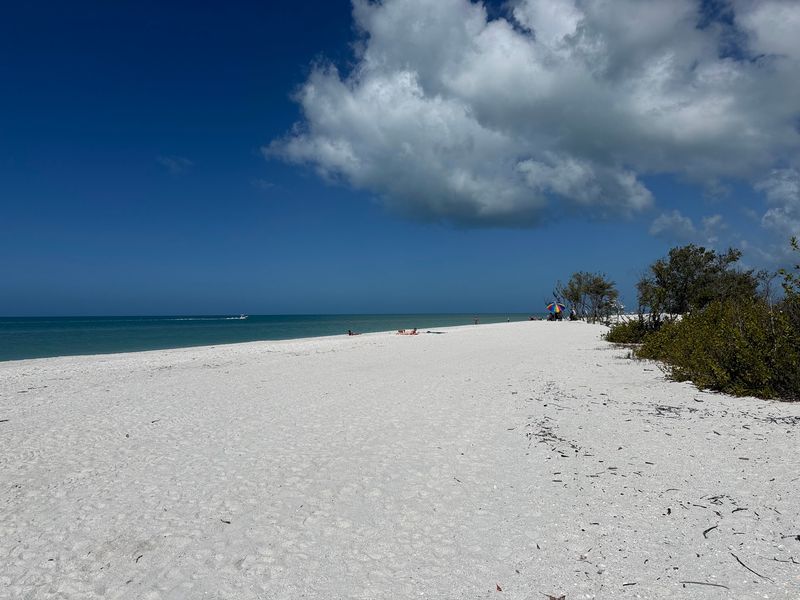
Getting to the best part of this beach may involve wet ankles. Tigertail Beach on Marco Island has a tidal lagoon, and you wade through it to reach the wilder stretch of sand.
That extra effort pays off nicely. The far side is an undeveloped bird and wildlife sanctuary with pristine beaches.
Shells are a big reason to make the trip. The beach is known for them, so bring a bag and plan to wander.
Shorebirds share the scene, and they take their beach time seriously. Give them space and enjoy the show from a polite distance.
Check the tide before you wade. Lower water makes the lagoon crossing easier, and water shoes help keep your feet happy.
Back near the parking area, you’ll find facilities such as restrooms and a playground. However, the beach concessions are currently closed until further notice, so bring your own drinks and snacks before heading out.
A boardwalk leads out toward the beach. Parking comes with a fee, so plan for that before you arrive.
Weekend afternoons draw the biggest crowds, with Saturday and Sunday the busiest. Weekday evenings tend to be the quietest.
For shell seekers, quieter hours mean less competition at the waterline. Early or late visits also bring softer light for photos of your haul.
Marco Island sits at the edge of a wild stretch of Florida coastline, and Tigertail shows it off. You trade resort views for birds, lagoons, and shells.
Address: 430 Hernando Dr, Marco Island, FL 34145
7. Blind Pass Beach
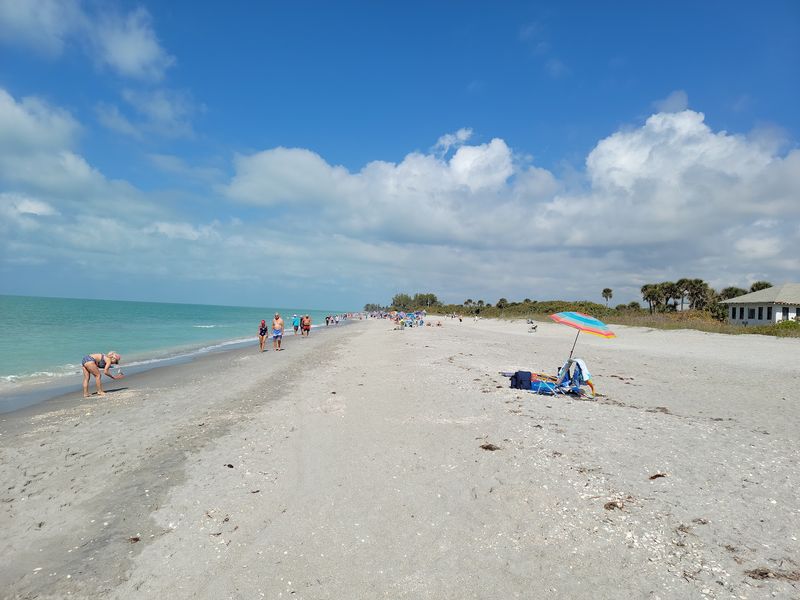
Two shorelines for the price of one parking spot? Blind Pass Beach on Manasota Key gives you a narrow Gulf beach plus a bayside lagoon.
The Gulf side is where treasure hunters focus. This beach is known for shelling and shark tooth hunting, and clear water helps you spot finds.
Bring a small sifter or a mesh scoop. Shark teeth hide among shell bits, and a quick shake lets the sand fall away.
Calm waves make searching the water’s edge easier. Soft white sand and a quieter feel keep the pace relaxed.
The bayside is a whole different world. A fishing dock, canoe launch, and mangrove trails let you trade beachcombing for paddling and exploring.
Mangrove trails make a nice break from staring at the sand. New scenery resets your eyes before round two of tooth hunting.
Families get a playground and a covered pavilion with a grill. Outdoor showers rinse off the sand, and the restrooms are accessible.
Parking is free, both in the lot and along the street. A bike rack helps if you pedal in.
Weekends get busiest, especially Saturday morning and Sunday afternoon. Weeknights are the quietest times to visit.
Englewood’s beaches sit close together, so you can pair this stop with another. Conveniently, the next spot on this list is nearby.
Address: 6725 Manasota Key Rd, Englewood, FL 34223
8. Stump Pass Beach State Park
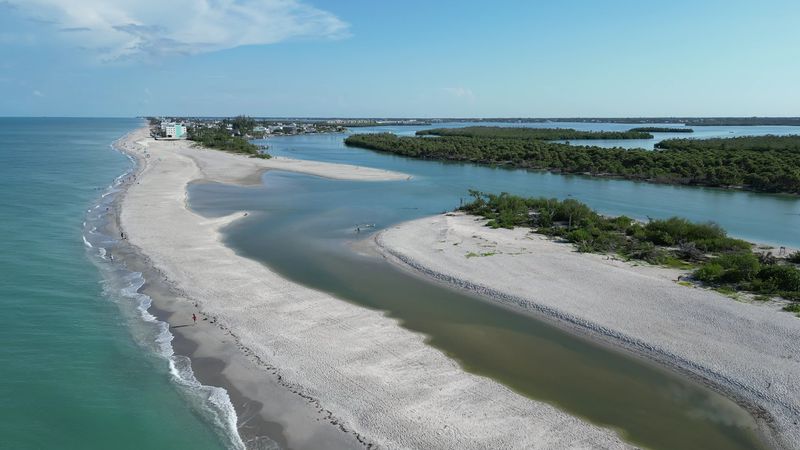
A mile of quiet sand sounds like a shark tooth hunter’s dream. Stump Pass Beach State Park delivers a secluded swimming beach about that long, plus soft sand and plenty of shells.
Shark teeth turn up here too. A slow stroll along the waterline doubles as a treasure hunt.
The park also has a trail that runs through five different natural communities. That variety means the scenery keeps changing as you walk.
Wildlife watching adds another layer. Keep your eyes on the water for dolphins, manatees, and stingrays.
About those stingrays: shuffle your feet when wading. That little dance warns them you’re coming and helps you avoid a painful surprise.
A kayak launch lets you explore by paddle. A sandbar here is popular for kayaking and swimming.
Florida state parks have their own collecting rules. Check with the park before you take anything home in your bag.
Picnic tables and restrooms make a longer visit easy. Parking includes a paid lot, so come prepared.
Saturday afternoons get the most traffic. Evenings are quieter, and that’s when sunsets steal the spotlight.
Kid-friendly hikes make this a solid family pick. Little legs can handle the trail, and the beach rewards them at the end.
Address: 900 Gulf Blvd, Englewood, FL 34223
9. Brownville Park
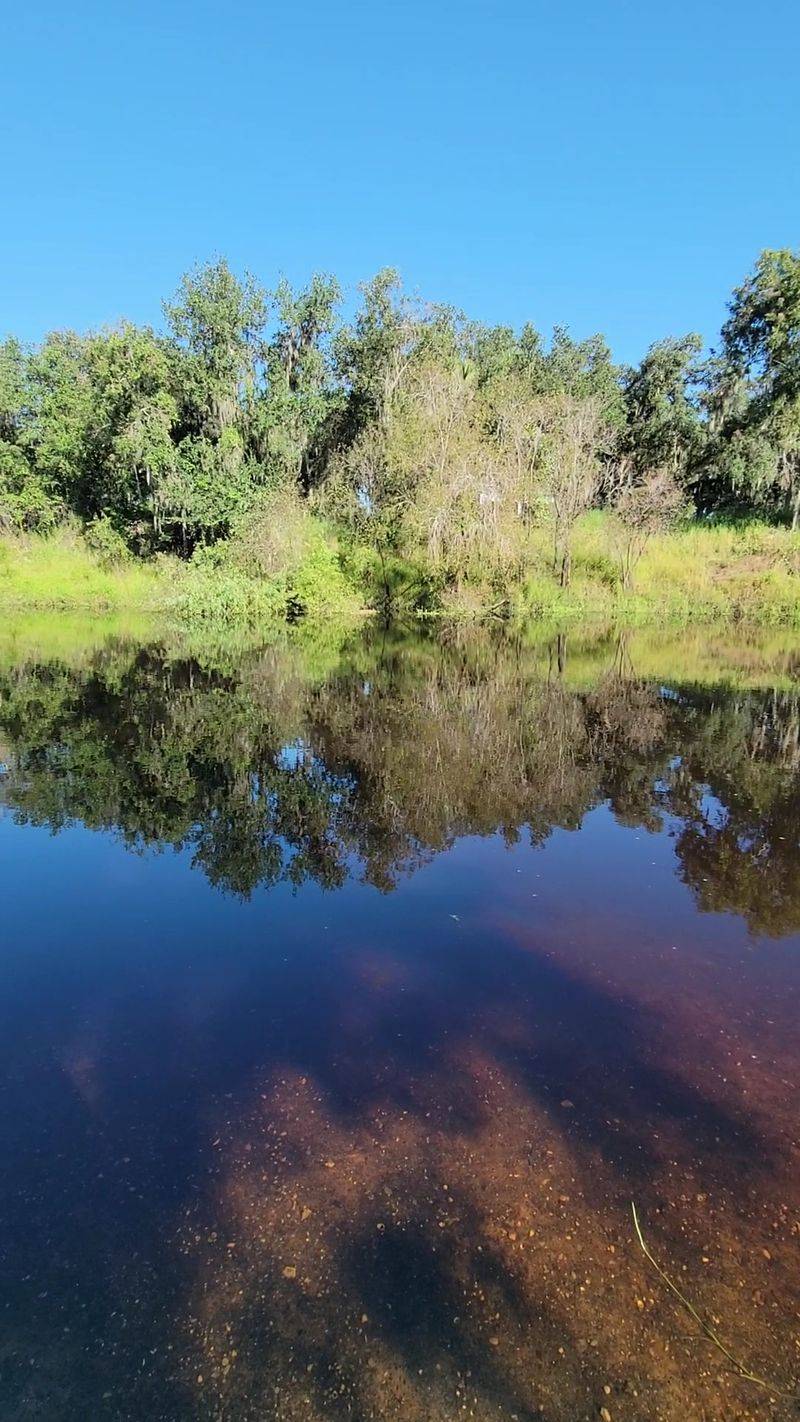
Rivers don’t usually come with a shot at mammoth bones, but the Peace River plays by different rules. Brownville Park in Arcadia puts you right on its banks.
The Peace River is famous for fossils, from shark teeth to Ice Age mammal remains. Erosion keeps uncovering new material in its gravel.
This county park is popular for fossil hunting. Fishing, swimming, kayaking, and canoeing round out the menu.
Florida’s dry season, roughly fall through spring, brings lower water. That exposes gravel bars, which are prime spots for shovels and sifting screens.
Know the rules before you dig. Shark teeth need no permit, but other vertebrate fossils from state waterways require one from the Florida Museum of Natural History.
Want to stay a while? The campground has 24 RV sites, but the hookups aren’t identical.
Sites 1 through 12 offer electricity and water, while sites 13 through 24 provide water only. Check which site you’re booking before packing up the camper.
A boat ramp makes launching easy. Paddling to different stretches of river can lead you to less-picked gravel.
Picnic tables, grills, and restrooms cover the basics. Dogs are allowed, and kid-friendly hikes give younger explorers something extra.
The park operates during daylight hours, so plan your fossil hunt around sunrise and sunset rather than a fixed closing time. Check the county’s current visitor information before heading out, especially if you’re planning a longer day by the river.
Sunday mornings get busy, while midweek is calmer. A Wednesday dig might give you the gravel bar, and its ancient secrets, all to yourself.
Address: 1885 NE Brownville St, Arcadia, FL 34266