
Florida Seafood You Can’t Legally Catch Or Sell
Florida’s waters are teeming with incredible marine life, but not everything swimming beneath the surface is fair game.
Some species are so threatened or ecologically important that catching or selling them could land you in serious legal trouble.
Understanding these restrictions helps protect our oceans while keeping you on the right side of the law. Here are ten Florida seafood species that are strictly off-limits.
1. Queen Conch (Aliger gigas)
This stunning mollusk once ruled Florida’s seafloor like underwater royalty, but overharvesting nearly wiped out the entire population. The Queen Conch sports a gorgeous shell with a rosy-pink interior that collectors coveted for decades. Back in the day, conch fritters and salads were menu staples across the Sunshine State.
Florida banned commercial harvest in 1975 and recreational harvest in 1985, and the prohibition remains firmly in place today. Handling or possessing a live queen conch is illegal in Florida.
These slow-growing creatures need decades to reach maturity, making population recovery painfully slow.
Spotting one underwater is now considered a lucky sighting worth celebrating without disturbing.
2. Goliath Grouper (Epinephelus itajara)
Imagine a fish so massive it could swallow a grown person’s torso—that’s the legendary Goliath Grouper for you! These gentle giants can tip the scales at over 800 pounds and stretch longer than most kayaks. Despite their intimidating size, they’re actually quite docile and curious around divers.
Decades of spearfishing nearly sent them into extinction’s waiting room. Florida implemented a total harvest ban in 1990, but now allows a limited harvest through a lottery permit system of up to 200 fish per year; without a permit, all Goliath Groupers must be released unharmed.
Photographing one is a bucket-list experience, but taking one home? That’s a one-way ticket to serious penalties.
3. Nassau Grouper
Sporting snazzy stripes and a personality that’s surprisingly bold, the Nassau Grouper was once Florida’s most popular reef fish. Commercial fishing and their predictable spawning habits made them sitting ducks for overharvesting. They gather in huge groups during breeding season, which unfortunately made them easy targets.
Federal protections kicked in during the 1990s, making all harvest illegal in U.S. waters. These fish can live over 15 years and don’t reach breeding age until they’re four or five years old. Their population crashed so dramatically that recovery efforts continue today.
Seeing one now is rare enough to make any diver’s day special.
4. Many Shark Species (Prohibited Sharks)
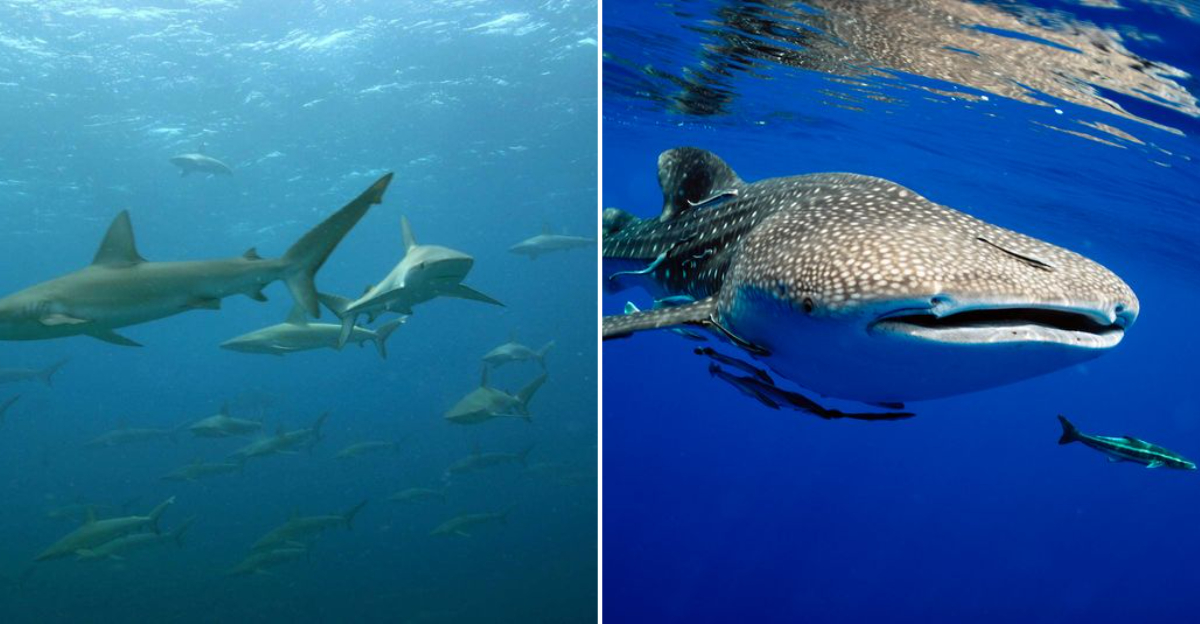
Florida waters host numerous shark species that are completely off-limits to anglers and commercial fishermen alike. The prohibited list includes vulnerable species whose populations took devastating hits from overfishing and finning practices. Sand Tiger Sharks, Whale Sharks, and Basking Sharks all enjoy full protection under state and federal regulations.
Prohibited sharks must be released immediately and kept in the water at all times. Species such as sand tiger, whale, basking, bigeye thresher, and longfin mako are on this list.
Penalties for violating shark protection laws are steep, including massive fines and potential jail time. Ocean health depends on these magnificent predators swimming free.
5. Sawfish
With a nose that looks like it raided a hardware store, the Sawfish is one of Florida’s most bizarre-looking marine creatures. That trademark rostrum (saw-like snout) isn’t for cutting wood—it’s packed with electroreceptors for detecting prey buried in sand. These prehistoric-looking fish can grow over 16 feet long and weigh several hundred pounds.
Habitat destruction and fishing gear entanglement nearly erased them from Florida waters entirely. Florida’s Smalltooth Sawfish is the species found locally; it is federally endangered and fully protected. Any accidental catch must be released immediately and reported to authorities.
Encounters are increasingly rare, making conservation efforts absolutely critical for their survival.
6. Atlantic Angel Shark
Flat as a pancake and sneakier than a ninja, the Atlantic Angel Shark ambushes prey from its sandy hideout on the seafloor. Unlike typical sharks, these bottom-dwellers look more like stingrays with their flattened bodies and wing-like fins. They bury themselves completely except for their eyes, waiting for unsuspecting fish to swim overhead.
Commercial fishing devastated their numbers across the Atlantic, leading to strict protection measures. The Atlantic Angel Shark appears on Florida’s list of prohibited shark species, making any harvest, possession, or sale illegal.
Finding one requires sharp eyes and a bit of luck during shallow-water dives.
7. Bignose Shark
Don’t let the goofy name fool you, this deep-water predator is a sleek hunting machine with a schnoz that would make Pinocchio jealous. The Bignose Shark cruises offshore waters at depths where sunlight barely penetrates, hunting squid and fish in the twilight zone. Their distinctive elongated snout helps them detect electrical signals from hidden prey.
Because they inhabit deeper waters, scientists know surprisingly little about their life history and population status. Florida and federal regulations prohibit harvest due to their vulnerable status. Slow reproduction rates and deep-water habitat make them especially susceptible to overfishing.
Most anglers will never encounter one, but protection remains essential regardless.
8. Galapagos Shark
Named after those famous volcanic islands, the Galapagos Shark occasionally cruises into Florida’s warm waters looking for adventure and snacks. These medium-sized predators prefer tropical and subtropical zones, hanging around reefs and offshore islands. They’re bold and inquisitive, sometimes approaching divers a bit too closely for comfort.
Although uncommon in Florida waters, Galapagos Sharks are fully protected under Florida’s prohibited species regulations and must be released immediately if caught.
Respect from a distance is the only acceptable interaction with these impressive hunters.
9. Bigeye Thresher Shark
Packing a tail longer than its entire body, the Bigeye Thresher Shark uses that ridiculous appendage like an underwater whip to stun prey. Those enormous peepers help them hunt in deep, dimly-lit waters where most sharks would be swimming blind. They can reach 16 feet in length, with nearly half that measurement being pure tail.
Overfishing for their fins and meat hammered populations worldwide, triggering strict protections. Florida prohibits all harvest to support international conservation efforts. These sharks give birth to only two to four pups at a time, making recovery frustratingly slow.
Seeing one breach the surface is unforgettable—like watching an aquatic acrobat perform.
10. Longfin Mako Shark
Sporting pectoral fins that look absurdly oversized, the Longfin Mako is the awkward cousin of the speed-demon Shortfin Mako. These deep-water cruisers prefer cooler temperatures and rarely venture into shallow coastal zones. Their elongated fins provide excellent maneuverability when hunting in the open ocean’s vast emptiness.
Longfin Mako Sharks are fully protected in Florida waters, and even Shortfin Makos currently have a zero-retention limit under federal rules. Harvesting or selling either species is prohibited.
Most recreational anglers will never hook one, but the protection ensures future generations might have that chance.