
11 Florida Spots That Sound Fake But Are 100% Real
Florida is full of places that sound completely made up… until you actually see them with your own eyes.
We are talking about towns with names that make you double-check the map, hills that seem to defy gravity, and attractions that feel like they belong in a movie rather than real life.
At first, it feels like a coincidence.
Then it keeps happening.
And that is when you realize Florida is not just unusual… it is built on the unexpected.
From roadside stops that make you laugh out loud to places that leave you genuinely confused in the best way possible, these are the kinds of spots you do not plan for but end up talking about long after the trip is over.
And yes… every single one of them is real.
1. Spook Hill, Lake Wales
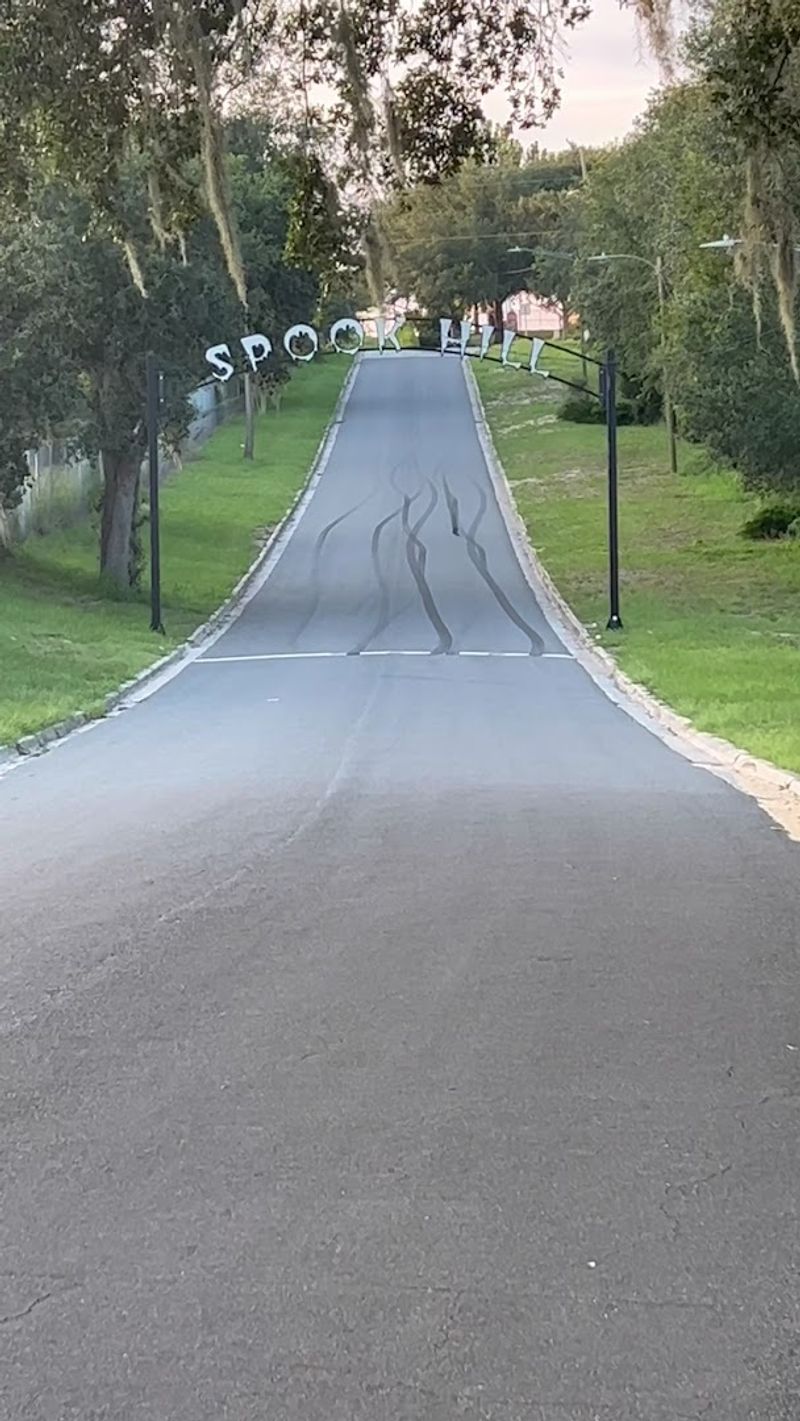
Pull up to a painted white line on North Wales Drive in Lake Wales, Florida, put your car in neutral, and try not to laugh when your vehicle starts rolling backward uphill.
Spook Hill is one of those gravity hills where the surrounding landscape creates a powerful optical illusion that makes downhill slopes look like uphills, leaving your brain completely baffled.
Local legend ties the spot to a Seminole chief who battled a giant alligator in a nearby lake, and the hill supposedly marks where that ancient struggle took place.
The site sits near Lake Wales, a quiet Central Florida town that does not get nearly enough credit for being genuinely fascinating.
There is a small elementary school right next door called Spook Hill Elementary, which is perhaps the greatest school name in the history of Florida education.
First-timers almost always roll down the window to check if someone is pushing the car, and I completely understand the instinct.
2. Devil’s Den Prehistoric Spring, Williston
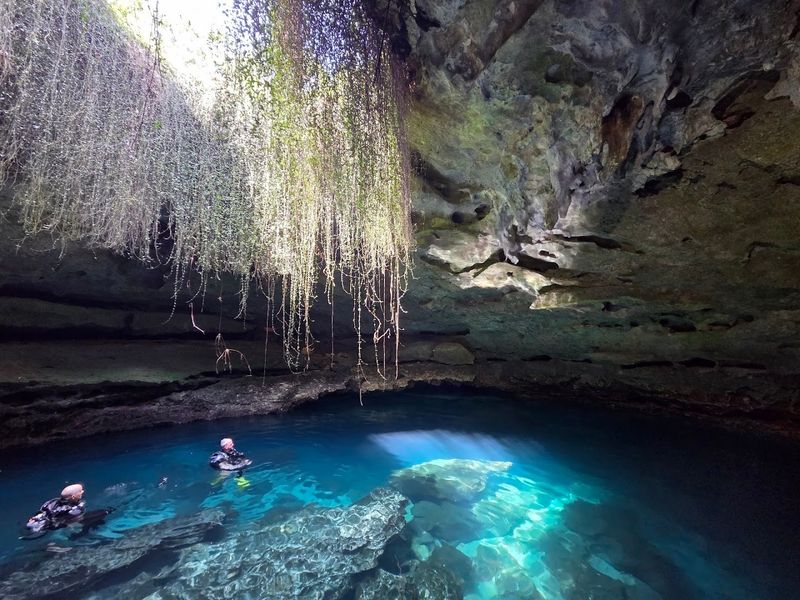
Climbing down a wooden staircase into a dry cave to find a glowing pool of prehistoric spring water waiting at the bottom is not something you expect on a Tuesday in north-central Florida.
Devil’s Den sits at 5390 NE 180th Ave in Williston, FL 32696, and it is a privately owned underground spring that formed inside a collapsed karst limestone cave millions of years ago.
The water stays at a steady 68 degrees Fahrenheit year-round, which makes it a popular snorkeling and scuba diving spot even in the middle of summer.
Fossils of prehistoric animals, including mastodons and giant ground sloths, have been discovered in the sediment here, so the name is doing some real scientific work.
The natural skylight in the cave ceiling lets sunlight pour down onto the water in the morning, creating an almost otherworldly blue glow that photographers absolutely love.
Reservations are required, so plan ahead before making the drive out to this underground wonder.
3. Weeki Wachee Springs State Park, Spring Hill
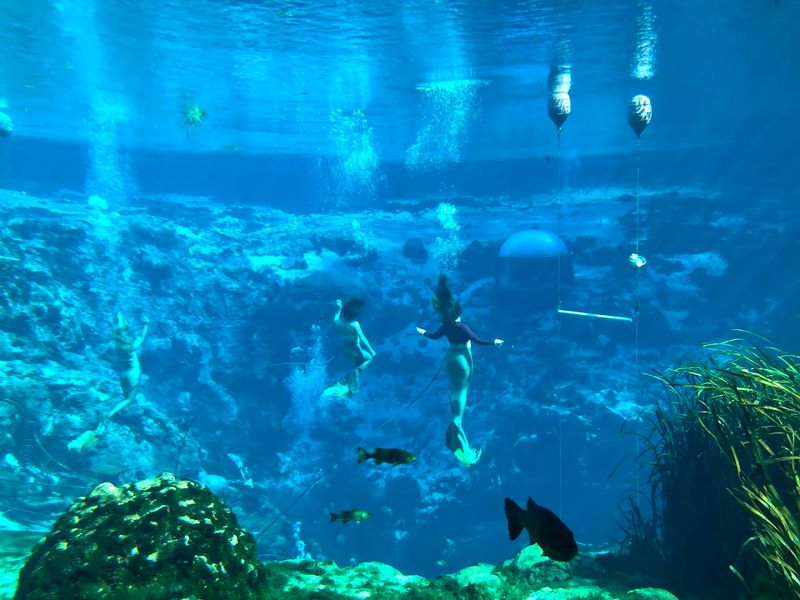
There is a Florida state park where trained performers in fabric tails put on underwater shows inside a natural spring, and the state of Florida is completely serious about this.
Weeki Wachee Springs State Park at 6131 Commercial Way in Spring Hill, FL 34606 has been running live mermaid shows since 1947, making it one of the oldest roadside attractions in the entire country.
The spring pumps out roughly 117 million gallons of fresh water every single day, giving the performers a crystal-clear, naturally lit stage about 16 feet underwater.
Audiences watch through large glass windows built directly into the spring, seated in an underground theater that feels like something from a mid-century science fiction film.
Beyond the mermaid shows, the park also has a waterpark, a river boat cruise, and a wildlife show, so a full day here is very easy to fill.
Visiting during the holiday season is especially fun, because the mermaids perform themed shows that somehow make the whole experience even more surreal.
4. Two Egg
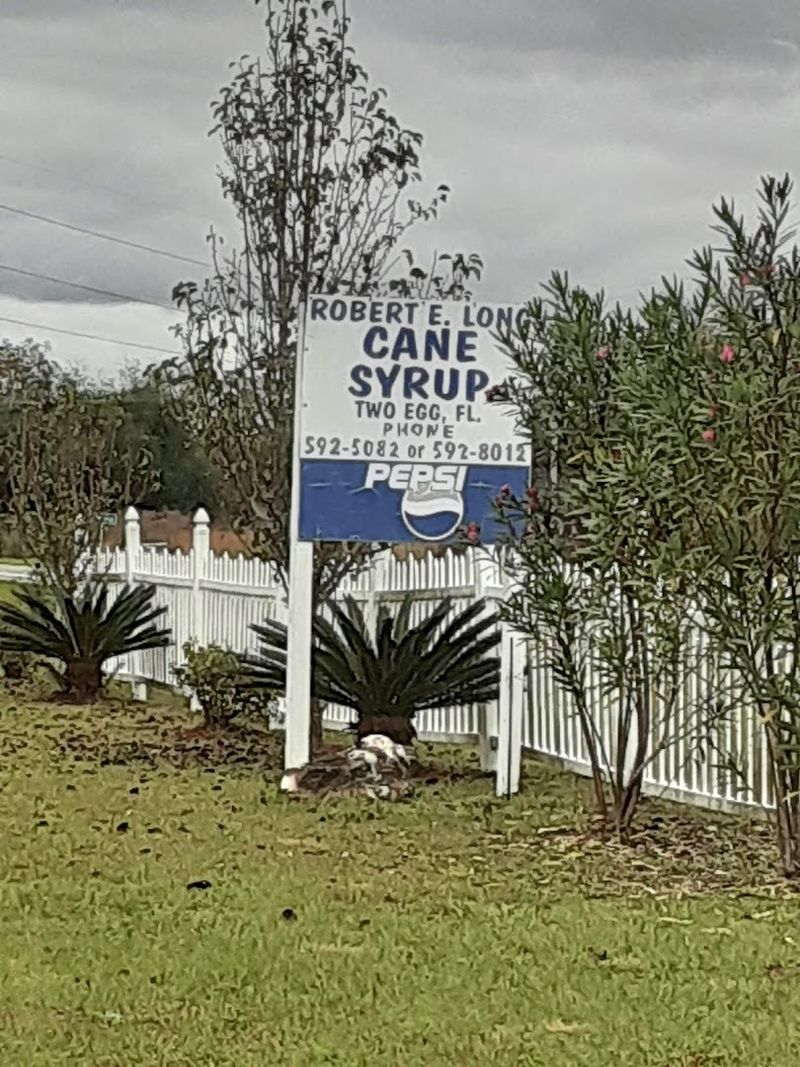
Somewhere in Jackson County, Florida, there is a tiny community whose name has been stopping road-trippers mid-sentence for generations.
Two Egg, FL 32421 sits in the Florida Panhandle, and while it functions more as a crossroads community than a town, it carries one of the most memorably odd place names in the entire Southeast United States.
The most widely accepted origin story traces the name back to the Great Depression, when local children would trade two eggs at a nearby store in exchange for a small bag of sugar.
There is no official city hall, no major tourist attraction, and no theme park, just a name on a sign that makes people stop their cars and take photographs.
The surrounding area is peaceful and rural, with tall pines, red clay roads, and the kind of quiet that feels genuinely restorative after a long drive.
If you are making your way through the Panhandle, the detour to grab a photo with that sign is absolutely worth the short drive off the main road.
5. Christmas
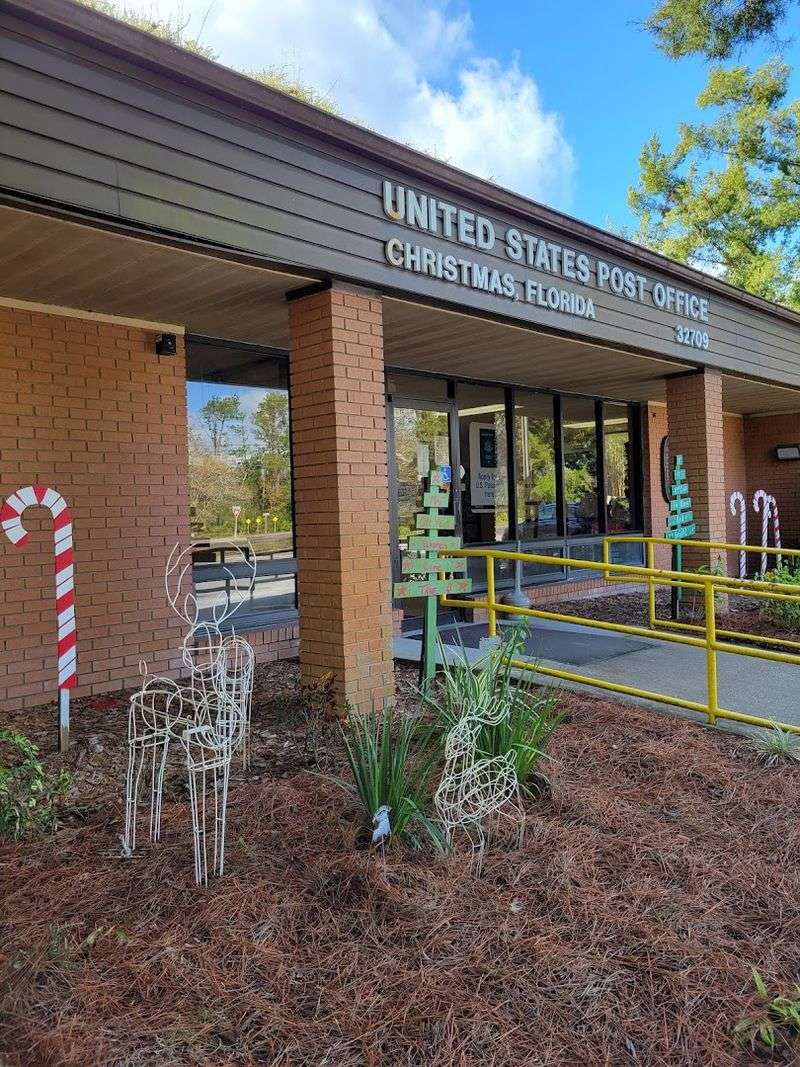
Mailing a postcard stamped with a Christmas, Florida postmark in the middle of July is one of those small joys that the town of Christmas, FL 32709 has been offering travelers for decades.
Located in Orange County just east of Orlando, Christmas is a real community with a real post office that receives thousands of pieces of holiday mail every December from people who want that special cancellation stamp.
The town got its name from Fort Christmas, a military fort constructed on December 25, 1837, during the Second Seminole War, so the holiday branding is historically earned.
Fort Christmas Historical Park preserves a replica of the original fort along with several pioneer-era cracker homes, giving visitors an unexpectedly rich look at early Florida history.
The park hosts a popular annual Christmas celebration every December, complete with craft fairs and historical demonstrations that draw crowds from across Central Florida.
Driving past a sign that reads “Welcome to Christmas” in the middle of a sweltering Florida August is an experience that never quite gets old.
6. Howey-In-The-Hills
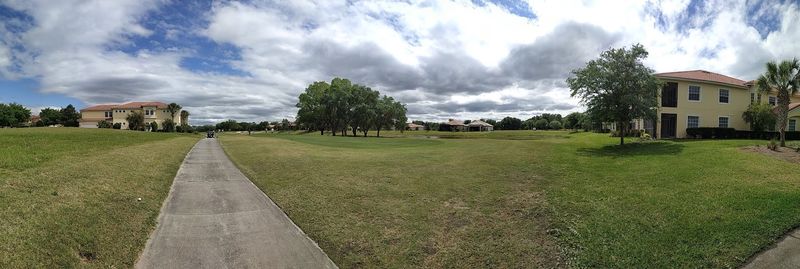
Florida is famously flat, which makes the rolling, lake-dotted landscape around Howey-in-the-Hills, FL 34737 feel like a geographical plot twist hiding in plain sight.
Located in Lake County about an hour northwest of Orlando, Howey-in-the-Hills was developed in the 1920s by William J. Howey, a citrus entrepreneur who envisioned an entire town built around his orange grove empire.
The town’s name is genuinely accurate, because the terrain here rolls in gentle hills overlooking a chain of sparkling lakes that feel completely out of character for Central Florida.
The historic Mission Inn Resort anchors the town’s identity today, offering two championship golf courses, a marina, and Spanish Colonial Revival architecture that transports you somewhere far removed from the typical Florida vacation experience.
The surrounding area is wonderful for kayaking, fishing, and cycling along quiet rural roads lined with old oak trees draped in Spanish moss.
Howey-in-the-Hills is the kind of place that rewards travelers who take the slower road and are not in any rush to reach a theme park.
7. Yeehaw Junction
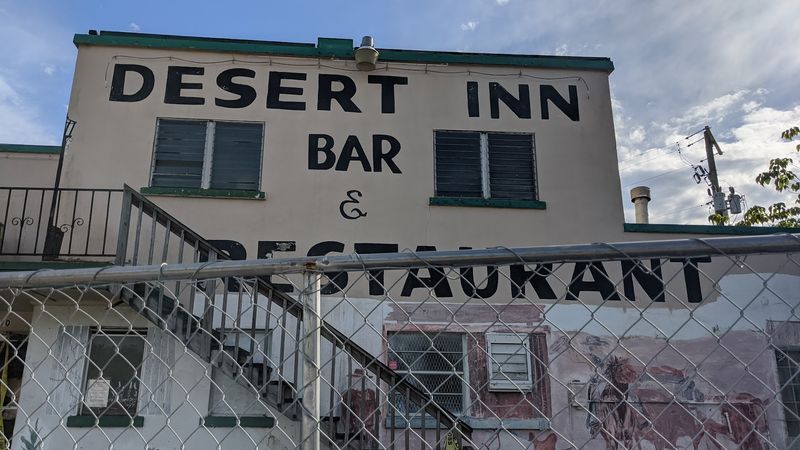
Yeehaw Junction, FL 34972 is proof that Florida’s interior is a completely different planet from its beach-lined coasts, and the name announces that difference with zero apology.
Sitting at the crossroads of US-441 and State Road 60 in Okeechobee County, Yeehaw Junction was historically a stopping point for cattle drivers moving herds across the Florida scrublands in the late 1800s.
The Desert Inn, a historic building at the junction, served as a saloon, hotel, and trading post for Florida cowboys, and it remains one of the most authentically preserved frontier-era structures in the state.
Florida cowboys, known locally as “crackers” for the sound of their whips, worked this open range territory long before Disney ever broke ground nearby.
The landscape here is wide, flat, and dotted with saw palmettos, slash pines, and the occasional cattle ranch stretching out toward the horizon in every direction.
Stopping at Yeehaw Junction to stretch your legs and absorb the cowboy history is one of the most underrated Florida road trip moves you can make.
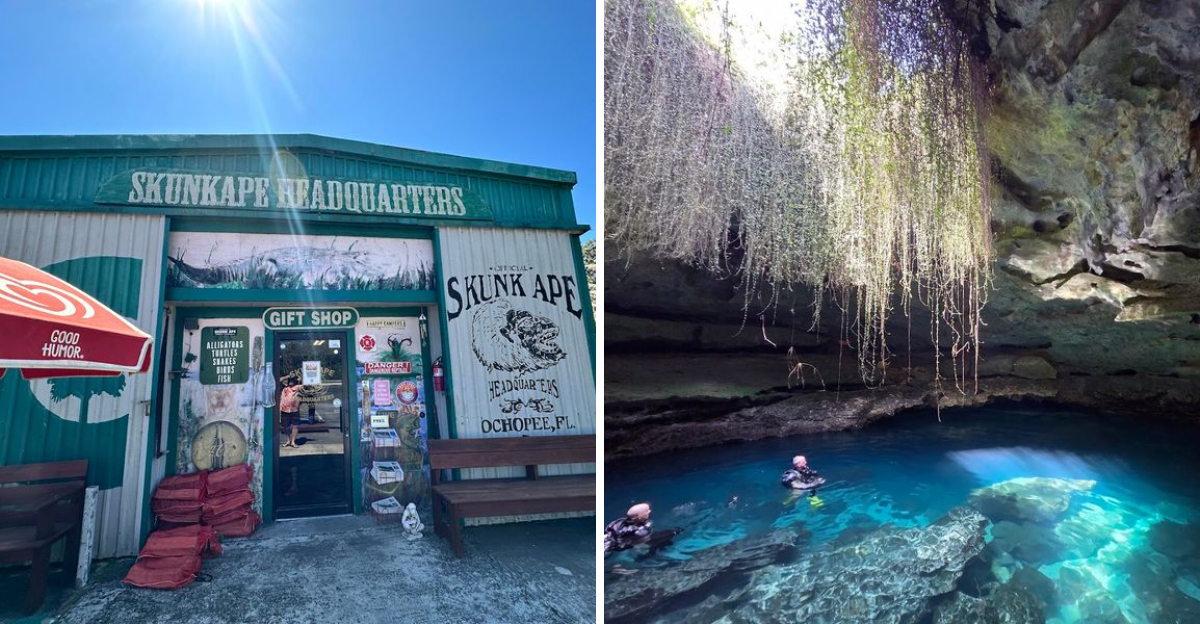
8. Skunk Ape Research Headquarters, Ochopee
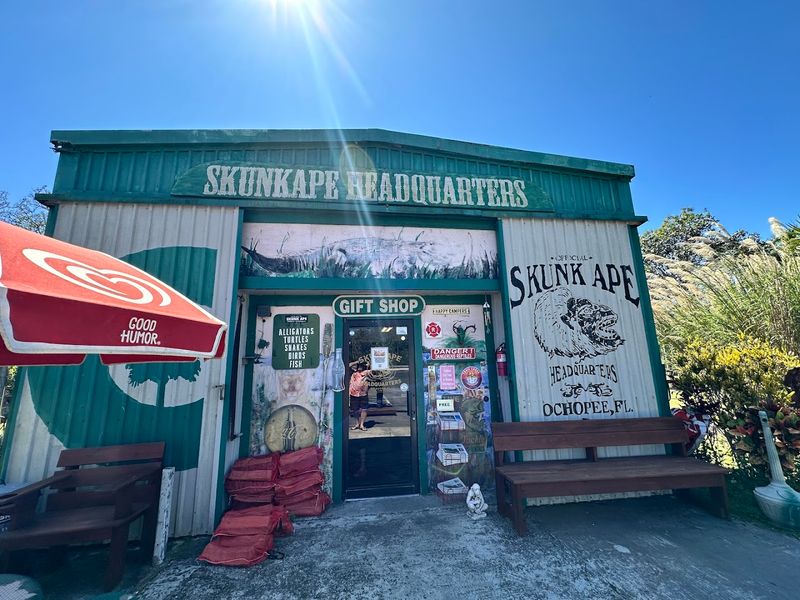
On the edge of the Florida Everglades, there is an official headquarters dedicated entirely to researching a large, foul-smelling, ape-like creature that may or may not exist.
The Skunk Ape Research Headquarters at 40904 Tamiami Trail E in Ochopee, FL 34141 is run by Dave Shealy, a man who has devoted decades of his life to tracking Florida’s own version of Bigfoot through the swamps of Collier County.
The Skunk Ape reportedly earned its name from the powerful odor witnesses describe, which sounds like a combination of rotten eggs and wet animal, so at least the branding is honest.
The headquarters doubles as a gift shop packed with Skunk Ape merchandise, a small zoo featuring reptiles native to the Everglades, and a campground for those brave enough to sleep in the swamp.
Dave Shealy has produced photographs and video footage that he claims show the creature, and the debates over their authenticity have kept cryptid enthusiasts coming back for years.
Even if you are a firm skeptic, the roadside personality of this place alone makes it one of the most entertaining stops on the entire Tamiami Trail.
9. Solomon’s Castle, Ona
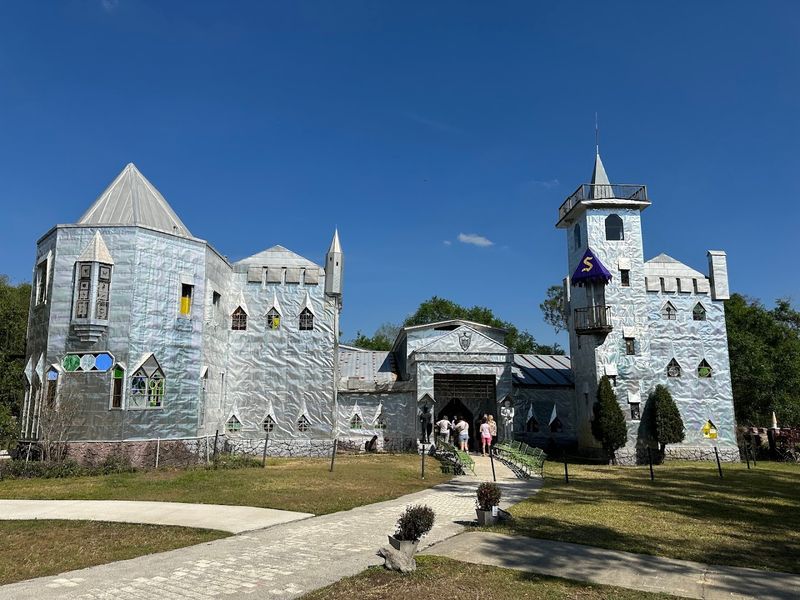
Buried deep in the palmetto flatlands of Hardee County, there is a genuine castle built almost entirely from recycled aluminum newspaper printing plates, and it was constructed by one man over the course of several decades.
Solomon’s Castle at 4533 Solomon Rd in Ona, FL 33865 is the life’s work of artist Howard Solomon, who started building his metal-covered home and studio in the 1970s and never really stopped adding to it.
The castle’s exterior walls are made from old offset printing plates that catch the Florida sunlight and reflect it in every direction, making the building visible from a surprising distance through the surrounding trees.
Inside, the castle is packed floor to ceiling with Solomon’s original sculptures, which are built from found objects and scrap materials and carry a wonderfully absurdist sense of humor throughout.
A full-size pirate ship replica on the property serves as a restaurant, which tells you everything you need to know about the spirit of this place.
Tours are available, and the guides carry on Howard Solomon’s quirky storytelling tradition with obvious affection for the man and his magnificent, impractical dream.
10. Jules’ Undersea Lodge, Key Largo
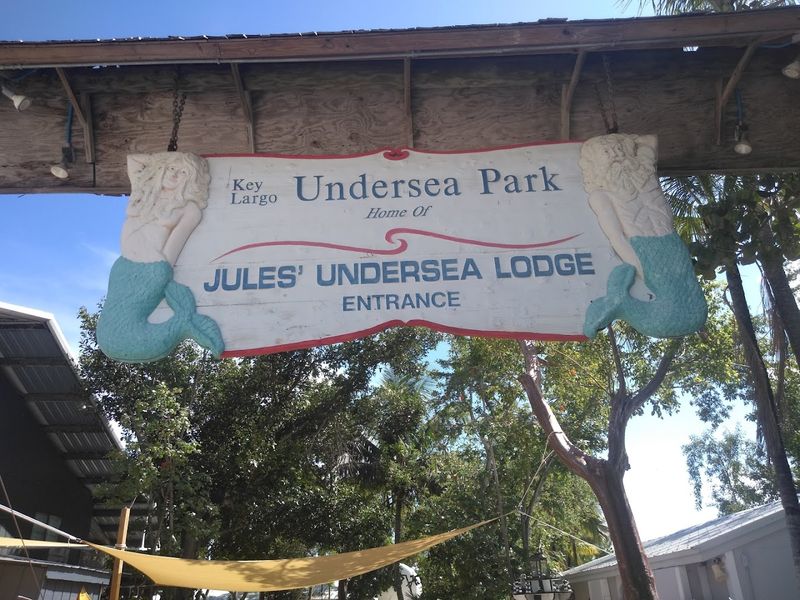
Checking into a hotel room that sits 21 feet beneath the surface of a Florida lagoon is not a travel experience that fits neatly into any normal vacation planning conversation.
Jules’ Undersea Lodge at 51 Shoreland Dr in Key Largo, FL 33037 began its life as a research habitat called La Chalupa, used by scientists studying the ocean floor off the coast of Puerto Rico before being relocated to the Florida Keys.
Guests must scuba dive down to reach the entrance, which means you need to be a certified diver or complete a short resort course before you can check in.
The lodge accommodates up to six guests in two cozy bedrooms, and it comes with all the essentials, including a fully equipped kitchen, hot showers, and underwater windows that give you a live-action view of the lagoon at all hours.
Pizza delivery is available, and yes, the delivery diver does swim it down to you in a waterproof container, which is possibly the greatest room service story anyone can tell.
Waking up to fish swimming past your window at sunrise is the kind of moment that permanently reshapes how you think about a good night’s sleep.
11. Gatorland, Orlando
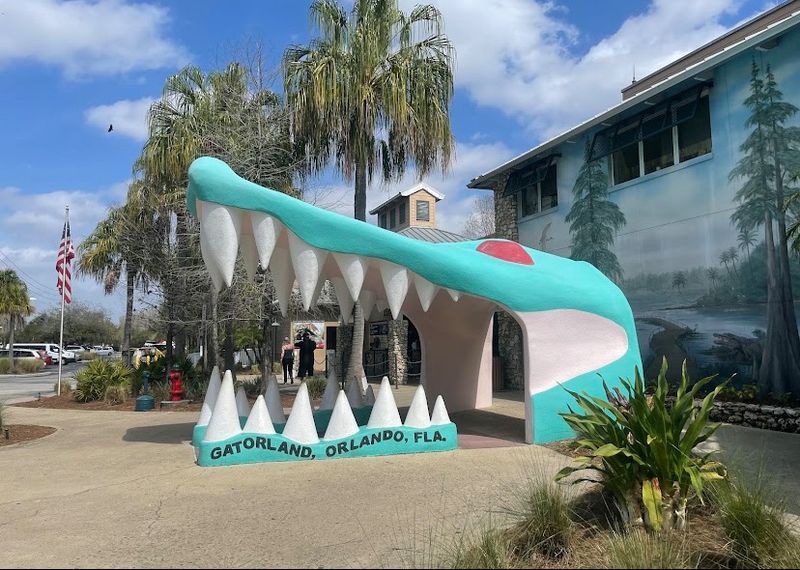
Entering through the jaws of a giant concrete alligator head is not a standard theme park entrance strategy, but Gatorland at 14501 S Orange Blossom Trl in Orlando, FL 32837 has never been interested in standard anything.
Founded in 1949 by Owen Godwin, who started the attraction with a small collection of alligators and a roadside stand, Gatorland has grown into a 110-acre wildlife park that takes its nickname, the Alligator Capital of the World, very seriously.
The park is home to thousands of alligators and crocodiles, including rare white leucistic alligators that look like something out of mythology and draw enormous crowds every single day.
Gator wrestling shows, feeding demonstrations, and a zip line that runs directly over an alligator-filled swamp are all part of the regular programming here.
The breeding marsh boardwalk is one of my favorite spots in the entire park, letting you walk above a natural wetland where hundreds of gators bask and move completely on their own schedule.
Gatorland stands as living proof that Florida was wild long before any rollercoaster ever came to town, and it wears that history with genuine pride.