
11 Florida Towns You Need To Experience At Least Once
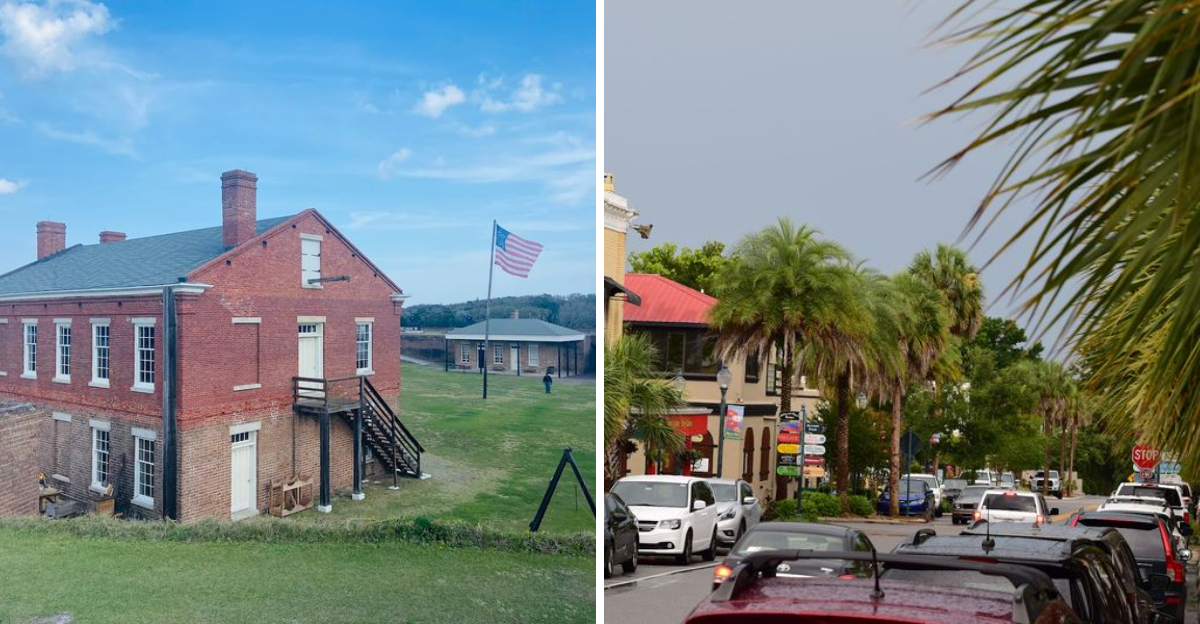
There’s the Florida most tourists rush through… and then there’s the version waiting quietly in the small towns people almost never talk about enough. The kind where shrimp boats rock gently beside old docks, Spanish moss hangs low over empty side streets, and afternoons somehow move slower without anyone trying to force it.
No giant roller coasters. No endless traffic circling souvenir shops.
No feeling like every corner was built for vacation packages and Instagram lines. Just waterfront towns with stories baked into the sidewalks, hidden cafés locals protect like secrets, and coastal streets that make you want to keep driving with the windows down a little longer.
Ask people who’ve spent time exploring beyond the major cities, and they’ll usually tell you the same thing: this is the Florida they ended up loving most. The quieter one.
The weirder one. The version filled with places that somehow feel both overlooked and unforgettable at the exact same time.
1. Sanibel Island
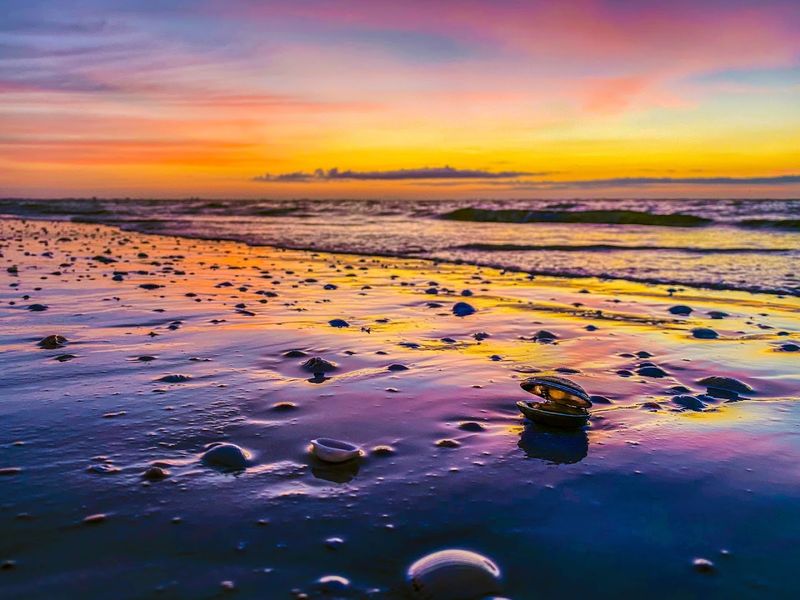
Sanibel Island is the kind of place that makes you want to walk slowly and look down a lot, and that is not an insult.
Located off the southwest coast of Florida near Fort Myers, this barrier island is internationally famous for its extraordinary shelling, and the “Sanibel Stoop” is a real thing you will catch yourself doing within the first hour.
The island sits at an unusual east-west angle that acts like a natural shell collector, pulling in thousands of specimens with every tide.
J.N. “Ding” Darling National Wildlife Refuge covers nearly half the island and offers some of the best bird watching in the entire country.
Cars slow down here, bikes take over, and the pace of life feels genuinely unhurried in a way that actually sticks with you.
By the time you leave Sanibel, your pockets will be full of shells and your shoulders will finally be somewhere near your ears again.
2. Tarpon Springs
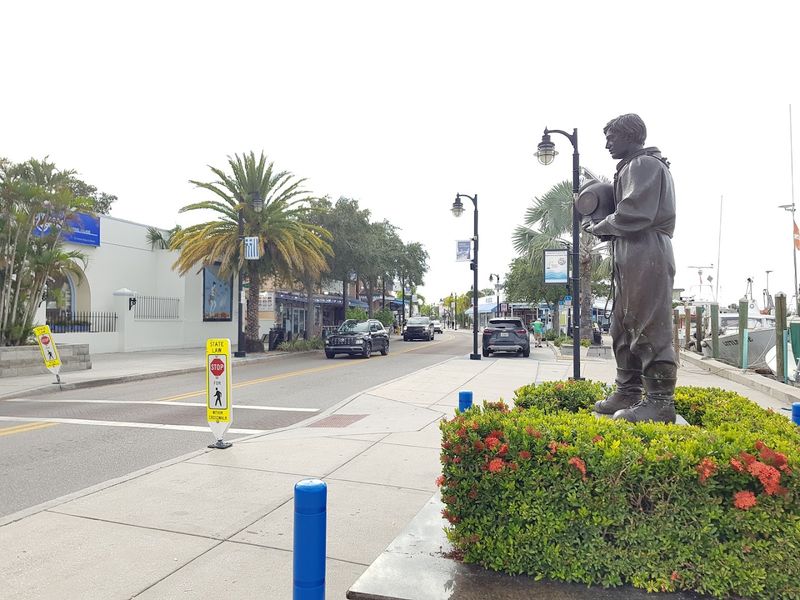
Stepping onto the Sponge Docks in Tarpon Springs feels less like visiting Florida and more like landing somewhere along the Aegean Sea.
Situated along the Gulf Coast north of Clearwater, this small city has the highest percentage of Greek Americans of any city in the United States, and the culture here is absolutely alive and proud.
The sponge diving industry put Tarpon Springs on the map in the early 1900s when Greek divers arrived and transformed the local economy.
Today you can watch sponge boats unload at the docks, browse shops stacked with natural sea sponges, and eat some of the most authentic Greek food you will find outside of Athens.
Saint Nicholas Greek Orthodox Cathedral is a stunning piece of Byzantine architecture right in the middle of town, and it is open for visitors.
Tarpon Springs rewards the curious traveler who takes time to wander past the obvious tourist shops and really soak it all in.
3. Santa Rosa Beach
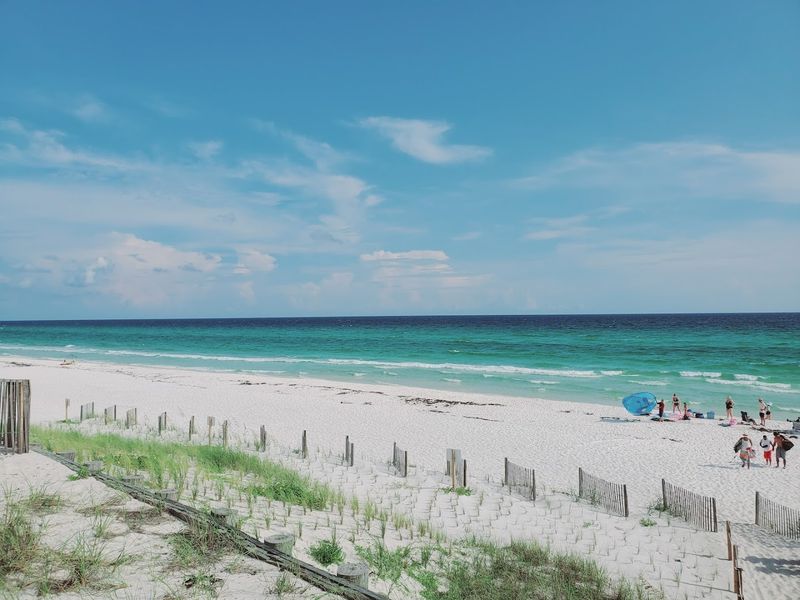
There is a stretch of the Florida Panhandle where the sand turns so white and the water goes so brilliantly turquoise that your eyes genuinely need a moment to adjust.
Santa Rosa Beach sits along the Emerald Coast in Walton County, tucked between the better-known crowds of Destin and Panama City Beach, which means it keeps a quieter, more relaxed character.
Grayton Beach State Park, just minutes away, has been ranked among the most beautiful beaches in the entire country multiple times, and one visit explains exactly why.
The 30A corridor running through this area is lined with charming beach communities, local art galleries, and independently owned restaurants that feel nothing like chain food.
Cycling the 30A Bike Path is one of my favorite ways to explore, weaving through coastal dune lakes that are a rare natural feature found in only a handful of places worldwide.
Santa Rosa Beach is the Panhandle at its most unhurried and most beautiful.
4. Delray Beach
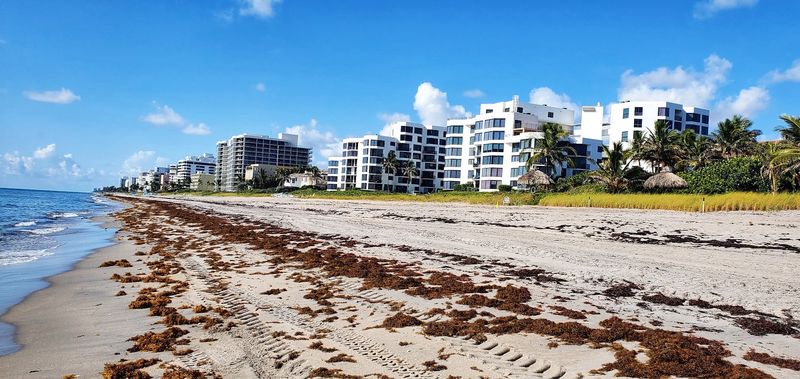
Atlantic Avenue in Delray Beach has this electric, walkable energy that makes you want to stay out until the last table clears.
Located in Palm Beach County along Florida’s southeast coast, Delray Beach manages to feel both laid-back and lively at the same time, which is a balance not every Florida beach town pulls off successfully.
The main drag, Atlantic Avenue, stretches from the Intracoastal Waterway all the way to the ocean, and it is packed with locally owned restaurants, boutiques, and coffee shops that give the town real character.
Delray Beach has won the All-America City Award twice, and locals carry genuine pride in how their community looks, feels, and functions.
The beach itself is wide, clean, and far less packed than the beaches you find up the road in Fort Lauderdale.
Cornell Art Museum and the Morikami Museum and Japanese Gardens add unexpected cultural depth to a town that already punches well above its weight.
5. Destin
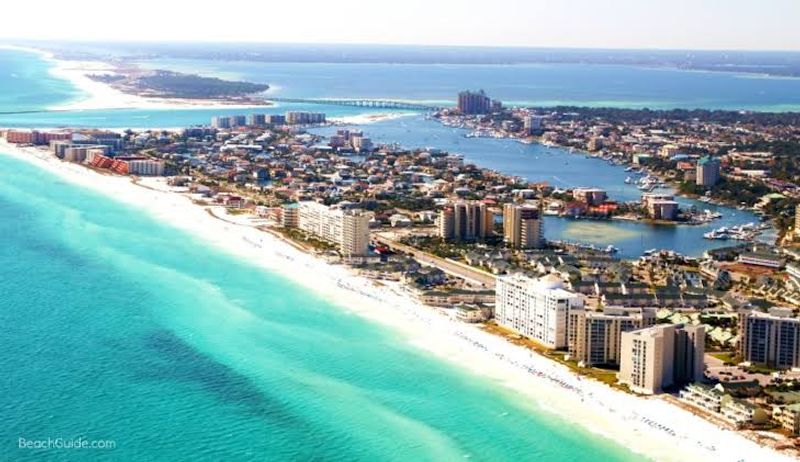
Destin earned its nickname “The World’s Luckiest Fishing Village” long before Instagram made every Florida beach look like paradise, and the harbor here still backs that claim up every single morning.
Sitting on a narrow peninsula between Choctawhatchee Bay and the Gulf of Mexico in the Florida Panhandle, Destin is famous for some of the clearest, most brilliantly colored water anywhere along the American coastline.
The color comes from the quartz crystal sand, which is so fine and white that it stays cool even in peak summer heat.
Deep-sea fishing charters leave from Destin Harbor daily, and the area holds more world fishing records than almost anywhere else in the country.
Henderson Beach State Park offers a quieter stretch of the famous sand away from the busier public beach areas, and it is absolutely worth the small entry fee.
Destin delivers the classic Florida Gulf experience with enough local flavor to feel like more than just a postcard.
6. Mount Dora
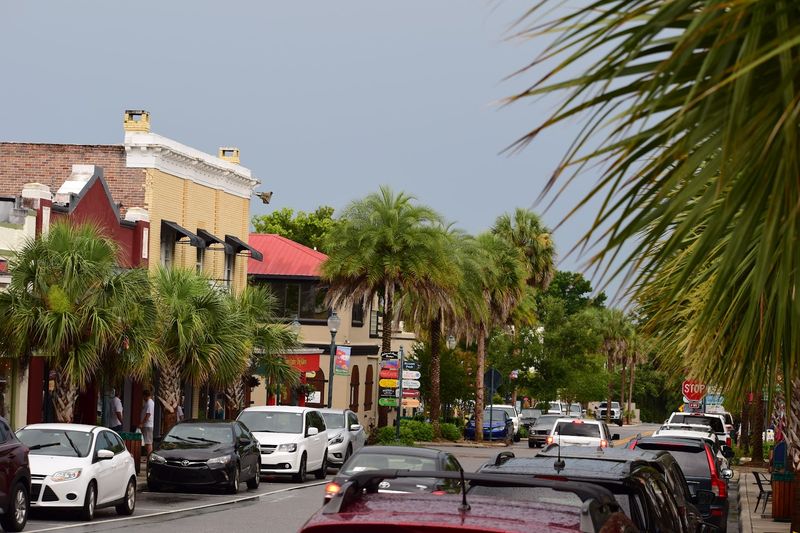
About an hour north of Orlando sits a town that seems to have quietly decided it wanted nothing to do with theme parks, and the result is utterly refreshing.
Mount Dora is a small lakeside community in Lake County with a beautifully preserved Victorian downtown, streets lined with ancient live oaks, and a local arts scene that draws visitors from across the state year-round.
The town sits on a bluff above Lake Dora, which is part of a connected chain of lakes that boaters and anglers love exploring.
Mount Dora’s Antique District is legendary in Florida, with dozens of dealers packed into a walkable stretch that serious collectors plan entire road trips around.
The annual Mount Dora Arts Festival draws hundreds of artists and thousands of visitors every February and has been running for decades.
If you have ever wanted a Florida town that feels like a storybook New England village with palm trees, this is your answer.
7. St. Augustine
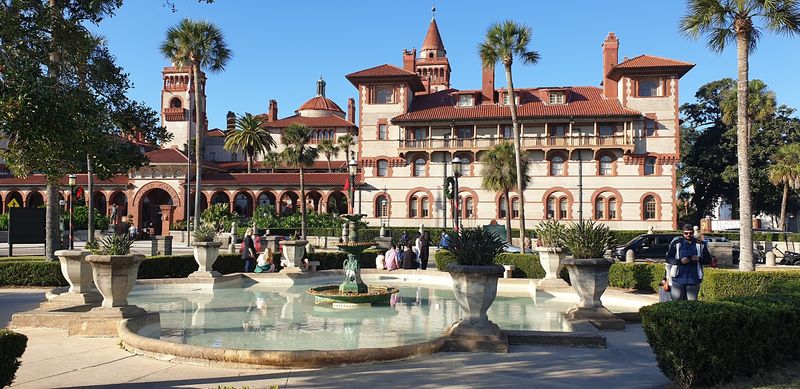
Founded in 1565 by Spanish explorers, St. Augustine holds the title of the oldest continuously occupied European settlement in the entire United States, and walking its streets genuinely feels like moving through centuries at once.
Located on Florida’s northeast Atlantic coast, about an hour south of Jacksonville, this city layers Spanish colonial history over Gilded Age architecture in a way that no other American city quite replicates.
The Castillo de San Marcos, a coquina stone fort built in the late 1600s, still stands perfectly intact on the waterfront and is one of the most impressive historic structures in the country.
St. George Street runs through the heart of the old city and is lined with shops, restaurants, and museums all packed into buildings that predate the American Revolution.
The Lightner Museum, housed in a former hotel built by Henry Flagler, alone justifies a full afternoon.
St. Augustine rewards slow travelers who read the plaques, peek down the side streets, and let the history settle in properly.
8. Fort Myers
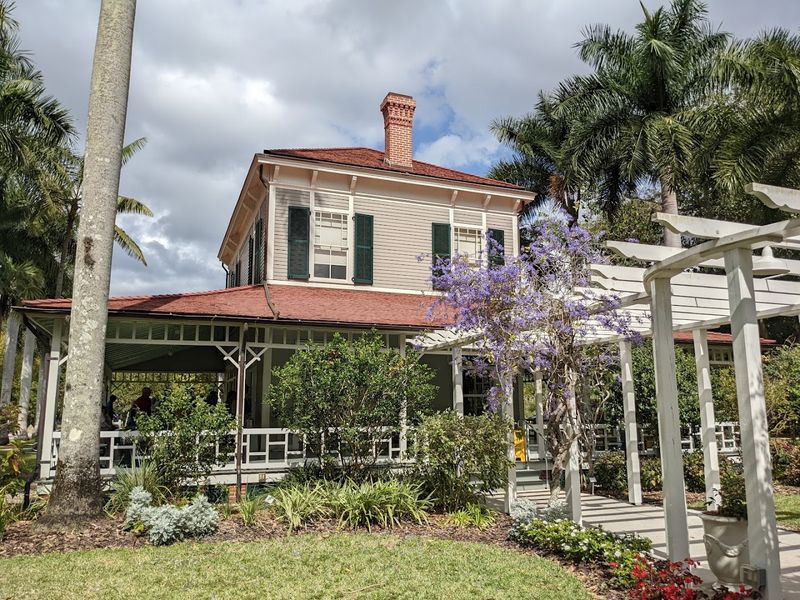
Thomas Edison and Henry Ford both chose Fort Myers as their winter home, which tells you something important about what this southwest Florida city offers to people who know how to appreciate a good thing.
Sitting along the Caloosahatchee River where it meets the Gulf Coast, Fort Myers has a walkable downtown River District that has been steadily reinventing itself with murals, locally owned restaurants, and a genuine sense of community pride.
The Edison and Ford Winter Estates sit right on the river and remain one of the most visited historic sites in all of Florida, complete with Edison’s original laboratory and a botanical garden he personally planted.
Fort Myers Beach, just a short drive south, offers a more casual, old-Florida beach experience compared to some of the flashier Gulf Coast options.
The nearby Pine Island Sound and Matlacha Pass are paddler’s paradises, with manatees, dolphins, and roseate spoonbills showing up regularly.
Fort Myers has layers, and every layer is worth uncovering.
9. Clearwater Beach
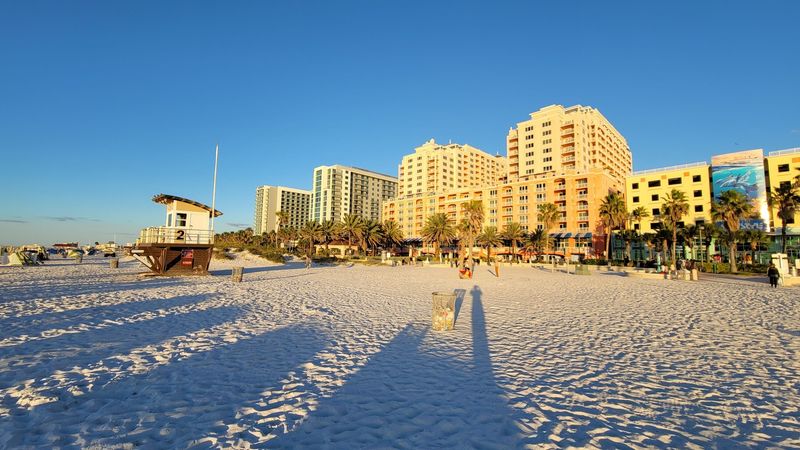
Consistently ranked as one of the top beaches in the United States, Clearwater Beach delivers on its reputation in a way that actually holds up when you are standing on it in person.
Located on a barrier island on Florida’s Gulf Coast, just west of the city of Clearwater in Pinellas County, this beach town combines soft white sand and warm, shallow water with a lively beachfront scene that stays energetic without feeling overwhelming.
Pier 60 hosts a nightly Sunset Celebration with street performers, local artisans, and crowds that gather just to watch the Gulf sky go through its colors, which is a tradition I fully endorse.
Caladesi Island State Park, accessible by ferry from Clearwater Beach, offers a quieter, undeveloped stretch of pristine coastline that feels like a reward for those willing to make the short trip.
The Clearwater Marine Aquarium, home to rescued marine animals, is a genuinely moving experience that connects visitors to the wildlife sharing these waters.
Clearwater Beach is the full Florida beach package, delivered without apology.
10. Apalachicola
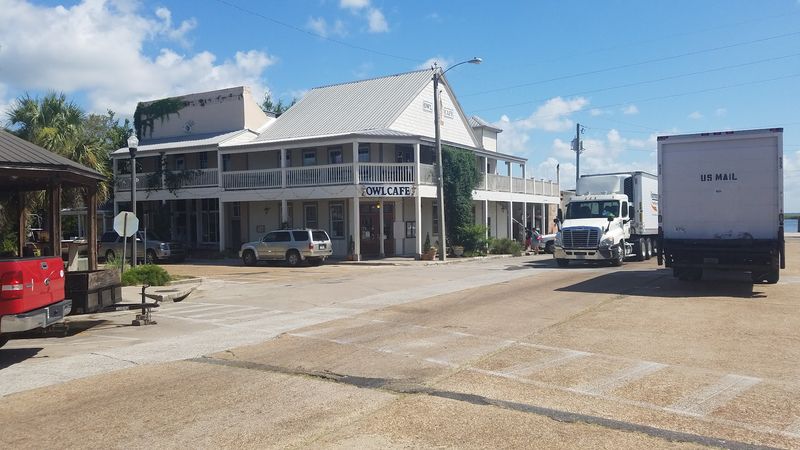
Tucked into the forgotten bend of Florida’s Panhandle coast, Apalachicola is the kind of town that food writers and slow travelers have been quietly recommending to each other for years.
Sitting at the mouth of the Apalachicola River where it empties into Apalachicola Bay, this small fishing town in Franklin County has built a global reputation almost entirely on its oysters, which are considered some of the finest in the world.
The bay’s unique mix of freshwater from the river and saltwater from the Gulf creates ideal growing conditions that give Apalachicola oysters their distinct, briny sweetness.
Beyond the oysters, the town itself is a beautifully preserved Victorian-era port with historic homes, independent bookshops, and art galleries that feel genuinely unhurried.
John Gorrie, the inventor of mechanical refrigeration and a pioneer of air conditioning, lived and worked in Apalachicola, and his museum is a fascinating stop.
Apalachicola is small, proud, and absolutely unforgettable.
11. Amelia Island
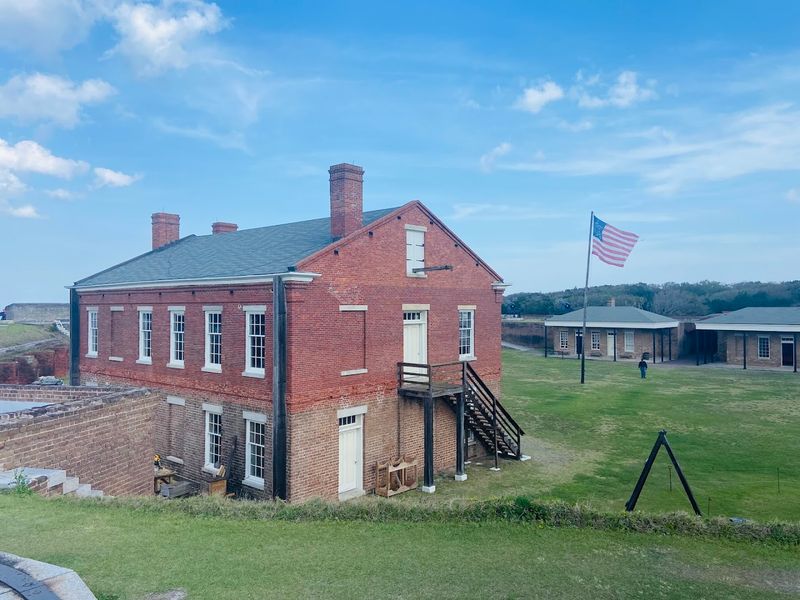
Eight different flags have flown over Amelia Island, which gives this northernmost barrier island in Florida a layered, complicated, and endlessly fascinating history that most visitors do not expect to find at a beach destination.
Located in Nassau County just south of the Georgia border, Amelia Island and its main town of Fernandina Beach sit at the quiet northern tip of Florida’s Atlantic coast, far from the resort crowds.
Fernandina Beach’s Centre Street historic district is packed with Victorian architecture, independent restaurants, and boutiques that feel rooted in real community rather than tourist expectation.
Fort Clinch State Park preserves a remarkably intact Civil War-era brick fort at the island’s northern tip, and the park’s beach and nature trails are worth a full day on their own.
The island is also home to some of Florida’s most beautiful maritime forest, with ancient live oaks arching over roads in ways that make every drive feel cinematic.
Amelia Island is history, nature, and coastal charm all sharing the same beautiful piece of land.