
Florida’s Most Unique Bird Sanctuary Was Once A Wastewater Site
What if one of Florida’s most unforgettable wildlife experiences is hiding in a place you would never expect?
You pull into a quiet lot, step out, and suddenly the world shifts. The air feels softer.
The sounds change. Instead of traffic and city buzz, you hear wings, water, and the low rustle of reeds moving in the breeze.
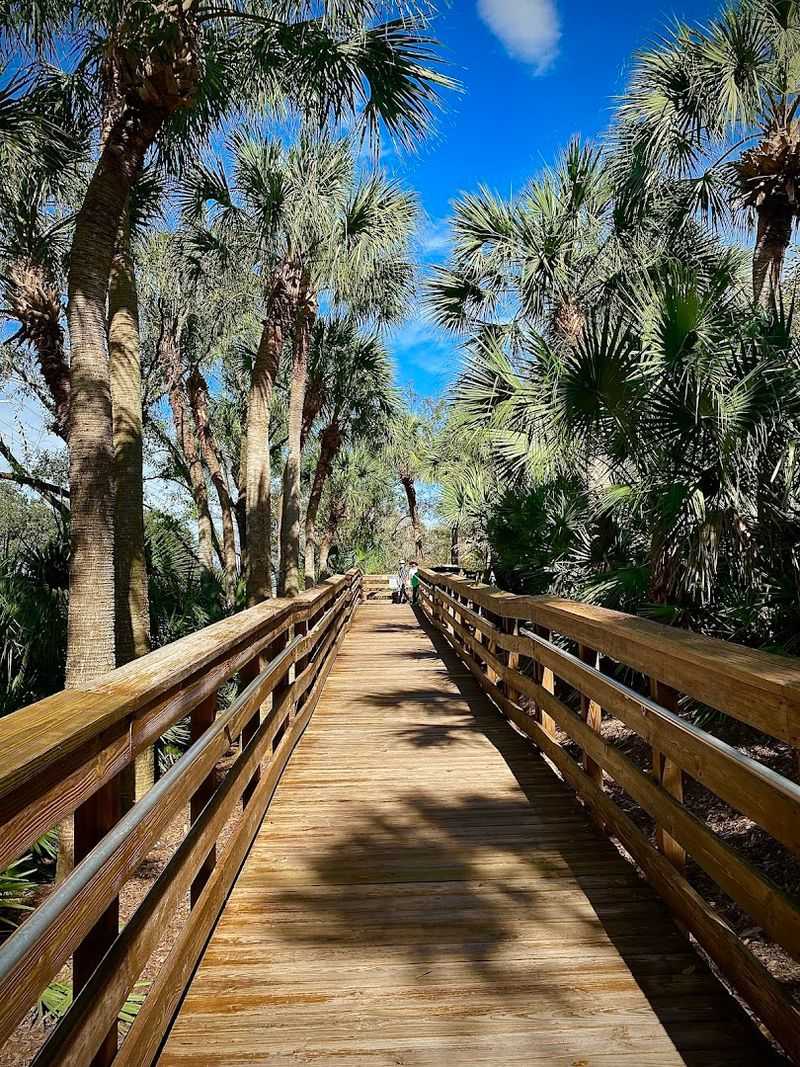
A wooden boardwalk stretches ahead like an invitation into another reality, one where herons nest above your head, turtles blink from sunlit logs, and something ripples just beneath the surface before an alligator glides silently past.
It feels wild. Untamed.
Almost impossible.
And yet this thriving wetland paradise was not always meant to be beautiful. It was built for function, not wonder.
Which makes what you see now even more remarkable.
Because sometimes Florida’s most breathtaking landscapes are not just natural miracles — they are proof that nature and human ingenuity can create something even better together.
Reclaimed Water Creates Wildlife Paradise
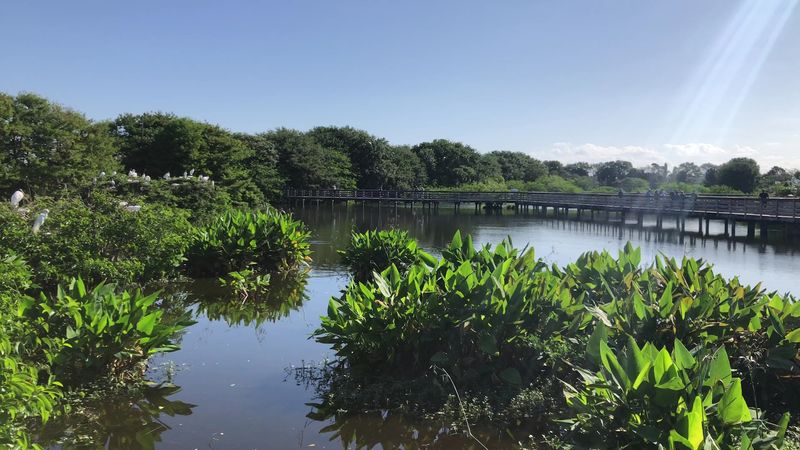
Engineers built these wetlands in 1996 to polish reclaimed water, but nature had bigger plans. The system takes treated wastewater from nearby facilities and filters it through marsh plants, cattails, and natural processes that clean the water even further.
Standing on the boardwalk, I watched nutrient-rich water nourish an ecosystem that now supports hundreds of species. The cattails and sawgrass act like living filters, removing excess nitrogen and phosphorus while creating perfect habitat for fish, amphibians, and invertebrates.
What started as a practical water treatment project accidentally became a feeding ground that draws birds from across the region. The constant water flow maintains stable pond levels year-round, unlike natural wetlands that dry up seasonally.
I found it fascinating that the same water serving an environmental purpose also creates such vibrant wildlife scenes. Park staff monitor water quality regularly, ensuring the system continues working while protecting the creatures that now call this place home.
This dual purpose makes Wakodahatchee unlike typical nature preserves, proving that human infrastructure can actually enhance biodiversity when designed thoughtfully.
Free Access Draws International Visitors
I heard at least five different languages during my last visit, and the parking attendant told me people come from all over the world to see this place. The fact that admission costs absolutely nothing makes Wakodahatchee accessible to everyone, whether you’re a local family looking for weekend entertainment or international tourists on a Florida birding pilgrimage.
The parking lot fills quickly on pleasant mornings, especially during peak birding season between November and April. An attendant directs traffic during busy periods, preventing the chaos that could occur when hundreds of visitors arrive simultaneously.
I’ve noticed tour buses occasionally parked along Jog Road, bringing organized groups to experience the boardwalk. School groups, photography clubs, and senior organizations all take advantage of this free resource that requires no reservations or advance planning.
The democratic nature of free admission means you’ll encounter everyone from serious birders with expensive telephoto lenses to young families with children experiencing alligators for the first time. This mixing of backgrounds and interests creates a community atmosphere where strangers readily share sightings and wildlife tips.
No entrance fee also means no pressure to rush through your visit.
Wheelchair-Accessible Boardwalk System
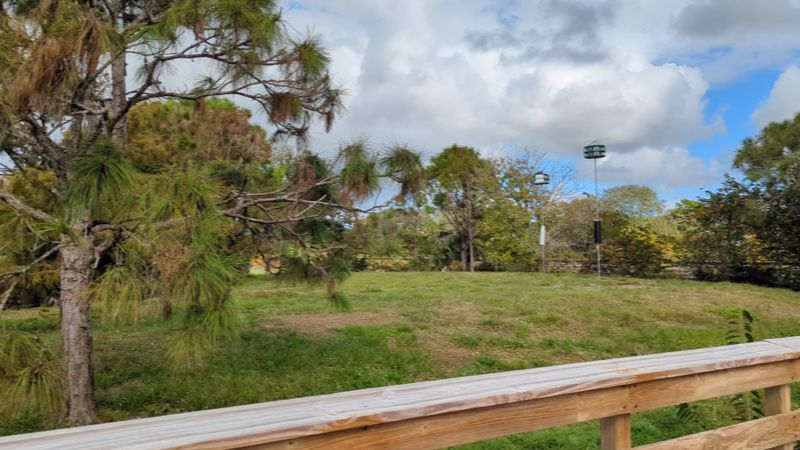
The three-quarter-mile elevated boardwalk sits completely level, with smooth surfaces that accommodate wheelchairs, strollers, and anyone with mobility challenges. I’ve watched elderly visitors using walkers navigate the entire loop comfortably, stopping at benches positioned every few hundred feet.
Unlike many nature trails that exclude people with physical limitations, Wakodahatchee was designed with universal access in mind from the beginning. The boardwalk width allows wheelchairs to pass easily, and the sturdy railings provide support for those who need it.
Covered pavilions along the route offer shaded rest areas where visitors can sit and observe wildlife without standing for extended periods. These shelters proved essential during my summer visits when the Florida sun made continuous walking uncomfortable.
The accessible design means grandparents can bring grandchildren, parents can push strollers, and individuals with disabilities can experience wildlife viewing that might otherwise be impossible in natural wetland terrain. I noticed one man in a power wheelchair positioned perfectly to photograph a great blue heron, something he couldn’t do on unpaved nature trails.
Restrooms near the parking area also meet accessibility standards, completing the inclusive experience that makes this wetland genuinely welcoming to all abilities.
Year-Round Nesting Bird Spectacle
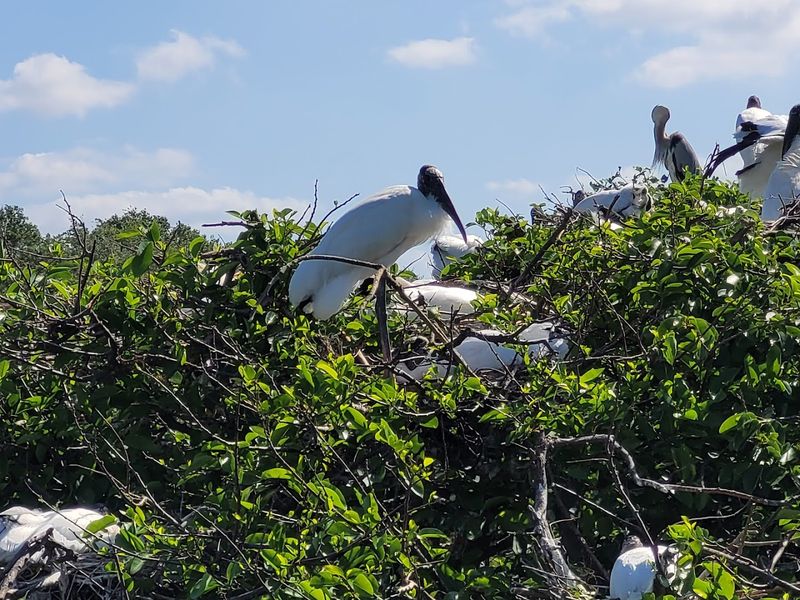
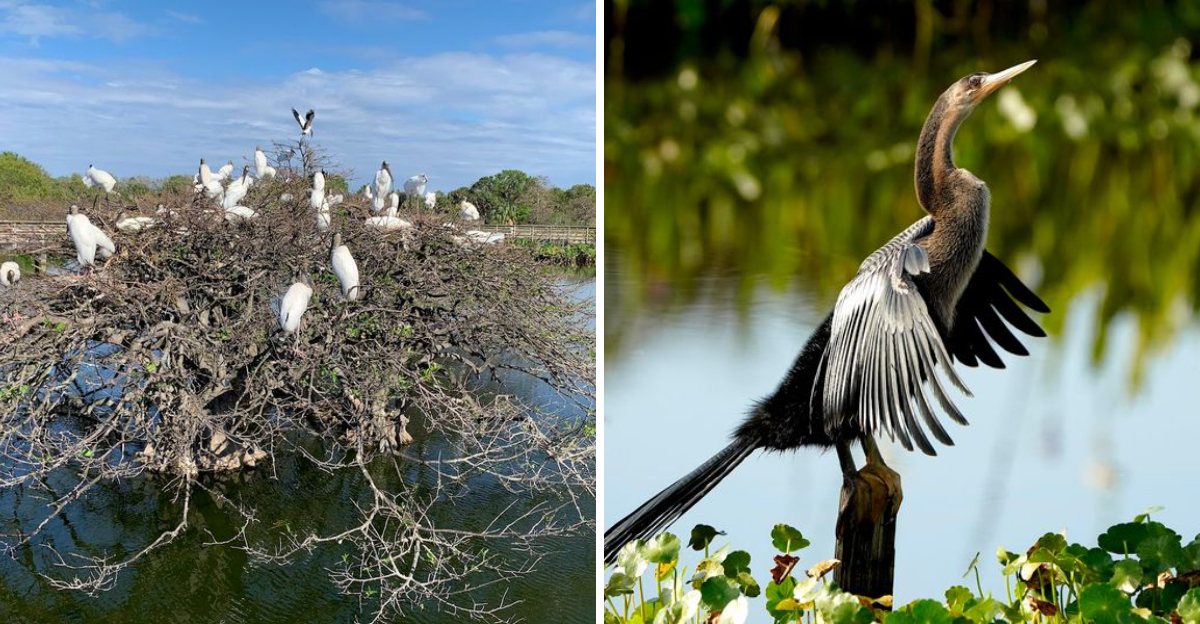
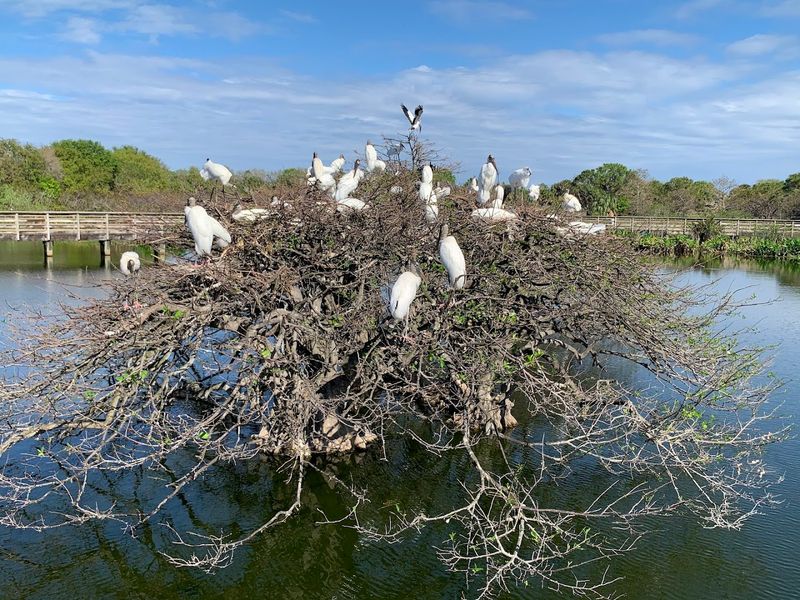
Spring at Wakodahatchee turns the wetlands into a bustling bird nursery that rivals any wildlife documentary. Wood storks, great egrets, and several heron species build massive stick nests in the trees standing in the water, creating what biologists call a rookery.
During my March visit, I counted over thirty active nests within view of a single boardwalk section. Parent birds constantly flew back and forth, bringing fish and aquatic prey to hungry chicks whose squawking filled the air.
The proximity amazed me most, with nests positioned just fifteen or twenty feet from the boardwalk, allowing me to watch parental feeding behaviors and sibling interactions without binoculars. Baby wood storks, looking like awkward dinosaurs with their gray featherless heads, begged loudly whenever an adult approached.
One regular visitor told me she returns every spring specifically to watch the nesting cycle from egg-laying through fledging. The trees dotted with white adult birds look like natural ornaments, creating scenes that photographers dream about capturing.
This concentration of nesting activity happens because the consistent water levels and abundant fish provide reliable food sources that parent birds need during the demanding breeding season.
Alligator Viewing Without Danger
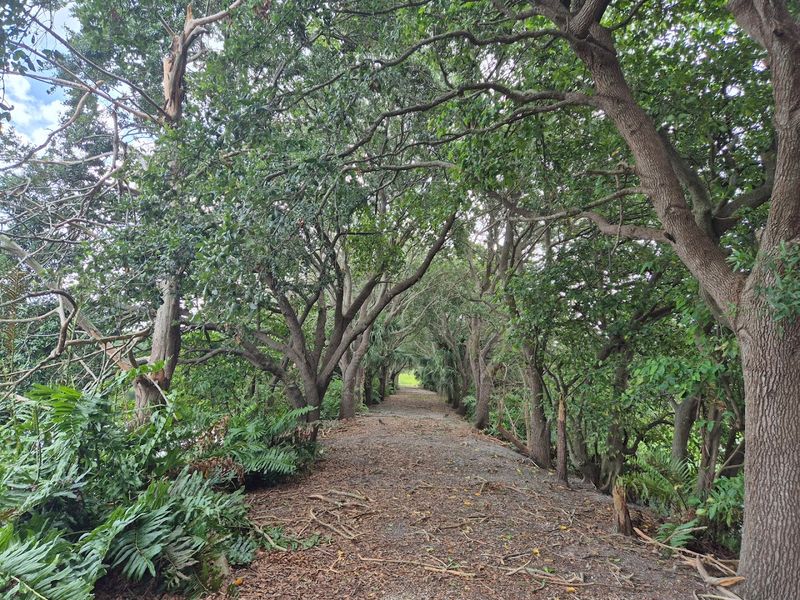
Spotting my first alligator at Wakodahatchee sent a thrill through me, even though I stood safely on the elevated boardwalk several feet above the water. These prehistoric reptiles bask on the banks and glide through the channels, completely accustomed to human presence above them.
The boardwalk design keeps visitors at a safe elevation while providing clear views of alligator behavior that would be dangerous to observe at ground level. I watched one large gator, easily ten feet long, slowly cruise past with just its eyes and nostrils breaking the surface.
Unlike enclosed zoo exhibits, these alligators live naturally, hunting fish and turtles while regulating their body temperature through sunbathing sessions on muddy banks. The wetland provides everything they need, so they show little interest in the humans walking overhead.
Parents can let children safely observe these apex predators up close, teaching them about wildlife while maintaining complete separation. I heard one father explaining to his daughter how alligators digest their food, pointing to a motionless gator that had clearly eaten recently.
The combination of reliable alligator sightings and absolute safety makes this educational experience impossible to replicate elsewhere without visiting a controlled facility.
Photography Paradise With Perfect Light
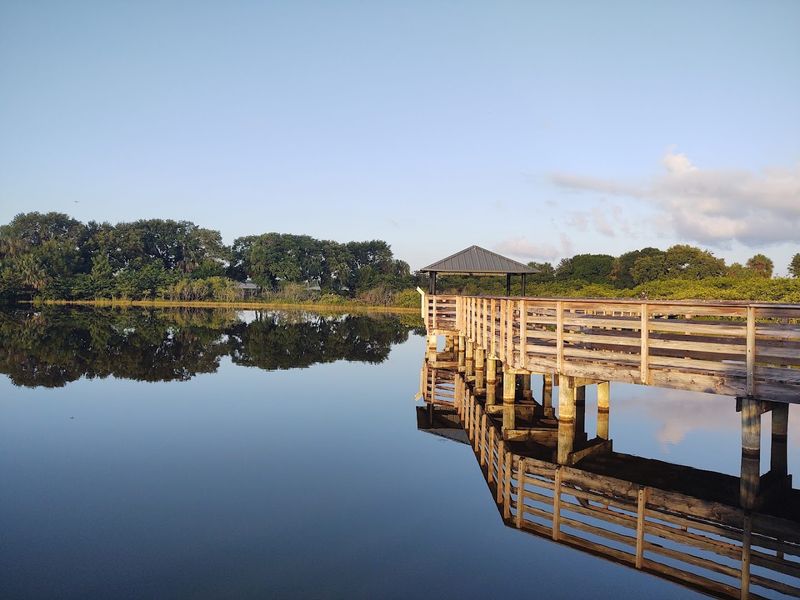
Golden hour at Wakodahatchee transforms the wetlands into a photographer’s studio, with soft light illuminating colorful birds against dark water reflections. I arrived at dawn one Saturday and found twenty photographers already positioned at prime spots, their tripods lined along the boardwalk like sentries.
The boardwalk elevation provides eye-level perspectives with many wading birds, eliminating the awkward downward angles that plague ground-level wildlife photography. A roseate spoonbill feeding in shallow water gave me shots that looked professionally staged, though the bird simply went about its natural behavior.
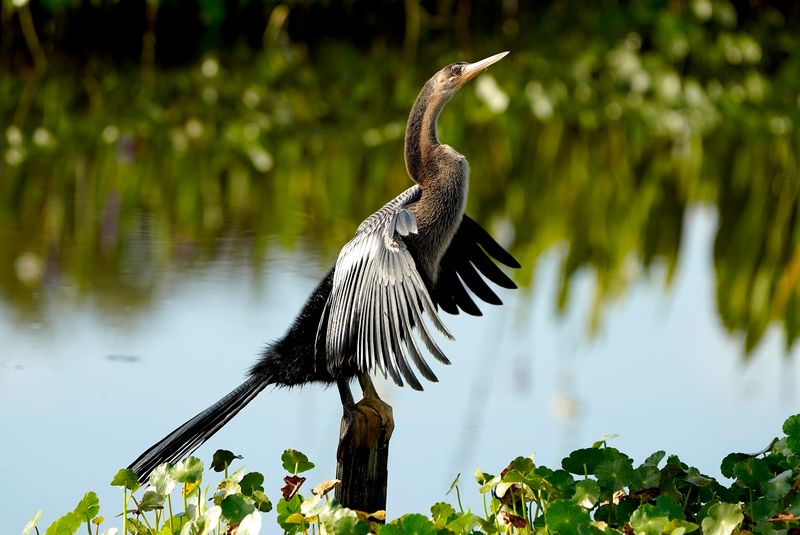
The stable boardwalk platform means no camera shake from muddy ground, and the predictable wildlife activity lets photographers anticipate moments worth capturing. I watched one woman wait patiently for thirty minutes until an anhinga surfaced with a fish, perfectly framed by morning mist.
Both serious photographers with expensive gear and casual visitors with smartphones find worthy subjects here. The close proximity to wildlife means even basic cameras can capture frame-filling images that would require costly telephoto lenses elsewhere.
Several photography clubs organize regular outings to Wakodahatchee, and I’ve seen impromptu teaching moments where experienced shooters help beginners understand exposure settings for bright birds against dark backgrounds.
Educational Value For All Ages
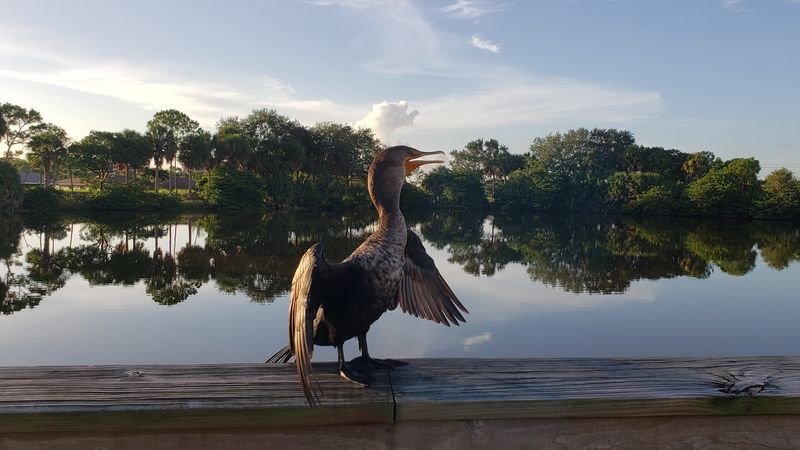
Teachers bring entire classrooms to Wakodahatchee, turning the boardwalk into an outdoor laboratory where ecology lessons come alive. I overheard one instructor explaining food chains while pointing to a heron catching a fish, then to a turtle basking nearby, making abstract concepts suddenly concrete.
The wetlands demonstrate water filtration, habitat creation, predator-prey relationships, and seasonal migration patterns all in one accessible location. Children who might fidget through textbook lessons stand transfixed watching an alligator or tracking a purple gallinule across lily pads.
Interpretive signs along the boardwalk identify common species and explain wetland ecology basics, though the living examples make better teachers than any placard. I watched a grandmother help her grandson use a field guide to identify different heron species, creating memories that strengthen family bonds while building knowledge.
The wetlands also teach subtler lessons about human impact and environmental restoration. Understanding that this thriving ecosystem was built by people challenges the assumption that human activity always harms nature.
College ecology students conduct research projects here, while toddlers simply delight in pointing at turtles, proving that educational value scales to any age or knowledge level when the subject matter moves and breathes before your eyes.
Exotic Species Management Success
The abundance of iguanas at Wakodahatchee tells a complicated Florida story about invasive species and ecosystem management. These large green lizards, native to Central and South America, have established breeding populations throughout South Florida, and the wetlands provide ideal habitat.
During my visits, I spotted dozens of iguanas sunning themselves on banks and climbing through vegetation. One visitor told me the park had temporarily closed the previous week for iguana removal efforts, part of ongoing management to control populations that can damage native vegetation and outcompete native species.
The iguanas don’t diminish the wetland experience, actually adding an unexpected tropical element that fascinates many visitors. Children especially enjoy spotting these dinosaur-like reptiles, which can exceed five feet in length.
Park managers balance public enjoyment with ecological responsibility, removing iguanas periodically while acknowledging that complete eradication proves impossible given surrounding populations. This pragmatic approach recognizes that Florida’s ecosystem has already changed, requiring adaptive management rather than futile attempts to restore a past that no longer exists.
The situation demonstrates how even carefully constructed habitats face challenges from species introductions, offering real-world lessons about the complexity of conservation work.
Peak Season Morning Rush Experience
Arriving at 8:30 on a February Saturday taught me that Wakodahatchee’s popularity creates its own challenges. The parking lot was completely full, with a uniformed attendant directing a line of waiting vehicles to pull forward as spaces opened.
I waited about twelve minutes before someone left, which the attendant mentioned was typical for weekend mornings during peak birding season. The organized traffic management prevented the chaos that would otherwise occur with dozens of cars circling for spots.
The parking limitation actually serves the wetlands well, preventing overcrowding on the boardwalk that could disturb wildlife or diminish the experience. Even with a full parking lot, the three-quarter-mile loop absorbs visitors without feeling packed.
Smart visitors arrive before 7:00 AM or after 3:00 PM to avoid peak crowds and catch optimal wildlife activity. Early morning offers cooler temperatures, active birds, and that magical light photographers crave.
The parking challenge represents success rather than failure, proving that free, accessible natural spaces attract enthusiastic audiences. I’ve learned to plan visits during weekdays or arrive at dawn, trading convenience for a more intimate experience with the wetlands and their residents.
Continuous Water Flow Engineering Marvel
The genius of Wakodahatchee lies in its continuous water circulation, pumping reclaimed water through the wetlands at carefully controlled rates. Standing near the inflow area, I watched clear water enter the marsh, beginning its journey through vegetation that would further polish it before discharge.
This constant flow prevents stagnation, maintains oxygen levels, and ensures the nutrient input that supports the entire food web. The engineering behind this system required precise calculations to balance treatment efficiency with habitat creation.
Unlike natural wetlands that fluctuate with rainfall and dry seasons, Wakodahatchee maintains stable water levels year-round, providing reliable habitat that attracts breeding birds and resident species. This consistency explains why wildlife concentrations here exceed many natural areas.
The system processes millions of gallons annually, turning a waste management necessity into an environmental amenity. Water entering the wetlands has already been treated to high standards, with the wetland providing natural tertiary treatment that removes remaining nutrients.
I found it remarkable that the infrastructure supporting this ecological success remains largely invisible, hidden beneath boardwalks and within control structures that visitors rarely notice. The wetlands appear natural despite being entirely engineered, proving that thoughtful design can create authentic habitat while serving practical functions.