
Follow This Illinois Cave Trail To One Of The State’s Hidden Rivers
I almost missed this place the first time. I was driving through southern Illinois, thinking mostly about the river, when I noticed a set of stairs dropping into the bluff and figured, fine, I’ll take a look.
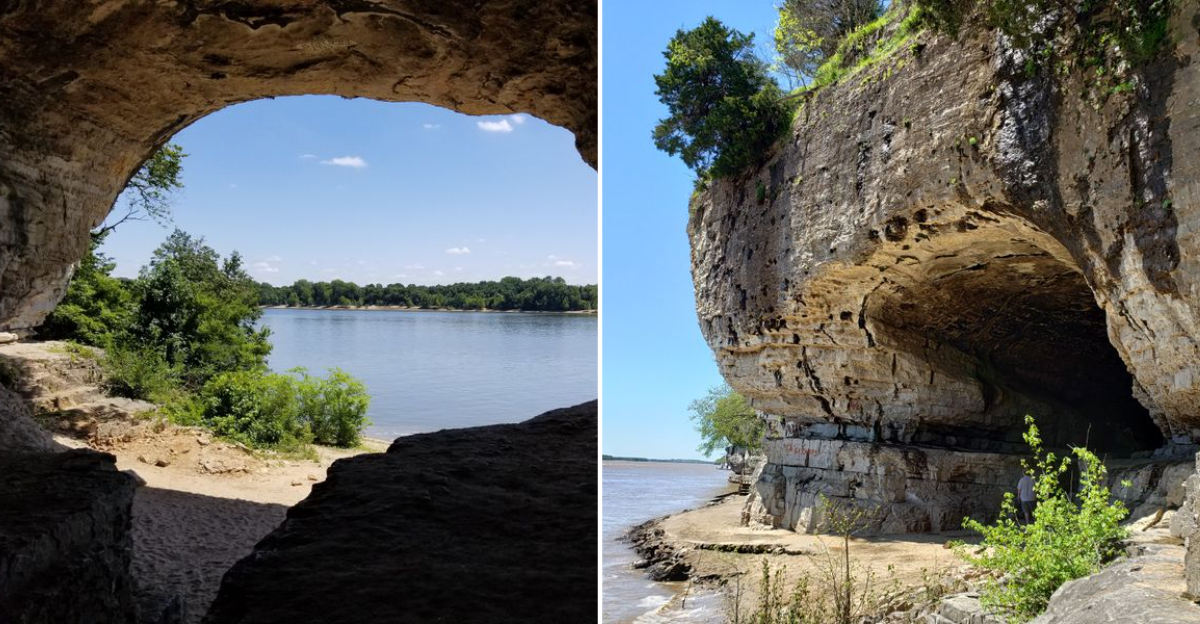
A few minutes later, I was standing in front of a limestone cave so wide and dramatic it completely reset my expectations. Cave-In-Rock isn’t subtle.
The opening stretches across the cliff like something that shouldn’t exist in the Midwest at all, and the Ohio River rolls past right below it, steady and loud and impossible to ignore. People have been stopping here for thousands of years, long before state parks or road signs, and once you see it in person, that makes perfect sense.
It doesn’t feel like a quick roadside stop. It feels like a place that watched things happen, kept stories, and somehow ended up open to anyone willing to walk down a few stairs and pay attention.
A Natural Wonder That Defies Expectations
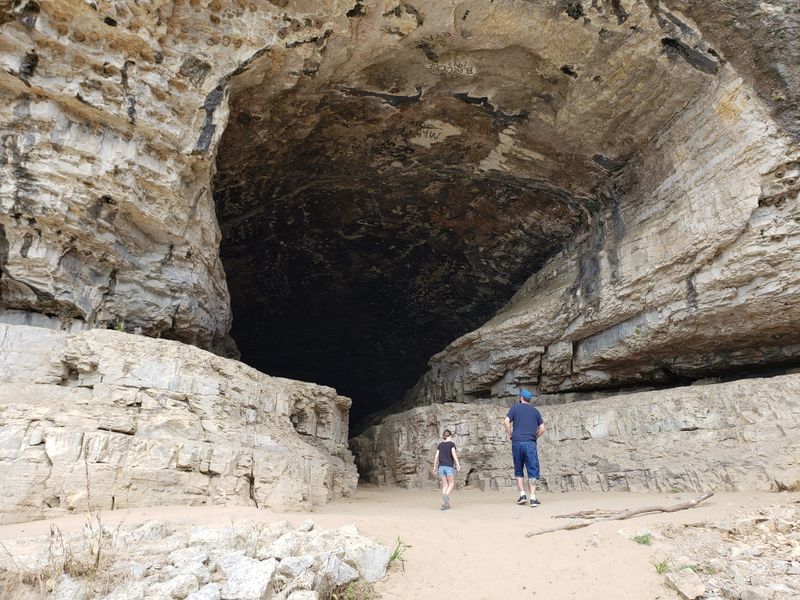
Picture this: you’re walking along a wooded trail when suddenly the trees part and you’re staring at a cave entrance so enormous it could swallow a two-story house. Cave-In-Rock isn’t your typical squeeze-through-on-your-belly cave experience.
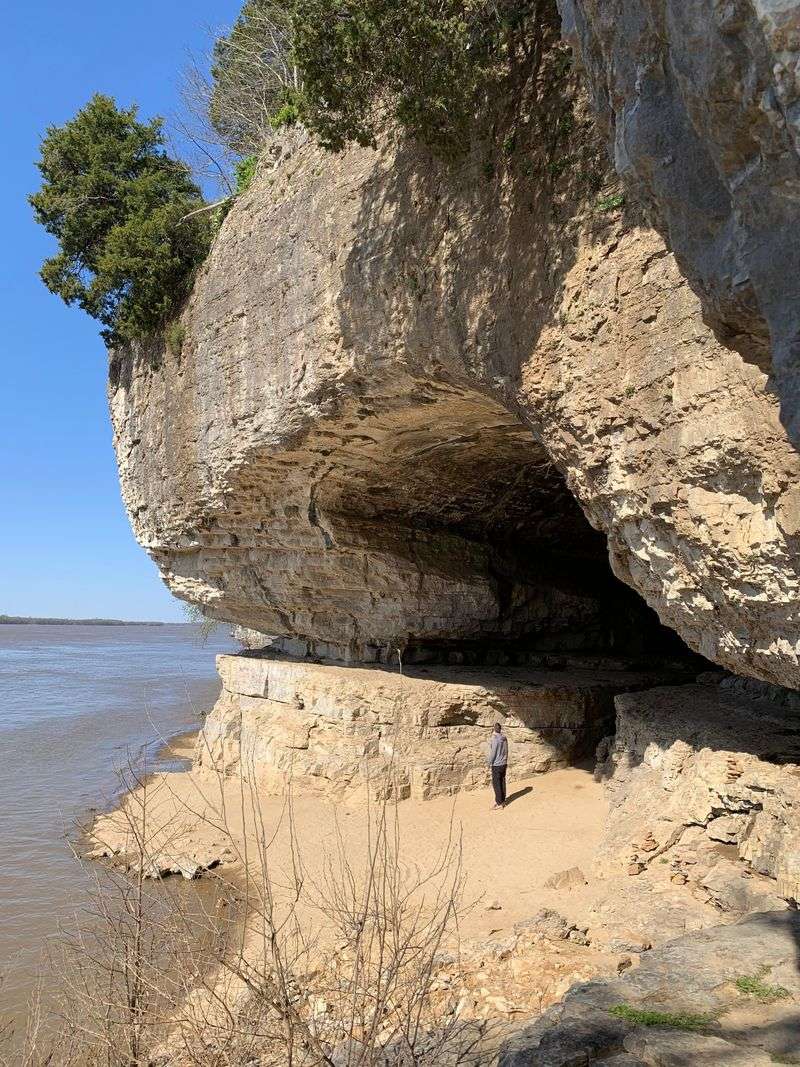
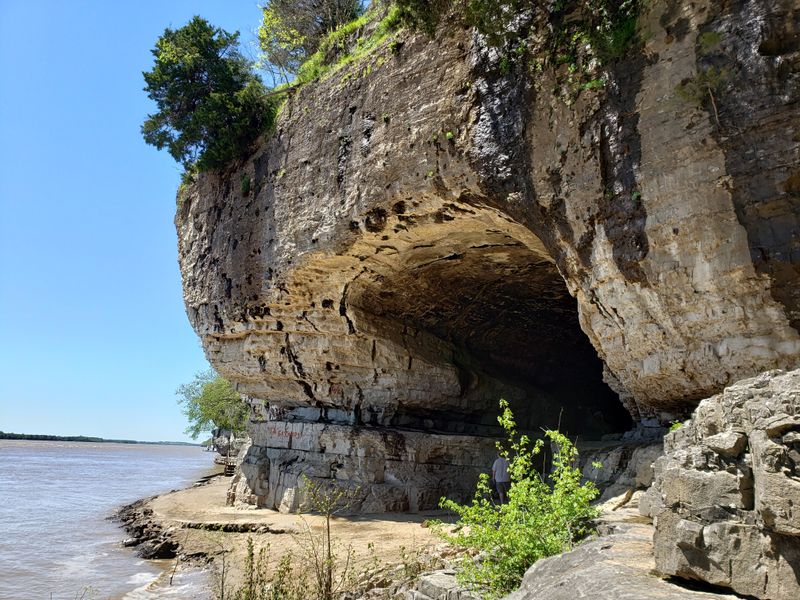
The limestone opening stretches 55 feet across and towers overhead like nature’s own cathedral. The cave is set within limestone bluffs overlooking the Ohio River and is reached by descending a stairway rather than sitting directly at river level.
What makes this geological marvel even more spectacular is the way natural light enters the cave opening, illuminating much of the interior during daylight hours.
Ancient waters carved this masterpiece over thousands of years, cutting through layers of limestone as the Ohio River shaped the surrounding landscape. While the limestone bedrock dates to the Mississippian Period (roughly 320 million years ago), the cave opening itself formed much later.
The walls still show the water’s handiwork in smooth curves and interesting formations.
Visitors often gasp when they first glimpse the cave’s scale. It’s one thing to read “55 feet wide” and quite another to stand beneath that massive opening and feel genuinely tiny in comparison.
The Free Ferry That Makes Getting There Half The Fun
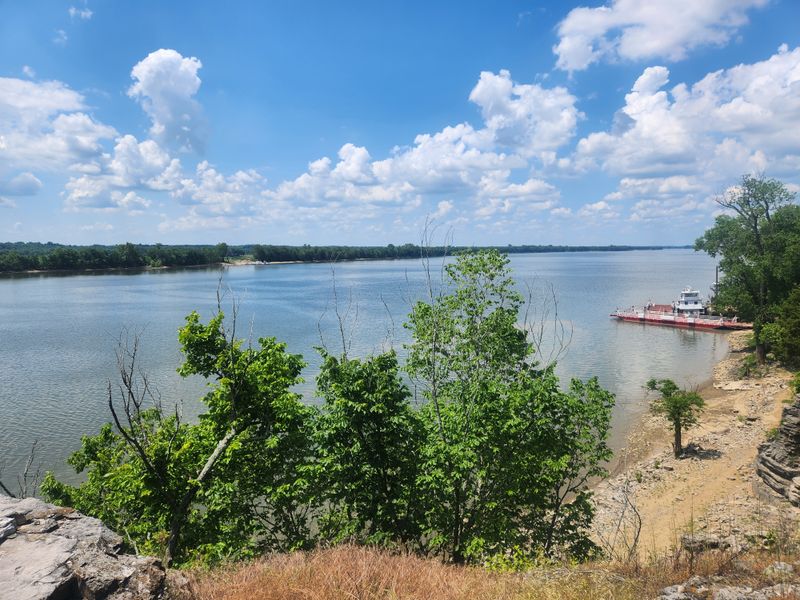
Here’s something you don’t experience every day: a completely free ferry ride across one of America’s great rivers. The Cave-In-Rock Ferry connects Illinois to Kentucky, and it costs exactly zero dollars to board.
This isn’t some tiny fishing boat either. The ferry handles full-sized vehicles, motorcycles, and even the occasional Amish buggy from the surrounding communities.
The crossing takes just a few minutes, but those minutes deliver spectacular views up and down the Ohio River. You’ll watch tugboats pushing massive barges, see cliffs rising from the water, and get a river-level perspective that landlubbers rarely experience.
The ferry generally operates daily but is subject to weather conditions, river levels, and maintenance closures. There’s something genuinely thrilling about driving your car onto a boat, feeling it rock gently beneath you, and then driving off onto a completely different state.
Many visitors stumble upon the ferry by accident and end up calling it their favorite part of the trip. The crew members are friendly locals who’ve been making this crossing for years, and they’re happy to answer questions about the river traffic you’re watching.
River Pirates Once Called This Cave Home
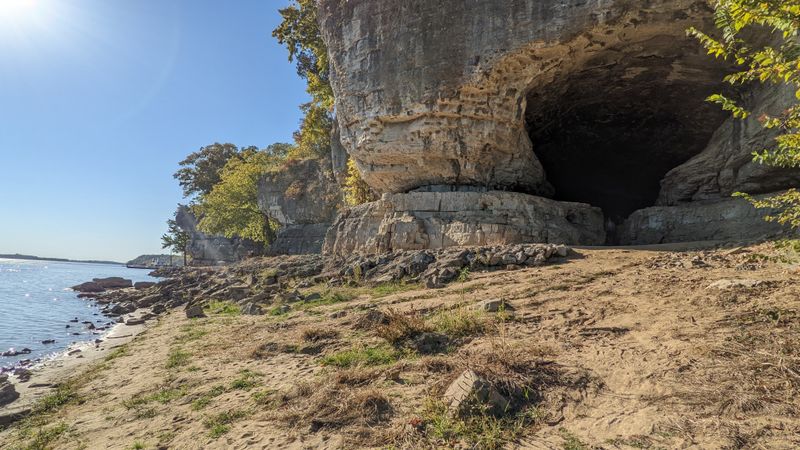
Before this became a peaceful state park, Cave-In-Rock had a considerably rougher reputation. During the late 1700s and early 1800s, the cave served as headquarters for some of the Ohio River’s most notorious outlaws.
River pirates would hide inside the massive opening, watching for flatboats loaded with settlers heading west. These weren’t the peg-legged, parrot-carrying pirates of Caribbean fame—they were frontier criminals who robbed, and sometimes murdered, travelers on the river.
The most infamous resident was Samuel Mason, a former Revolutionary War officer turned outlaw. Mason’s gang would lure boats to shore with promises of supplies or entertainment, then rob the passengers blind.
Another colorful criminal, Big Harpe, used the cave as a hideout until locals finally caught up with him. His head ended up displayed on a pole as a warning to other would-be bandits—frontier justice was brutal and direct.
Some details of the cave’s outlaw past are based on regional history and legend, but Samuel Mason’s occupation of the cave is well documented. The cave’s dark history adds an extra thrill to your visit.
Steps Leading To River-Level Adventure
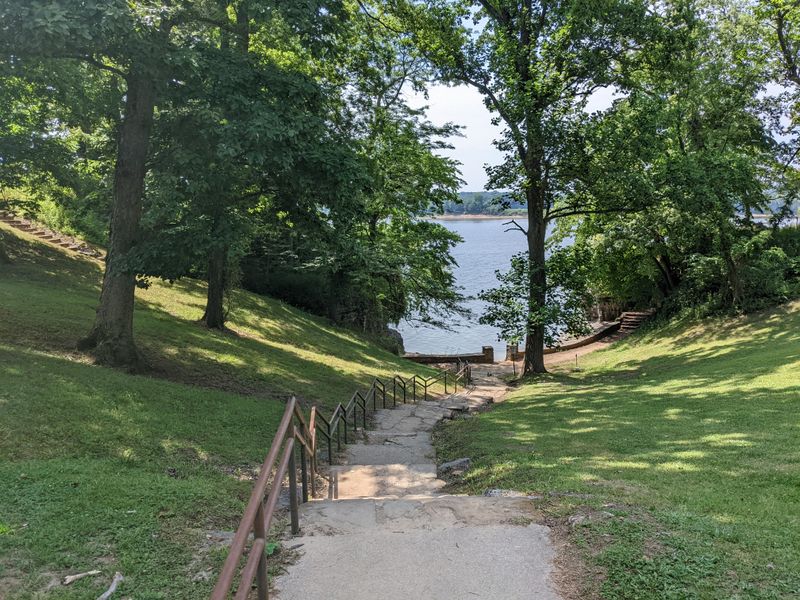
Getting to the cave requires navigating a series of stairs that wind down the hillside toward the river. Don’t let this scare you off—the descent is manageable for most visitors and absolutely worth the effort.
The stairway system includes several platforms where you can pause to catch your breath and snap photos of the river below. Each platform offers a slightly different perspective as you descend through the tree canopy toward the water.
Approximately 55 to 60 steps separate the parking area from the cave entrance, according to the Illinois Department of Natural Resources. The stairs are well-maintained with handrails, though they can get slippery after rain or during winter months.
What goes down must come up, of course, and the return climb gives your legs a decent workout. The park hasn’t installed accessible ramps to the cave, unfortunately, which means visitors with mobility challenges will struggle with this attraction.
Inside The Cave Where Light Meets Shadow
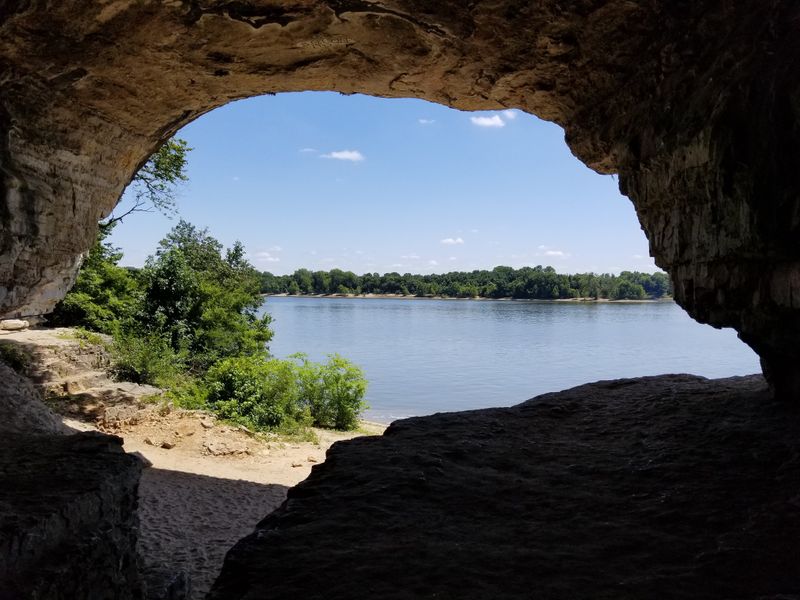
Step inside the cave and prepare for your eyes to adjust. The entrance stays relatively bright thanks to that enormous opening, but the back portions fall into deeper shadow where you’ll want a flashlight or phone light.
The cave floor can be muddy and damp, especially after rain, but it’s not treacherously slippery if you watch your step. The ground slopes gently upward as you move toward the back, where the ceiling lowers considerably.
Natural light entering from the cave opening creates dramatic lighting effects throughout the day, illuminating dust particles in the air and giving the space an ethereal feel.
The cave stays notably cooler than outside temperatures, making it a refreshing escape during summer visits. Graffiti mars some of the walls, unfortunately, generations of visitors have carved names and dates into the soft limestone.
The Ohio River Views That Stop You In Your Tracks
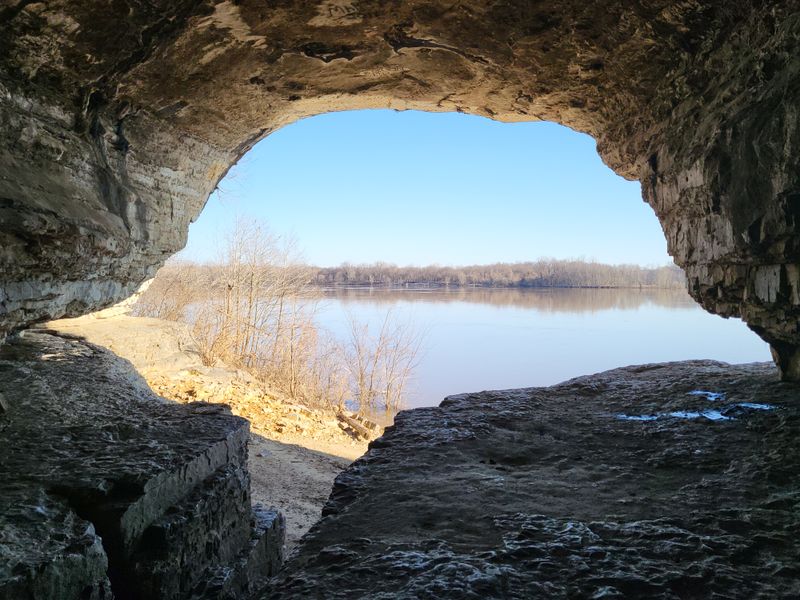
Even if the cave didn’t exist, this park would be worth visiting just for the river views. The Ohio River stretches wide and powerful here, with wooded Kentucky cliffs rising from the opposite shore.
From the cave entrance, you’re positioned at water level watching one of America’s most important commercial waterways in action. Tugboats push enormous barge chains up and down the river, their engines rumbling in the distance.
The river is exceptionally wide at this point, creating big-water views that feel more like a lake or inland sea than a typical river. The water color changes with the seasons and weather.
Several overlooks in the park offer elevated perspectives where you can see the river bending through the landscape. These viewpoints are perfect for sunset watching when the water turns golden and pink.
Occasional dead carp wash up along the shoreline, especially during spawning season or after tournaments. The smell can be unpleasant, but it’s temporary and part of the natural river ecosystem.
Watching river traffic from the cave mouth gives you a sense of the constant commerce flowing along this historic waterway.
Camping Where Pirates Once Plotted
The park offers 34 electric campsites and additional non-electric tent sites, allowing visitors to extend their stay beyond a quick cave visit.
Sites are arranged in a loop and can accommodate large RVs, with the Illinois Department of Natural Resources noting that some sites can handle units up to 60 feet long. Each electric site includes reliable power hookups.
Camping fees are set by IDNR and vary by site type and season, with electric sites typically costing $20 per night and higher rates on major holiday weekends. Shower houses, restrooms, and a dump station are available to campers.
Facilities are generally clean and functional, though some visitors note that the shower house design can lead to wet floors. Shady trees provide welcome cover, and a grassy interior area offers room for kids to play.
A Tiny Fishing Village Frozen In Time
The town of Cave-In-Rock feels like it belongs to another century. This tiny riverside community on the Illinois side of the Ohio River has a population of just over 200 residents.
When you drive in from the highway, you pass through winding country roads that narrow as you approach the river. Amish signs and convenience stores pop up unexpectedly, adding to the feeling that you’ve traveled back in time.
The village itself consists of a handful of buildings clustered near the ferry landing. There’s a restaurant with a deck overlooking the river where locals gather, though visitors report the food is hit-or-miss.
The nearest Dollar General sits 13 miles away, which tells you everything about the remoteness of this place. This isn’t a tourist trap with gift shops and chain restaurants—it’s an authentic river community where people still make their living from the water.
You might witness river workers getting picked up by dinghies to join tugboat crews, a scene that feels straight out of Mark Twain. The whole place moves at a slower pace that’s both refreshing and slightly disorienting for city folks.
This remoteness is part of the park’s charm, keeping crowds manageable and the experience authentic.
Practical Details That Make Your Visit Smooth
Park hours, ferry operations, and campground availability can change seasonally or due to weather, so visitors are encouraged to check the Illinois Department of Natural Resources website or call ahead before arriving. While the park is generally open daily, conditions along the river and seasonal staffing can affect access at times.
There is no admission fee to enter the park or visit the cave, making it an affordable stop for families and road trippers alike. Parking is available near the cave trailhead, with designated lots that are typically sufficient except during busy holiday weekends.
Vault-style pit toilets are located near the parking area. These are basic facilities without running water, so it’s a good idea to plan restroom breaks accordingly, especially if you’re visiting with children.
The cave itself requires no special equipment to explore beyond sturdy walking shoes and a flashlight or phone light for darker areas near the back. During wetter seasons, the cave floor can be muddy, and boots may be a smart choice.
Cell service can be unreliable in this remote corner of Illinois, particularly near the river bluffs. Download maps or directions in advance, and don’t rely on having a signal once you arrive.
For questions or updates, the park office can be reached at 618-289-4325.
Spring and fall are generally considered the best times to visit, when temperatures are comfortable and foliage adds extra color to the landscape. Summer can be hot and humid, though the cave provides a naturally cool retreat.
Beyond The Cave: Trails And River Exploration
While the cave is the undeniable star of the park, there’s more to explore if you linger a little longer. Several short trails wind through wooded hillsides, offering occasional overlooks and quiet forest scenery that contrasts nicely with the open river views.
The trail system isn’t extensive or particularly challenging, making it well suited for casual walkers rather than hardcore hikers. Still, the paths are peaceful and rewarding, especially during spring wildflower season or when autumn colors light up the trees.
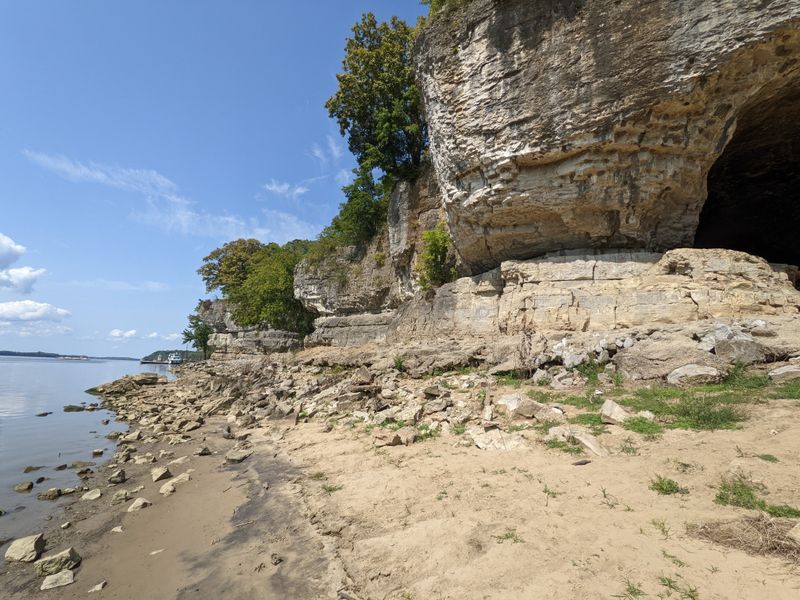
Near the cave entrance, visitors can walk along the riverbank and watch the Ohio River flow past at close range. It’s a calming spot to sit and observe the constant movement of barges, tugboats, and shifting water patterns.
Fishing is popular along the shoreline, with anglers targeting species like catfish and bass. As with many large rivers, conditions change seasonally, and the river environment can feel raw and untamed at times.
Photography opportunities are plentiful throughout the park. The massive cave opening framing the river, the ferry crossing back and forth, and the limestone bluffs all make striking subjects, especially in early morning or late afternoon light.
Garden of the Gods in Shawnee National Forest is roughly 30 to 60 minutes away by car, depending on the route you take.
Pairing the two destinations makes for a full day of exploring southern Illinois, a region that continues to surprise visitors with its rugged beauty, layered history, and sense of isolation far removed from the state’s urban centers.