
Follow This Secret Stone Stairway To One Of Illinois’ Prettiest Swimming Holes
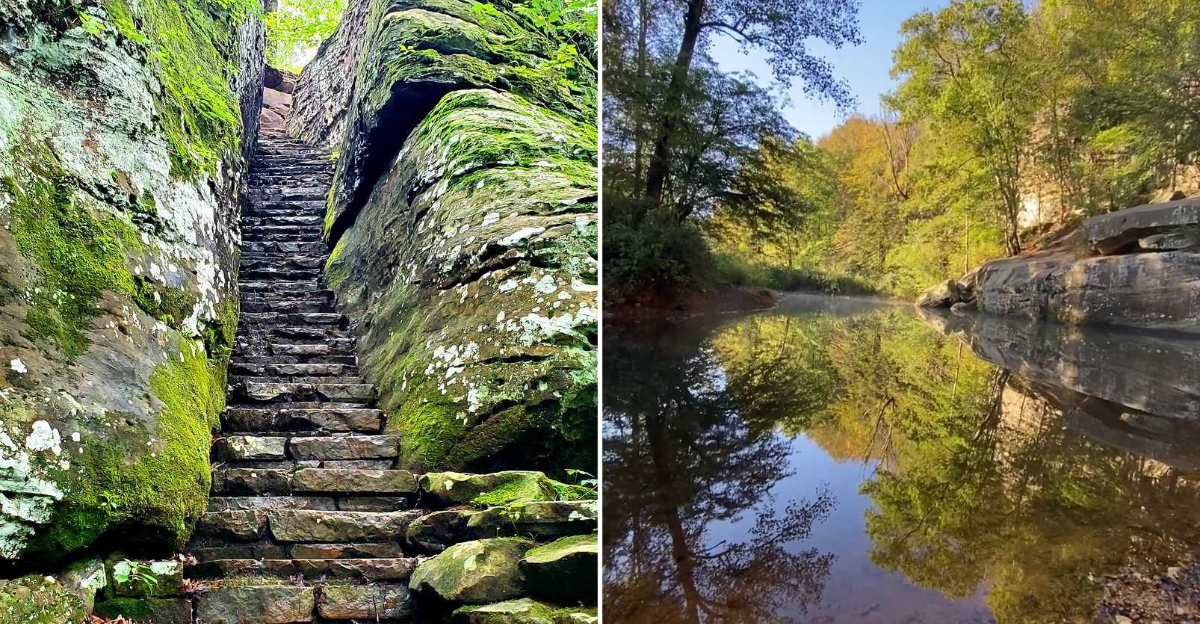
The trail stays quiet at first, shaded by tall oaks and the occasional sweep of sandstone rising through the trees. Then the sound of water slips in, faint at first, then steady, echoing through the canyon before the creek ever comes into sight.
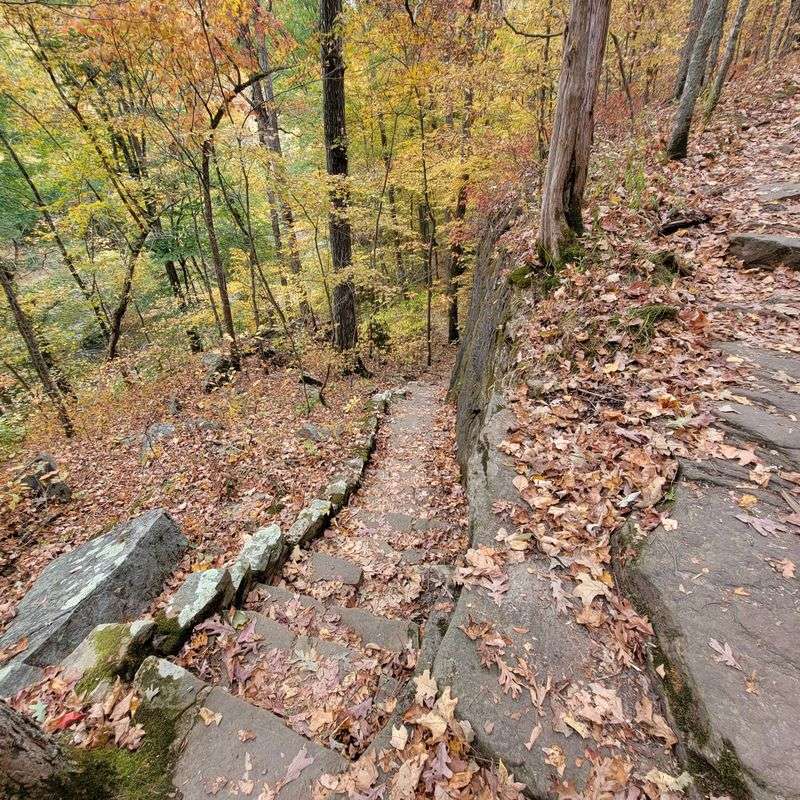
A turn in the path reveals the stairway, a run of worn stone steps set into the bluff, leading down through cool shadow and pockets of fern. The air changes as the descent begins, carrying the damp, mineral scent of the gorge below.
At the bottom, the creek widens into a deep, clear pool where sunlight filters through leaves and glints off the water’s surface. Places like this give Illinois a different texture… quieter, older, and shaped more by erosion than by time on a clock.
The Secret Stone Stairway
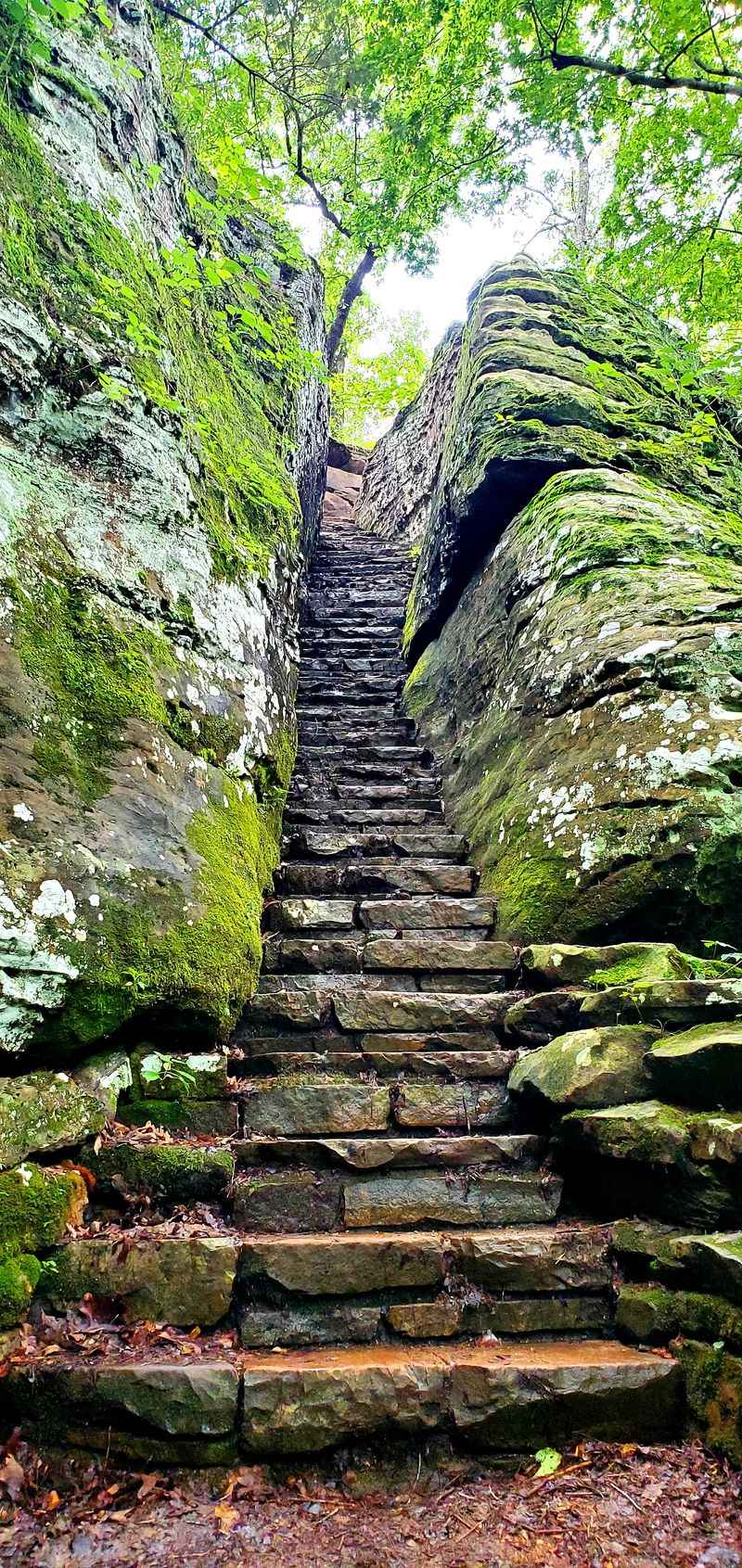
The stone steps drop from the bluff like a whispered invitation, built into the cliffside and framed by oaks and hickories. You feel the temperature shift as you descend, the air turning cool and earthy, smells of leaf litter and wet rock rising to meet you.
Every footfall rings slightly, a soft scrape that makes you aware of the steep climb you will face later.
Expect few or no handrails, so take your time, especially if the rock is damp. These stairs are not ornamental.
They are the spine of the approach, built to negotiate the cliffs that guard the water. Pause halfway and look across the valley.
The creek flashes silver and green, a hint of what is waiting below.
On busy summer weekends, you will hear voices drifting upward, laughter mixing with bird calls. Early mornings feel private and almost ancient.
Snap a photo at the top so you remember where you started. When you come back up, breathing hard, you will be grateful for sturdy shoes, patience, and a bottle of cold water waiting in the car.
The Prettiest Swimming Hole
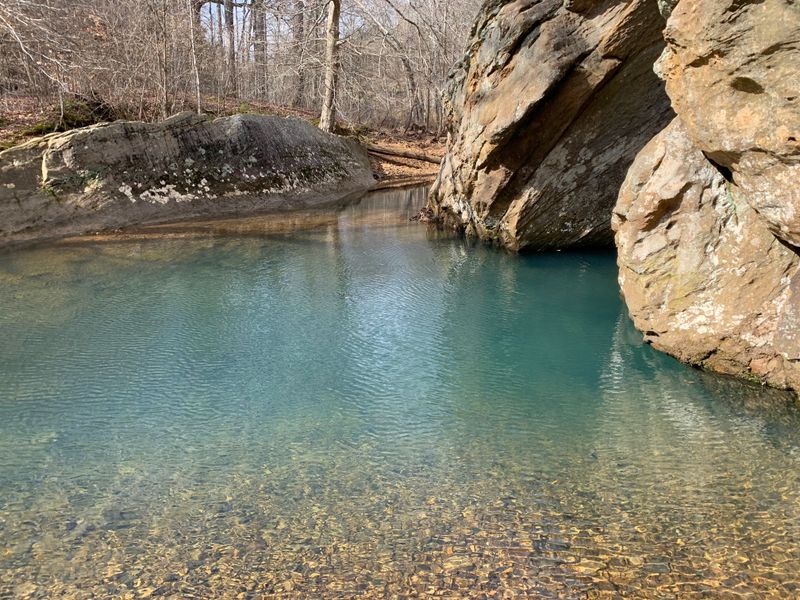
The swimming hole glows like a bottle of green glass tipped into sunlight. Water here is often clear enough to reveal pebbles and pale sand, with deeper jade pockets where fish flicker past your ankles.
Wade in slowly. The first chill arrives like a dare, then the body relaxes, and the heat of the hike blows away.
If you brought kids, choose the shallow edges. Strong swimmers can drift toward the calm middle.
This is an unsupervised natural swimming area with no lifeguards or designated rope lines. After big rains, currents change and depths shift, so move cautiously and avoid jumping.
Bring water shoes to dodge slick algae and sharp gravel.
On hot days, the place hums with families, loyal pups, and swimmers cooling off along the rocks. For quiet, come early or on a weekday.
Pack out every wrapper and bottle. A few people leave messes, and it shows.
You can do better. Find a patch of shade beneath the bluff, lean back, and watch sunlight braid down through leaves.
The water softens every worry.
Devil’s Backbone And The Rock Bridge
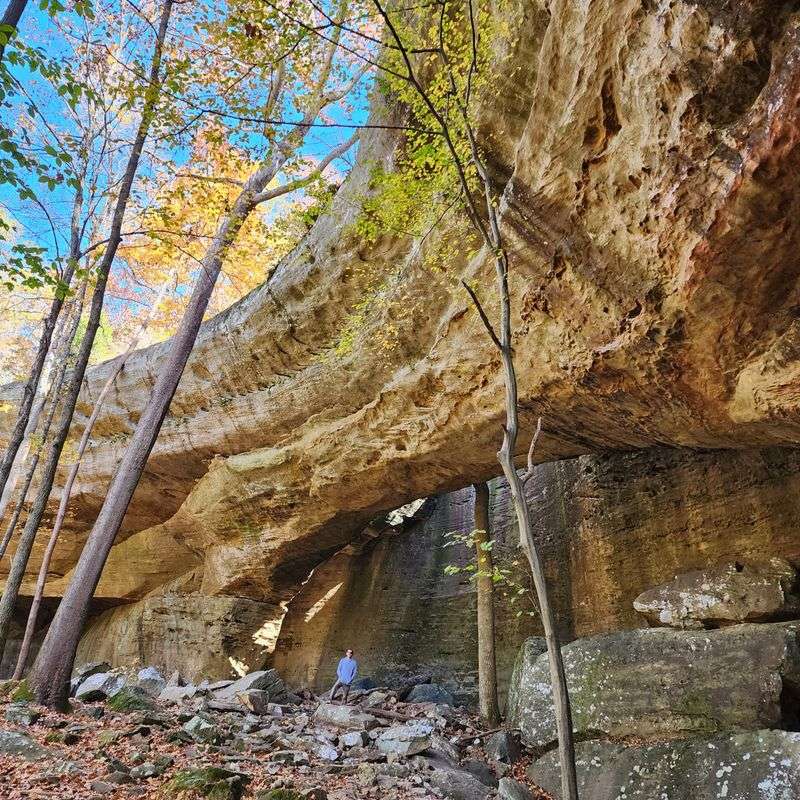
Follow the trail and the sandstone starts to play tricks. Devil’s Backbone rises like a fin, a narrow spine of rock where wind scrapes your ears and the valley opens on both sides.
It is gorgeous and a little nerve wracking, so keep kids close and step with intention. Farther along, the natural rock bridge spans a shaded ravine.
Stand beneath the arch and you can feel the cool air settle around your shoulders. Reach out and touch the stone.
It is grainy, soft as sandpaper, carved by water and time. Some hikers miss the bridge because trail signage can be easy to overlook.
A downloaded map helps, as does patience if you need to backtrack.
These formations began as ancient sediment layers, compacted over time into sandstone that now weathers into shelves, knobs, and improbable windows.
They photograph beautifully in the late day when shadows edge every curve. Please resist carving names into the rock.
Graffiti scars do not belong here. Leave it wild so the next person feels that same small shock of wonder.
Water Levels, Seasons, And Timing
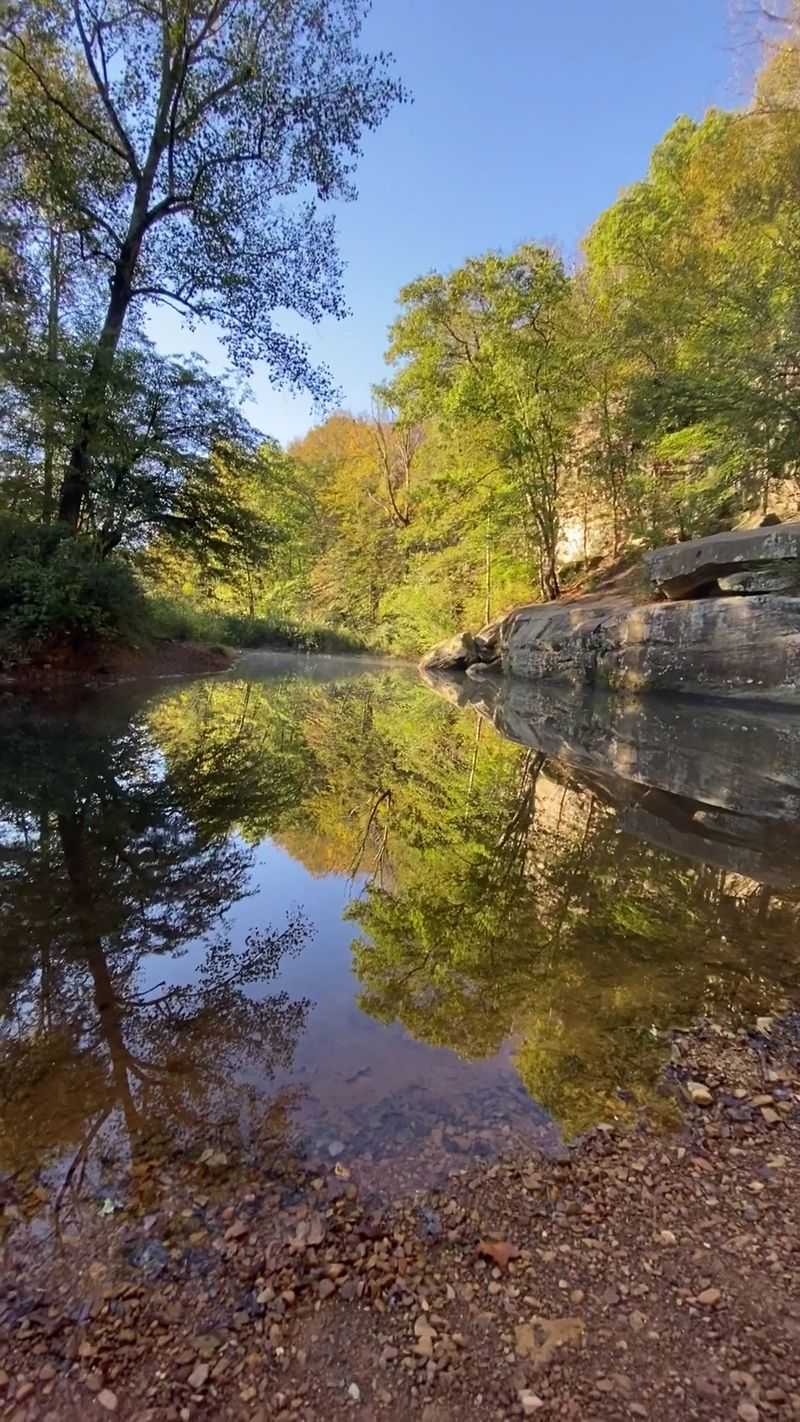
Bell Smith Springs changes with the calendar, and timing your visit makes all the difference. After spring rains, creeks run high and lively, with little ribbons of waterfalls sneaking off ledges.
Summer concentrates the scene around swimming, warm rocks, and long golden evenings. Fall turns the oaks and maples into a canopy of fire, while winter pares everything back to stone and quiet.
The trail system is open year-round, but check the Forest Service page for alerts, closures, or seasonal notes before visiting. Parking lots sometimes fill by late morning on summer weekends.
If you want a peaceful swim, aim for early or come on a weekday. Mud is common after storms.
Trails can be slick.
Water clarity is usually excellent, but runoff can cloud it, and some pools shrink in drought. No lifeguards, no rentals, no concessions, so bring what you need and pack it out.
The best times for photography are early morning and late afternoon when the light burrows into the canyon. The best time for breathing deep is now, whenever you can make it.
Finding The Trailheads And Parking
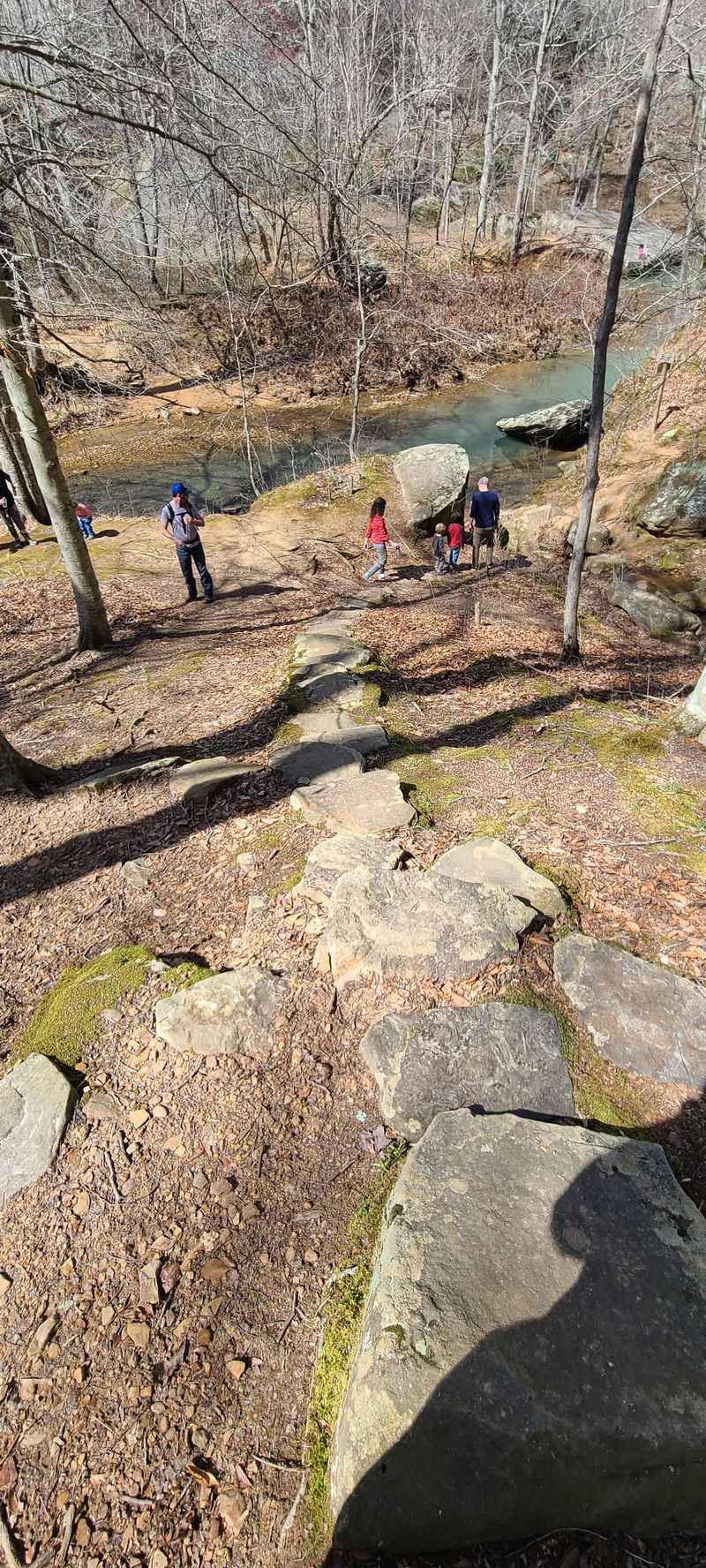
The final road in can be bumpy, with potholes that keep you honest. Go slow, especially after heavy weather.
You will find small parking areas and a signed trailhead that confirms you are in the right place. Facilities are basic but welcome: vault toilets at the main trailhead and limited trash receptacles.
Cell service is spotty, so snapshot the map at the kiosk.
Arrive early on summer Saturdays if you want the best chance at parking. Oversized rigs and trailers struggle here, and turnarounds are tight.
Lock your car, tuck valuables out of sight, and stash a big jug of water for the climb back. That sweet first sip in the shade of your tailgate will feel heroic.
The stairway trail starts near the main lot, but several other paths fork into loops and connectors. Some blazes are faded or confusing.
When in doubt, let the creek guide you, and be ready for shallow crossings where stones form hopscotch lines. Your shoes may get wet.
That is part of the fun.
Safety, Accessibility, And What To Bring
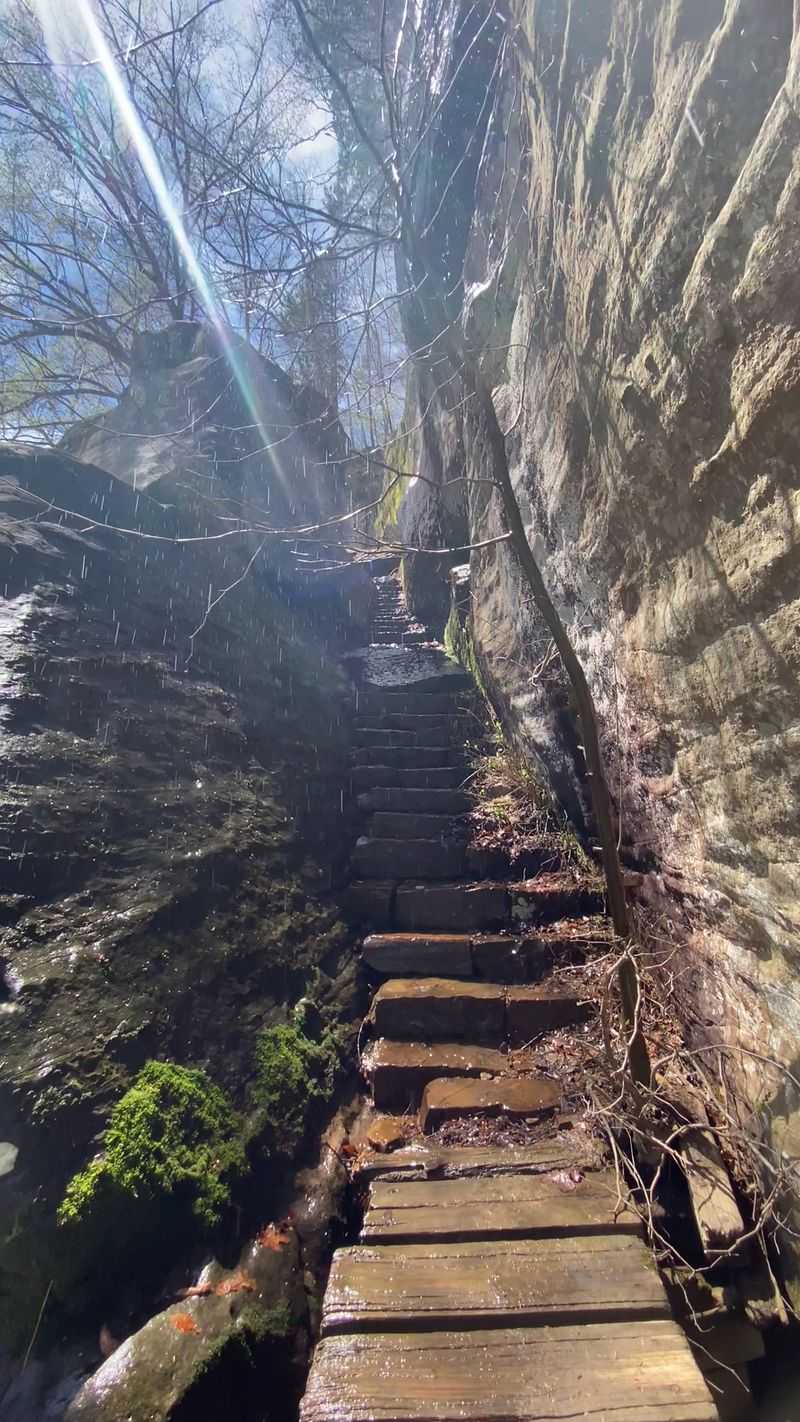
Bell Smith Springs is beautiful and physical. The stairs are steep, the rocks can be slick, and the bluffs demand focus.
Not everyone will love that climb, and that is okay, the terrain here is rugged and can be physically demanding. If stairs and uneven terrain are tough, consider enjoying views from higher, flatter stretches or tag along with a friend who can take it slower.
Bring grippy shoes, plenty of water, snacks, a small first aid kit, and a printed or downloaded map. Trekking poles help on wet days.
For kids, pack life vests for the water’s edge and a dry change of clothes. Dogs are welcome on leash.
Keep them away from cliff edges and give them rest breaks and water.
There are no lifeguards, no rentals, and limited cell service. If something feels risky, step back.
Weather changes fast after storms. If the creek is roaring or muddy, hold off on swimming.
This place rewards patience, planning, and a little humility. You will enjoy it more when you are ready for its muscle.
History In The Sandstone
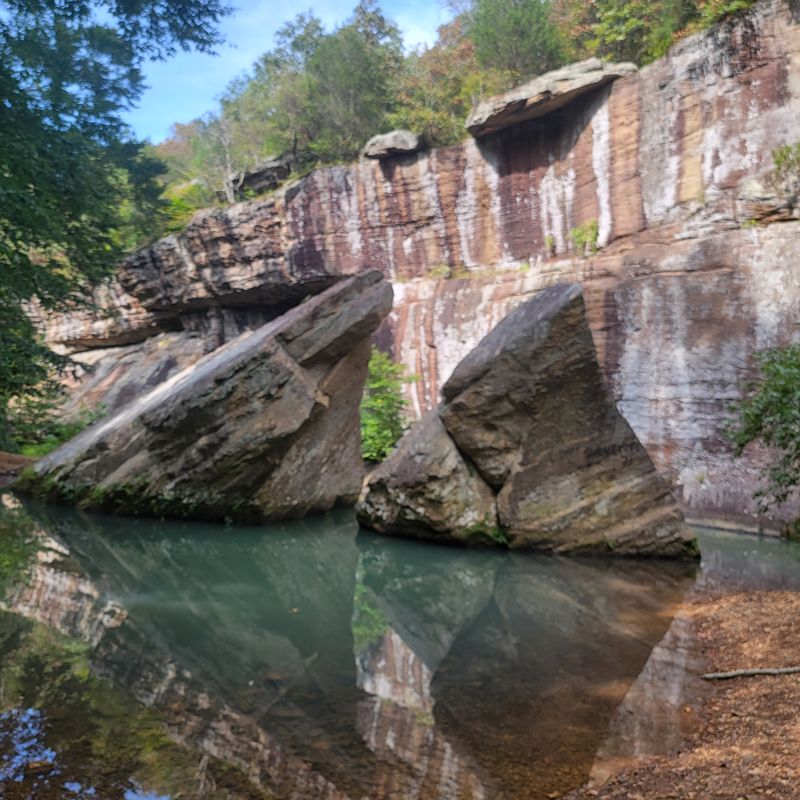
Walk the canyon and you are tracing old waters. These sandstone walls formed from ancient sediments, compacted and lifted, then carved by creeks that never stop worrying at their edges.
Shawnee National Forest carries layers of human stories too, from Indigenous presence to early settlers to CCC-era work elsewhere in the region. At Bell Smith Springs, the steps and trails feel humble, practical, built for reaching water.
The name likely reflects families who once lived and worked near these hollows, though detailed records are limited on-site. Exact dates are hard to pin down without on-site signage, but the landscape speaks clearly.
Natural bridges and alcoves collect cool air where travelers once paused for shade. Imagine a hot July in 1910 and the same relief when feet hit the creek.
In some areas, you may notice signs of past trail work in the stone. They tell of hand labor used to tame the steepest bits.
The best museum is the canyon itself, and every thunderstorm edits the exhibit. If you love history, read the Forest Service page before you go, then bring your questions and curiosity.
The rock will answer slowly.
Trail Navigation Without The Stress
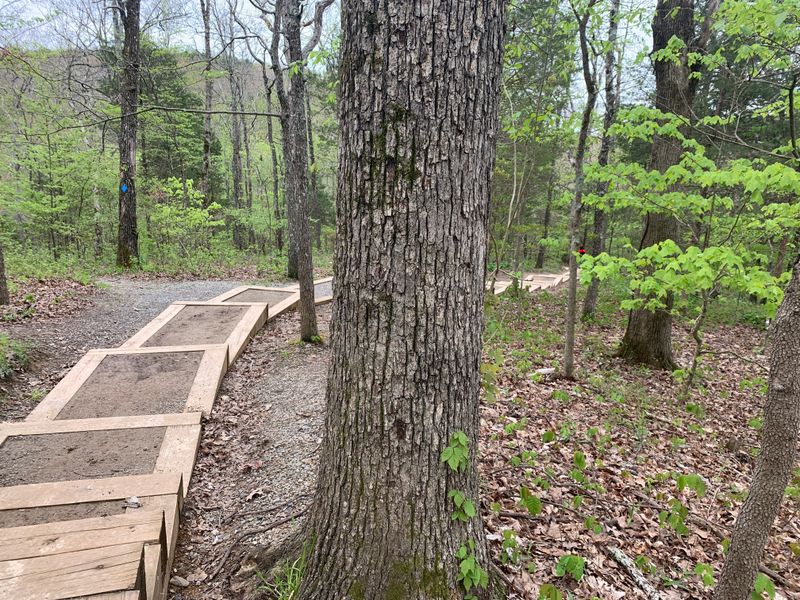
Trails here braid together like threads, which is charming until a blaze vanishes and you second guess everything. Some segments are color-marked, though blazes can fade and junctions may require attention.
Download an offline map before you arrive, note the main loops, and take a quick photo of the trailhead board. It is the simplest insurance against a frustrating detour.
When you hit a confusing fork, listen for the creek and look for the most scuffed path. If you pass the arch or a viewpoint without noticing, no worries.
Turn around and try again. The distances are modest, but the terrain slows you down.
That is good news. It leaves more time for lingering.
Creek crossings are part of the adventure. Step on dry, stable stones and poke suspect rocks with a pole before committing.
After storms, water may be too high. Accept the reroute and keep your socks dry.
The reward is arriving at the swimming hole without the scramble of uncertainty clouding your mood.
Leave No Trace, Please
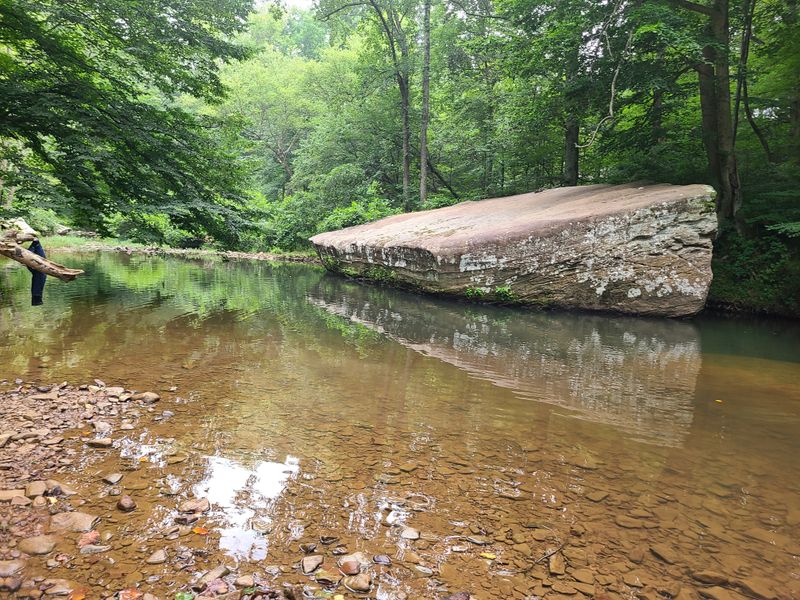
The water looks like glass, which is exactly why trash stings here. You notice a bottle in the sand and it breaks the spell.
Reviews mention litter, and they are not wrong. It only takes a handful of careless people to sour a day.
You can help turn the tide with one simple habit: pack out more than you brought in.
Bring a lightweight bag and scoop stray wrappers on your way out. Keep glass at home, especially near the rocks where it shatters into dangerous shards.
If you see graffiti, do not try to scrub it yourself. Report it if there is a ranger around and move on.
The best antidote is modeling respect.
Access is free, which is a gift that depends on everyone treating the place like a shared backyard. That means leaving driftwood where you found it, keeping noise reasonable, and giving wildlife space.
A clean beach changes the whole mood. The creek deserves that sparkle.
Practical Costs, Hours, And Nearby Logistics
Most visitors treat Bell Smith Springs as a low-cost day out, though camping fees apply in designated areas. Check the Shawnee National Forest website for current fees, seasonal notices, or closures, camping fees apply and policies can change.
Expect daylight access, with parking areas open when conditions allow. There are no ticket booths, rentals, or snack stands, so plan to be self-sufficient.
Potable water is listed on-site, but it is still wise to bring plenty of your own. Bring cash only if you plan to swing through nearby towns for food or gas.
Cell coverage comes and goes, so screenshot directions and the trail map before you leave home. Ozark is small, and the last stretch is rural, which is exactly why the night skies look like spilled sugar.
Restrooms sit by the main lot. They are basic, so carry hand sanitizer and your own toilet paper just in case.
Plan for a half day at minimum. If you want to swim, hike to the arch, and linger on the rocks, make it a full one.
Nearby campgrounds in the broader Shawnee area expand your options, but confirm availability in advance. Weather calls the shots here.