
15 Foods Coloradans Miss The Second They Leave The Rockies
I still remember the first time I left Colorado for a work trip and tried to order a breakfast burrito smothered in green chile. The confused look from the waiter said it all—some foods simply don’t travel beyond the mountains.
Back home, that fiery, flavorful sauce is more than a condiment; it’s a way of life. Colorado’s unique blend of Southwestern spice and Rocky Mountain comfort has shaped a food culture all its own, one that locals carry with them wherever they go.
The moment we touch down anywhere else, we’re already dreaming of that first bite back home.
1. Colorado Pork Green Chile
My grandmother used to simmer a pot of this liquid gold every Sunday, and the smell would drift through her entire Denver neighborhood.
Colorado pork green chile is not salsa, not a topping, but a thick, soul-warming stew that we pour over everything from eggs to enchiladas. Made with Pueblo or Hatch peppers and tender chunks of pork, it carries just enough heat to remind you it means business.
Every family guards their recipe like a state secret, tweaking the roast level of the peppers or the cut of meat. The statewide obsession runs so deep that restaurants offer it by the quart for takeout. When I moved to Chicago briefly, I actually had my mom ship me frozen containers because nothing else could fill that spicy, savory void.
2. Green Chile Smothered Breakfast Burritos
Breakfast in Colorado means one thing: a flour tortilla stuffed with eggs, potatoes, cheese, and your choice of bacon or sausage, then drowned in green chile until the plate looks like a delicious swamp.
The Colorado Department of Agriculture even highlights this dish as a state signature, and for good reason. Every diner from Fort Collins to Colorado Springs has their own version, and locals will argue passionately about whose is best.
I once watched a friend from Boston attempt to eat one without a fork and knife. Big mistake. The chile smother turns breakfast into an event, not just a meal, and the combination of creamy eggs with smoky peppers creates magic that other states just cannot replicate.
3. The Pueblo Slopper
Born in Pueblo and treated like a sacred rite of passage, the Slopper is exactly what it sounds like: a cheeseburger absolutely drowning in green chile.
Forget neat eating or preserving your shirt; this dish demands commitment and a healthy supply of napkins. The chile soaks into the bun, mingles with the beef juices, and creates a messy masterpiece that somehow tastes even better than it sounds.
Locals in Pueblo will tell you which joint serves the best one, and trust me, they take it seriously. I tried explaining this concept to friends in Atlanta, and they looked at me like I had invented a new language. Some foods just belong to their birthplace, and the Slopper is pure southern Colorado poetry.
4. Colorado Style Mountain Pie Pizza
Forget thin crust or New York slices; Colorado does pizza with a thick, hand-rolled honey crust that practically qualifies as bread art.
The tradition started in mountain towns where hungry skiers needed serious fuel, and restaurants like Beau Jo’s turned pizza into an experience. You pile on the oversized toppings, then dip the leftover crust edges into honey for a sweet finish that somehow works perfectly.
The first time I tried this in Idaho Springs, I thought dipping pizza in honey sounded ridiculous. One bite changed my mind forever. The combination of savory toppings with that sweet, doughy edge creates a flavor contrast that keeps you coming back. Out-of-state pizza joints just do not understand this genius move, and honestly, that is their loss.
5. Rocky Mountain Oysters
Let me be straight with you: these are fried bull testicles, and yes, they are a legitimate Denver bar snack that tourists dare each other to try while locals quietly order them without fanfare.
Breaded, deep-fried, and usually served with cocktail sauce, Rocky Mountain oysters have a surprisingly mild flavor and a texture somewhere between chicken and calamari. The name is a playful misdirection that has fooled countless visitors over the decades.
I watched my cousin from California nearly faint when someone told him what he had just eaten, but he admitted they tasted pretty good. These are not for everyone, but they represent Colorado’s ranching heritage and our refusal to waste any part of the animal. You will not find these on many menus outside the Rockies, and honestly, that makes them even more special.
6. Palisade Peaches
Every summer, Western Slope orchards produce peaches so juicy and sweet that eating one feels like biting into sunshine.
Palisade peaches have earned a reputation that stretches far beyond Colorado, celebrated at their own long-running festival each August. The high desert climate and cool mountain nights create the perfect growing conditions, resulting in fruit that practically melts in your mouth.
I once brought a box to friends in Seattle, and they accused me of exaggerating how good Colorado peaches were. After one bite, they took back every word. The difference between a Palisade peach and a grocery store impostor is night and day. When peach season hits, Coloradans buy them by the crate, making pies, cobblers, and jam, or just eating them over the sink because they are that messy and that perfect.
7. Olathe Sweet Corn
High elevation does something magical to corn, and Olathe sweet corn proves it every single August. Grown in the fertile valleys of western Colorado, this corn develops a sweetness that makes you question whether vegetables can actually taste like dessert.
The town celebrates with its own festival, and seasonal coverage always hypes up the limited harvest window because once it is gone, you wait a whole year for the next batch.
My family used to drive an hour just to buy fresh Olathe corn from roadside stands, and we would grill it that same evening. The kernels practically burst with sugary flavor, and honestly, butter feels almost unnecessary. Friends from the Midwest claim their corn is superior, but one taste of Olathe sweet corn usually ends that debate pretty quickly.
8. Denver Omelet
Ham, onions, bell peppers, and optional cheese folded into fluffy eggs create what might be the most famous omelet in America. The origins remain hotly debated, with some claiming it started as a sandwich for railroad workers, but the name and tradition belong firmly to Colorado. Every breakfast spot in Denver serves their version, and it has become the default order for anyone wanting a hearty, no-nonsense morning meal.
I have ordered Denver omelets from coast to coast, and somehow they never taste quite the same as they do in their namesake city. Maybe it is the altitude affecting how eggs cook, or maybe it is just the pride that Colorado cooks put into this simple dish. Either way, this omelet represents straightforward, satisfying comfort food that has stood the test of time and countless imitators.
9. Colorado Lamb
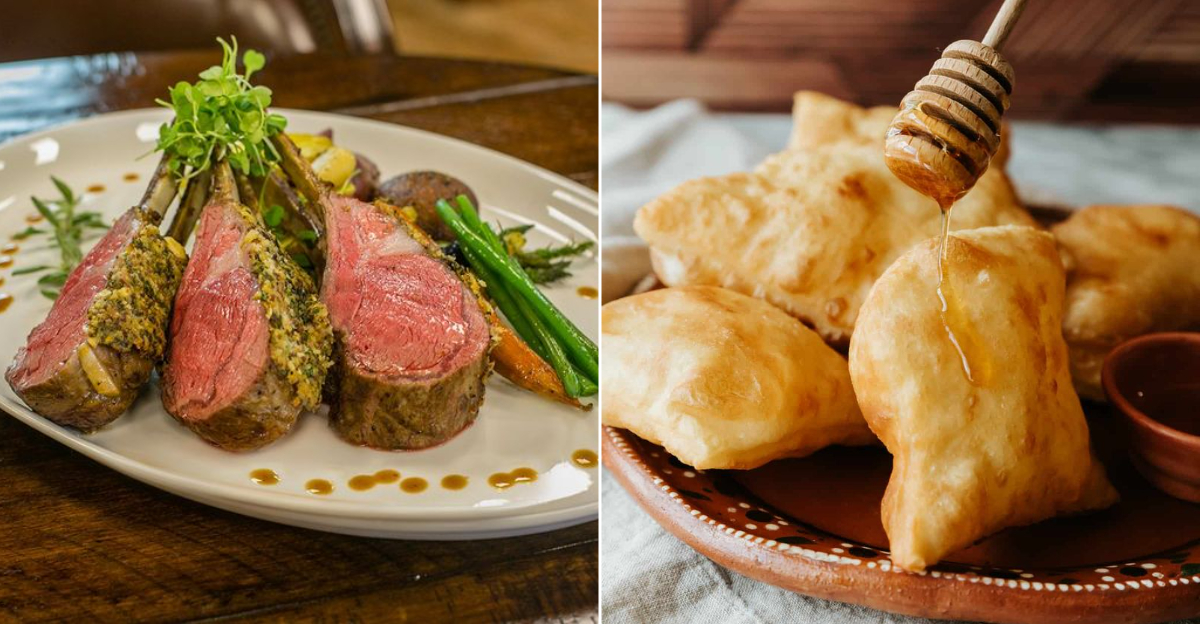
Colorado ranks among the top lamb producers in the United States, and restaurants nationwide specifically request our lamb for its exceptional quality and flavor.
Raised on mountain pastures and high-elevation grasslands, Colorado lamb develops a clean, mild taste without the gamey notes that turn some people away from the meat. Chefs prize it for everything from elegant chops to slow-roasted legs that fall off the bone.
I never appreciated lamb until I tried a rack at a Denver steakhouse, and suddenly I understood what all the fuss was about. The combination of our ranching expertise and ideal grazing conditions produces meat that rivals anything from New Zealand or Australia. When you see Colorado lamb on a menu outside the state, you know the chef is serious about sourcing the best ingredients available.
10. Rocky Mountain Trout
From cutthroat to rainbow varieties, trout shows up on Colorado menus and in our culinary lore like an old friend who always delivers.
Our mountain streams and cold lakes provide ideal habitat, and whether you catch it yourself or order it at a restaurant, Rocky Mountain trout offers delicate, flaky meat with a clean, fresh flavor. Pan-fried with butter and almonds or grilled with lemon, it tastes like the mountains themselves.
I caught my first trout in a stream near Estes Park when I was ten, and my dad cooked it over a campfire that same evening. That experience taught me what truly fresh fish should taste like, and nothing from the grocery store has ever compared. Colorado trout represents our connection to wild places and clean water, making every bite feel like a small adventure.
11. Smothered Steak Burritos
Taking the breakfast burrito concept and supersizing it for lunch or dinner, the smothered steak burrito has become a Colorado institution in its own right.
Tender grilled steak joins rice, beans, cheese, and sometimes guacamole inside a massive flour tortilla, then the whole thing gets buried under that signature green chile. The result is a meal that requires strategic planning, multiple napkins, and probably a nap afterward.
I have attempted to finish one of these monsters in a single sitting more times than I care to admit, and the leftovers somehow taste even better the next day. The combination of smoky steak with spicy chile creates layers of flavor that keep every bite interesting. Friends visiting from other states always want to try one, and watching their eyes widen when the plate arrives never gets old.
12. Bison Burgers
Leaner than beef but packed with rich, slightly sweet flavor, bison burgers have claimed their place on Colorado menus as a healthier alternative that does not sacrifice taste.
Ranches across the state raise bison, connecting us to the animals that once roamed these plains by the millions. The meat cooks a bit faster than beef due to its lower fat content, and when done right, it stays juicy and tender with a distinctive taste that beef just cannot match.
My first bison burger came from a food truck in Boulder, and I immediately understood why people rave about them. The flavor profile sits somewhere between beef and venison, earthy and satisfying without being heavy. Colorado has embraced bison as part of our food identity, and finding a good bison burger outside the Rocky Mountain region becomes surprisingly difficult once you start looking.
13. Elk Tenderloin
Wild game has always played a role in Colorado cuisine, and elk tenderloin represents the pinnacle of that tradition. Incredibly lean yet tender when prepared correctly, elk offers a rich, clean flavor that tastes like the forests and meadows where the animals roam. High-end restaurants throughout Colorado feature elk on their menus, often sourced from local ranches that raise the animals in semi-wild conditions.
I tried elk for the first time at a wedding reception in Vail, and the perfectly seared medallions changed my entire perspective on game meat.
Unlike venison, which can be quite strong, elk tenderloin has a mild, almost buttery quality that even people who claim they do not like game meat usually enjoy. Finding good elk outside Colorado requires serious hunting, both literally and figuratively, making it one more thing we miss when we leave the state.
14. Sopapillas with Honey
Light, puffy, and golden brown, sopapillas arrive at your table still warm from the fryer, begging to be drizzled with honey.
While not exclusive to Colorado, these pillowy pastries have become deeply woven into our dining culture, especially at New Mexican-style restaurants throughout the state. The dough puffs up when fried, creating a hollow center perfect for filling with honey, and that first bite delivers a satisfying crunch followed by airy sweetness.
I have a distinct memory of burning my tongue on a too-hot sopapilla because I could not wait to drown it in honey, and even the pain was worth it. Some people stuff them with savory fillings, but traditionalists stick with honey and maybe a dusting of cinnamon. Colorado restaurants serve them as dessert, appetizers, or alongside meals, and leaving the state means leaving behind that perfect combination of crispy, sweet, and comforting.
15. Chipotle Pinto Beans
Creamy, smoky, and touched with just enough heat to keep things interesting, chipotle pinto beans have become a Colorado staple that elevates any meal from ordinary to memorable.
Slow-cooked with chipotle peppers, garlic, and often a touch of bacon or ham, these beans serve as the perfect side dish or burrito filling. The chipotle adds a deep, smoky complexity that regular pinto beans simply cannot achieve, and the creamy texture comes from long, patient simmering.
My mom always kept a pot of these beans on the stove during winter, and coming home to that smell meant comfort and warmth. Colorado cooks have perfected the balance between smokiness and spice, creating beans that stand on their own or complement everything from eggs to enchiladas. Ordering beans at restaurants outside Colorado often brings disappointment because they lack that signature chipotle depth we take for granted back home.