
20 Foods You Probably Didn’t Know Were Edible
Ever looked at something and wondered if you could eat it? Our world is full of unexpected edible treasures hiding in plain sight.
From common flowers in your garden to parts of vegetables you typically toss away, many things we overlook can actually provide nutrition and flavor.
Get ready to expand your culinary horizons with these surprising foods you never knew you could eat.
1. Dandelions

Those pesky yellow weeds taking over your lawn are actually nutritional powerhouses. Every part of the dandelion is edible, from the roots to the flower. The leaves make a slightly bitter addition to salads, while the flowers can be used to make wine or fritters.
Growing up, my grandmother would harvest dandelion greens from her backyard for a spring tonic soup. Rich in vitamins A, C, and K, dandelions have been used medicinally for centuries to support liver health.
2. Banana Peels

Before you toss that banana peel into the compost, consider adding it to your meal. When cooked properly, banana peels become tender and take on a slightly sweet flavor with earthy undertones. They’re packed with fiber, potassium, and antioxidants.
Try simmering them in water for about 10 minutes, then use in curries or vegetable dishes. Just make sure to wash them thoroughly to remove any pesticides or wax coatings.
3. Rose Petals

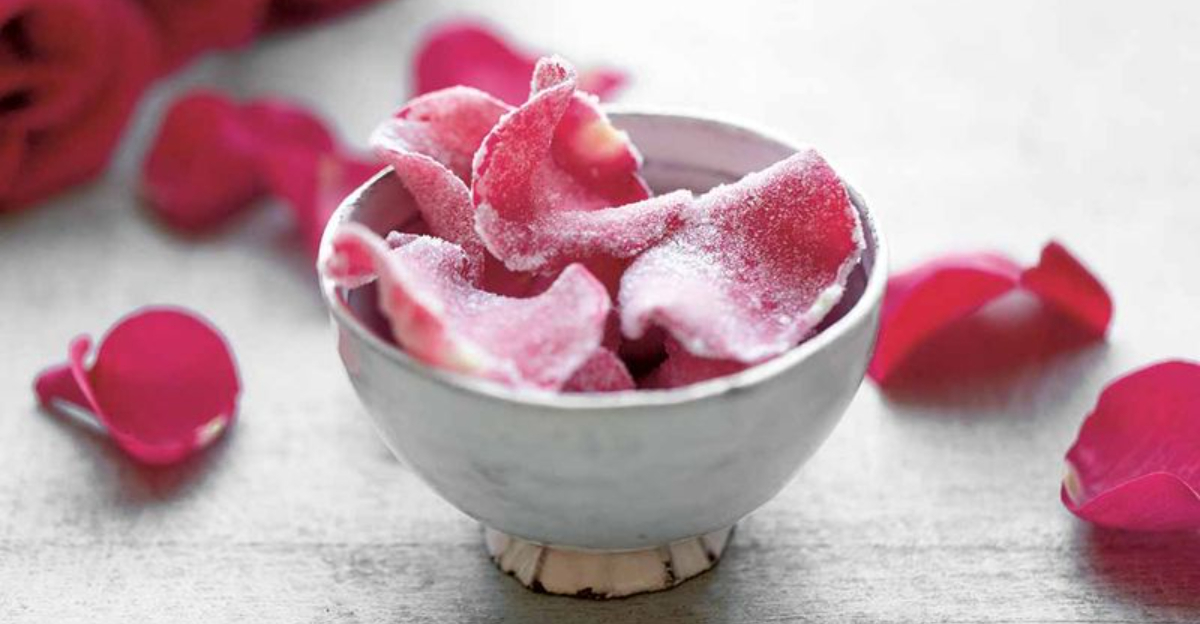
Roses aren’t just for romantic gestures. Their fragrant petals have been used in cooking for centuries across Middle Eastern and Indian cuisines. The flavor varies depending on the variety and color, but most offer a subtle sweetness with floral notes.
Add them to salads, use them to make rose water, or crystallize them for elegant dessert decorations. I once made rose petal jam that transported everyone at the table to a fragrant garden with just one spoonful.
4. Watermelon Rinds

The pale green part between the pink flesh and outer green skin of watermelons is completely edible and surprisingly versatile. This often-discarded section has a mild flavor similar to cucumber and a texture like zucchini when cooked.
Popular in Southern cooking, watermelon rinds can be pickled, stir-fried, or added to curries. They contain citrulline, an amino acid that may help improve circulation and reduce muscle soreness.
5. Pumpkin Leaves

While pumpkin seeds and flesh get all the attention, the leaves are widely consumed in many African and Asian cuisines. They have a mild, slightly sweet flavor similar to spinach but with a more substantial texture.
Young, tender leaves work best in cooking. Sauté them with garlic and olive oil or add them to soups and stews. During a trip to Zimbabwe, I was served a delicious pumpkin leaf stew that changed my perspective on this humble plant forever.
6. Corn Silk

Those annoying stringy bits you pick off corn cobs actually have culinary value. Corn silk has been used in traditional medicine for centuries and can be dried to make a mild, slightly sweet tea that may help with urinary tract issues.
Fresh corn silk can also be added to soups or stir-fries. The silky strands contain proteins, carbohydrates, vitamins, and minerals, making them more than just a nuisance to remove before enjoying your corn on the cob.
7. Nasturtium Flowers

Vibrant nasturtiums add a peppery punch to dishes with their bright orange, yellow, and red blooms. Both the flowers and leaves are edible, offering a flavor similar to watercress or radish that can liven up any salad.
The seed pods can even be pickled as a substitute for capers. I remember planting nasturtiums in my first garden purely for their beauty, then discovering their culinary potential when a chef friend tossed a handful into our dinner salad.
8. Broccoli Leaves

Most people discard the large leaves surrounding broccoli heads, but they’re perfectly edible and nutritious. Similar to collard greens in taste and texture, broccoli leaves contain more beta-carotene than the florets we typically eat.
Use them anywhere you’d use kale or collards. The stems require a bit more cooking time than the leafy parts. Simply remove the tough center rib, chop, and add to soups, stir-fries, or sauté as a side dish.
9. Squash Blossoms
The bright yellow-orange flowers that grow on zucchini and other squash plants are delicate delicacies in many cuisines. They have a subtle, sweet flavor that hints at the vegetable they would become.
Most commonly, they’re stuffed with soft cheese, battered, and fried, but they can also be added raw to salads or quesadillas.
Harvest them in the morning when they’re fully open, and be sure to remove the stamens before cooking.
10. Purslane
This common garden weed is actually a nutritional superstar. Purslane contains more omega-3 fatty acids than any other leafy vegetable and has a pleasant lemony, slightly salty flavor with a crunchy texture.
I discovered purslane growing between my garden pavers and was about to pull it out when a farmer friend stopped me. She explained its value and showed me how to add it to salads and sandwiches.
Now I deliberately let some grow for harvesting.
11. Papaya Seeds
Most people scoop out and discard papaya seeds, missing out on their peppery, slightly bitter flavor. The small black seeds can be dried and ground as a pepper substitute or added fresh to salad dressings for a zesty kick.
They contain enzymes similar to those in the fruit and have been used traditionally to aid digestion. In some cultures, papaya seeds are believed to have medicinal properties for parasitic infections, though scientific evidence is limited.
12. Radish Greens
The leafy tops of radishes are often chopped off and thrown away, but they’re perfectly edible with a peppery taste similar to arugula. These nutrient-dense greens are high in vitamin C, calcium, and protein.
Young, tender leaves work best in salads, while more mature ones can be sautéed or added to soups. During my college years, I worked at a farm-to-table restaurant where the chef taught me to make a vibrant radish top pesto that wowed customers.
13. Hibiscus Flowers
The vibrant red petals of hibiscus flowers do more than make a tangy, ruby-colored tea. These edible blooms have a cranberry-like tartness that works in both sweet and savory dishes.
Dried hibiscus can be rehydrated for syrups, jams, and sauces. The fresh flowers can be stuffed or used as garnishes.
They’re rich in vitamin C and anthocyanins, which give them their distinctive color and antioxidant properties.
14. Okra Leaves
While okra pods are a staple in Southern and African cooking, few people realize the plant’s leaves are also edible. They have a mild flavor similar to spinach or other greens, without the sliminess associated with okra pods.
Young leaves can be used raw in salads, while mature ones are better cooked. My aunt from Louisiana always adds a few chopped okra leaves to her gumbo, claiming they enhance the authentic flavor of the dish.
15. Carrot Tops
Those feathery greens attached to carrots aren’t just for show. Carrot tops have a herbaceous, slightly bitter flavor similar to parsley, making them perfect for chimichurri, pesto, or as a garnish.
They contain significant amounts of vitamin K and chlorophyll. When shopping for carrots with tops, look for bright green, perky leaves rather than wilted ones.
Store them separately from the roots as they’ll draw moisture from the carrots.
16. Bee Pollen
These tiny golden granules collected by bees are considered a superfood in many health circles. Bee pollen has a floral, slightly sweet taste with hints of bitterness and varies depending on which flowers the bees visited.
Rich in proteins, vitamins, and minerals, bee pollen can be sprinkled on yogurt, smoothie bowls, or salads. I started adding it to my morning oatmeal after a beekeeper friend gave me a jar from his hives, and I noticed more energy throughout my day.
17. Garlic Scapes
The curly green shoots that grow from hardneck garlic varieties in late spring are culinary treasures. Garlic scapes offer a milder, fresher garlic flavor than the bulbs, with a texture similar to green beans.
They can be grilled whole, chopped into stir-fries, or blended into pestos and dips. Farmers harvest scapes to direct the plant’s energy toward bulb growth, which means enjoying these delicious shoots actually helps the garlic develop better.
18. Cactus Pads
Known as nopales in Mexican cuisine, the flat pads of prickly pear cactus have been consumed for thousands of years. Once the spines are carefully removed, the pads have a tart, slightly slimy texture similar to okra or green beans.
They’re typically diced and sautéed with onions, peppers, and eggs for breakfast. The first time I tried nopales at an authentic Mexican restaurant, I was surprised by their bright, lemony flavor that paired perfectly with the spicy salsa.
19. Chickweed
This common garden weed with tiny white star-shaped flowers is a nutritional powerhouse. Chickweed has a mild, fresh flavor similar to corn silk or young spinach and is packed with vitamins and minerals.
Add the tender stems, leaves, and flowers to salads, sandwiches, or pesto. My herbalist neighbor showed me how to identify chickweed in my garden beds, and now instead of weeding it out, I harvest it for my morning smoothies.
20. Seaweed
Beyond the familiar nori in sushi, hundreds of seaweed varieties are edible and incredibly nutritious. Dulse, wakame, and sea lettuce can be added to soups, salads, and stir-fries for a mineral-rich boost.
Seaweeds are packed with iodine, calcium, and iron. They have distinct flavors ranging from mild to intensely briny.
During a coastal foraging workshop, I learned to identify safe seaweed varieties and discovered their unique umami qualities that enhance almost any dish.