
Foragers Watch Pale Ghost Mushrooms Glow After Dark In This Southern Illinois Forest
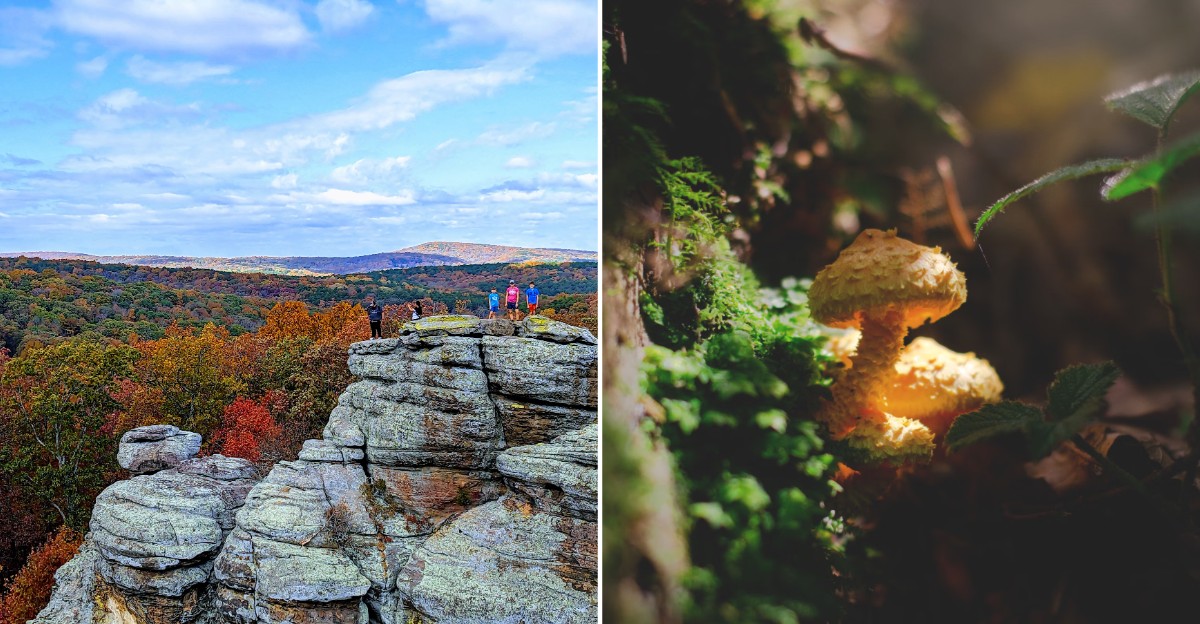
Green light glowing from a rotting oak stump sounds like a campfire story, yet Illinois woods really do put on this show after sunset. Certain wild mushrooms make their own soft light, and patient families can spot it with nothing more than dark skies and sharp eyes.
The best part is that the whole adventure costs almost nothing. Grab a flashlight you promise to switch off, because the southern tip of the state is hiding a quiet nighttime secret.
A Wild Corner Of Southern Illinois

Flat cornfields get most of the attention when people talk about Illinois. Down near Herod, though, the land buckles into hills, bluffs, and deep hollows that belong to Shawnee National Forest, one of the most surprising landscapes in the Midwest.
The forest spreads across the southern end of the state with woodlands, rolling ridges, and lakes built for outdoor fun. Visitors come for swimming, hiking, camping, fishing, horseback riding, and rock climbing.
Many first-timers admit they expected boring flat ground and left stunned by canyons, cliffs, and small waterfalls.
Those same shady woods are where the glow happens. Decaying hardwood logs and old oak stumps scattered across the forest floor give certain fungi exactly what they need to thrive.
After the sun sets and the trails go silent, a few of these mushrooms quietly light up.
Think of the place as two parks in one. By day, it is a playground of famous rock formations and scenic overlooks.
By night, it becomes a hushed, dark classroom where nature runs its own tiny light show. Families who plan for both halves of the day end up with a trip worth bragging about back home, and it all sits within a drive of most Illinois towns.
Foxfire, The Old Name For A Soft Green Glow
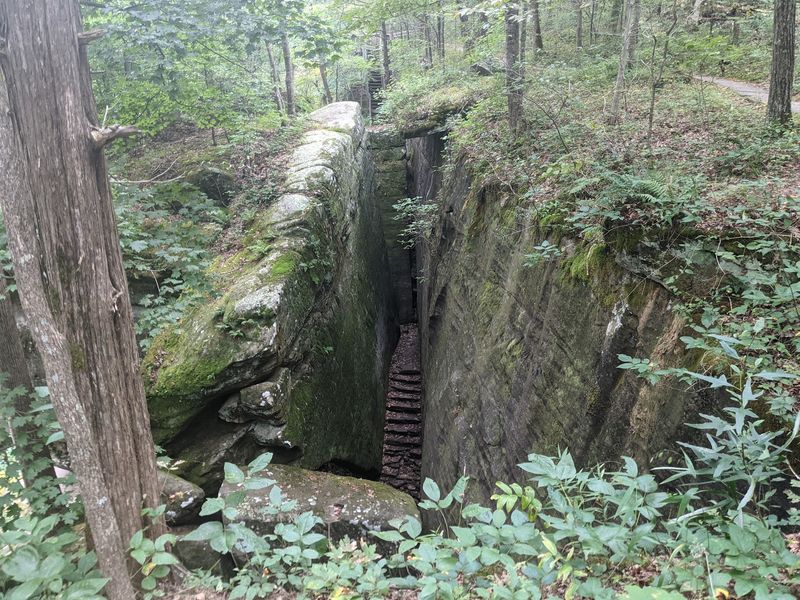
Long before anyone used the word bioluminescence, rural folks called it foxfire. Hikers and hunters walking home through the woods would notice rotting wood giving off an eerie greenish shine, and the name stuck for generations.
Today scientists know the glow comes from fungi living inside and on top of decaying wood. It is not a reflection, a trick of moonlight, or your tired eyes playing games.
The fungus itself produces the light, turning a fallen branch into a natural nightlight.
That old-fashioned name adds a fun layer to any family outing. Grandparents might remember hearing about foxfire as kids, and sharing that story on a dark trail connects the old ways with modern science.
It feels a bit like passing down a secret.
Illinois woodlands, especially in the southern reaches, can reward patient visitors with this display. The deep shade and plentiful hardwoods in Shawnee create the damp, woody conditions these fungi love.
You will not find a sign pointing to the glow, though. Spotting foxfire takes slow walking, careful looking, and a willingness to stand still in the dark.
That quiet hunt is half the magic, and it turns an ordinary evening into a memory kids keep.
Jack-O’-Lantern Mushrooms In Late Summer
Bright orange clusters piled at the foot of an oak stump are hard to miss in daylight. Meet the Jack-O’-Lantern mushroom, known to scientists as Omphalotus illudens, and the most commonly encountered glowing fungus in Illinois.
These showy mushrooms tend to pop up in late summer and autumn. They usually grow in large groups at the base of decaying hardwood trees and stumps, with a particular fondness for oaks.
Southern Illinois has plenty of those, which makes the region a promising place to look.
Here is the twist. Their color gives them away during the day, but their real talent appears after dark, when the gills underneath the caps give off a soft greenish light.
Amazingly, that glow can keep going for up to 50 hours even after a mushroom has been picked.
A smart plan is to scout in the afternoon. Note where you see orange clusters near your trail, then return once darkness settles in.
Kids love this treasure-map approach because they already know where the prize sits. Just remember a firm family rule: Jack-O’-Lanterns are for looking only and never for eating, no matter how cheerful they appear.
Admire them, snap a photo, and leave them growing.
The Little Luminescent Panellus
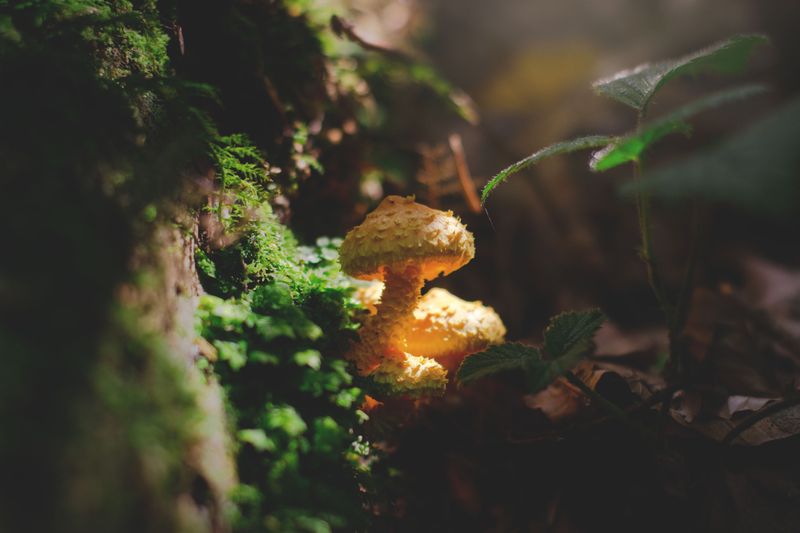
Smaller and shyer than its orange cousin, the Luminescent Panellus rarely stops anyone in their tracks by day. Its tan to brownish fan-shaped caps blend right into the bark, so most hikers walk past without a second glance.
Known as Panellus stipticus, this fungus grows in shelving clusters on dead hardwood such as oak, beech, or birch. Unlike the Jack-O’-Lantern, it has a much longer season in Illinois, showing up anywhere from spring through fall.
That gives families more chances to find it throughout the year.
After dark, North American strains reveal a gentle yellowish light from their gills. The glow is faint, more like a whisper than a spotlight.
You have to be patient and let your eyes fully adjust before it appears.
Hunting for this little one feels like a game of hide and seek. Look along fallen logs and old stumps, especially in shady, damp areas.
When you finally spot that soft shimmer, the excitement is real. Children often squeal when the mushroom they ignored at lunch turns into a tiny lantern at bedtime.
It is proof that the humblest things in the woods sometimes hold the best surprises, and it costs nothing at all.
How A Mushroom Makes Its Own Light
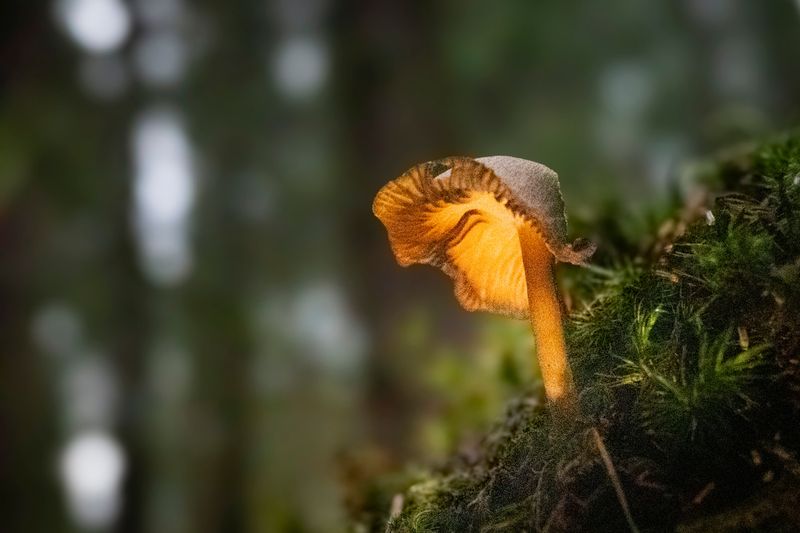
Chemistry class never looked so pretty. The glow inside these mushrooms comes from a natural process called bioluminescence, where living things produce light through a chemical reaction.
Two main ingredients do the work. One is a molecule called luciferin, and the other is an enzyme called luciferase.
When they combine under the right conditions, they release a soft, cold light. Fireflies use a similar trick, so Illinois kids already have a head start on the idea.
Why would a mushroom bother glowing at all? Scientists think the light may help attract nighttime insects.
Those visitors can pick up spores and carry them around the forest floor, helping new fungi grow in fresh spots. In other words, the glow may work a lot like a welcome sign.
Explaining this on the trail turns a spooky moment into a learning moment. Ask kids to guess why the light is cold instead of hot like a campfire, or to compare it with the fireflies they chase in the backyard each June.
Those little conversations stick. A family walk suddenly becomes a science lesson nobody complains about, and the woods feel a little more alive than they did before sunset.
Daytime Wonders Before The Sun Goes Down
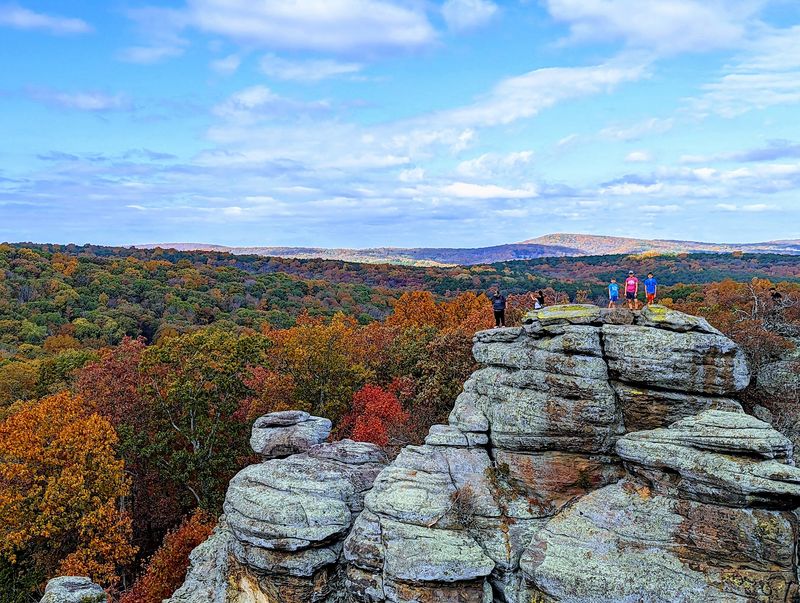
Nobody should drive this far just to sit and wait for darkness. Shawnee offers a full day of scenery before the mushroom hunt begins.
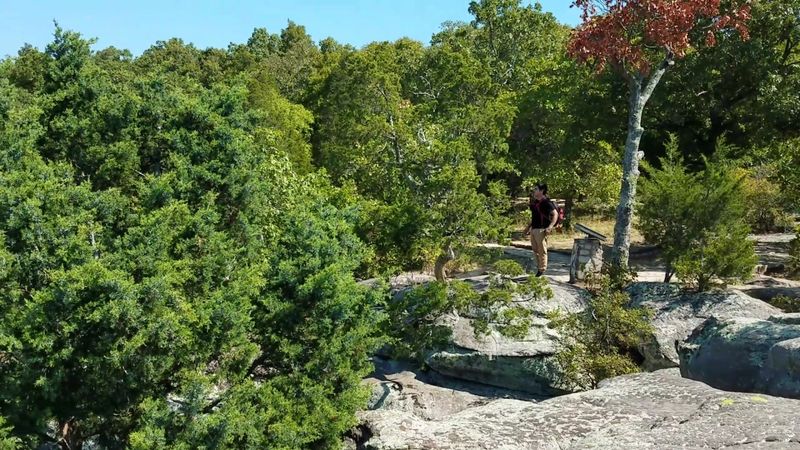
Garden of the Gods is the famous starter, a short and popular hike with a paved stretch, tall trees, big boulders, and a lookout over the valley. Families with small children will want to hold little hands near the edges.
Nearby, a quick one-mile loop leads to Camel Rock, an easy trail many visitors manage in everyday shoes.
Craving more? Rim Rock is a favorite for hikers who enjoy a rugged path.
Bell Smith Springs, Little Grand Canyon, and Giant City round out the list, along with Heron Pond, where a cypress swamp looks wildly out of place in southern Illinois. Trillium Trail starts with a steep climb before smoothing out, and early morning hours are ideal there.
Trails are well marked with colors and signs, and rock formations, streams, and small waterfalls pop up everywhere. Leashed dogs are welcome too.
Plan one or two daytime hikes, grab a picnic, then save energy for the dark. By sunset, everyone will know the forest well enough to feel comfortable when the lights go out.
Planning A Cheap Glow Night
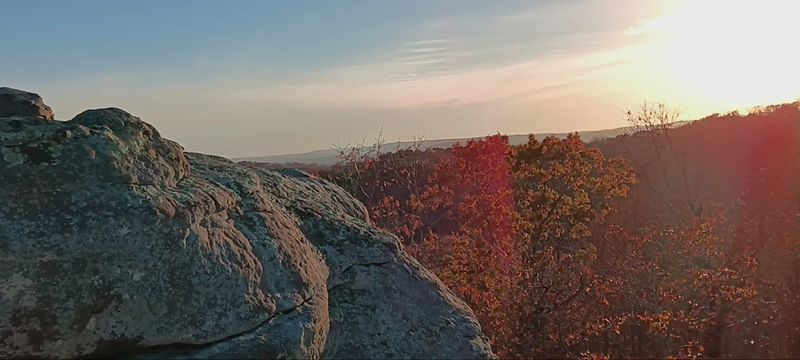
Budget-minded families will love the math here. The forest is open 24 hours every day of the week, and campsites have been known to run around $10, making an overnight glow hunt one of the cheapest adventures in the state.
Campgrounds like Pine Ridge at Pounds Hollow offer roomy sites with fire rings, grates, picnic tables, and lamp poles, plus electric sites on the first spur. Redbud Campground at Bell Smith Springs is known for being calm at night, with well pumps available.
Staying overnight means no long drive home in the dark after your mushroom search.
Pack carefully, because there are no concessions or vending machines. Bring plenty of water, snacks, bug spray, and hand sanitizer, since restrooms may lack soap.
Sturdy shoes help on rocky paths.
For the glow itself, timing matters. Aim for late summer or autumn for Jack-O’-Lanterns, choose a spot away from campfires and headlamps, then switch everything off and wait several minutes.
True darkness is the secret ingredient. Leave no trace, pack out your trash, and never pick or taste what you find.
A little preparation keeps the night relaxed, safe, and friendly for everyone who comes after you.
Why The Dark Woods Are Worth The Trip
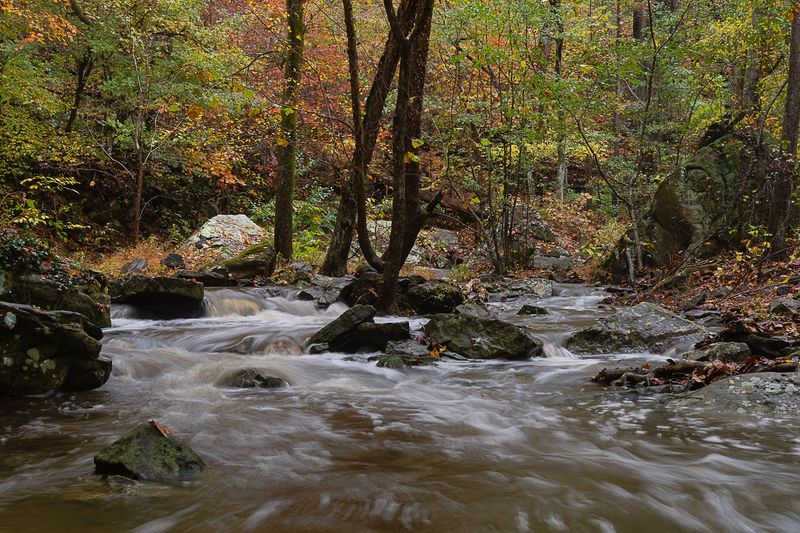
Quiet moments are rare in a busy family schedule. Sitting on a log in pitch-black woods, whispering and waiting for a mushroom to glow, is about as quiet and special as it gets.
Shawnee National Forest already wins hearts with its cliffs, waterfalls, and rock formations that make people forget they are in Illinois. Adding a nighttime foxfire search gives the trip a storybook ending.
Kids who spot their first glowing gill will probably tell the tale at school, at Thanksgiving, and for years afterward.
Nothing about the experience is flashy. There are no ticket booths or light shows, just old oak stumps, patient eyes, and a soft green shimmer that has lit these hollows long before anyone gave it a name.
That humble charm fits right in with the best overlooked gems across the state.
Go in with gentle expectations, since fungi keep their own schedule and some nights stay dark. Even then, the stars, the crickets, and the thrill of the search make the evening worthwhile.
For families wanting an affordable, old-fashioned adventure close to home, the southern Illinois woods after dark deserve a spot on the calendar this season.