
11 Forgotten Abandoned Places In Arizona That Are Always Worth The Trek
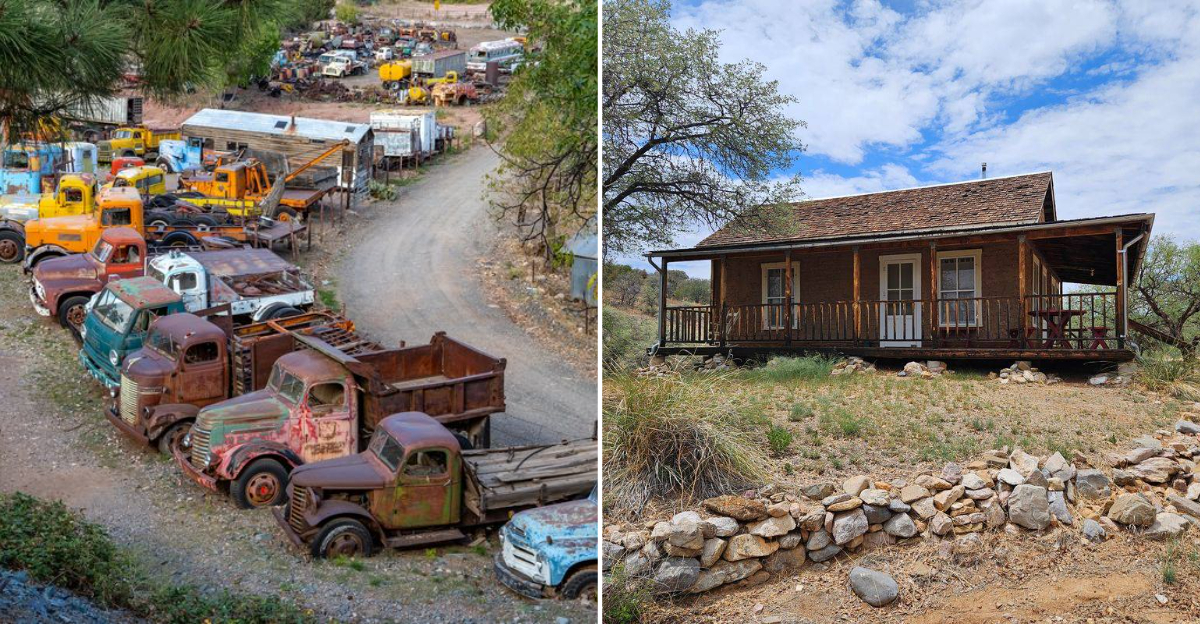
Arizona hides more than saguaros and canyon views. My absolute favorite kind of adventure begins the moment the paved road ends and the cell service completely vanishes.
There is a raw, untouched magic in places where nature is slowly reclaiming what humans left behind, and I recently went on a mission to find the absolute best ones.
Armed with a beat-up map, a ridiculous amount of water, and an unhealthy dose of curiosity, I tracked down some of the most fascinating ghost towns and forgotten ruins hidden out in the wilderness.
Some of these spots required scrambling over jagged rocks, while others tested my patience just trying to find the trail. But stepping into these frozen-in-time locations feels like walking right through a portal to the past.
If you love a good story, a bit of sweat, and a heavy dose of eerie beauty, grab your pack, we have some exploring to do.
1. Swansea Historic Ghost Town, Near Parker
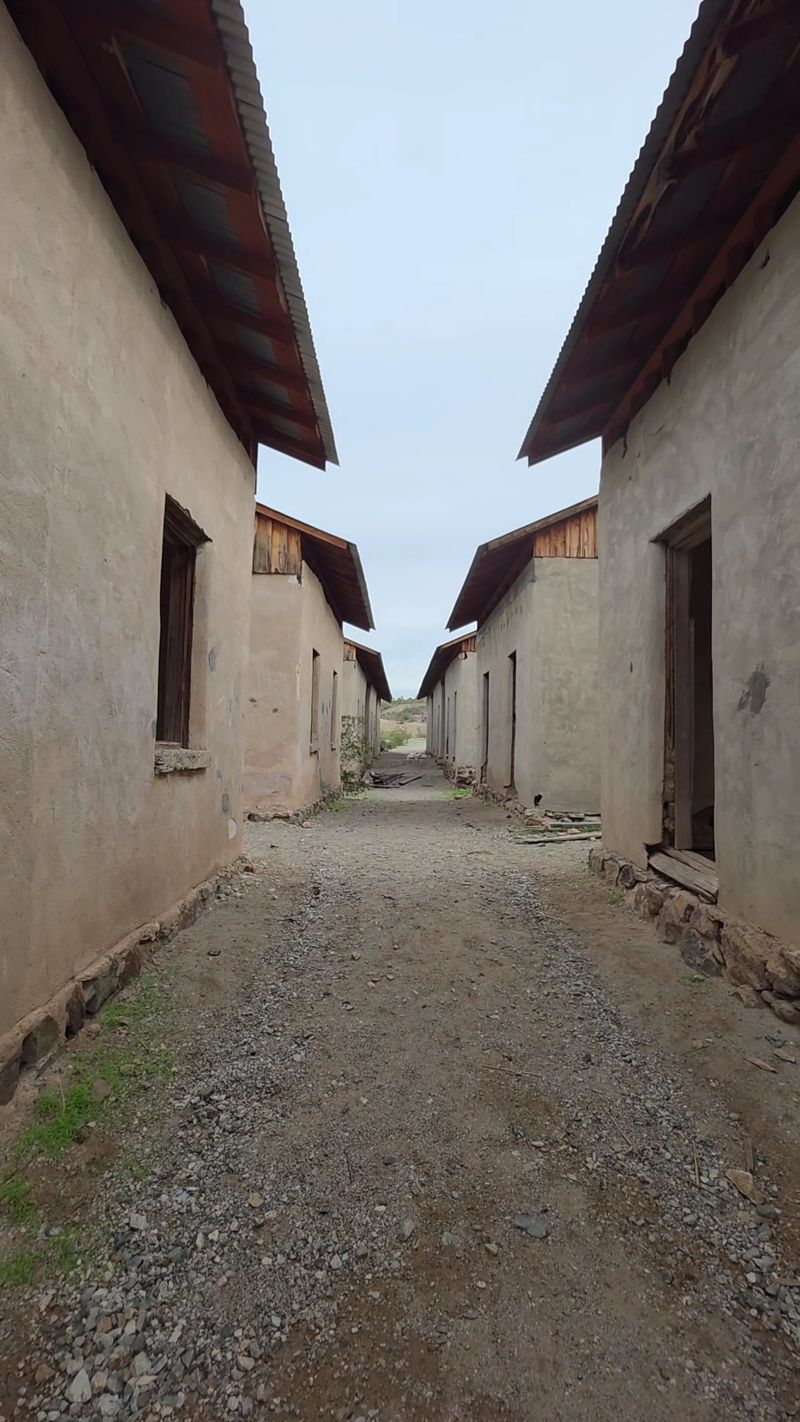
Few places make you feel like a true desert explorer the way this remote copper town does. Sitting out near Parker in western Arizona, Swansea grew up around mining and then slowly emptied when the ore ran thin.
Today you can wander among adobe and brick ruins, old foundations, railroad remnants, and weathered mining structures that still stand against the sky. The Bureau of Land Management confirms public access, so you are welcome to explore at your own pace.
Getting here takes some planning, since the final stretch of road is rough and bumpy. A high clearance vehicle is strongly recommended, and I would not attempt it in a low sedan.
Bring plenty of water, a paper map, and a full tank of fuel, because services are far away. Early morning or late afternoon light makes the old walls glow and keeps the heat manageable.
Walking these quiet streets, you can almost hear the clatter of the old railroad and the buzz of a busy work camp. Swansea rewards anyone willing to make the drive with a peaceful, powerful slice of Arizona history.
2. Fairbank Historic Townsite, Near Tombstone
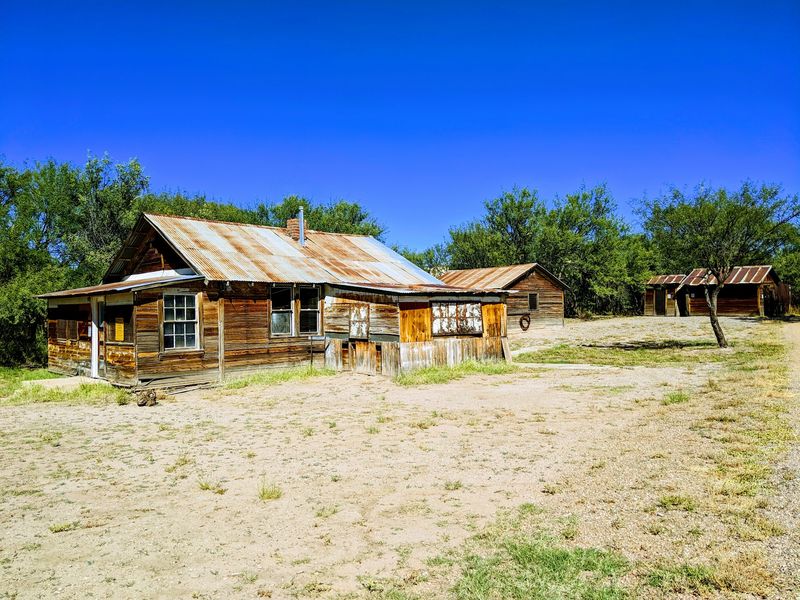
Imagine a small town that once served as a busy railroad stop and now rests quietly among cottonwood trees. That is Fairbank, a genuine ghost town near Tombstone tucked inside the San Pedro Riparian National Conservation Area.
Several historic structures still remain here, including the old schoolhouse and the mercantile building. An interpretive trail winds through town, sharing stories about the people who lived and worked along the river.
This spot is easier to reach than many others on my list, which makes it perfect for families or first time explorers. You can stroll at a relaxed pace and read the signs that explain what each building once was.
The riverside setting means you might spot birds and other wildlife, so bring binoculars if you have them. Comfortable walking shoes and a hat will keep you happy on the flat, sandy paths.
Fall through spring offers the most pleasant weather for exploring on foot. Fairbank blends history and nature in one gentle stop, giving you a rich look at frontier life without a grueling hike to get there.
3. Millville Historic Townsite, Near Tombstone
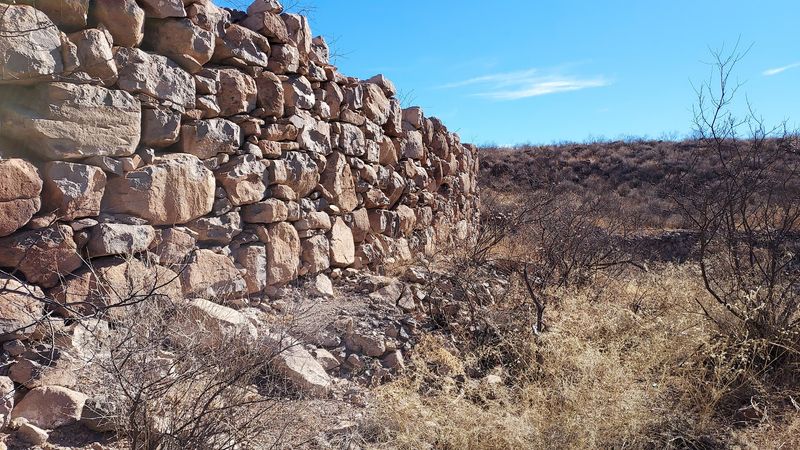
Right across the water from Fairbank sits a lesser known settlement that once hummed with the sound of ore mills. Millville, near Tombstone, grew up along the San Pedro River when crushing rock into valuable metal was big business.
The remnants here are quieter and more scattered, mostly stone foundations that hint at the buildings that once stood tall. The Bureau of Land Management still maintains a trailhead, so parking and access are simple to find.
One of my favorite parts is that you can combine your visit with the Rock Art Discovery Trail nearby. That means ancient carvings and old milling history in a single outing.
The walking is fairly gentle, following paths near the river where shade and greenery offer relief from the sun. Wear sturdy shoes and carry water, since desert temperatures can climb quickly.
Cooler months from fall into spring make the trek most comfortable. Millville may not shout for attention, but its quiet foundations and neighboring rock art give thoughtful travelers plenty to explore and photograph in one memorable stop.
4. Presidio Santa Cruz De Terrenate, Near Tombstone
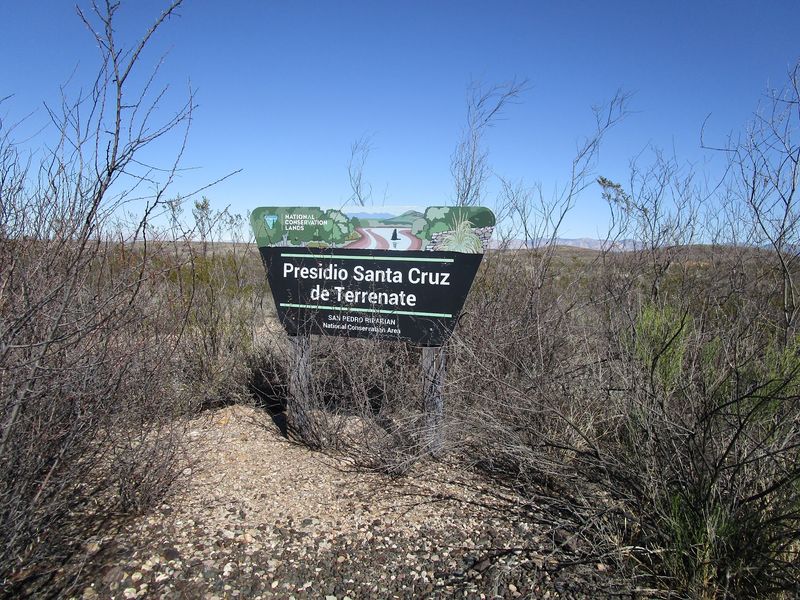
Long before Arizona became a state, Spanish soldiers built a frontier fort along the San Pedro River. That outpost, Presidio Santa Cruz de Terrenate near Tombstone, was abandoned by 1780 and now stands as one of the oldest historic sites you can visit here.
What remains today are stone foundations and surviving adobe fragments that mark where walls and rooms once stood. Reaching them takes a walk of roughly a mile and a half along a desert trail.
The Bureau of Land Management lists this site as open year round, so you can plan a trip in almost any season. Still, I would aim for the cooler months to keep the walk comfortable.
Bring plenty of water, wear a hat, and pace yourself on the trail, since there is little shade out here. The wide open views along the way make the effort feel worthwhile.
Standing among these ancient foundations, you get a rare glimpse of Spanish colonial life on a lonely frontier. Terrenate offers a quiet, powerful history lesson few travelers ever experience.
5. Fort Bowie National Historic Site, Bowie
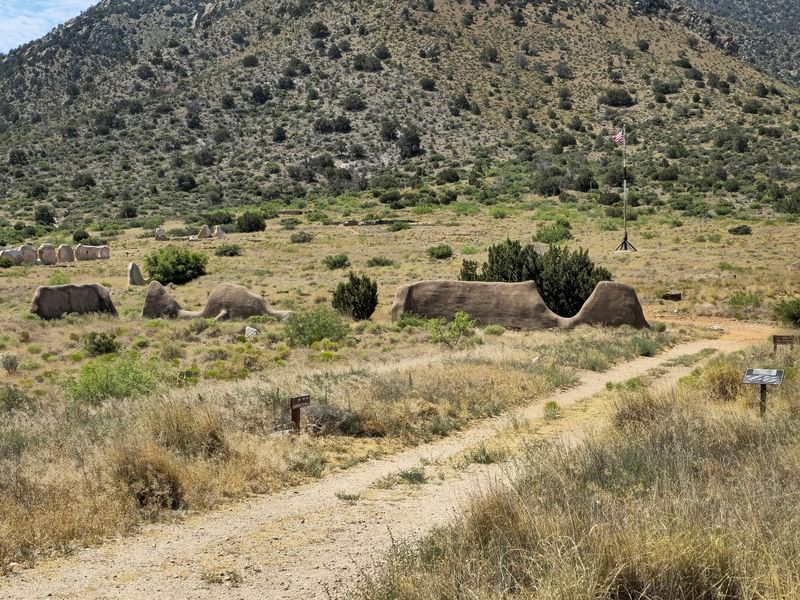
Some historic sites make you earn the view, and Fort Bowie is one of them. Located near the town of Bowie in southeastern Arizona, this fort once guarded an important mountain pass during a turbulent frontier era.
Reaching the ruins means hiking about three miles round trip, passing several historic remains along the way. The trail itself tells a story, with markers and old sites that build anticipation before you arrive at the fort.
Best of all, the trails and ruins stay open daily from sunrise to sunset, and admission is completely free. That makes it a wonderful budget friendly adventure for history lovers.
Start early to beat the heat, and carry more water than you think you will need. Good hiking shoes and a hat will make the walk far more pleasant.
Once you reach the crumbling adobe walls, take time to read the signs and picture daily life at this remote post. Fort Bowie rewards your footsteps with a real sense of stepping back into Arizona’s past.
6. Kentucky Camp Historic Site, Near Sonoita
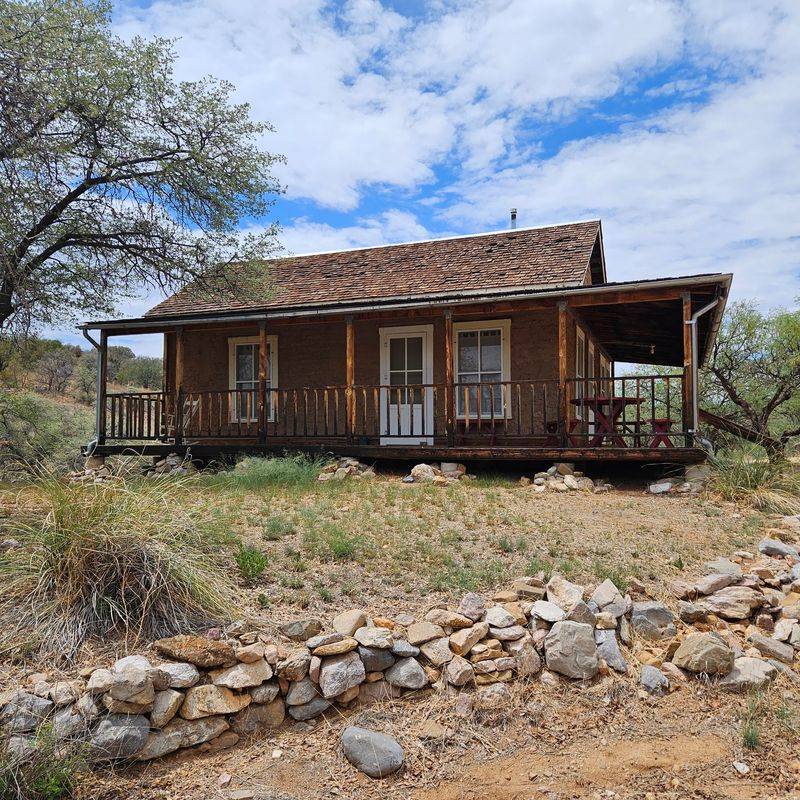
Tucked into the rolling Santa Rita Mountains, this former mining camp feels wonderfully peaceful today. Kentucky Camp, near Sonoita, once buzzed with hopes of finding gold in the surrounding hills.
What sets it apart is the collection of restored adobe structures that still stand in good shape. Walking among them, you get a clear picture of how a mining operation was organized more than a century ago.
The Forest Service lists the area for year round use, so you have flexibility when planning your trip. Parking sits roughly three eighths of a mile from the historic camp, giving you a short, gentle walk to reach the buildings.
The grassy hillsides and open skies make this a lovely spot for photos and quiet reflection. Bring water, snacks, and comfortable shoes for the easy stroll.
Cooler seasons make the visit especially enjoyable, though the higher elevation keeps summer more bearable than the low desert. Kentucky Camp blends restored history with beautiful scenery, making it a friendly stop for travelers who want adventure without a demanding hike.
7. Camp Rucker Historic Site, Chiricahua Mountains
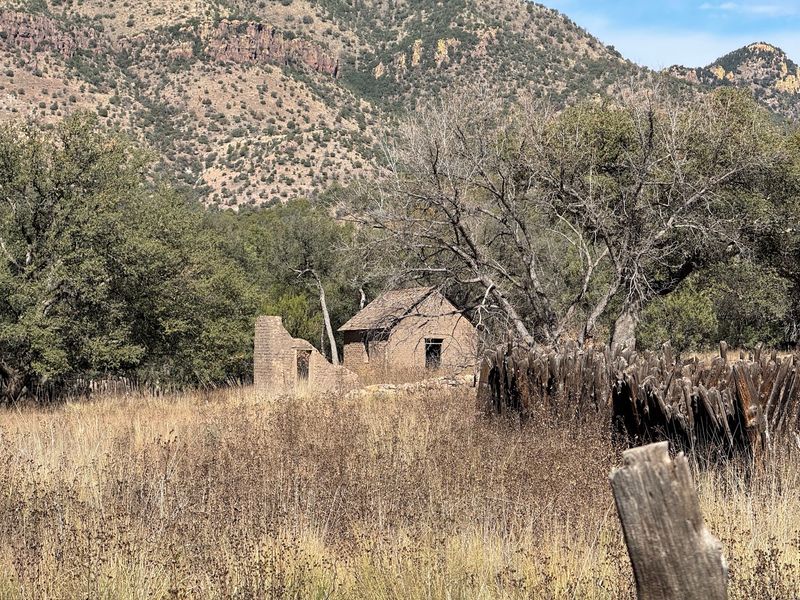
Deep in a remote canyon, the remnants of an old military camp wait for the few travelers who make the journey. Camp Rucker sits in Rucker Canyon within the Chiricahua Mountains of southeastern Arizona.
Here you will find remnants of a nineteenth century military camp and ranch tucked among the trees and canyon walls. Current Forest Service and Recreation.gov information still identifies this historic military camp as a visitor attraction.
The setting alone makes the trip worthwhile, with cooler mountain air and shady spots that feel refreshing after the open desert. It is a peaceful place to slow down and imagine the soldiers who once lived here.
Because the area is remote, plan carefully before you go. Check road conditions, carry extra water and supplies, and let someone know your route.
The higher elevation keeps temperatures milder, so warmer months can still be pleasant here. Bring layers, since mountain weather can shift quickly.
Camp Rucker offers solitude, scenery, and a genuine piece of frontier history all wrapped into one adventurous outing that most visitors never get to see.
8. Harshaw Ghost Town, Near Patagonia
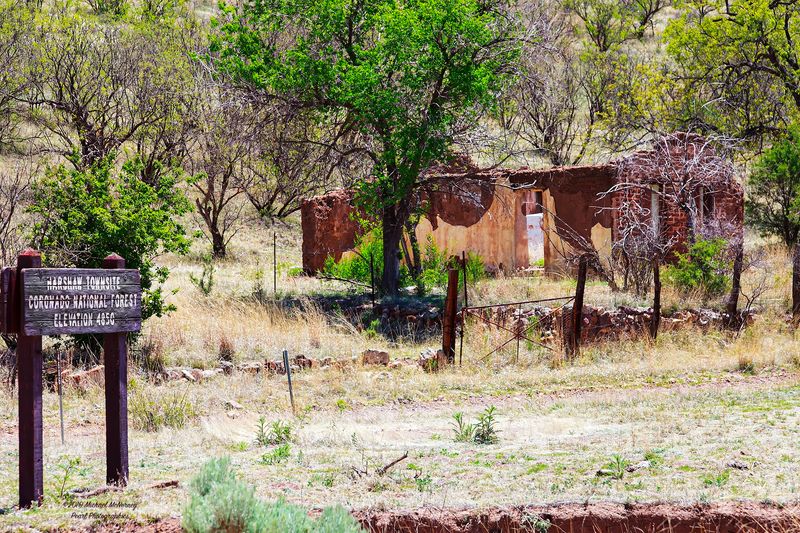
A quiet drive southeast of Patagonia leads you to the fading remains of a once busy silver town. Harshaw grew quickly during its boom years and then slowly emptied, leaving behind crumbling adobe ruins and a historic cemetery.
The old mining road takes you right through the area, so much of the exploring can be done from the comfort of your vehicle. Arizona Highways documents both the surviving ruins and the public driving route through the region.
I always find cemeteries like this deeply moving, since the old headstones tell stories of families who built their lives here. Walk respectfully and leave everything exactly as you find it.
The surrounding hills, dotted with oak trees, make for a scenic and relaxing drive. Bring your camera, water, and a sense of curiosity.
Cooler months offer the most comfortable weather for wandering and photographing the ruins. Roads can be rough, so drive carefully and watch for uneven spots.
Harshaw gives you a gentle, reflective look at Arizona’s silver era, blending scenic countryside with the quiet echoes of a town that time nearly forgot.
9. Vulture City Ghost Town, Wickenburg
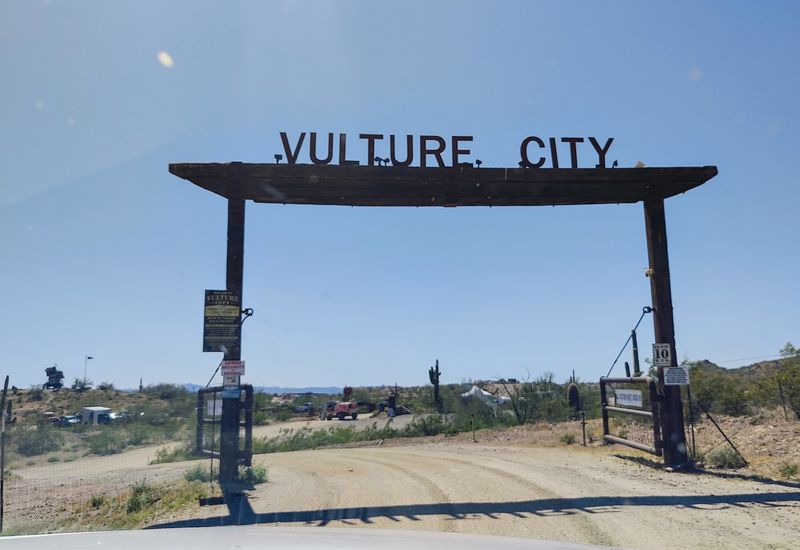
If you like your history a little more polished, this preserved mining town will win you over. Vulture City, near Wickenburg in central Arizona, is more restored than forgotten, yet it still delivers a fantastic abandoned town experience.
The site includes both original and restored structures, such as the assay office, cookhouse, post office, and other buildings from the mining era. Walking among them, you get a vivid sense of how a working town once operated.
Because so much has been cared for, this is a great choice for visitors who want context and clear storytelling. The buildings help history come alive in a way that pure ruins sometimes cannot.
Keep in mind that Vulture City is seasonal, generally operating from fall through spring. Check hours before you go so you do not arrive to closed gates.
Wear comfortable shoes, bring water, and give yourself plenty of time to explore each structure. Vulture City turns a simple day trip into an engaging journey through Arizona’s mining heyday, perfect for curious travelers of every age.
10. Castle Dome City Ghost Town, Near Yuma
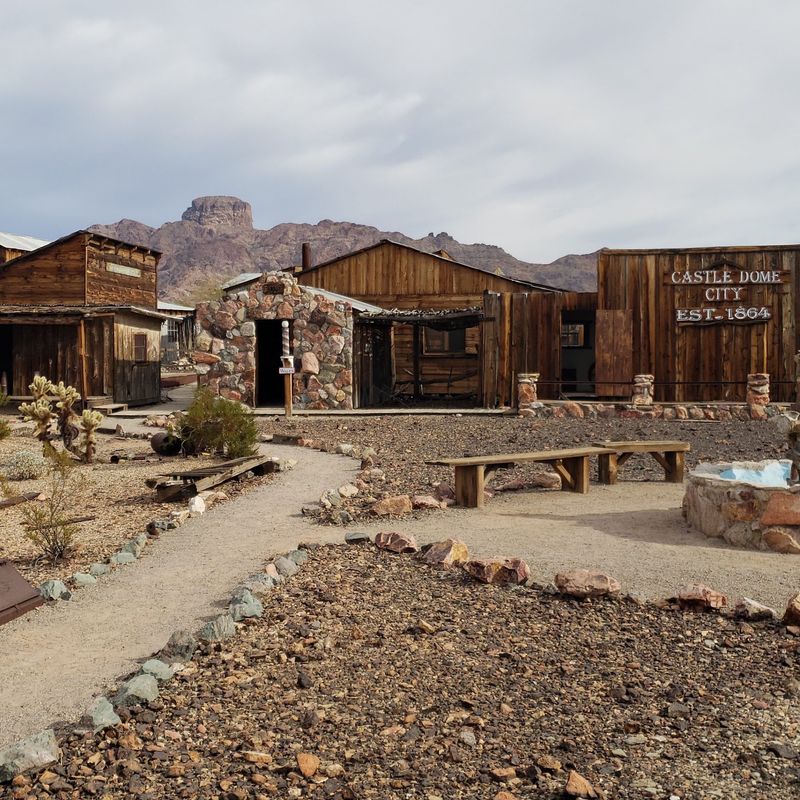
Way out in the desert near Yuma, a long dusty road leads to one of Arizona’s most surprising collections of history. Castle Dome City is a remote former mining settlement that rewards the effort it takes to reach it.
Once you arrive, you can explore a large collection of historic structures and mining remnants spread across the site. There is far more to see here than most travelers expect, making the bumpy drive feel worthwhile.
Since the location is isolated, come prepared with a full tank of fuel, extra water, and snacks. Cell service may be spotty, so download directions ahead of time.
The normal season runs from October through April, which means this is a seasonal destination best visited in cooler months. Summer heat out here can be intense, so timing matters.
Bring a hat, sunscreen, and a camera to capture the many buildings and old equipment. Castle Dome City offers a rich, hands on look at desert mining life, giving adventurous visitors a memorable reward at the end of a very long road.
11. Gold King Mine And Ghost Town, Jerome
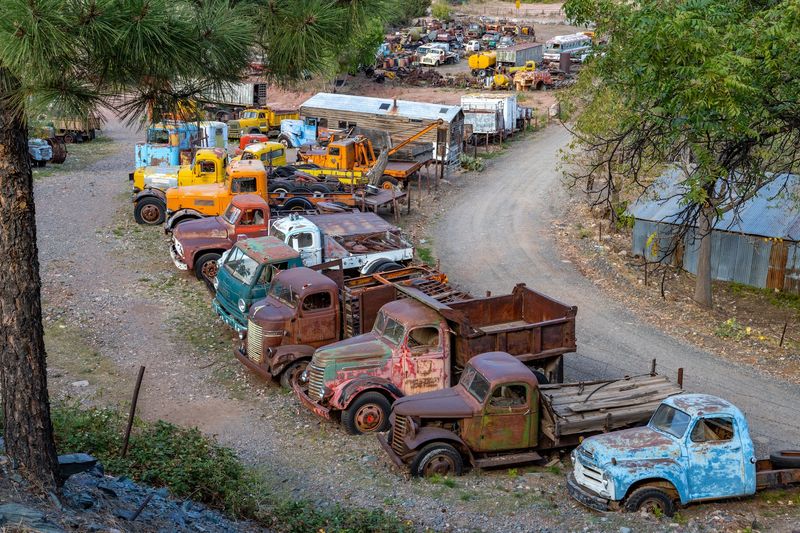
Perched near the hillside town of Jerome, this quirky spot mixes an old mine with a collection of rusted treasures. Gold King Mine and Ghost Town in central Arizona feels like a wonderfully cluttered outdoor museum.
You will find weathered wooden buildings, vintage vehicles, and all sorts of old machinery scattered across the grounds. Every corner seems to hold something curious to examine, which makes wandering here a delight.
Jerome itself is a fun historic town built into a steep mountainside, so you can easily pair the two in one trip. The winding roads leading up offer sweeping views of the valley below.
Plan for a bit of walking on uneven ground, and wear sturdy shoes to stay steady. Bring water and a camera, because photo opportunities appear at every turn.
The setting stays cooler than the low desert thanks to the higher elevation, making many seasons pleasant for a visit. Gold King Mine rewards curious explorers with a playful, hands on peek at Arizona’s mining past, and a great excuse to enjoy charming Jerome nearby.