
Forgotten Arizona Towns That Are Making A Remarkable Comeback
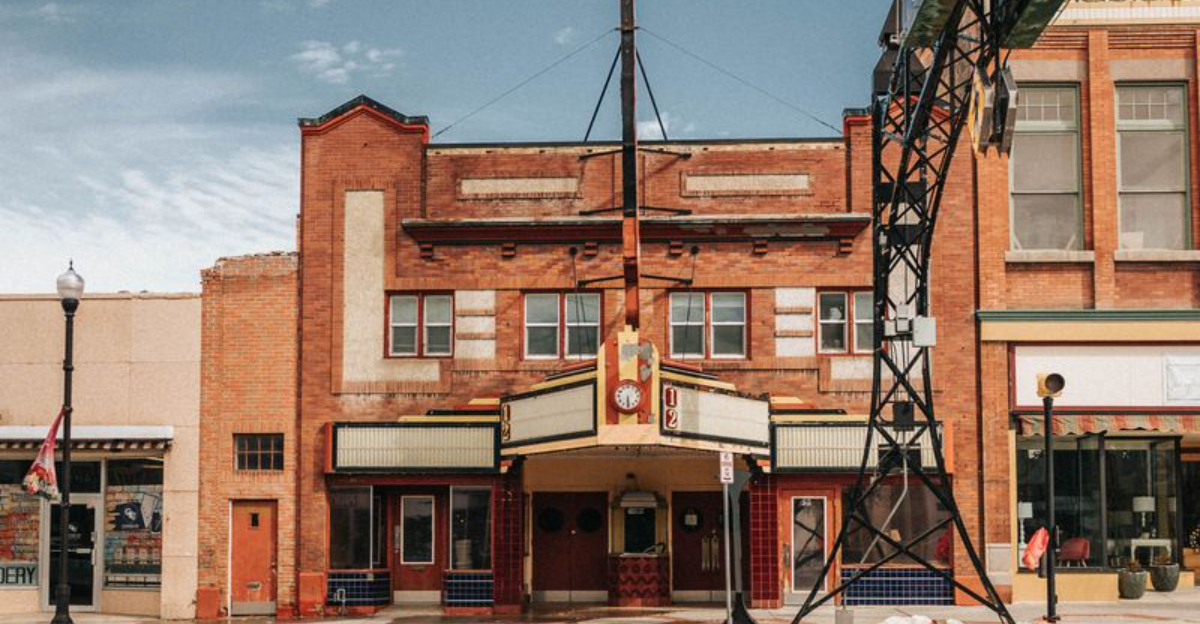
I drove through Arizona expecting saguaros and canyon overlooks, and instead I kept pulling over in small towns nobody told me about. Copper mines closed decades ago in a lot of these places, freeways rerouted traffic around others, and downtown windows went dark for years.
But something shifted. Sidewalks got rebuilt, murals went up on old brick walls, and bakeries, bookshops, and galleries started filling storefronts that had been empty since the 1970s.
Below are ten Arizona towns that slipped off the map and clawed their way back, with details on what to see, when to go, and why each one feels different than the last.
Pack comfortable shoes, bring cash for the antique stalls, and get ready to add a few unexpected stops to your next road trip across the desert.
1. Superior, Arizona
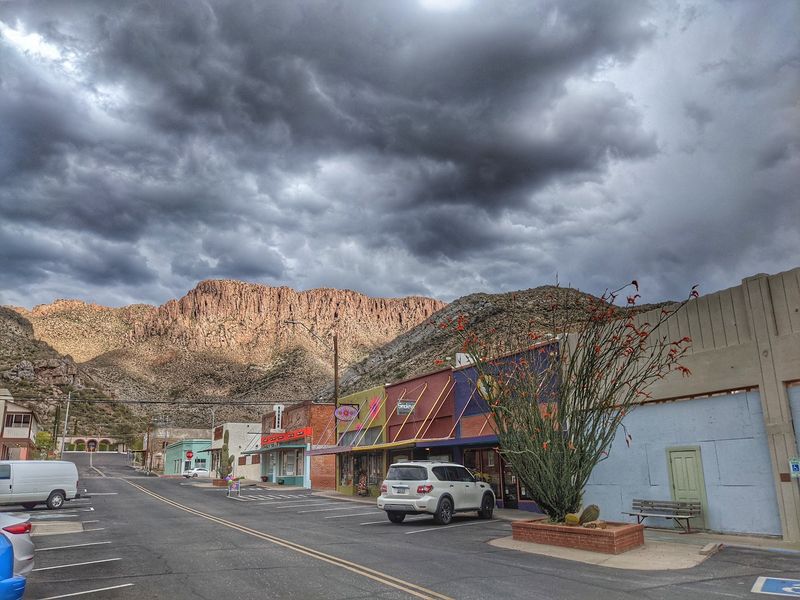
Boarded-up windows used to define Superior’s main street, and locals will tell you it stayed that way for a long stretch after the mines slowed down. Then artists, coffee roasters, and small shop owners noticed how cheap the old brick buildings were.
Today the downtown has real foot traffic again. New locally owned businesses have opened along Main Street, community spaces host events, and visitors come through on their way between Phoenix and Globe.
Film crews have used the town too, since the storefronts look genuinely vintage rather than staged.
Just outside town sits Boyce Thompson Arboretum, Arizona’s oldest and largest botanical garden, which pulls in wildflower hunters every spring. Pair a morning walk through the desert gardens with lunch back in town and you have a solid day trip from the Phoenix area.
Visit between February and April when temperatures stay mild and the surrounding cliffs of Apache Leap glow orange at sunset. Superior rewards anyone willing to slow down and actually park the car.
2. Globe, Arizona
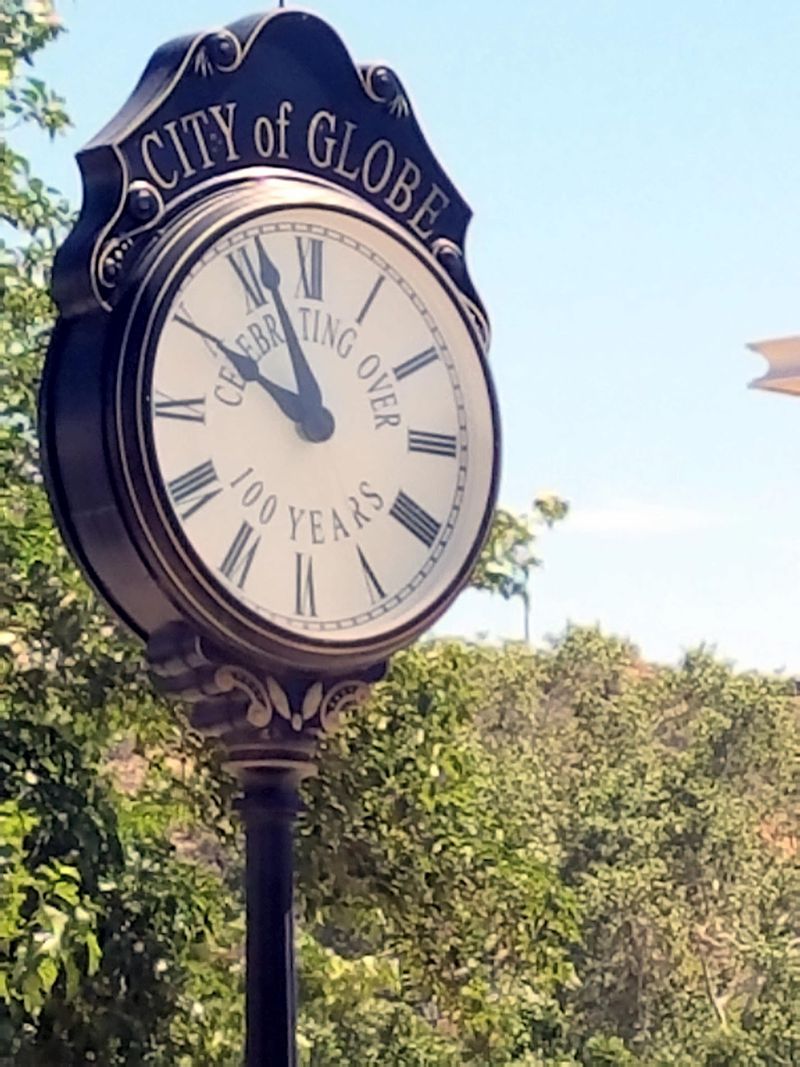
Of every town on this list, Globe might be the clearest success story. A 2025 rural development case study singled out the former mining town as a genuine small-town comeback, built on downtown revitalization and a broader mix of industries rather than copper alone.
Broad Street is where you feel it. Antique dealers, coffee shops, and restaurants occupy buildings from the early 1900s, and the old Gila County Courthouse now serves as a center for the arts.
History runs deep here. The Besh-Ba-Gowah archaeological park preserves a Salado pueblo dating back roughly 700 years, with rooms you can actually step inside.
Globe sits at about 3,500 feet, so summers stay cooler than Phoenix and winters rarely turn harsh. That makes it a comfortable stop nearly year-round.
Give yourself a full afternoon for antiquing alone, because the shops here are stuffed with mining-era finds. Globe proved that a town can rewrite its ending without erasing its past.
3. Miami, Arizona
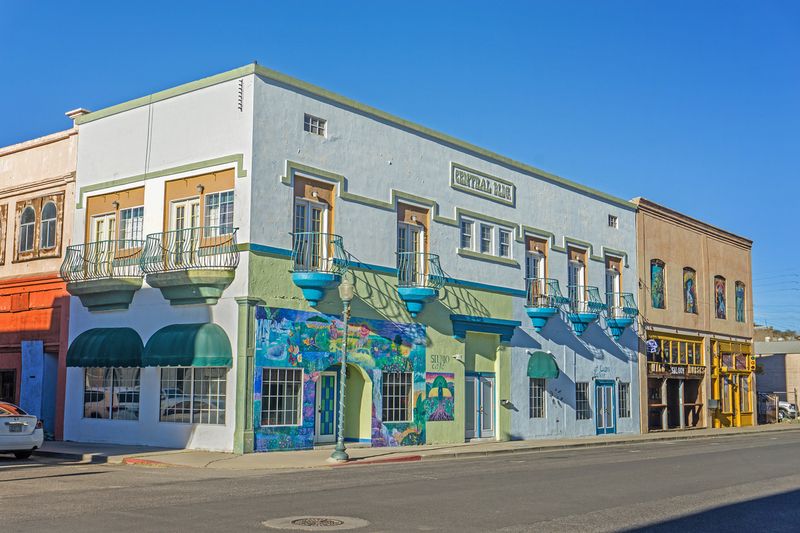
Just a few miles down the highway from Globe, Miami has a downtown that looks almost frozen in 1935, and that turns out to be its biggest asset.
The town is currently working alongside Arizona State University on a plan to bring the historic core back to life. Goals include preserving the old buildings, filling empty storefronts, and drawing in new residents, businesses, and travelers.
Antique shops already anchor the street. Sullivan Street is lined with them, and collectors drive out from Phoenix specifically to dig through mining memorabilia, vintage signs, and furniture nobody makes anymore.
Copper shaped everything here. Enormous tailings piles still rise behind the rooftops, giving the whole place a look you will not find elsewhere in the state.
Photographers should aim for late afternoon, when the low sun hits those weathered brick facades. Combine Miami with Globe in a single trip since the two sit practically next door.
Watching a town this old start breathing again is genuinely satisfying.
4. Douglas, Arizona
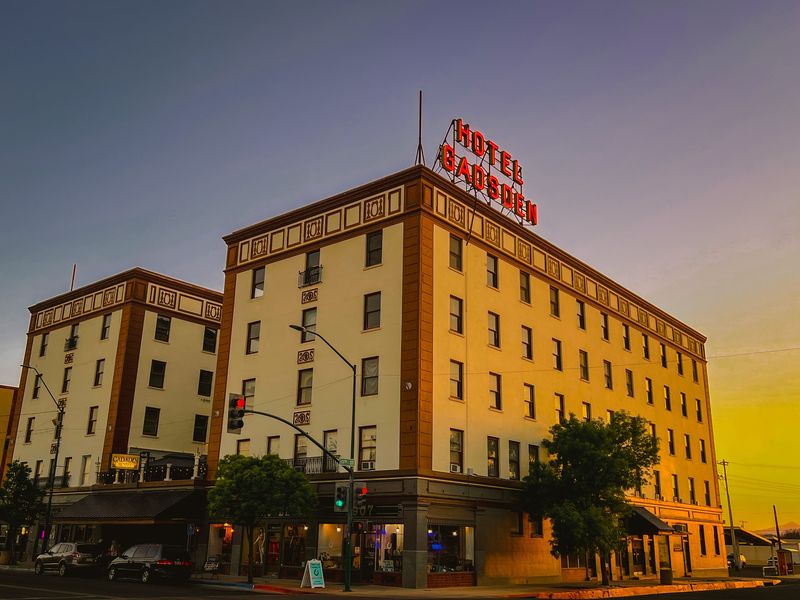
Right on the Mexico border in southeastern Arizona, Douglas is spending real money on its historic downtown, and the difference is starting to show.
The city is moving forward with a major streetscape project covering sidewalks, lighting, landscaping, public gathering spaces, business improvements, and preservation of older buildings. Anyone who visited a decade ago would notice the change immediately.
The centerpiece is the Gadsden Hotel, opened in 1907, with a lobby that includes a white Italian marble staircase and a stained glass mural stretching across the wall. You can walk in and look around even without a reservation.
Douglas grew up as a copper smelting town serving mines across the border, and the wide streets reflect those ambitious early plans.
Winter and early spring bring the best weather, with mild days perfect for walking the historic district. Birders often stop nearby too, since the region attracts species found almost nowhere else in the country.
Douglas is quietly becoming a place worth planning around.
5. Winslow, Arizona
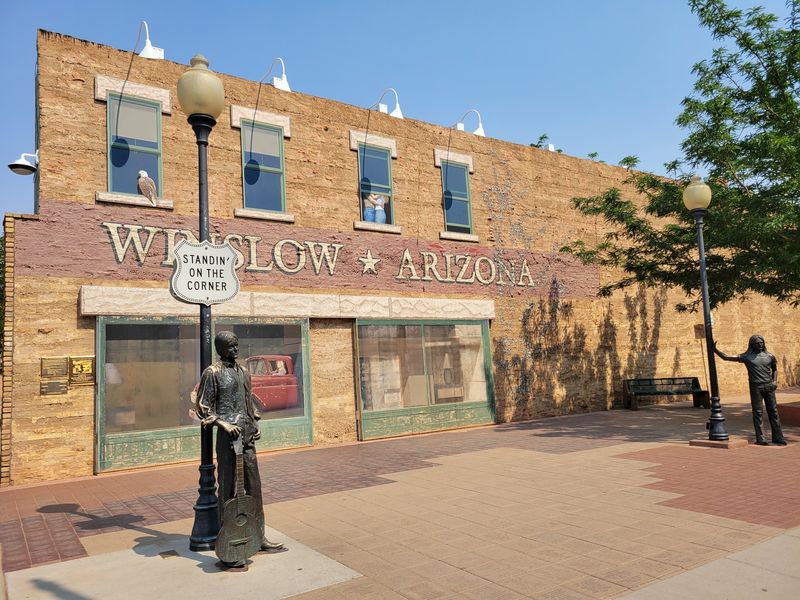
Few towns got hit harder by the interstate than Winslow. When traffic shifted off Route 66, the business district emptied out almost overnight.
Recovery came through a program called Renaissance on Route 66, which rebuilt streetscape elements downtown. Restored landmarks and renewed interest in the old highway have pulled visitors back onto the main street.
Most travelers stop first at Standin’ on the Corner Park, created around the famous Eagles lyric, complete with a mural and a flatbed Ford parked at the curb. It is touristy and everyone knows it, and the photos are still fun.
The real treasure is La Posada, a 1930 Fred Harvey hotel designed by architect Mary Colter, rescued from demolition and restored into one of the most beautiful buildings in northern Arizona. Wander the gardens even if you are not staying.
Winslow works well as a base for exploring Meteor Crater and Homolovi State Park. Spring and fall bring the most comfortable temperatures at 4,850 feet.
6. Kingman, Arizona
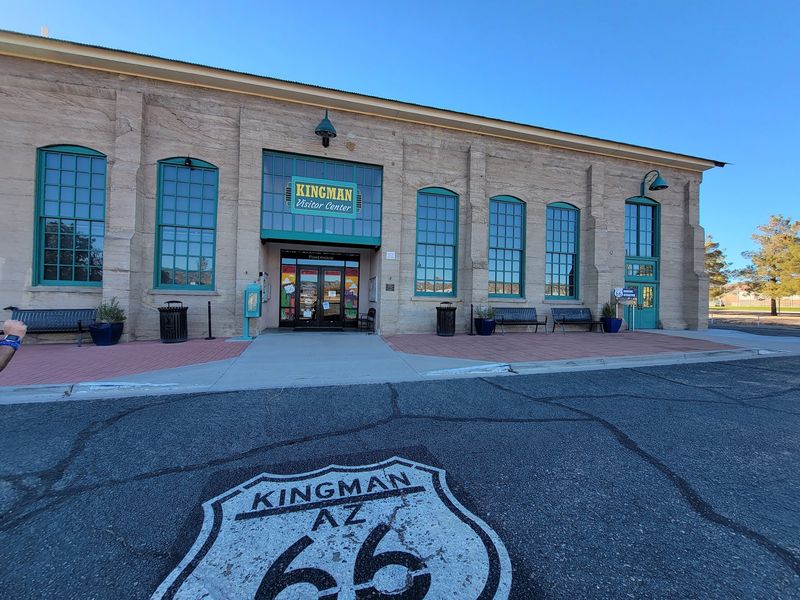
Neon signs, murals, and fresh sidewalks tell you Kingman is not sitting still. The downtown is in the middle of active revitalization, with major streetscape work improving how the area looks and how easily people can walk it.
Preservation projects have saved older buildings, artists have covered blank walls with murals, and new Route 66 attractions keep opening for the steady stream of road trippers passing through northwestern Arizona.
Kingman calls itself the heart of historic Route 66, and it has the mileage to back that up. The longest remaining uninterrupted stretch of the old road runs west from here toward Oatman.
Car lovers should build in time for the Arizona Route 66 Museum inside the Powerhouse Visitor Center, housed in a 1907 building that once generated electricity for area mines.
Spring and autumn suit visits best, since summer afternoons climb well past comfortable. Kingman has figured out how to sell nostalgia without feeling like a theme park, and that balance is harder than it looks.
7. Florence, Arizona
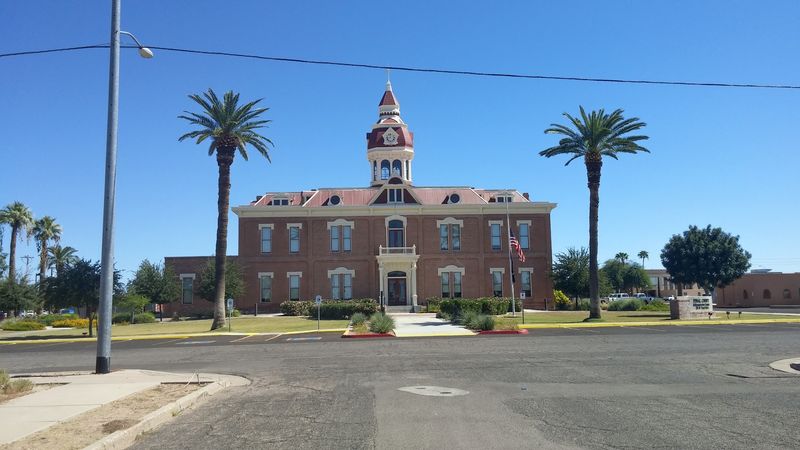
More than 25 buildings in Florence are listed on the National Register of Historic Places, which is remarkable for a town this size in central Arizona.
Historic Downtown Florence now runs an active facade improvement program, and redevelopment investment keeps flowing in. A growing collection of businesses has moved into the historic core, filling spaces that sat quiet for years.
Founded in 1866, Florence is one of the oldest towns in the state, and the architecture reflects a mix of adobe, territorial, and Victorian styles all sharing the same few blocks.
The Pinal County Historical Museum makes a worthwhile stop, and the old courthouse with its painted clock face is a local curiosity people still ask about.
Cooler months from November through March are ideal, and the town’s annual events draw crowds without overwhelming the streets.
Florence sits close enough to both Phoenix and Tucson for an easy detour. I left thinking more Arizona towns should study what happens here when old buildings get a second chance.
8. Ajo, Arizona
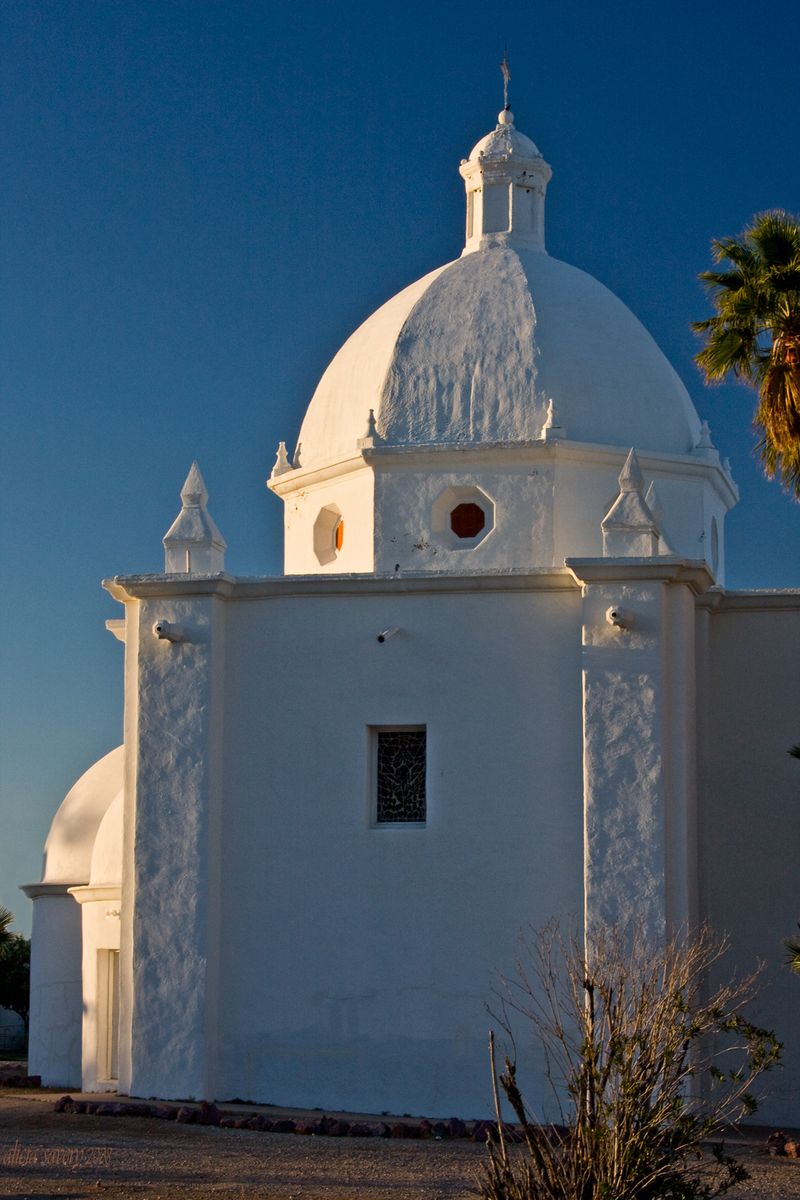
Picture a Spanish colonial revival plaza with white arcades and palm trees, sitting in the middle of the Sonoran Desert in southwestern Arizona. That is Ajo, and it is easily one of the most surprising town centers in the state.
Copper built the place, and when mining ended the population shrank hard. What followed was a reinvention driven by preservation, creative reuse of old buildings, arts programming, small businesses, and tourism.
The former school became an arts and community center with studios and workshops. Murals have spread across walls throughout town, and local artists sell work directly from the plaza.
Ajo also serves as a gateway to Organ Pipe Cactus National Monument, about 30 miles south, where you can see cactus species that grow almost nowhere else in the United States.
Aim for November through March, because summer temperatures out here get serious. Ajo shows what happens when a town stops waiting for the mine to reopen and builds something new instead.
9. Willcox, Arizona
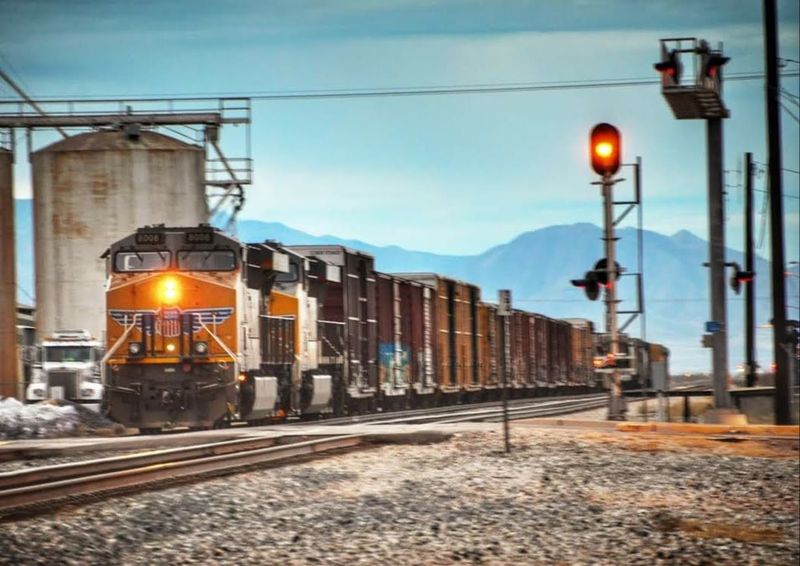
Out in southeastern Arizona’s grasslands, Willcox has been quietly putting itself back together. Town officials describe recent improvements as a genuine downtown revitalization, pointing to restored businesses, infrastructure investment, and additional planning that continues into 2026.
The historic district centers on the old railroad depot area, where storefronts from the 1880s and beyond have been brought back into use.
Willcox is also apple country and farm country, with orchards and pick-your-own operations drawing families every autumn. The farmers market brings in produce grown right in the surrounding valley.
Cowboy singer Rex Allen was born here, and the town keeps a small museum in his honor along with an annual celebration each October.
Nature lovers get a bonus: thousands of sandhill cranes winter at nearby Willcox Playa between November and February, and watching them lift off at dawn is unforgettable.
Elevation near 4,100 feet keeps summers slightly gentler than the low desert. Willcox packs more into its few blocks than first glances suggest.
10. Coolidge, Arizona

Growth is arriving in Coolidge faster than most people outside Pinal County realize. Downtown revitalization is underway alongside broader economic expansion, with new businesses and cultural investment adding activity and walkability to the city center.
Streets that once emptied by early evening now have reasons to linger, and the momentum shows no sign of slowing.
The headline attraction sits just outside town. Casa Grande Ruins National Monument protects a four-story earthen structure built by the Ancestral Sonoran Desert People more than 650 years ago, and it became the first archaeological preserve in the United States back in 1892.
Standing under the protective canopy looking at those thick caliche walls puts the whole region into perspective.
Coolidge sits roughly halfway between Phoenix and Tucson, making it an easy stop rather than a special trip. Plan for the cooler months, since summer here runs hot even by Arizona standards.
A town with ancient history and brand new storefronts is a combination worth seeing for yourself.
Small Towns Can Find Their Way Back
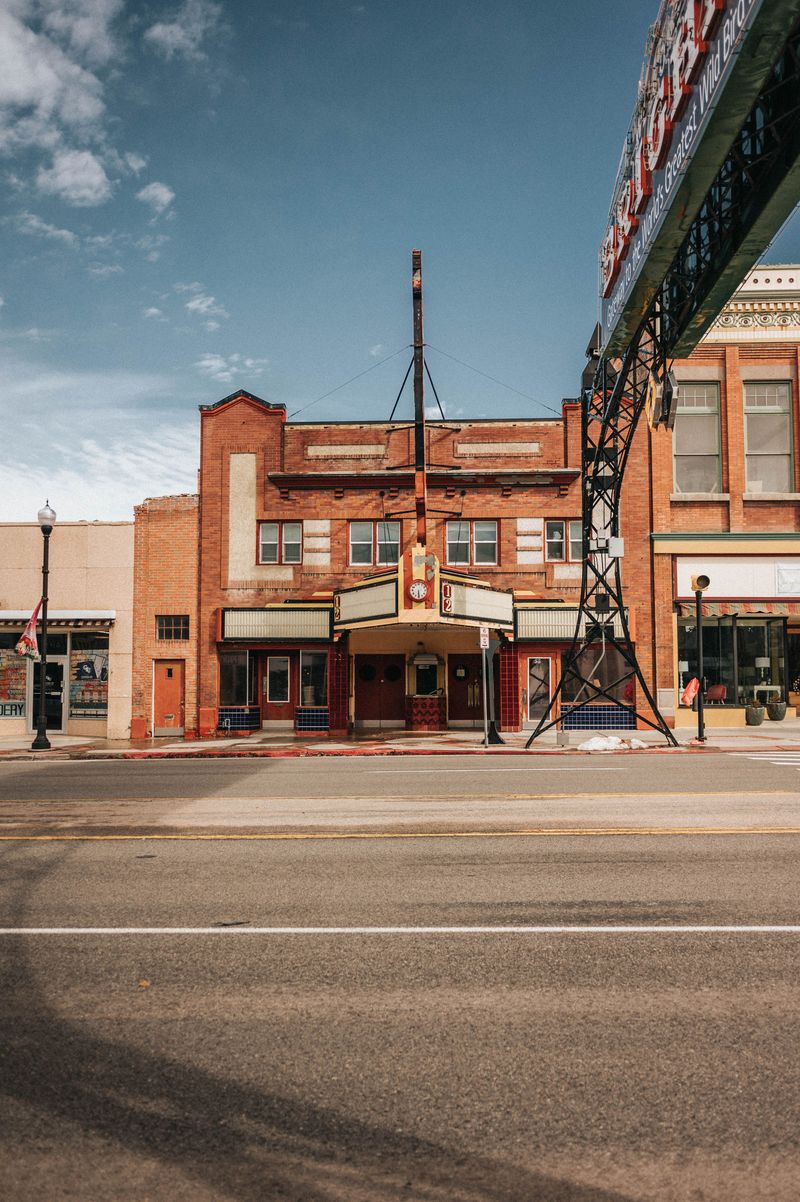
Arizona has plenty of towns that could have faded quietly into the background. Instead, some of them are finding new reasons for people to stop, stay, and pay attention again.
What I like about these comeback stories is that they rarely happen all at once. A restored storefront opens. A local business takes a chance.
An old downtown gets fresh life. Visitors start returning, and suddenly a place that once felt forgotten begins to feel interesting again.
That does not mean every problem disappears. Revitalization takes time, and some of these towns are still in the middle of that process. But the momentum is real.
For travelers, that makes them especially fun to explore right now. You get the history, the quirks, and the slower pace, but you also get the feeling that something new is taking shape. Arizona’s forgotten towns are proving that a quiet past does not have to mean a quiet future.