
7 Forgotten California Dishes That Deserve A Comeback
The Golden State is always ahead of the curve when it comes to food trends, but that endless evolution has pushed some truly special dishes into the background.
Long before kale salads and poké bowls became staples, California cuisine had its own hearty, flavorful traditions.
It’s time to shine a light on the forgotten favorites that once captured the spirit of this diverse state.
1. Hangtown Fry
Gold Rush miners with newfound wealth created this luxurious oyster and bacon scramble in Placerville (formerly Hangtown). Prospectors would order the most expensive ingredients available to show off their good fortune.
The combination of crispy bacon, fresh oysters, and fluffy eggs became a symbol of California prosperity.
Modern chefs occasionally revive this dish, but it deserves wider recognition as one of California’s original fusion foods.
2. Green Goddess Dressing
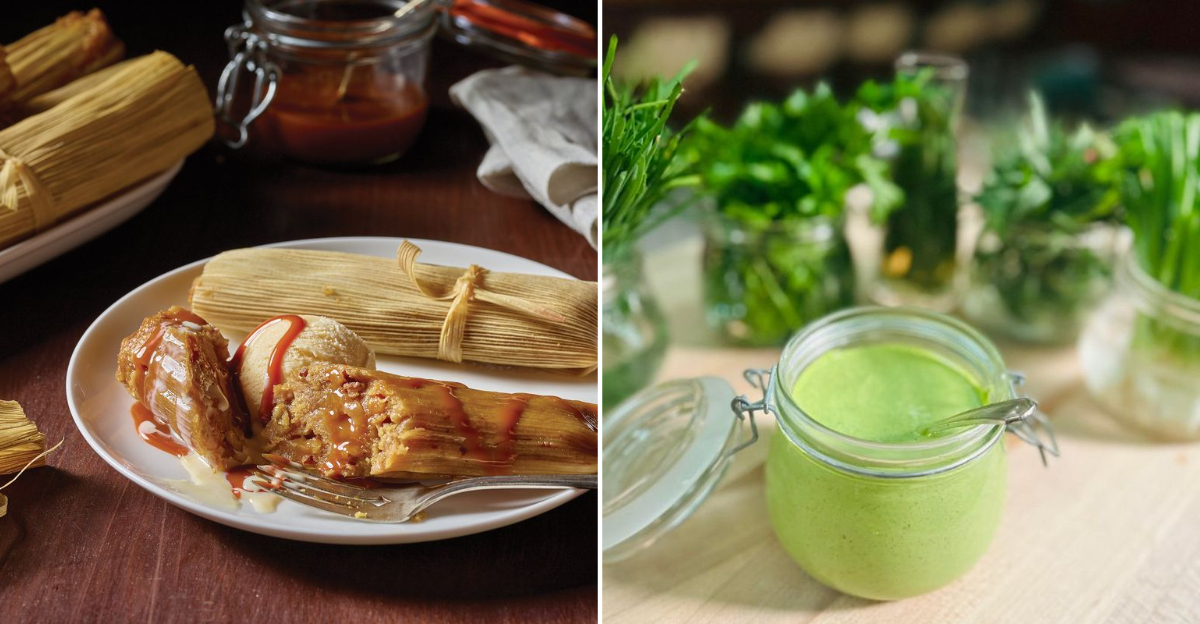
Born at San Francisco’s Palace Hotel in 1923, this vibrant herb-packed dressing was created to honor actor George Arliss, star of the play “The Green Goddess.” The original recipe combined mayonnaise, anchovies, tarragon vinegar, parsley, chives, and tarragon.
For decades, it reigned as California’s signature salad dressing before ranch took over. The Palace Hotel still serves this creamy, herbal concoction, but it should reclaim its rightful place on menus statewide.
3. Crab Tetrazzini
San Francisco’s love affair with Dungeness crab produced this magnificent pasta dish, named for Italian opera star Luisa Tetrazzini.
My grandmother made this every Christmas Eve, combining fresh crab, mushrooms, and pasta in a sherry-spiked cream sauce topped with Parmesan breadcrumbs.
While chicken tetrazzini survives on menus, the superior crab version has nearly vanished. This elegant dish represents California’s perfect marriage of Italian technique with Pacific Coast ingredients.
4. Monterey Sardine Siciliano
Before sardine populations collapsed in the 1950s, Monterey’s Cannery Row produced this Italian-influenced specialty.
Fresh sardines were stuffed with breadcrumbs, pine nuts, raisins, and herbs before being baked or grilled. Sicilian fishermen who settled in Monterey brought this technique from their homeland.
With sardine populations under strict management and the West Coast directed fishery closed in recent years, this forgotten dish offers a delicious way to enjoy a responsibly sourced, nutritious fish that once defined a California community.
5. Apple-Filled Tamales
Sweet tamales were part of 19th-century California cooking, and many families made versions filled with spiced apples from backyard trees and served them with a drizzle of local honey.
Unlike savory tamales that remain popular, these sweet versions, combining California’s abundant apple harvests with indigenous cooking techniques, have largely disappeared.
They represent one of California’s earliest fusion foods, predating statehood.
6. Abalone Steak
Once abundant along California’s coast, abalone was pounded thin, breaded, and quickly fried to create a tender steak that became a coastal staple. Served with lemon and tartar sauce, this simple preparation highlighted the mollusk’s sweet flavor.
Overharvesting led to strict regulations, making abalone rare on menus. Today’s sustainable abalone farms could bring this classic back.
The dish represents California’s coastal bounty and the need to balance culinary traditions with conservation.
7. Barbecued Bull Testicles
Before becoming Hollywood’s playground, Southern California was ranching country where nothing went to waste.
Ranch hands transformed bull testicles into a delicacy by marinating them in red wine, threading them on skewers with peppers and onions, then grilling over red oak.
Growing up near Santa Maria, my uncle would prepare these at family barbecues, calling them “California oysters.”
While they still appear at some rodeos and ranching events, this honest piece of California’s agricultural heritage deserves wider appreciation.