
5 Forgotten Missouri Train Stations That Deserve A Second Look
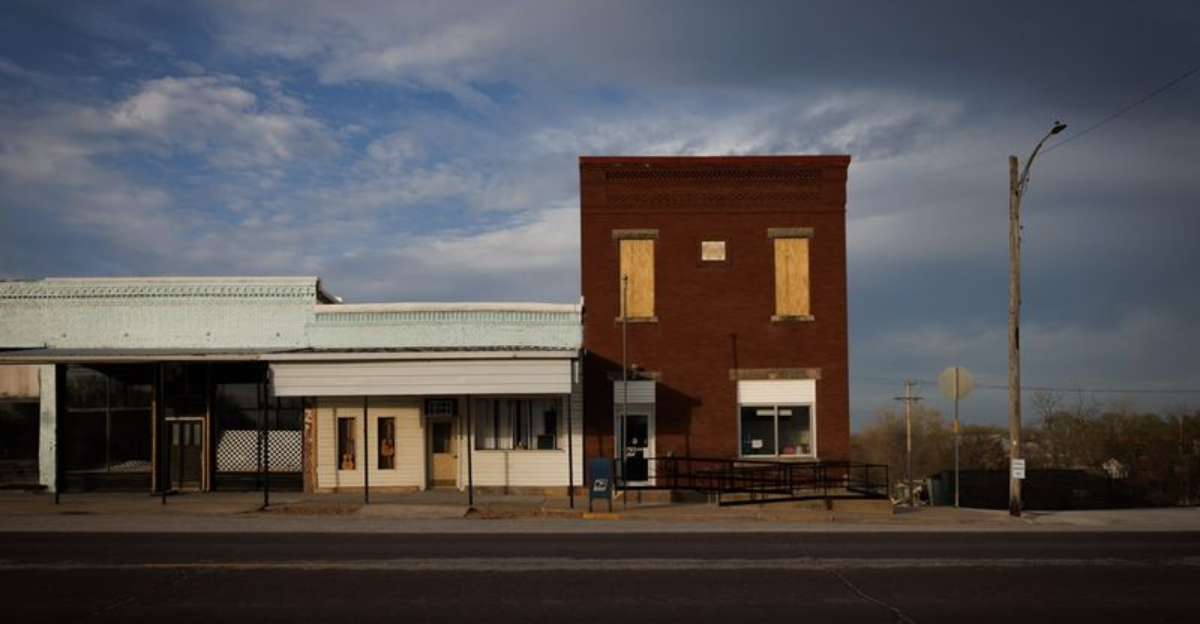
Once the beating hearts of Missouri’s railroad era, these train stations welcomed generations of travelers chasing opportunity, adventure, and connection.
Today, many of them sit quietly, their platforms empty and their grand architecture fading into the backdrop of history.
But step a little closer, and you’ll find stories etched into their stone walls, wooden beams, and weathered waiting rooms.
From prairie depots to limestone landmarks, these five forgotten Missouri train stations still whisper of a time when the rails ruled—and they deserve a second look.
1. Green City’s Prairie Palace
You can almost hear the train coming, I whispered to myself while photographing Green City’s abandoned station last summer. This Sullivan County gem once represented the height of prairie elegance with its distinctive cupola and wraparound platform.
Constructed during the railroad boom of the 1880s, this station connected northern Missouri farmers to markets across the country. The station master’s quarters upstairs still contain faded wallpaper and worn floorboards that witnessed decades of comings and goings.
The surrounding tallgrass prairie creates a dramatic backdrop for this forgotten landmark. Railroad enthusiasts believe this station represents one of the best-preserved examples of rural Midwestern depot architecture—a perfect candidate for restoration.
2. Downing Station: Small Town Survivor
Blink and you’ll miss the tiny town of Downing, but its train station refuses to be forgotten. The modest brick building has survived tornadoes, economic downturns, and the decline of the passenger rail era through sheer stubborn persistence.
During my visit, an elderly gentleman named Earl showed me where the ticket window once stood. Sold my first cattle through connections I made right here, he beamed, pointing to the worn wooden counter.
What makes this station special is how it reflects the no-nonsense practicality of rural Missouri. No fancy architectural flourishes here—just solid construction and functional design that’s weathered a century of Missouri seasons. The station’s sturdy presence reminds us that sometimes the plainest buildings hold the richest stories.
3. Lewistown’s Limestone Legacy
Holy smokes! The first time I saw Lewistown station’s limestone façade catching the sunset light, I nearly drove my car into a ditch. Unlike many wooden stations of its era, this 1872 masterpiece was built to last with locally quarried stone that gleams golden in certain light.
The station served as northeastern Missouri’s gateway to Hannibal and beyond. Its unusual octagonal waiting room features a ceiling that local legend claims was designed by a sailor—its wooden beams arranged like ship timbers.
Nature is slowly reclaiming the building, with vines creeping through broken windows. The Lewis County Historical Society occasionally leads tours, but funding for proper preservation remains elusive. What a tragedy to lose such a unique piece of Missouri’s transportation puzzle!
4. Sikeston’s Iron Mountain Depot: Southern Missouri Stunner
My jaw dropped when I rounded the corner and spotted Sikeston’s St. Louis Iron Mountain & Southern Depot. This Victorian confection looks like it belongs on a movie set rather than in Missouri’s Bootheel region.
Built in 1916 as a replacement for an earlier structure, this station connected cotton farmers to northern markets. The elaborate gingerbread trim and decorative brackets show how important rail travel once was—even smaller cities received architectural treasures when building train stations.
The station narrowly escaped demolition in the 1990s. Today it houses a small museum, but much of the building awaits proper restoration. With Sikeston’s growing tourism industry, this gorgeous structure could become the crown jewel of the downtown area if given the attention it deserves.
5. Webster Groves: Suburban Time Capsule
I bet those walls could tell some stories! That’s what popped into my head while exploring the Webster Groves Missouri Pacific station last spring. This suburban St. Louis station represents the perfect blend of utility and charm.
Constructed of rustic stone with a distinctive red tile roof, the 1910 building welcomed commuters and travelers for generations. The station’s proximity to residential neighborhoods made it the launching point for countless family adventures and business trips.
Though no longer serving trains, the building has found new life as a special events venue. Its preservation shows how historic stations can adapt to modern needs while maintaining their character. Webster Groves’ success story could inspire similar transformations for other forgotten stations across the Show Me State.