
12 Forgotten Oyster Stew Recipes That Still Live In Maryland Families
Maryland’s coastal waters have long blessed generations of families with plump, briny oysters, inspiring a rich legacy of stew recipes lovingly passed down through the years.
Each treasured recipe tells a story, carrying with it the flavor of our maritime heritage and the memory of ancestors who worked the waters of the Chesapeake Bay. A steaming pot of oyster stew is more than a meal—it’s a link to the past, a tradition that has nourished both body and spirit for centuries.
I’ve gathered twelve nearly-forgotten recipes still simmering on Maryland stovetops, each one a delicious piece of our shared culinary history.
1. Grandma’s Chesapeake Creamy Classic
My grandmother swore the secret was warming the milk separately before adding the oysters. “Never boil them,” she’d remind me, wagging her wooden spoon in the air.
“They’ll toughen up faster than old boots in the sun.” Her classic recipe combined fresh shucked oysters with their liquor, celery sautéed until translucent, and warm cream that turned the broth into something heavenly. A touch of butter, salt, and white pepper was all the seasoning needed.
I still make it every Christmas Eve, serving it with oyster crackers just like she did. The simplicity lets those plump Chesapeake oysters shine as nature intended.
2. Eastern Shore’s Herbed Treasure
The first time I tasted this stew at my aunt’s waterfront home in St. Michaels, I nearly cried. Something about the dry vermouth created magic with those briny oysters! Fresh thyme and a single bay leaf infuse the broth as it simmers.
The herbal notes complement rather than overwhelm the delicate oyster flavor. My aunt always used local oysters harvested that morning, claiming you could taste the difference.
Finish with a splash of heavy cream and a sprinkle of fresh thyme leaves. Serve with crusty bread for sopping up every last drop of that aromatic broth that speaks of tidewater traditions.
3. Old Bay Oyster Celebration
Marylanders put Old Bay on everything – why not oyster stew? This spiced-up version has converted even the most skeptical traditionalists in my family. Start by gently warming the oyster liquor with a careful sprinkle of Old Bay seasoning.
The briny liquid becomes infused with those distinctive spices before you ever add the cream. Some families guard their exact Old Bay measurement like a state secret! The oysters themselves need just enough heat to curl at the edges.
Top each serving with a few extra oyster crackers crushed over the surface and another dash of Old Bay for that quintessential Maryland flavor that makes this stew uniquely ours.
4. Sherried Silk Stew
Uncle Bill learned this recipe while working at a fancy Baltimore restaurant in the 1960s. He’d flash a mischievous grin whenever he added the generous splash of sherry that gave this stew its signature flavor.
The technique is what makes it special – sautéing shallots until they practically melt, then deglazing with dry sherry before the cream even enters the pot.
The alcohol cooks away, leaving behind a subtle sweetness that dances with the saltiness of the oysters. Perfect for special occasions, this elegant version feels like something you’d find at a historic Maryland inn. I serve it in my grandmother’s china bowls with a light dusting of paprika for color.
5. Benne Seed Heritage Bowl
My great-grandmother’s recipe card, yellowed with age, calls for “benne seeds” – what we now call sesame seeds. This African influence speaks to Maryland’s complex culinary history. The seeds are toasted until golden, then ground with a mortar and pestle before being stirred into the stew as a thickener.
They add a nutty depth that transforms the flavor profile completely. Some family variations include grits instead, creating a heartier texture.
Historians believe this style originated with enslaved cooks who combined their African heritage with Chesapeake ingredients. Every spoonful connects us to generations who created extraordinary food despite difficult circumstances – making this perhaps the most meaningful recipe in my collection.
6. Salsify Surprise Stew
Grandpa Joe swore salsify was the secret ingredient nobody could ever guess! This forgotten root vegetable, sometimes called the oyster plant for its subtle seafood flavor, creates texture magic in this unique stew.
Stone-ground grits provide the base thickness while sautéed salsify adds interesting dimension and complementary flavor. The combination creates a stew that straddles the line between soup and porridge in the most delightful way.
Finding salsify can be challenging these days, but farmers markets around Easton sometimes carry it in fall and winter. Worth the hunt for this distinctive Maryland recipe that few people remember but deserves preservation for its ingenious use of complementary ingredients.
7. Talbot County Spice Fusion
“The potatoes make it a meal,” my neighbor Mrs. Patterson would say of this hearty Talbot County specialty. Her family recipe, passed down since the 1800s, featured an unexpected twist: ginger and lemongrass alongside the traditional Old Bay seasoning.
The Asian influences likely came from sailors returning from far-flung voyages, bringing exotic ingredients to Maryland’s shores.
Small cubes of potato absorb all those complex flavors while adding substance to the stew. Mrs. Patterson always finished it with a squeeze of lemon and fresh parsley. The resulting creation bridges cultures while remaining undeniably Chesapeake in character – a delicious reminder of Maryland’s position as a historic trading hub.
8. She-Stew: Ladies’ Luncheon Favorite
“She-Stew” earned its charming name from being served at women’s gatherings throughout St. Mary’s County. My mother’s bridge club still makes this delicate version for their monthly meetings. The recipe embodies elegant simplicity: oysters poached gently in thickened milk with the barest whisper of celery.
No bold spices or complicated techniques – just pure, nostalgic comfort in a bowl. Traditionally served in teacups rather than bowls, this dainty portion was considered appropriate for ladies’ appetites. Today we laugh at such notions while still appreciating the stew’s refined restraint.
Something about its subtle flavors creates the perfect backdrop for good conversation – perhaps why it became associated with women’s social gatherings.
9. He-Stew: Watermen’s Robust Recipe
Bacon fat sizzling in the pan announces this stew’s bold character! “He-Stew” earned its name as the heartier counterpart to the ladies’ version, supposedly robust enough to satisfy hungry watermen returning from oyster dredging.
My grandfather taught me to fry thick-cut bacon until crisp, then sauté onions and celery in the rendered fat before adding the oysters.
Tapioca creates the distinctive thickness while milk forms the base. The bacon remains as a garnish, adding smoky crunch to each spoonful. This stew sticks to your ribs on cold winter days when the Bay wind cuts right through your coat. I make it whenever we need comfort food with character – no dainty teacups needed for this Maryland classic!
10. Slim-Down Chesapeake Comfort
My aunt Martha created this lighter version after her doctor warned about her cholesterol. “Who says tradition can’t be healthy?” she’d quip while stirring her cleverly modified recipe. Low-fat milk replaces heavy cream, with just a splash of half-and-half for richness.
Chives add bright flavor while a sprinkle of sweet paprika brings color and depth without added fat. The result tastes remarkably close to traditional versions! Martha’s innovation proves that beloved family recipes can evolve with our needs while honoring their essence.
Her EatingWell-style adaptation has become our new tradition, showing that Maryland’s culinary heritage remains alive and adaptable. Sometimes the most loving way to preserve family food memories is allowing them to change.
11. Land-Lover’s Mushroom Miracle
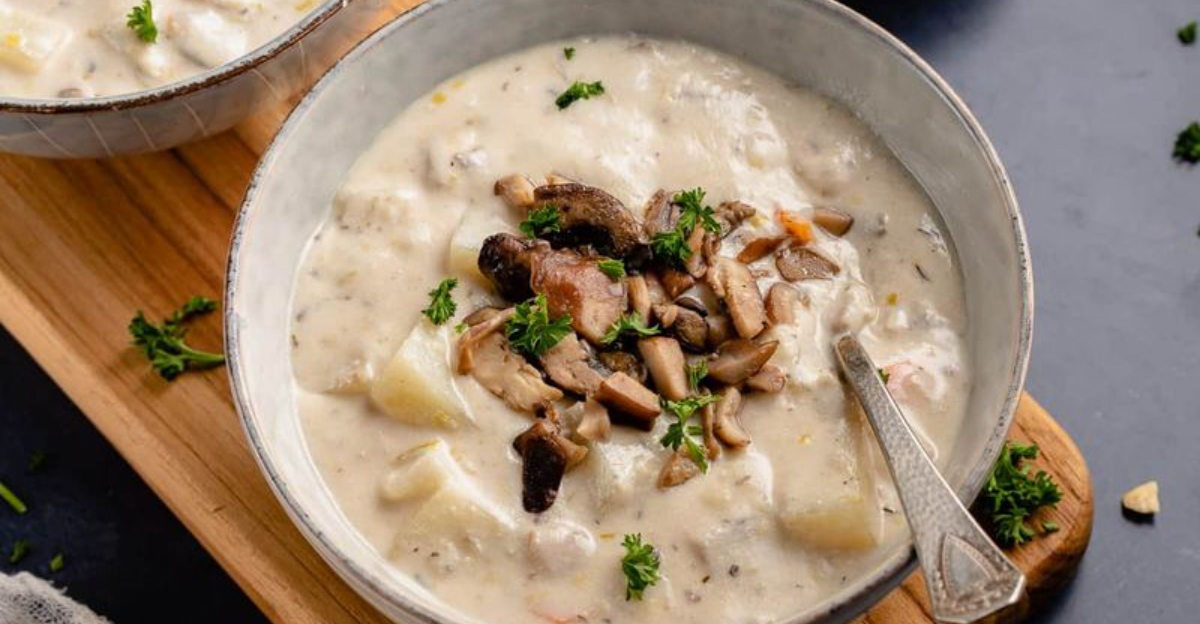
When my daughter became vegetarian, I thought our family oyster stew tradition was finished. Then my clever sister suggested substituting oyster mushrooms – what a revelation! The mushrooms’ naturally seafood-like flavor creates an uncanny similarity to the original.
I sauté them until golden before adding to the creamy base with all the traditional seasonings. Even skeptical relatives have been won over by this plant-based adaptation.
While purists might scoff, this version keeps our family gathering inclusive while honoring the spirit of the recipe. Maryland cooking has always been about using what’s available – and sometimes that means reimagining classics for changing times while keeping the connection to our shared food memories alive.
12. Chesapeake Harvest Chowder
“It’s not exactly a stew, not exactly a chowder – it’s just how we’ve always made it,” my Smith Island relative explained when sharing this unique hybrid recipe. The addition of artichoke hearts alongside oysters creates fascinating flavor interplay.
Diced carrots add sweetness and color to the broth-based concoction. Unlike most oyster stews, this version uses both cream and broth for a lighter yet still satisfying consistency.
This innovative approach showcases Maryland cooks’ willingness to experiment while maintaining connections to tradition. Popular during the harvest season when vegetables were plentiful, this crossover creation bridges the gap between summer’s lighter fare and winter’s hearty stews – perfect for our state’s variable fall weather.