
6 Forgotten Roadside Attractions In Nevada That Are Slowly Disappearing
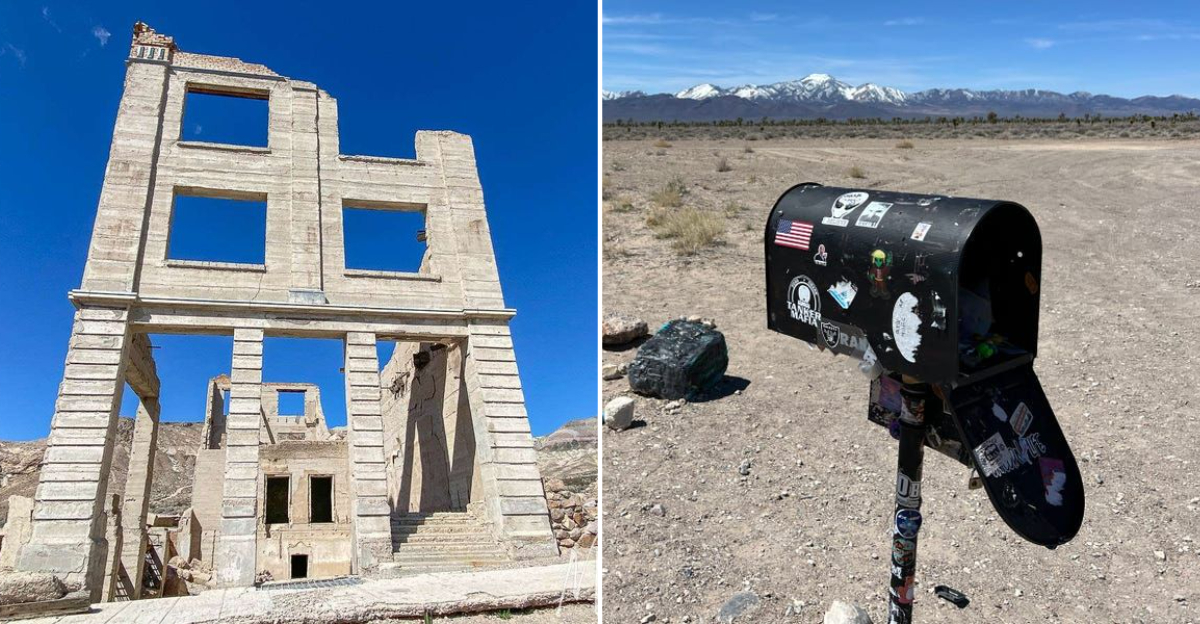
Nevada isn’t just about bright lights and bustling casinos. Hidden along its dusty highways are quirky roadside treasures that once drew travelers from all over, but now sit quietly fading into the desert landscape.
I stumbled upon one of these forgotten gems during a road trip last summer, and it sparked my curiosity about what other weird and wonderful attractions are slowly vanishing across the Silver State.
1. The Goldwell Open Air Museum Sculptures
Ghost Rider, the famous sculpture of a phantom cyclist, greets visitors with an eerie wave near the abandoned town of Rhyolite. Belgian artist Albert Szukalski created these haunting figures back in 1984, and they’ve been battling Nevada’s harsh elements ever since. The sculptures look like frozen spirits emerging from the sand, which makes sense considering they’re made from plaster-soaked fabric draped over wire frames.
Weather and vandalism have taken their toll over the decades. Some pieces have crumbled or been tagged with graffiti, despite volunteer efforts to preserve them. The desert sun bleaches them further each year, adding to their ghostly appearance but also speeding up their deterioration.
Visiting feels like stepping onto another planet where art and abandonment collide beautifully.
2. The Clown Motel Sign In Tonopah
Nothing says “sweet dreams” quite like hundreds of clown figurines staring at you from every corner of your motel room! The Clown Motel has terrified and delighted travelers since 1985, and its iconic neon sign is a beacon for brave souls traveling Highway 95. Owner Bob Perchetti started collecting clowns as a hobby, and things got wildly out of hand.
The vintage sign itself is showing its age, with flickering lights and faded paint that somehow makes it even creepier. Located right next to an old cemetery, this place basically writes its own horror movie script. Recent ownership changes have brought some updates, but preserving the original kitschy charm remains a challenge.
I drove past it once at midnight and nearly kept driving until sunrise!
3. The Old Shoe Tree On Highway 50
Somewhere along America’s Loneliest Road, a bizarre tradition was born when a newlywed couple supposedly tossed their shoes into a cottonwood tree after arguing. What started as one couple’s quirky moment became a legendary landmark with thousands of shoes dangling from every branch. Travelers added their own footwear for decades, creating a colorful canopy of sneakers, boots, and high heels swaying in the desert wind.
Tragically, vandals cut down the original tree on New Year’s Eve 2010, shocking locals and road-trippers alike. A replacement tree was planted nearby, and people quickly began rebuilding the collection. However, the new tree struggles in Nevada’s unforgiving climate and hasn’t reached the magnificent size of its predecessor.
The tradition continues, but time will tell if this version survives.
4. Rhyolite Ghost Town Ruins
Rhyolite boomed faster than a firecracker in 1904 when gold was discovered nearby, swelling to nearly 5,000 residents almost overnight. Within just a few years, it boasted electric lights, a stock exchange, and even an opera house that would make modern towns jealous. Then the gold dried up, and by 1916, Rhyolite became Nevada’s most famous ghost town.
Today, the crumbling three-story bank building and the quirky Bottle House stand as reminders of dreams that turned to dust. The structures lose more pieces every year to weather, earthquakes, and curious visitors who pocket souvenirs they shouldn’t. The National Park Service monitors the site, but nature always wins eventually.
Walking through feels like time-traveling to the Wild West’s final curtain call.
5. The International Car Forest Of The Last Church
Artist Mark Rippie had a vision that involved planting cars nose-first into the Nevada desert like mechanical wildflowers. Working with his partner Chad Sorg, he created this surreal automotive garden where over 40 vehicles stand at attention, many painted with vibrant designs by visiting artists. Sedans, trucks, and even a bus jut skyward in defiance of gravity and good sense.
Located near Goldfield, this wacky installation faces constant threats from rust, fading paint, and the occasional person who thinks taking parts home is acceptable. The remote location makes regular maintenance nearly impossible, and each passing year sees more paint peeling and metal corroding. Volunteers occasionally organize painting parties to refresh the artwork.
It’s automotive rebellion frozen in time, slowly surrendering to the elements.
6. Thunder Mountain Monument
Frank Van Zant, who called himself Chief Rolling Mountain Thunder, spent decades building a monument to Native American culture using whatever materials he could find. This self-taught artist constructed elaborate structures from cement, car parts, bottles, and salvaged treasures from the 1960s until the end of his life in 1989. His creation includes a multi-story hostel, sculptures, and pathways that wind through his eccentric vision.
After his passing, the site fell into disrepair despite being listed on the National Register of Historic Places. Volunteers have worked to stabilize structures, but the desert climate and limited funding make preservation incredibly difficult. Parts have collapsed, and vibrant painted details have faded significantly over time.
This monument represents one man’s outsider art dream slowly returning to the earth that inspired it.
7. The Extraterrestrial Highway Mailboxes
State Route 375 earned its official Extraterrestrial Highway designation in 1996, thanks to its proximity to the mysterious Area 51. Along this lonely stretch, creative locals and UFO enthusiasts decorated mailboxes with alien themes, turning mundane postal boxes into intergalactic art installations. Little green men, flying saucers, and glowing paint transformed ordinary metal containers into roadside conversation starters.
Unfortunately, many of these whimsical boxes have disappeared over the years, victims of souvenir hunters and harsh weather conditions. What once numbered in the dozens has dwindled to just a handful of survivors. Residents who maintain them fight a constant battle against theft and deterioration.
Each missing mailbox feels like losing a small piece of Nevada’s quirky personality and its embrace of the unexplained.
8. The Mizpah Hotel Ghost Signs
When the Mizpah Hotel opened in 1907, it was Nevada’s tallest building and the crown jewel of Tonopah’s mining boom. The exterior walls once displayed beautifully painted advertisements for everything from whiskey to dry goods, creating a colorful catalog of early 20th-century commerce. These “ghost signs” survived for decades, their faded letters telling stories of businesses long vanished.
Recent renovations saved the building itself, but many original painted signs were lost to necessary repairs and weatherproofing. The few remaining examples grow fainter each year, their messages barely readable beneath layers of desert dust and sun damage. Preservationists face tough choices between maintaining structural integrity and saving historical advertising art.
These fading advertisements whisper tales of Tonopah’s glory days when silver flowed like water and dreams seemed endless.