
From The Underground Railroad To Motown Beats, This Michigan Museum Remembers Everything
Most cities tell their history through a single lens, but Detroit refuses to pick just one chapter.
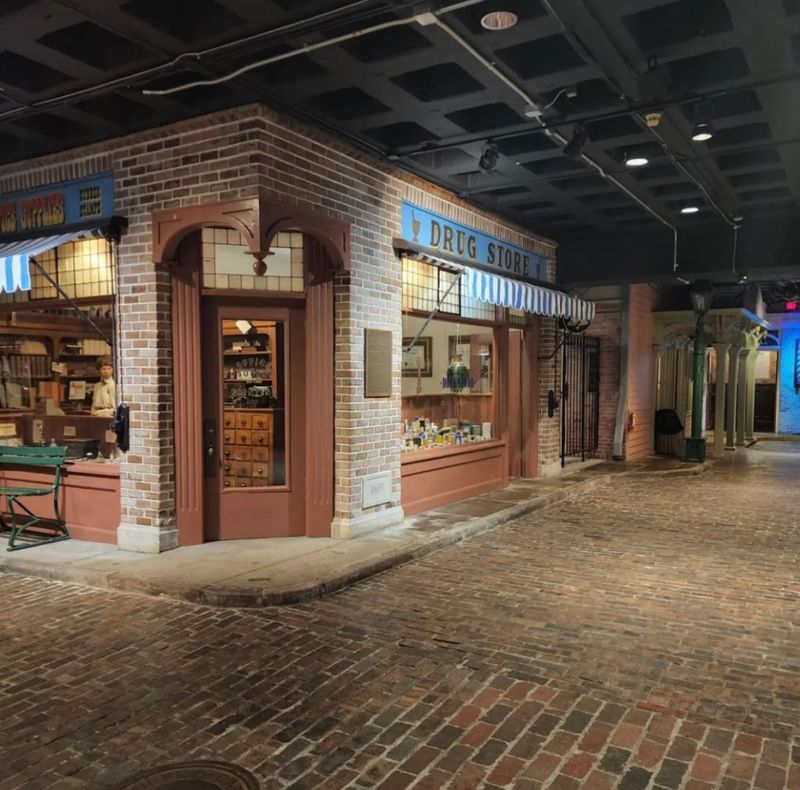
Inside a building on Woodward Avenue, exhibits trace the route enslaved people took through the city on their way to freedom, then turn the corner into a reconstructed nineteenth-century street complete with a working pharmacy and a copper shop.
Down the hall, the story shifts again: assembly lines that put the world on wheels, a record label that changed the sound of popular music forever, plus the civil rights movements that shaped both the city and the entire country.
You can walk through the old Detroit, stand beside the actual signing desk where Motown contracts were sealed, then read firsthand accounts from families who sheltered freedom seekers in their very own homes. Michigan carries the weight of a city that helped build a nation inside a single museum.
Start With The Museum’s Sense Of Scale
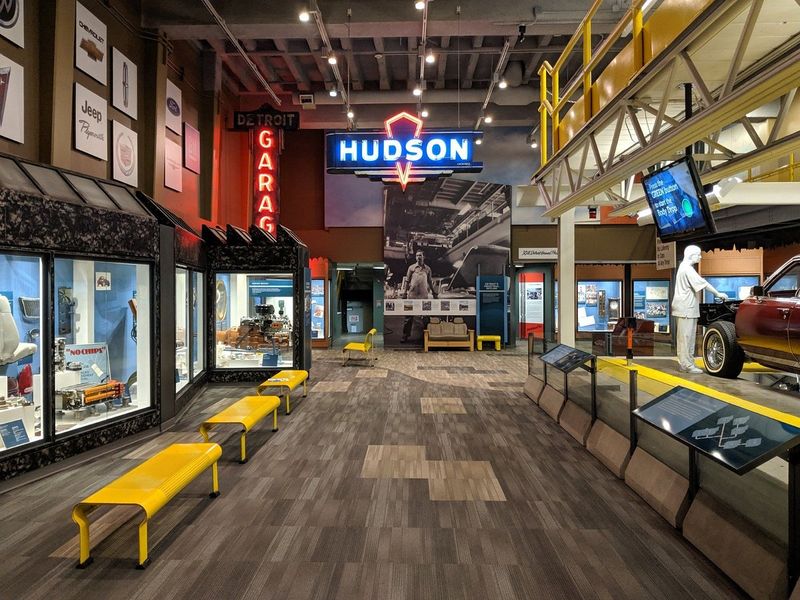
The first thing that struck me was not grandeur but density. The Detroit Historical Museum packs Detroit’s story into a building that rewards slow walking and frequent doubling back.
Opened in 1951, it was created to mark the city’s 250th anniversary, and that civic purpose still shows.
You are rarely far from another doorway, another case, another clue about how southeast Michigan became itself. The museum is run by the Detroit Historical Society and cares for an enormous collection, nearly 300,000 artifacts, which helps explain the satisfying sense of abundance.
Give yourself at least two hours, more if you like reading labels carefully. This is not a skim-and-snap museum. It works best when you let it accumulate in your mind.
The History Lesson Starts At Exit 215C
Detroit Historical Museum sits at 5401 Woodward Avenue in Midtown Detroit, Michigan. From Interstate 94, take Exit 215C for Woodward Avenue and Brush Street, then head south on John R Street toward the Cultural Center.
Turn west onto Kirby Street and continue past the surrounding museums and university buildings. The destination faces Woodward Avenue, directly across from the grand Detroit Public Library.
The museum’s paid parking lot is on Kirby Street between Woodward and Cass avenues. Pull in there, leave the car behind, and walk around to the Woodward Avenue entrance.
Listen Closely In Motor City Music
Then the museum changes tempo. Motor City Music is bright, interactive, and generous, covering gospel, Motown, rock, pop, blues, hip-hop, and techno without flattening them into a single cheerful blur.
Detroit’s musical identity comes through as layered, argumentative, inventive, and gloriously public.
The stage area, with a large monitor showing performances by Detroit greats, gives the room a pulse. Nearby, memorabilia such as instruments, posters, garments, and records turns famous names into material history you can stand beside.
You will also find a trivia touch screen and a mixing station, which keep the gallery from becoming static. I liked that Motown sits in a broader city soundtrack here, alongside Aretha Franklin, Madonna, Bob Seger, and Alice Cooper.
Use The Recreated Streets As A Reading Tool
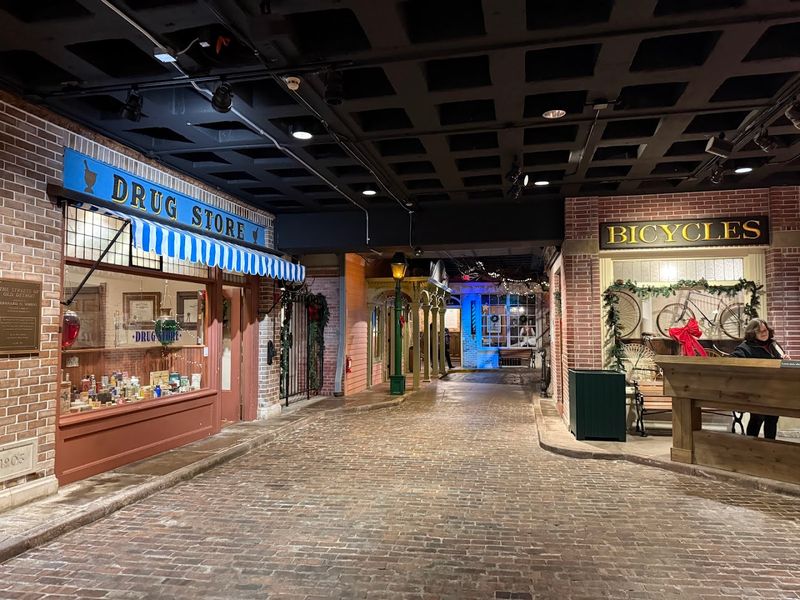
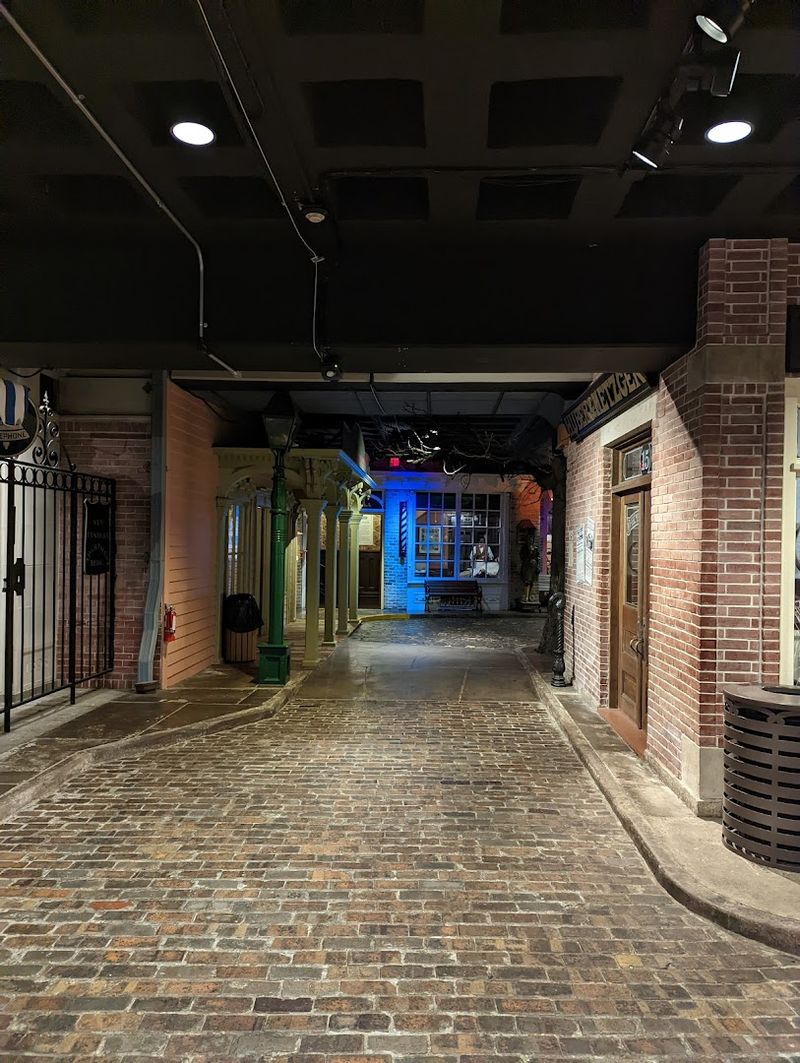
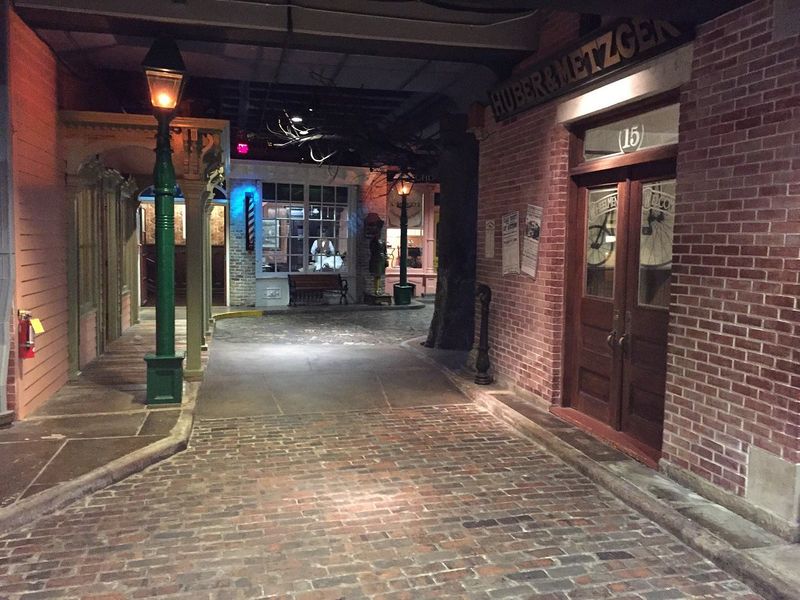
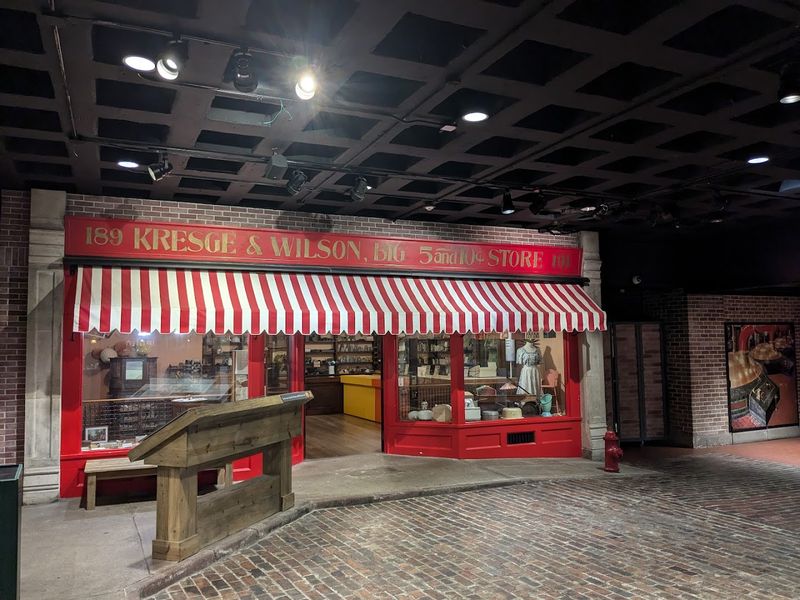
One of the museum’s most effective tricks is architectural rather than digital. Its recreated streets and period environments make city history legible at human scale, so dates and industries stop floating abstractly and start feeling like neighborhoods, workdays, and errands.
The slightly compressed layout helps. Instead of huge blank expanses, you move through connected scenes that feel almost theatrical, though the effect is more thoughtful than flashy. A cobblestone stretch underfoot changes your pace before you even realize it.
If you are visiting with someone who claims not to love history museums, start here. The built environments make conversation easy because there is always a doorway, sign, or texture to point at. Detroit becomes something you can physically navigate, not just read about.
Arrive Through Kirby And Save Yourself Fuss
Practical advice first: entering from the rear lot off Kirby Street makes the visit smoother. The Kirby doors are commonly used for museum access, and that small bit of planning helps when Woodward’s grandness is making everything feel more ceremonial than necessary.
Inside, the staff presence is reassuring without being fussy. Because the museum covers so much, it helps to begin with a quick orientation and decide whether you want to move chronologically or chase the themes that matter most to you.
Hours are also worth noting before you set out. The museum is typically open Wednesday through Saturday from 10 AM to 5 PM, Sunday from 1 PM to 5 PM, and closed Monday and Tuesday. That schedule catches the unprepared surprisingly often.
Notice How Detroit History Stays Personal
Some city museums lean so hard on industry and milestones that ordinary lives disappear. Here, even when the subject is big, the interpretation keeps circling back to people, which makes Detroit feel less like a legend and more like a place of decisions, labor, migration, invention, and memory.
That is especially true in exhibits where personal narratives carry the argument. In Doorway to Freedom, individual voices sharpen the historical stakes.
In music galleries, garments, records, and posters remind you that culture is made by hands, rehearsal, risk, and repetition.
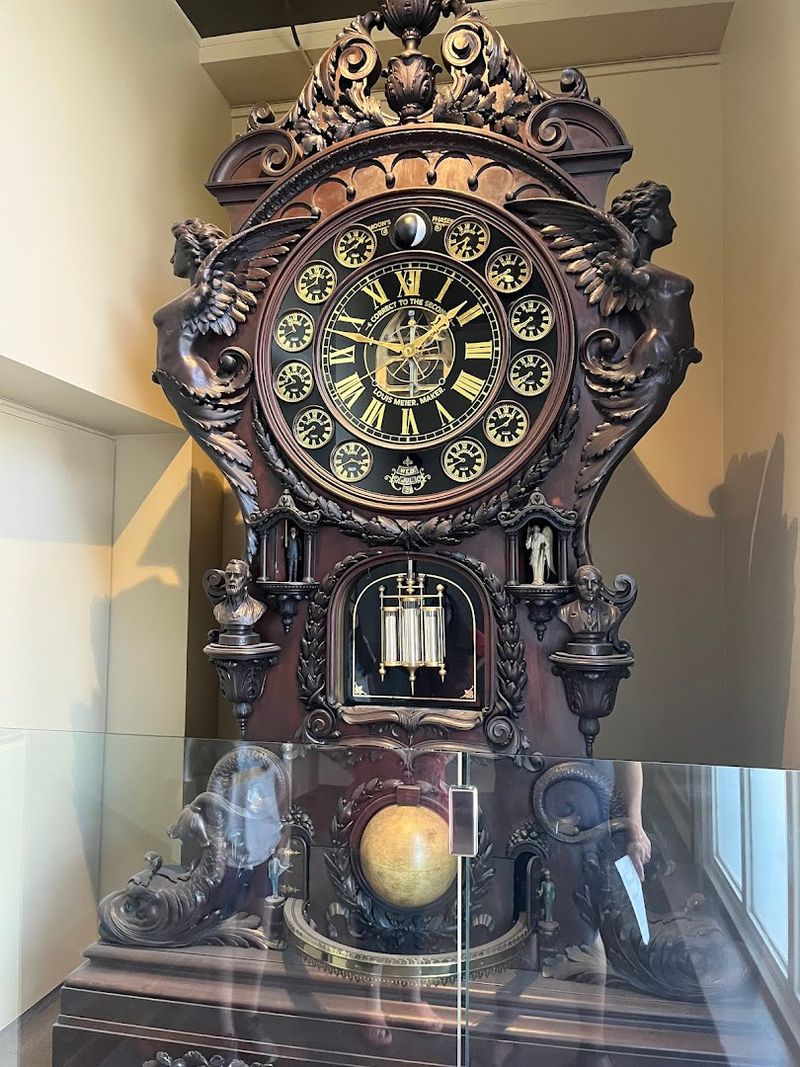
I found myself slowing down at small objects more than large ones. Tiny things often do the heaviest lifting in this museum. They tether the grand story to someone who actually wore, touched, carried, or made it.
Treat It As A Cultural Center Anchor
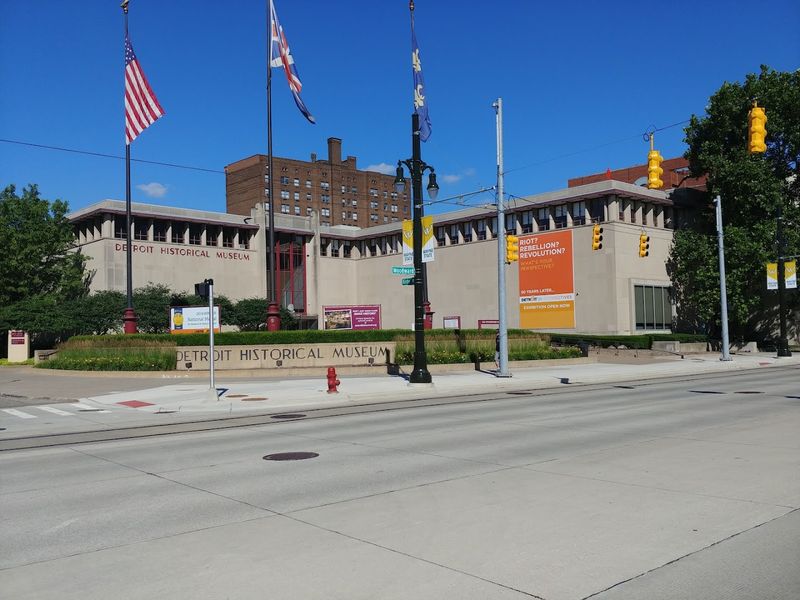
The address matters more than it first appears. At 5401 Woodward Avenue, the museum sits in Detroit’s Cultural Center Historic District, which gives your visit a wider civic frame.
You are not dropping into an isolated attraction but into a neighborhood built for learning, looking, and connecting ideas.
That setting suits the museum’s mission. Since the Detroit Historical Society was founded in 1921, the goal has been to preserve and tell Detroit’s stories, and the Woodward location makes that mission feel publicly visible rather than tucked away.
If your day includes other institutions nearby, keep this stop early enough that you still have mental energy. The museum asks for attention, and it rewards it.
This is not filler between bigger names. It is one of the district’s essential interpreters.
Give The Labels More Time Than Usual
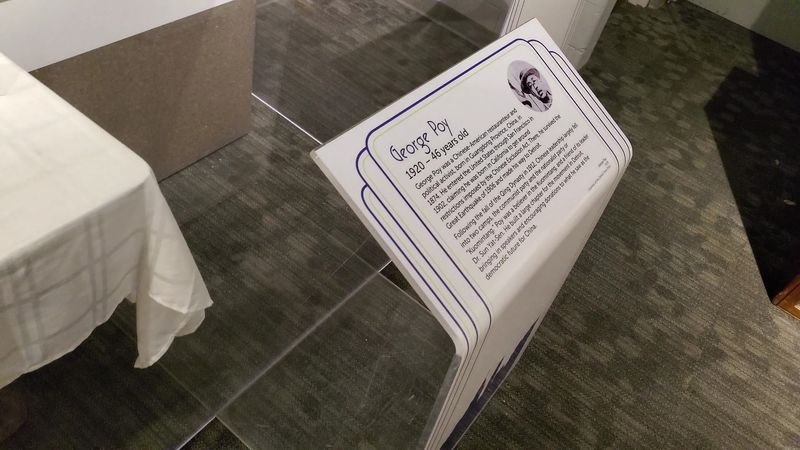
The labels here are worth your patience. In many museums, text panels become background wallpaper after a while, but at the Detroit Historical Museum they often supply the connective tissue that explains why a street scene, a garment, or a sound clip matters in the city’s larger history.
Because the galleries are dense, it is tempting to keep moving. Resist that urge, especially in the historical sections where context transforms objects from curiosities into evidence.
Detroit’s development, reform movements, music scenes, and civic changes all become sharper through careful reading.
A simple strategy helps: choose one exhibit per floor where you read almost everything, then let the rest breathe. That rhythm prevents overload.
It also gives the museum a more memorable shape than a fast, indiscriminate pass would.
Expect Children To Find Their Way In
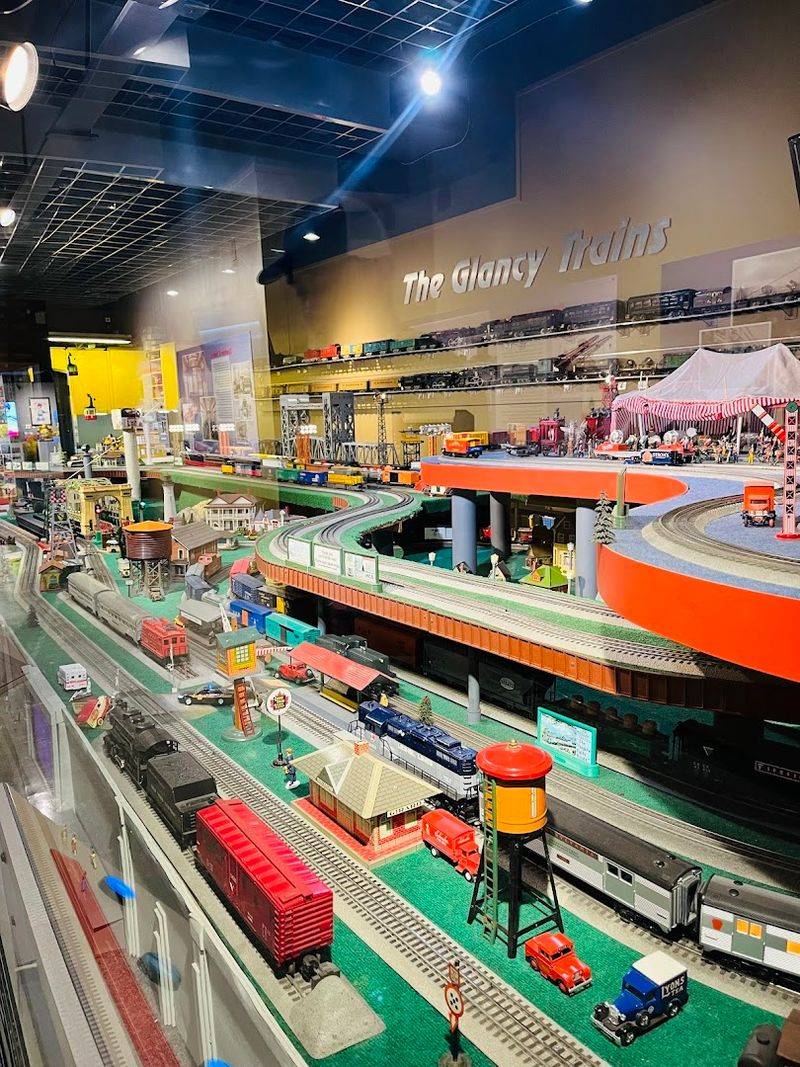
What surprised me was how naturally the museum works for mixed ages. Interactive elements are present without turning the place into a theme park, and the variety of subjects means different visitors latch onto different doors into Detroit’s story.
Motor City Music is an obvious draw because it invites listening, watching, and trying things. But the recreated streets, sports material, and city-building narratives also give younger visitors something concrete to orient around, even when the deeper historical context lands later.
If you are coming with family, build in breaks and avoid trying to conquer every gallery. The museum rewards curiosity more than completion.
A shorter, attentive visit is better than a marathon that turns rich material into background scenery. Leave room for the gift shop at the end.
Let The Underground Railroad Reframe The River
Detroit’s river can look deceptively calm in the abstract, just a geographic fact on a map. In this museum, especially within Doorway to Freedom, it becomes charged space, a final threshold where distance, law, fear, and hope compressed into a crossing of extraordinary consequence.
The exhibit does not sentimentalize that journey. It emphasizes the danger of travel, the role of conductors, and the importance of Detroit’s position as the last American stop before Canada.
The code name Midnight lands differently once you understand the urgency behind it.
Afterward, the city’s geography reads differently. That is one mark of a strong history museum: it changes the map in your head. Here, the river stops being scenery and becomes moral history with weather, risk, and names attached.
Finish By Asking What Detroit Remembers
By the end, what lingers is not a single artifact but the museum’s argument about memory. Detroit is presented as more than automobiles or headlines.
It is a place of escape routes, performance stages, neighborhood textures, organizing efforts, and public imagination, all held together in one compact institution. That breadth could feel scattered somewhere else. Here, it feels honest.
A city this consequential should not be reduced to one storyline, and the museum’s strength lies in showing how many Detroit histories overlap, contradict, and enrich one another.
Before leaving, I like to make one slow final lap rather than sprinting for the door. The gift shop is near the entrance, but the better souvenir is a sharpened sense of place. Few museums send you back outside with the city newly rearranged.