
10 Georgia Small Towns Where $1200 A Month Fits A Peaceful Retirement Life
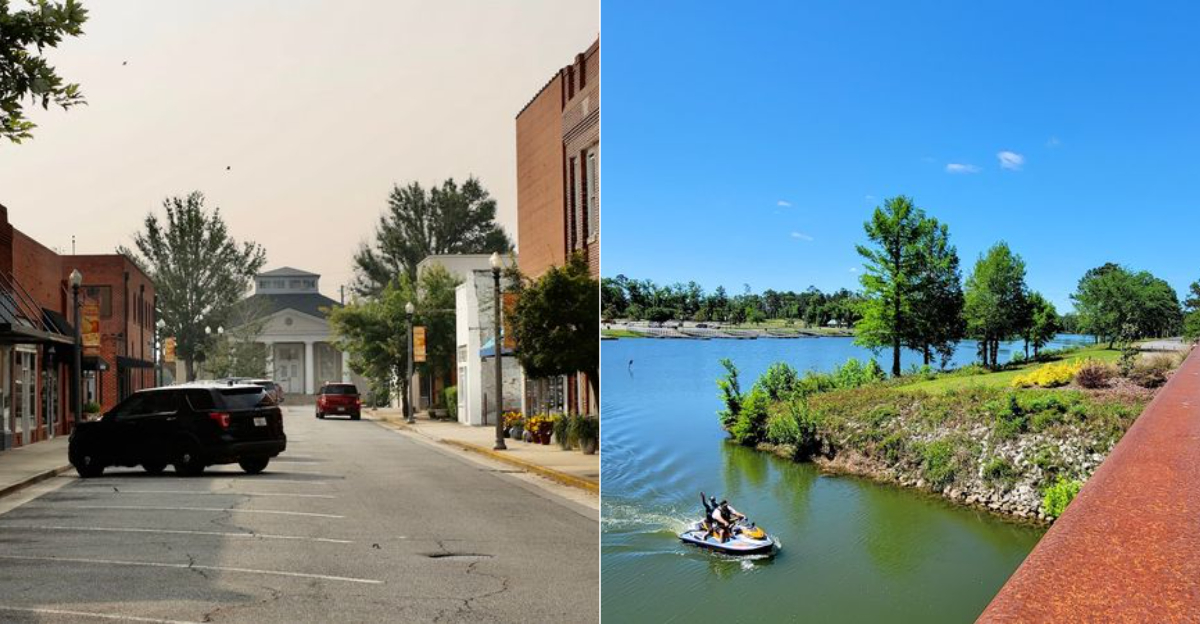
$1,200 a month doesn’t sound like much, until you drop it into the right corner of Georgia. Then it starts behaving like it has a secret side hustle.
Welcome to small-town living where mornings taste like strong coffee, not invoices, and evenings come with porch light glow instead of financial stress.
These aren’t just towns. They’re slow-cooked escapes.
Think peach stands on the roadside, diners where the pie has opinions, and neighbors who still wave like it’s a full-time job. Life here doesn’t rush; it simmers.
Retirement? More like a permanent weekend with a budget that somehow works overtime.
Let’s wander through Georgia small towns where $1200 doesn’t shrink your life. It stretches it, seasons it, and serves it warm.
1. Americus
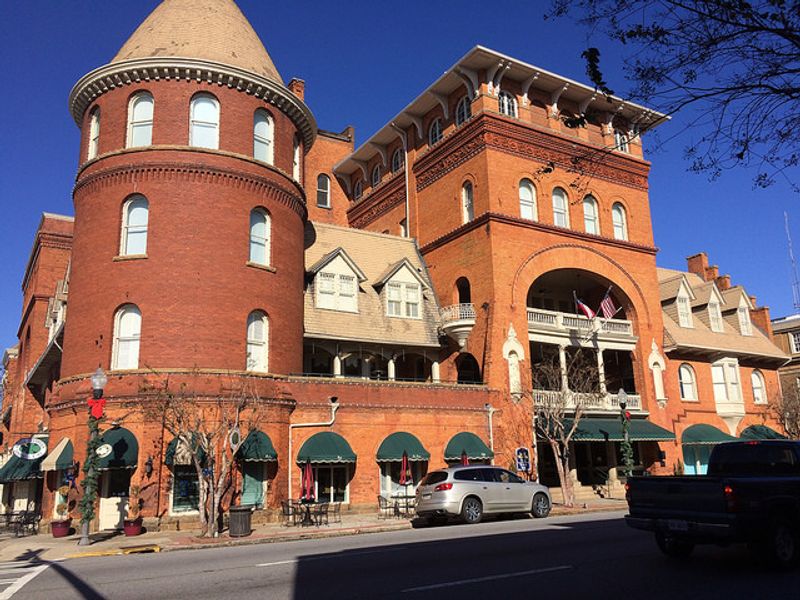
Americus has this old-movie-set quality where every block feels like it was designed for someone who finally decided to stop rushing.
Sitting in Sumter County in southwest Georgia, this town carries serious historical weight. It is home to Habitat for Humanity’s global headquarters, which adds a warm, community-first energy to the whole place.
Housing costs here run about 41 percent lower than the national average. Median monthly rent hovers around $597, which means you still have over $600 left for everything else on a $1200 budget.
Food expenses also run about 13 percent below average, so your grocery runs will not drain the account.
The downtown area features restored Victorian architecture, local shops, and Windsor Hotel, a beautifully preserved landmark that gives the town a dignified, unhurried character. Georgia Southwestern State University keeps a steady cultural pulse in the community.
Outdoor lovers enjoy Lake Blackshear nearby for fishing and quiet mornings on the water.
The cost of living sits 19 percent below the national average, making Americus one of the most budget-friendly retirement spots in the entire state.
Peaceful, affordable, and full of Southern soul, Americus is the kind of place that makes you wonder why you waited so long.
2. Toccoa
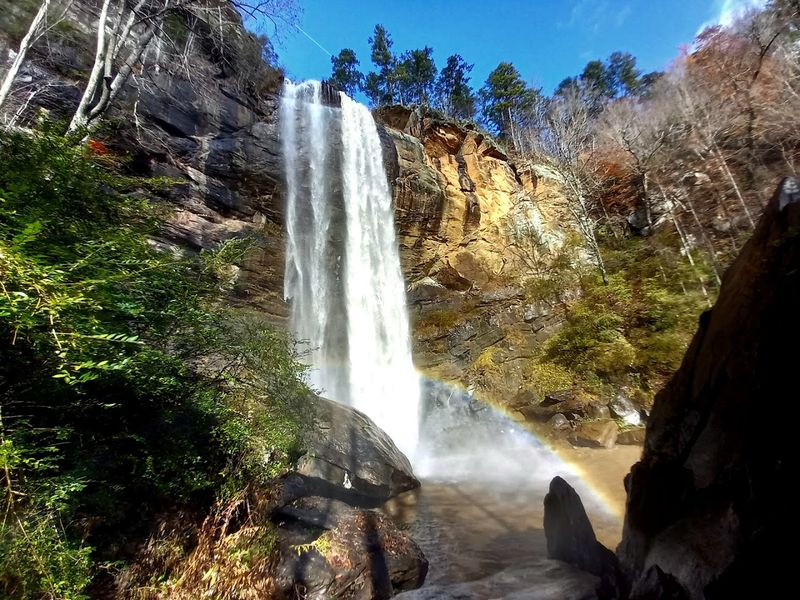
There is a waterfall in Toccoa that drops 186 feet straight down, taller than Niagara Falls, and it sits right on a college campus.
That alone should tell you this town is not playing around when it comes to natural beauty. Toccoa sits in the northeastern corner of Georgia, tucked into the Blue Ridge foothills with a personality that is equal parts rugged and charming.
The town of about 8,000 people keeps life refreshingly simple. Housing costs stay well below national averages, and the overall cost of living makes it one of the more accessible spots in the region for retirees watching their budget carefully.
Rental options for studios and smaller units can keep housing costs manageable within a tight monthly plan.
Toccoa offers a historic downtown with locally owned shops, the Currahee Military Museum, and easy access to Lake Hartwell for fishing and outdoor recreation.
The surrounding Stephens County landscape provides year-round scenic beauty that feels like a reward just for showing up.
Community events and a small-town rhythm make daily life here feel intentional rather than accidental. Toccoa is proof that retiring well does not require a big city or a big budget, just the right zip code.
3. Vidalia
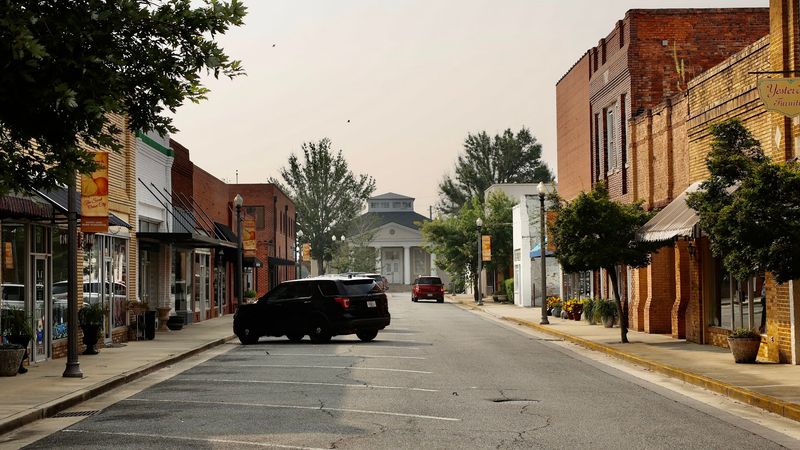
Vidalia is world-famous for one thing: the sweetest onion on the planet. But beyond the produce aisle fame, this small southeast Georgia town offers something equally appealing for retirees: a genuinely low cost of living wrapped in classic Southern warmth.
The population sits around 10,000, which keeps the pace relaxed and the traffic nonexistent.
Housing in Vidalia is notably affordable, with rental costs running well below national averages. For someone working within a $1200 monthly budget, finding a modest one-bedroom or studio here is absolutely realistic.
Grocery costs also benefit from the agricultural roots of the region, keeping food expenses lighter than in most parts of the country.
The town hosts the annual Vidalia Onion Festival each spring, a beloved community tradition that draws people together in the best possible way. Beyond that, everyday life here revolves around local diners, community parks, and the kind of neighborly energy that larger cities simply cannot manufacture.
Toombs County’s rural setting means access to open land, fresh air, and a natural quietness that retirees often describe as deeply restorative.
Healthcare options in the area include Meadows Regional Medical Center. Vidalia may be small, but it offers a surprisingly full life for anyone willing to trade city noise for something sweeter.
4. Cordele

Cordele calls itself the Watermelon Capital of the World, and honestly, that energy carries through the whole town. There is something gloriously unhurried about a place that built its identity around a fruit that takes all summer to grow.
Located along Interstate 75 in Crisp County, Cordele is the kind of town where you can breathe out fully and mean it.
The cost of living here sits about 16 to 18 percent below the national average, and housing costs come in a remarkable 51 percent lower than the national average.
Median monthly rent lands around $506, which is one of the lowest figures you will find anywhere in Georgia. That leaves nearly $700 in a $1200 budget for food, utilities, and healthcare.
Lake Blackshear, a stunning 8,700-acre reservoir, sits just outside town and serves as the area’s recreational anchor.
Fishing, kayaking, and lakeside walks make retirement here feel like a permanent vacation with a very reasonable price tag.
Food and healthcare costs also run below national averages in Cordele, which compounds the savings nicely.
The town is small enough to feel personal but connected enough via I-75 to reach larger cities when needed. Cordele quietly makes the case that simple living is actually the best kind.
5. Fitzgerald
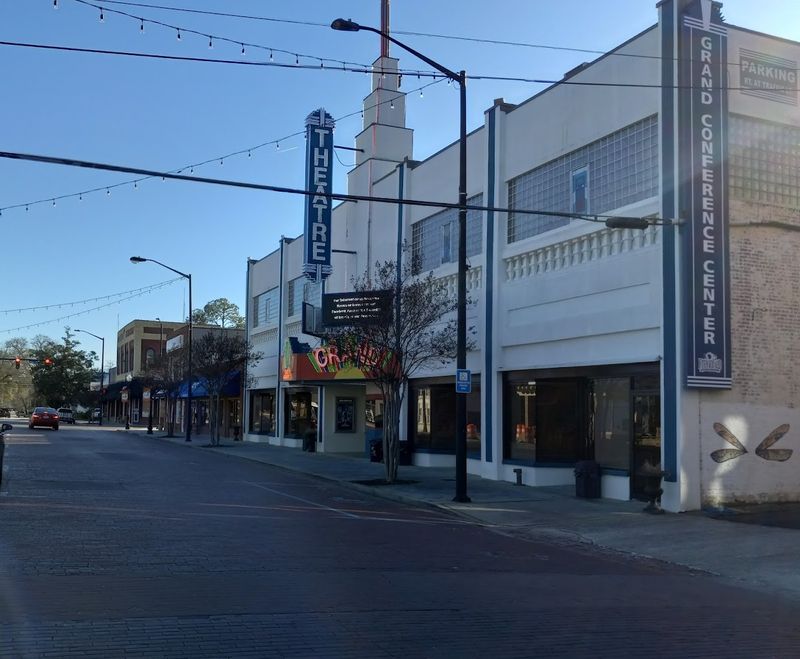
Fitzgerald has one of the most fascinating origin stories of any town in Georgia. It was founded in 1895 as a colony for Union and Confederate veterans who agreed to put the war behind them and build something new together.
That spirit of reconciliation and fresh starts is somehow still woven into the fabric of the place over a century later.
The town sits in Ben Hill County in south-central Georgia and has a population of around 8,000. Cost of living here is comfortably below national averages, and housing options for retirees on tight budgets are genuinely accessible.
Modest rentals in the area can fall well within the lower half of a $1200 monthly budget.
Fitzgerald is also home to a thriving population of wild parakeets, descendants of birds that escaped a storm-damaged aviary decades ago.
Watching bright green parakeets fly over Georgia pine trees never gets old and it is completely free entertainment.
The downtown area preserves its early 20th-century architecture with a quiet pride. Local parks, the Blue and Gray Museum, and community events keep life interesting without requiring a big spend.
Fitzgerald proves that history, charm, and affordability can absolutely share the same address.
6. Cairo
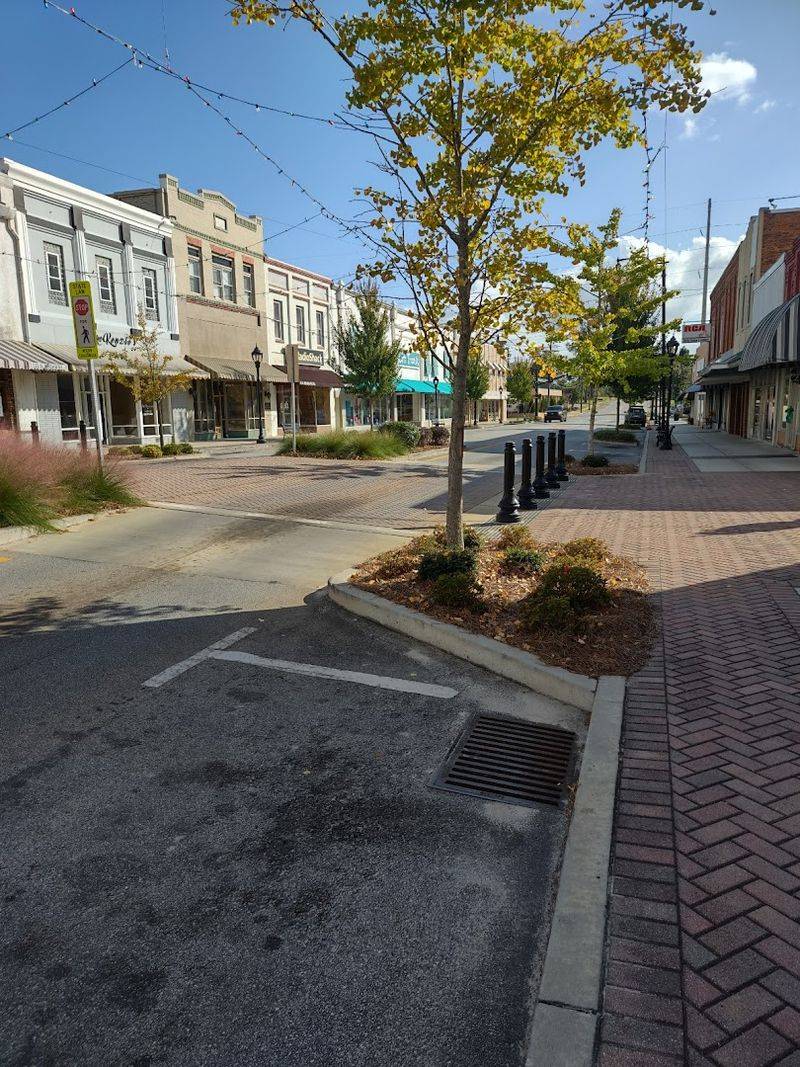
Cairo, pronounced KAY-ro down here, is the kind of town that makes you feel like you landed somewhere genuinely off the beaten path.
Grady County’s seat sits near the Florida border in southwest Georgia, surrounded by farmland and the kind of wide-open sky that reminds you the world is actually quite large and mostly quiet.
The population hovers around 9,000, and the town carries a laid-back agricultural character that suits retirement life beautifully. Housing costs here are well below national averages, and the overall affordability of the region makes it a realistic option for someone managing a $1200 monthly budget with care and intention.
Cairo is known as the Antique Rose Capital of Georgia, and the local landscape reflects that soft, unhurried beauty.
The nearby Birdsong Nature Center offers over 500 acres of protected land with trails, birding opportunities, and a genuine sense of wilderness just minutes from town.
Grocery costs in this agricultural region tend to stay low, benefiting from the surrounding farm economy. Healthcare access includes Grady General Hospital, which serves the local community reliably.
Cairo will not show up on any trendy retirement destination lists, and that is precisely what makes it such an underrated gem for those who prefer their peace undiscovered.
7. Bainbridge
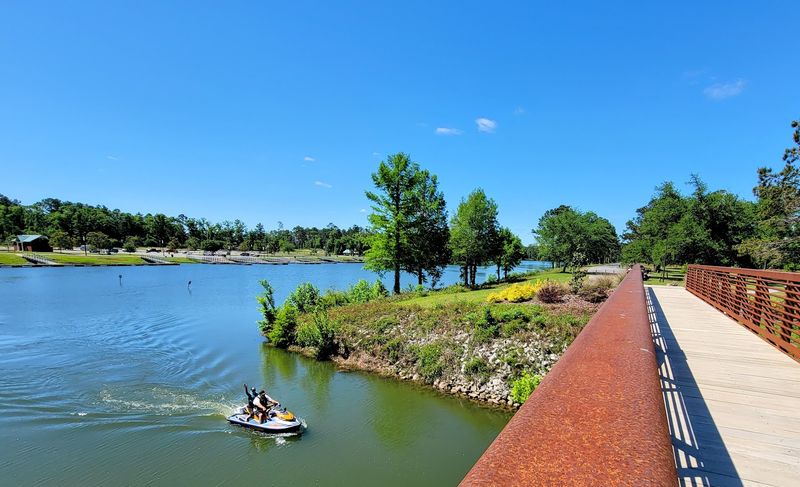
Bainbridge sits right on the Flint River in Decatur County, and the water defines the whole mood of the place.
There is a certain ease that comes with living near a river, where the current reminds you daily that things move at their own pace and that is perfectly fine. This southwest Georgia town of about 12,000 leans into that energy completely.
The cost of living in Bainbridge runs noticeably below national averages, and housing options for retirees on a careful budget are very much available. Rental costs in the area can fit comfortably within the lower portion of a $1200 monthly plan, especially for smaller units or older neighborhoods with character-filled homes.
Lake Seminole, formed by the Jim Woodruff Dam at the confluence of the Flint and Chattahoochee Rivers, sits just south of town.
It is one of Georgia’s best fishing lakes, drawing anglers year-round for bass, crappie, and striped fishing trips that cost nothing but time and patience.
Downtown Bainbridge has been steadily revitalized with local shops, a historic courthouse, and community gathering spaces.
The town also hosts the annual Big Bass Tournament, a beloved local tradition. Bainbridge offers the kind of retirement where every day feels like a Saturday morning with nowhere urgent to be.
8. Waycross
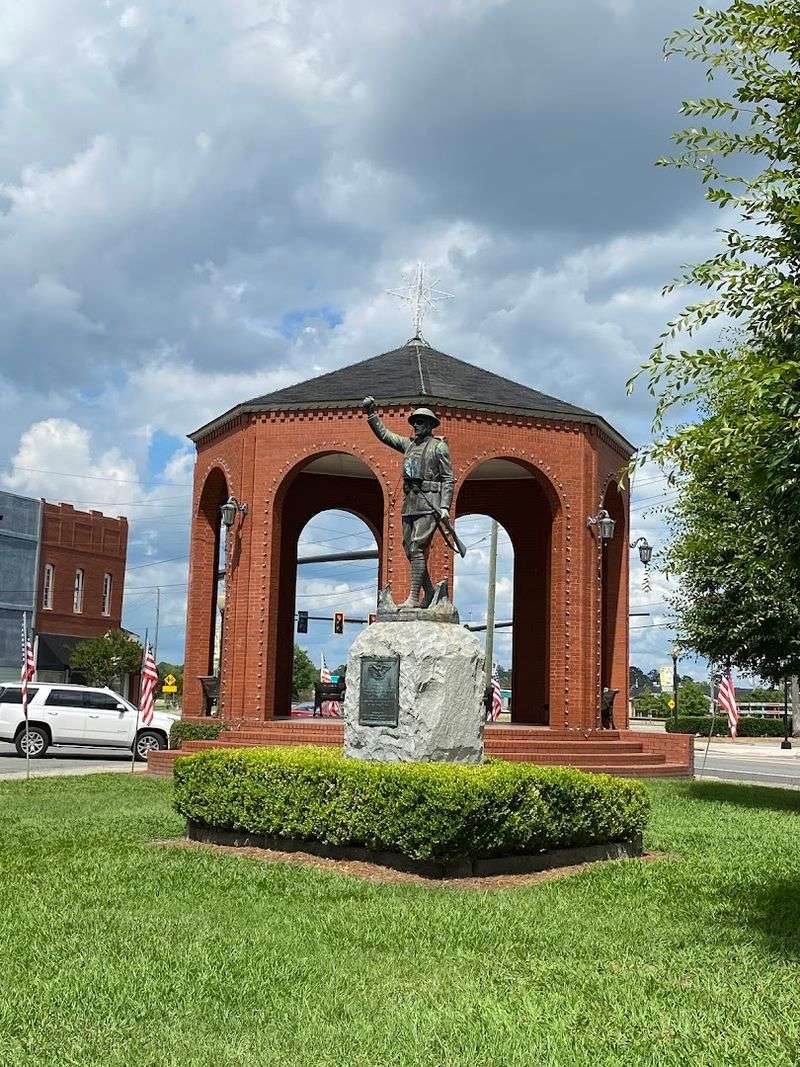
Waycross is the gateway to the Okefenokee Swamp, one of the largest and most extraordinary blackwater wetlands in North America.
Living here means having one of America’s most unique natural landscapes essentially in your backyard. That is not a small thing, and for nature-loving retirees, it is genuinely hard to top.
Located in Ware County in southeast Georgia, Waycross has a population of around 14,000 and a cost of living that consistently sits below national and state averages.
Housing costs in the area offer real options for retirees working within tight monthly budgets. Smaller rentals and older residential neighborhoods provide accessible price points that can work within $1200.
The Okefenokee National Wildlife Refuge offers kayaking, wildlife viewing, and guided swamp tours that bring you face to face with alligators, herons, and ancient cypress trees draped in Spanish moss.
The experience is otherworldly and largely inexpensive to access regularly.
Waycross also has a charming historic downtown and the Southern Forest World museum, which celebrates the region’s timber heritage with genuine local pride.
Grocery and utility costs in the area stay manageable, supporting a frugal lifestyle without feeling like sacrifice. Waycross is where retirement meets wild beauty, and the combination is quietly spectacular.
9. Dublin
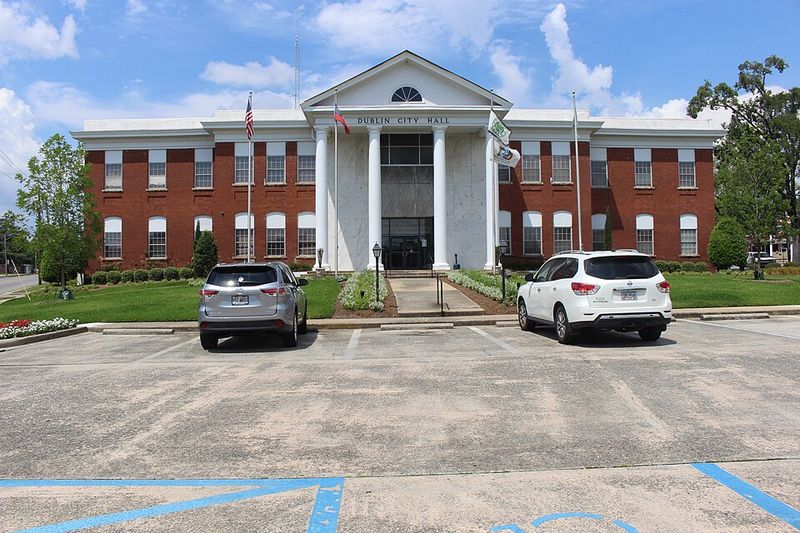
Dublin wears its Irish heritage with absolute joy, and the annual St. Patrick’s Festival here is one of the largest celebrations of Irish culture in the entire Southeast.
For a town of about 16,000 people in Laurens County, Dublin punches well above its weight in personality, community spirit, and overall livability.
The cost of living in Dublin runs about 11 percent below the national average, ranking it among the most affordable cities in Georgia. Housing expenses come in roughly 24 percent below the national average, and the lower end of the rental market provides realistic options for retirees managing a tight monthly budget.
Careful planning around housing can make $1200 work here.
The Little Ocmulgee State Park sits just outside town, offering a golf course, lake, swimming beach, and hiking trails that make outdoor recreation accessible and inexpensive.
The park lodge also provides a beautiful setting for relaxed weekend outings that feel far more luxurious than their price tag suggests.
Downtown Dublin features local restaurants, boutique shops, and a historic district with architecture that tells the story of a town that has been here a while and intends to stay.
Dublin is described affectionately as small and full of Southern charm, and spending even one afternoon there makes that description feel like an understatement.
10. Cedartown
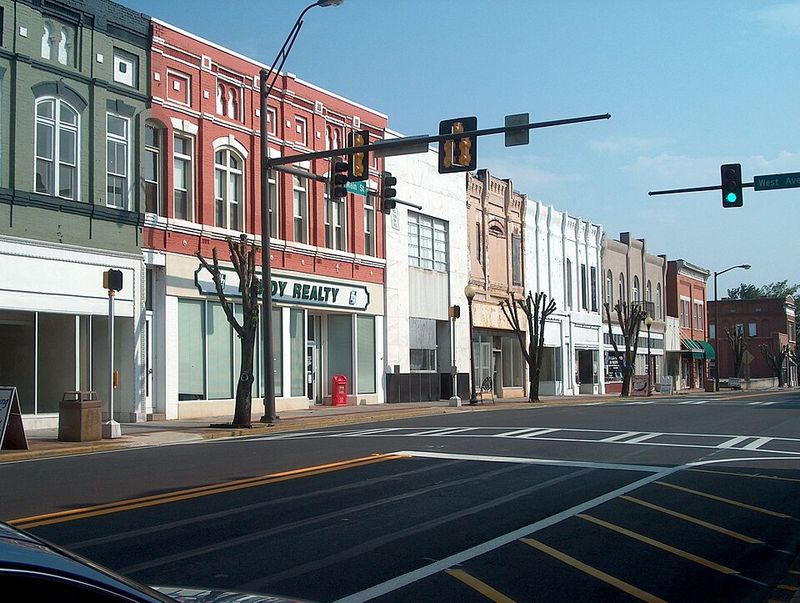
Cedartown sits in Polk County in northwest Georgia, tucked between the Appalachian foothills and the broader Cherokee Valley. It has a quieter profile than most towns on this list, which is exactly what makes it worth paying attention to.
Sometimes the towns nobody is talking about are the ones doing everything right.
The cost of living here runs well below national averages, and housing costs in Cedartown are among the more accessible in the northwest Georgia region. For retirees keeping a careful eye on monthly expenses, the rental market here offers smaller units and older neighborhoods where costs can fit realistically within a $1200 framework.
The town sits near the Silver Creek area and has convenient access to Arrowhead Public Fishing Area, a favorite among local anglers looking for a peaceful morning on the water.
The surrounding Polk County landscape provides rolling hills and tree-covered terrain that make simple drives genuinely scenic.
Cedartown’s downtown has local shops, community events, and a historic character that feels preserved rather than manufactured. The town is also within reasonable driving distance of Rome, Georgia, which expands access to larger medical facilities and shopping options when needed.
Cedartown is the quiet achiever of Georgia retirement towns, and the right person will absolutely recognize its understated value. Could this be your next chapter?