
12 Gorgeous Colorado Day Trips You Can Do For Under $50
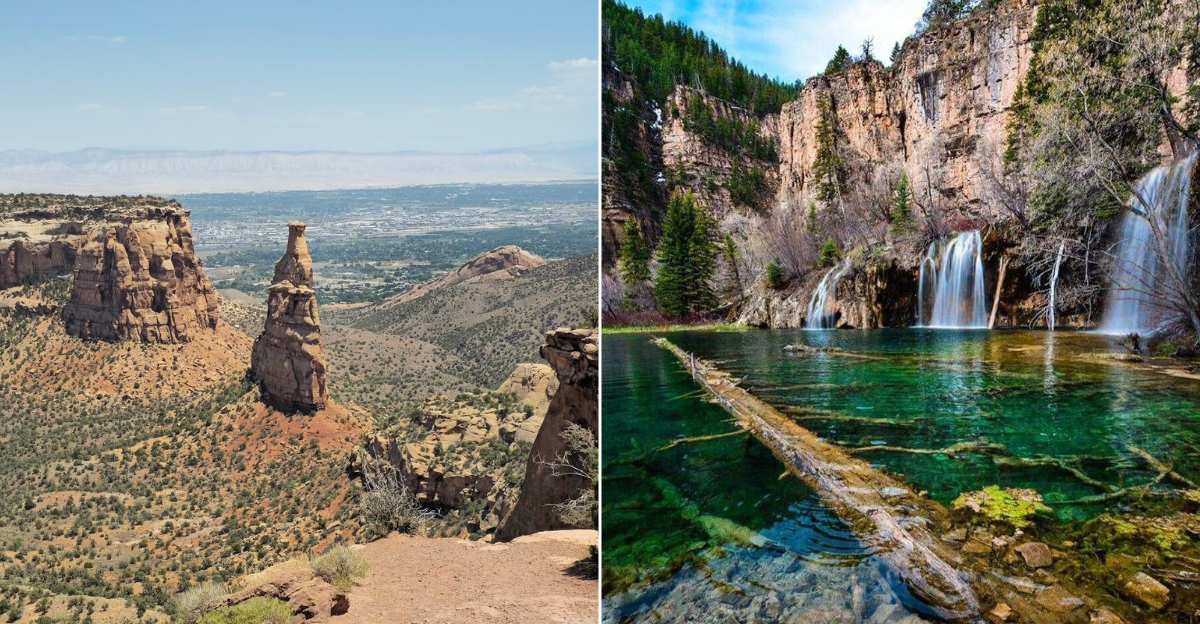
Colorado has a sneaky talent for making every weekend feel bigger, brighter, and far more adventurous than it has any right to be. One minute you are staring up at giant red rock formations that look like a movie set, and the next you are wandering through ancient fossil beds or chasing views from summits that seem to touch the clouds.
In Colorado, even an ordinary day trip can feel like a full escape from real life. The real surprise is that you do not need a giant budget, a complicated plan, or a luxury itinerary to enjoy any of it.
These adventures all come in at under $50 per person, which means the hardest part is choosing where to go first. Pack a sandwich, grab your favorite people, and queue up the road trip playlist.
Colorado’s greatest trick might be turning cheap outings into unforgettable stories, with every mile bringing something wild, beautiful, and completely worth the drive.
1. Garden of the Gods, Colorado Springs
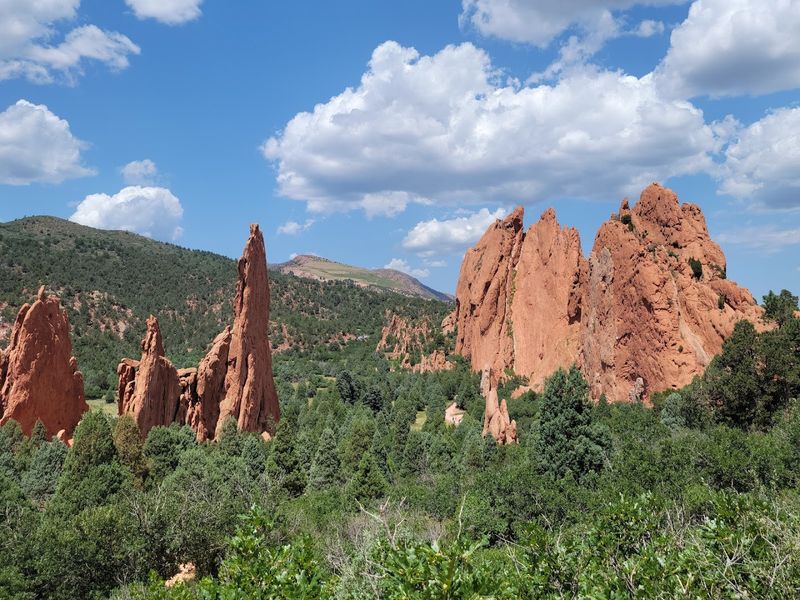
Free entry and scenery this dramatic should not exist in the same sentence, and yet here we are. Garden of the Gods in Colorado Springs is one of those places that stops you mid-step and makes you forget whatever was stressing you out on the drive over.
The red sandstone formations shoot straight up from the ground like nature decided to show off, and honestly, it earned the right.
The park is open daily, and you pay nothing to walk through it, drive the scenic loop, or just sit on a bench and stare at something genuinely ancient. Short, paved trails make it accessible for most fitness levels, and there are longer routes if you want more mileage.
Families with kids, couples on a first real adventure together, and solo wanderers all seem equally at home here.
Arrive before 9 a.m. on weekends if you want breathing room at the popular overlooks. The visitor center has good exhibits and a cafe if you need a coffee reset.
Pair it with a quick stop in downtown Colorado Springs afterward and you have a full, satisfying day for essentially nothing out of pocket.
2. Red Rocks Park and Amphitheatre, Morrison
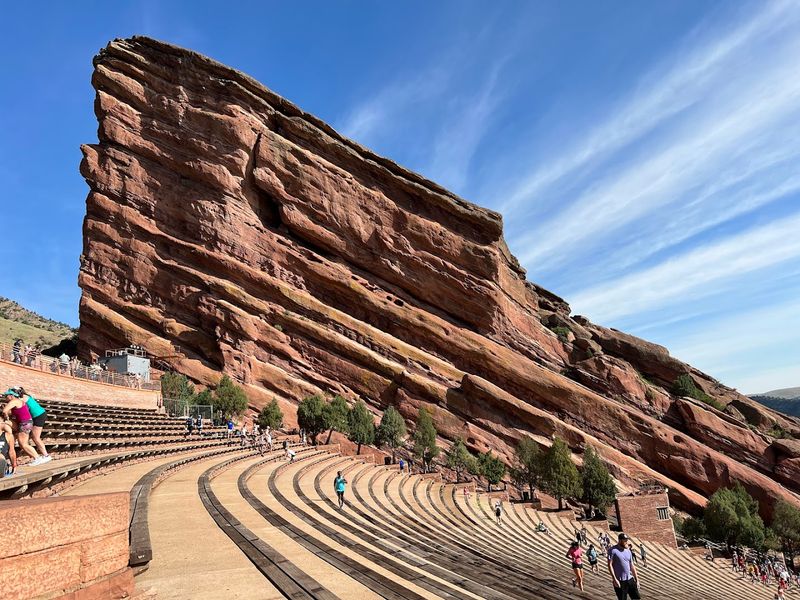
There is something almost unfair about a place this beautiful charging nothing for the visit. Red Rocks Park near Morrison is best known as a concert venue, but the park itself is a full day trip on its own merits, and every bit of it is free.
Parking, trails, the visitor center, the iconic amphitheatre steps used as a workout spot by locals for decades, all of it costs you zero dollars.
The rock formations here are enormous, rust-colored slabs that frame the stage and the sky in a way that stops you cold the first time you see it. Hiking trails wind through the surrounding parkland, and the Trading Post Trail is a favorite for its mix of views and manageable length.
You get the geology, the history, and the workout all in one loop.
One heads-up worth passing along: the amphitheatre area can close to the public on concert days, sometimes as early as midday. Check the schedule before you go so you aren’t turned away at the gate.
Morning visits on non-show days are genuinely magical here, quiet and golden and completely worth the drive from Denver.
3. Roxborough State Park, Roxborough
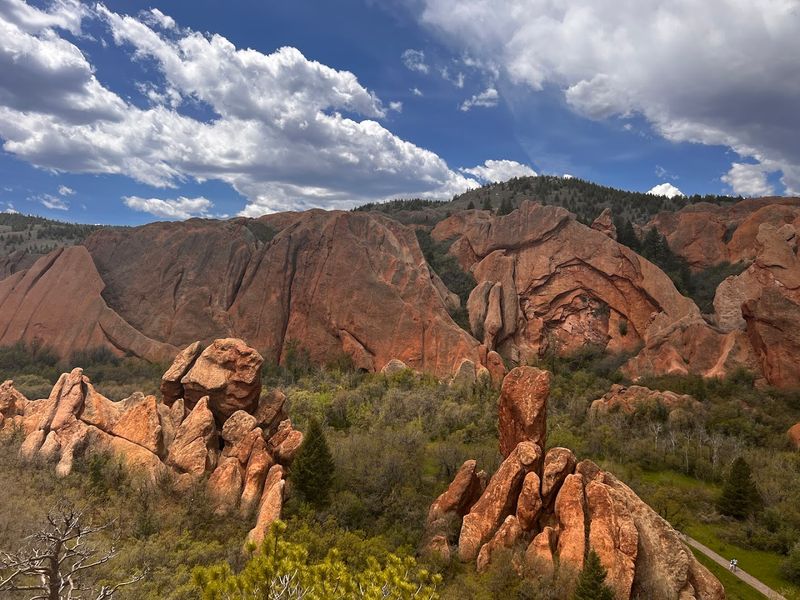
Roxborough State Park is the kind of place that feels like a secret even though it has been right there the whole time. Located in Roxborough, it sits just south of the Denver metro area but feels a world removed from the city the moment you pass through the entrance.
The red rock formations here are sharp, angular, and genuinely striking, rising out of meadows in a way that makes you want to slow down and look twice.
Entry costs $10 per vehicle or $4 if you walk or bike in, which makes it one of the most affordable quality hikes on the Front Range. The Fountain Valley Trail is a crowd favorite for its ease and payoff, looping through the formations with minimal elevation gain.
For something more challenging, the South Rim Trail earns its effort with panoramic views that stretch well beyond the park boundary.
Wildlife sightings are common here, mule deer especially, so keep your eyes open and your pace easy. The park draws fewer visitors than Rocky Mountain National Park or Garden of the Gods, which means you get the same caliber of scenery with considerably more elbow room.
That alone makes it worth circling on your map.
4. Staunton State Park, Pine
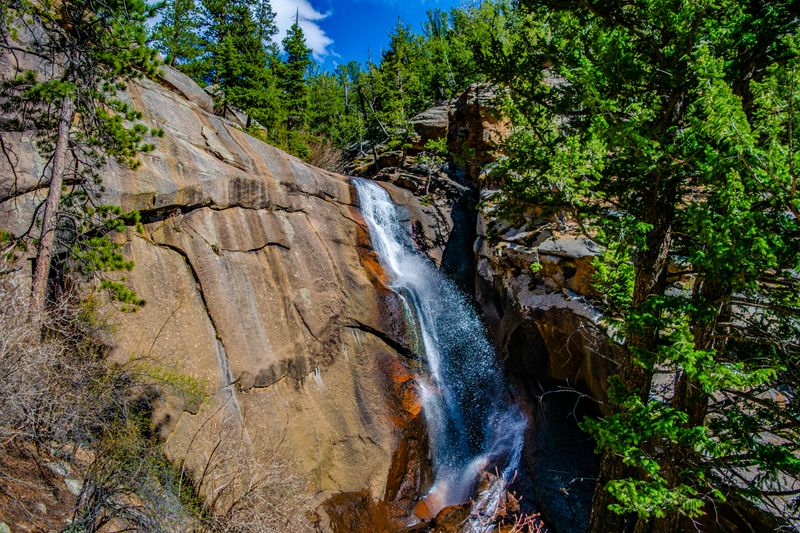
Staunton State Park near Pine opened relatively recently compared to Colorado’s older parks, which means the infrastructure is excellent and the trails feel well-thought-out rather than just carved by foot traffic. The park sits in the foothills west of Denver, and it punches well above its weight for scenery.
Granite outcroppings, open meadows, dense pine forest, and a waterfall that genuinely earns the hike to reach it all live inside one $10 vehicle pass.
The Lions Head Trail is a strong pick for first-timers, offering a rewarding summit scramble on granite with views that stretch across the surrounding hills. Waterfall-seekers should head toward Davis Ponds and the connecting routes that lead to the falls, which are especially worth the effort in late spring when snowmelt keeps the flow strong.
The park also has equestrian trails if you happen to travel with horses, which feels like a bonus few state parks bother to offer.
Staunton tends to be less crowded than nearby Roxborough or Chatfield, making it a reliable choice on busy holiday weekends when other parks fill up fast. Bring lunch, pick a granite slab with a view, and plan to stay longer than you originally intended.
That seems to be what most people end up doing anyway.
5. Mueller State Park, Divide
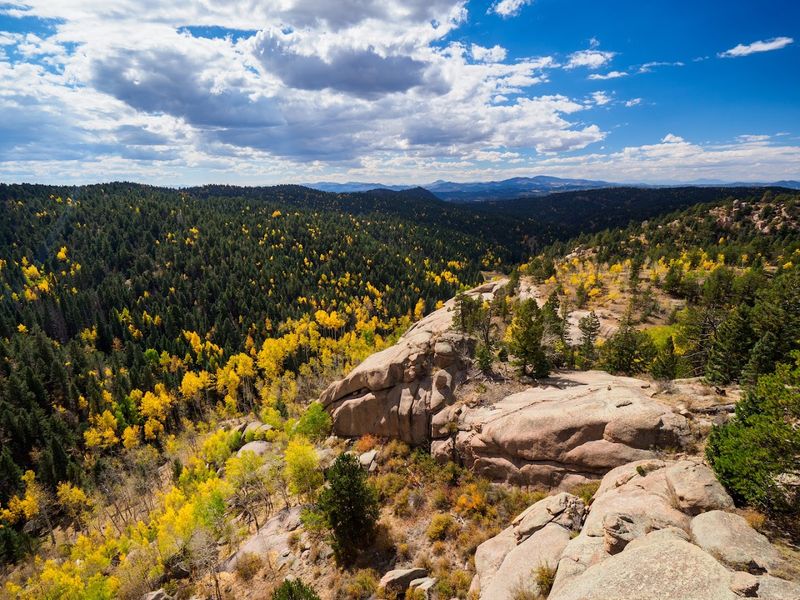
Mueller State Park sits near Divide on the west side of Pikes Peak, which means you get one of the best views of that famous summit without paying to drive up it. The park is deeply forested with aspen and ponderosa pine, and in autumn the whole place turns a shade of gold that makes you want to pull over every hundred yards.
At $10 per vehicle, it is one of the better value-to-scenery ratios in the Colorado state park system.
The trail network here is extensive, with over 90 miles of routes ranging from easy meadow walks to longer ridge climbs that reward you with unobstructed Pikes Peak sightlines. Elk are a regular presence in the park, particularly in early morning and at dusk, and spotting a herd moving through the trees feels like a genuine wildlife encounter rather than a zoo exhibit.
Bring binoculars if you have them.
Mueller works especially well as a full-day outing because there is enough variety to keep you occupied from morning through late afternoon without doubling back on the same trail. Families with kids who have hit their hiking stride will find plenty of manageable loops.
Pack a real lunch, not just snacks, because you will want to stay for the whole day.
6. Rifle Falls State Park, Rifle
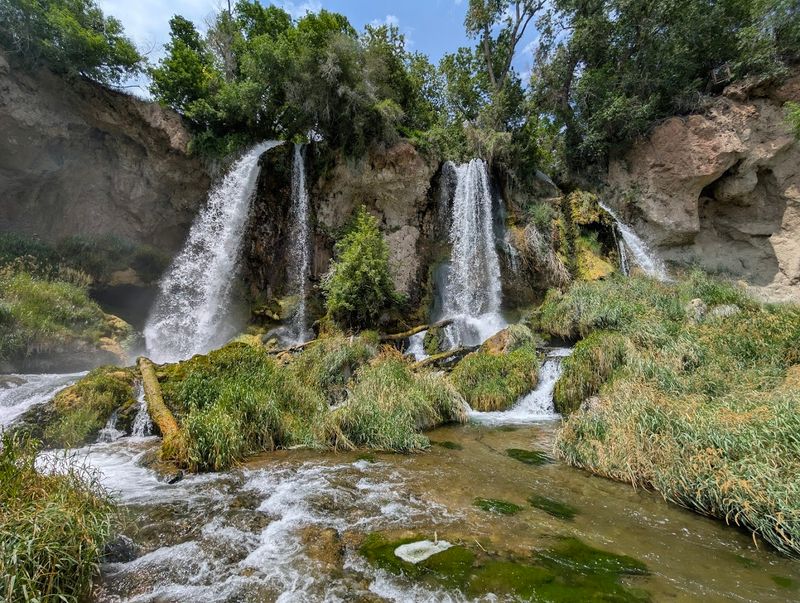
Rifle Falls is the kind of place that makes people from out of state do a double-take on the map, because nothing about western Colorado’s semi-arid landscape suggests you’re about to walk up to a triple waterfall. And yet there it is, three separate cascades dropping over mossy limestone cliffs, surrounded by greenery that feels more Pacific Northwest than high desert.
It’s legitimately one of the most photogenic spots in the state for the price of entry.
The park is open daily from 6 a.m. to 10 p.m., and the daily vehicle pass runs $10, with individual entry at $4. The main waterfall trail is short and easy, which makes it perfect for families or anyone who wants the reward without a brutal climb.
Caves tucked into the limestone cliffs add an extra layer of exploration that kids especially love, though headlamps or phone flashlights are helpful for poking around inside.
Rifle Falls is located near the town of Rifle in western Colorado, making it a natural add-on if you’re already heading toward Glenwood Springs or the Grand Valley. The drive through Rifle Creek canyon on the way in is scenic in its own right.
Come in late spring or early summer when water flow is at its strongest and the surrounding vegetation is fully green.
7. Hanging Lake, Glenwood Canyon
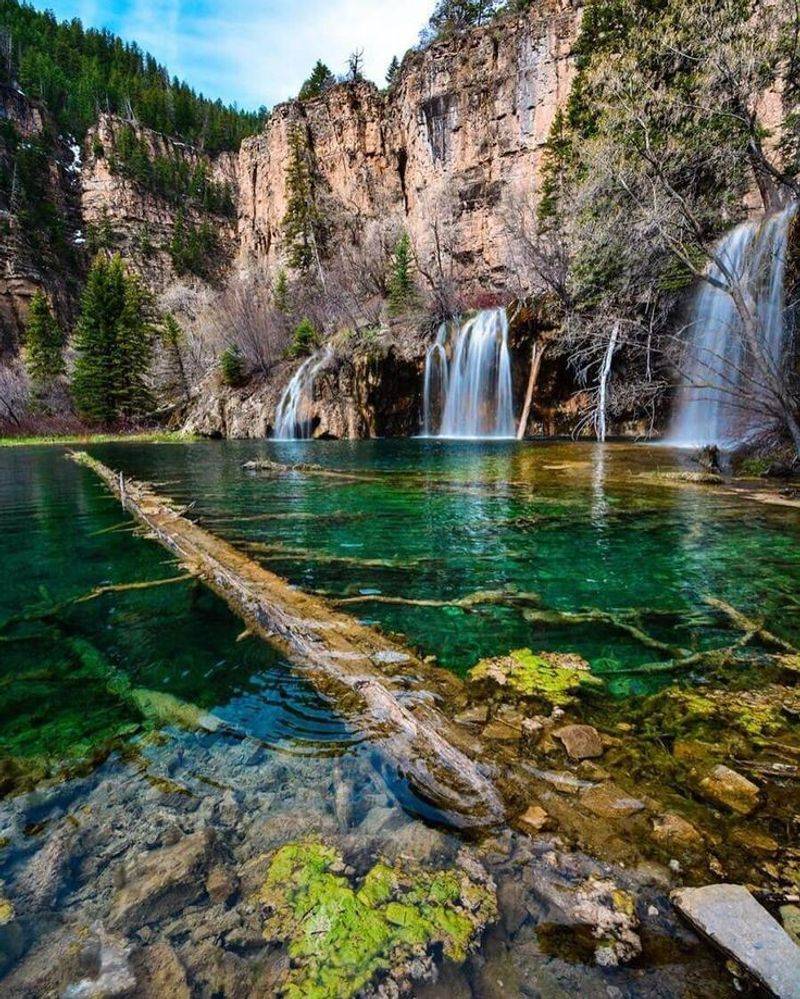
Hanging Lake earns every bit of its reputation as one of the most photographed hikes in Colorado, and the trail does not let you forget that you are working for the view. The path climbs roughly 1,000 feet in just over a mile, following Dead Horse Creek through Glenwood Canyon in a scramble that will have your calves registering a formal complaint by the top.
But when you arrive at that turquoise ledge lake with its feeder waterfalls and ancient travertine formations, the complaint gets withdrawn immediately.
Permits are required and currently available through December 2026, with a cost of $12 per person. Booking ahead is essential, especially on weekends, because the trailhead fills up fast and walk-ins are not guaranteed.
The permit system was introduced to protect the fragile ecosystem around the lake, and swimming or wading is not allowed, so come prepared to look and photograph rather than splash around.
Glenwood Canyon itself is spectacular, and the drive along I-70 through the canyon walls is worth the trip even before you lace up your boots. Pair Hanging Lake with a stop in Glenwood Springs for a soak at the hot springs pool if your legs can handle it, and you have one of the most satisfying full-day itineraries in the state.
8. Florissant Fossil Beds National Monument, Florissant
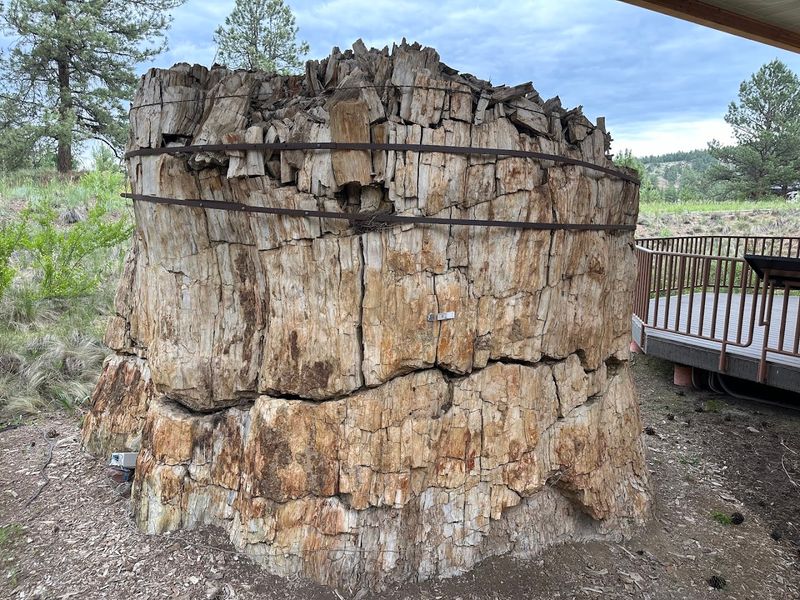
Thirty-four million years ago, a volcanic eruption buried an entire ecosystem near what is now Florissant, Colorado, and preserved it so well that scientists are still pulling new discoveries from the rock. Walking through Florissant Fossil Beds National Monument feels less like a hike and more like a slow, quiet conversation with deep time.
The petrified redwood stumps scattered across the meadows are enormous, and the fact that you can stand next to one for a $10 adult pass still feels like a bargain.
That $10 pass is valid for seven days and covers the pass holder plus three additional adults, making it genuinely one of the best-value national monument tickets in the country. The visitor center has excellent exhibits explaining the volcanic history and the fossil record, and rangers lead interpretive walks that add real depth to what you’re seeing on the trail.
The Petrified Forest Loop is the must-do route, short enough for most ages and rewarding at every turn.
Florissant sits at around 8,400 feet in elevation, so the air is crisp even in summer. The surrounding meadows have a quiet, open beauty that feels different from Colorado’s more dramatic canyon and summit scenery.
If you like your day trips to come with a side of genuine scientific wonder, this one belongs near the top of your list.
9. Great Sand Dunes National Park and Preserve
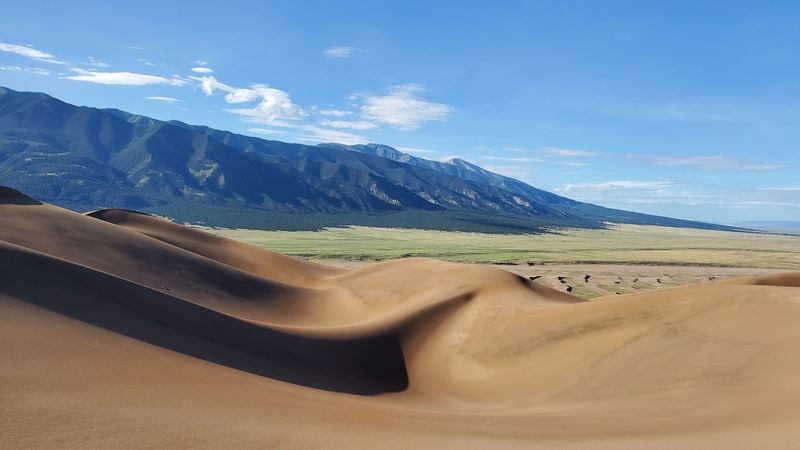
Nowhere else in the country will you find sand dunes this tall sitting at the base of a 14,000-foot mountain range, which is exactly the kind of geographic absurdity that makes Colorado such a compelling place to explore. The Great Sand Dunes rise up to 750 feet and cover 30 square miles of the San Luis Valley floor, and the first time you see them from the road, the brain genuinely takes a moment to process what it’s looking at.
The park is open 24 hours a day, seven days a week, with no timed entry required, and the standard entrance fee is $15 per person. Sandboarding and sand sledding are popular activities, and sled rentals are available nearby if you don’t own one.
Medano Creek, which flows along the base of the dunes in late spring and early summer, creates a shallow wading area that families with young children absolutely love.
The dunes are best visited in early morning or late afternoon when the light is angled and the sand temperature is manageable, because midday in summer can turn the surface uncomfortably hot on bare feet. Bring more water than you think you need and wear sunscreen without negotiating with yourself about it.
The hike to the top of the tallest dune is a lung-burning, leg-burning, completely worth-it experience.
10. Colorado National Monument, near Grand Junction
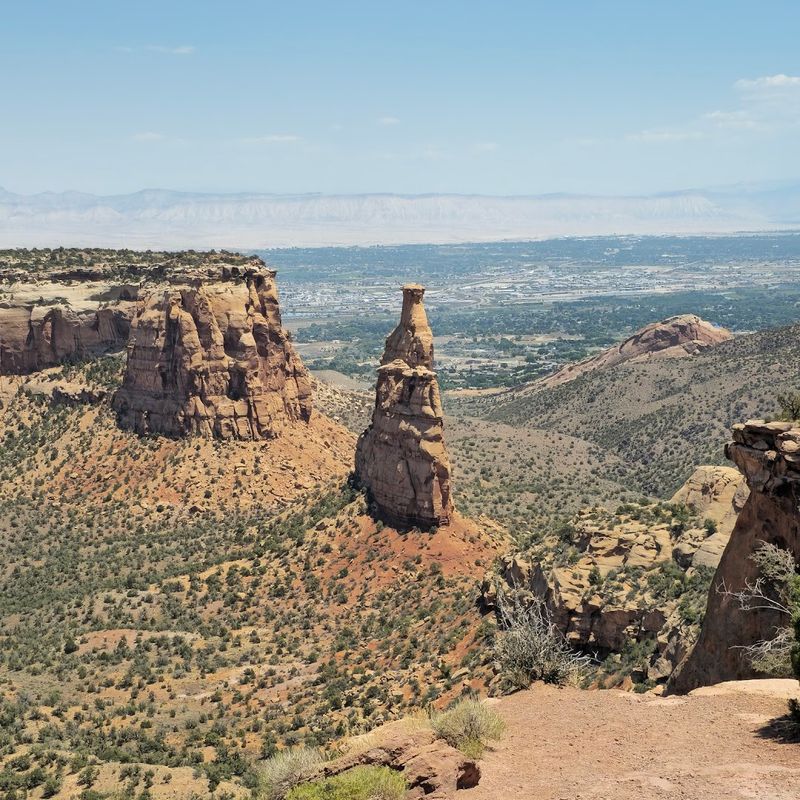
Colorado National Monument sits just outside Grand Junction and delivers the kind of canyon scenery that makes you feel very small in the best possible way. Towering sandstone monoliths, deep red-walled canyons, and sweeping desert views line the 23-mile Rim Rock Drive, which you can experience entirely from a car window or supplement with hikes that drop into the canyon for a closer look.
The park is open 24 hours a day, every day, with a per-person entrance fee of $15.
The overlooks along Rim Rock Drive each offer a slightly different angle on the canyon system, and it’s worth stopping at several rather than rushing through to the end. Independence Monument, a freestanding 450-foot sandstone tower, is the park’s most iconic landmark and visible from multiple points along the drive.
Hiking to its base on the Monument Canyon Trail is a longer commitment but one of the most memorable walks in western Colorado.
Grand Junction is a legitimate small city with good food options, making it easy to combine the monument with a proper lunch or dinner in town. The drive from Denver takes about four hours, which puts it at the outer edge of a comfortable day trip but well within reach for an overnight.
Early October is a particularly fine time to visit, when the light turns golden and the crowds thin considerably.
11. Black Canyon of the Gunnison National Park
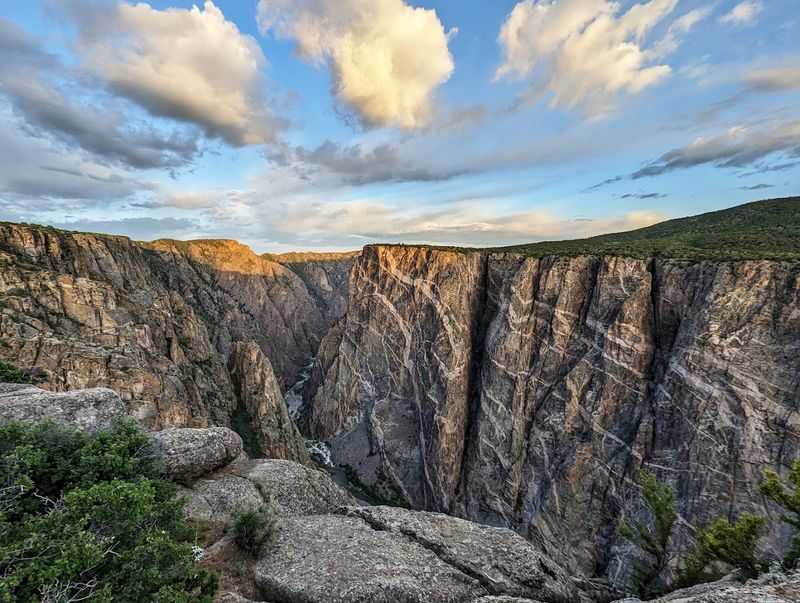
The Black Canyon earns its name honestly. The canyon walls are so sheer and the gorge so narrow that sunlight only reaches the bottom for a brief window each day, leaving the rock in near-permanent shadow and giving the whole place a brooding, otherworldly quality that sets it apart from every other canyon in Colorado.
Standing at the South Rim and looking down 2,000 feet to the Gunnison River below produces a specific kind of vertigo that is worth every mile of the drive to get here.
The park is open year-round, 24 hours a day, with a per-person entrance fee of $15 or $30 for a vehicle pass. The South Rim Road connects 12 overlooks, each revealing a different slice of the canyon’s impossible depth and fractured geology.
Painted Wall, the tallest cliff face in Colorado at over 2,200 feet, is visible from one of the overlooks and is genuinely difficult to comprehend from the top.
Hiking options range from easy rim walks to extremely technical inner canyon descents that require a permit and serious preparation, so most day-trippers will be happy sticking to the rim trails. The Warner Point Nature Trail at the end of the South Rim Road is a satisfying 1.5-mile round trip with outstanding views.
Bring layers regardless of season, because the rim sits above 8,000 feet and the wind has opinions.
12. Pikes Peak – America’s Mountain, Cascade
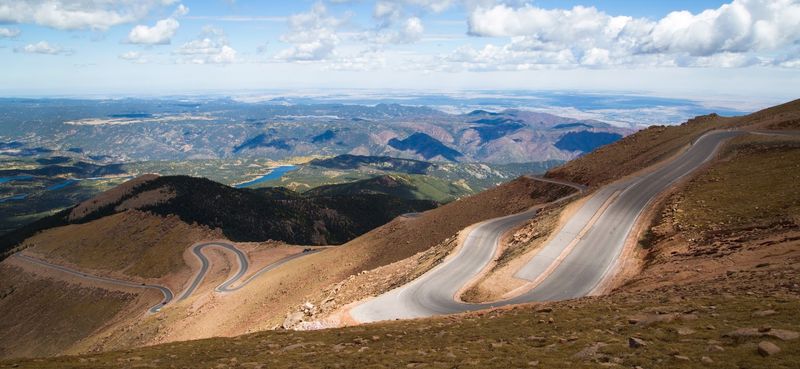
Pikes Peak has been inspiring awe since Zebulon Pike spotted it in 1806 and incorrectly declared it unclimbable, which history has thoroughly and repeatedly corrected. At 14,115 feet, it is one of the most visited mountains in the world, and the Pikes Peak Highway gives you a paved route to the summit that doesn’t require crampons or a guide, just a full tank of gas and a reasonable tolerance for switchbacks.
General admission is $18 per adult, with a $2 timed-entry permit required for summer vehicle access past Mile 7.
The summit visitor center serves famous high-altitude donuts that have become a genuine Colorado tradition, and the view from the top stretches across an almost incomprehensible expanse of Colorado landscape. On a clear day you can see the plains rolling east and mountain ranges stacking up to the west in a way that makes the $20 total feel like the deal of the century.
The drive itself, winding through alpine tundra and past mountain goats, is entertaining enough to justify the trip even if the summit were socked in with clouds.
Check road and weather conditions before you go, because the summit can see snow in any month of the year. The Barr Trail offers a hiking alternative for those who prefer to earn the summit on foot, though that is a full-day commitment requiring early start times and solid preparation.
Either way, Pikes Peak delivers on its reputation every single time.