
14 Gorgeous Illinois Hikes With Views You’ll Want To See
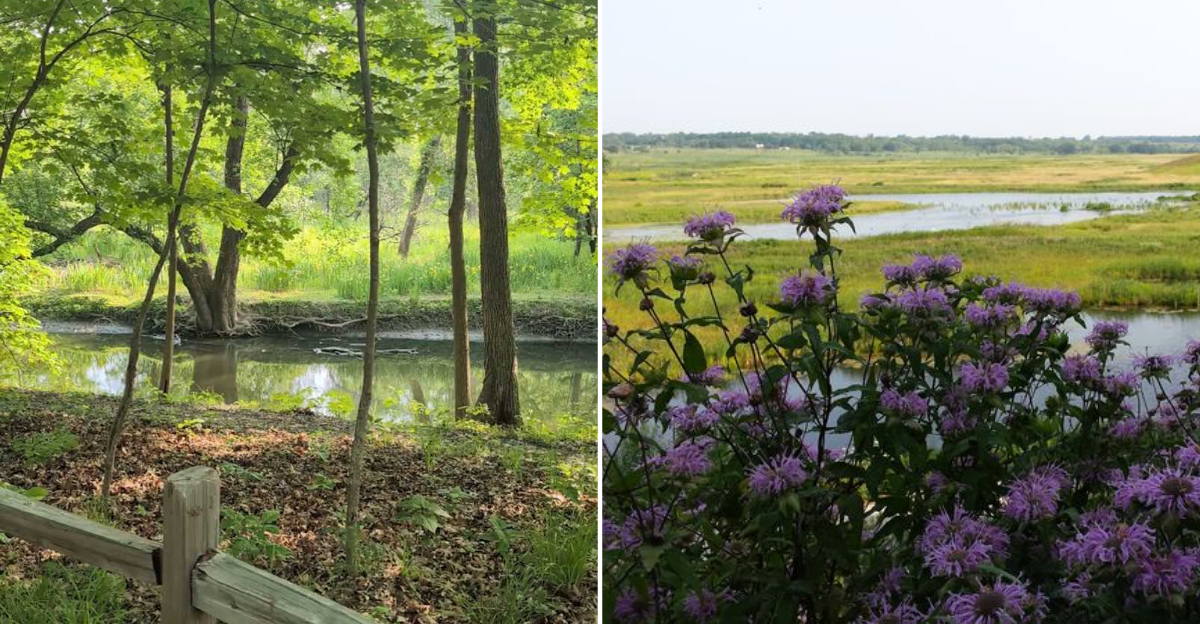
Illinois rarely gets credit for dramatic hiking, yet it hides landscapes that can genuinely surprise you. Sandstone canyons cut deep into the earth, quiet forests echo with birdsong, and wide prairies open under endless sky, creating scenery that feels far bigger than most expect.
Time spent on these trails often ends with muddy boots, a camera full of photos, and a new respect for what Illinois offers. Some paths wind through shaded ravines, others rise onto sunlit ridges, each delivering a different kind of reward.
This list brings together hikes that showcase that variety, blending peaceful walks with more adventurous terrain. Anyone looking for memorable views, fresh air, and a sense of discovery will find plenty to explore here.
1. Matthiessen State Park
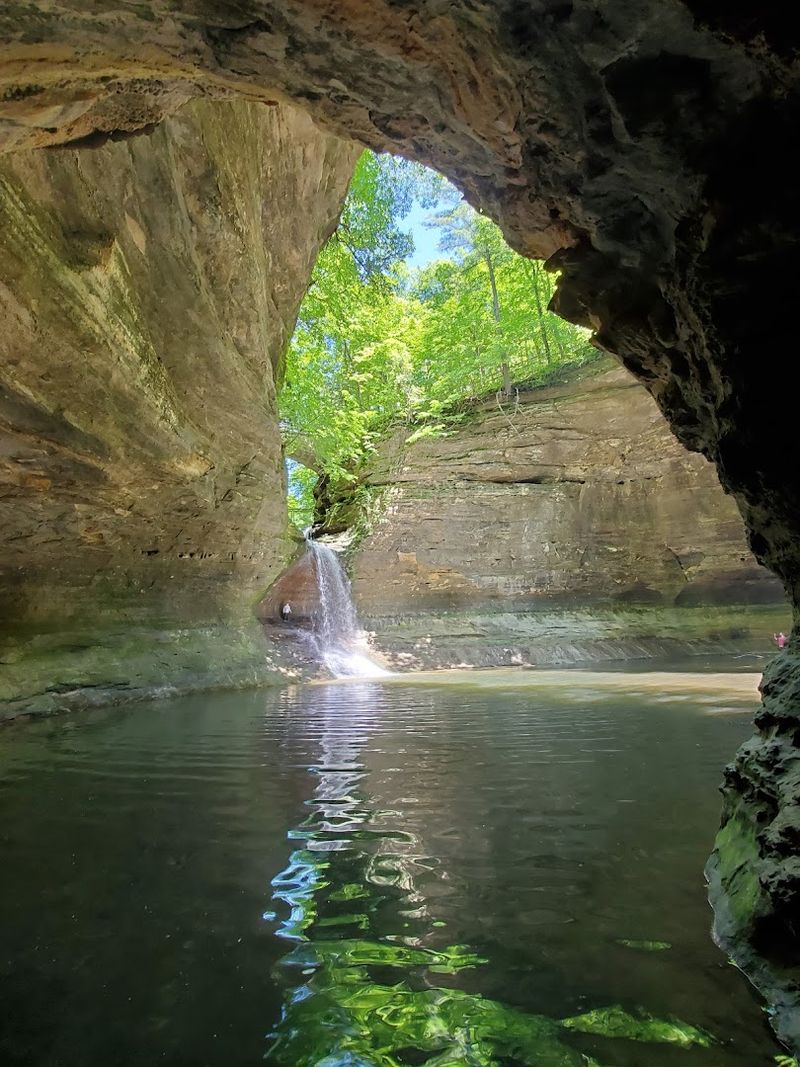
Few places in Illinois can stop you in your tracks the way Matthiessen State Park does. Located near Utica in LaSalle County, this park features dramatic sandstone canyons, stunning dells, and cascading waterfalls that look like something out of a fantasy novel.
The upper and lower dells offer about five miles of trails that wind through narrow gorges and past cedar groves.
Spring is arguably the best time to visit, when wildflowers bloom along the canyon walls and the waterfalls run full and strong. Summer brings lush green canopies that keep the trails shaded and cool.
Fall transforms the ridgelines into a blaze of orange and red.
The park sits adjacent to the more famous Starved Rock, but Matthiessen tends to draw smaller crowds, which makes it a genuine find for anyone who prefers their nature on the quieter side.
2. Starved Rock State Park
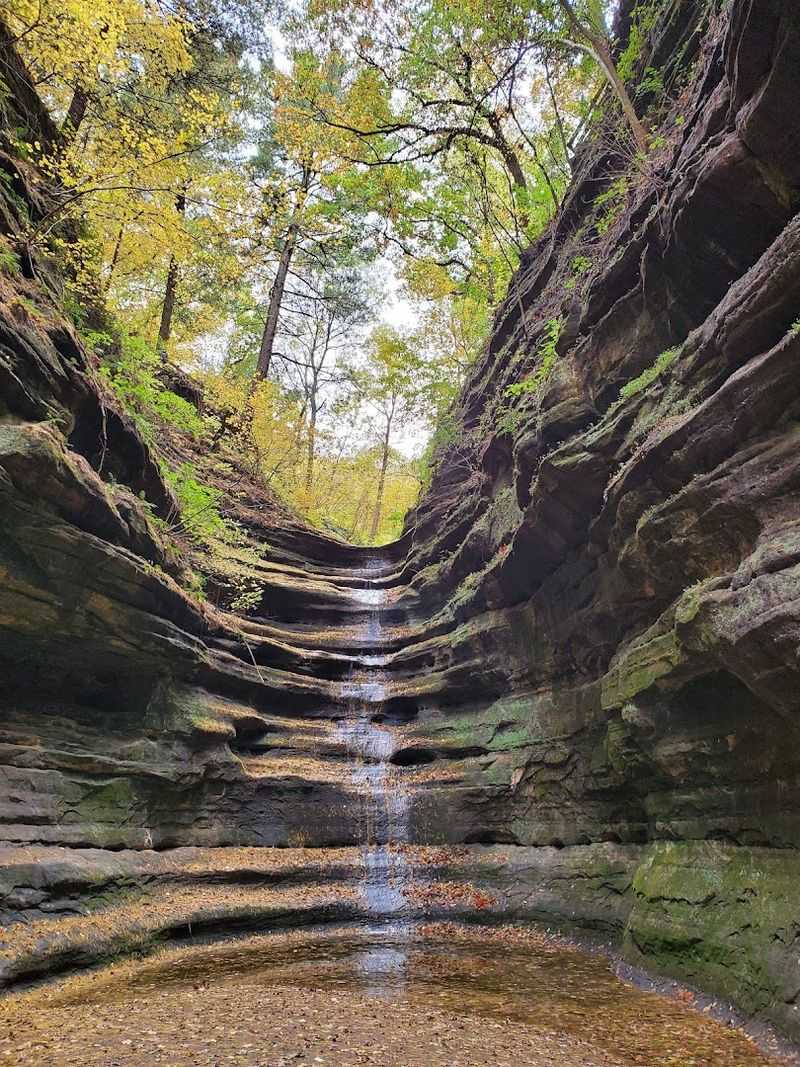
Starved Rock State Park is arguably Illinois’s most iconic hiking destination, and for good reason. Situated along the Illinois River near Utica, the park features 18 canyons carved by glacial meltwater, dramatic sandstone bluffs, and some of the most photogenic waterfalls in the entire Midwest.
The views from the main lodge overlook alone are worth the drive. The park offers over 13 miles of trails ranging from easy boardwalk strolls to more rugged canyon hikes.
St. Louis Canyon and French Canyon are crowd favorites, especially in winter when their waterfalls freeze into stunning ice sculptures that draw photographers from across the region.
Named after a historic event involving a group of Illiniwek people who were stranded on the rock, the park carries both natural beauty and deep historical weight. Plan to arrive early on weekends because parking fills up fast.
3. Buffalo Rock State Park
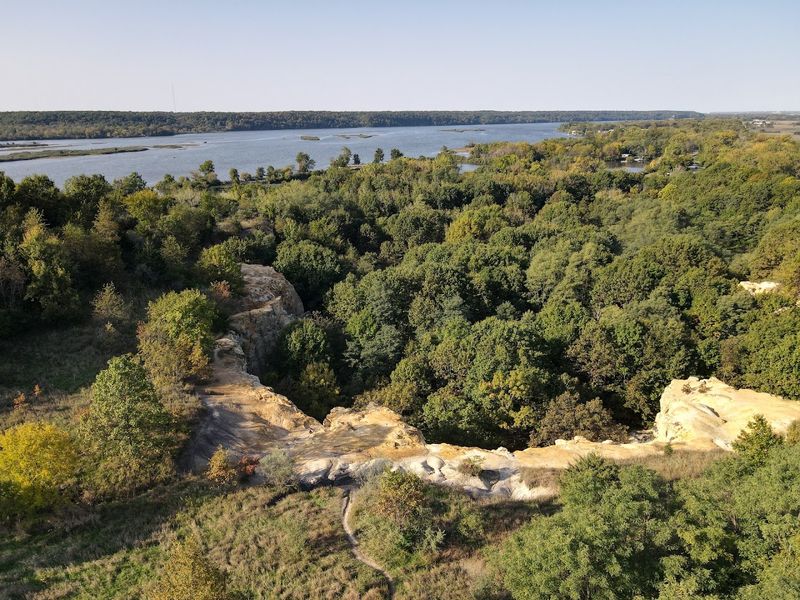
Perched on a sandstone bluff above the Illinois River near Ottawa, Buffalo Rock State Park offers some of the most sweeping river valley views in the state.
The park is compact, but what it lacks in size it more than makes up for in scenery. Standing on the bluff edge and looking out over the river below feels genuinely cinematic.
One of the park’s most unique features is the Effigy Tumuli, a series of large earthen sculptures shaped like native animals including a water strider, catfish, and turtle. These modern art installations blend surprisingly well with the natural landscape and add a layer of cultural intrigue to your hike.
Bison also roam a fenced area within the park, giving visitors a rare chance to see these magnificent animals up close. It is a short but deeply satisfying hike that pairs perfectly with a visit to nearby Starved Rock.
4. Glacial Park Conservation Area
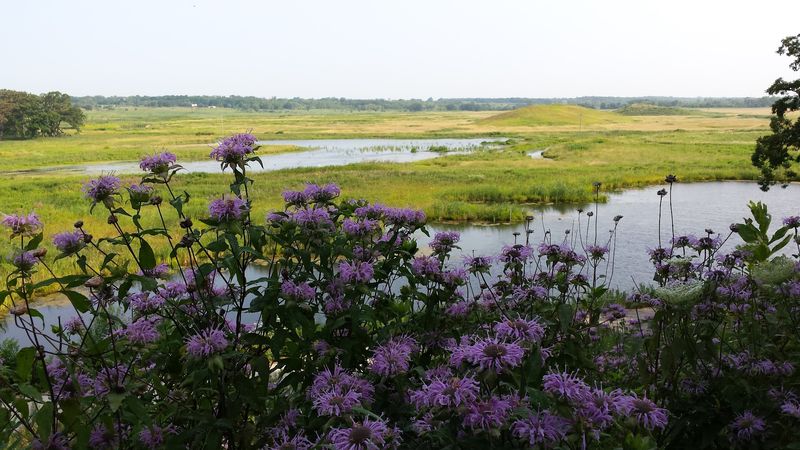
Glacial Park Conservation Area in Ringwood, McHenry County, is a landscape that tells the story of the last Ice Age in vivid, rolling detail.
The park protects one of the best-preserved glacial landscapes in Illinois, featuring kames, kettles, bogs, and sedge meadows that create a surprisingly varied hiking experience across more than 3,400 acres.
The trails here reward those who pay attention to the small stuff. Rare orchids, migratory birds, and native prairie plants make appearances depending on the season, and the elevated kames offer open views across the wetlands and meadows below.
Sunrise hikes here are genuinely peaceful.
One of the most photographed spots is the boardwalk trail that winds through the bog, where carnivorous pitcher plants grow alongside cattails and marsh grasses. Glacial Park is one of those places that feels educational and beautiful at the same time, without ever feeling like a classroom.
5. Kankakee River State Park
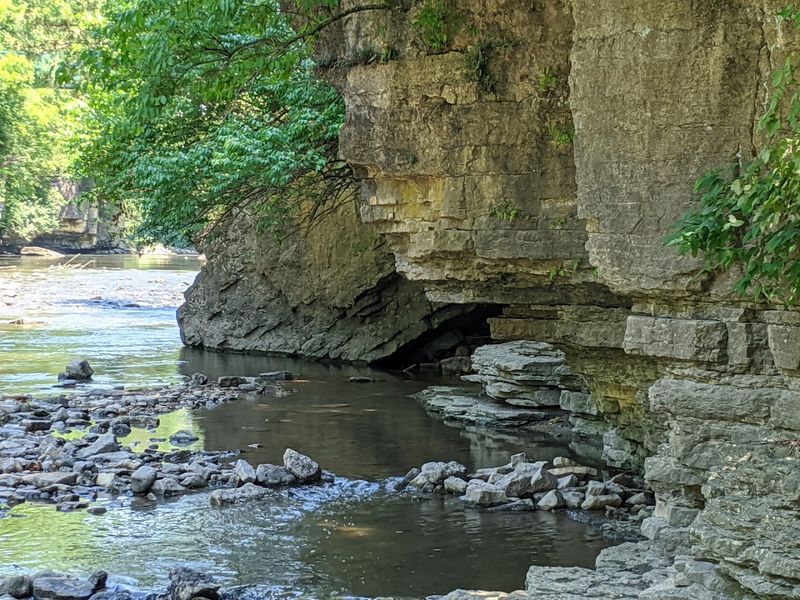
Running along the Kankakee River about 6 miles northwest of Kankakee, Kankakee River State Park stretches across nearly 4,000 acres of limestone canyon, wooded bluffs, and river bottomland.
The park’s most dramatic feature is the deep canyon carved by Rock Creek, a tributary that joins the Kankakee and creates a miniature gorge that feels far more rugged than you might expect from northeastern Illinois.
The trail system covers about 11 miles and includes some genuinely scenic bluff-top sections where the river bends below you in sweeping curves.
Autumn is stunning here, when the canyon walls reflect the changing colors of the surrounding forest canopy. Spring brings wildflowers and rushing creek water that fills the gorge with sound.
Equestrian trails also crisscross the park, so do not be surprised if you share the path with horses. It adds a charming, old-fashioned quality to the whole experience.
6. North Branch Trail
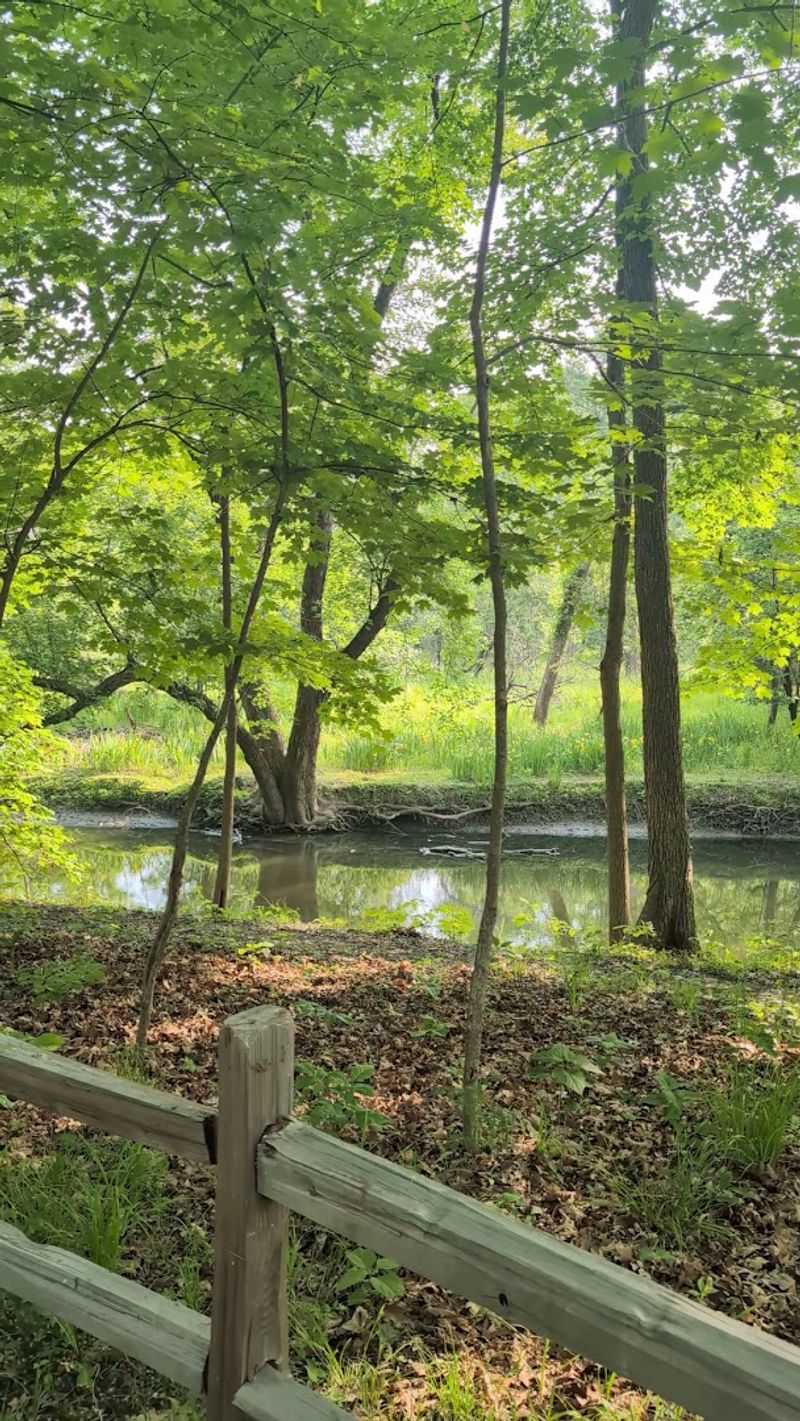
Not every great hike requires a long drive into the wilderness, and the North Branch Trail in the Chicago metropolitan area proves that point convincingly.
Stretching roughly 20 miles from Devon Avenue in Chicago north to the Chicago Botanic Garden in Glencoe, this trail follows the North Branch of the Chicago River through a series of forest preserves and restored native prairies.
The trail passes through Linne Woods, Harms Woods, and Miami Woods, each offering its own character and seasonal appeal. In spring, the floodplain forests along the river fill with wildflowers including trout lilies, bloodroot, and Virginia bluebells that create a carpet of color beneath the bare trees.
For urban hikers, this trail offers a rare sense of genuine nature immersion without leaving the metro area. The northern sections near Glenview and Glencoe are particularly scenic and feel remarkably removed from the surrounding suburbs.
7. Moraine Hills State Park
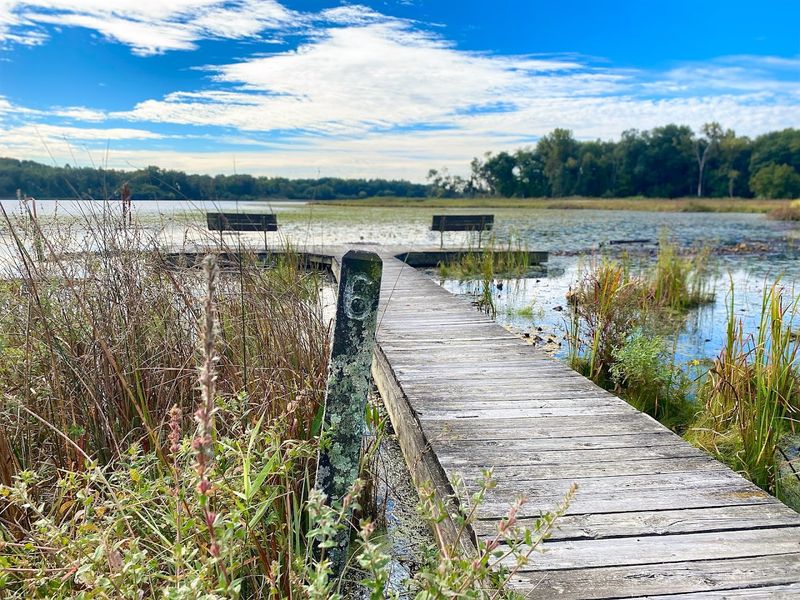
Moraine Hills State Park near McHenry sits on a landscape shaped entirely by glacial activity, and the result is a mosaic of lakes, bogs, wetlands, and forested moraines that makes for one of the most visually interesting hikes in northern Illinois.
The park covers about 2,200 acres and offers roughly 10 miles of paved and unpaved trails accessible to hikers and cyclists.
Lake Defiance is the crown jewel of the park, a natural glacial lake surrounded by a trail that delivers constant water views and frequent wildlife sightings including great blue herons, sandhill cranes, and white-tailed deer.
The bog boardwalk is a highlight not to miss, offering a rare look at a genuine sphagnum moss bog ecosystem.
Fall visits reward hikers with mirror-like lake reflections of the surrounding autumn foliage, creating the kind of scenery that makes you stop mid-stride and just take it all in quietly.
8. Ned Brown Forest Preserve
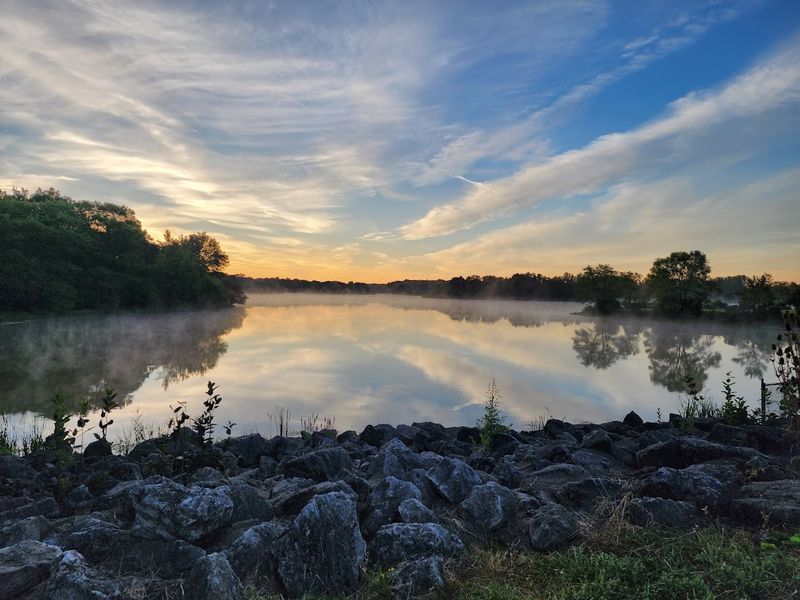
Known locally as Busse Woods, Ned Brown Forest Preserve in Elk Grove Village is one of the most beloved outdoor spaces in the Chicago suburbs, and its main trail loop around Busse Lake delivers a consistently enjoyable hiking experience across all four seasons.
A network of nearly 13 miles of paved trails includes a main loop of about 7.4 miles circling Busse Lake, surrounded by forest, meadow, and wetland habitats.
One of the most surprising features of the preserve is its resident elk herd, which roams a large fenced enclosure visible from the main trail. Spotting these animals against the backdrop of the Illinois forest creates a scene that feels genuinely unexpected for a suburban forest preserve.
The trail is wide and well-maintained, making it suitable for hikers of all fitness levels. Early morning walks here are particularly rewarding, when mist rises off the lake surface and songbirds fill the forest canopy with sound before the crowds arrive.
9. Waterfall Glen Forest Preserve
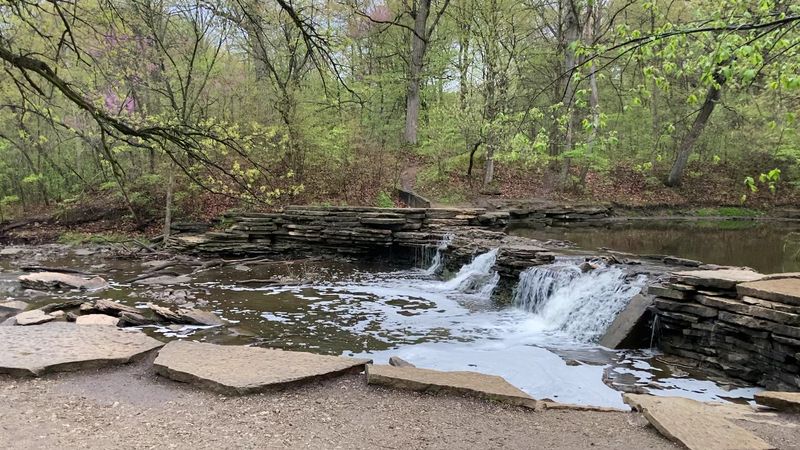
Despite what the name suggests, Waterfall Glen Forest Preserve near Darien in DuPage County is not defined by a single dramatic waterfall.
Instead, it is a 2,500-acre preserve with a roughly 9.5-mile loop trail that passes through savanna, woodland, bluffs, and a small but genuinely charming waterfall that makes for a perfect rest stop mid-hike.
The trail offers surprising elevation changes for the Chicago area, with bluff sections that provide open views across the Des Plaines River valley. Rocky outcroppings and sandstone ledges add texture to the landscape that feels more dramatic than most people expect from northeastern Illinois.
The preserve borders the Argonne National Laboratory, which gives the surrounding forest an unusual sense of seclusion despite its suburban location.
Spring wildflower season here is exceptional, with large patches of trout lily, hepatica, and Dutchman’s breeches covering the forest floor in a quiet but colorful display.
10. Shawnee National Forest
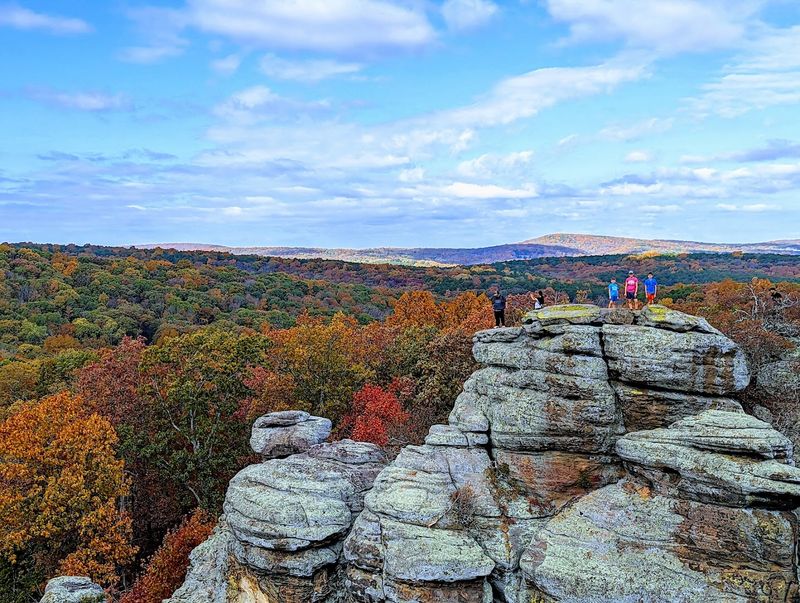
If Illinois had a crown jewel of hiking, Shawnee National Forest in the far southern part of the state would wear it confidently.
Spanning over 280,000 acres across the Shawnee Hills between the Ohio and Mississippi rivers, this forest contains some of the most dramatic and visually stunning landscapes in the entire Midwest.
The Garden of the Gods Recreation Area near Herod is the undisputed highlight, featuring ancient sandstone formations with names like Camel Rock and Devil’s Smokestack that rise above a sweeping forested valley.
The Rim Rock National Recreation Trail and Pounds Hollow Lake area add further variety to an already rich trail network.
Fall color in Shawnee is extraordinary, and the combination of ridgeline views, cypress swamps, and sandstone bluffs makes this feel like multiple parks in one. Plan at least a full weekend here because a single day simply will not do it justice.
11. Midewin National Tallgrass Prairie
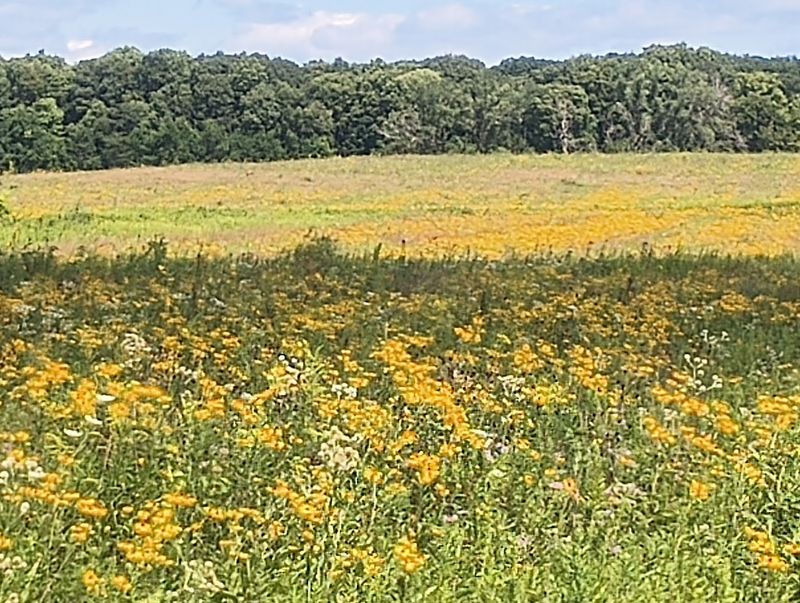
Midewin National Tallgrass Prairie near Wilmington is the largest native prairie in the Chicago region and one of the most ecologically significant landscapes in all of Illinois.
Covering roughly 19,000 acres on the site of a former army ammunition plant, with about 9,000 acres currently open to the public, Midewin is a large-scale restoration project that is slowly returning native tallgrass prairie to a landscape that once covered much of the Midwest.
Hiking here feels open and expansive in a way that is genuinely different from forest trails. The sky dominates the view, wildflowers bloom in seasonal waves from spring through fall, and a growing bison herd roams the western sections of the preserve.
Spotting bison on an Illinois hike is an experience that tends to stay with you. The trail network includes both mowed grass paths and gravel roads, and the preserve is actively managed by the U.S.
Forest Service. Sunrise and sunset hikes across the open prairie are quietly unforgettable.
12. Deer Grove Forest Preserve
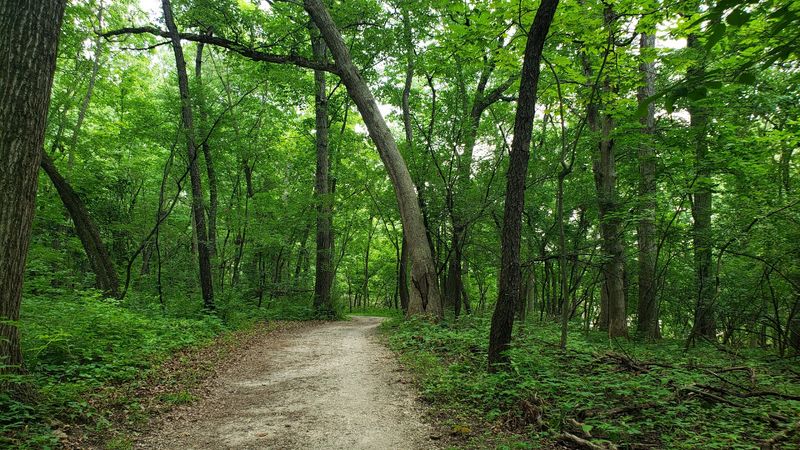
Deer Grove Forest Preserve in Palatine is one of the oldest and most ecologically diverse forest preserves in Cook County, and its trail system offers a surprisingly varied hiking experience within easy reach of Chicago.
The preserve covers nearly 2,000 acres of oak woodland, savanna, wetlands, and open meadow that support an impressive variety of bird and plant life.
The West Loop trail is particularly scenic, winding through mature oak forest with sections that open onto meadow clearings where you can see for a good distance across the rolling landscape. Deer are abundant here, and early morning or evening hikes frequently reward visitors with close sightings.
Deer Grove is also one of the best birding spots in the Chicago region, drawing both casual observers and serious birders during spring and fall migration. The combination of habitat variety and easy accessibility makes it a trail worth returning to across different seasons.
13. Ferne Clyffe State Park
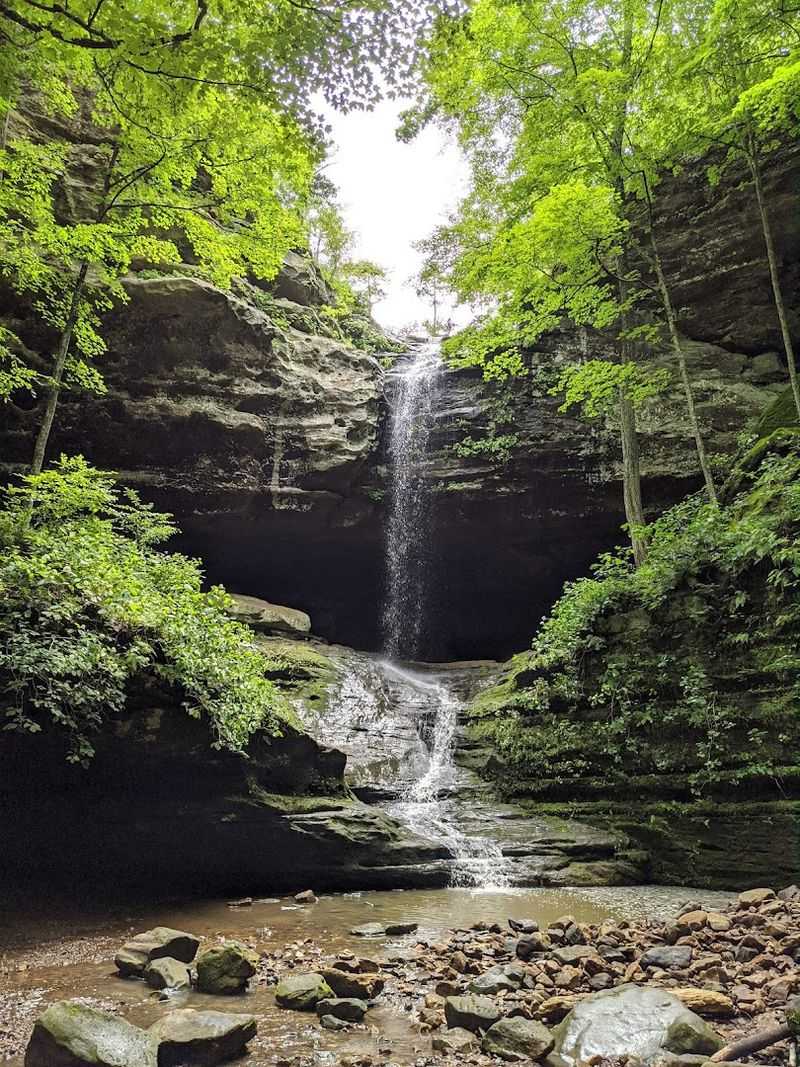
Southern Illinois has a way of surprising people, and Ferne Clyffe State Park near Goreville is one of its best-kept secrets.
The park features sandstone bluffs, a large rock shelter known as Hawk’s Cave, and a beautiful seasonal waterfall that drops dramatically into a sandstone basin surrounded by ferns and mossy rock walls.
The Big Rocky Hollow Trail is the park’s most popular route for reaching the waterfall, passing through the main canyon before connecting to other trails that climb to ridgeline sections with open views across the surrounding Shawnee Hills.
The contrast between the cool, shaded canyon floor and the sunny ridge above makes the hike feel like two completely different environments.
Spring and early summer are the best times to catch the waterfall at full flow, and the surrounding fern gardens are at their lushest. The park is quieter than many in Illinois, which only adds to its considerable charm.
14. Edward L. Ryerson Conservation Area
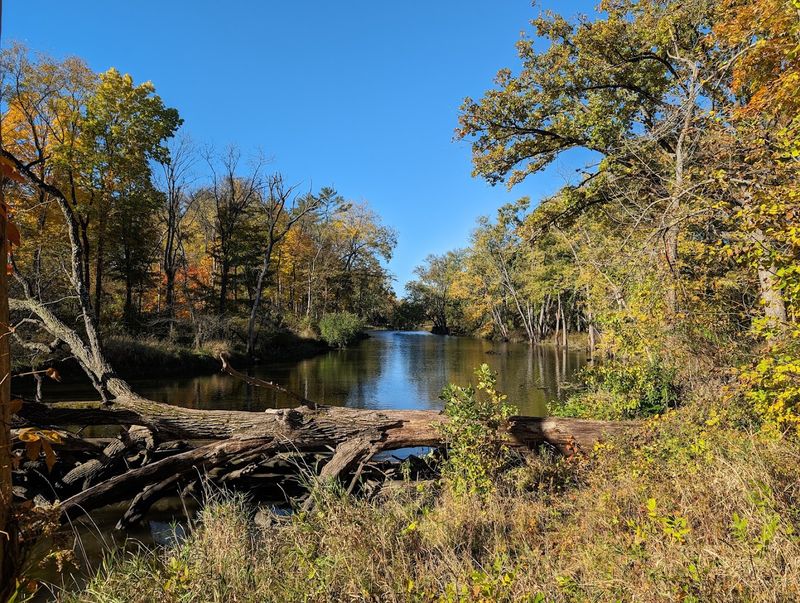
Edward L. Ryerson Conservation Area in Riverwoods, Lake County, is one of the most quietly beautiful preserves in northern Illinois, and it carries a sense of history that most forest preserves cannot match.
The property was once the private estate of steel magnate Edward L. Ryerson Jr., and its historic farmstead buildings, formal gardens, and research station add a layer of character to the natural landscape.
The preserve covers about 565 acres along the Des Plaines River and offers a network of trails through floodplain forest, upland woods, and restored prairie. The river trail section is particularly scenic, with the Des Plaines winding through mature cottonwood and silver maple forest that turns golden in autumn.
The preserve remains relatively quiet compared to many suburban forest preserves, which means the trails here often feel genuinely uncrowded. That sense of having a beautiful Illinois landscape almost entirely to yourself is something worth planning ahead for.