
10 Gorgeous Pennsylvania Regions Where You Can Retire On A Tiny Budget
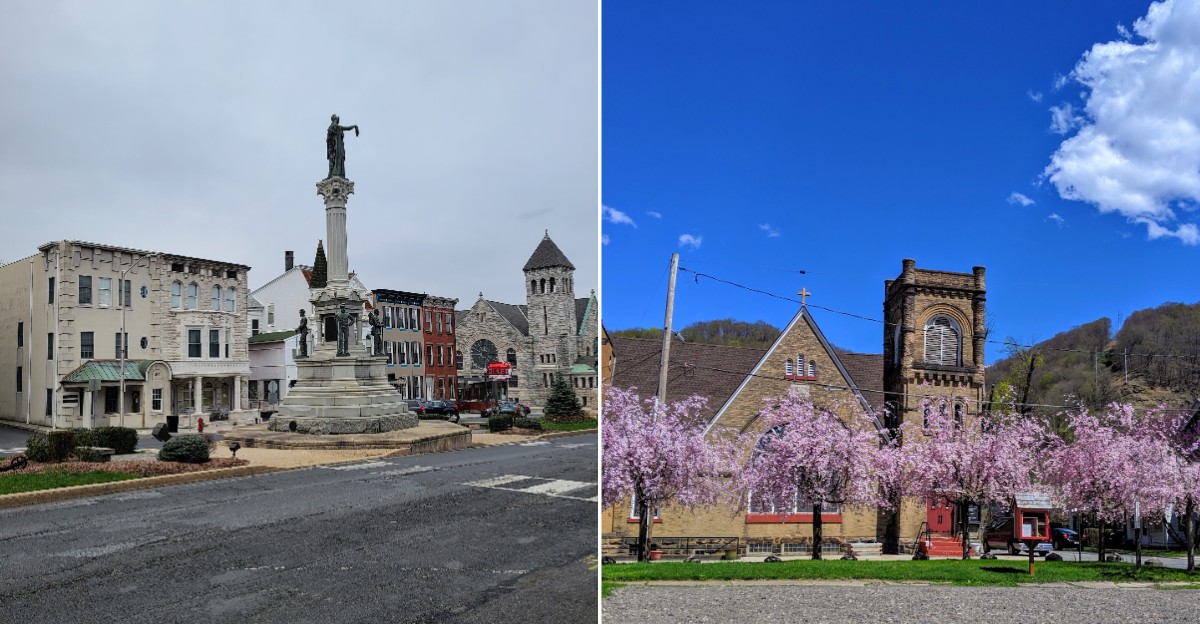
Retirement does not have to mean trading scenery for savings.
In Pennsylvania, there are regions where lower housing costs, quieter towns, and beautiful surroundings can make the numbers look a lot friendlier without making life feel stripped down.
The real attraction is having room to breathe while keeping more of your budget intact.
A mountain view, a walkable main street, or a calm stretch of countryside can feel surprisingly luxurious when the monthly bills are not doing all the talking.
For anyone planning the next chapter carefully, that balance can be hard to ignore.
I started thinking differently about affordable retirement after spending a weekend in a small town where dinner was inexpensive, parking was easy, and nobody seemed rushed.
I remember sitting outside with coffee the next morning and realizing how little I had spent to enjoy the whole trip.
That simple moment stuck with me. Sometimes the place that feels richest is the one that asks the least from your wallet.
1. Allegheny Mountains, Altoona Area
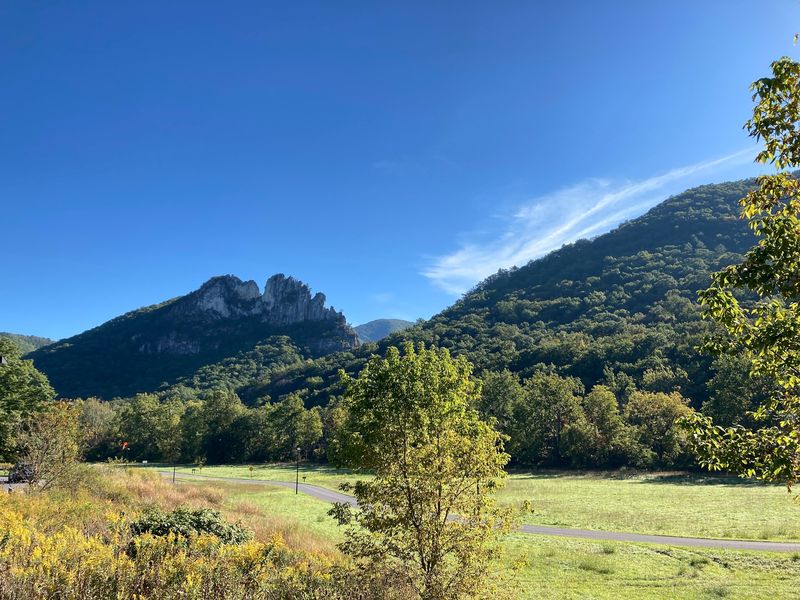
Trains, mountains, and a cost of living that feels borrowed from another decade define this corner.
Altoona grew up around railroads, and the Allegheny Mountains still frame every view.
Horseshoe Curve, an engineering marvel from 1854, remains a favorite spot for watching freight trains bend around a wooded mountainside.
Housing is the headline. Typical Altoona home values remain well below Pennsylvania’s statewide level, giving buyers more room in budgets than in many parts of the state.
Canoe Creek State Park offers swimming, fishing, and one of Pennsylvania’s largest little brown bat maternity colonies.
Lakemont Park preserves Leap-the-Dips, but the park’s amusement rides have remained closed since 2023 and did not operate during the 2026 summer season.
Retirees appreciate a genuine hospital system, plenty of senior centers, and a small airport for occasional trips.
Summers stay mild in the higher elevations, and the mountain air keeps humidity friendlier than in the southeast of the state.
Altoona sits in Blair County in central Pennsylvania, reachable by Interstate 99 and served by daily Amtrak service through the mountains.
2. Laurel Highlands, Johnstown Area
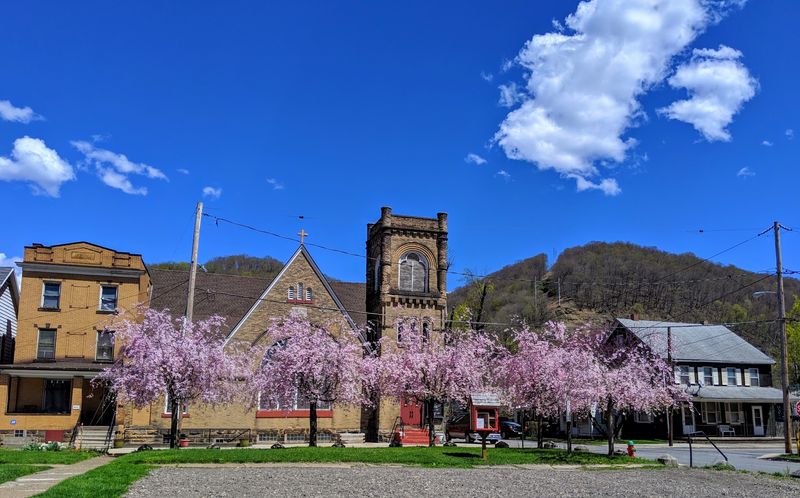
Mountain ridges, whitewater rivers, and home prices well below Pennsylvania’s statewide level all come together in this part of the state.
The Laurel Highlands wraps around Johnstown, a steel city built into a deep valley where three waterways meet.
Retirees find sturdy brick homes and Victorian cottages selling for prices that sound like typos.
Rides on the Johnstown Inclined Plane, one of the steepest vehicular inclines anywhere, reopened in September 2026 after rehabilitation and are temporarily free through October 9, with wide valley views included.
Hiking and biking happen on the Great Allegheny Passage, a crushed limestone trail that rolls through the region free of charge.
Ohiopyle State Park sits close by with waterfalls and river beaches.
Medical care is handled locally, groceries stay reasonable, and Johnstown home values remain substantially below Pennsylvania’s statewide typical home value.
Winter brings real snow, so a good shovel and a reliable furnace belong on the shopping list. Fall, though, turns the whole Laurel Highlands into a sweep of orange and gold.
Johnstown anchors Cambria County in southwestern Pennsylvania, roughly seventy miles east of Pittsburgh along Route 219.
3. Lake Erie Region, Erie Area
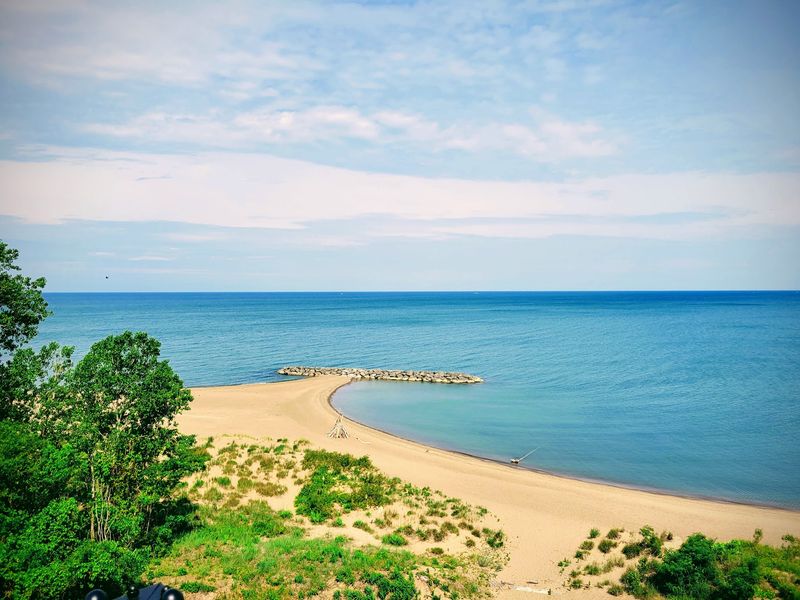
Sandy beaches and a lighthouse sunset usually come with a resort price tag, but not along this shoreline.
Erie gives Pennsylvania its only freshwater coast, and Presque Isle State Park delivers seven miles of public beach without an entrance fee.
Swimming, kayaking, and bird watching all happen within minutes of town.
Home prices in the Erie area rank among the most affordable in the Northeast, and older neighborhoods near the water hold solid brick houses with real character.
Wine country stretches east toward the New York border, and roadside stands sell Concord grapes by the crate every September.
Two hospital systems, a public transit network, and a small international airport handle practical needs.
Winters bring heavy lake effect snow, which is the honest trade-off for those summer afternoons on the sand.
Museums, a maritime history center, and minor league baseball keep the calendar full for very little money.
The Lake Erie Region centers on Erie County in the far northwestern corner of Pennsylvania, about two hours from both Cleveland and Buffalo.
4. Allegheny National Forest Region, Bradford Area
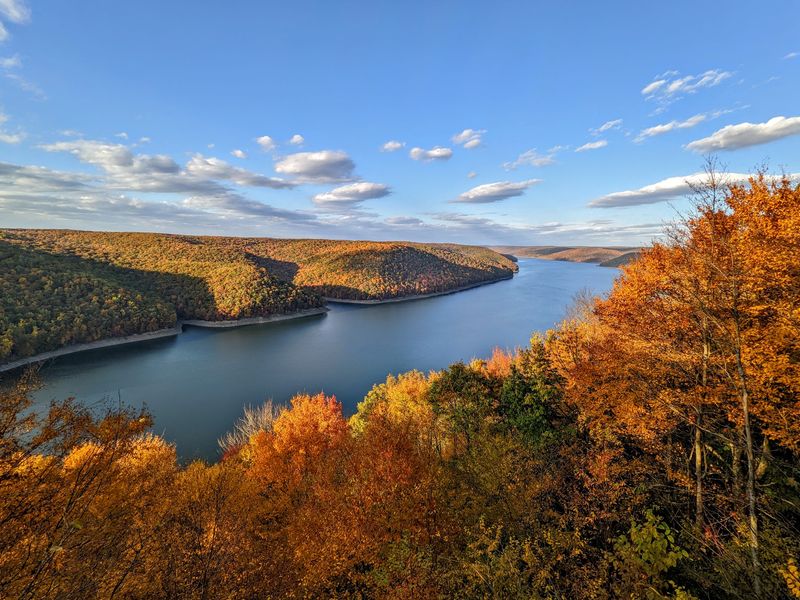
Half a million acres of public forest sit outside the front door in this pocket of the state.
Bradford serves as the northern gateway to the Allegheny National Forest, and the surrounding hills stay green in every direction. Hunting, fishing, and hiking are practically municipal hobbies.
Kinzua Bridge State Park nearby features a glass floored skywalk stretching over a deep valley, built on the remains of a railroad viaduct once called the eighth wonder of the world.
Housing costs here remain low, with McKean County home values well below Pennsylvania’s statewide typical level in 2026.
That difference can help stretch a fixed retirement budget considerably further over time.
Bradford is also the longtime home of the Zippo lighter, and its Zippo/Case Museum and Flagship Store draws visitors worldwide.
Groceries, outpatient medical care, and a four-year university campus support daily life, while the Allegheny Reservoir provides boating all summer.
Look for the Bradford area in McKean County, along Route 219 near the New York state line in north central Pennsylvania.
5. Pennsylvania Oil Heritage Region, Oil City And Franklin
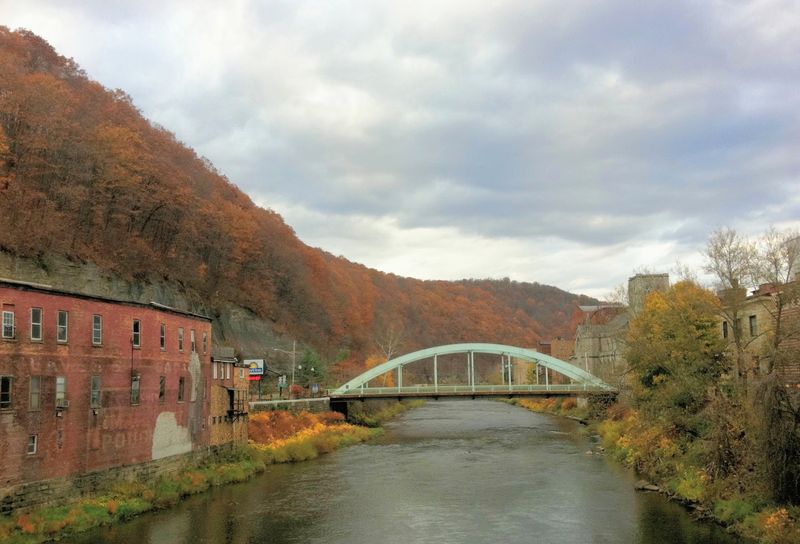
Two river towns shaped by Pennsylvania’s oil boom now pair historic architecture with home values well below the statewide typical level today.
The Pennsylvania Oil Heritage Region covers Oil City and Franklin, where the world’s first commercial oil well changed history in 1859. That boom left behind grand architecture at bargain prices.
Franklin’s downtown has been carefully preserved, with a courthouse dome, an antique district, and an autumn Applefest that fills the streets.
Oil City reinvented itself partly as an artist community, offering low cost studio housing to creative newcomers. Retirees with a hobby or two fit right in.
The Allegheny River Trail runs for miles along the water, paved and mostly flat, which makes it ideal for easy cycling or morning walks.
Oil Creek State Park preserves the ghostly remains of vanished boomtowns, complete with a tourist railroad that rumbles through the valley.
Both communities sit in Venango County in northwestern Pennsylvania, linked by Route 8 and a short scenic drive along the Allegheny.
6. West Branch Susquehanna Valley, Williamsport Area
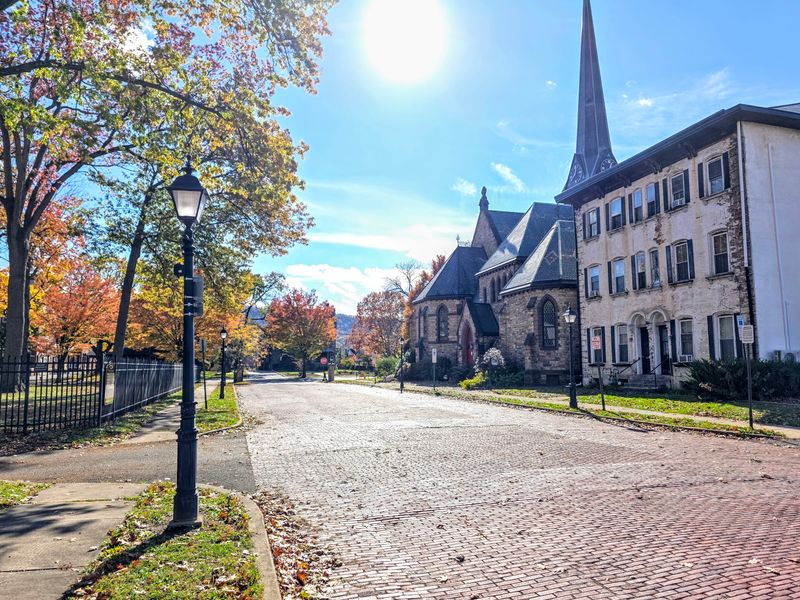
Baseball fame, river views, and grand old homes come together in a valley that rarely makes a budget list, though it should.
Williamsport anchors the West Branch Susquehanna Valley, while neighboring South Williamsport hosts the Little League World Series every August, a free event for spectators throughout the tournament.
Lumber barons once built mansions along Fourth Street, still known as Millionaires Row. Those houses cost a surprising fraction of what their grandeur suggests.
The Susquehanna River Walk offers flat, breezy strolling, and the surrounding ridges hide waterfalls, state forests, and the Pine Creek Gorge an hour north.
Healthcare is strong for a city this size, with a large regional medical center and specialists who usually mean no long drives.
Retirees here find walkable neighborhoods, home values below Pennsylvania’s statewide level, and a farmers market operating throughout the year.
Williamsport sits in Lycoming County in north central Pennsylvania, along Route 220 and Interstate 180 where the West Branch Susquehanna Valley widens out.
7. Schuylkill Highlands, Pottsville Area
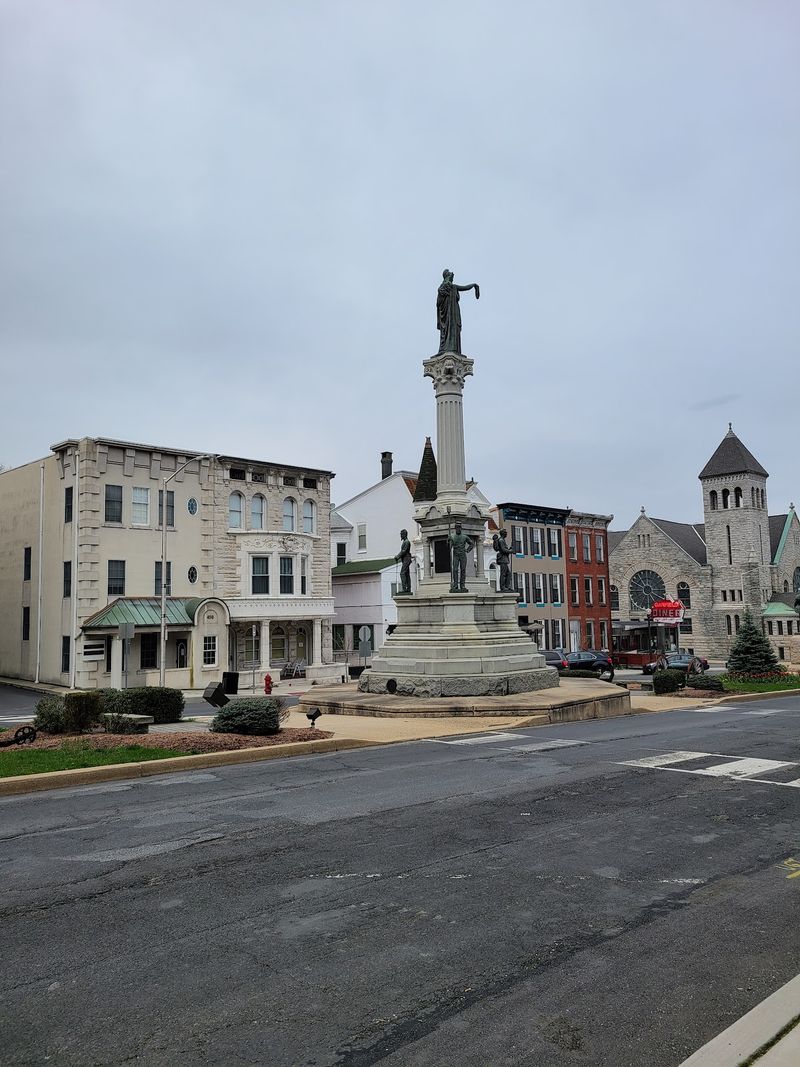
Row houses climb steep hillsides here, and the price tags on them still make newcomers blink twice.
Pottsville sits at the heart of the Schuylkill Highlands, anthracite coal country where typical home values remain well below Pennsylvania’s statewide typical level today.
The region carries real history. Pottsville is the birthplace of novelist John O’Hara, and the surrounding hills hold abandoned mine landscapes now reclaimed by forest.
Hawk Mountain Sanctuary lies a short drive south, where thousands of migrating raptors ride the ridge winds every autumn.
Locust Lake and Tuscarora State Parks handle swimming and fishing duties.
Home values in Schuylkill County remain below Pennsylvania’s statewide level, offering a meaningful affordability advantage this close to Philadelphia and the Lehigh Valley.
Day trips to bigger cities take under two hours, so specialists, airports, and big stores stay within reach without the daily cost of living there.
Pottsville anchors Schuylkill County along Route 61 in the Schuylkill Highlands of eastern Pennsylvania, with the Appalachian Trail crossing just to the south.
8. Endless Mountains, Bradford County
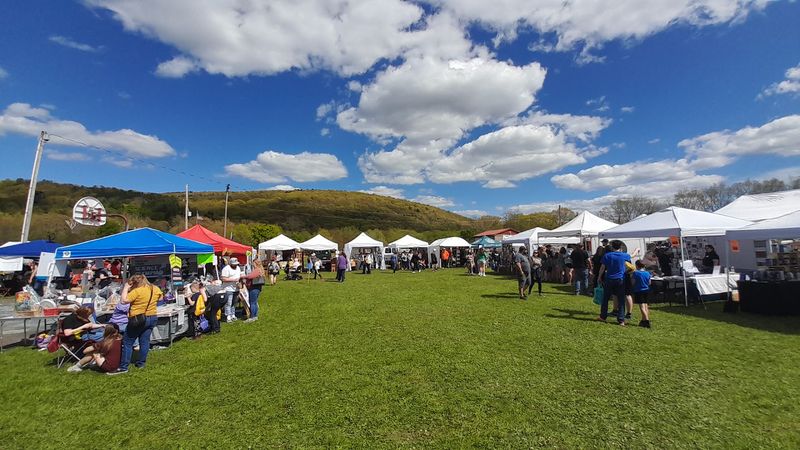
Rolling ridges stack toward the horizon like waves, and the farm towns below stay refreshingly cheap.
Bradford County forms a big piece of the Endless Mountains, a region of dairy farms, covered bridges, and quiet river bends along the North Branch Susquehanna.
Towns like Towanda and Troy offer farmhouses and village homes at prices that leave room in a retirement budget for travel or hobbies.
Mount Pisgah State Park and Sunfish Pond County Park provide fishing and picnic spots, while Marie Antoinette Overlook tells a story of a settlement built for French refugees in the 1790s.
Life moves slowly. County fairs, church suppers, and roadside maple syrup stands make up the social calendar, and neighbors still wave from tractors.
Shopping and hospitals are available locally, though the nearest larger cities sit across the New York border in the Elmira area.
Bradford County occupies the northern tier of Pennsylvania, reached by Route 6 and Route 220 through the heart of the Endless Mountains.
9. Pennsylvania Wilds, Clearfield Area
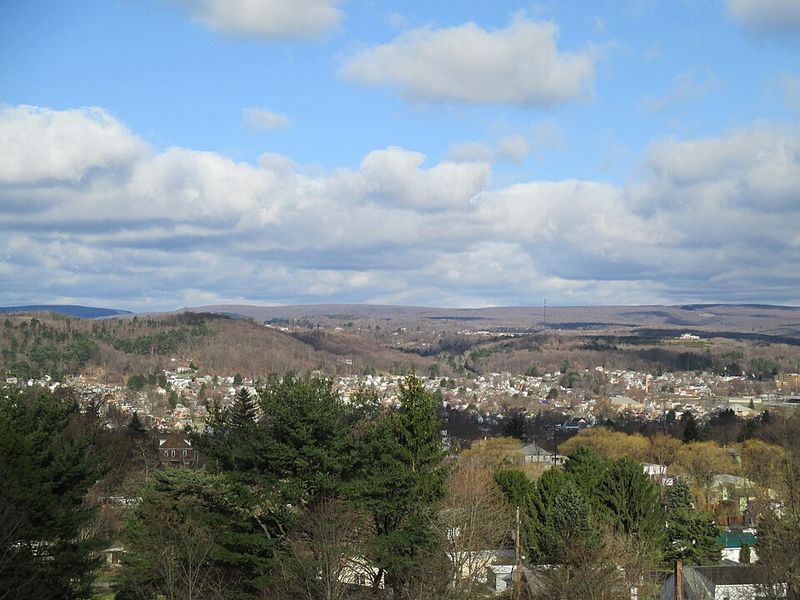
State forest on one side, a winding river on the other, and housing costs that feel almost accidental.
Clearfield sits within the Pennsylvania Wilds, near the Moshannon State Forest that spreads across the plateau nearby. Elk roam not far to the north.
Home values in Clearfield County remain well below Pennsylvania’s statewide typical level, giving this part of the state a measurable housing-cost advantage.
Parker Dam and S.B. Elliott State Parks sit within easy reach, both quiet places for fishing, paddling, and cabin weekends.
Dark skies here make stargazing genuinely impressive.
Clearfield’s downtown holds a historic district along the West Branch Susquehanna, plus a county fair that has been running since the 1860s.
A local hospital, Interstate 80 access, and a short drive to State College cover healthcare, travel, and the occasional big city fix.
Retirees who enjoy hunting, gardening, or simply having elbow room can find outdoor space throughout the surrounding Pennsylvania Wilds.
Clearfield sits in Clearfield County in west central Pennsylvania, where Interstate 80 crosses Route 879.
10. French Creek Valley, Meadville And Crawford County
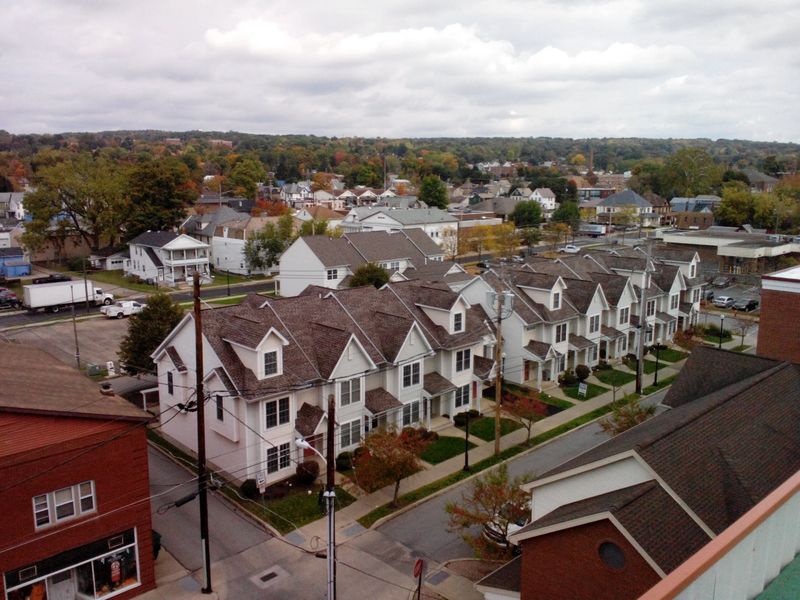
One of the most biologically diverse waterways in the northeastern states runs right through this valley.
French Creek slips past Meadville, home to Allegheny College and a downtown of nineteenth century storefronts.
Crawford County wraps around it with farmland, lakes, and Amish settlements.
Housing stays remarkably affordable, and Meadville’s older neighborhoods offer big porches, tall ceilings, and yards large enough for serious gardening.
Conneaut Lake, the largest natural lake in Pennsylvania, sits a short drive west with boating and old fashioned summer charm.
Pymatuning State Park draws anglers and the famous spillway where ducks walk on the backs of carp.
Retirees often mention the paddling here. French Creek is gentle, scenic, and home to rare mussels and fish found almost nowhere else.
A regional hospital, a busy library, college lectures open to the public, and an active senior center keep the days interesting without draining savings.
Meadville anchors Crawford County in northwestern Pennsylvania, along Interstate 79 roughly forty minutes south of Erie in the French Creek Valley.